Yoga guide

Yoga for a hip labral tear and hip impingement (FAI): the pinch, the poses to avoid or change, what the evidence shows, and a class

The labrum is a rim of tough tissue around the hip socket. A tear can cause deep groin pain, clicking or catching, and pain when you bend the hip deeply or twist, often alongside hip impingement (femoroacetabular impingement, FAI), where the shape of the ball or socket makes them meet early. Both are common on scans of hips that don't hurt, so the scan has to match your symptoms. Exercise is the first treatment, for at least 3 months; in trials, keyhole surgery did a little better on average than physiotherapy, and no trial has compared it with a sham operation.

No trial has tested yoga for either, and some favourite hip poses (pigeon, garland squat, happy baby, deep twists) take the hip towards the position that pinches. That doesn't mean no yoga: it means strength and control in every direction, standing poses kept above the pinch, and long, deep hip holds left out.

This guide covers the pinch, the poses to start with and to change, getting back to yoga after hip arthroscopy, what the evidence shows and a free 25-minute class. If you've had a fall and can't put weight on the leg, or your hip is hot and swollen with a fever, start with the warning signs.

The short version

Common on scans of hips that don't hurt

On MRI (magnetic resonance imaging), 69% of 45 volunteers without hip symptoms had a labral tear, and pooled across studies, 54% of people without hip pain had one, against 62% with pain. Impingement is only diagnosed when symptoms, examination and imaging all fit.

Sources 1, 2, 3

Exercise first, for at least 3 months

An international expert group recommends exercise-based treatment for at least 3 months and staying active, sport included, and Canadian sports doctors agreed unanimously that it's reasonable to try non-surgical care first in almost everyone.

Sources 4, 5

Surgery helps a little more, on average

In UK FASHIoN (348 people), keyhole surgery scored 6.8 points better than physiotherapy on a 100-point hip score at a year, just over the 6.1 points patients notice, and the FAIT trial also favoured surgery. People knew which treatment they had, and no sham-controlled trial has reported.

Sources 6, 7, 8

Strengthening and stretching programmes both helped

In a 2026 trial of 154 adults with impingement, a physiotherapist-led strengthening programme and a stretching programme both improved hip scores by about 20 points over 6 months, though more people in the strength group felt their pain had improved.

Source 9

No yoga trial, and some poses pinch

No trial has tested yoga for a labral tear or impingement. In a lab study, downward dog, forward folds, seated twists and pigeon took the hip deep into bending, and eagle and seated twists added crossing the thigh.

Sources 10, 11

Up to the pinch, not into it

The US physiotherapy guideline advises limiting forceful end-range bending and turning-in stretches with impingement. In yoga: stop at the first pinch in the front of the hip (our suggestion).

Source 12

What a labral tear and impingement are

The labrum, and a tear

The labrum deepens the hip socket and helps seal the joint. Canadian experts agreed that pain at the front of the groin, pain when the hip is bent right up, and a sharp catching pain on turning make a labral tear more likely, and the US orthopaedic surgeons' patient page says turning, twisting and squatting may cause a sharp, stabbing pain. Because the labrum has a poor blood supply, a tear may not heal, but pain and function improve with exercise, as our hip labral tear guide explains.

Sources 5, 13

Impingement (FAI)

In impingement, the ball (a cam shape) or the rim of the socket (a pincer shape) is shaped so they meet early when the hip bends. An international consensus renamed it FAI syndrome to put the symptoms at the centre: the diagnosis needs the right symptoms, examination signs and imaging together. Experts also warn not to confuse labral or cartilage problems that cause symptoms with the incidental findings on scans of people who have none.

Sources 3, 14

Scans of hips that don't hurtStrong evidence

Labral tears showed on MRI in 69% of 45 volunteers aged 15 to 66, in 38.6% of 70 young volunteers, and in 44% of 63 volunteers against 61% of matched patients, a difference that wasn't significant. Cam shapes were found in 37% and pincer shapes in 67% of hips without symptoms.

Sources 1, 15, 16, 2, 17

How it usually goes without surgeryMixed evidence

In 52 people treated without surgery for a year, hip scores rose and 71.2% were satisfied, though 48.1% reported no improvement in their pain. In 35 people treated with physiotherapy, scores rose over about 5 months and 22.9% went on to surgery, more often those with the most severe tears. These are small studies without comparison groups, and a review rated them low quality.

Sources 18, 19, 20

The pinch

The positionEmerging evidence

The pinch position is the hip bent deeply with the knee drawn across the body and turned in; it is also the clinic test. In a CT (computed tomography) simulation, hips with impingement reached bony contact at about 110 degrees of bending, against about 125 degrees in hips without it, and in a deep squat, people with a cam shape couldn't squat as low and moved their pelvis less.

Sources 14, 21, 22

Which yoga poses take you thereEmerging evidence

In a lab study of 11 poses in 20 healthy practitioners, downward dog, forward fold, seated twist and pigeon took the hip deep into bending; eagle and the seated twist added crossing the thigh; and half moon, eagle and triangle turned the hip in more. The US physiotherapy guideline, which is expert opinion, advises limiting forceful end-range bending and turning-in stretches with impingement.

By the same logic, garland squat, happy baby, child's pose with the knees together and twisted lunges combine deep bending with crossing or turning in. That is our reading, extended from this one lab study and the guideline; no study has measured these poses in people with impingement.

Sources 11, 12

Flexible hips aren't protected hipsMixed evidence

In professional ballet dancers with normally shaped hips, typical ballet movements produced impingement and partial slipping of the joint. Yet labral tears were as common in 49 professional dancers as in other sports people (51% of hips) and weren't linked with pain, and a review of 35 low-level studies suggests more joint damage in dancers. A study of flexibility-sport athletes, yoga practitioners among them, with a slightly shallow hip socket found they did as well after surgery as those without. More range isn't the goal.

Sources 23, 24, 25, 26

Yoga and hip injuriesMixed evidence

Labral tears were among the tears seen on scans of 38 people hurt in yoga at one centre, and in US emergency department records, hip injuries made up a bigger share of yoga injuries in people aged 45 or over. Neither gives a rate per person practising, so neither shows that yoga is risky for hips.

Sources 27, 28

What the evidence says

No trial has tested yoga for a labral tear or impingement, so this section gives the exercise and surgery evidence and the one study of getting back to yoga.

Exercise firstStrong evidence

International and Canadian consensus statements put at least 3 months of exercise-based care first, with staying active and sport included. The Canadian list covers range of movement, strength, trunk and buttock strength, movement retraining, easing symptoms, changing activities and education. The same experts note that strong trial evidence for physiotherapist-led treatment is lacking: a review of 14 studies found no full-scale placebo-controlled trial.

Sources 4, 5, 29, 30

Surgery against physiotherapyEmerging evidence

In UK FASHIoN (348 people at 23 NHS hospitals), the hip score at 12 months was 6.8 points better after keyhole surgery than after personalised physiotherapy, just above the 6.1 points patients notice; when only the best-delivered physiotherapy was counted, the difference was smaller and not significant. Its authors say the advantage might come from the operation, the placebo effect of surgery, the rehabilitation after it, or a mix.

FAIT (222 people) also found surgery better on a hip score at 8 months, against up to eight physiotherapy sessions. In an 80-person US military trial there was no difference at 2 years, but most of those offered physical therapy had surgery, and an Australian trial found no difference in cartilage health at a year.

Sources 6, 7, 31, 32

Over the longer termEmerging evidence

Meta-analyses put surgery's advantage at about a year around or below the smallest difference patients notice, with less certainty after 2 years, and a few different results could change some trials' conclusions. FAIT's follow-up at about 3 years still leaned towards surgery for symptoms and found no difference in joint space on X-ray; a 2025 correction to that paper couldn't be read, so we give only its direction. Between 1 and 3 years in UK FASHIoN, 24% of the physiotherapy group chose surgery, and 12% of the surgery group had a second arthroscopy. The only sham-controlled trial has published its plan but no results.

Sources 33, 34, 35, 36, 37, 38, 8

Over 40Mixed evidence

In a single-surgeon trial of people over 40 with a labral tear, surgery plus therapy did better than therapy alone, but 71.1% of the therapy-alone group crossed over to surgery, and trying physiotherapy first didn't spoil the results of later surgery.

Sources 39, 40

Strengthening and stretching both helpedEmerging evidence

In PhysioFIRST (154 adults aged 18 to 50 with impingement), a progressive hip, trunk and jumping programme and a standardised hip and leg stretching programme, each with up to 15 sessions over 6 months, both improved the hip score by about 20 points, with no difference between them; 72% of the strength group felt their pain had improved, against 52% of the stretch group. A light home programme added to usual care did no better than usual care. Neither was yoga.

Sources 9, 41

No yoga trialStrong evidence

Our searches of PubMed and Europe PMC found no trial of yoga in a hip labral tear or impingement.

Source 10

Getting back to yoga after surgeryMixed evidence

Of 42 yoga practitioners who had keyhole surgery for impingement, 71% had stopped yoga beforehand because of the hip; 93% returned, at an average of 5.3 months, and 45% at a higher level. That is one surgeon's series, without a comparison group. Across flexibility sports, most athletes returned at the same or a higher level.

Sources 42, 43

Arthritis laterEmerging evidence

A cam shape goes with a higher chance of hip arthritis later (1.87 times the odds in 23,886 mostly older hips), but surgery hasn't been shown to prevent it: FAIT found no difference in joint space on X-ray at about 3 years, and the Australian trial no cartilage benefit at a year.

Sources 44, 45, 34, 32

The pain rule: up to the pinch, not into it

Our hip labral tear guide's rule

"During the exercise, pain up to about 5 out of 10 is acceptable. It should settle within an hour or so, and your hip should be no worse that night or the next morning. If it is, do less next time (fewer repetitions, a smaller range, a lighter load), not nothing."

A sharp pinch, catch or click is different: make the movement smaller rather than pushing through. The guideline asks clinicians to avoid exercises and ranges that bring on impingement, and the NHS programme in UK FASHIoN left out painful, hard end-of-range stretches.

This rule comes from tendon and arthritis programmes; it has not been tested in labral tears.

In yoga

In any pose, stop at the first pinch in the front of the hip; holding there, or letting gravity or a hand take you deeper, is the part to leave out (our suggestion, from our hip impingement guide's rule to work up to the pinch, not into it). A bony block doesn't stretch: the US guideline says people with a hard, bony end to their range may not benefit from stretching.

Source 12

Settle, away from the pinch

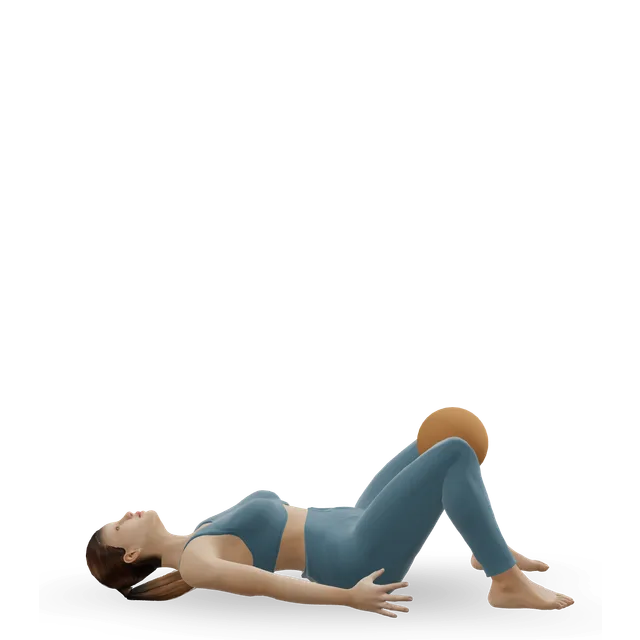
From the first stage of our hip labral tear guide and our yoga for hip pain class, which strengthens without squeezing. Slow breathing: 2 minutes lying, knees bent and feet flat. Supine heel slide: 10 slow repetitions each side, once or twice a day (the move page's dose), stopping before any pinch at the front of the hip. Glute bridge: 2 to 3 sets of 10. Dead bug heel taps: 2 sets of 6 to 8 each side, knees no closer to your chest than a right angle. Clamshell: 2 sets of 12 each side, small range. Ball squeeze: 5 holds of 5 to 10 seconds. Standing march: 2 sets of 10 each side, knee only as high as is pinch-free.

Standing poses above the pinch

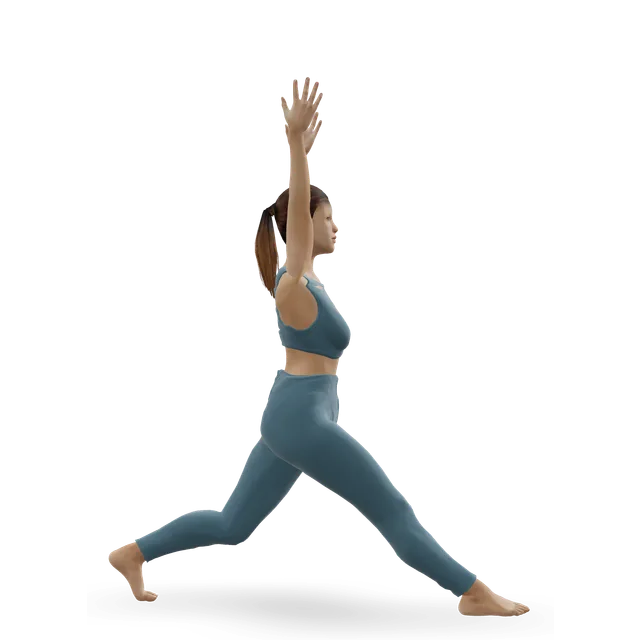
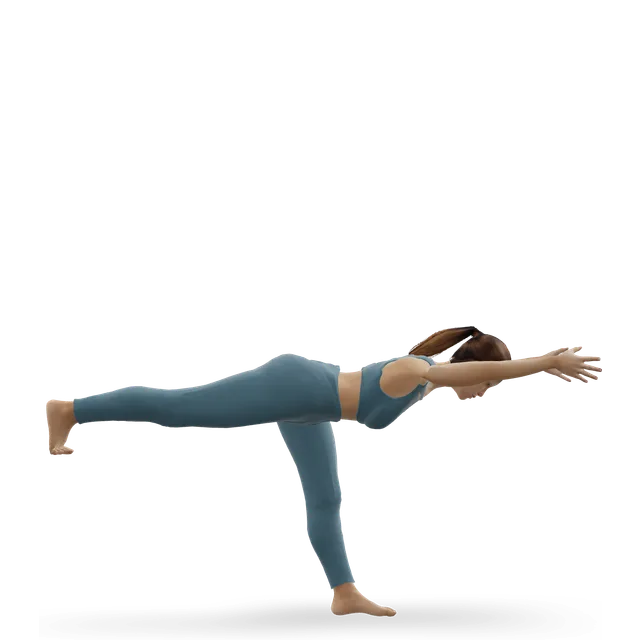
Cues from our yoga for hip pain class unless marked. Mountain pose: 5 slow breaths, weight even on both feet. Chair pose: 3 holds of 3 to 5 breaths, sitting back to a comfortable depth, above any pinch. Warrior II: 3 breaths each side, twice, short stance, shallow front knee, back toes turned in a little; skip it if it pinches at the front of the back hip. Tree pose: 3 to 5 breaths each side, a hand on a wall, toes of the lifted foot on the floor or a block. High lunge: 5 breaths each side, short stance, hands on your hips, trunk upright, shortening the stance if the front hip pinches (our suggestion, with our yoga for balance class's dose). Single-leg stand: 3 holds of 20 to 30 seconds each leg, fingertips on a support (our hip labral tear guide). Hip airplane, later on: 2 sets of 3 to 5 each side holding a support, in the pinch-free range only (the third stage of our hip labral tear guide; adapted from the move page's dose).

Hip strength in every direction

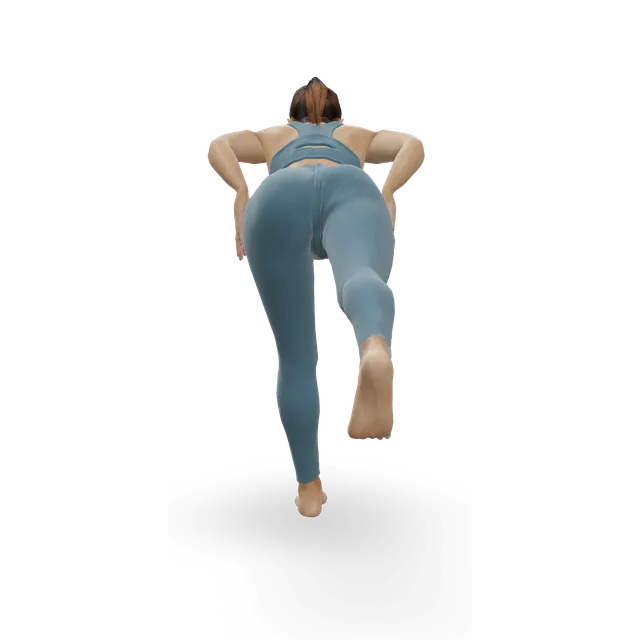
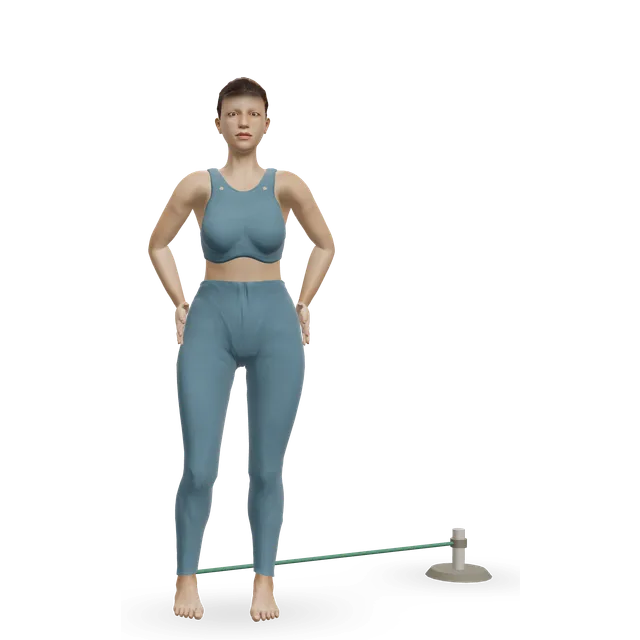
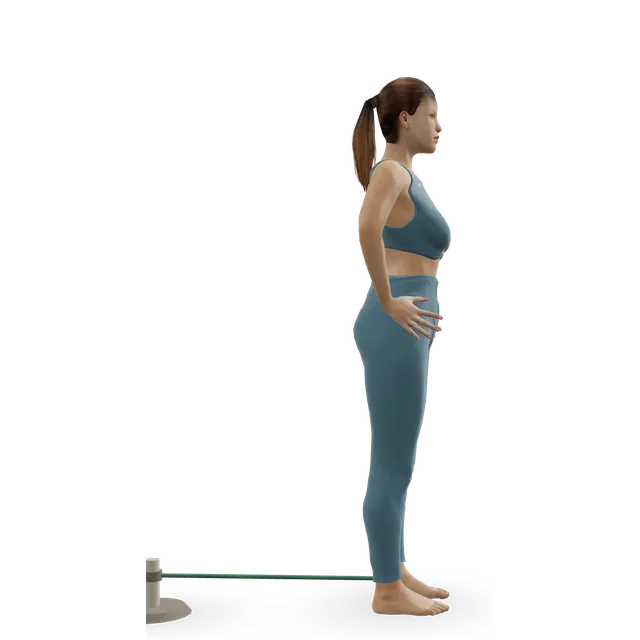
From the second stage of our hip labral tear guide, which follows the order of the NHS physiotherapy in UK FASHIoN: control first, then strength in the pain-free range. Single-leg bridge: 3 sets of 8 to 10 each side. Standing band hip abduction: 3 sets of 10 to 12 each side. Band hip flexion: 3 sets of 10 to 12 each side, knee no higher than pinch-free. Knee side plank: 3 holds of 20 to 30 seconds each side, then a full side plank. Locust: 3 holds of 3 breaths, one leg at a time (our yoga for knee pain class), which works the hip away from the pinch. Bird dog: 2 sets of 6 each side, knee under the hip (our hip impingement guide). Warrior III: 3 breaths each side, hands on a chair at hip height, only if the standing hip doesn't pinch (our vinyasa flow for beginners class).

Gentle range and rest

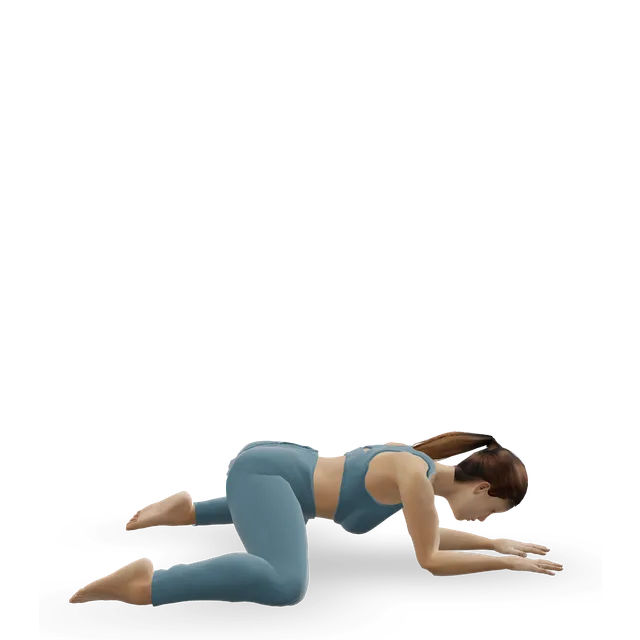
Half-kneeling hip flexor stretch: 2 holds of 30 seconds each side, tucking your tailbone under until you feel a mild stretch at the front of the back hip, without lunging deeper (our yoga for hip pain class); it takes the back hip away from the pinch. Cat-cow: 8 waves, slower than feels natural (the move page's dose), without sitting back towards your heels. Reclining bound angle: 2 minutes with a cushion or block under each thigh (our yoga for hip pain class; adapted from the move page's dose), skipping it if it brings on groin pain (our suggestion). Supported bridge: rest 3 to 5 minutes on the block, the time Yoga Journal suggests, breathing slowly through your nose (the move page's dose). Corpse pose: 3 minutes, a cushion under your knees.

Poses to avoid or change

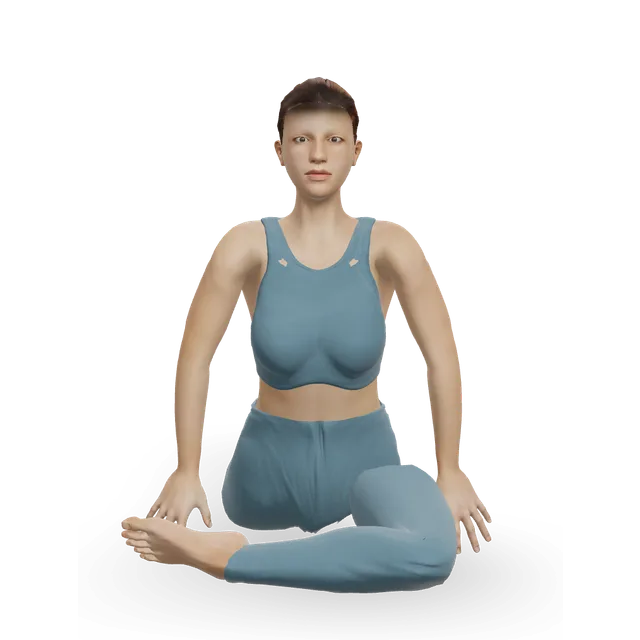
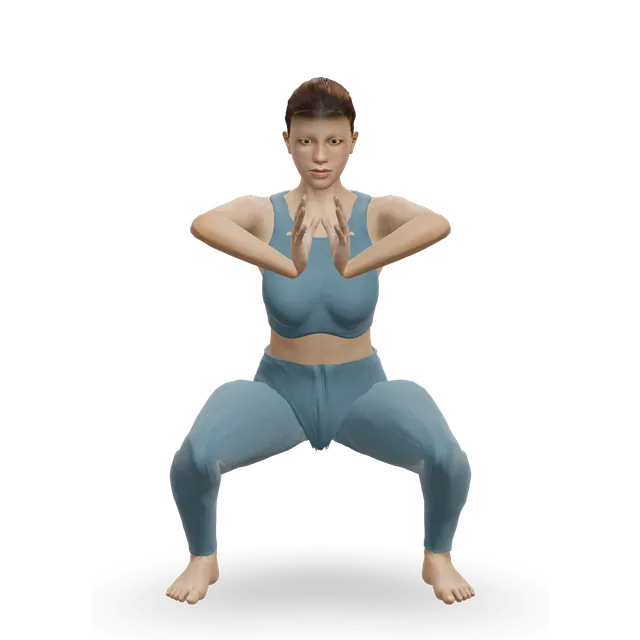
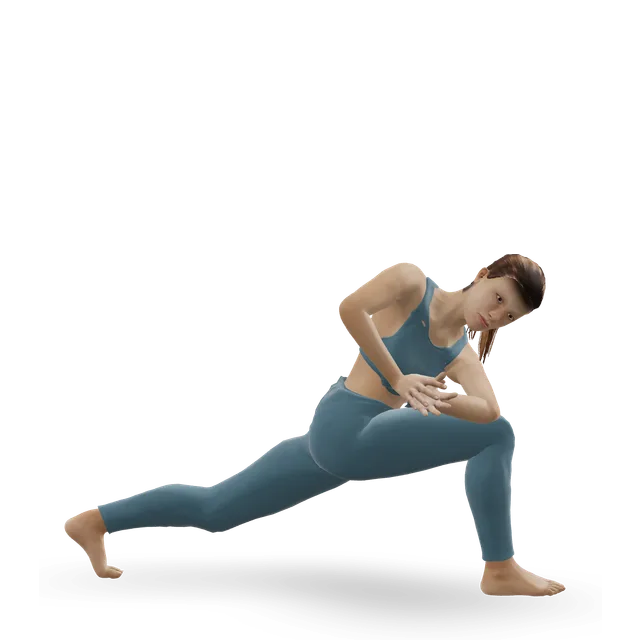
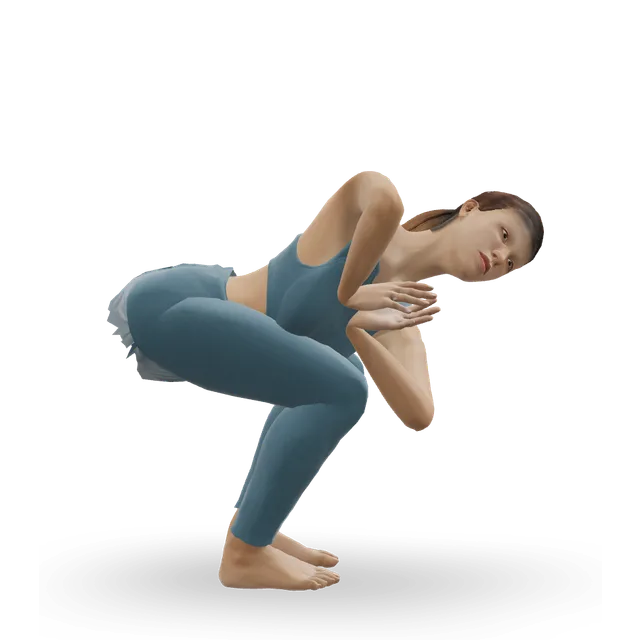
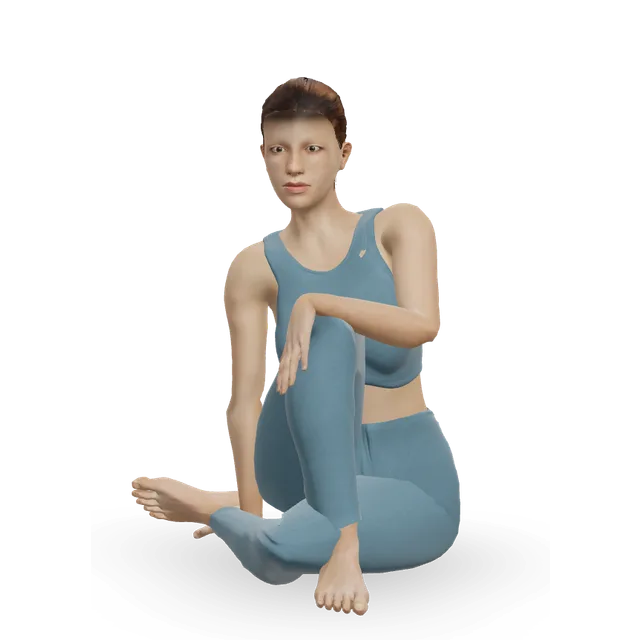
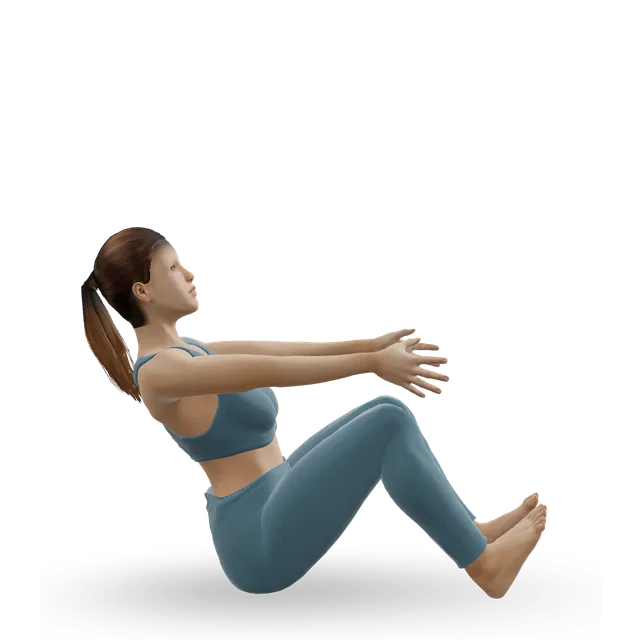
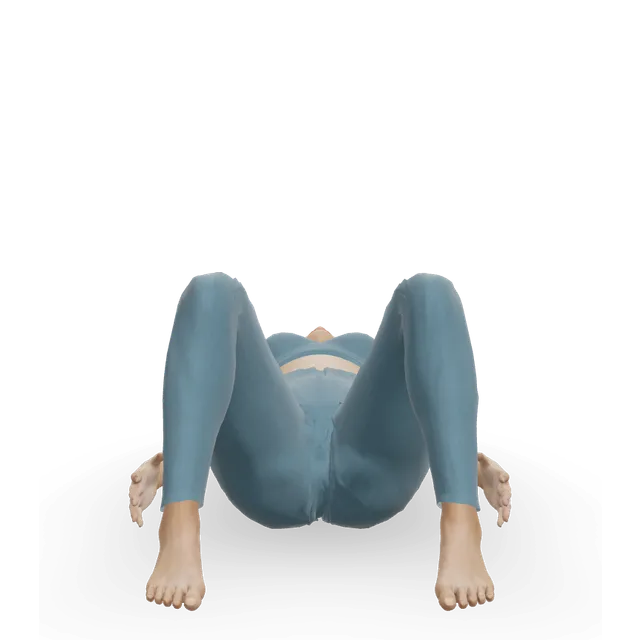
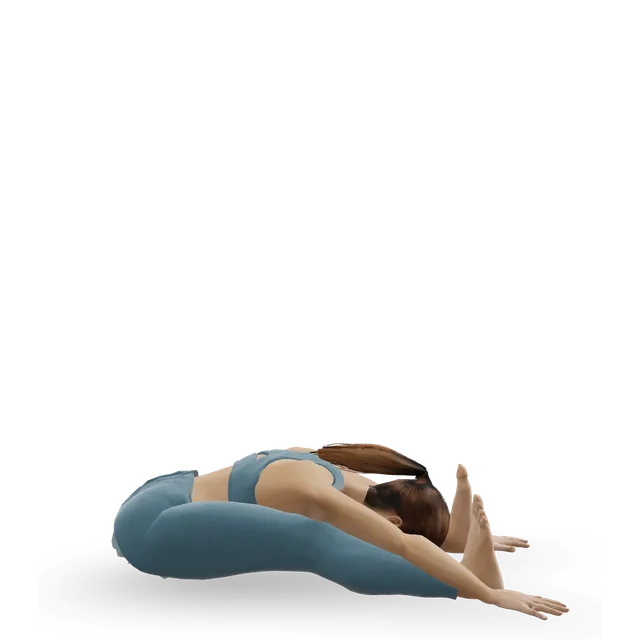
Our hip labral tear guide's list to avoid includes stretching into the pinch in pigeon, frog and deep squat holds. Pigeon, frog, lizard and garland pose (a deep squat hold) hold the hip deeply bent and turned under your weight. Happy baby, knees to chest and child's pose with the knees together pull the knees towards the chest: take child's pose with the knees wide and the hips high on a bolster, or skip it. Leave out twisted lunges and twists that pull the bent knee across (revolved side angle, revolved chair, half lord of the fishes), and cow face and eagle, which cross the thigh and turn it in; in a lying twist, keep a cushion between your knees and drop them only a little. Fold from the hips over straight legs only as far as stays pinch-free, sitting on a folded blanket. Boat pose and other long, deep hip-bending holds can wait: build hip flexor strength with the standing band work first. Pigeon, folds and seated twists were measured taking the hip deep into bending; that garland squat, happy baby, child's pose with the knees together and twisted lunges pinch too is our reading.

After hip arthroscopy

Your team's plan comes first

After keyhole hip surgery, your surgical team's plan and precautions come first, and our hip arthroscopy guide covers the recovery. Yoga comes back when your team agrees.

Getting back to yogaMixed evidence

In one surgeon's series of 42 yoga practitioners, classes were held back for the first 6 weeks because of the extreme ranges yoga asks for; sitting poses with extreme outward turn and bending, such as butterfly and cow face, waited up to 12 weeks; and patients were told to avoid any pose in deep bending and turning that brought on groin or front-of-hip pain. 93% returned to yoga, at an average of 5.3 months.

Source 42

Classes to follow

Our 25-minute yoga for a hip labral tear class builds hip strength and stays out of the pinch; do it 2 or 3 times a week, the frequency in our hip labral tear guide. The yoga for hip pain class is gentler. The core, balance and strength workouts are the labral guide's own picks, with squats kept above the pinch. Gentle yoga for beginners suits too if you skip the reclined figure four when it pinches. The yoga for tight hips class and yin yoga don't suit as they stand: they hold pigeon, lizard, happy baby and bound angle.

Yoga for a hip labral tear or impingement: a 25-minute class that builds hip strength and stays out of the pinch

A 25-minute yoga class for a hip labral tear or hip impingement (FAI): hip and trunk strength, shallow standing poses, and no deep hip bends or twists.

25 minBeginner17 movesOther / check instructions, A wall

Yoga for hip pain: a 25-minute routine that strengthens without squeezing

Twenty-five minutes of hip-friendly yoga: lying and standing hip strength, a mild hip flexor stretch and a supported rest, with no crossed legs or deep bends.

25 minBeginner13 movesA band, A wall

Pilates for hip pain: a 20-minute class that spares the hip

A 20-minute Pilates class for hip pain: bridges, outer-hip holds, standing leg work and balance, without deep bends, crossed legs or lying on the sore side.

20 minBeginner14 movesA band, A wall

Beginner core workout

A 15-minute beginner core workout on the floor: dead bugs, bird dogs, knee planks, side planks and curl-ups.

15 minBeginner6 movesNo equipment

Balance exercises routine

Balance practice in 10 minutes: tandem stance, single-leg stands, marches, heel walks, tree pose and floor transfers.

10 minBeginner7 movesA wall, A bench or box

Strength and balance workout

Strength and balance in one session: squats, Romanian deadlifts, push-ups, rows, step-ups, back extensions, carries and single-leg balance.

45 minBeginner14 movesA wall, A dumbbell

Gentle yoga for beginners

A 25-minute gentle yoga class for complete beginners and over-50s: slow breathing, a warm-up, supported standing poses, floor poses and a closing rest.

25 minBeginner14 movesNo equipment

Warning signs: when to get help

These are the warning signs from our hip, hip labral tear, groin and hernia guides, word for word, apart from the lines marked as our suggestion. This is general information, not a diagnosis. A&E means accident and emergency; in the US, call 911 for 999.

After a fall or injury

Call 999 or go to A&E: severe hip pain after a fall or injury, or you cannot stand, walk or put weight on the leg. In an older adult this can be a broken hip; the leg may be at an odd angle or look shorter. Don't drive yourself.

Call 999 or go to A&E: tingling or loss of feeling in the hip or leg after an injury.

Source 46

Back, bladder or bowel symptoms

Call 999 or go to A&E if you have sciatica on both sides, weakness or numbness in both legs that's severe or getting worse, or numbness around or under your genitals, or around your bottom (anus); if you find it hard to start peeing, cannot pee or cannot control when you pee; or if you do not notice when you need to poo or cannot control when you poo, and this is not normal for you. These could be symptoms of a serious back problem that needs to be treated in hospital as soon as possible.

A lump in the groin

Call 999 or go to A&E now if you have a femoral hernia (a small lump at the top of your thigh, in your groin) and very bad tummy pain, you feel sick or you're being sick, you cannot fart or poo, you have a high temperature or you feel hot, cold or shivery, or you've suddenly become confused. Do not drive to A&E. With any other hernia and pain in or around it, a bloated tummy, feeling or being sick, vomiting blood or vomit that looks like coffee grounds, constipation, a high temperature or feeling hot, cold or shivery, or sudden confusion, get help from NHS 111.

A lump in the groin, upper thigh or tummy, especially one that appears when you cough or strain and goes when you lie down: see a GP, as it may be a true hernia. A femoral hernia (a small lump at the top of the thigh, mainly in women over 50, though it can happen to anyone) needs treating in hospital.

Sources 47, 48

A hot, swollen hip or a fever

Ask for an urgent GP appointment or get help from NHS 111 if you have severe hip pain that started suddenly but you've not had a fall or injured your hip, your hip is swollen and feels hot, the skin around your hip has changed colour, or you have hip pain, feel generally unwell and have a high temperature (or feel hot, cold or shivery). A hot, swollen hip with a high temperature can be a joint infection.

Sources 46, 49

Groin pain in a runner

Same day, and stop running now: groin or front-of-hip pain in a runner, sometimes felt in the thigh or knee, that builds with running, hurts with every step or at night, or hurts when the hip is turned to the end of its range. Keep weight off the leg, using crutches if you have them, and get an urgent GP appointment or help from NHS 111 the same day: a stress fracture of the hip (femoral neck) needs urgent imaging.

A child or teenager

Call 999 or go to A&E if your child gets sudden pain in their hip, knee or thigh (hip problems can sometimes be felt in the thigh or knee) or cannot put any weight on their leg. If your child is limping, ask for an urgent GP appointment or get help from NHS 111 the same day. This applies to teenagers too, and in some children knee pain is the only sign.

Labral tears and impingement are diagnosed in teenagers too, but a teenager with new hip, thigh or knee pain and a limp needs the children's route first, because a slipped growth plate at the hip can look like a groin strain; our slipped upper femoral epiphysis guide covers it (our suggestion).

Sources 50, 51

See a GP or physiotherapist

  • Hip pain that stops normal activities or disturbs sleep, keeps getting worse or keeps coming back, or has not improved after 2 weeks of looking after it at home.
  • Stiffness lasting more than 30 minutes after waking.
  • Pain that builds with running and hurts to hop on (a stress fracture can look normal on an early X-ray).
  • Pain that has not improved after a good 3 months of exercise-based treatment: ask about seeing a hip specialist.

Sources 46, 52

Very flexible joints

If you're hypermobile, don't use mobility work to push further: the NHS says "do not overextend your joints just because you can". See a GP if you think you have joint hypermobility syndrome: for example, your joints keep dislocating, or you keep getting sprains, strains, pain or stiffness.

A slightly shallow hip socket (hip dysplasia) is a different problem, and more range isn't the goal: our hip dysplasia guide covers it (our suggestion).

Source 53

Chest pain or fainting: call 999

Call 999 if:

  • You get sudden pain or discomfort in your chest that doesn't go away; it can feel like squeezing or pressure, burning or indigestion.
  • The pain spreads to your left or right arm, or your neck, jaw, stomach or back.
  • You have chest pain and feel sweaty, sick, light-headed or short of breath.
  • Someone faints while exercising, can't be woken within 1 minute, or has chest pain or a pounding, fluttering or irregular heartbeat.

Sources 54, 55

Unusual breathlessness

Call 999 or go to A&E (accident and emergency) straight away for severe difficulty breathing (gasping, choking or not able to get words out), a chest that feels tight or heavy, pain that spreads to your arms, back, neck and jaw, lips or skin turning very pale, blue or grey, or sudden confusion. If you're more short of breath than usual, or your heart is racing, fluttering or skipping beats, contact NHS 111.

Source 56

During yoga

A joint pain that is sharp, gets worse during a session, lingers into the next day or changes how you move is a reason to use an easier version, and to see a GP or physiotherapist if it keeps happening (the rule in our plans). Muscle soreness for a day or two after something new is normal. In a hot class, stop if you feel dizzy, sick or unwell; our hot yoga guide lists the signs of heat illness.

You can say no to any hands-on adjustment, and a teacher registered with Yoga Alliance must get your explicit consent each time.

Before you start

The NHS advises getting advice from a healthcare professional first if you have a health problem, an injury or symptoms, or have recently had a heart attack or an operation.


Myths

"A labral tear means no more yoga"Mixed evidence

In one surgeon's series, 93% of 42 yoga practitioners went back to yoga after keyhole surgery. Most people start with at least 3 months of exercise instead, and yoga that builds strength and avoids the pinch can be part of it.

Sources 42, 4

"The tear on my scan is the cause of my pain"Strong evidence

More than half of people without hip pain have a labral tear on MRI, and a scan finding is only the diagnosis when the symptoms and examination fit.

Sources 1, 2, 3

"A torn labrum needs surgical repair"Strong evidence

The trials and consensus statements say exercise first, for at least 3 months, with surgery a reasonable option if that hasn't helped, for a modest average advantage.

Sources 4, 5, 6

"Hip openers fix impingement, so stretch through the pinch"Emerging evidence

A bony block doesn't stretch: the US guideline says people with a hard, bony end to their range may not benefit from stretching, and advises limiting forceful end-range bending and turning-in stretches. Gentle, general stretching helped in PhysioFIRST, but that programme didn't stretch into the pinch.

Sources 12, 9

"Surgery stops arthritis later"Emerging evidence

A cam shape is linked with later arthritis, but no trial has shown that surgery prevents it, and follow-up so far is short.

Sources 45, 34, 32

"Flexible people can't have impingement"Emerging evidence

Extreme ranges produced impingement even in dancers' normally shaped hips, and surgeons say impingement is most often diagnosed in athletes who bend and turn the hip repeatedly.

Sources 23, 42

"Rest it until the tear heals"Emerging evidence

A tear may not heal, because the labrum has a poor blood supply, but pain and function often improve with exercise, and experts recommend staying active, sport included.

Sources 19, 18, 4

Questions people ask

Is yoga good for a hip labral tear?

It can be part of the exercise that's recommended first, if it builds hip and trunk strength and stays out of the pinch. Yoga hasn't been tested for labral tears, so this advice is borrowed from the exercise evidence and the guidelines.

Can I do yoga with a hip labral tear?

Usually yes, with changes: keep squats and lunges above the depth that pinches, leave out long, deep hip holds and twists that pull the knee across, and stop for a sharp catch or click. See a physiotherapist if your hip locks or catches often.

Which yoga poses should I avoid with a labral tear?

The ones that bend the hip deeply while crossing or turning it in, or hold it at its limit: pigeon, garland squat, happy baby, knees to chest, deep seated twists, eagle and cow face. A lab study found that downward dog, forward folds, seated twists and pigeon took the hip deep into bending, and eagle and seated twists into crossing; the rest of the list is our reading.

What are the best yoga poses for a labral tear?

No pose is proven best. Start with bridges, dead bug heel taps, clamshells, side planks from the knees, bird dog, and standing poses kept shallow, such as chair, warrior II and tree with a hand on the wall. These follow our hip labral tear plan.

Is pigeon pose bad for hip impingement?

It often pinches: the front hip is bent deeply and turned out under your weight, and a lab study listed pigeon among the poses that take the hip deep into bending. Try the lying figure four, where you control the depth, or leave it out while it pinches.

Is yoga good for hip impingement (FAI)?

The answer is the same as for a tear: exercise is the first treatment, and yoga can supply some of it if it avoids the pinch. In a 2026 trial, both a strengthening programme and a stretching programme improved hip scores by about 20 points over 6 months.

Can yoga cause a labral tear?

It hasn't been shown to. Labral tears appear among yoga injuries on scans, and extreme hip positions cause impingement even in dancers' normal hips, but tears are also common in people who don't do yoga at all. Avoid forcing the hip to its limits.

Will a labral tear heal with yoga?

The tear itself may not heal, because the labrum has a poor blood supply. Pain and function often improve with exercise, though, usually over about 3 to 5 months.

Do I need surgery for a labral tear?

Usually not first. In trials, keyhole surgery did a little better on average than physiotherapy, and no trial has compared it with a sham operation. If a good 3 months of exercise hasn't helped, it's reasonable to ask about seeing a hip specialist.
When can I go back to yoga after hip arthroscopy?

When your surgical team agrees. In one series, yoga practitioners returned at about 5 months on average, with classes held back for the first 6 weeks and deep turned-out sitting poses such as butterfly and cow face held back for up to 12 weeks.

Is yin yoga safe with a labral tear?

Not as most yin classes run: long holds at the end of the hip's range in bound angle, happy baby and deep lunges are what the guideline advises limiting. Shorter, gentler holds above the pinch are the swap (our suggestion).

When should I see a doctor about hip pain?

Call 999 or go to A&E for severe hip pain after a fall or injury, if you cannot stand, walk or put weight on the leg, or for tingling or loss of feeling in the hip or leg after an injury. Ask for an urgent GP appointment or get help from NHS 111 for a hot, swollen hip with a high temperature, and see a GP about a lump in the groin. If a good 3 months of exercise hasn't helped, ask about seeing a hip specialist.
Sources

  1. Register 2012 · Hip MRI findings in 45 volunteers without symptoms (imaging study, Am J Sports Med)
  2. Heerey 2018 · Hip findings on imaging in people with and without pain (systematic review and meta-analysis, BJSM)
  3. Griffin 2016 · The Warwick Agreement on femoroacetabular impingement syndrome (international consensus, BJSM)
  4. Kemp 2020 · Physiotherapist-led treatment for hip-related pain in active adults (Zurich consensus recommendations, BJSM)
  5. Matache 2025 · Management of labral tears in the hip (Canadian consensus statement, Orthop J Sports Med; read in full)
  6. Griffin 2018 · Hip arthroscopy against personalised physiotherapy for impingement: UK FASHIoN, 348 people (randomised trial, Lancet; read in full)
  7. Palmer 2019 · Hip arthroscopy against physiotherapy and activity changes for impingement: FAIT, 222 people (randomised trial, BMJ; read in full, with its 2021 correction)
  8. Risberg 2018 · Hip arthroscopy against sham surgery: the HIPARTI trial protocol (trial protocol, JOSPT)
  9. Kemp 2026 · Physiotherapist-led strengthening against stretching for impingement: PhysioFIRST, 154 people (randomised trial, BJSM; read in full)
  10. PubMed and Europe PMC · Searches for yoga trials in hip impingement or hip labral tears: 8 PubMed records, none a trial (31 October 2026)
  11. Mears 2018 · How far the hip moves in 11 yoga poses: 20 practitioners (lab study, J Arthroplasty)
  12. Enseki 2014 · Nonarthritic hip joint pain (clinical practice guideline, JOSPT; read in full)
  13. AAOS OrthoInfo · Femoroacetabular impingement (patient page; read in full)
  14. Reiman 2020 · Classifying and diagnosing hip-related pain in young and middle-aged adults (Zurich consensus, BJSM)
  15. Lee 2015 · Labral tears in young adults without symptoms: 70 volunteers (imaging study, Bone Joint J)
  16. Tresch 2017 · Cartilage defects and labral tears on hip MRI in volunteers and patients (imaging study, J Magn Reson Imaging)
  17. Frank 2015 · Impingement shapes on imaging in volunteers without symptoms (systematic review, Arthroscopy)
  18. Quinlan 2019 · A year of non-surgical care for labral tears: 52 people (case series, Am J Sports Med)
  19. Kawai 2022 · Physiotherapy for labral tears by severity on MRI: 35 people (case series, Hip Pelvis)
  20. Theige 2018 · Non-surgical treatment of labral tears (critically appraised topic, J Sport Rehabil)
  21. Boschung 2023 · Where the hip impinges in deep bending in patients with impingement (CT simulation study, Bone Joint Res)
  22. Lamontagne 2009 · Cam impingement and hip and pelvic movement in a deep squat (lab study, Clin Orthop Relat Res)
  23. Charbonnier 2011 · Hip impingement in ballet movements: professional dancers (motion capture study, Am J Sports Med)
  24. Mayes 2016 · Labral tears in professional ballet dancers and sports people (imaging study, Clin J Sport Med)
  25. Singh 2022 · Hip problems in ballet dancers: 35 studies (systematic review, Knee Surg Sports Traumatol Arthrosc)
  26. Jan 2024 · Flexibility-sport athletes with a slightly shallow hip socket after impingement surgery (matched cohort study, Am J Sports Med)
  27. Le Corroller 2012 · Scans of yoga injuries in 38 patients (imaging study, AJR Am J Roentgenol)
  28. Watson 2025 · Yoga injuries in US emergency departments over 20 years (epidemiological study, J Am Acad Orthop Surg)
  29. Dancy 2025 · Non-surgical treatments for femoroacetabular impingement (critical review, JBJS Rev)
  30. Kemp 2020 · Physiotherapist-led treatments for hip-related pain (systematic review and meta-analysis, BJSM)
  31. Mansell 2018 · Hip arthroscopy or physical therapy for impingement: 80 people at 2 years (randomised trial, Am J Sports Med)
  32. Hunter 2021 · Hip arthroscopy against physiotherapist-led care and cartilage health: Australian FASHIoN, 99 people (randomised trial, BMC Musculoskelet Disord)
  33. Griffin 2022 · UK FASHIoN: the full report, with follow-up to 3 years (randomised trial report, Health Technol Assess)
  34. Palmer 2025 · FAIT at about 3 years (randomised trial follow-up, BJSM; a 2025 correction couldn't be read)
  35. Ferreira 2021 · Hip arthroscopy for impingement (systematic review and meta-analysis, J Sci Med Sport)
  36. Lamo-Espinosa 2025 · Hip arthroscopy for impingement: 6 trials (systematic review and meta-analysis, Sci Rep)
  37. Ramadanov 2025 · Conservative treatment against hip arthroscopy for impingement (meta-analysis of randomised trials, Orthop Surg)
  38. Cervantes 2026 · How fragile the hip arthroscopy against conservative care trials are (statistical review, J Hip Preserv Surg)
  39. Martin 2021 · Hip arthroscopy against physical therapy for labral tears in people over 40 (randomised trial, Am J Sports Med)
  40. Martin 2024 · The over-40s labral tear trial at 24 months (randomised trial follow-up, Am J Sports Med; read in full)
  41. Pacheco-Brousseau 2025 · A home hip exercise programme for cam impingement (randomised trial, Bone Jt Open)
  42. Frank 2018 · Returning to yoga after hip arthroscopy for impingement: 42 practitioners (case series, Sports Health; read in full)
  43. Ifabiyi 2024 · Return to sport after hip arthroscopy in flexibility sports (systematic review, Sports Health)
  44. Agricola 2013 · Cam impingement and later hip osteoarthritis: CHECK (cohort study, Ann Rheum Dis)
  45. Tang 2026 · Cam shape and hip osteoarthritis within 8 years: 23,886 hips (individual participant data meta-analysis, BJSM)
  46. NHS · Hip pain in adults
  47. NHS · Femoral hernia
  48. NHS · Hernia
  49. NHS · Septic arthritis
  50. NHS · Limping in children
  51. NHS · Hip pain in children (irritable hip)
  52. NHS inform · Hip problems
  53. NHS · Joint hypermobility syndrome (past its review date: reviewed August 2023, review due August 2026)
  54. NHS · Chest pain (past its review date: reviewed August 2023, review due August 2026)
  55. NHS · Fainting
  56. NHS · Shortness of breath

Exercise education, not a personal prescription, and clinical review of these guides is pending. If you are pregnant, have a health condition such as glaucoma, high blood pressure or osteoporosis, or have had recent surgery, check with a doctor, midwife or physiotherapist before starting, and stop for sharp or increasing pain. Health disclaimer.