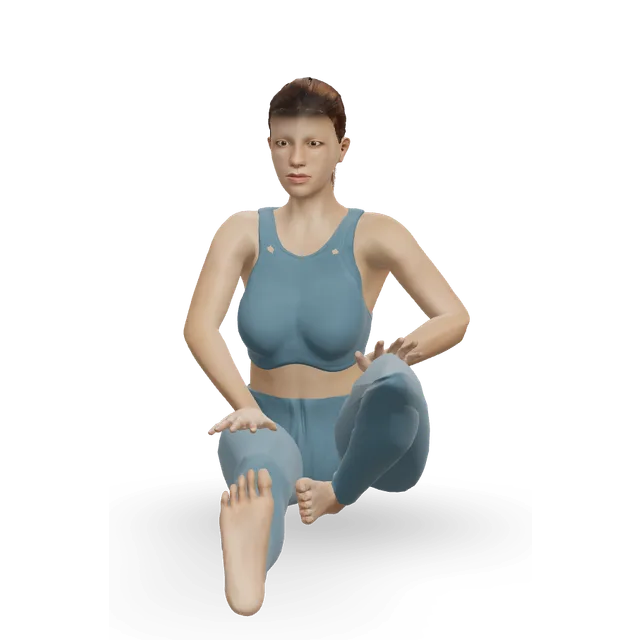
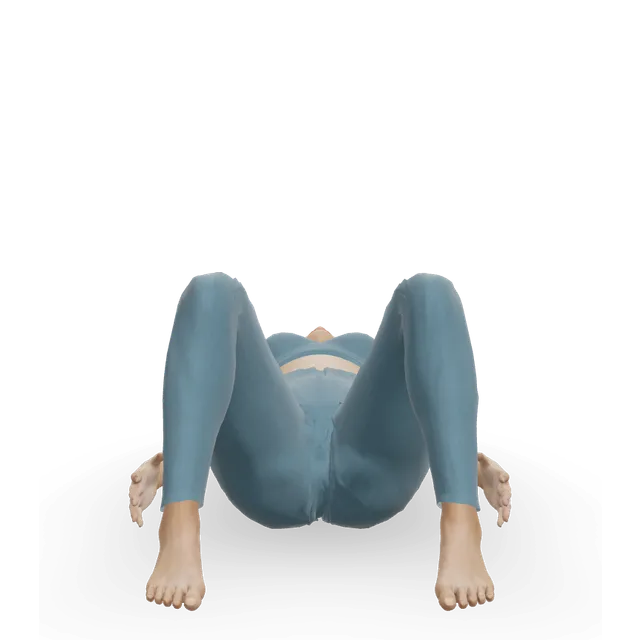
Yoga guide

Hip-opening yoga: what tight hips are, the best hip openers, and keeping your knees safe

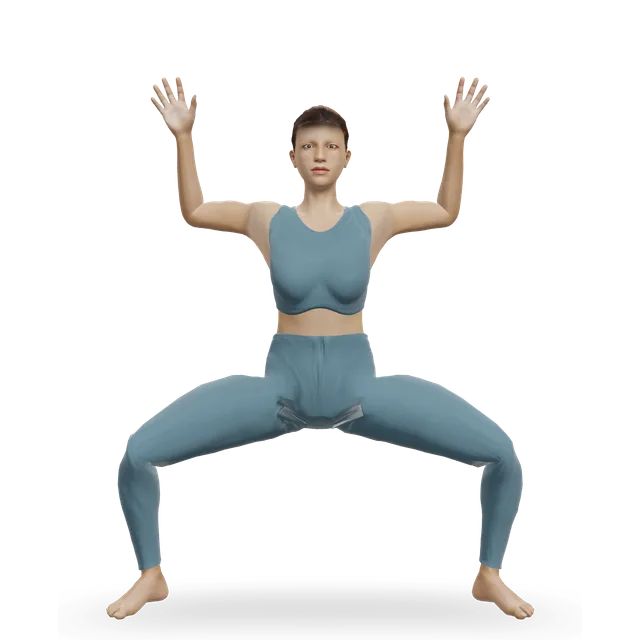
Hip openers are yoga poses that take your thigh towards the end of its range: lunges for the front of the hip, figure four and pigeon for the back and outside, and bound angle and goddess for the inner thigh. Practised regularly, they add some range over weeks, mostly because the stretch becomes easier to tolerate. No trial has tested a hip-opening sequence as such, and the yoga studies that measured the hip are small.

The joint to protect is the knee. Pigeon and lotus need a lot of outward turn at the hip, and if your hip runs out of turn, the knee twists instead. If your hip hurts rather than feels tight, start with our yoga for hip pain guide.

This guide covers what tight hips really are, the best hip openers for each part of the hip, how long to hold them, how to keep your knees safe, strength through the range, who should change which poses, and a free 25-minute routine with a 3D demo of every move.

The short version

Hip openers take the thigh to the end of its range

Lunges open the front of the hip, figure four and pigeon the back and outside, and bound angle, goddess and frog the inner thigh. In a lab study of 20 regular practitioners, many ordinary poses took the hip close to the edges of its range. No trial has tested a hip-opening class or sequence as such.

Sources 1, 2

Tight hips are mostly a feeling

Over 3 to 8 weeks, stretching mainly raises how much stretch you can tolerate, rather than lengthening the muscle. Some stiffness is real: in a snapshot study, people who sat a lot and moved little had about 6 degrees less hip extension, and hip extension is the hip movement that falls most with age.

Sources 3, 4, 5, 6

Regular practice adds some range

Yoga improved lower-body flexibility tests in trials of older adults, and hip flexor stretching raised hip extension within 10 weeks in a well-run trial. The yoga studies that measured the hip itself are small and mostly uncontrolled. Hold each opener for 30 to 60 seconds: across 189 studies, gains levelled off at about 10 minutes of stretching a week for each muscle group.

Sources 7, 8, 9

Turn from the hip, never the knee

Pigeon and lotus need a lot of outward turn at the hip, and if your hip runs out of turn, the knee twists instead. The evidence is case reports and injury surveys: people who practise yoga have more meniscus (knee cartilage) injuries than people who don't, and newcomers are advised to avoid lotus. If you feel an opener in your knee, come out of it.

Sources 10, 11, 12

Strengthen the range you gain

Strength training through a full range adds as much range as stretching, and in a small trial, range gained by stretching didn't show up in movement on its own. So finish with standing poses and strength moves such as bridges and 90/90 lift-offs.

Sources 13, 14, 15

Hip pain, a new hip or pregnancy: a different plan

In one series, 71% of yoga practitioners who had keyhole surgery for hip impingement had stopped yoga because of their hip. Replaced hips have dislocated during yoga in case reports, so follow your surgical team's precautions, and keep stances narrow with pelvic girdle pain in pregnancy. If your hip hurts, our yoga for hip pain guide comes first.

Sources 16, 17, 18, 19, 20

What hip openers are

The front of the hip

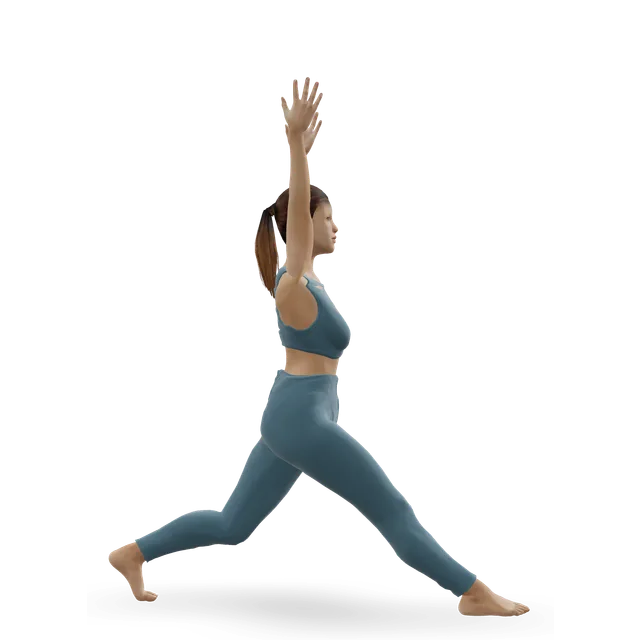
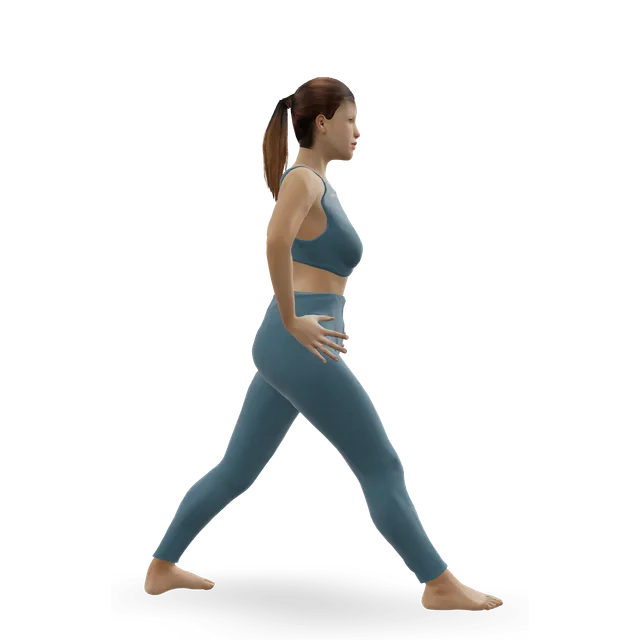
Lunges such as low lunge, lizard and high lunge take the thigh behind you and stretch the hip flexors, the muscles at the front of the hip. This movement is hip extension, which falls more with age than any other hip movement.

Source 6

The back and outside of the hip

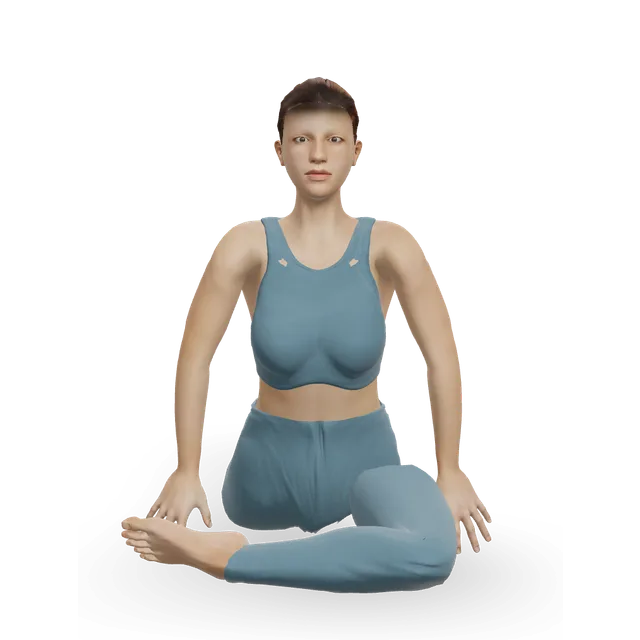
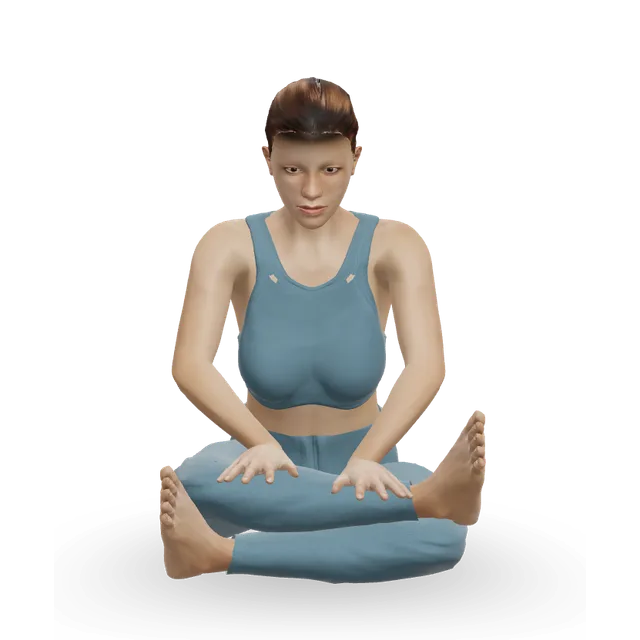
Figure four, pigeon, fire log and cow face turn the thigh outwards with the hip bent, and stretch the buttock and the outside of the hip. These are the poses where knees get hurt if the hip runs out of turn, so start with the lying versions.

The inner thigh

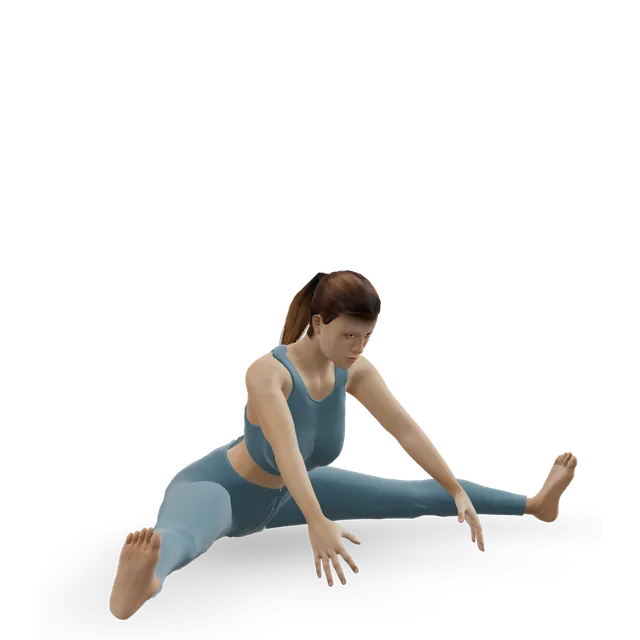
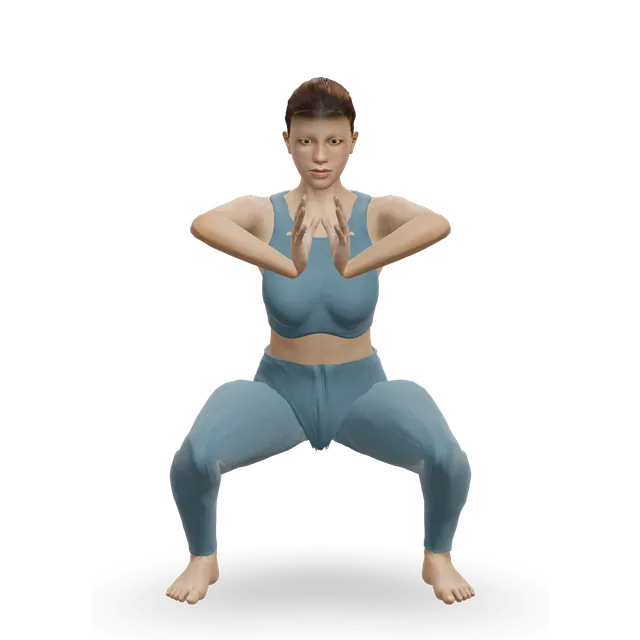
Bound angle, goddess, wide-legged folds, frog and deep squats take the knees wide and stretch the groin and the inner thigh muscles.

Many poses mix them

In the lab study, warrior I and II, crescent lunge, pigeon and triangle took the hip towards the end of its range behind you, and downward dog, a forward fold, a seated twist and pigeon towards the end of its range in front. Eagle and the seated twist took the leg across the body, and half moon, eagle and triangle turned it inwards. So a general class opens the hips too.

Source 1

Long holds and yin

Some routines build up to holds of 3 or 4 minutes. That's fine if you enjoy it, but longer holds don't add more range: in one large review, gains levelled off at about 10 minutes of stretching a week for each muscle group, and in another, how long or how often people stretched made no clear difference. Our yin yoga guide covers long holds.

Sources 9, 21

What tight hips are

Mostly stretch toleranceStrong evidence

When people stretch for 3 to 8 weeks, they gain range mainly because the stretch becomes easier to tolerate, not because the muscle gets longer: across 26 studies, changes in the muscles and tendons themselves were trivial. So a hip that feels tight often has more range than it lets you use, and gentle, regular practice is how you reach it.

Sources 3, 4

Sitting and inactivity: a link, not proofEmerging evidence

In a cross-sectional study (a snapshot at one point in time, which can't show cause and effect), people who sat for more than 7 hours a day and were active for under 150 minutes a week had about 6 degrees less passive hip extension than active people who sat for under 4 hours. The comparison included 98 people.

Source 5

Age takes hip extension mostEmerging evidence

In a survey of 1,683 US adults, hip extension was the only hip or knee movement that fell by more than a fifth of its range from the youngest to the oldest group; the other differences were 3 to 5 degrees. In 674 people aged 2 to 69, range fell with age at every joint measured, and women were more flexible in nearly all joints at every age. In a small lab study, healthy older adults walked using all the hip extension they had, which is one reason the front-of-hip openers matter more with age (our reading).

Sources 6, 22, 23

Bone sets some limitsEmerging evidence

How far your hip turns depends partly on the shape of your bones: in 20 people, the twist built into the thigh bone was moderately linked with how far the hip turned outwards. Some hips will never make the textbook shape, and forcing them moves the strain to the knee or the lower back (our reading).

Source 24

Tight hips and back pain: not shownMixed evidence

In 600 people, the length of the main hip flexor (the iliopsoas) wasn't linked with back pain, while back-muscle endurance was. In 118 adults, people with back pain had a little less hip flexor range, but body weight, not back pain, explained it. Reviews find that people with back pain have a little less hip range, especially turning inwards, but these are snapshot studies that can't show cause, and one review rated the evidence very low quality.

Yoga helps long-term back pain a little, about as much as other back exercise, in a review of 21 trials. Hip openers can feel good; don't expect them to fix your back.

Sources 25, 26, 27, 28, 29

What the evidence says

No trial of hip-opening yoga itselfMixed evidence

We found no trial that tested a hip-opening class or sequence. The evidence on this page comes from yoga programmes that measured the hip, from stretching and strength trials, and from injury studies.

Source 2

Yoga and hip range: small studies, mostly uncontrolledEmerging evidence

In trials of older adults, yoga improved lower-body flexibility tests by a moderate amount against no exercise (7 trials, 431 people) and by a small amount against other exercise (3 trials, 225 people). Those tests measure more than the hip.

The studies that measured the hip are small and mostly uncontrolled. An 8-week Iyengar programme raised hip extension and stride length in 19 people aged 62 to 83, more in those who practised more at home, but there was no comparison group. Ten weeks of yoga changed hip angles in downward dog in 26 college athletes, in groups not described as random. A year of hatha yoga 3 times a week raised a whole-body flexibility score more than calisthenics in 66 older adults, in groups not described as random.

Sources 7, 30, 31, 32

Hip flexor stretching adds hip extensionEmerging evidence

In a well-run trial of 82 healthy older adults, 10 weeks of twice-daily hip flexor stretching raised passive hip extension compared with stretching the shoulders, and lengthened the stride of people who had started with limited hip extension when walking. Active and passive hip flexor stretches worked equally well in 33 young patients over 6 weeks, and 3 weeks of stretching raised passive hip extension in 20 adults, with no comparison group.

Sources 8, 33, 34

Strength through the range adds range tooStrong evidence

In 11 trials that compared them directly (452 people), strength training and stretching added the same range. Across 55 studies, resistance training improved range by a moderate amount, as much as stretching, though training with body weight alone wasn't clearly effective. Slow lowering (eccentric) training gave large gains in leg range across 17 studies.

Sources 13, 14, 35

Range doesn't carry into movement on its ownEmerging evidence

After 6 weeks of hip stretching, 24 young men had much more passive range but used no more of it in lunges, standing hip extension, a twist and reach or on an elliptical trainer, and 3 weeks of hip flexor stretching didn't change how 20 adults ran. In 39 dance students, strengthening at the end of the range, or gentle stretching, improved the range they could lift the leg through more than harder stretching did.

Sources 15, 34, 36

How long to hold, and how often

Hold 30 to 60 secondsEmerging evidence

Hold each opener for 30 to 60 seconds, once or twice each side, as our yoga for flexibility guide suggests. Across 189 studies of 6,654 adults, gains from regular static stretching levelled off at about 10 minutes a week for each muscle group, whatever the intensity and however often it was spread. A second review, of 77 studies, found no clear effect of dose at all, so treat 10 minutes as a rough target.

Sources 9, 21

How often

Most days while you build range, and 2 or 3 days a week to keep it, as our flexibility guides say. Our editorial starting point: the 25-minute yoga for tight hips routine 2 or 3 times a week, with a few openers on most other days, judged after 6 to 8 weeks.

Stretch gently

How hard people stretched made no difference across 189 studies, and gentle stretching did better than harder stretching for the range dancers could use. Stay at a strong but comfortable stretch you can breathe through, never a sharp one.

Sources 9, 36

Move first

Start with a few minutes of walking, marching or slow hip circles. In a single-session trial, two 1-minute bouts of slow hip circles raised hip rotation about as much as static stretching did.

Source 37

Finish with strength

End with one or two strength moves through the range, such as 90/90 lift-offs, bridges or warrior II, and use your new range in standing poses. Strength training adds range as well as stretching, and strength at the end of the range builds range you can use.

Sources 13, 36, 15

Protect your knees

Why the knee is the joint to protectEmerging evidence

The hip is a ball and socket that turns easily; the knee is close to a hinge and turns only a little when it's bent. Pigeon, lotus, fire log and cow face all need a lot of outward turn at the hip. If your hip runs out of turn, the knee twists to make up the difference, and the cartilage inside it (the meniscus) can be pinched. That's how teachers and our move pages explain it; no study has measured the load on the knee in pigeon or lotus.

The evidence is case reports and injury surveys. In 9 observational studies, people who practised yoga were more likely to have had a meniscus injury than people who didn't (the odds were about 1.7 times as high). Lotus was among the poses most often named in 76 published cases of harm from yoga, and meniscus tears were among the injuries seen on scans of 38 people hurt in yoga. The US National Center for Complementary and Integrative Health (NCCIH) says the knee or lower leg is the part of the body most often injured in yoga.

Sources 10, 11, 38, 12, 39

Lotus and long cross-legged sittingMixed evidence

The reviewers of the case reports and NCCIH both advise newcomers to avoid lotus. In one case report, a man who habitually sat in a modified lotus developed a severe injury to the sciatic nerve, with a dropped foot that had barely recovered a year later. Stand up if a leg goes numb or tingles.

Sources 11, 12, 40

The knee rule

If you feel a hip opener in your knee rather than your hip or buttock, come out of it, then (our suggestion, from the move pages):

  • Sit higher on a cushion or block, so the hip doesn't have to turn as far.
  • Support the knee with a cushion or block rather than letting it hang.
  • In pigeon, keep the front foot flexed and draw the front heel closer to your groin.
  • Never push a knee down or pull a foot into place with your hands, and don't let anyone do it for you.
  • Switch to the lying figure four, where you control the depth.

With knee trouble or a knee replacement

Skip lotus and half lotus: their pages say they're not for knee replacements or known meniscus damage. Keep deep squats shallow and sit on a block in kneeling poses. Our yoga for knee pain guide has the detail.

Warm up the hips first

Standing hip circles: 3 slow circles each way with each leg, 20 to 30 seconds a circle; 90/90 switches: 10 slow switches, pausing at the ends; cat-cow: 8 slow waves (the moves' pages).

Front of the hip

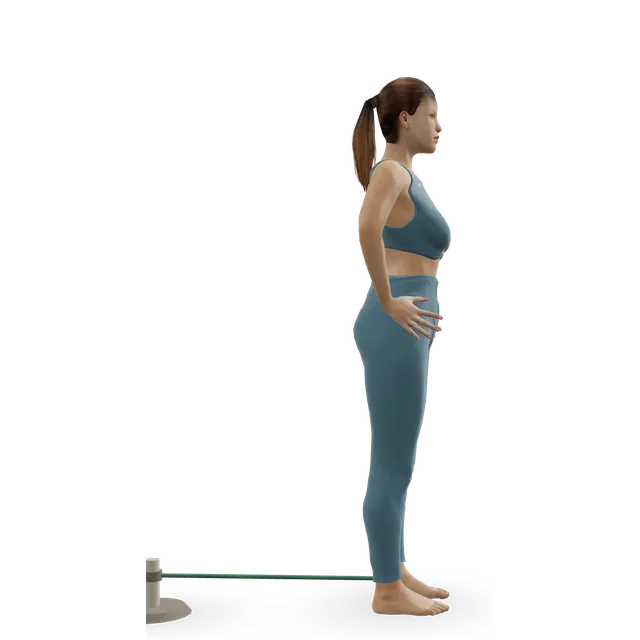
Low lunge and the half-kneeling hip flexor stretch: 30 to 60 seconds each side (our flexibility guides' hold). Lizard: 30 to 60 seconds, about 5 to 10 slow breaths, each side, 2 rounds, and the world's greatest stretch: 4 slow reps each side (the moves' pages). High lunge: 5 slow breaths each side, with the back knee down if balance is the limit (our editorial starting point).

Back and outside of the hip, easiest first

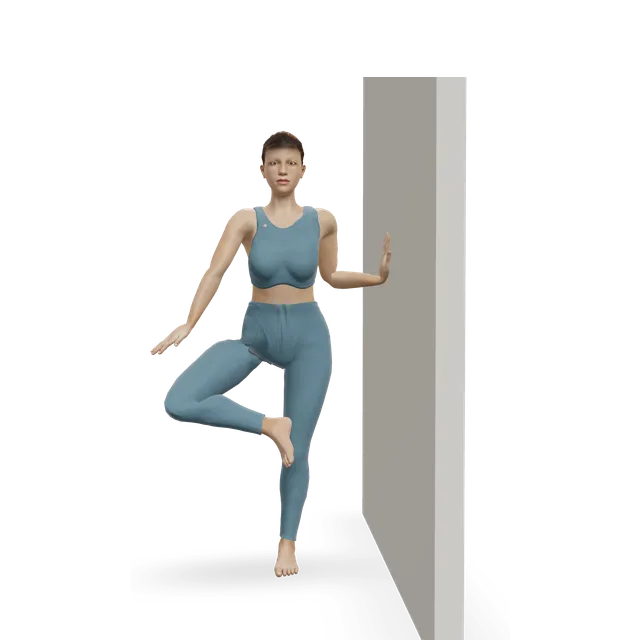
The lying figure four with your foot on the floor: 20 to 30 seconds, 2 to 4 times each side, and fire log: 30 to 60 seconds, about 5 to 10 slow breaths, each side, 2 rounds (the moves' pages). The reclined figure four: 45 seconds each side, and pigeon preparation: 60 seconds each side with a cushion under the front hip (our yoga for tight hips routine). Standing figure four: 30 seconds each side, fingertips on a wall (our editorial starting point).

Inner thigh

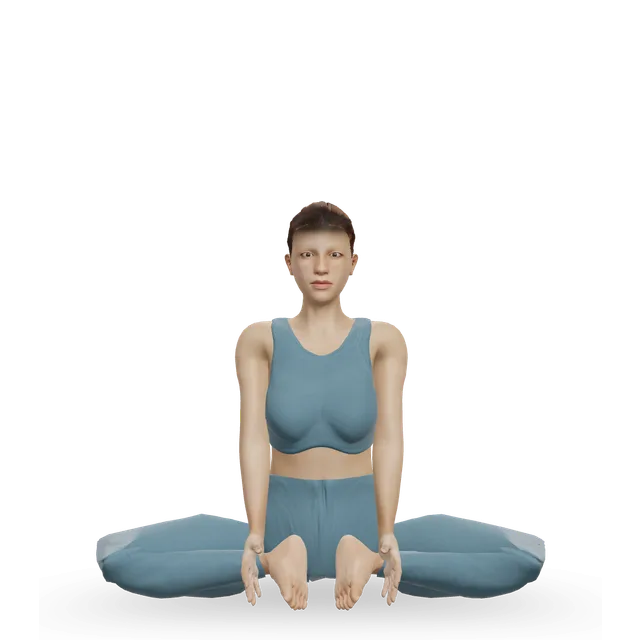
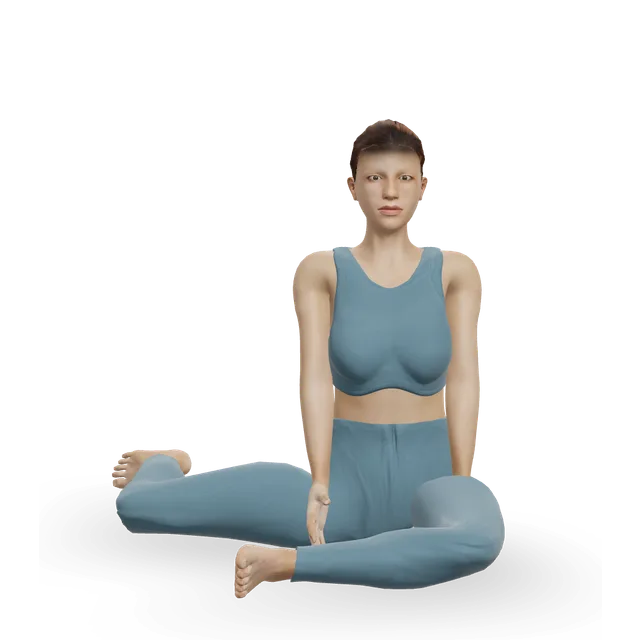
Bound angle: 60 seconds, sitting on a cushion (our yoga for tight hips routine). Reclining bound angle: 2 to 5 minutes with a support under each thigh; frog rocks: 12 slow rocks; happy baby: 30 to 60 seconds, about 5 to 10 slow breaths, 2 rounds (the moves' pages). Goddess: 5 breaths, 2 or 3 times, and the wide-angle seated fold: 60 seconds sitting tall, folding only as far as your back stays long (our editorial starting points). Deep squat: 60 seconds, holding a support (our daily mobility routine).

Strength through the range

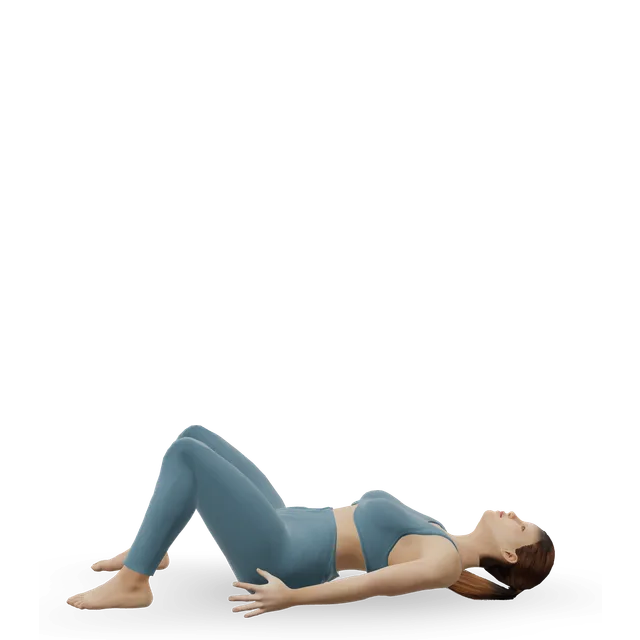
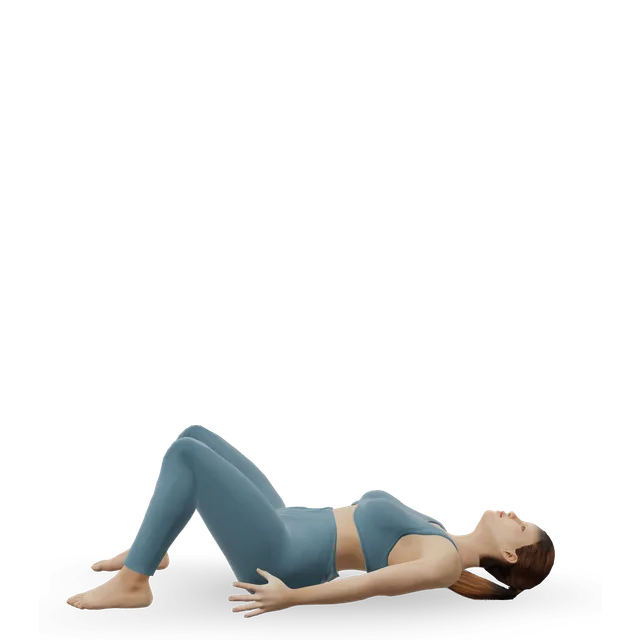
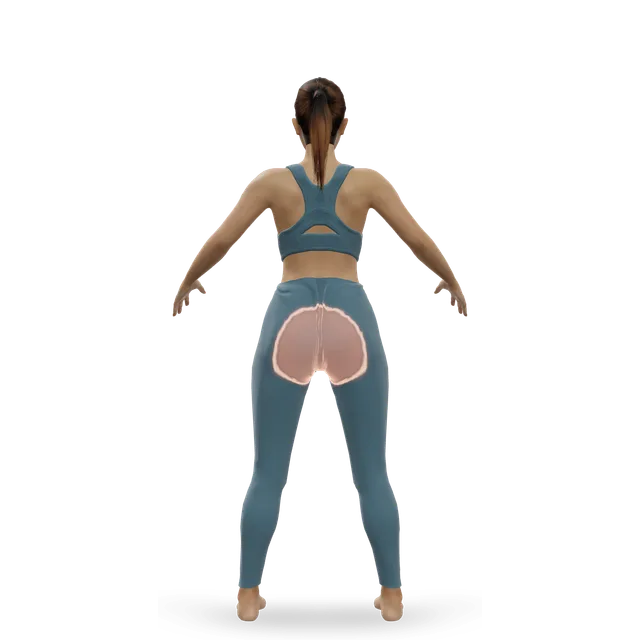
90/90 lift-offs: 3 holds of 5 to 8 seconds each way, each side; hip airplanes: 2 sets of 5 slow turns each leg, holding a wall; Cossack squats: 6 slow shifts each side, holding the last one (the moves' pages). Bridges: 10 slow lifts; side-lying leg raises: 2 sets of 10 slow lifts each side; warrior II: 5 breaths each side, twice (our editorial starting points).

Poses to change or leave out

Lotus and half lotus: skip them as a beginner, with knee trouble or after a knee replacement, and sit in easy pose on a cushion instead. Full king pigeon adds a deep backbend to the knee load: use pigeon preparation. Cow face: sit on a block, back off if you feel it inside the knee, and skip it with pain on the outside of the hip.

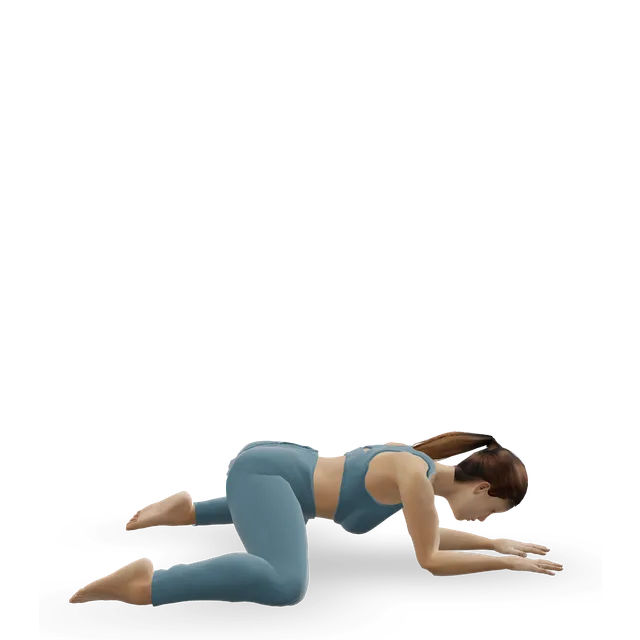
Pigeon preparation, knee first

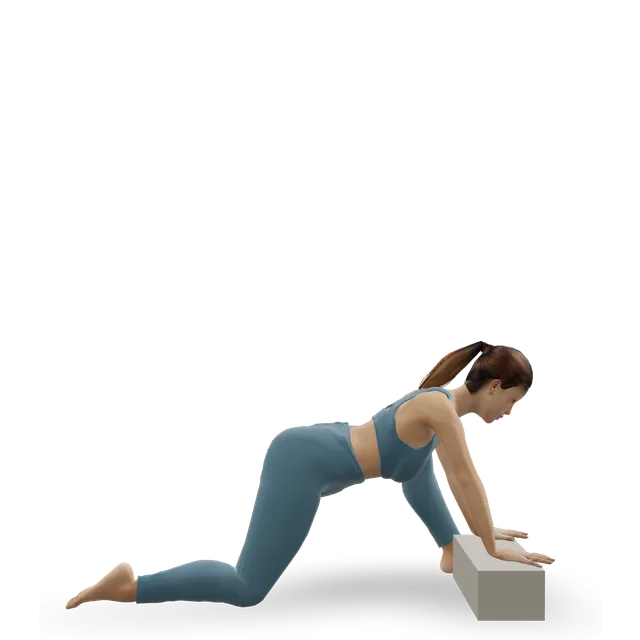
The set-up and the knee check follow the move page's instructions and caution; the 30 to 60 second hold follows our flexibility guides. No study has measured knee loads in pigeon, so the knee check is a precaution, not a trial finding.

  1. Start on your hands and knees.
  2. Slide your right knee forward behind your right wrist, with the shin angled under your chest rather than straight across the mat, and keep your right foot flexed.
  3. Slide your left leg straight back, and put a cushion or block under your right buttock so your hips stay level.
  4. Stay up on your hands, or lower onto your forearms if that is comfortable. Breathe slowly for 30 to 60 seconds.
  5. Check where you feel it: the buttock and outer hip are right. If you feel it in your knee, draw the front heel closer to your groin, and if that doesn't help, come out.
  6. Come out the way you went in, and repeat on the other side.
  7. If the front knee still complains, do the lying figure four instead.

See the movement on the 3D figure: Pigeon preparation (Eka Pada Rajakapotasana prep)

Who should change which openers

Pain on the outside of the hip

Pigeon, figure four, cow face, eagle and lying twists with the knee pulled across can squeeze the tendons on the side of the hip. Our yoga for hip pain guide and its routine cover what to do instead.

Hip impingement or a labral tearEmerging evidence

In 42 yoga practitioners who had keyhole surgery for hip impingement, 71% had stopped yoga because of their hip, and 93% went back after surgery, at an average of about 5 months. Tears of the labrum (the rim of cartilage around the hip socket) appear among yoga injuries on scans, and surgeons note that a slightly shallow hip socket is common in people from high-flexibility sports, yoga among them. Many poses take the hip to its limits, so work up to a pinch at the front of the hip, not into it, as our yoga for hip pain guide says.

Sources 16, 41, 38, 1

After a hip replacementEmerging evidence

Your surgical team's precautions come first. While you recover, the NHS advice is not to sit with your legs crossed, bend your hip more than 90 degrees (a right angle), or bend down to touch your feet or ankles.

Case reports describe three replaced hips that dislocated during yoga, from 16 months to 17 years after surgery: moving into a shoulder stand, in a standing forward fold and in warrior I. The surgeons in the warrior I report now advise caution with warrior I and II, crescent lunge and pigeon after a replacement done from the front. Yet in a series of 14 yoga teachers with replacements done from the front, all returned to teaching and to 14 classic poses at about 2 months, with no complications over about 5 years. Ask before deep crossing, deep bending, wide turned-out poses or deep lunges, and tell the teacher which approach your surgeon used.

Sources 19, 17, 18, 42

Pregnancy and pelvic girdle painStrong evidence

With pelvic girdle pain, the NHS lists standing on one leg and moving your legs apart among the things that make it worse, and suggests keeping your knees together when getting in and out of a car. Keep your knees together as you change position, and keep wide stances such as goddess and warrior II narrow, as our pregnancy yoga guide says. In later pregnancy, the NHS advises against lying flat on your back for more than a few minutes, so prop yourself up for lying openers.

Sources 20, 43

Very flexible alreadyStrong evidence

If you're hypermobile, more range isn't the goal. The NHS advice is "do not overextend your joints just because you can", and its main treatment is improving muscle strength and fitness so your joints are better protected. Spend most of the session on strength through the range, and hold openers short of your end range (our hypermobility guide has more).

Source 44

Osteoporosis, glaucoma or high blood pressure

With osteoporosis, sit up tall in bound angle and wide-angle poses rather than folding forward deeply: the UK osteoporosis consensus advises avoiding loaded or end-of-range bending in exercise such as yoga. Eye pressure rose quickly in head-down yoga poses in a lab study, so with glaucoma or uncontrolled high blood pressure, keep wide-legged folds brief or stay upright.

Sources 45, 46

Routines to follow

Start with our yoga for tight hips routine 2 or 3 times a week (our editorial starting point): a moving warm-up, holds for the front, back and inner hip, and a strength move. The hip mobility and tight hip flexor routines add more strength through the range; if your hip hurts, use the yoga for hip pain routine instead.

Warning signs: when to get help

These are the same warning signs as our yoga for hip pain guide, with three added for the knee. A&E means accident and emergency. In the US, call 911 for 999, and use your doctor's urgent line or urgent care for NHS 111.

Get urgent medical help if

Get help straight away for any of these:

  • Call 999 or go to A&E: severe hip pain after a fall or injury, or you cannot walk or put weight on the leg. This can be a broken hip. Don't drive yourself.
  • Tingling or loss of feeling in the hip or leg after an injury.
  • Call 999 or go to A&E if you have sciatica on both sides, weakness or numbness in both legs that's severe or getting worse, or numbness around or under your genitals, or around your bottom (anus); if you find it hard to start peeing, cannot pee or cannot control when you pee; or if you do not notice when you need to poo or cannot control when you poo, and this is not normal for you. These could be symptoms of a serious back problem that needs to be treated in hospital as soon as possible.
  • Ask for an urgent GP appointment or get help from NHS 111 if you have severe hip pain that started suddenly but you've not had a fall or injured your hip, your hip is swollen and feels hot, the skin around your hip has changed colour, or you have hip pain, feel generally unwell and have a high temperature (or feel hot, cold or shivery). A hot, swollen hip with a high temperature can be a joint infection.

Sources 47, 48

See a GP or physiotherapist soon if

In many areas you can refer yourself to NHS physiotherapy without seeing a GP.

  • Hip pain that stops normal activities or disturbs sleep, keeps getting worse, or has not improved after 2 weeks of looking after it at home.
  • Stiffness lasting more than 30 minutes after waking.

Source 47

After a hip replacement

A sudden clunk or pop with pain, or a leg that suddenly looks shorter or turned, is the dislocation picture in the case reports: don't walk on it, and go to A&E (our wording, from the case reports). Our hip replacement guide lists the other warning signs after surgery, such as signs of a blood clot or an infection.

Sources 17, 18

Your knee

Our suggestions, from the move pages and our knee pain guide:

  • If you feel a hip opener inside your knee rather than in your hip or buttock, come out of the pose: sit higher, support the knee, or switch to the lying figure four.
  • A knee that catches, locks or won't fully straighten after a twisting pose needs checking: it can be a meniscus tear.
  • If a leg goes numb or tingles in a cross-legged pose, come out and stand up. Numbness that doesn't wear off, or a weak foot, needs a GP the same day.

Source 40

Come out of a pose that pinches or catches

Ease off a deep fold, lunge or twist that brings a sharp pinch deep in the groin. Get a catching, locking or giving-way feeling in the hip checked.

Source 38

Pelvic pain in pregnancy

Call your midwife or GP if you have pelvic pain and it's hard to move around, it hurts to get out of a car or turn over in bed, or it's painful going up or down stairs.

Source 20

Myths

"Your hips store emotions, and hip openers release them"Mixed evidence

We found no study that tests the idea: a search of the research found two records, both unrelated. People sometimes feel emotional in a long, quiet hold, and that's fine, but it isn't evidence of emotion stored in the hips.

Source 49

"Tight hip flexors cause back pain, so hip openers fix it"Mixed evidence

Hip flexor length wasn't linked with back pain in 600 people, body weight explained hip flexor range in 118, and the evidence linking hip range with back pain is very low quality. Yoga helps long-term back pain a little, about as much as other exercise.

Sources 25, 26, 27, 29

"Sitting shortens your hip flexors for good"Mixed evidence

In one cross-sectional study, people who sat a lot and moved little had about 6 degrees less hip extension, which can't show that sitting caused it. Hip flexor stretching raised hip extension within weeks in a trial of older adults.

Sources 5, 8

"With enough practice, anyone can do lotus"Mixed evidence

How far your hip turns depends partly on your bone shape, and forcing lotus moves the twist into the knee. Lotus is among the poses most often named in reports of harm, newcomers are advised to avoid it, and long sits in a modified lotus have injured a nerve.

Sources 24, 11, 12, 40

"Knee pain in pigeon is normal: breathe into it"Mixed evidence

Pain in the knee means the knee is taking the twist the hip can't. The pose's page says to swap to the reclined figure four if the front knee complains, and people who practise yoga have more meniscus injuries than people who don't.

Sources 10, 38

"Longer holds open the hips more"Emerging evidence

Gains levelled off at about 10 minutes of stretching a week for each muscle group, however it was spread, and a second review found no effect of dose. Long holds are fine if you enjoy them.

Sources 9, 21

"Long holds release your fascia"Emerging evidence

Stretching for 3 to 8 weeks changes how much stretch you tolerate, with trivial changes in the muscles and tendons across 26 studies. Range comes first from tolerance, not from tissue "releasing".

Sources 4, 3

"Everyone needs more hip flexibility"Mixed evidence

Very flexible people need strength and control, not more range: the NHS says "do not overextend your joints just because you can". A slightly shallow hip socket is common among people from high-flexibility sports who need hip surgery.

Sources 44, 41

Questions people ask

What are hip openers?

Yoga poses that take the thigh towards the end of its range at the hip: lunges for the front of the hip, figure four and pigeon for the back and outside, and bound angle, goddess and frog for the inner thigh. Most classes use a mix, and many standing poses open the hips too.

What are the best hip openers for beginners?

Start lying down or standing, where you control the depth: the lying figure four, a low lunge with the back knee padded, bound angle sitting on a cushion, and the standing figure four at a wall. Move on to lizard, pigeon and fire log once those are comfortable.

Why are my hips so tight?

Usually a mix of how much stretch you're used to and how you spend your day. In one snapshot study, people who sat for more than 7 hours a day and were inactive had about 6 degrees less hip extension, and hip extension is the range that falls most with age. Bone shape also limits how far some hips turn, which no amount of stretching changes.

How long should I hold a hip opener, and how often?

About 30 to 60 seconds, once or twice each side, on most days while you build range and 2 or 3 days a week to keep it. Across 189 studies, gains levelled off at about 10 minutes of stretching a week for each muscle group, so much longer holds don't add much.

Why does pigeon pose hurt my knee?

When your hip runs out of outward turn, the bent knee twists to make up the difference, which can pinch its cartilage. Put a cushion under the front hip, keep the front foot flexed and draw the front heel closer to your groin, or switch to the lying figure four. Pain inside the knee means come out.

Are hip openers good for lower back pain?

They can feel good, but tight hips haven't been shown to cause back pain, and yoga helps long-term back pain only a little, about as much as other exercise. Our yoga for back pain guide covers what helps.

Do hip openers release emotions?

No study has tested the idea that emotion is stored in the hips. Feeling emotional in a long, quiet hold is common and fine; it doesn't mean something was stored there.

Are hip openers safe in pregnancy?

Gentle ones usually are. With pelvic girdle pain, the NHS lists moving your legs apart and standing on one leg among things that make it worse, so keep stances narrow and your knees together as you change position. Our pregnancy yoga guide covers which poses to change.

Can I do hip openers after a hip replacement?

Follow your surgical team's precautions first: the NHS recovery advice is not to cross your legs, bend your hip past a right angle or reach down to your feet. Replaced hips have dislocated during yoga years after surgery in case reports, so ask before deep crossing, deep bending, deep lunges or wide turned-out poses.

Is yin yoga good for opening the hips?

Yin holds poses for several minutes, which many people find relaxing, but longer holds don't add more range than 30 to 60 seconds. Support your knees with cushions and don't sink into a pinch.

Are hip openers bad for you?

Not for most people, but they can be if you force them: people who practise yoga have more meniscus injuries, and lotus is among the poses most often linked with harm. If you're very flexible already, the NHS advice is not to overextend your joints just because you can.

What are good standing hip openers?

Warrior II, goddess, a high lunge and the standing figure four open the hips while building leg strength and balance. Hold a wall for the figure four, and narrow the wide stances if you have pelvic girdle pain.


Sources

  1. Mears 2018 · How far the hip moves in 11 yoga poses: 20 practitioners (lab study, J Arthroplasty)
  2. Europe PMC · Search for trials of hip-opening yoga or hip openers: 0 records (25 October 2026)
  3. Weppler 2010 · Does stretching lengthen muscle or change sensation? (review, Phys Ther)
  4. Freitas 2018 · Can long-term stretching change muscles and tendons? 26 studies (systematic review and meta-analysis, Scand J Med Sci Sports)
  5. Boukabache 2021 · Sitting, inactivity and hip extension: 144 adults (cross-sectional study, Musculoskelet Sci Pract)
  6. Roach 1991 · Normal hip and knee range of motion and age: 1,683 US adults (population survey, Phys Ther)
  7. Sivaramakrishnan 2019 · Yoga against active and inactive comparison groups for physical function and quality of life in older adults: 22 trials (systematic review and meta-analysis, IJBNPA)
  8. Watt 2011 · Hip flexor stretching and walking: 82 older adults (randomised trial, PM R)
  9. Ingram 2025 · The dose of static stretching for flexibility: 189 studies (systematic review and meta-regression, Sports Med)
  10. Cramer 2018 · Injuries and other adverse events in people who practise yoga: 9 studies (systematic review of epidemiological studies, J Sci Med Sport)
  11. Cramer 2013 · Adverse events with yoga: 76 published cases (systematic review of case reports, PLoS One)
  12. NCCIH 2023 · Yoga: effectiveness and safety (US National Center for Complementary and Integrative Health)
  13. Afonso 2021 · Strength training or stretching for range of motion: 11 trials (systematic review and meta-analysis, Healthcare)
  14. Alizadeh 2023 · Resistance training and range of motion: 55 studies (systematic review and meta-analysis, Sports Med)
  15. Moreside 2013 · Hip flexibility gains that didn't carry over into movement: 24 young men (randomised trial, J Strength Cond Res)
  16. Frank 2018 · Returning to yoga after keyhole surgery for hip impingement: 42 practitioners (case series, Sports Health)
  17. Adrados 2018 · Two late dislocations of replaced hips during yoga (case reports, Arthroplast Today)
  18. Posner 2021 · A late dislocation of a replaced hip in warrior I (case report, Arthroplast Today)
  19. NHS · Recovering from a hip replacement (last reviewed March 2024)
  20. NHS · Pelvic pain in pregnancy (past its review date: reviewed December 2022, review due December 2025)
  21. Konrad 2024 · Long-term stretching and range of motion: 77 studies (systematic review and meta-analysis, J Sport Health Sci)
  22. Soucie 2011 · Joint range of motion reference values: 674 people aged 2 to 69 (reference study, Haemophilia)
  23. Anderson 2014 · Hip range and calf strength in walking: 10 young and 10 older adults (lab study, J Biomech)
  24. Ratner 2022 · The twist in the thigh bone and hip rotation: 20 patients (cohort study, Cureus)
  25. Nourbakhsh 2002 · Mechanical factors and low back pain: 600 adults (cross-sectional study, J Orthop Sports Phys Ther)
  26. Eimiller 2026 · Hip flexor tightness and low back pain: 118 adults (cross-sectional study, Clin Biomech)
  27. Avman 2019 · Hip range of motion and low back pain: 24 studies (systematic review, Musculoskelet Sci Pract)
  28. Pizol 2024 · Hip movement and strength in people with low back pain: 54 studies (systematic review, BMC Musculoskelet Disord)
  29. Wieland 2022 · Yoga for chronic non-specific low back pain: 21 trials, 2,223 people (Cochrane review)
  30. DiBenedetto 2005 · Iyengar yoga and walking: 19 older adults (study with no comparison group, Arch Phys Med Rehabil)
  31. Polsgrove 2016 · 10 weeks of yoga in 26 male college athletes (non-randomised controlled study, Int J Yoga)
  32. Farinatti 2014 · A year of hatha yoga or calisthenics and flexibility: 66 older adults (controlled study, Int J Yoga Therap)
  33. Winters 2004 · Active or passive hip flexor stretching: 33 patients (randomised trial, Phys Ther)
  34. Mettler 2019 · Hip flexor stretching and running: 20 adults (study with no comparison group, J Strength Cond Res)
  35. Kay 2023 · Slow lowering (eccentric) training and leg range of motion: 17 studies (systematic review and meta-analysis, Med Sci Sports Exerc)
  36. Wyon 2013 · Strength or stretching for active and passive range: 39 dance students (randomised trial, J Strength Cond Res)
  37. Head 2026 · Hip circles (CARs) or static stretching for hip rotation: 28 young adults (single-session randomised trial, Int J Exerc Sci)
  38. Le Corroller 2012 · Yoga-related injuries on scans: 38 patients (case series, AJR Am J Roentgenol)
  39. Europe PMC · Search for studies of the knee in pigeon or lotus: 0 records (25 October 2026)
  40. Bosma 2014 · Severe sciatic nerve injury after habitually sitting in a modified lotus (case report, World J Clin Cases)
  41. Jan 2024 · Flexibility-sport athletes with a shallow hip socket after impingement surgery: 156 athletes (cohort study, Am J Sports Med)
  42. Yun 2021 · Returning to yoga after hip replacement: 14 yoga teachers (case series, Cureus)
  43. NHS · Exercise in pregnancy (last reviewed September 2026)
  44. NHS · Joint hypermobility syndrome (past its review date: reviewed August 2023, review due August 2026)
  45. Brooke-Wavell 2022 · Strong, steady and straight: UK consensus on physical activity and exercise for osteoporosis (BJSM)
  46. Jasien 2015 · Eye pressure in four head-down yoga positions, with and without glaucoma (lab study, PLoS One)
  47. NHS · Hip pain in adults (last reviewed November 2025)
  48. NHS · Sciatica (last reviewed December 2024)
  49. Europe PMC · Search for emotion stored or released in the hips: 2 unrelated records (25 October 2026)

Exercise education, not a personal prescription, and clinical review of these guides is pending. If you are pregnant, have a health condition such as glaucoma, high blood pressure or osteoporosis, or have had recent surgery, check with a doctor, midwife or physiotherapist before starting, and stop for sharp or increasing pain. Health disclaimer.