Yoga guide

Yoga in pregnancy and after birth: what's safe, trimester by trimester

If your pregnancy is uncomplicated, adapted yoga is one of the safest ways to stay active, and it counts toward the 150 minutes a week the NHS recommends. Prenatal yoga trials report less anxiety, low mood and stress, though the studies are small and the quality is low.

The main changes are simple: skip hot yoga, keep time lying on your back short from the end of the first trimester, swap face-down poses for all fours, and leave out poses where you could fall. Tell your midwife what you plan to do, and tell any yoga teacher you're pregnant.

This guide covers what the guidelines say, the poses to swap trimester by trimester, what yoga can and can't promise for labour, pelvic girdle pain, the warning signs to stop for, and when and how to start again after birth or a caesarean, with a 20-minute prenatal yoga workout that has nothing done flat on your back.

The short version

Adapted yoga is a safe choice

The American College of Obstetricians and Gynecologists (ACOG) lists modified yoga among the safest exercises in pregnancy. The NHS counts yoga toward the 150 minutes a week and as muscle strengthening, and Canada's guideline says adding yoga or gentle stretching may also help.

Sources 1, 2, 3

One rule for lying on your back

From the end of the first trimester, keep moves on your back short, prop your upper body up, or switch to side-lying, all-fours, seated or standing versions. If you feel dizzy, sick or unwell lying down, roll onto your side.

Sources 4, 5, 6

Skip hot yoga

ACOG and US health advice both say to avoid hot yoga in pregnancy, because it can make you overheat.

Sources 1, 7

Face down, upside down and deep twists: swap them

Swap face-down poses for all fours, leave out poses you could fall from, such as headstands, and keep twists gentle and open and backbends small.

Sources 8, 1

It may ease anxiety and low mood; labour effects are mixed

Reviews of prenatal yoga found less anxiety, low mood and stress, at low to very low quality. Some yoga reviews also report shorter labours, but the largest review of exercise in pregnancy found no link with labour length or caesarean birth.

Sources 9, 10

After birth, start gently

After a straightforward birth, gentle exercise can start as soon as you feel up to it. After a caesarean, return to exercise classes when it's comfortable, which may not be for 6 weeks or so.

Sources 11, 12

What prenatal yoga is, and why poses change

Prenatal and postnatal classes

Prenatal yoga classes are designed for pregnant women and often teach modified poses that allow for your shifting balance, ACOG says. NHS Best Start in Life describes prenatal yoga as a way to relax and ease body tension with gentle stretching and breathing. The NHS has a free 45-minute prenatal and postnatal yoga video designed for beginners.

Sources 1, 5, 13

Your balance shifts

The extra weight at the front of your body shifts your centre of gravity, so you're less stable and more likely to lose your balance as pregnancy goes on. That's why standing poses are done near a wall or chair, and poses you could fall from are left out.

Source 1

Why lying on your back matters

When you lie on your back, the womb presses on a large vein that returns blood to the heart, which can lower your blood pressure for a short time, ACOG explains. The NHS says lying flat for more than a few minutes in later pregnancy can make you feel dizzy and isn't good for your baby.

Sources 1, 2

Pelvic girdle pain

Pregnancy-related pelvic girdle pain (PGP) is pain at the front or back of the pelvis, from stiff pelvic joints or joints moving unevenly. It isn't harmful to your baby, but it can be painful. It tends to be worse when walking, going up or down stairs, standing on one leg, turning over in bed or moving your legs apart, which is why some yoga poses need swapping.

Source 14

What the guidelines say

Exercise is safe and recommendedStrong evidence

"Exercise is safe for you and your baby in pregnancy", the NHS says, and it's usually fine to keep doing activities you already do. The World Health Organization (WHO) and ACOG advise at least 150 minutes of moderate activity a week, and the UK Chief Medical Officers' advice is to start gradually if you're not active, keep going if you are, and do muscle-strengthening activities twice a week.

Sources 2, 4, 15, 1

Modified yoga, not hot yogaStrong evidence

ACOG lists modified yoga and modified Pilates among the safest exercises, and advises avoiding hot yoga and hot Pilates, which may make you overheat. The US National Center for Complementary and Integrative Health (NCCIH) says yoga is safe and desirable for most pregnant women with the right precautions. Canada's guideline says adding yoga or gentle stretching may also be beneficial, and the NHS counts yoga as muscle strengthening.

Sources 1, 7, 3, 2

New to exercise?

Start slowly: the NHS suggests about 10 minutes a day to begin with, and ACOG suggests starting with as little as 5 minutes a day and adding 5 minutes each week. UK pelvic health physiotherapists suggest 15 minutes, 3 times a week, building up to 30 minutes at least 4 times a week.

Sources 2, 1, 6

In any class

Tell the teacher you're pregnant, stop if you feel uncomfortable, too hot or unwell, and avoid activities where there's a risk of falling or bumping your tummy.

Source 2

Lying on your back: when, and why

Our exercise in pregnancy guide compares all the guidelines.

One practical ruleStrong evidence

From the end of the first trimester, keep moves on your back short, prop your upper body up, or switch to side-lying, all-fours, seated or standing versions. If you feel dizzy, sick or unwell lying down, roll onto your side.

Guidelines differ on timing, but the practical rule is the same. The grade is for the guidance: the evidence of harm from short spells is thin.

  • WHO: avoid activities on your back after the first trimester.
  • NHS: in later pregnancy, avoid lying flat on your back for more than a few minutes; NHS Best Start in Life adds "particularly after 16 weeks".
  • UK pelvic health physiotherapists (POGP): in the early weeks any comfortable position is safe; after about 18 to 19 weeks keep time on your back short; their Pilates booklet says to avoid lying on your back after 20 weeks.
  • Canada: change position if you feel light-headed, sick or unwell lying flat.

Sources 4, 2, 5, 6, 8, 3

The evidence of harm is thinMixed evidence

A review of 7 studies found no link between exercise programmes that included moves on the back and low birth weight. During single bouts of exercise on the back, blood flow to the womb fell by 13%, and 20 of 65 babies showed unusual heart-rate patterns. The authors concluded there isn't enough evidence to say whether exercising on your back is safe or should be avoided, so the guidelines play safe.

Source 16

In yoga

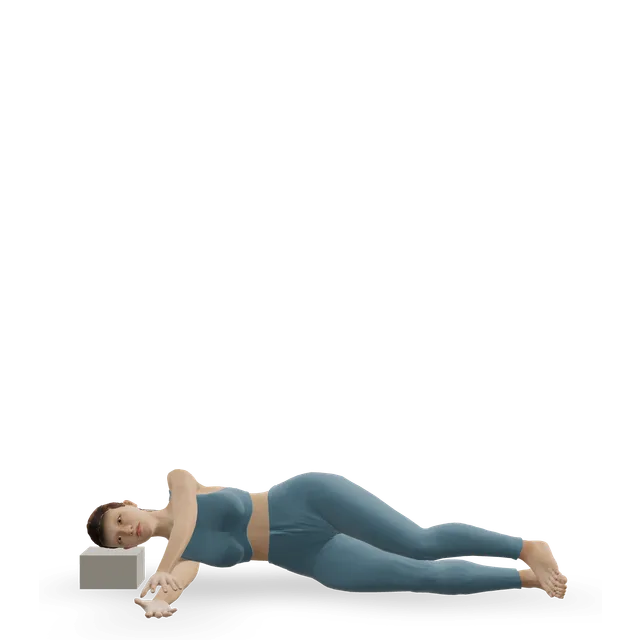
Our suggestions after the first trimester: do the final relaxation lying on your side with pillows under your head, bump and between your knees, or sitting; prop your back up for reclining poses such as reclining bound angle; leave out happy baby; and keep any lying twist or bridge brief and propped up.

Hot yoga

Skip hot and heated classesStrong evidence

ACOG and NCCIH advise avoiding hot yoga in pregnancy because of overheating, UK pelvic health physiotherapists say hot and humid conditions are generally not suitable, and the WHO advises avoiding activity in excessive heat, especially with high humidity. Ordinary yoga in a comfortably cool room is the safe swap.

Sources 1, 7, 6, 4

How hot it getsEmerging evidence

In people who weren't pregnant, core body temperature peaked between 38.2 and 40.1 °C during 90 minutes of Bikram yoga. A core temperature of 39.0 °C is the level of concern in pregnancy, and in 12 studies of ordinary exercise in pregnancy, no one reached it. Our hot yoga guide covers hot yoga in general.

Sources 17, 18

Poses to swap, trimester by trimester

The guideline rules are in the notes; applying them to each pose is our editorial advice. No trial has tested which poses to swap.

First trimester

Most beginner poses are fine if you feel well, including poses on your back: in the early weeks, any comfortable position is safe, UK pelvic health physiotherapists say. Avoid getting overheated, skip hot classes, avoid anything with a risk of falling or a blow to your tummy, and do less on days you feel sick or tired.

Sources 6, 2, 1

From the end of the first trimester

Keep poses on your back short or propped up, or swap them. Swap face-down poses for all fours. Keep twists gentle and open, turning your chest rather than squeezing the bump, and keep backbends small.

Sources 4, 5, 8

Third trimester

The same swaps, with smaller movements and more rest. Hold a wall or chair for every standing balance, because the bump shifts your balance, and stop any pose that brings on pain, especially in your back or pelvis.

Sources 1, 6

Swaps for common yoga poses

Our suggested swaps after the first trimester:

  • Final relaxation (corpse pose): lie on your side with pillows, or sit.
  • Reclining bound angle and other reclining poses: prop your back up on cushions.
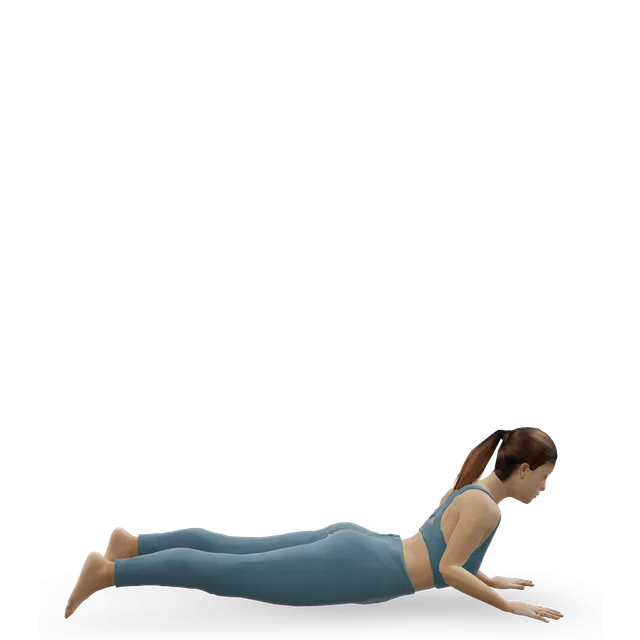
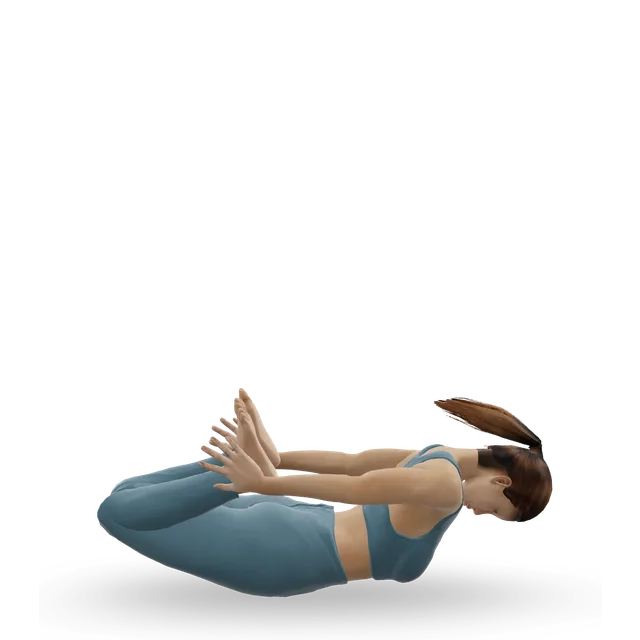
  • Cobra, sphinx, locust and bow: all-fours poses instead, such as cat-cow and bird dog.
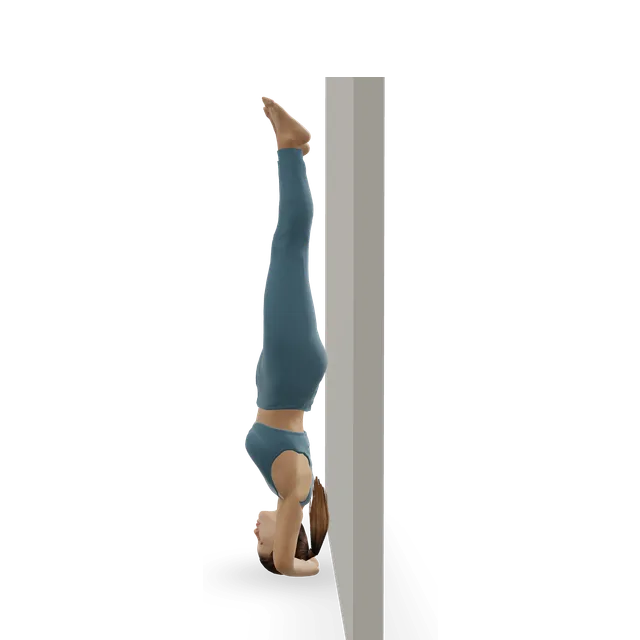
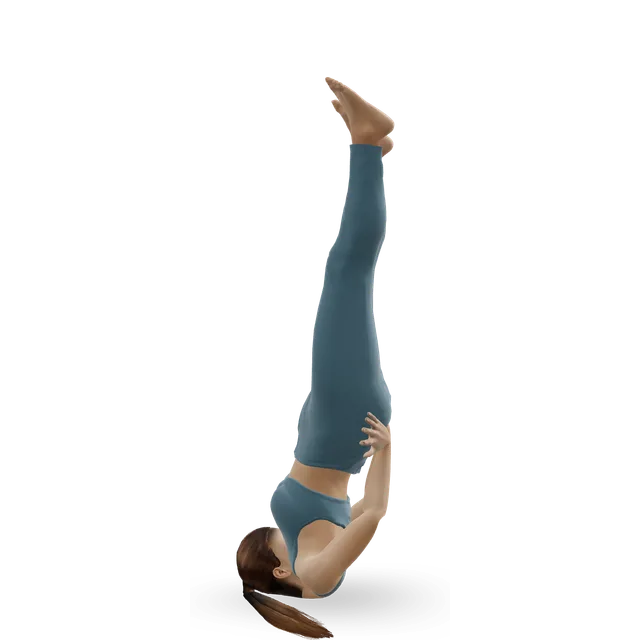
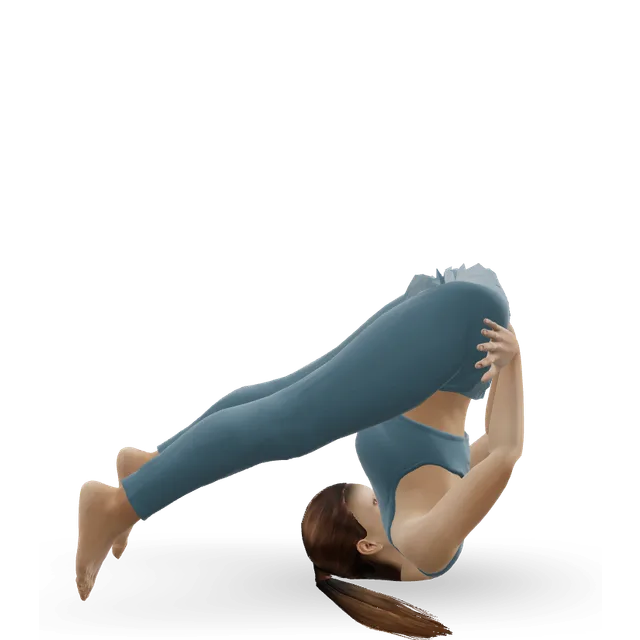
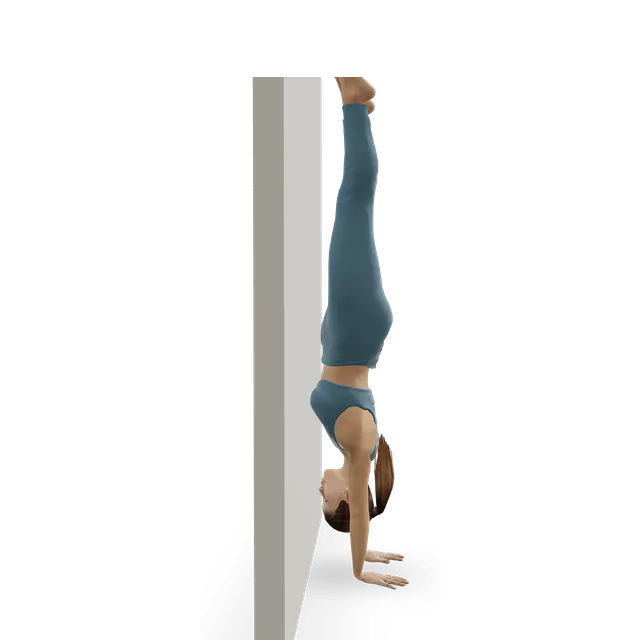
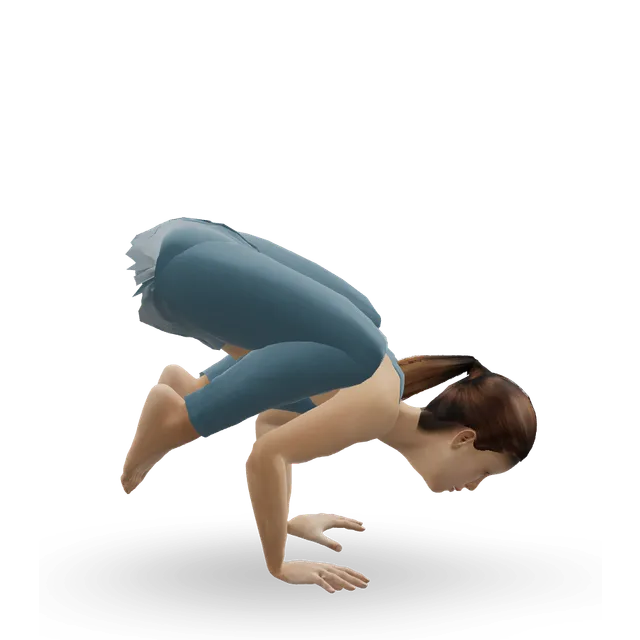
  • Headstand, shoulder stand, plough, handstands and arm balances such as crow: leave them out.
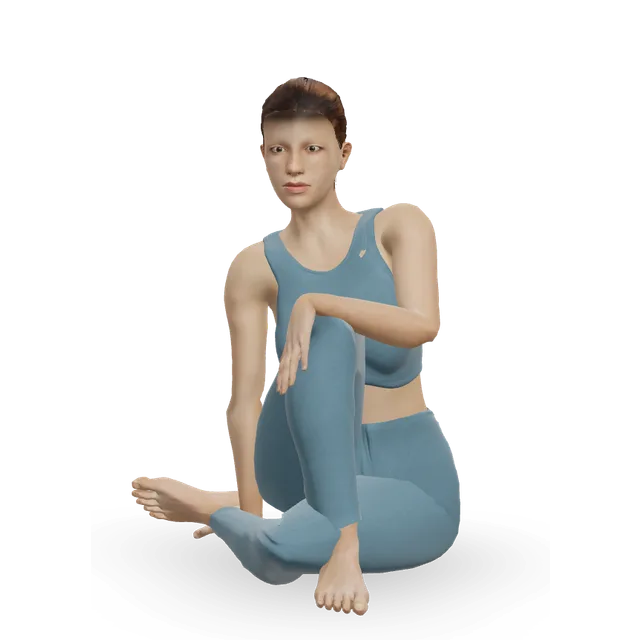
  • Deep closed twists, such as half lord of the fishes: twist gently, turning away from the bent knee, or do a side-lying twist.
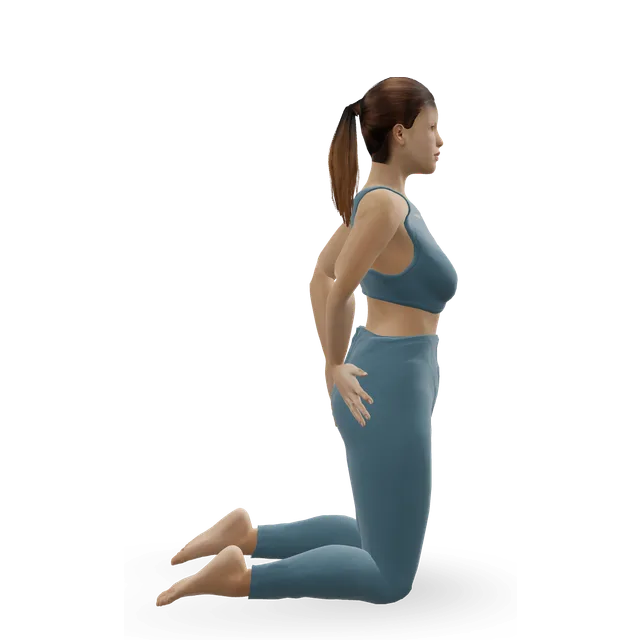
  • Deep backbends such as camel and wheel: keep them small, with your hands on your lower back.
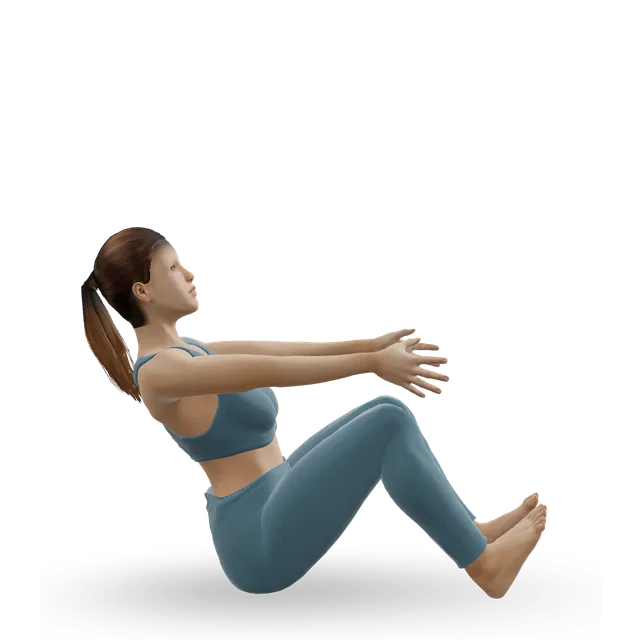
  • Boat pose and other strong core holds: leave them out.
  • Tree and other standing balances: a hand on a wall or chair.
  • Fast breathing and breath holds: slow breathing instead.

Sources 8, 1, 6

With pelvic girdle pain

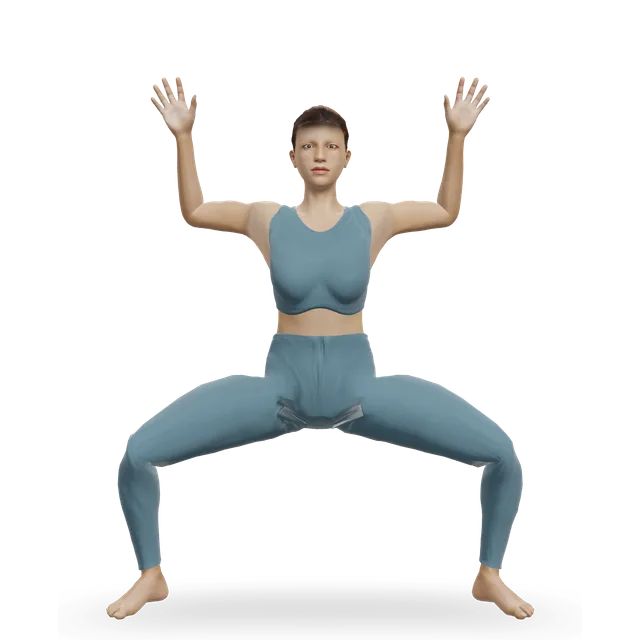
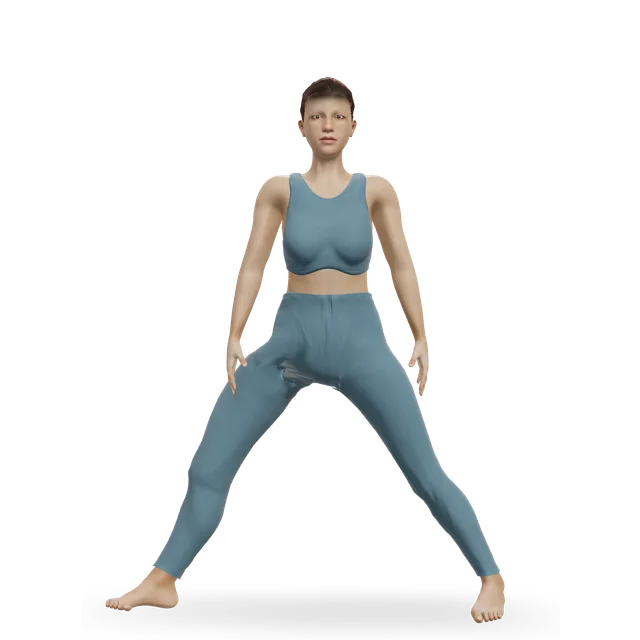
Side-lying, all-fours and seated poses are often the most comfortable. Keep your knees together as you change position, avoid standing on one leg or crossing your legs, skip wide stances such as goddess, warrior II and triangle or keep them narrow, and leave out anything that hurts.

Sources 14, 19, 8

What the evidence says

Prenatal yoga trials are small, and several reviews pool the same trials.

Anxiety, low mood and stress: probably easedEmerging evidence

A 2022 review pooled 29 studies (2,217 women): prenatal yoga lowered anxiety, depression and perceived stress, with the quality of evidence low to very low for every outcome. A 2026 review of 35 studies found the same, especially in women without earlier depression or anxiety, and a smaller review found depression improved in women who were depressed but not clearly in those who weren't.

Sources 9, 20, 21

Labour and birth: mixedMixed evidence

Yoga reviews report shorter labours (by about 2 hours in the 2022 review), more normal births and less labour pain, but their evidence is of low and very low quality, from small trials with very different results. A 2025 review of 14 trials in first-time mothers reported fewer caesareans, alongside a fall in vaginal births that its summary doesn't explain.

Against that, the largest review of exercise in pregnancy (113 studies, 52,858 women) found no link with caesarean birth, induction or the length of labour. Prenatal yoga may make labour a little easier to cope with, but don't rely on it to change how you give birth.

Sources 9, 22, 23, 10

Exercise in pregnancy is safe, and assisted births were less commonStrong evidence

Across those 113 studies, exercise in pregnancy wasn't linked with harm to mothers, injuries or a tummy gap, and it cut the odds of a forceps or ventouse delivery by about a quarter (moderate-quality evidence).

Source 10

No harms seen in the trialsEmerging evidence

The 2022 review found no adverse events in any of the pregnancy yoga trials. In 25 healthy women at 35 to 37 weeks, 26 yoga postures done one to one, with monitoring, caused no change in the mother's vital signs or the baby's heart rate, and no falls or injuries. That's reassuring for supervised practice, but it can't show that every pose suits every pregnancy.

Sources 9, 24

Sleep: thin evidenceMixed evidence

In 92 pregnant women with depression, weekly 20-minute tai chi and yoga sessions for 12 weeks reduced sleep problems compared with a waiting list. A study of 60 women in the third trimester, which wasn't randomised, found sleep improved in both its groups. That's too little to say yoga improves sleep in pregnancy.

Sources 25, 26

Back and pelvic girdle pain

Yoga eased lower back and pelvic pain in one trialEmerging evidence

In 60 pregnant women (12 to 32 weeks) with lower back and pelvic pain, 10 weeks of hatha yoga eased pain more than a leaflet of posture advice. It is one small trial.

Source 27

Exercise in general makes it less severeEmerging evidence

Across 15 trials, exercise in pregnancy made lower back and pelvic girdle pain less severe, at very low to moderate quality, but didn't stop it starting. In a Cochrane review, an 8 to 12 week exercise programme reduced the number of women reporting lower back and pelvic pain (moderate quality), and side effects, when reported, were minor and short-lived.

Sources 28, 29

Pelvic girdle pain: what helpsStrong evidence

The NHS advises keeping active but avoiding things that make the pain worse, resting when you can, and putting equal weight on each leg when standing. The Royal College of Obstetricians and Gynaecologists (RCOG) advises avoiding standing on one leg and crossing your legs, and NICE (the National Institute for Health and Care Excellence) suggests considering a referral to physiotherapy for exercise advice or a pelvic support belt.

Sources 14, 19, 30

An all-fours back exercise

The NHS back exercise for pregnancy is cat-cow done carefully: on all fours with your back straight, round it up, hold for a few seconds, then return to the box position without hollowing your back. Do it slowly and rhythmically 10 times.

Source 31

Poses for any trimester

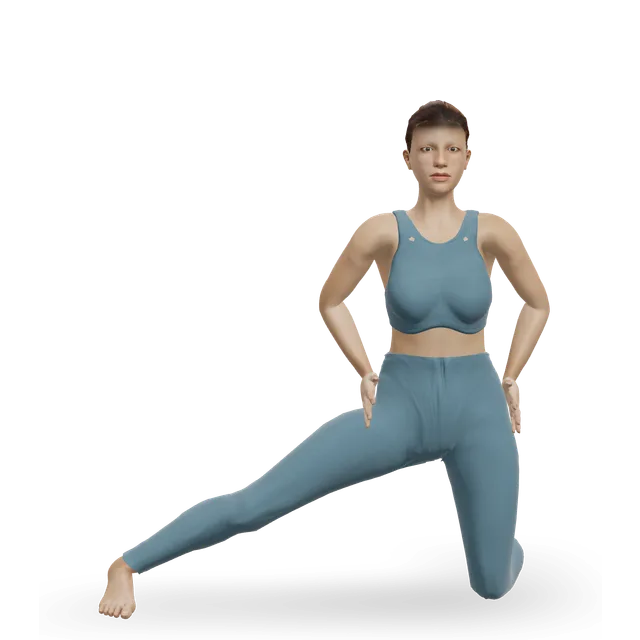
Seated, all-fours, kneeling, standing with support and side-lying, as in our prenatal yoga workout. 3 to 5 breaths in each pose or the dose on each pose's page; skip the wide and one-legged standing poses with pelvic girdle pain, and sit on a chair instead of cross-legged if it brings on cramps.

First trimester, then short, propped up or on your side

Fine in the early weeks. From the end of the first trimester, keep them short or propped up, lie on your side for the final relaxation, and leave out happy baby.

Poses to swap or leave out

Swap the face-down poses (cobra, sphinx, locust and bow) for all fours. Leave out the upside-down poses and arm balances because of the risk of falling, and boat pose. Keep twists open and backbends small.

Workouts to follow

The prenatal yoga workout suits any trimester and has nothing done flat on your back or front. Add pelvic floor exercises every day, and walking or swimming for the rest of your 150 minutes. After birth, start with the postnatal exercises.

Yoga after birth and after a caesarean

The first days

UK pelvic health physiotherapists suggest starting breathing and pelvic floor exercises within the first few hours after birth (after a caesarean, once the catheter is out), with short walks over the first weeks.

Source 32

Gentle exercise as soon as you feel up to itStrong evidence

After a straightforward birth, the NHS says you can start gentle exercise, such as walking, gentle stretches and pelvic floor exercises, as soon as you feel up to it. ACOG says it is usually safe to begin a few days after giving birth, or as soon as you feel ready, and suggests classes such as yoga. The UK guidance: if you were active before, restart gradually, and keep up pelvic floor exercises daily.

Sources 11, 33, 34

Classes, and what to leave for later

A postnatal class is a good choice; in any other class, tell the teacher you've recently had a baby. The NHS suggests avoiding sit-ups, planks and high-impact exercise to start with, and getting advice at your 6-week postnatal check before high-impact exercise. Its prenatal and postnatal yoga video is for after the birth once you have the all-clear to exercise.

Sources 11, 35, 13

After a caesareanStrong evidence

The NHS says to start exercise again only when you feel able and it isn't uncomfortable, which may not be for 6 weeks or so, and not to lift anything heavier than your baby for at least 6 weeks. Our suggestion: begin with breathing, pelvic floor exercises and walks, add gentle seated, all-fours and side-lying poses when they're comfortable, and leave deep backbends, deep twists and strong core poses until the scar is comfortable and you've had your check.

Sources 12, 32

Postnatal yoga and moodMixed evidence

In 6 trials (443 women), postnatal yoga lowered depression scores, but the results varied a great deal between trials. A review of 6 studies linked postnatal yoga with fewer symptoms of depression and better wellbeing, and called for better research. If low mood after birth lasts, talk to your midwife, health visitor or GP.

Sources 36, 37

The tummy gap

A gap between the tummy muscles is common after birth and usually narrows by 8 weeks; the NHS says to contact your GP if it's still obvious 8 weeks after the birth. Exercise in pregnancy isn't linked with it, and after birth, curl-ups built strength without widening the gap in a trial of 70 women. Our exercise after birth guide has the detail.

Sources 35, 10, 38

Warning signs, and who should check first

Stop and call your midwife or maternity unit

If you have any of these during or after exercise (in the US, call your obstetrician):

  • bleeding from the vagina
  • fluid gushing or leaking from the vagina
  • regular, painful contractions
  • tummy pain
  • feeling dizzy or faint
  • shortness of breath before you start exercising
  • chest pain
  • a headache
  • muscle weakness
  • calf pain or swelling

Sources 1, 39

Get help, whether or not you were exercising

The NHS lists symptoms to get help for at any time, including a change in your baby's movements, a high temperature, a severe headache, sudden problems with your vision, sudden swelling of your face, hands, legs or feet, and breathlessness that comes on suddenly or with chest pain. Up to 12 weeks, contact your GP surgery or early pregnancy unit; from 12 to 19 weeks, your midwife or early pregnancy unit; from 20 weeks, your midwife or maternity unit. Call 999 if you think it's a life-threatening emergency, and NHS 111 if you're not sure what to do.

Source 39

Back pain in pregnancy

Contact your GP or midwife urgently if you have back pain in your second or third trimester, which could be a sign of early labour, or back pain with a fever, bleeding from your vagina, pain when you pee or pain in one or both sides, under your ribs. Call 999 or go to A&E if you lose feeling in one or both legs, your bottom or your genitals.

Source 31

Pelvic girdle pain

Call your midwife or GP if you have pelvic pain and it's hard to move around, it hurts to get out of a car or turn over in bed, or it's painful going up or down stairs.

Source 14

Check before exercising if you have

Canada's guideline lists conditions in which you should keep to your usual daily activities rather than more strenuous exercise, including ruptured membranes, premature labour, persistent unexplained vaginal bleeding, placenta praevia after 28 weeks, pre-eclampsia, a weakened cervix, a baby who isn't growing as expected, triplets or more, uncontrolled type 1 diabetes, high blood pressure or thyroid disease, and other serious heart, lung or whole-body conditions. Ask your midwife or doctor first if any apply to you.

Source 3

After a caesarean

Contact your midwife or a GP straight away if you have:

  • severe pain
  • leaking urine, or pain when you pee
  • heavy vaginal bleeding
  • a wound that becomes more red, painful and swollen, or a discharge of pus or foul-smelling fluid from it
  • a cough or shortness of breath
  • swelling or pain in your lower leg

Source 12

Myths

"Yoga isn't safe in pregnancy, or you can't start if you've never done it"Strong evidence

ACOG lists modified yoga among the safest exercises, and the NHS says that if you're new to exercise, you can start slowly, with about 10 minutes a day.

Sources 1, 2

"Prenatal yoga guarantees a shorter labour or a normal birth"Mixed evidence

Yoga reviews report shorter labours and more normal births at low to very low quality, but the largest review of exercise in pregnancy found no link with caesarean birth or the length of labour.

Sources 9, 10

"Hot yoga is fine if you did it before pregnancy"Strong evidence

ACOG and NCCIH advise avoiding it, and hot yoga can push core temperature above 39 °C, the level of concern in pregnancy, even in people who aren't pregnant.

Sources 1, 7, 17, 18

"Lying on your back is dangerous from the moment you're pregnant"Emerging evidence

In the early weeks, any comfortable position is safe, UK pelvic health physiotherapists say. Guidelines limit time on your back from the end of the first trimester or later, and the evidence of harm is thin.

Sources 6, 4, 16

"All twists are banned in pregnancy"Mixed evidence

No trial has tested twists in pregnancy. Gentle, open twists are our practical adjustment, and UK pelvic health physiotherapists note that rapid twists and turns may cause pain.

Source 6

"You must wait 6 weeks before any exercise after birth"Strong evidence

After a straightforward birth, you can start gentle exercise as soon as you feel up to it. After a caesarean, return when you feel able and it's comfortable, which may not be for 6 weeks or so.

Sources 11, 12

"Certain yoga poses can bring on labour"Mixed evidence

We found no trials testing yoga to start labour (a Europe PMC search, October 2026). If you're overdue, your midwife will talk you through the options.

Source 40

Questions people ask

Is yoga safe in pregnancy?

For most women with an uncomplicated pregnancy, yes: ACOG lists modified yoga among the safest exercises. Tell your teacher you're pregnant, avoid hot yoga, and stop if you feel uncomfortable, too hot or unwell.

Can I start yoga if I've never done it before?

Yes, gently. The NHS suggests starting with about 10 minutes a day if you're new to exercise. A prenatal class or our prenatal yoga workout is a good place to start.

Which yoga poses should I avoid while pregnant?

After the first trimester, swap long spells on your back and poses on your front for side-lying, seated, kneeling or all-fours versions. Leave out hot yoga, headstands, shoulder stands and other poses with a risk of falling, keep twists gentle and backbends small, and with pelvic girdle pain skip wide and one-legged poses.

When should I stop lying on my back in yoga?

Advice differs: the WHO says after the first trimester, NHS Best Start in Life particularly after 16 weeks, and UK pelvic health physiotherapists from about 18 to 20 weeks. A simple rule: from the end of the first trimester keep it short, prop yourself up or switch positions, and roll onto your side if you feel dizzy or unwell.

Is hot yoga safe in pregnancy?

No: ACOG and NCCIH advise avoiding it because of overheating. In people who weren't pregnant, hot yoga raised core temperature to as much as 40 °C. Choose ordinary yoga in a comfortably cool room instead.

Can I do yoga in the first trimester?

Yes. In the early weeks, any position you find comfortable is safe, UK pelvic health physiotherapists say. Avoid overheating, skip hot classes, and do less on days you feel sick or tired.

Does prenatal yoga make labour shorter or easier?

Small trials suggest shorter labours, less labour pain and more normal births, but the quality is low and very low. The largest review of exercise in pregnancy found no effect on caesarean rates or labour length, though exercise made a forceps or ventouse birth a little less likely.

Does yoga help pelvic girdle pain or back pain in pregnancy?

It may: in one trial of 60 women, yoga eased lower back and pelvic pain more than posture advice, and exercise in general makes pregnancy back and pelvic pain less severe. With pelvic girdle pain, avoid standing on one leg and moving your legs wide apart, and ask your midwife about physiotherapy.

Does prenatal yoga help anxiety, low mood or sleep?

Reviews found less anxiety, low mood and stress with prenatal yoga, though the trials are low quality. The evidence on sleep is thin.

When can I start yoga after giving birth?

After a straightforward birth, gentle exercise such as walking, stretches and pelvic floor exercises can start as soon as you feel up to it. Postnatal yoga classes are fine once you feel ready; tell the teacher you've recently had a baby, and ask at your 6-week check before high-impact exercise.

When can I do yoga after a C-section?

Start with breathing, pelvic floor exercises once your catheter is out, and short walks. Return to exercise classes when you feel able and it's comfortable, which may not be for 6 weeks or so, and lift nothing heavier than your baby for at least 6 weeks.

Can yoga bring on labour?

There's no evidence that it can: we found no trials testing yoga to start labour. If you're overdue, your midwife will talk you through the options.


Sources

  1. ACOG · Exercise during pregnancy (patient FAQ, updated 2024)

  2. NHS · Exercise in pregnancy
  3. Canadian Society for Exercise Physiology · 2019 Canadian guideline for physical activity throughout pregnancy
  4. Bull 2020 · World Health Organization 2020 guidelines on physical activity and sedentary behaviour (BJSM)
  5. NHS Best Start in Life · Exercising in pregnancy
  6. POGP 2021 · Fit for pregnancy (UK pelvic health physiotherapists' booklet)
  7. NCCIH 2023 · Yoga: effectiveness and safety (US National Center for Complementary and Integrative Health)
  8. POGP 2022 · Pilates in women's health physiotherapy (UK pelvic health physiotherapists' booklet)
  9. Corrigan 2022 · Pregnancy yoga: 31 studies, 2,217 women meta-analysed (systematic review and meta-analysis, BMC Pregnancy Childbirth)
  10. Davenport 2019 · Prenatal exercise and harms, labour and delivery: 113 studies, 52,858 women (systematic review and meta-analysis, BJSM)
  11. NHS · Keeping fit and healthy with a baby
  12. NHS · Caesarean section: recovery
  13. NHS · Prenatal and postnatal yoga video
  14. NHS · Pelvic pain in pregnancy
  15. Department of Health and Social Care 2026 · Physical activity for pregnant women (text of the UK Chief Medical Officers' infographic)
  16. Mottola 2019 · Is exercise lying on your back in pregnancy harmful? 7 studies (systematic review, BJSM)
  17. Willmott 2025 · Hot yoga: body responses and adaptations (systematic review, Sports Med Open)
  18. Ravanelli 2019 · Heat stress in pregnancy: safe limits for exercise and hot environments (systematic review, BJSM)
  19. RCOG 2015 · Pelvic girdle pain and pregnancy (patient information)
  20. Ranjbar 2026 · Yoga for depression, anxiety and stress in pregnancy and after birth: 35 studies (systematic review and meta-analysis, Best Pract Res Clin Obstet Gynaecol)
  21. Lin 2022 · Prenatal yoga for depression and anxiety in pregnancy: 13 studies (systematic review and meta-analysis, IJERPH)
  22. Chen 2025 · Prenatal yoga and birth outcomes in first-time mothers: 14 trials (systematic review and meta-analysis, BMC Pregnancy Childbirth)
  23. Boopalan 2023 · Antenatal yoga and labour pain: 8 trials (systematic review and meta-analysis, Eur J Obstet Gynecol Reprod Biol X)
  24. Polis 2015 · Mother and baby responses to 26 yoga postures at 35 to 37 weeks: 25 women (monitored study, Obstet Gynecol)
  25. Field 2013 · Tai chi and yoga for depression, anxiety and sleep in pregnancy: 92 women (randomised trial, Complement Ther Clin Pract)
  26. Azward 2021 · Prenatal yoga and sleep in the third trimester: 60 women (non-randomised study, Gac Sanit)
  27. Martins 2014 · Yoga for pregnancy-related lower back and pelvic girdle pain: 60 women (randomised trial, J Altern Complement Med)
  28. Davenport 2019 · Exercise for low back, pelvic girdle and lumbopelvic pain in pregnancy (systematic review and meta-analysis, BJSM)
  29. Liddle 2015 · Interventions for preventing and treating low back and pelvic pain in pregnancy (Cochrane review)
  30. NICE NG201 · Antenatal care (recommendation 1.4.15 on pelvic girdle pain)
  31. NHS · Back pain in pregnancy
  32. POGP 2024 · Fit for the future: advice and exercises after childbirth (UK pelvic health physiotherapists' booklet)
  33. ACOG · Exercise after pregnancy (patient FAQ)
  34. Department of Health and Social Care 2026 · Physical activity for women after childbirth, birth to 12 months (text of the UK Chief Medical Officers' infographic)
  35. NHS · Your post-pregnancy body
  36. Ruan 2025 · Yoga for postnatal depression: 6 trials (meta-analysis, Int J Yoga)
  37. Munns 2024 · Yoga-based programmes and postnatal mental health: 6 studies (systematic review, Heliyon)
  38. Gluppe 2023 · Curl-ups and the tummy gap after birth: 70 women (randomised trial, J Physiother)
  39. NHS · Pregnancy symptoms you need to get help for
  40. Europe PMC · Title search for yoga studies on starting labour (induction, onset of labour, post-term): no records (20 October 2026)

Exercise education, not a personal prescription, and clinical review of these guides is pending. If you are pregnant, have a health condition such as glaucoma, high blood pressure or osteoporosis, or have had recent surgery, check with a doctor, midwife or physiotherapist before starting, and stop for sharp or increasing pain. Health disclaimer.