Side-lying tummy draw-in
Lying on your side, the lower tummy draws gently in like a corset on a breath out and holds while you keep breathing: the NHS's first tummy exercise after birth. It builds control of the deep tummy muscles; it has not been shown to close a tummy gap.
Movement guide
Side-lying tummy draw-in
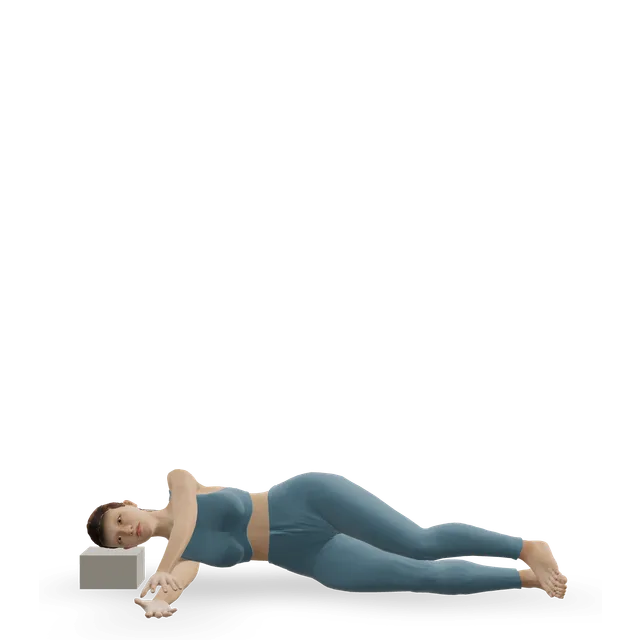
Loading the 3D figure…
Make it easier or harder
Start where you can move well, then step up.
Easier option
This is already one of the gentlest options for these muscles.
Harder option
 3D demoBird dog, one limb at a timeBeginner · No equipment
Suggested next step, beginner grade.
Source-researched guide. Clinical review is pending.
How to move
- Lie on your side with your knees slightly bent and a pillow under your head.
- Let your tummy relax and breathe in gently.
- As you breathe out, gently draw in the lower part of your tummy like a corset, narrowing your waist.
- Squeeze your pelvic floor at the same time.
- Hold for a count of up to 10, breathing normally, then gently let go.
Form cues
- Gentle, not as hard as you can.
- Keep breathing during the hold.
- Avoid: holding your breath or sucking in hard.
Practice and cautions
Hold for up to 10 seconds, up to 10 times: the NHS's dose after birth. Training the deepest tummy muscle narrowed the gap by about 0.6 cm in two small trials (very low-quality evidence), and drawing in as hard as you can briefly widened the gap below the belly button in one study, so use it for control and comfort, not to close a gap.
If you feel a bulge in the vagina when you squeeze, stop and see a pelvic health physiotherapist. This is movement education, not an assessment or treatment prescription. Stop for sharp or increasing pain, dizziness, numbness or tingling; seek individual guidance for symptoms, injury or restrictions.
Sources and review status
Sources support the educational description; they do not establish that this exercise is suitable for you.
- NHS · Your post-pregnancy body: the stomach exercise, and checking for a gap between the tummy muscles ↗
- POGP 2024 · Fit for the Future: essential advice and exercises following childbirth (physiotherapy booklet) ↗
- Gluppe 2021 · Abdominal and pelvic floor muscle training for postpartum diastasis recti (meta-analysis, Braz J Phys Ther) ↗
- Gluppe 2020 · Immediate effect of tummy and pelvic floor exercises on the gap in diastasis recti (Phys Ther) ↗
No variation is labeled clinically validated.
What it works
Equipment
None: body weight and floor space.
Level
Beginner. See the easier and harder options above.
Workouts that use it
Similar moves
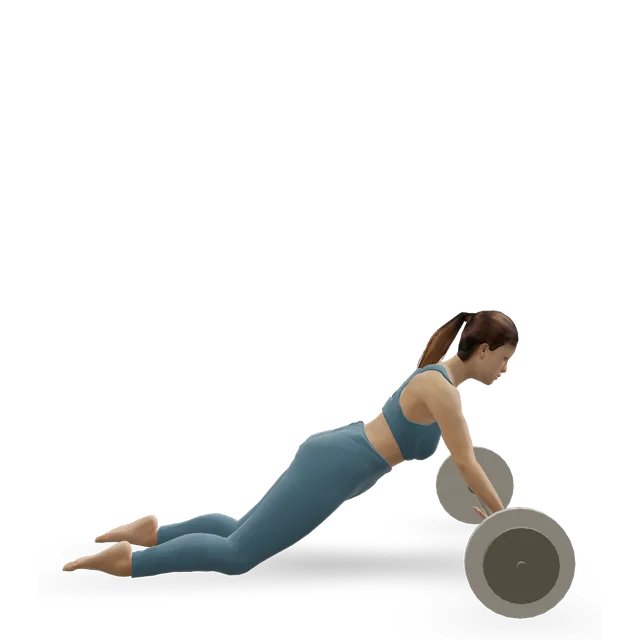 3D demoAb wheel rollout from the kneesAdvanced · An ab wheel
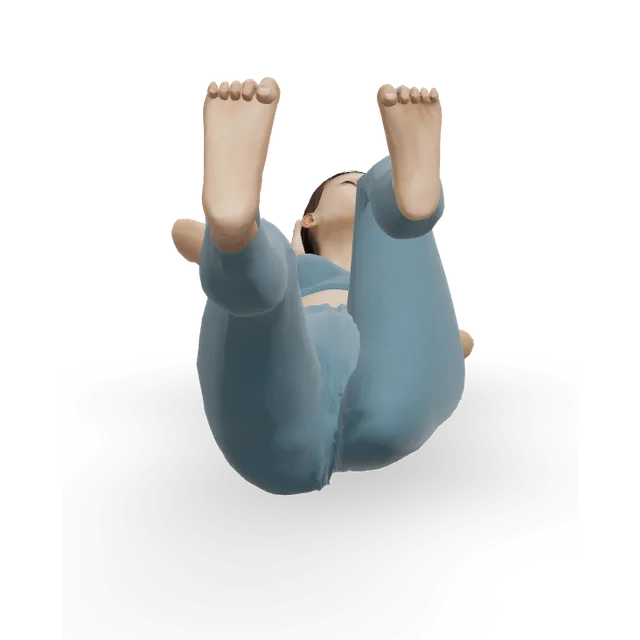 3D demoBicycle crunchIntermediate · No equipment
 3D demoBird dogBeginner · No equipment
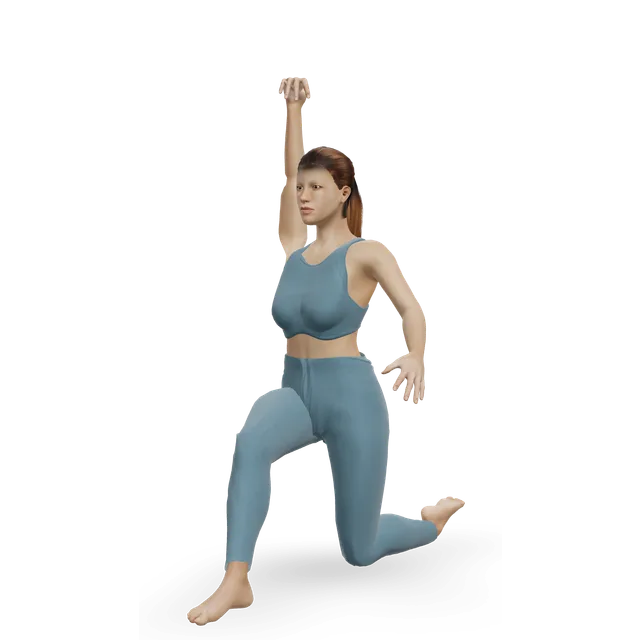 3D demoBodyweight get-upIntermediate · No equipment
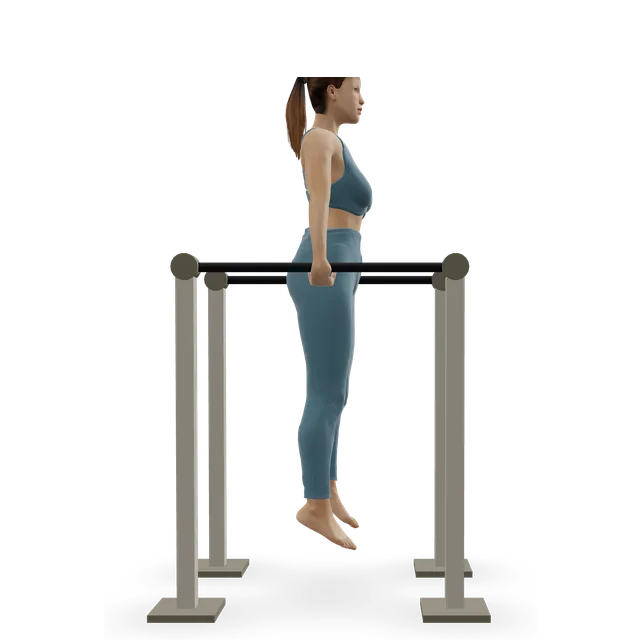 3D demoCaptain's chair knee raiseIntermediate · Other / check instructions
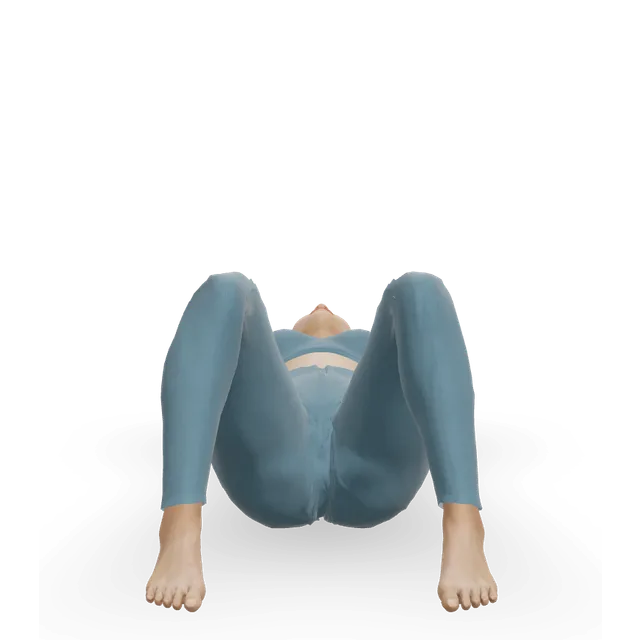 3D demoCross-body crunchBeginner · No equipment
Browse more
Questions people ask
What muscles does the Side-lying tummy draw-in work?
Mainly the abs.
What equipment do I need for the Side-lying tummy draw-in?
No equipment: your body weight and a little floor space.
Is the Side-lying tummy draw-in good for beginners?
It is graded beginner, so it suits most people starting out. When it feels easy, try the Bird dog, one limb at a time.
How do I make the Side-lying tummy draw-in harder?
Progress to the Bird dog, one limb at a time, or add load, range or slower lowering once your form is solid.