Exercise guide

Exercise for older adults: strength, balance and staying steady

Strength and balance decide how well you manage stairs, chairs, kerbs and the walk to the shops. Both can be trained at any age: in trials, people in their 80s and 90s more than doubled their leg strength, and balance exercise cut falls by about a quarter.

Most people do not need a medical check before light or moderate activity such as brisk walking. See your GP first if you get chest pain, breathlessness or dizziness when you are active, if you have a heart condition and want to exercise harder, or if you have had a fall.

This guide gives the amounts from the WHO and UK guidelines, the moves with the best evidence, chair exercises for when standing is hard, how to practise getting up from the floor, and the signs to stop. It is education, not a personal plan.

The short version

How much exercise older adults need

Be active every day: any light activity is better than none. On at least 2 days a week, do activities that build strength, balance and flexibility. Build up to 150 minutes of moderate activity a week, such as brisk walking, or 75 minutes of vigorous activity. That is the UK guideline.

The WHO asks for varied activity that works balance and strength on 3 or more days a week. If that is far off, start with what you can do and add a little each week.

Sources 2, 3, 1

The best exercises for seniors

A mix rather than one exercise. If you add only one thing, make it balance and leg strength: in a review of 108 trials, exercise cut falls by about a quarter, and the programmes that worked were built on balance and functional moves such as standing up from a chair and stepping.

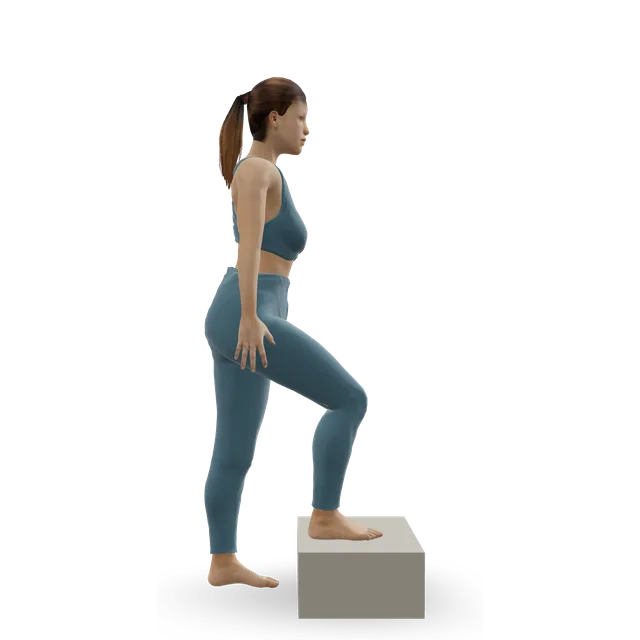
For the legs: sit-to-stands, knee straightening in a chair, calf raises and step-ups, building to about 10 slow repetitions and then adding weight.

Sources 5, 11, 27

Balance exercises for seniors

Heel-to-toe standing and walking, standing on one leg, side-stepping and walking backwards, always next to a counter or wall. To prevent falls, do balance work 3 or more times a week and make it a little harder over at least 12 weeks. The programmes with the biggest effects added up to more than 3 hours a week.

Sources 28, 2, 4, 7

Chair exercises for seniors

Seated marching, knee straightening, heel raises, arm curls, upper-body twists and sit-to-stands suit you when standing is hard. They build some strength but do not train balance, so treat them as a starting point and add standing exercises, holding the chair, as soon as you can.

Sources 26, 11, 24, 25

It is never too late

Nursing-home residents aged around 90 more than doubled their thigh strength in 8 weeks of strength training. In 1,635 inactive people aged 70 to 89, a walking, strength and flexibility programme made it less likely that they would lose the ability to walk 400 metres.

Sources 19, 21

When to stop

Stop at once for chest pain or tightness, severe breathlessness or dizziness. Call 999 if chest pain spreads or does not settle when you stop, for signs of a stroke, or after a fall if you might have hurt your head, neck, back or hip or cannot get up. Feeling your muscles work, or slightly sore the next day, is normal.

Sources 11, 34, 35, 29

What the evidence says

Balance exercise prevents fallsStrong evidence

In a Cochrane review of 108 trials with 23,407 people, average age 76, exercise cut the rate of falls by 23% and the number of people who fell by 15%, with high certainty. Programmes built on balance and functional exercises cut falls by 24%, and those that added strength training probably cut them by 34%.

The World Falls Guidelines recommend balance-challenging, functional exercise 3 or more times a week, tailored to you, made harder over at least 12 weeks and then kept up.

Sources 5, 6, 4

More challenge and more time, bigger effectsEmerging evidence

Programmes that challenged balance and added up to more than 3 hours a week cut falls more: by 39% when both were true. This comes from comparing trials with each other, so it is less certain than the main result.

Source 7

The Otago home programmeStrong evidence

Otago is a set of leg-strengthening and balance exercises done at home three times a week, with walking, prescribed by trained staff. Across four trials of 1,016 people aged 65 to 97, it cut falls and fall injuries by 35%, and people over 80 gained most in fewer injuries.

Keeping going is the hard part: in a review, only 36.7% of people were still exercising three times a week at 12 months.

Sources 8, 9, 10, 11

Balance and strength built into the dayEmerging evidence

In one trial of 317 people aged 70 and over who had fallen more than once, building balance and strength moves into daily routines, an approach called LiFE, cut falls by 31%.

Source 12

Strength training keeps you independentStrong evidence

In a Cochrane review of strength training in older adults, strength improved a great deal (73 trials), and so did getting out of a chair. Gains in walking speed and everyday tasks were smaller.

Sarcopenia, the loss of muscle strength and mass with age, is now defined first by low strength, and strength training is its first treatment.

Sources 14, 16, 17

Very old and frail people still gainStrong evidence

Ten frail nursing-home residents aged about 90, up to 96, gained 174% in thigh strength in 8 weeks of heavy strength training, and walked faster. In 100 residents with an average age of 87, 10 weeks of strength training raised strength by 113%, against 3% in those who did not train.

Those trials were small, but a large one points the same way: in 1,635 inactive people aged 70 to 89, 30.1% of those in a walking, strength and flexibility programme lost the ability to walk 400 metres over 2.6 years, against 35.5% in a health education group.

Sources 19, 20, 21

Frailty is a reason to startStrong evidence

International guidelines strongly recommend a programme of mixed activity with strength training as the first treatment for frailty. The UK guidelines say that, for people living with frailty, any increase in light activity and any reduction in sitting is a start.

Sources 18, 2

Strength and balance training is safe for most peopleStrong evidence

Across more than 38,000 trial participants, over 11,000 of them older adults, exercise did not raise the risk of serious adverse events, and serious problems were rare in 121 trials of strength training. In the falls trials, most problems were minor muscle and joint complaints. In the LIFE study, serious adverse events were about as common in the exercise group as in the health education group (49.4% and 45.7%).

Sources 15, 14, 5, 21

Chair exercise: some strength, not balanceEmerging evidence

In a review of 14 small trials, seated exercise improved thinking skills and, a little, strength and mood, but not balance or mobility, and it did no better than exercise on your feet. Experts agree it should be used to work towards standing exercise where possible.

Sources 24, 25

Tai chiEmerging evidence

Tai chi may cut the rate of falls by 19% (low certainty) and cut the number of people who fall by 20% (high certainty), and the World Falls Guidelines recommend it. It is a class rather than a single move, so it has no demo here.

Sources 5, 4

Walking and stretching: good, but not falls preventionMixed evidence

In people aged 60 and over, more daily steps were linked to lower mortality up to about 6,000 to 8,000 steps a day; this comes from observational studies. But walking programmes have not been shown to prevent falls, and no falls trial has compared stretching with no exercise, so neither counts as falls prevention.

Sources 5, 31
How much exercise older adults need

Every day, and less sitting

Be active every day; even light activity brings some health benefits compared with sitting still. Break up long spells of sitting with light activity when you can, or at least by standing up (UK Chief Medical Officers).

Sources 2, 3

Strength, balance and flexibility: 2 or more days a week

The UK guidelines ask for activities that improve strength, balance and flexibility on at least 2 days a week, alongside aerobic activity or on their own.

The WHO asks for strength work for all the major muscle groups on 2 or more days, plus varied activity that emphasises balance and strength, at moderate effort or more, on 3 or more days a week.

Sources 2, 3, 1

Aerobic activity: 150 minutes a week

Build up to 150 minutes of moderate activity a week, or 75 minutes of vigorous activity (UK guidelines); the WHO gives a range of 150 to 300 minutes of moderate or 75 to 150 minutes of vigorous activity. Bouts of any length count.

Moderate means you can talk but not sing. Vigorous means you can only say a few words before pausing for breath (NHS).

Sources 2, 3, 1

To prevent falls: 3 times a week, for 12 weeks and beyond

Balance-challenging, functional exercise 3 or more times a week, tailored to you, made harder over at least 12 weeks, then continued (World Falls Guidelines). The programmes that worked best added up to about 3 hours a week.

For people who are already falling, the UK osteoporosis consensus recommends supervised, highly challenging balance and strength training for 3 hours a week over at least 4 months: about 25 minutes a day, or three 1-hour sessions.

Sources 4, 7, 36

How hard to lift

A practical target is a weight you can lift 8 to 12 times, building up to 3 sets, on 2 to 3 days a week, starting lighter to learn the movement. That dose comes from the UK osteoporosis consensus; using it for all older adults is our editorial starting point. Trials in older people mostly trained 2 to 3 times a week at high effort, and the ACSM's review found that you do not need to train to failure.

For everyday power, stand up briskly and sit down slowly: lifting moderate loads with a fast lifting phase improved physical function in the ACSM's review. The brisk-up, slow-down cue is editorial.

Sources 36, 14, 15

Steps

In people aged 60 and over, the benefit of daily steps levelled off at about 6,000 to 8,000 a day. The UK guidelines note that 30 minutes of moderate activity a day is roughly 7,000 to 10,000 steps.

Sources 31, 2

Three starting points

The UK guidelines describe three starting points. Find yours:

  • Already active: keep up the walking or sport, and add strength work (weights or bands), some impact (running, jumping, skipping) and balance (standing on one leg, walking backwards) at least twice a week. Tai chi, dance and aqua-aerobics count towards both aerobic and strength and balance.
  • Losing strength through inactivity but otherwise well: start with sit-to-stands, stair climbing and strength and balance exercises at home, then move on to brisk walking and strength and balance classes.
  • Living with frailty: any extra light activity and any less sitting is a start. Do regular sit-to-stands, short walks and stair climbing, build strength and balance into everyday tasks, and walk for longer rather than faster.

Source 2

Start with supervision if…

The UK guidelines suggest supervised exercise at first if you have any of these. The World Falls Guidelines add closer supervision or smaller groups for anyone at higher risk of a fall.

  • Frailty.
  • Moderate to severe dementia.
  • A past spinal (vertebral) fracture.
  • Regular falls.

Sources 2, 4

Keep going

The benefits fade when you stop. If illness interrupts you, go back at an easier level and build up again. Sticking with it is the real challenge: in the Otago trials, only about a third of people were still exercising three times a week after a year.

Sources 4, 10

Before you start, and warning signs

Stop and call 999

Call 999 for any of these:

  • Chest pain, pressure or tightness that spreads to the arm, neck or jaw, or does not go away when you stop, especially with breathlessness, sweating, feeling sick, or grey or pale skin.
  • Signs of a stroke: the face drooping, weakness in an arm, or speech problems. Call even if the signs stop.
  • Fainting or collapse, or feeling very unwell with symptoms that do not go away when you stop.
  • After a fall: a possible injury to the head, neck, back or hip, or not being able to get up.

Sources 34, 35, 11, 29

Stop for today and contact your GP or NHS 111

Get advice soon for any of these:

  • Dizziness, light-headedness, unusual breathlessness, clamminess or chest tightness that settles when you stop.
  • Any fall or near-fall, new unsteadiness, or a new fear of falling: ask about a falls assessment.
  • Joint or muscle pain during an exercise that does not ease when you check your position and try again.
  • A newly swollen joint, or pain that is worse the next day and keeps getting worse (our editorial rule).

Sources 11, 13, 29

What is normal

Feeling your muscles working, or slight soreness the next day, is normal.

Source 11

Do you need a check first?

The WHO says medical clearance is generally not needed for light or moderate activity up to the level of brisk walking, if you have no particular reason not to exercise. The NHS suggests speaking to a GP first if you have not exercised for some time, or have a medical condition or concerns.

Heart problems during exercise are often preceded by warning signs. If you get symptoms when you are active, or have known heart disease and want to exercise harder, get advice first.

Sources 1, 3, 33

If you have fallen

NICE asks for a full falls assessment for people who have fallen in the past year and are frail, were injured, could not get up on their own, lost consciousness, or have fallen twice or more. A falls service can offer a supervised programme such as Otago.

Ask your GP or pharmacist, too, whether any of your medicines could affect your balance.

Sources 13, 36, 37, 29

Leg strength for everyday life

Start at the top. Sit-to-stands, up to 10 (Otago booklet). Knee straightening and side leg lifts, up to 10 each leg, up for a slow count of 3 and down for 5 (Otago). Calf raises, 10 to 20, holding support (Otago). Step-ups, up to 5 each leg (NHS), building to 8 to 12 (editorial). Stand up briskly and sit down slowly. The goblet squat is for when sit-to-stands are easy, and the bridge needs a safe way down to the floor.

Arms and upper body

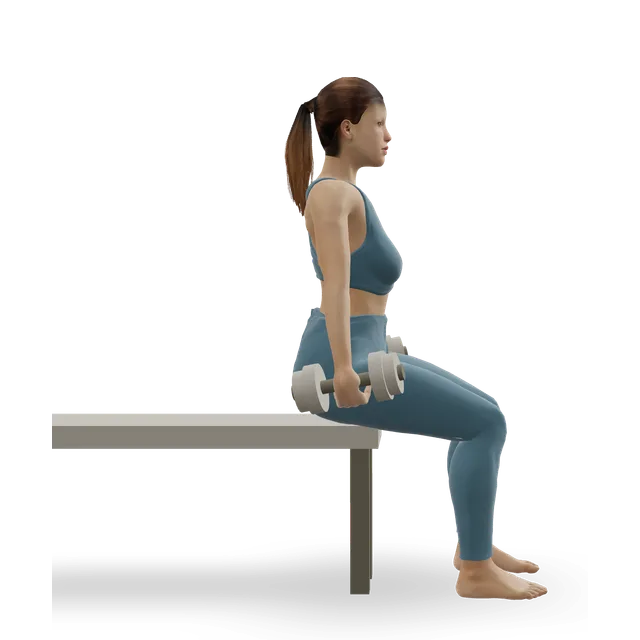
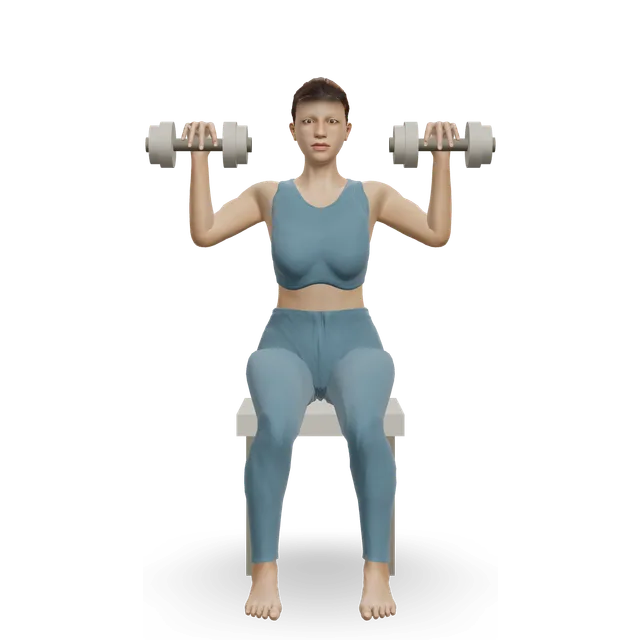
Wall push-ups, 3 sets of 5 to 10 (NHS); stand with your feet closer to the wall to make them easier. Arm curls, 3 sets of 5 each arm; filled water bottles work (NHS). Band rows, 3 sets of 10 to 15, and carries, 2 walks of 20 to 30 metres (editorial). Keep the seated press light, and skip it with a painful shoulder.

Balance exercises

Easiest first, always next to a counter or wall. Marching, 1 to 2 minutes (Otago). Heel-to-toe walking, at least 5 steps (NHS). One-leg stands, 3 holds of 5 to 10 seconds each leg with fingertips on the wall (NHS), building to 30 seconds. Side-stepping, 10 steps each way (NHS). As you improve, take your hand off one finger at a time (Otago), and close your eyes only when standing on one leg is easy.

Chair exercises

Use a solid chair without wheels or arms, feet flat and knees at right angles, at least twice a week (NHS). Seated marching, 1 to 2 minutes (Otago); upper-body twists, 5 each side with a 5-second hold (NHS); upper-back lifts, 3 to 5 holds of 3 to 5 seconds (UK osteoporosis consensus). Seated exercise builds some strength but not balance: when these feel easy, add standing moves, holding the chair back.

Getting up from the floor

Why it is worth practisingEmerging evidence

In a study of people over 90 who fell, 80% could not get up on their own after at least one fall, and 30% lay on the floor for an hour or more. Long lies are linked to serious harm. The World Falls Guidelines recommend practising the floor rise one step at a time.

Sources 22, 4

How to get up after a fall

If you are hurt or cannot get up, call for help with a phone or alarm, keep warm, and keep moving your arms and legs gently; call 999 if you might have hurt your head, neck, back or hip. If you are not hurt, follow the NHS steps:

  • Roll onto your side.
  • Push up onto your hands and knees.
  • Crawl to something sturdy, such as a chair.
  • Put your hands on the seat and bring one foot forward, flat on the floor.
  • Push up slowly, turn and sit down to rest.

Source 29

Practise the last step first

Practise when you are well, with someone present and a sturdy chair close by. Learning the last step first, called backward chaining, is the method the World Falls Guidelines recommend; the order below is our editorial version of the NHS steps. If you have fallen and could not get up on your own, ask your GP about a falls assessment.

  • Start kneeling with your hands on the chair seat. Bring one foot forward, flat, and push up to sit on the chair.
  • When that is easy, start on your hands and knees and crawl to the chair first.
  • Then start sitting on the floor and roll onto your hands and knees.
  • Only then practise from lying down.

Sources 4, 29, 13

Getting down to the floor and longer lifeMixed evidence

In one study of people aged 51 to 80, those who could sit down on the floor and stand up again with little support lived longer. That is an association, not proof that practising it adds years.

Source 23

Moves for getting up and down

Practise the floor transfer with someone nearby the first few times: 3 practice goes, if comfortable, as in the balance routine. After a hip or knee replacement, check which positions are allowed first.

Walking and other aerobic exercise

Build up to 150 minutes a week; while you build up, walk and rest for a minute (UK guidelines). A static bike has no balance demand. Use the rail on stairs, especially going down. If you are frail and at risk of falls, build strength and balance before brisk walking.

Stretches

Flexibility is part of the UK guidelines' 2 days a week. Hold each stretch for about 30 seconds, or turn slowly 6 times each side. Stretching helps comfort and range, but it has not been shown to prevent falls.

Exercising safely, and with health conditions

Balance work: support, shoes and space

Stand by a counter, a wall or the back of a sturdy chair with a hand on it; you do not need to grip it tightly. Wear supportive shoes, clear trip hazards and keep water nearby.

If you feel light-headed when you stand, stand up slowly: low blood pressure on standing is one of the things a falls assessment looks for. If you have fallen recently or feel unsteady with your feet together, have someone nearby for the hardest balance moves.

Sources 28, 11, 37, 3, 29, 4

Walking aids

Have your walking aid and its height checked: a GP, physiotherapist, occupational therapist or hospital staff can advise, and frames can be lent by the NHS or your local council after a needs assessment. Ask a physiotherapist before using a stick on steps or stairs. A falls assessment includes checking that your aid is right and used properly.

If you use an aid, keep it within reach during standing exercises, and check the walking drills with your physiotherapist first (our editorial advice).

Sources 30, 4

Frailty and muscle lossStrong evidence

Mixed activity with strength training is the first treatment for frailty, and strength training is strongly recommended for sarcopenia, with a protein-rich diet as a weaker recommendation. In care homes, supervised programmes tailored to each person are recommended.

If you are frail and at risk of falls, build strength and balance before brisk walking: in one group already at risk, brisk walking increased fractures.

Sources 18, 17, 4, 36

ArthritisStrong evidence

NICE asks clinicians to offer exercise to everyone with osteoarthritis: strengthening the muscles around the joint, and general fitness. Joints may ache a little more at first, and regular exercise still helps; in older people with osteoarthritis, strength training reduced pain. If a joint is hot and swollen, or pain keeps getting worse, get it checked.

Sources 32, 14

Heart conditions and blood pressure

If you have a heart condition, follow your cardiac team's advice on how hard to work, and stop for the warning signs above. People with long-term conditions may wish to ask their specialist before starting. With uncontrolled high blood pressure, avoid straining against a held breath; the high blood pressure guide has more.

Sources 1, 33

Osteoporosis

With osteoporosis or a past spinal fracture, avoid repeated or loaded deep rounding of the back, and bend from the hips. The osteoporosis guide covers impact and lifting.

Source 36

Dementia, Parkinson's, and after a hip fractureStrong evidence

Exercise to prevent falls is recommended in mild cognitive impairment, mild to moderate dementia and early to mid-stage Parkinson's, in smaller groups or one to one as needs grow. After a hip fracture, tailored exercise for standing up, balance, walking and stairs should start in hospital, get harder over time and carry on at home.

Source 4

Moves that start on the floor

Bridges, supermans and dead bugs need a safe way down to the floor and back up. If that is not possible yet, use the standing and seated moves, and practise the floor rise with someone present.

Exercise makes falling less frightening

Exercise reduces the fear of falling. NICE asks clinicians to reassure people who have fallen that they can still get up and do not need to restrict their activity, unless they have been advised to.

Sources 4, 13

Workouts to follow

Start with the chair workout if standing is hard. Do the balance routine on most days: on its own, 10 minutes is a small dose. The leg, beginner and strength and balance workouts include floor moves, so you need a safe way down and up.

Weekly plans

For people who are independent and steady on their feet. If you are frail or have fallen, start with the chair workout and ask your GP about a falls service.

Myths

"I'm too old to start."

Strength rose by 113% to 174% in trials of people aged 72 to 98, structured activity reduced mobility loss in people aged 70 to 89, and in the Otago trials people over 80 gained most in fewer fall injuries.

Sources 19, 20, 21, 9

"Weights are dangerous at my age."

Serious adverse events were not raised in over 11,000 older trial participants, and serious problems were rare in 121 trials. Start light and learn the movement.

Sources 15, 14

"Walking is all the exercise I need."

Walking is good for the heart, but walking programmes have not been shown to prevent falls. Balance and strength work have.

Sources 5, 2

"After a fall, it's safer to rest."

Exercise reduces falls and the fear of falling, and NICE wants people reassured that they need not restrict their activity unless they have been advised to.

Sources 4, 13

"Chair exercises are enough."

Seated exercise did not improve balance or mobility. Use it as a step towards exercise on your feet.

Sources 24, 25

"Balance just goes with age."

Balance and functional training cut falls by 24%, with high certainty. Balance improves with practice.

Sources 5, 11

"Stretching prevents falls."

No falls trial has compared stretching with no exercise. Stretching may help comfort and range, but it is not falls prevention.

Source 5

"Aches mean I'm wearing my joints out."

With osteoarthritis, exercise is a core treatment, and joints may ache a little more at first while it still helps.

Source 32

Questions people ask

What is the best exercise for seniors?

A mix rather than one exercise. The UK guidelines ask for something every day, strength and balance work on at least 2 days a week, and about 150 minutes a week of moderate activity such as brisk walking. If you add only one thing, make it balance and leg strength: in 108 trials, exercise cut falls by about a quarter, and the programmes that worked were built on balance and functional moves such as sit-to-stands and stepping. For the legs, do sit-to-stands, seated knee straightening, calf raises and step-ups 2 to 3 times a week, building to about 10 slow repetitions and then adding weight.

How much exercise should a 70- or 80-year-old do?

The same guidelines apply at 70, 80 and beyond, adjusted to what you can do. Aim for daily movement, strength and balance work on 2 or more days a week (the WHO says 3 or more days of balance and strength work), and 150 minutes a week of moderate activity, built up gradually. If that is far off, start with short walks and sit-to-stands and add a little each week.

Is it too late to start exercising at 75, 80 or 90?

No. Frail nursing-home residents aged around 90 more than doubled their leg strength in 8 weeks, and residents with an average age of 87 gained 113% in strength and walked faster after 10 weeks. In falls trials, people over 80 benefited at least as much as younger people.

What are the best balance exercises for seniors?

Moves that challenge your balance safely, next to a counter: heel-to-toe standing and walking, standing on one leg, side-stepping, walking backwards, and sit-to-stands. Tai chi helps too. To prevent falls, do them 3 or more times a week and make them harder over at least 3 months; the biggest effects came from programmes adding up to more than 3 hours a week. If you have fallen, ask your GP about a falls service, which may offer the Otago or a similar programme.

What are good chair exercises for seniors?

Seated marching, knee straightening, heel raises, arm curls, upper-body twists and sit-to-stands. Use a solid chair without wheels, with your feet flat. Chair exercise builds some strength but does not train balance, so treat it as a starting point and add standing exercises, holding the chair, as soon as you can.

How do I get up off the floor after a fall?

If you are not hurt: roll onto your side, push up onto your hands and knees, crawl to a sturdy chair, put your hands on the seat, bring one foot forward flat, and push up slowly to sit. If you are hurt or cannot get up, call for help with a phone or alarm, keep warm, and keep moving your arms and legs gently. Call 999 if you might have hurt your head, neck, back or hip. Practise the steps when you are well, with someone present, starting with the last step.

Is walking enough exercise for older people?

Walking is good for your heart and health, and up to about 6,000 to 8,000 steps a day was linked to lower mortality in people over 60. But walking has not been shown to prevent falls, and it does not build much strength. Add strength and balance work on at least 2 days a week.

Is it safe to lift weights after 65, or with arthritis?

Yes, for most people, if you start light and learn the movement. Trials in older people show large strength gains and rare serious problems. With osteoarthritis, NICE recommends exercise for everyone and warns that joints may ache a little at first. If a joint is hot and swollen, or pain keeps getting worse, get it checked.

When should I stop exercising?

Stop at once for chest pain or tightness, dizziness or severe breathlessness. Call 999 if chest pain spreads or does not settle when you stop, or for signs of a stroke. Feeling your muscles work, or slightly sore the next day, is normal.

What is the Otago exercise programme?

A home programme of leg-strengthening and balance exercises, designed in New Zealand and prescribed by trained staff, done three times a week with walking. Across four trials it cut falls and fall injuries by 35%. The UK osteoporosis consensus recommends Otago for people who are falling, and in the UK it is offered through falls services, so ask your GP.

Sources

  1. Bull 2020 · World Health Organization 2020 guidelines on physical activity and sedentary behaviour (BJSM)
  2. UK Chief Medical Officers 2019 · UK Chief Medical Officers' physical activity guidelines (older adults chapter)
  3. NHS · Physical activity guidelines for older adults
  4. Montero-Odasso 2022 · World guidelines for falls prevention and management for older adults (Age and Ageing)
  5. Sherrington 2019 · Exercise for preventing falls in older people living in the community (Cochrane review)
  6. Sherrington 2020 · Physical activity and falls prevention in people aged 65 and over: systematic review for the WHO guidelines (IJBNPA)
  7. Sherrington 2017 · Exercise to prevent falls in older adults: an updated systematic review and meta-analysis (BJSM)
  8. Campbell 1997 · A general practice programme of home-based exercise to prevent falls in elderly women: the first Otago trial (RCT, BMJ)
  9. Robertson 2002 · Preventing injuries in older people by preventing falls: a meta-analysis of the Otago trials (J Am Geriatr Soc)
  10. Thomas 2010 · Does the Otago exercise programme reduce mortality and falls in older adults? (systematic review, Age and Ageing)
  11. Later Life Training 2018 · Otago strength and balance home exercise programme: beginners (booklet)
  12. Clemson 2012 · Balance and strength training built into daily life to reduce falls: the LiFE study (RCT, BMJ)
  13. NICE 2025 · Falls: assessment and prevention in older people and in people 50 and over at higher risk (NG249)
  14. Liu 2009 · Progressive resistance strength training for improving physical function in older adults (Cochrane review)
  15. Currier 2026 · ACSM position stand: resistance training prescription for muscle function, hypertrophy and physical performance (overview of reviews, MSSE)
  16. Cruz-Jentoft 2019 · Sarcopenia: revised European consensus on definition and diagnosis (EWGSOP2, Age and Ageing)
  17. Dent 2018 · International clinical practice guidelines for sarcopenia: screening, diagnosis and management (ICFSR, J Nutr Health Aging)
  18. Dent 2019 · Physical frailty: ICFSR international clinical practice guidelines for identification and management (J Nutr Health Aging)
  19. Fiatarone 1990 · High-intensity strength training in nonagenarians (JAMA)
  20. Fiatarone 1994 · Exercise training and nutritional supplementation for physical frailty in very elderly people (RCT, NEJM)
  21. Pahor 2014 · Structured physical activity and major mobility disability in older adults: the LIFE study (RCT, JAMA)
  22. Fleming 2008 · Inability to get up after falling, time on the floor and summoning help in people over 90 (cohort study, BMJ)
  23. Brito 2014 · Ability to sit and rise from the floor as a predictor of all-cause mortality (cohort study, Eur J Prev Cardiol)
  24. Sexton 2019 · To sit or not to sit? Seated exercise for older adults (systematic review and meta-analysis, Australasian Journal on Ageing)
  25. Robinson 2014 · Developing the principles of chair-based exercise for older people (Delphi study, BMC Geriatrics)
  26. NHS · Sitting exercises
  27. NHS · Strength exercises
  28. NHS · Balance exercises
  29. NHS · Falls
  30. NHS · Walking aids, wheelchairs and mobility scooters
  31. Paluch 2022 · Daily steps and all-cause mortality: a meta-analysis of 15 international cohorts (Lancet Public Health)
  32. NICE 2022 · Osteoarthritis in over 16s: diagnosis and management (NG226)
  33. Riebe 2015 · Updating ACSM's recommendations for exercise preparticipation health screening (MSSE)
  34. NHS · Heart attack: symptoms
  35. NHS · Stroke: symptoms
  36. Brooke-Wavell 2022 · Strong, steady and straight: UK consensus statement on physical activity and exercise for osteoporosis (BJSM)
  37. Royal Osteoporosis Society · Exercise to help your balance

Exercise education, not a diagnosis or treatment plan, and clinical review of these guides is pending. Stop and get advice for chest pain, unusual breathlessness, dizziness or fainting, or new pain, and check with your doctor or midwife first if they have told you to limit activity. Health disclaimer.