Exercise guide

Exercise for type 2 diabetes and prediabetes: what lowers blood sugar, and how to stay safe

Regular exercise lowers HbA1c in type 2 diabetes by about 0.5 to 0.7 percentage points (about 5 to 8 mmol/mol), even if your weight doesn't change, and it cuts the chance of prediabetes turning into diabetes. Walking and strength training both work; together they work best.

The plan: at least 150 minutes a week of brisk activity over 3 or more days, strength exercises 2 to 3 times a week, a short walk after meals and fewer long spells of sitting. Most people can start walking straight away. Talk to your diabetes team first if you take insulin or a sulfonylurea such as gliclazide, have eye, foot, kidney or heart problems, or want to start hard exercise. Never change a medicine yourself because you've started exercising.

The short version

The best exercise for type 2 diabetes

A mix of walking, or another aerobic activity, and strength training. Each lowers blood sugar on its own, and doing both lowered HbA1c most in the trials that compared them head to head. The best one is the one you'll keep doing: brisk walking most days and two or three short strength sessions a week is a sound plan.

Sources 1, 2, 3, 4

How much does exercise lower A1C?

In 47 trials with 8,538 people, structured exercise lowered HbA1c by 0.67 percentage points on average, about 7 mmol/mol, and programmes of more than 150 minutes a week lowered it by 0.89 (about 10 mmol/mol). In an earlier analysis, the drop came with no difference in body weight.

Sources 2, 5

How much exercise

The American Diabetes Association (ADA) 2026 standards: at least 150 minutes a week of moderate to vigorous aerobic activity over at least 3 days, with no more than 2 days in a row off; strength training 2 to 3 times a week on non-consecutive days; and getting up from sitting at least every 30 minutes. The NHS puts it as at least 2.5 hours a week.

Sources 1, 6

Walking after eating

In 41 people with type 2 diabetes, a 10-minute walk after each main meal lowered blood sugar after meals by 12% more than one 30-minute walk a day, and by 22% after the evening meal. Walking soon after eating works; walking before the meal doesn't.

Sources 7, 8

Exercise for prediabetes

Lifestyle programmes combining more activity, at least 150 minutes a week in the US trial, with modest weight loss cut new diabetes by 58% in two large trials. Exercise alone cut it by 46% in a third.

Sources 9, 10, 11

Staying safe

Most people can start walking without a check-up first. Plan with your team first if you take insulin or a sulfonylurea, which can cause hypos, or have eye, foot, kidney or heart problems. With numb feet, wear good shoes and check your feet every day. With advanced eye disease (proliferative retinopathy), avoid straining, jumping and head-down positions.

Sources 12, 1, 13

What exercise does for type 2 diabetes

HbA1c falls, even without weight lossStrong evidence

In 47 trials with 8,538 people, structured exercise lowered HbA1c by 0.67 percentage points (about 7 mmol/mol): aerobic training by 0.73 (about 8 mmol/mol), strength training by 0.57 (about 6) and both combined by 0.51 (about 6). An earlier analysis of 14 trials found a fall of 0.66 (about 7 mmol/mol) with no significant difference in body weight, and the ADA says the effect holds even without a significant change in BMI.

The trials varied a lot, so treat these as averages. Advice to be more active on its own was not linked to lower HbA1c; advice plus dietary advice was (by 0.58). The mmol/mol figures are our conversions.

Sources 2, 5, 1

Why a lower HbA1c mattersStrong evidence

In the UK Prospective Diabetes Study, each 1 percentage point lower HbA1c went with 21% fewer diabetes-related complications or deaths and 37% fewer microvascular complications, the damage to small blood vessels in the eyes, kidneys and nerves. This is an observational link, not a trial of exercise.

Source 14

Aerobic and strength together work bestStrong evidence

In the DARE trial, combined training lowered HbA1c by a further 0.46 percentage points compared with aerobic training alone, and 0.59 compared with strength training alone. In the HART-D trial, only combined training beat the control group (by 0.34). Network analyses agree, though the combined groups often exercised for longer.

Sources 3, 4, 15, 16, 17

Strength training countsStrong evidence

Strength training alone lowered HbA1c by about 0.4 percentage points (about 4 mmol/mol) across 20 trials with 1,172 people, more in people who gained more strength, with no clear difference from aerobic training.

Source 18

More helps, up to a pointEmerging evidence

Programmes of more than 150 minutes a week lowered HbA1c by 0.89 percentage points (about 10 mmol/mol), against 0.36 (about 4) for 150 minutes or less, and longer aerobic programmes lowered it more. A dose-response analysis of 126 studies found the largest drop at about 1,100 MET-minutes a week, roughly 4 hours of moderate activity such as brisk walking (our conversion). Drops were bigger the higher HbA1c was to start with: 0.66 to 1.02 with severe uncontrolled diabetes, and 0.24 to 0.38 with prediabetes.

Sources 2, 19, 20

Intensity, HIIT and supervisionEmerging evidence

Higher-intensity strength training lowered HbA1c more than low-to-moderate (by 0.61 against 0.23 percentage points) in 24 small trials. Interval training lowered HbA1c by about 0.7 against no exercise in 62 trials, and slightly more than steady moderate training (by 0.12) in one analysis; another found no difference. Supervised training lowered HbA1c more than unsupervised training.

Sources 21, 22, 23, 16

Beyond blood sugarEmerging evidence

In observational studies of people with diabetes, more physical activity went with a lower risk of dying from heart and circulation disease (relative risk 0.62) and fewer microvascular complications (0.76), even at less than the recommended amounts. These are links in moderate-certainty evidence, not proof.

Sources 24, 1

How much exercise for type 2 diabetes

The ADA Standards of Care 2026 set the doses below, with the ADA's own evidence grades. NICE's diabetes guideline (NG28) has no exercise dose of its own: it asks clinicians to combine dietary advice with more activity and weight loss, and points to other NICE guidance.

Aerobic: 150 minutes a week, no more than 2 days offStrong evidence

ADA 2026: at least 150 minutes a week of moderate to vigorous aerobic activity over at least 3 days, with no more than 2 days in a row without activity (grade B for type 2). Its text suggests bouts of at least 10 minutes, aiming for about 30 minutes on most days. Fitter people may need only 75 minutes a week of vigorous or interval training. The ACSM consensus gives 150 to 300 minutes of moderate activity over 3 to 7 days, and the NHS at least 2.5 hours a week. Moderate means you can talk but not sing.

Sources 1, 17, 6, 25, 26

Why not more than 2 days off

A single session improves insulin sensitivity for 2 to 72 hours afterwards, which is why guidelines say not to go more than 2 days without activity. The effects of training reverse when you stop.

Sources 17, 1, 12

Strength: 2 to 3 times a weekStrong evidence

ADA 2026: 2 to 3 sessions a week on non-consecutive days (grade B for type 2). The ACSM consensus: 8 to 10 exercises for the major muscle groups, 1 to 3 sets of 10 to 15 reps at a moderate or vigorous load, raising the weight first, then the sets, then how often. Harder sessions lowered HbA1c more, but any intensity is recommended. Our starting point: 1 to 2 sets, stopping with 3 reps to spare.

Sources 1, 17, 21

Balance and flexibility

ADA 2026: 2 to 3 times a week for most older adults (grade C). Hold stretches for 10 to 30 seconds, 2 to 4 times each, and do balance work with care to avoid falls. Stretching doesn't lower blood sugar on its own.

Sources 1, 17

Break up sitting every 30 minutesEmerging evidence

ADA 2026: interrupt long spells of sitting at least every 30 minutes (grade C). These breaks add to your weekly exercise; they don't replace it. In the trial behind this, the breaks were 3 minutes of light walking or simple leg exercises.

Sources 1, 12, 27

After meals

A 10-minute walk after each main meal, the dose from a trial in type 2 diabetes. Start soon after eating; if you do only one, the evening meal showed the biggest effect. The ACSM consensus notes that 45 minutes or more of activity after meals gives the most consistent effect.

Sources 7, 8, 28, 17

More helps

150 minutes is the minimum guidelines ask for. In trials, more, up to about 4 hours a week, lowered HbA1c further.

Sources 19, 2

Starting from very little

ADA 2026: look at what you do now and build up from it (grade B). Diabetes UK suggests starting with a 10-minute walk after a meal rather than expecting to meet the activity targets overnight. Our suggestion: a 10-minute walk after your main meal on most days, two short strength sessions in the first week, and a few minutes of moving about every half hour of sitting. Build the walks towards 30 minutes a day over 4 to 8 weeks.

Sources 1, 13

How quickly it works

Blood sugar falls during and after a session. HbA1c reflects about 3 months of blood sugar, so trials measure it after 8 to 12 weeks or longer. If you keep going, expect to see a change at your next 3-monthly HbA1c test (our estimate).

Sources 2, 5, 17

When heart rate is unreliable

With autonomic neuropathy (nerve damage affecting the heart and blood pressure) or on a beta blocker, heart rate doesn't track effort well. Use the talk test or how hard it feels instead.

Sources 17, 12

Walking after meals and breaking up sitting

What the trials foundEmerging evidence

In 41 people with type 2 diabetes, advice to take a 10-minute walk after each main meal lowered blood sugar after meals by 12% more than one 30-minute walk a day, and by 22% after the evening meal, over 2 weeks measured with continuous glucose monitors. Across 12 small trials, aerobic exercise after a meal lowered short-term blood sugar by 3 to 27%, and strength exercise by about 30%.

In a lab study of 24 people, 3-minute breaks of light walking or simple leg exercises every 30 minutes cut the rise in blood sugar after meals by about 39%. In 19 people, swapping 4.7 hours a day of sitting for standing and light walking lowered 24-hour blood sugar as much as an hour of cycling (a small study, partly industry funded).

Sources 7, 28, 27, 29

After, not before, and soonEmerging evidence

In 8 small trials, exercise after a meal lowered the rise in blood sugar and exercise before the meal did not; the sooner after eating, the better. Most studies tested breakfast, and the benefit may not carry over to the next meal.

Sources 8, 17

The 2-minute walk claimEmerging evidence

Headlines say 2 minutes of walking after eating is enough. The figure comes from one-day lab studies that repeated 2-minute walks every 20 minutes, or 5 minutes every 30, through a day of sitting, mostly in overweight adults without diagnosed diabetes. Light walking breaks lowered the rise in blood sugar after meals by about 17% on average, standing breaks by about 10%. The tested post-meal walk in type 2 diabetes is 10 minutes.

Sources 30, 31, 7

What isn't shown yetMixed evidence

That walks after meals or sitting breaks lower HbA1c over months in everyday life. Treat the post-meal walk as a useful habit and an easy start, alongside your weekly 150 minutes, not instead of them.

Source 17

Morning or afternoon?Mixed evidence

In two small studies, hard interval sessions in the morning raised blood sugar for hours afterwards in some people, while afternoon sessions lowered it; in the larger study, 24-hour blood sugar did not differ. The best time is the one you'll stick to.

Sources 32, 33, 17

Soleus push-upsEmerging evidence

Seated heel raises, the "soleus push-up", lowered the rise in blood sugar after a glucose drink by up to 52% in one lab study. But people kept them going for 3 hours, guided by muscle sensors, nobody in the study had diabetes, and the authors' university intends to patent technology to teach the move. Seated calf raises are a fine thing to do while you sit and a good calf strengthener; they don't replace walking or strength training.

Source 34

Prediabetes: preventing type 2 diabetes

The prevention trialsStrong evidence

In the US Diabetes Prevention Program (DPP), with 3,234 people, a lifestyle programme aiming for 7% weight loss and 150 minutes a week of activity cut new diabetes by 58% over 2.8 years, against 31% for metformin. In the Finnish Diabetes Prevention Study, with 522 people, individual counselling on weight, diet and activity also cut it by 58%. In China's Da Qing study, in 577 people with impaired glucose tolerance, exercise alone cut it by 46% over 6 years.

Sources 9, 10, 11

Does activity count without weight loss?Strong evidence

Weight loss was the main driver in the DPP: each kilo lost cut the risk by 16%. But among people who missed the weight goal, those who met the activity goal still had 44% less diabetes.

Source 35

How long it lastsStrong evidence

The benefit fades but persists. The DPP lifestyle group still had 27% less diabetes at 15 years. In the Finnish study, risk was 43% lower over 7 years and 36% lower in the years after counselling stopped. Thirty years on, the Da Qing intervention groups had fewer heart events and deaths, and lived 1.44 years longer on average.

Sources 36, 37, 38

Everyday activity and riskStrong evidence

In 28 cohort studies, 150 minutes a week of moderate activity went with a 26% lower risk of type 2 diabetes, and twice that with a 36% lower risk.

Source 39

How much for prediabetes

At least 150 minutes a week of activity plus 5 to 7% weight loss (the 2016 ADA position statement, its top grade A), the pattern of the DPP. NICE's prevention guideline (PH38) treats an HbA1c of 42 to 47 mmol/mol as high risk, asks people to meet the UK activity guidelines, says even small increases help, and advises sitting less.

Sources 12, 9, 40

The NHS Diabetes Prevention ProgrammeEmerging evidence

In England, referral to the NHS Diabetes Prevention Programme was linked with a 20% lower rate of going on to type 2 diabetes, in an observational study. Ask your GP about it.

Source 41

Remission: what exercise can and can't do

Remission is diet-ledStrong evidence

Remission means blood sugar stays below the diabetes range without diabetes medicines. In the DiRECT trial, a diet-led weight management programme starting with total diet replacement put 46% of people into remission at 1 year, 36% at 2 years and about 10% at 5 years. Remission tracked weight loss: 86% of those who lost 15 kg or more were in remission at a year, against 7% of those who lost under 5 kg.

Sources 42, 43, 44

Exercise alone hasn't been shown to do itStrong evidence

Diabetes UK says there's no evidence that exercise alone can lower blood sugar enough to put type 2 diabetes into remission. DiRECT advised more daily activity, up to 15,000 steps a day, in its maintenance phase, but measured activity did not rise.

Sources 45, 46, 47

Look AHEADStrong evidence

In the Look AHEAD trial, diet plus at least 175 minutes a week of activity led to more remissions than the comparison group (11.5% at 1 year and 7.3% at 4 years, against 2%), but did not reduce heart attacks and strokes over 9.6 years.

Sources 48, 49

Where exercise fits

Exercise helps keep lost weight off and lowers blood sugar whatever happens to your weight. If you are on the NHS remission programme, don't take up new activity during the total diet replacement phase; follow the programme's advice for each stage.

Sources 45, 5

Before you start, and warning signs

Call 999 now

Stop exercising and call 999 for:

  • Chest pain that feels tight or like squeezing, or spreads to the arms, neck or jaw; severe difficulty breathing; or someone who collapses and isn't responding normally.
  • Signs of a stroke: the face drooping, weakness in an arm, or speech problems. Also sudden loss of sight or a severe headache. Call even if the symptoms stop.
  • A hypo where the person is unconscious or not responding normally, and glucagon isn't available, hasn't worked within 10 minutes, or they have been drinking alcohol.
  • Signs of ketoacidosis: feeling or being sick, tummy pain, fast breathing, drowsiness, confusion, fruity-smelling breath, or blood ketones over 3 mmol/L. On an SGLT2 tablet such as dapagliflozin, this can happen with near-normal blood sugar.
  • With a foot infection, signs of sepsis: confusion, blue, grey or blotchy skin, fast breathing, or a temperature above 38.3°C.

Sources 50, 51, 52, 53, 54, 17, 55

The same day, or within 24 hours

  • A foot problem: a red, hot or swollen toe, foot or ankle; part of the foot much hotter or colder than usual; a new blister, cut or wound, especially one you can see but don't feel; a wound that smells or leaks; or new foot pain. Take the weight off and contact your GP or foot protection team within 24 hours, or out-of-hours services if they are closed.
  • Eyesight that suddenly gets worse, or blurred vision: an urgent GP appointment or NHS 111.
  • Chest pain with feeling sick, or a racing, skipping or fluttering heartbeat, or being suddenly more breathless than usual: NHS 111.
  • Ketones of 1.6 to 3 mmol/L, or slightly raised ketones and feeling unwell: your diabetes team or NHS 111.

Sources 55, 56, 50, 53

See your GP or diabetes team

  • Frequent hypos, hypos at night, or not noticing the warning signs of a hypo.
  • Dizziness when you stand up, or not being able to keep going for more than a very short time.
  • Numbness, tingling or burning in the feet, or a cut that isn't healing.

Sources 52, 57, 58

Do you need a check first?Strong evidence

For walking and everyday activity no harder than brisk walking, most people without symptoms don't need a check-up first (ADA, grade B), and routine heart tests are not recommended. Diabetes UK is more cautious and suggests checking with your GP before trying new exercises. Our reading of both: talk to your diabetes team before you start if you take insulin or a sulfonylurea, have eye, foot, kidney or heart problems, get chest pain or unusual breathlessness when active, or want to start hard exercise such as running, HIIT or heavy weights.

The ADA asks clinicians to assess these first: poorly controlled high blood pressure, untreated proliferative retinopathy, autonomic neuropathy, low blood pressure on standing, numb feet, balance problems, and past foot ulcers or Charcot foot. People at high risk should start with short spells of low-intensity exercise and build slowly. Heart disease can show up unusually in diabetes, for example as a fall in how much you can do.

Sources 12, 1, 17, 13

Aerobic moves

Most days, at least 150 minutes a week. Walk for 10 minutes after meals, building to 30 minutes on most days (the post-meal trial and the ADA). The bike and rower take weight off the feet, so they suit numb feet, foot deformity or knee pain: 20 to 40 minutes at moderate effort (our suggestion within the ADA dose). Cross-trainer, 15 to 30 minutes (our suggestion). Rowing, 3 rounds of 4 to 5 minutes at a conversational pace (its own page), kept moderate with retinopathy. Stairs, 1 to 3 minutes up and down after a meal, holding the rail (our suggestion). Marching, standing or seated, is the indoor option. Swimming and water walking suit numb feet and painful joints too, but not with an unhealed ulcer on the sole.

Strength moves

2 to 3 days a week, not on consecutive days (ADA). The ACSM consensus: 8 to 10 exercises, 1 to 3 sets of 10 to 15 reps, building towards a weight that is hard by the end of the set, and breathe out on each effort. Start with 1 to 2 sets, stopping with 3 reps to spare (our suggestion). Sit-to-stands lead to goblet squats, and wall push-ups to incline push-ups. With numb feet, use a low step for step-ups and keep a hand on a wall for calf raises. With proliferative retinopathy, keep loads moderate and never hold your breath. Get up slowly after bridges if you get dizzy when you stand.

Seated moves for numb feet, foot ulcers or not standing long

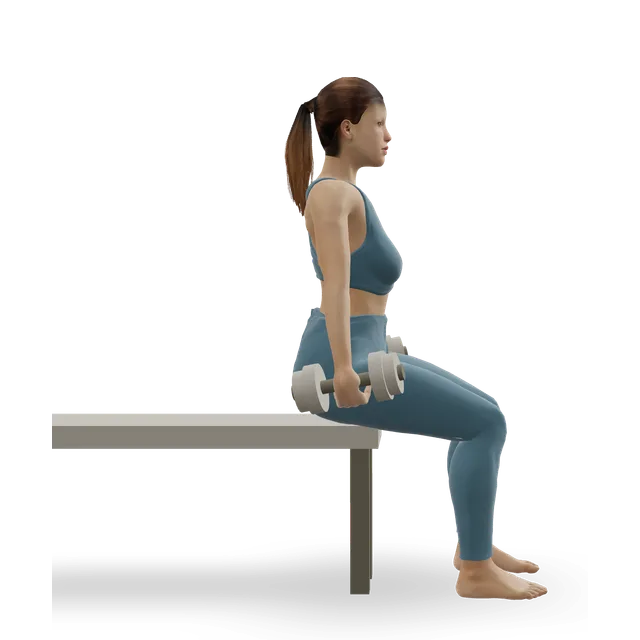
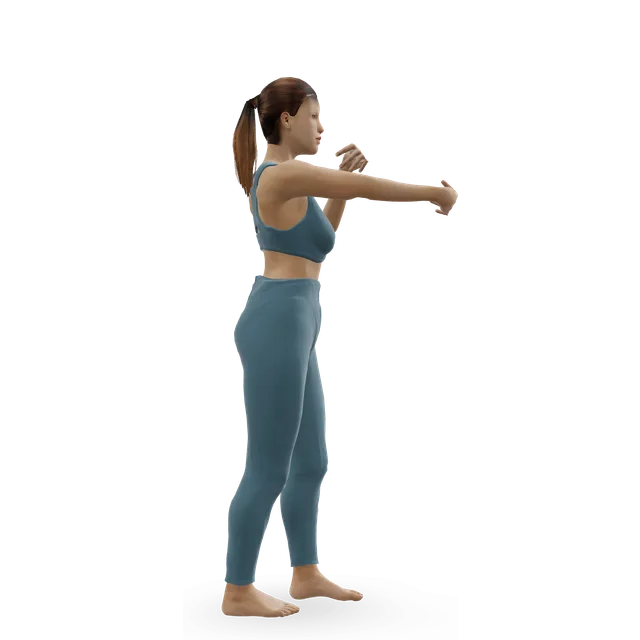
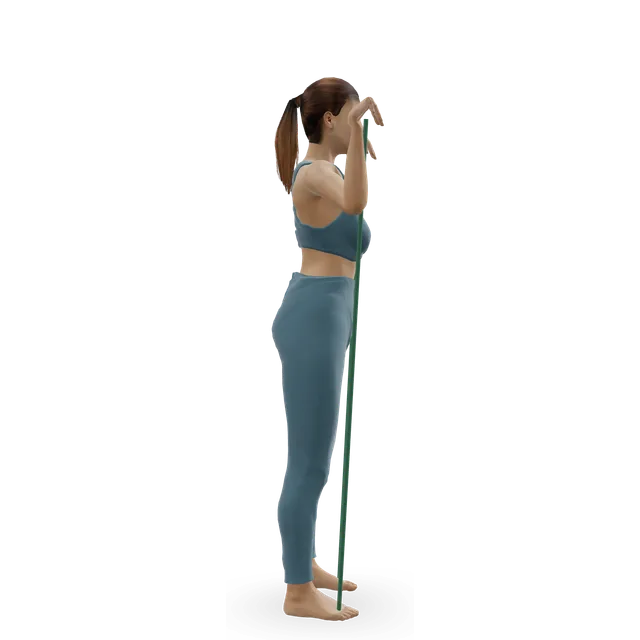
Seated march, 1 to 2 minutes (its own page); knee straightening, up to 10 each leg; seated calf raises, 10 to 20; arm curls, 5 to 10 each arm (the chair workout's doses); band rows sitting tall with the band at chest height, 10 to 15 (our suggestion); punches, 30 to 45 seconds sitting down (our suggestion; a new move with no 3D demo yet). Diabetes UK suggests chair exercises such as lifting your legs one after the other or lifting tins of food while you sit.

Balance, flexibility and feet

Balance 2 to 3 times a week for older adults (ADA), always next to a counter or wall, and more so with numb feet. One-leg stands, 2 holds of 20 to 30 seconds each side; heel-to-toe, 30 seconds standing then 10 steps; side-stepping, 10 steps each way (our balance workouts' doses). Ankle circles, 3 slow circles each way, and towel toe curls, 10 reps (our suggestion): an international foot guideline suggests considering foot-ankle exercises for people at low to moderate ulcer risk; skip them with an open wound and ask your foot team. Calf and chest stretches, 30 seconds each: stiff joints and frozen shoulder are more common with diabetes.

Hypos, high readings and medicines

Never change a diabetes medicine yourself because you've started exercising. If you think a dose may need to change, talk to your GP or diabetes team.

Which medicines matterStrong evidence

Hypos with exercise are a risk mainly if you take insulin, a sulfonylurea such as gliclazide or glimepiride, or a meglitinide. Otherwise they are uncommon: metformin, GLP-1 medicines such as semaglutide, SGLT2 tablets such as dapagliflozin and DPP-4 tablets, taken without insulin or a sulfonylurea, need no routine hypo precautions or dose changes for exercise.

Sources 1, 17, 12, 59

On insulin or a sulfonylurea: the routineStrong evidence

From NHS, Diabetes UK and ADA guidance:

  • Before: check your blood sugar. At 4 mmol/L or lower, treat the hypo and don't start. If it is in the lower part of your range (below about 5 mmol/L, the ADA suggests), you may need a starchy snack first: agree the details with your team, who may also suggest a change to your dose.
  • During: carry hypo treatment and diabetes ID, and check during long sessions. After any hypo in the last 24 hours, take extra care and don't exercise alone; after a severe one, don't exercise for 24 hours.
  • If you have a hypo: a small glass of fruit juice or sugary drink, 5 glucose tablets, 4 large jelly babies or 2 tubes of glucose gel. Recheck after 10 to 15 minutes, and once you're above 4 mmol/L, eat something longer-lasting.
  • After: check again, and keep an eye on it for up to 24 hours, because insulin works better after activity and hypos can come hours later.
  • Driving: check your blood sugar before each journey, including after exercise.

Sources 60, 52, 1, 12

Beta blockers

They can hide the warning signs of a hypo and keep your heart rate down. Check your blood sugar before and after exercise, and judge effort by how it feels.

Sources 12, 17

High readings and ketonesEmerging evidence

Diabetes UK: above 13 mmol/L, speak to your team about activity and treatment. The ACSM consensus: don't exercise with blood sugar above 13.9 mmol/L and moderate or high ketones; above 16.7 mmol/L without ketones, only light activity, and only if you feel well and are drinking enough.

Sources 60, 17

SGLT2 tablets and ketoacidosisStrong evidence

SGLT2 tablets such as dapagliflozin can cause ketoacidosis with near-normal blood sugar. If you take one and feel unwell, very thirsty, sick, sleepy or confused, or notice fruity-smelling breath, don't exercise: get help (see the warning signs above).

Sources 17, 61, 53

Why blood sugar can go up after exerciseStrong evidence

Short, hard efforts such as sprints, HIIT or heavy lifting can push blood sugar up for a while. This is a normal response and usually settles, and an easy cool-down helps; in the largest timing study, 24-hour blood sugar was no worse. Steady activity such as walking tends to lower it. Check how you respond when you start something new.

Sources 1, 60, 17, 33

On weight loss medicinesEmerging evidence

ADA 2026: if you take obesity medicines or have had weight loss surgery, meeting the activity guidelines, especially strength training, may help keep lean mass (grade C). Our weight loss guide covers this in detail.

Source 1

Feet, eyes and other complications

Numb feet (peripheral neuropathy)Strong evidence

Walking with proper footwear has not been shown to raise ulcer risk: in a trial of 79 people with diabetic neuropathy, a walking and leg exercise programme did not increase foot ulcers. Wear well-fitting shoes and moisture-wicking socks, and check your feet every day and after every walk. Limit long hikes, jogging and uneven ground. Cycling, swimming and chair exercise are good alternatives, especially if your walking or the shape of your foot has changed. Hold a counter for balance work.

Sources 62, 1, 12, 17, 63

An open sore, ulcer or foot injuryStrong evidence

Do only non-weight-bearing exercise, such as chair exercise, arm exercise or seated cycling, until your foot team clears you, and don't swim with an unhealed ulcer on the sole. With Charcot foot, avoid activities that raise pressure under the foot and follow your foot team's advice.

Sources 1, 17, 12

Foot and ankle exercisesEmerging evidence

The international foot ulcer guideline suggests considering a foot-ankle exercise programme for people at low to moderate risk of ulcers, and says an extra 1,000 steps a day is likely safe. The evidence is low certainty.

Source 64

Diabetic retinopathyStrong evidence

With mild changes, all activities are fine; with moderate changes, avoid powerlifting-type efforts. With proliferative or severe non-proliferative retinopathy, or after recent laser treatment or eye surgery, avoid vigorous exercise, heavy and overhead lifting, holding your breath, hard isometric holds, jumping, jarring and head-down positions such as downward dog: sharp rises in blood pressure and jarring can trigger bleeding or detachment. Walking, cycling and light strength work at moderate effort are usually fine. Don't exercise during a bleed in the eye (vitreous haemorrhage), and ask your eye team about your limits. This advice is expert consensus rather than trial evidence.

Sources 12, 17, 1

Autonomic neuropathyStrong evidence

Nerve damage can affect blood pressure, heart rate and sweating: dizziness on standing, a heart rate that doesn't rise normally, poor heat control and more hypos. Get heart checks before exercise harder than usual, avoid sudden changes of position or direction if you get dizzy when you stand, judge effort by feel, avoid hot environments and drink well.

Sources 1, 12, 57

Kidney diseaseStrong evidence

Exercise does not speed up kidney disease, and there are no special restrictions in general. With advanced disease, start low. Avoid vigorous exercise the day before a urine protein test.

Sources 1, 12

Hot weatherEmerging evidence

Diabetes can impair sweating and skin blood flow, and high blood sugar dehydrates you. Exercise in the cooler part of the day, drink before, during and after, and avoid very hot or humid days outdoors if you are older or have autonomic neuropathy or heart disease.

Sources 17, 12

Stiff shoulders and handsEmerging evidence

Joint stiffness, frozen shoulder and carpal tunnel syndrome are more common with diabetes; regular stretching and strength work help keep movement. Our frozen shoulder and carpal tunnel guides have plans.

Sources 12, 17

High blood pressure

Breathe out on each effort and avoid heavy lifts with a held breath. Our high blood pressure guide covers weights, wall sits and which readings need a GP first.

Sources 17, 12

Workouts to follow

The 10-minute walk and move is for straight after meals; the easy cardio and low-impact cardio workouts are the longer sessions. Start strength with the beginner home workout. With a foot ulcer, use the chair workout and skip its sit-to-stands until your foot team says standing work is fine. The low-impact leg workout ends with walking backwards: hold a rail if your feet are numb. Keep the interval workout for once you're established, without proliferative retinopathy or heart symptoms.

10-minute walk and move after meals

A 10-minute routine for straight after a meal: an easy walk, a few simple standing moves from blood sugar trials, then a short walk to finish.

10 minBeginner6 movesCardio machine, A bench or box

Easy cardio workout

A steady 30 to 45 minute cardio session at talk-but-not-sing pace: walk, cycle, row or cross-train, counting toward weekly activity guidelines.

40 minBeginner3 movesCardio machine, A wall

Low-impact cardio workout (no jumping)

A 25-minute standing cardio circuit with no jumping: marching, step jacks, sit-to-stands, punches, step-ups and wall push-ups, with a seated option for most moves.

25 minBeginner9 movesA bench or box, A step

Beginner home workout

A gentle 20-minute beginner home workout with a chair, a wall and a band: sit-to-stands, wall push-ups, band rows, step-ups and dead bugs.

20 minBeginner11 movesA bench or box, A wall

Strength and balance workout

Strength and balance in one session: squats, Romanian deadlifts, push-ups, rows, step-ups, back extensions, carries and single-leg balance.

45 minBeginner14 movesA wall, A dumbbell

Resistance band workout

A full-body resistance band workout: squats, presses, pull-aparts, band walks, good mornings and flyes.

25 minBeginner7 movesA band

Chair exercises for seniors: a seated workout

A 20-minute seated workout for older adults who cannot stand for long: marching, leg and arm strength, posture, and sit-to-stands that lead back to standing.

20 minBeginner11 movesA bench or box, Something with weight

Low-impact leg workout (no jumping)

A gentle leg strength routine with no jumping: sit-to-stands, step-ups, wall sits, bridges and calf raises.

20 minBeginner7 movesA bench or box, A step

Balance exercises routine

Balance practice in 10 minutes: tandem stance, single-leg stands, marches, heel walks, tree pose and floor transfers.

10 minBeginner7 movesA wall, A bench or box

Cardio intervals workout

A 25-minute interval session on a bike or rower: one-minute hard efforts with two minutes easy, building from 4 to 8 rounds.

25 minIntermediate1 movesCardio machine

Plans

Starting from little, the beginner plan, with a 10-minute walk after your main meal on most days. The 3-day home and 2-day plans add structure once you're going. The plan for women over 50 includes heel drops: skip them with numb feet, a foot ulcer or proliferative retinopathy. The men's plan has kettlebell swings and intervals, so it suits people who are already active and have no complications.

Myths

"Exercise only helps diabetes if you lose weight"

Exercise lowered HbA1c by 0.66 percentage points in trials where body weight did not change, and the ADA says the effect holds without a significant change in BMI. Working muscle takes up glucose without needing insulin, and a session improves insulin sensitivity for up to 72 hours afterwards.

Sources 5, 1, 17

"Exercise can reverse type 2 diabetes on its own"

Diabetes UK says there's no evidence that exercise alone can lower blood sugar enough for remission. Remission comes mainly from substantial weight loss, usually diet-led. Exercise helps keep weight off and lowers blood sugar whatever your weight does.

Sources 45, 42

"Cardio is what counts; weights are optional"

Strength training alone lowered HbA1c by about 0.4 to 0.6 percentage points, and combining the two worked best in head-to-head trials. Guidelines ask for both.

Sources 18, 2, 3, 4, 1

"My blood sugar went up after a workout, so exercise is bad for me"

Short, hard efforts can raise blood sugar for a while; this is a normal response. It usually settles, an easy cool-down helps, and in the largest timing study 24-hour blood sugar was no worse. Regular training lowers HbA1c.

Sources 1, 60, 17, 33, 2

"You need a medical check before exercising with diabetes"

Not for walking and everyday activity if you have no symptoms (ADA, grade B). Checks are for people on medicines that can cause hypos, with complications or symptoms, or planning hard exercise.

Sources 12, 1

"With numb feet you shouldn't walk"

In a trial of 79 people with diabetic neuropathy, a walking and leg exercise programme did not increase foot ulcers. The rules are good shoes, daily foot checks, and no weight-bearing exercise with an open wound.

Sources 62, 1, 55

"Everyone with diabetes must eat before exercise to avoid a hypo"

Usually only people on insulin, a sulfonylurea or a meglitinide need to plan for hypos. Metformin, GLP-1 medicines and SGLT2 tablets on their own don't need it.

Sources 1, 17, 12

"Two minutes of walking after a meal is enough"

The 2-minute figure comes from lab studies that repeated 2-minute walks every 20 minutes through a day of sitting, mostly in people without diagnosed diabetes. The tested post-meal dose in type 2 diabetes is 10 minutes after each main meal, on top of 150 minutes a week.

Sources 30, 7, 1, 12

"HIIT is dangerous with diabetes"

Interval training lowered HbA1c by about 0.7 percentage points against no exercise in 62 trials, and the ADA recognises it. Injuries were more common than with moderate training, it can raise blood sugar for a while, and it is not for anyone with proliferative retinopathy or heart symptoms that haven't been checked.

Sources 22, 1, 17, 12

Type 1 diabetes

This page is about type 2

This page is about type 2 diabetes and prediabetes. If you have type 1 diabetes, exercise is just as worthwhile and the guideline amounts are the same, but managing insulin, carbohydrate and hypos around exercise is different and more involved. See Diabetes UK's guide to blood sugar and exercise, and talk to your diabetes team.

Sources 1, 60, 65

Questions people ask

What is the best exercise for type 2 diabetes?

A mix of walking, or another aerobic activity, and strength training. In trials, each lowered HbA1c on its own, aerobic exercise by about 0.7 percentage points and strength training by about 0.4 to 0.6, and doing both lowered it most. The best one is the one you will keep doing: brisk walking most days and two or three short strength sessions a week is a sound plan.

How much exercise should I do if I have type 2 diabetes?

Guidelines ask for at least 150 minutes a week of moderate activity, such as brisk walking, spread over at least 3 days with no more than 2 days in a row off, plus strength exercises on 2 to 3 days. The NHS puts it as at least 2.5 hours a week. In trials, more than 150 minutes a week lowered HbA1c further, up to about 4 hours a week. If you are starting from very little, begin with a 10-minute walk after meals and build up.

How much does exercise lower HbA1c?

By about 0.5 to 0.7 percentage points on average, about 5 to 8 mmol/mol. In 47 trials, structured exercise lowered HbA1c by 0.67 percentage points, and programmes of more than 150 minutes a week by 0.89 (about 10 mmol/mol). It works even if your weight doesn't change. The drop tends to be bigger the higher your HbA1c is to start with, and you'd expect to see it at a 3-monthly test (our estimate).

Does walking after meals lower blood sugar? How long should I walk?

Yes, the rise in blood sugar after eating is smaller if you walk soon afterwards. In people with type 2 diabetes, a 10-minute walk after each main meal lowered blood sugar after meals by 12% more than one 30-minute walk a day, and by 22% after the evening meal. Walking after a meal worked and walking before it didn't. Ten minutes is the tested amount; the long-term effect on HbA1c hasn't been tested directly. If you take insulin or a sulfonylurea, agree the timing of exercise and meals with your diabetes team.

Can exercise reverse type 2 diabetes or put it into remission?

Not on its own. Remission, where blood sugar stays below the diabetes range without medicines, comes mainly from losing a substantial amount of weight, usually through a structured diet: in the DiRECT trial, almost half of those on the programme were in remission at a year. Diabetes UK says there's no evidence that exercise alone can do this. Exercise still matters: it lowers blood sugar whatever happens to your weight, and it helps keep lost weight off.

Is weight training good for type 2 diabetes?

Yes. Strength training lowered HbA1c by about 0.4 to 0.6 percentage points in trials, more when people got stronger, and it builds the muscle that takes up glucose. Guidelines recommend it 2 to 3 times a week on non-consecutive days, with 8 to 10 exercises for the major muscle groups. Bands, dumbbells and body weight all work. If you have proliferative diabetic retinopathy, avoid heavy lifting and holding your breath.

Can exercise cause a hypo? Why does my blood sugar sometimes go up?

Hypos are mainly a risk if you take insulin, a sulfonylurea such as gliclazide, or a meglitinide. Then check your blood sugar before and after, carry something sugary, and don't start if it's 4 mmol/L or lower; your team may suggest a snack or a dose change, which you shouldn't make on your own. Hypos can happen hours later, so keep checking for up to 24 hours. Metformin, GLP-1 injections and SGLT2 tablets don't usually cause hypos on their own. Short, hard efforts such as sprints or heavy lifting can push blood sugar up for a while; that is normal and usually settles, and an easy cool-down helps.

Do I need to see my GP before I start exercising?

For walking and everyday activity, most people with type 2 diabetes and no symptoms don't need a check-up first. Talk to your GP or diabetes team before you start if you take insulin or a sulfonylurea, have eye, foot, kidney or heart problems, get chest pain or unusual breathlessness when active, or want to start hard exercise such as running or HIIT.

Can I exercise with diabetic neuropathy, numb feet or retinopathy?

Usually yes, with care. With numb feet, walking in well-fitting shoes has not been shown to cause more foot ulcers; check your feet every day and after every walk, choose cycling, swimming or chair exercise if your walking or foot shape has changed, and with an open sore do no weight-bearing exercise until your foot team says so. With mild retinopathy, all activities are fine. With proliferative or severe retinopathy, or after recent laser treatment or eye surgery, avoid hard or heavy exercise, holding your breath, jumping, jarring and head-down positions; walking, cycling and light strength work at moderate effort are usually fine. Get a red, hot or swollen foot seen within 24 hours, and sudden changes in eyesight checked urgently.

I have prediabetes. Will exercise stop me getting type 2 diabetes?

It cuts the risk a lot. In large trials, programmes combining more activity (at least 150 minutes a week) with modest weight loss cut new cases of diabetes by about 58%, and in a Chinese trial exercise alone cut them by 46%. In the US trial, people who met the activity goal but not the weight goal still had 44% less diabetes. Ask your GP about the NHS Diabetes Prevention Programme.


Sources

  1. ADA Professional Practice Committee 2026 · Facilitating positive health behaviors: Standards of Care in Diabetes 2026, section 5 (Diabetes Care)

  2. Umpierre 2011 · Activity advice or structured exercise and HbA1c in type 2 diabetes: 47 trials (meta-analysis, JAMA)
  3. Sigal 2007 · Aerobic training, resistance training or both in type 2 diabetes: the DARE trial (RCT, Annals of Internal Medicine)
  4. Church 2010 · Aerobic and resistance training and HbA1c in type 2 diabetes: the HART-D trial (RCT, JAMA)
  5. Boulé 2001 · Exercise, blood sugar control and body mass in type 2 diabetes (meta-analysis, JAMA)
  6. NHS · Treatment for type 2 diabetes
  7. Reynolds 2016 · Walking after meals vs walking at any time in type 2 diabetes (randomised crossover study, Diabetologia)
  8. Engeroff 2023 · Exercise before or after a meal and the blood sugar response (meta-analysis, Sports Medicine)
  9. Knowler 2002 · Lifestyle intervention or metformin to prevent type 2 diabetes: the Diabetes Prevention Program (RCT, NEJM)
  10. Tuomilehto 2001 · Preventing type 2 diabetes with lifestyle changes: the Finnish Diabetes Prevention Study (RCT, NEJM)
  11. Pan 1997 · Diet and exercise to prevent diabetes in impaired glucose tolerance: the Da Qing study (cluster-randomised trial, Diabetes Care)
  12. Colberg 2016 · Physical activity and exercise and diabetes (ADA position statement, Diabetes Care)
  13. Diabetes UK · Exercise for diabetes
  14. Stratton 2000 · Blood sugar and complications of type 2 diabetes (UKPDS 35, prospective observational study, BMJ)
  15. Schwingshackl 2014 · Training types, blood sugar control and blood fats in type 2 diabetes (network meta-analysis, Diabetologia)
  16. Pan 2018 · Exercise training types in type 2 diabetes (network meta-analysis, IJBNPA)
  17. Kanaley 2022 · Exercise and physical activity in type 2 diabetes (ACSM consensus statement, MSSE)
  18. Jansson 2022 · Resistance training and HbA1c in type 2 diabetes, and the role of strength gains (meta-analysis, BMJ Open Diabetes Research and Care)
  19. Gallardo-Gómez 2024 · Optimal dose and type of physical activity for blood sugar control in type 2 diabetes: 126 studies (meta-analysis, Diabetes Care)
  20. Grace 2017 · Aerobic training intensities and blood sugar in type 2 diabetes (meta-analysis, Cardiovascular Diabetology)
  21. Liu 2019 · Resistance exercise intensity and HbA1c in type 2 diabetes (meta-analysis, IJERPH)
  22. Vieira 2026 · High-intensity interval training in type 2 diabetes: 62 trials (meta-analysis, Clinical Rehabilitation)
  23. Zeng 2026 · High-intensity interval vs moderate continuous training in type 2 diabetes (meta-analysis, Frontiers in Endocrinology)
  24. Rietz 2022 · Physical activity and major diabetes-related complications (meta-analysis of observational studies, Diabetes Care)
  25. NHS · Physical activity guidelines for adults aged 19 to 64
  26. NICE NG28 · Type 2 diabetes in adults: management (last updated February 2026)
  27. Dempsey 2016 · Breaking up sitting with light walking or simple resistance activities in type 2 diabetes (crossover trial, Diabetes Care)
  28. Borror 2018 · Exercise after meals and blood sugar in type 2 diabetes (systematic review, Sports Medicine)
  29. Duvivier 2017 · Breaking up sitting with light activity vs structured exercise in type 2 diabetes (crossover trial, Diabetologia)
  30. Buffey 2022 · Interrupting sitting with standing or light walking: acute effects on cardiometabolic markers (meta-analysis, Sports Medicine)
  31. Loh 2020 · Activity breaks in prolonged sitting and blood sugar, insulin and blood fats (meta-analysis, Sports Medicine)
  32. Savikj 2019 · Afternoon vs morning interval training and blood sugar in type 2 diabetes (crossover trial, Diabetologia)
  33. Keller 2025 · Blood sugar after morning vs afternoon exercise in type 2 diabetes (crossover trial, Diabetologia)
  34. Hamilton 2022 · Sustained soleus activity and blood sugar after a glucose drink (laboratory study, iScience)
  35. Hamman 2006 · Weight loss, activity and diabetes risk in the Diabetes Prevention Program (Diabetes Care)
  36. DPP Research Group 2015 · Long-term effects of lifestyle intervention or metformin: 15-year follow-up (Lancet Diabetes and Endocrinology)
  37. Lindström 2006 · Sustained reduction in type 2 diabetes after lifestyle intervention: Finnish DPS follow-up (Lancet)
  38. Gong 2019 · Illness and death 30 years after lifestyle intervention: the Da Qing Diabetes Prevention Outcome Study (Lancet Diabetes and Endocrinology)
  39. Smith 2016 · Physical activity and new type 2 diabetes: 28 cohort studies (dose-response meta-analysis, Diabetologia)
  40. NICE PH38 · Type 2 diabetes: prevention in people at high risk (last updated 2017)
  41. Ravindrarajah 2023 · Referral to the NHS Diabetes Prevention Programme and conversion to type 2 diabetes (matched cohort, PLoS Medicine)
  42. Lean 2018 · Primary care-led weight management for remission of type 2 diabetes: the DiRECT trial (cluster-randomised trial, Lancet)
  43. Lean 2019 · DiRECT: 2-year results (Lancet Diabetes and Endocrinology)
  44. Davies 2026 · Cost-effectiveness of DiRECT/Counterweight-Plus, including 5-year remission (Diabetic Medicine)
  45. Diabetes UK · Exercise for type 2 diabetes remission
  46. Leslie 2016 · The DiRECT trial protocol, including its activity advice (BMC Family Practice)
  47. Cassidy 2023 · Physical activity, inactivity and sleep during DiRECT (Diabetic Medicine)
  48. Gregg 2012 · Intensive lifestyle intervention and remission of type 2 diabetes in Look AHEAD (JAMA)
  49. Look AHEAD Research Group 2013 · Cardiovascular effects of intensive lifestyle intervention in type 2 diabetes (RCT, NEJM)
  50. NHS · Heart attack: symptoms
  51. NHS · Stroke: symptoms
  52. NHS · Low blood sugar (hypoglycaemia)
  53. NHS · Diabetic ketoacidosis
  54. NHS · High blood sugar (hyperglycaemia)
  55. Diabetes UK · Serious foot problems and diabetes
  56. NHS · Diabetic retinopathy
  57. NHS · Peripheral neuropathy: complications
  58. Diabetes UK · Diabetes and foot problems
  59. NHS · Gliclazide
  60. Diabetes UK · Does exercise lower blood sugar levels?
  61. NHS · Dapagliflozin
  62. LeMaster 2008 · Weight-bearing activity and foot ulcers in diabetic neuropathy: the Feet First trial (RCT, Physical Therapy)
  63. Diabetes UK · Walking when you have diabetes
  64. Bus 2024 · Guidelines on the prevention of foot ulcers in persons with diabetes (IWGDF 2023 update, abstract)
  65. Diabetes UK · Type 1 diabetes

Exercise education, not a diagnosis or treatment plan, and clinical review of these guides is pending. Stop and get advice for chest pain, unusual breathlessness, dizziness or fainting, or new pain, and check with your doctor or midwife first if they have told you to limit activity. Health disclaimer.