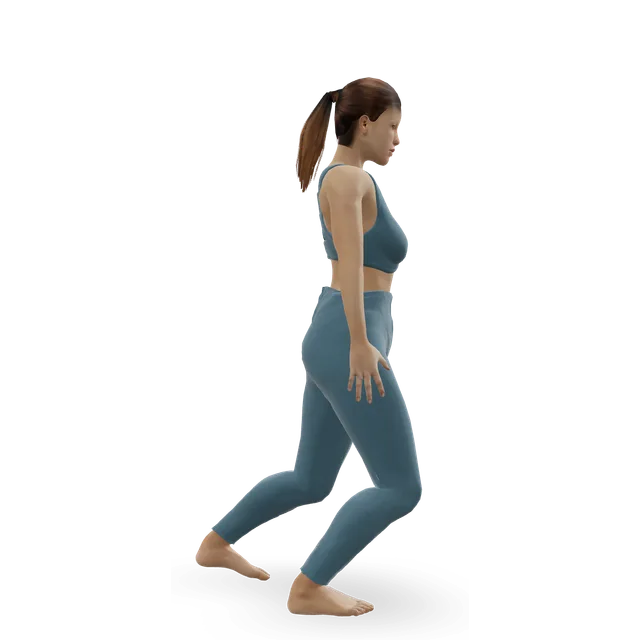
Achilles tendinopathy
The soleus feeds the Achilles tendon along with the gastrocnemius, so it is part of every Achilles loading programme, including heel drops.
Muscle guide · Lower legs
Also called deep calf muscle, lower calf
The soleus is a broad, flat muscle lying under the gastrocnemius. It starts on the backs of both shin bones and joins the Achilles tendon to the heel.
It is mostly slow-twitch and larger in cross-section than the inner gastrocnemius: the calf's endurance engine, doing most of the ankle work in standing and walking.
Bending the knee takes work away from the gastrocnemius, but it has not been shown to build more soleus: in a 12-week trial it grew about the same with seated or standing raises.
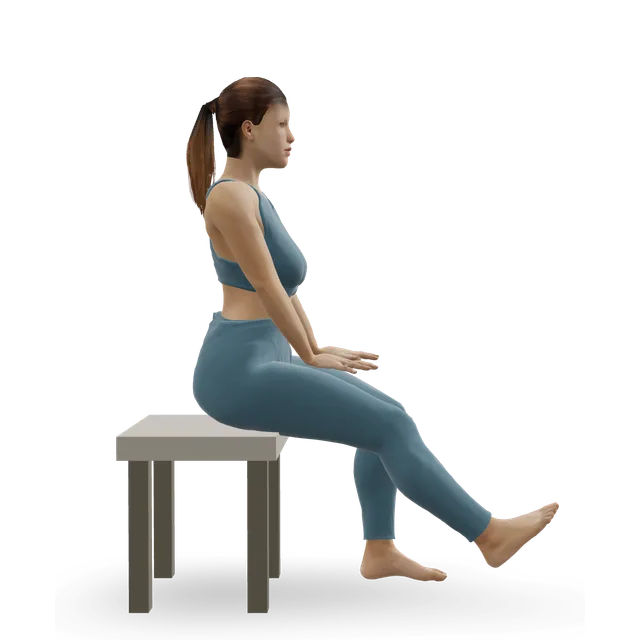
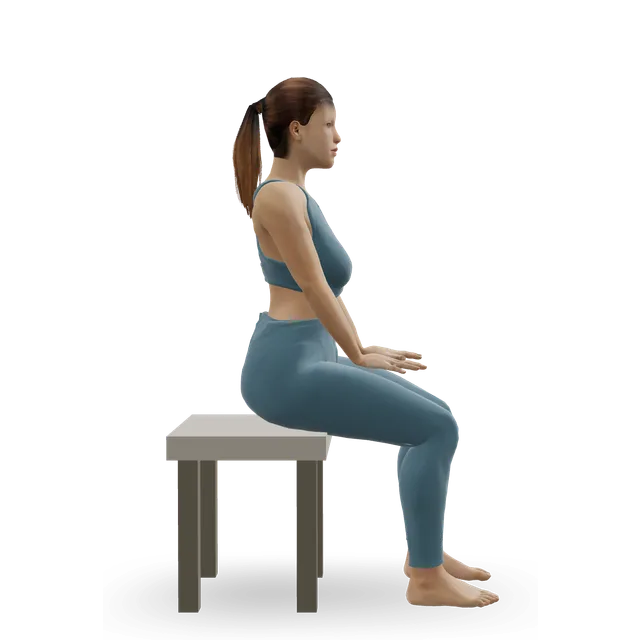 3D demoSeated bent-knee calf raise (soleus raise)Beginner · A bench or box
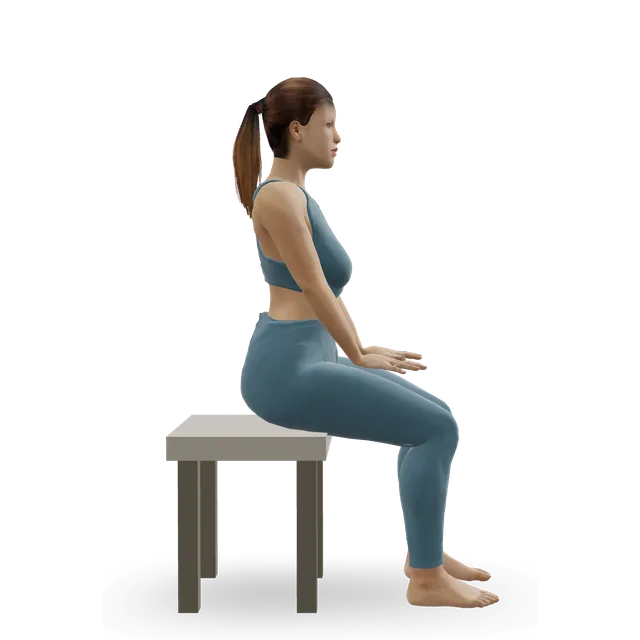 3D demoSeated barbell calf raiseBeginner · A barbell + A bench or box
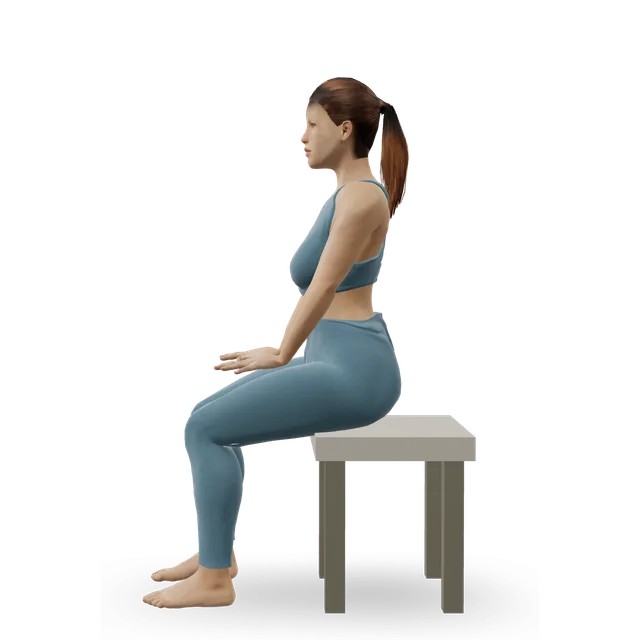 3D demoSeated one-leg calf raise with a dumbbellBeginner · A dumbbell + A bench or box
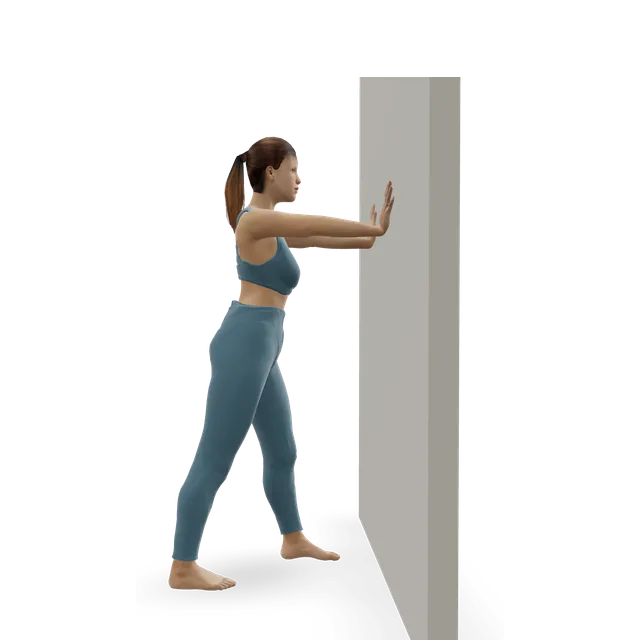
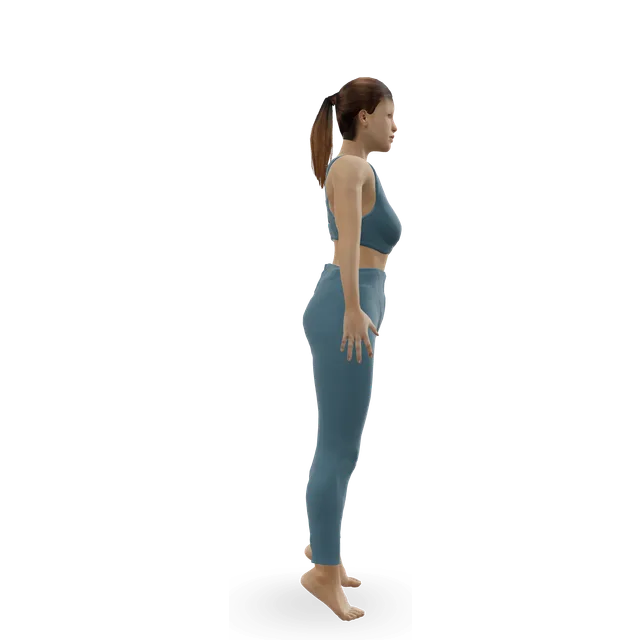 3D demoSlow calf raiseBeginner · A wall
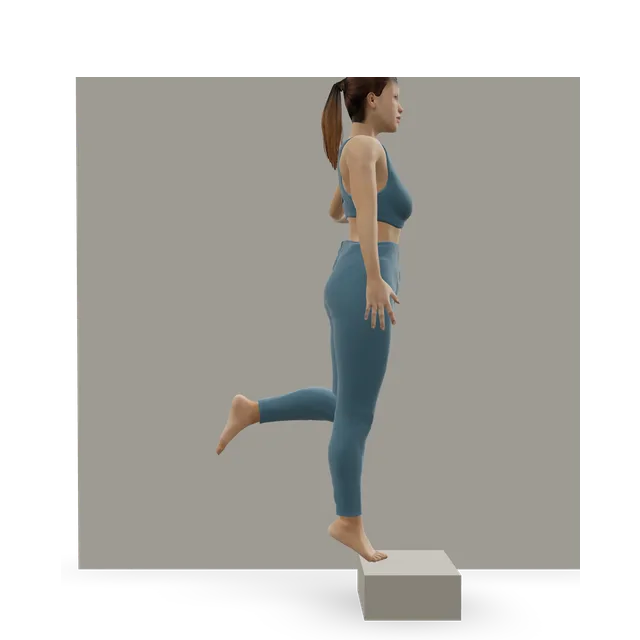 3D demoEccentric heel dropIntermediate · A step
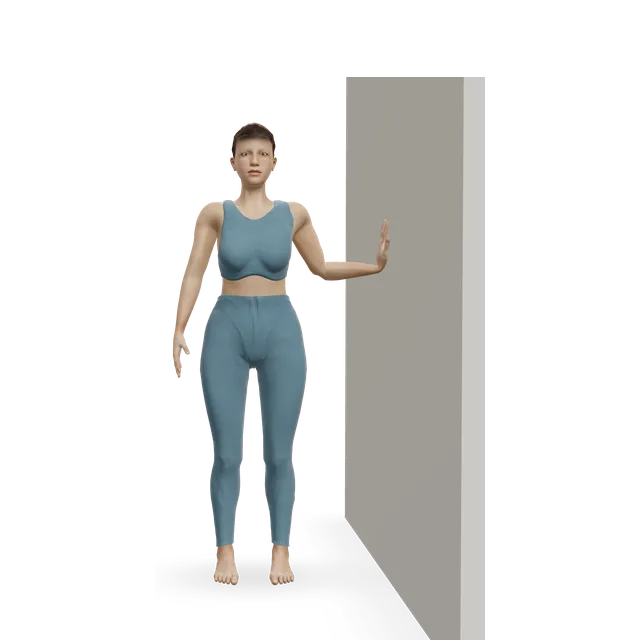
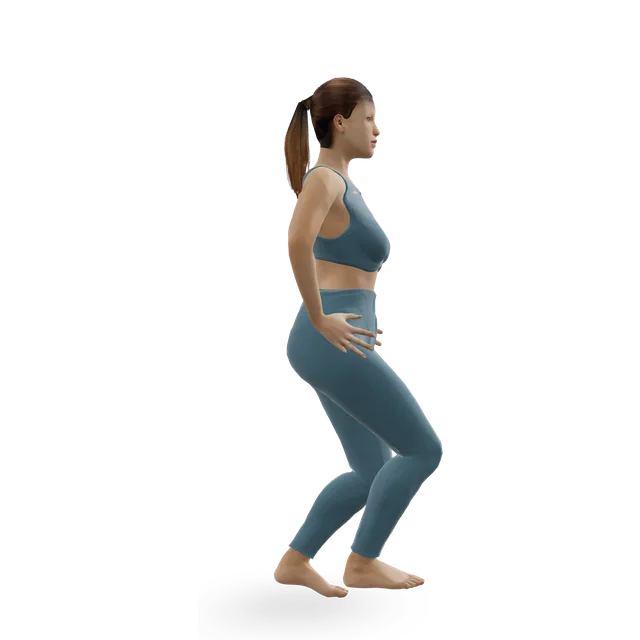
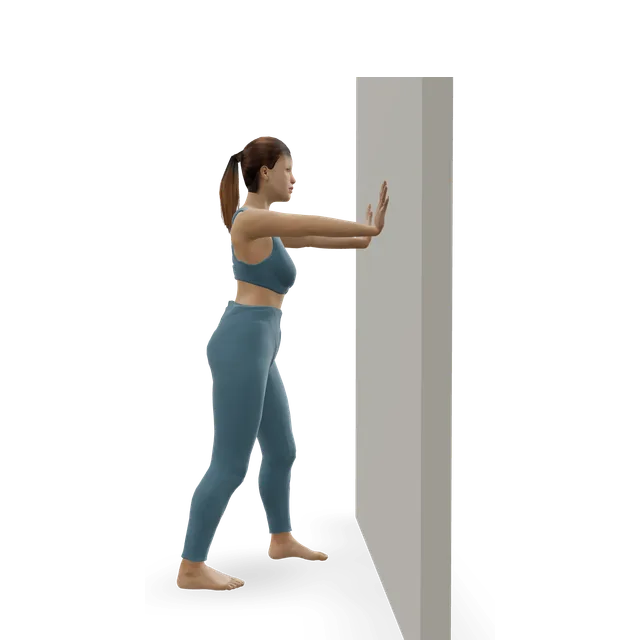
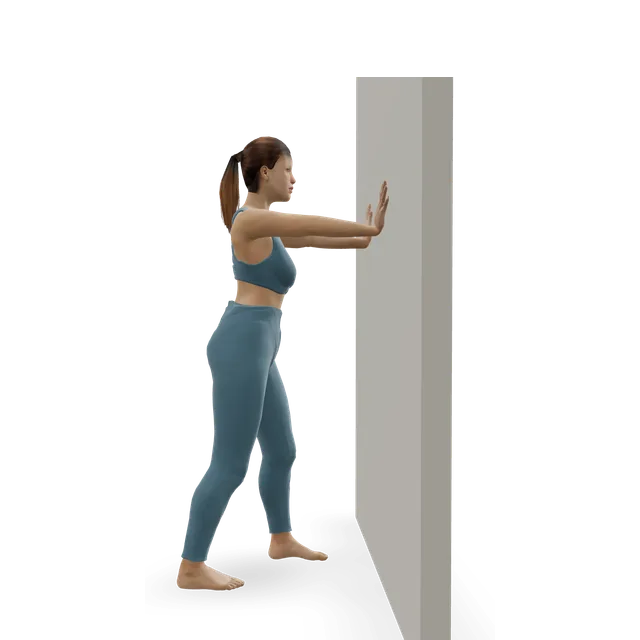
Bend the back knee; that slackens the gastrocnemius so the stretch lands on the soleus.
The soleus feeds the Achilles tendon along with the gastrocnemius, so it is part of every Achilles loading programme, including heel drops.
Medial tibial stress syndrome is linked to repeated strain where the soleus, tibialis posterior and flexor digitorum longus attach along the inner shin bone. Which of them matters most is still debated.
Source 7
Each grade rates the evidence for the correction.
With the knee bent, gastrocnemius activity falls by about a third and the soleus barely picks up the slack. In a 12-week study the soleus grew similarly with seated and standing raises. Seated raises are a fine way to load it with less gastrocnemius, not a special builder.
It points the foot and lifts the heel, whatever the knee position, and carries most of the ankle's work in standing and walking.
Seated or bent-knee calf raises load it with less help from the gastrocnemius, but standing raises grew it just as much in a 12-week trial. Heel drops load it too.
Do a wall calf stretch with the back knee bent, which takes the gastrocnemius out of the stretch.
Anatomy and movement education, not a diagnosis or treatment plan. If you have pain that follows an injury, is severe or getting worse, or comes with numbness, weakness or swelling, get it assessed. Health disclaimer.