3D demo
Standing soleus and Achilles stretch
Stretching · Calves
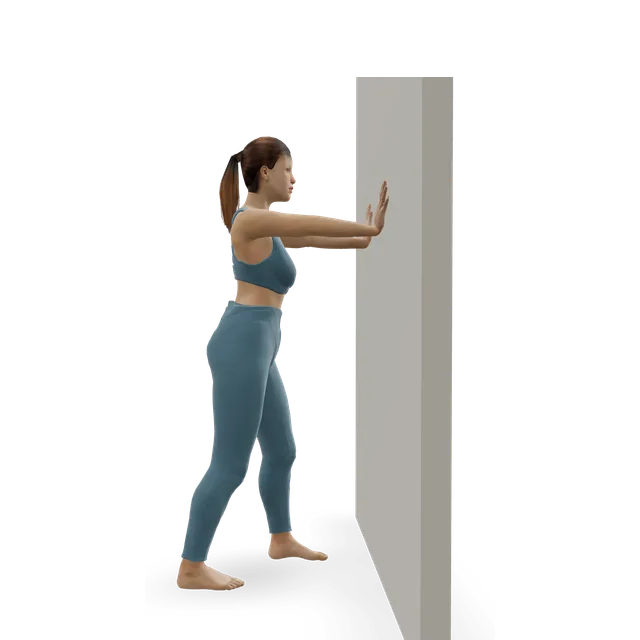
Loading the 3D figure…
The figure repeats the movement from its starting position. Drag to turn it; the arrows open the demos either side.
Standing with your feet hip-width apart, one slightly in front of the other, you bend both knees while keeping the back heel on the floor, so the stretch moves low into the calf and Achilles. Bending the back knee shifts the stretch to the soleus, the deeper calf muscle, as NHS and ACE calf stretches note. A hand on a wall helps with balance but isn't needed.
Movement guide
Standing soleus and Achilles stretch
Make it easier or harder
Choose a version that fits your control and comfort.
Easier option
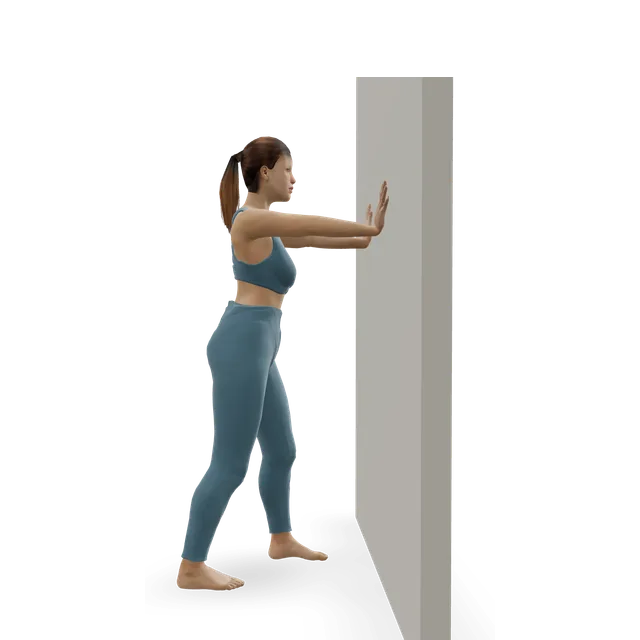 3D demoSoleus wall stretchBeginner · A wall
Suggested next step, beginner grade.
Harder option
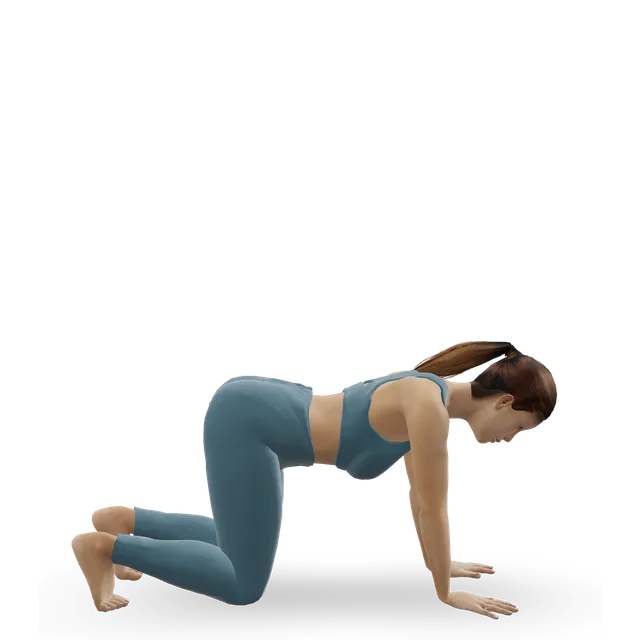 3D demoToes-tucked kneeling (toe squat)Intermediate · No equipment
Similar move, intermediate grade.
Source-researched guide.
Form cues
- Keep the back heel down.
- Point both feet straight ahead.
- Avoid: bouncing.
Practice and cautions
Hold 20 to 30 seconds, 2 to 4 times each side (our editorial starting point). The ACSM suggests about 60 seconds of stretching in all per exercise, on at least 2 days a week.
This is movement education, not an assessment or treatment prescription. Stop for sharp or increasing pain, dizziness, numbness or tingling; seek individual guidance for symptoms, injury or restrictions.
Sources and review status
Sources support the educational description; they do not establish that this exercise is suitable for you.
- South Tees NHS · Lower calf stretch (both knees bend, the back heel stays down) ↗
- ACE · Standing dorsi-flexion calf stretch (beginner; hands on a wall in a split stance; bend the back knee for the soleus) ↗
- Garber 2011 · ACSM position stand: flexibility exercise for each major muscle group, about 60 seconds in all per exercise, on 2 or more days a week (Med Sci Sports Exerc) ↗
- Free Exercise DB · community text ↗
Unlicense · Free Exercise DB contributors; derived from wrkout/exercises.json. Text import; no photographs or media. · Revision f00c92c7dcf1216a928a52c3706c7ce8e2f71ed5
No variation is labeled clinically validated.
What it works
Muscles
Main: Calves.
Anatomy: Gastrocnemius, Soleus, Tibialis posterior, Popliteus, Plantaris, Flexor hallucis longus.
Equipment
None: body weight and floor space.
Level
Beginner. See the easier and harder options above.
Guides that use it
Similar moves
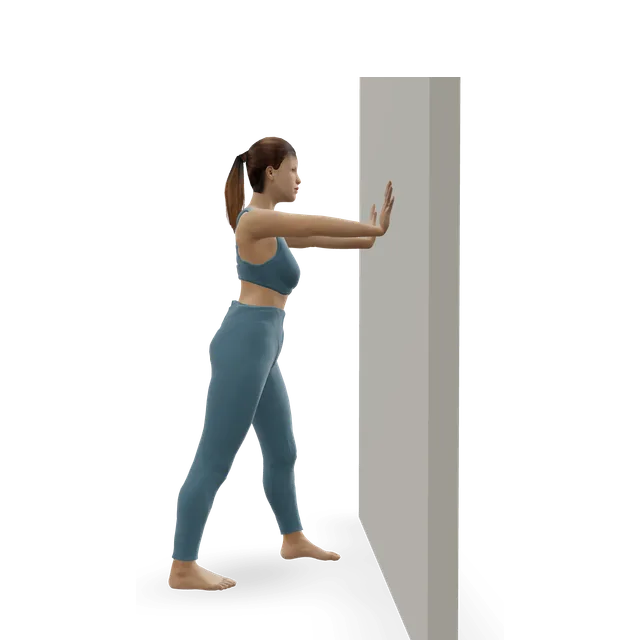 3D demoForearms-on-wall calf stretchBeginner · A wall
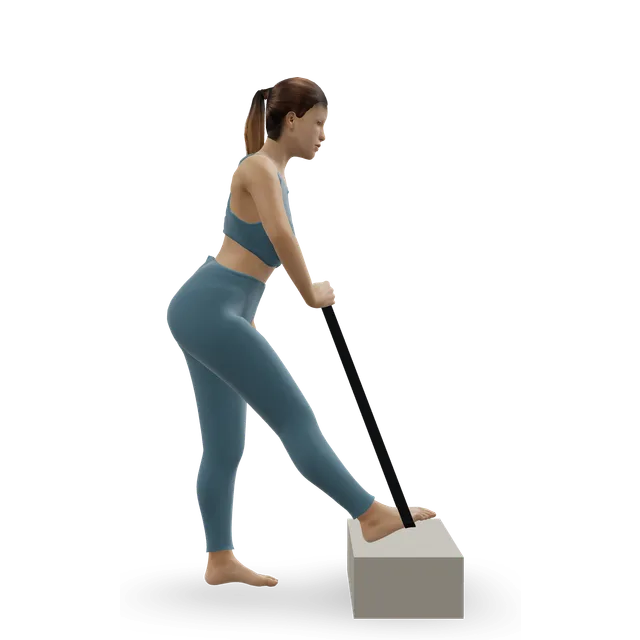 3D demoHeel-on-step calf and hamstring stretchBeginner · A step
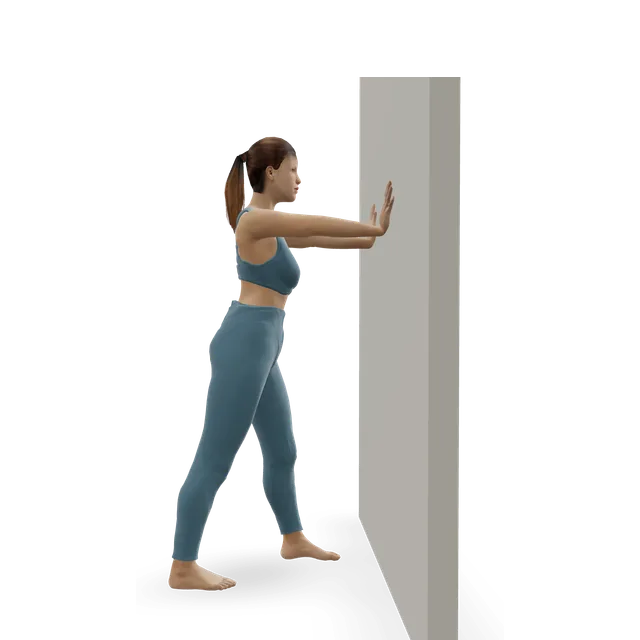 3D demoLeaning wall calf stretchBeginner · A wall
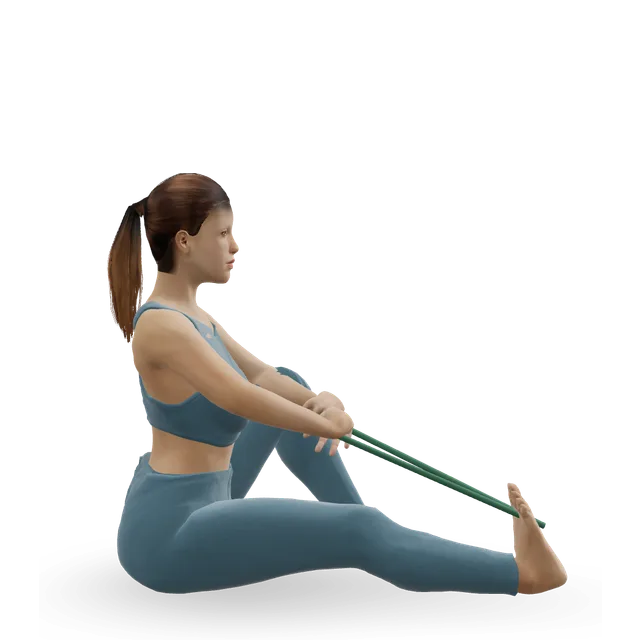 3D demoSeated calf stretch with a towelBeginner · Other / check instructions
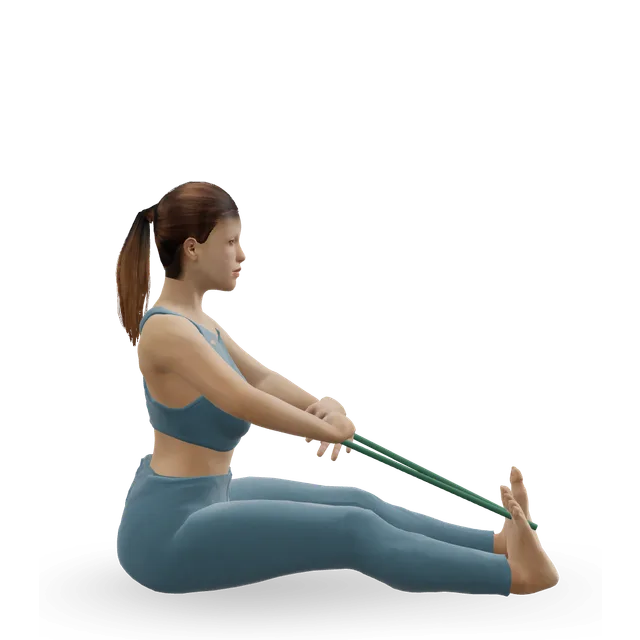 3D demoSeated peroneal stretch with a strapBeginner · Other / check instructions
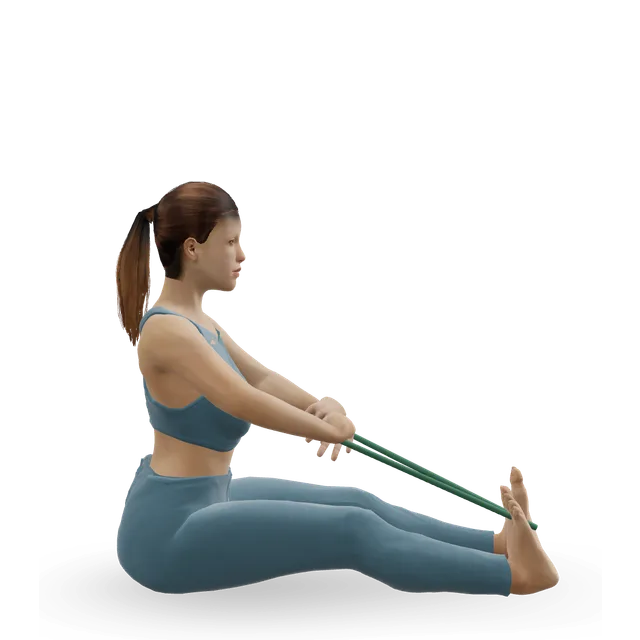 3D demoSeated tibialis posterior stretch with a strapBeginner · Other / check instructions
Browse more
Questions people ask
What muscles does the Standing soleus and Achilles stretch work?
Mainly the calves.
What equipment do I need for the Standing soleus and Achilles stretch?
No equipment: your body weight and a little floor space.
Is the Standing soleus and Achilles stretch good for beginners?
It is graded beginner, so it suits most people starting out. When it feels easy, try the Toes-tucked kneeling (toe squat).
What is an easier alternative to the Standing soleus and Achilles stretch?
Try the Soleus wall stretch. It is the suggested step down from this move.
How do I make the Standing soleus and Achilles stretch harder?
Progress to the Toes-tucked kneeling (toe squat). Follow that guide’s technique and any stated timing.