Real exercise
In players aged about 62, over 70% of playing time was moderate to vigorous by heart rate. In one small trial, 8 weeks of pickleball improved balance and walking speed in women aged 60 to 75.
Sport
Pickleball has been the fastest-growing sport in the US in recent years, reaching 24.3 million players there in 2025 by one industry count, and it's especially popular with people over 65. It's real exercise: in players around 62, heart rate stayed in the moderate to vigorous range for most of the game. Its injuries follow its players: most US emergency visits are by people over 60, and the commonest problems are falls and the fractures that follow them, often wrists in women, Achilles ruptures in new players, and a rising number of eye injuries.
No pickleball warm-up or injury prevention programme has been tested yet, so this guide says plainly what it borrows: falls prevention exercise from older adults, eyewear evidence from other racket sports, and our tennis and padel advice for shoulders and elbows. It covers what pickleball asks of your body, the injury data, a 10-minute warm-up, a 30-minute strength and balance session, eye protection, building up safely, and who should check with a GP first.
In players aged about 62, over 70% of playing time was moderate to vigorous by heart rate. In one small trial, 8 weeks of pickleball improved balance and walking speed in women aged 60 to 75.
Over 85% of pickleball injuries treated in US emergency departments from 2010 to 2019 were in players aged 60 or over, and falls caused about two-thirds of injuries.
Fractures are among the commonest diagnoses, mostly after falls and mostly in the arm. Among injured players aged 60 and over, women had about 9 times men's odds of a broken wrist.
In a large US surgical series, players who ruptured an Achilles playing pickleball had a median age of 60, against 45 in tennis. In one small series of 28 players, about two-thirds of ruptures came in the first month of playing.
Eye injuries are rising. Eyewear made to the racket-sport standard, which now includes pickleball, is the protection to choose; lensless frames failed in other racket sports.
In older adults, exercise cut falls by about a quarter, and guidelines suggest 3 sessions a week for at least 12 weeks. It hasn't been tested in pickleball players, and no pickleball warm-up has been tested either.
In 53 recreational players aged about 62, heart rate averaged about 70% of predicted maximum in singles and doubles, and over 70% of playing time was moderate to vigorous by heart rate. By movement sensors, singles was moderate for 80.5% of the time and doubles for 50.4%. Singles meant about 3,300 steps an hour and doubles about 2,800. The Compendium of Physical Activities has no pickleball entry; casual paddleball is 6.0 metabolic equivalents (METs).
Short lunges and quick steps forwards and sideways, dinks and volleys close to the net, reaching for low balls, overheads, and backing up for lobs. The court is about half the size of a tennis court, and the American Academy of Ophthalmology (AAO) notes a served ball can travel at up to 40 miles per hour, reaching the other player in under half a second.
Source 14
The sites the studies point to:
A sport that suits beginners and older adults, many of whom start from low activity levels. That's why building up gradually, and strength and balance work, matter.
Balance and quick footwork, leg strength to lunge and recover, calf and Achilles strength, shoulder and forearm endurance for the paddle, and the confidence to move without falling.
The population figures are US emergency department estimates, which vary between studies and show only the serious end. No study has counted injuries per hour of play.
Pickleball injuries treated in US emergency departments have risen year on year. One analysis estimated 66,350 from 2013 to 2022, with an average age of 64; estimates vary between studies. Younger players' injuries are rising faster, often strains and sprains from sudden stops and lunges.
Falls, including slips, trips and dives, caused about two-thirds of injuries, and fractures were about a third of diagnoses. Among injured players aged 60 and over, women had 3.7 times men's odds of a fracture and 9.3 times the odds of a broken wrist. Across all ages, 69% of pickleball fractures were in women and 92% followed a fall. Our broken wrist guide covers recovery, and advises anyone 50 or over who broke a wrist in a fall to ask about a bone health check.
In a US surgical series of 1,028 Achilles repairs, the 40 pickleball players had a median age of 60, against 45 for the 46 tennis players and 37 for other sports, and 82.5% were over 50. Achilles rupture was the commonest pickleball diagnosis at one foot and ankle clinic, where lunging forwards and planting the foot were the commonest ways players got hurt. In one small series of 28 players, about two-thirds of ruptures came in the first month of playing. Our Achilles rupture guide covers what to do.
In clinic series, the rotator cuff was the commonest injury site at one institution (11% of injuries); at another, tennis elbow made up 75% of elbow cases, rotator cuff tears 70% of shoulder cases and meniscus tears 48% of knee cases. Our tennis elbow, rotator cuff and knee guides cover them.
Eye injuries reaching US emergency departments are rising, more in players over 50: one analysis estimated 1,262 in 2024, though estimates vary between studies. Severe ones include retinal detachments and broken eye sockets, from the ball, the paddle and falls; most are minor.
In players aged 60 and over, 11.1% of emergency cases linked with pickleball weren't injuries but mostly heart problems (21.5% in tennis), and in another analysis, chest pain during play was 16.2% of cases in that age group.
Overall the split is close to even, 51% men in one analysis. Injured men more often had strains and sprains, and injured women fractures.
No pickleball warm-up or injury prevention programme has been tested in a trial. A 2026 review recommends dynamic warm-ups, balance training, footwear advice and court checks, but these are expert suggestions. The one trial of a tennis warm-up programme, delivered by app, found no effect, as our tennis and padel page explains.
Source 23
In 108 trials of 23,407 people living at home, average age 76, exercise cut the rate of falls by 23%; balance and functional exercise by 24%; and programmes mixing several types, usually balance and functional exercise with strength work, probably by 34%. Fractures from falls may be fewer too, on low-certainty evidence. In an earlier analysis, programmes that challenged balance and added up to more than 3 hours a week cut falls by 39%.
The World Falls Guidelines recommend balance-challenging, functional exercise, such as sit-to-stands and stepping, 3 or more times a week, made harder over at least 12 weeks and kept up. The UK's National Health Service (NHS) asks over-65s for strength, balance and flexibility work on at least 2 days a week, and its balance routine gives starting doses. None of this has been tested in pickleball players: it's borrowed from older adults generally, and the strength and balance workout on this page is built on it.
In one small series of 28 players, about two-thirds of pickleball Achilles ruptures came in the first month of playing, and Achilles rupture was the commonest foot and ankle diagnosis at another clinic, where lunging forwards and planting the foot were the commonest ways players got hurt. Our Achilles rupture guide lists starting a new sport or building up too fast as a risk.
Our suggestion: in your first month, keep sessions short, such as 30 to 60 minutes of doubles 2 or 3 times a week, warm up first, and strengthen your calves on other days.
Mostly heart-related emergencies were 11.1% of pickleball emergency cases in players aged 60 and over, and across racket and paddle sports, visits for medical events led to hospital admission about 11 times as often as other visits. The PAR-Q+ (Physical Activity Readiness Questionnaire for Everyone) flags who should see a GP or exercise professional first.
Most pickleball fractures are arm and wrist fractures from falls, mostly in women and in players over 60. Our broken wrist guide advises anyone 50 or over who broke a wrist in a fall to ask about a bone health check and a falls assessment, and our osteoporosis guide covers strength and impact work.
We found no evidence. Ruptures cluster in new players, which points to building up gradually instead.
Source 7
Untested as prevention in pickleball. Our tennis elbow guide says straps can ease pain while you wear them, with no proven long-term benefit.
Singles and doubles were moderate to vigorous by heart rate for over 70% of playing time in players aged about 62, so play counts towards the NHS's 150 minutes of moderate activity a week.
The NHS asks over-65s for strength, balance and flexibility work on at least 2 days a week, and falls prevention trials favour balance-challenging, functional exercise 3 or more times a week with strength added. In one small trial, 8 weeks of supervised pickleball 3 times a week improved balance by about 28% and walking speed by 13% in 36 women aged 60 to 75.
No trial in pickleball. Because ruptures cluster in new, older players, build calf strength with slow calf raises, then single-leg raises from a step, for a few weeks before and during your first months of play, alongside a gradual build-up of court time.
Rotator cuff problems and tennis elbow lead the clinic series, so the band and forearm work in the strength and balance workout, our shoulder mobility and stability routine, and our tennis elbow guide's loading are worth adding when you need them.
No pickleball trials. Practise short side-steps, a small split step (a little hop onto both feet as your opponent hits), and moving sideways rather than backwards for lobs, slowly at first.
Players report better wellbeing and life satisfaction and lower depression scores, mostly in cross-sectional studies of over-50s. That's an association, not proof that pickleball causes it.
Strength and balance work 2 to 3 times a week, on days you don't play or after a short session; short doubles sessions 2 or 3 times a week in your first month; and at least one day off a week, as our rest days guide suggests.
Across racket sports, a median 93% of eye injuries happened without eyewear, lensless eye guards failed in squash and racquetball because the ball squeezed through them, and only eyewear meeting updated standards went with no injuries. Since December 2024, the racket-sport eye protector standard from the standards body ASTM International (F3164) includes tests for pickleball eyewear. The AAO recommends polycarbonate safety goggles with front and side coverage; pickleball doesn't require eyewear at any level.
The AAO's general sports advice is that regular glasses don't protect and can make an injury worse if they shatter. Its pickleball page says even sunglasses or regular glasses are better than nothing; we'd choose eyewear made to the standard (our reading).
Doubles players at the net, players over 50 and, the AAO says, people who are short-sighted or have had eye surgery, for whom an injury can be more serious.
In players aged 60 and over, pickleball and tennis injuries in US emergency departments were mostly similar, and pickleball's numbers caught up with tennis's by 2018. Pickleball injuries led to hospital admission about 2.6 times as often as those in other racket sports, and its Achilles ruptures came about 15 years later in life than tennis ruptures, probably because its players are older (our reading).
No link between court size and injury rate has been found, and the ball can still reach your eye in under half a second.
Tennis elbow and rotator cuff problems lead the clinic series, so the elbow and shoulder advice on our tennis and padel page applies, its eye advice for padel and squash carries over, and its racket sport warm-up and injury prevention routine suit pickleball players too.
Built on the site's warm-up guide and racket sport warm-up (editorial), with the NHS's starting doses for the side-steps and balance moves. No pickleball warm-up has been tested.
Loading the 3D figure…
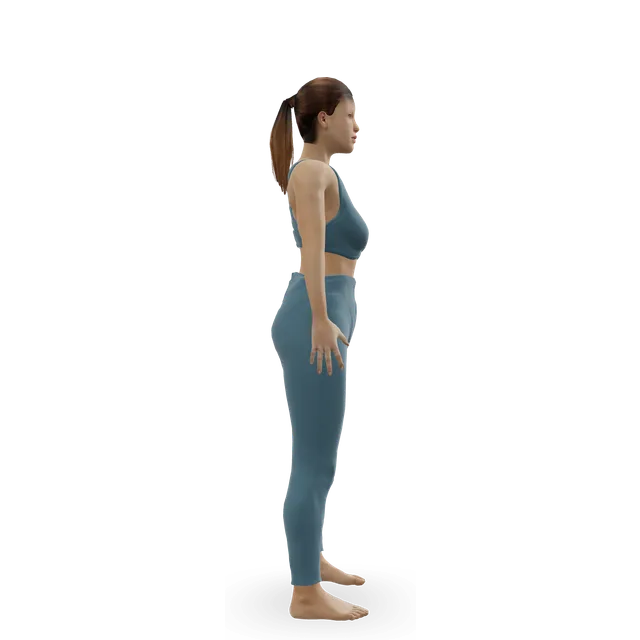
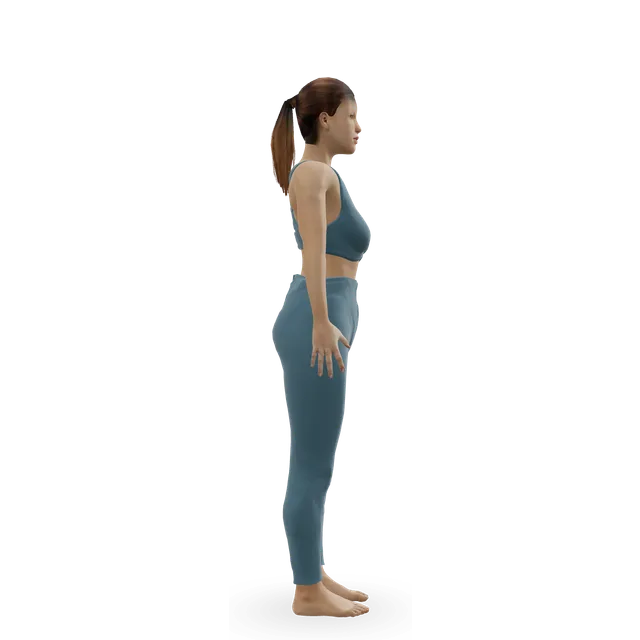
The movement on the figure: Side-stepping (sideways walking)
The strength and balance moves from falls prevention, calf work for the Achilles, and band and forearm work for shoulders and elbows. Each has a 3D demo.
 3D demoSit to stand from a chairBeginner · A bench or box
 3D demoStep-upBeginner · A step
 3D demoSlow calf raiseBeginner · A wall
 3D demoSingle-leg calf raise from a stepIntermediate · A step + A wall
 3D demoSide-stepping (sideways walking)Beginner · A wall
 3D demoTandem stance and heel-to-toe walkBeginner · A wall
 3D demoSingle-leg standBeginner · A wall
 3D demoReverse lungeIntermediate · No equipment
 3D demoWall push-upBeginner · A wall
 3D demoBand rowBeginner · A band + An anchor point
 3D demoStanding band external rotationBeginner · A band + An anchor point
 3D demoReverse wrist curlBeginner · A dumbbell + A bench or box
 3D demoWrist & forearm flowBeginner · No equipment
 3D demoGet up and down from the floorBeginner · No equipment
The first two are new. The racket sport warm-up and the tennis and padel routine come from our tennis and padel page; the seniors' and bone sessions build the strength and balance that falls prevention trials used.
A 10-minute pickleball warm-up: marching, side-steps, leg swings, calf raises, upper-back turns, shoulder and wrist circles, heel-to-toe and one-leg balance.
10 minBeginner10 movesA wallA 30-minute session for older players: sit-to-stands, step-ups, calf raises, lunges, side-steps, heel-to-toe and one-leg balance, band work and floor get-ups.
30 minBeginner13 movesA bench or box, A stepA 12-minute warm-up for tennis, padel, squash or badminton: skipping, leg swings, trunk turns, band shoulder work, forearm circles, shuttles and landings.
12 minBeginner10 movesA wall, A bandA 25-minute routine for racket players: the five-part Shoulder Control programme from handball trials, band rotations, forearm lowering, hops and balance.
25 minBeginner12 movesA dumbbell, A cable machineA 40-minute strength and balance session for over-65s, built from the Otago home programme and NHS exercises, using a chair, a counter and a step.
40 minBeginner18 movesA bench or box, Something with weightBalance practice in 10 minutes: tandem stance, single-leg stands, marches, heel walks, tree pose and floor transfers.
10 minBeginner7 movesA wall, A bench or boxStrength and balance in one session: squats, Romanian deadlifts, push-ups, rows, step-ups, back extensions, carries and single-leg balance.
45 minBeginner14 movesA wall, A dumbbellImpact, strength and balance for stronger bones, following UK osteoporosis consensus advice, with options for every level.
40 minBeginner14 movesA kettlebell, Other / check instructionsA gentle leg strength routine with no jumping: sit-to-stands, step-ups, wall sits, bridges and calf raises.
20 minBeginner7 movesA bench or box, A stepA 20-minute seated workout for older adults who cannot stand for long: marching, leg and arm strength, posture, and sit-to-stands that lead back to standing.
20 minBeginner11 movesA bench or box, Something with weightWrist mobility and forearm strength for desk work, climbing, push-ups and handstands.
10 minBeginner7 movesA wall, A dumbbellA 25-minute band routine for healthy shoulders: move the shoulder and upper back through their range, then strengthen the rotator cuff and shoulder blades.
25 minBeginner12 movesA wall, A bandFit the strength and balance workout into 2 or 3 days of a plan, on days you don't play or after a short session.
A 12-week exercise plan for over-65s: strength and balance three times a week, short balance sessions and daily walks, based on falls-prevention trials.
3 training days40 minBeginner3 days a weekA weekly plan for women over 50: strength, bone-loading and balance on 3 days plus walking, built on UK osteoporosis consensus advice.
3 training days45 minBeginner3 days a weekA 3-day strength plan for men over 40 with power and bone work, two cardio days and mobility, built on research on ageing muscle.
3 training days45 minBeginnerThe PAR-Q+ (Physical Activity Readiness Questionnaire for Everyone) asks about a heart condition or high blood pressure, chest pain, dizziness or losing consciousness, other long-term conditions and their medicines, a bone or joint problem that activity could make worse, and being told to exercise only under supervision. If you answer yes to any, check with your GP or a qualified exercise professional first. If you're over 45 and not used to hard exercise, ask a qualified exercise professional before the hardest sessions, and delay if you're ill.
Source 27
Heart-related problems were a notable share of emergency cases in players 60 and over. Use the PAR-Q+ and see your GP first if it flags anything; start with doubles and short sessions (our suggestion). Our heart disease guide has more.
The NHS advises seeing a GP if you've had a fall or are worried about your balance, and falls services offer strength and balance training. Start with the strength and balance workout, and try our timed up and go and balance tests.
Pickleball fractures cluster in women and in players over 60, mostly in the wrist and arm, after falls. See our osteoporosis and broken wrist guides; a bone health check is worth asking about after a broken bone from a fall at 50 or over.
Source 5
Keep sessions short for the first month, warm up, and strengthen your calves (our suggestion). Our Achilles guides cover the warning signs.
Our replacement guides suggest gentle or doubles tennis from about 3 to 6 months. Ask your surgical team, and treat pickleball doubles as a similar step (our reading).
The AAO says an eye injury can be more serious for you. Wear eyewear made to the racket-sport standard.
Source 14
The NHS advises avoiding sports where there's a risk of falling. Talk to your midwife or GP; gentle dinking practice may suit (our suggestion).
The NHS says to call 999 if:
Source 36
Call 999 if someone faints while exercising, or faints and can't be woken within a minute, has chest pain or a pounding, fluttering or irregular heartbeat, or has a fit. See a GP after any faint.
Source 37
Call 999 if you or someone else has fallen and may have injured the head, neck, back or hip, or can't get up. Get help from NHS 111 if they may be in pain, injured or unwell, and see a GP after a fall or if you're worried about your balance.
Source 34
Go to A&E (accident and emergency) or call 999 if the arm or wrist is numb or tingling, a bone is sticking out, there's a bad cut that's bleeding heavily, or it has changed colour or shape or is at an odd angle. Get help from NHS 111 if it's very painful, you can't use it, or there's a lot of swelling or bruising.
Source 38
Call 999 if someone hit their head and was knocked out and hasn't woken, can't stay awake, has a fit, fell from more than 1 metre or 5 stairs, has problems with their vision or hearing, has new numbness or weakness, or has problems walking, balancing, understanding, speaking or writing. Get help from NHS 111 if they're being sick, feel dizzy or take medicine that thins the blood. With suspected concussion, stop playing: if in doubt, sit them out.
Go to A&E or call 999 if something hit your eye at high speed, your sight has changed, you have severe pain in the eye, a headache or sensitivity to light, you feel or are sick, you can't move your eye or keep it open, or blood or pus is coming from it. The AAO advises seeing an eye doctor straight away for any change or loss of vision, or for a lot of pain, bleeding or bruising.
Contact NHS 111 if you heard a snap or popping noise, can't walk on tiptoe or up stairs, or have swelling and bruising in your calf and ankle. Our Achilles rupture guide says to get it checked the same day.
Source 42
Heat exhaustion should improve within 30 minutes of resting somewhere cool, cooling down and drinking. Call 999 if it doesn't, or for a very high temperature, hot skin that isn't sweating, a fast heartbeat, fast breathing, confusion, a fit or loss of consciousness.
Source 43
Over 70% of playing time was moderate to vigorous by heart rate in players aged about 62.
Source 1
Falls, fractures and Achilles ruptures fill the injury data, and pickleball injuries led to hospital admission about 2.6 times as often as those in other racket sports.
Overheads are part of the game, and rotator cuff problems were the commonest injury site at one clinic and 70% of shoulder cases at another.
Lensless guards failed in squash and racquetball, and everyday glasses can make injuries worse. Eyewear made to the racket-sport standard, which now includes pickleball, is the one to choose.
There's no evidence. Most ruptures in one small series came in the first month of play, which points to building up gradually.
Source 7
Strength and balance training cuts falls in older people by about a quarter. It hasn't been tested in pickleball players specifically.
Source 11
Overall the split is close to even, and among injured players over 60, women were far more likely to break a bone, especially a wrist.
Yes. In players aged about 62, over 70% of playing time was moderate to vigorous by heart rate, and in one small trial, 8 weeks of pickleball improved balance and walking speed in women aged 60 to 75. Add strength and balance work on at least 2 days a week, as the NHS advises for over-65s.
In US emergency departments: strains and sprains, fractures and bruises, mostly after falls, with broken wrists common in women over 60. Clinics also see Achilles ruptures, rotator cuff problems and tennis elbow.
About 10 minutes: march or walk briskly, side-step, swing your legs, do calf raises, turn your upper back, circle your shoulders and wrists, practise heel-to-toe and one-leg balance, then dink gently before full shots. No pickleball warm-up has been tested, so this one follows our warm-up guide.
Strength and balance work for your legs: sit-to-stands, step-ups, calf raises, side-steps, heel-to-toe walking and one-leg stands. In older adults generally, programmes like this cut falls by about a quarter; they haven't been tested in pickleball players.
It's sensible. Eye injuries are rising, including retinal detachments and broken eye sockets, and are more common in players over 50. Wear eyewear made to the racket-sport standard, which now includes pickleball tests; lensless frames failed in other racket sports, and everyday glasses can make injuries worse.
Most fractures follow falls, and the wrist takes the landing when you put a hand out; 69% of pickleball fractures were in women, and most were in players over 60. If you're 50 or over and break a wrist in a fall, ask about a bone health check, as our broken wrist guide explains.
Build up gradually: in one small series, about two-thirds of pickleball Achilles ruptures came in the player's first month. Start with short sessions, warm up, and strengthen your calves on other days. A snap at the back of the ankle, or not being able to walk on tiptoe, needs NHS 111.
Not clearly. Older players' injury patterns are similar in both, and pickleball injuries led to hospital admission about 2.6 times as often as those in other racket sports, probably because its players are older. Nobody has compared injuries per hour of play.
It's tennis elbow from playing pickleball: pain on the outside of the elbow from the forearm tendons, the commonest elbow problem at one clinic. Our tennis elbow guide covers it; straps can ease pain while you wear them but haven't been shown to prevent it.
Often, with care. With osteoporosis, falls are the main risk, so build strength and balance first and see our osteoporosis guide. After a hip or knee replacement, our guides suggest gentle or doubles tennis from about 3 to 6 months; check with your surgical team.
Exercise education for people who play sport, not a personal prescription or a diagnosis, and clinical review of these pages is pending. Check with a GP or physiotherapist before hard training if you have a heart condition, chest pain, dizziness or an injury that isn't settling, and stop for sharp or increasing pain. Health disclaimer.