A cast or wires: the same result at a yearStrong evidence
In the UK DRAFFT2 trial, 500 adults (average age 60) whose wrist had been set back into place had either a moulded cast, or wires through the skin plus a cast, both for 6 weeks, and everyone got the same written exercise sheet. Wrist scores were the same at 12 months, with no difference at 3 or 6 months or by age. But 33 of the 255 people treated in a cast (13%, about 1 in 8) needed an operation in the first 6 weeks because the bones slipped.
Source 13
Wires or a plate: also the sameStrong evidence
In the earlier DRAFFT trial, 461 adults whose break needed an operation had either wires or a plate. Wrist scores, quality of life and complications didn't differ at a year, and there was still no meaningful difference at 5 years, though fewer than half returned the 5-year questionnaire. A US guideline rates as strong the evidence that fixing methods give similar results, though a plate gives a quicker recovery in the first 3 months.
Sources 14, 15, 16
From about 65, surgery doesn't improve the long-term resultStrong evidence
Trials in older adults agree. In CROSSFIRE (166 people aged 60 and over), a plate made no clinically important difference to wrist scores at 12 months compared with setting the bones and a cast, though more people rated the plate a success (89% against 70%). In DRIFT (291 people aged 65 and over), a plate improved wrist scores by 9.6 points out of 100 in breaks that wouldn't stay in place, less than the 11 points that count as a meaningful difference. In a Norwegian trial of 100 people aged 65 to 91, a cast did as well at a year, though recovery was faster and satisfaction higher with a plate.
In the US WRIST trial (304 people aged 60 and over), hand function at 2 years didn't differ meaningfully between a plate, an external frame, pins and a cast, even though the bones healed out of line far more often in a cast (59% against 8% to 17%). A 2023 review found the benefit of a plate shrinks with age, with probably none that matters over 70, and the AAOS rates as strong the evidence that surgery doesn't improve long-term results from 65.
Sources 17, 18, 19, 20, 21, 16
Younger adults with badly displaced breaks may gain moreEmerging evidence
In a 2020 review of 23 studies (2,254 people), surgery improved arm function scores by about 5 points out of 100 within the first year overall, a small difference, and not at all in studies of people 60 and over; the benefit sat in younger groups. The AAOS rates as moderate the evidence that, under about 65, an operation for a break that stays shortened, tilted or stepped after setting improves the result. Your surgeon weighs the break, your age and your activities.
Sources 22, 21, 16
Keep the rest of the arm moving from the startStrong evidence
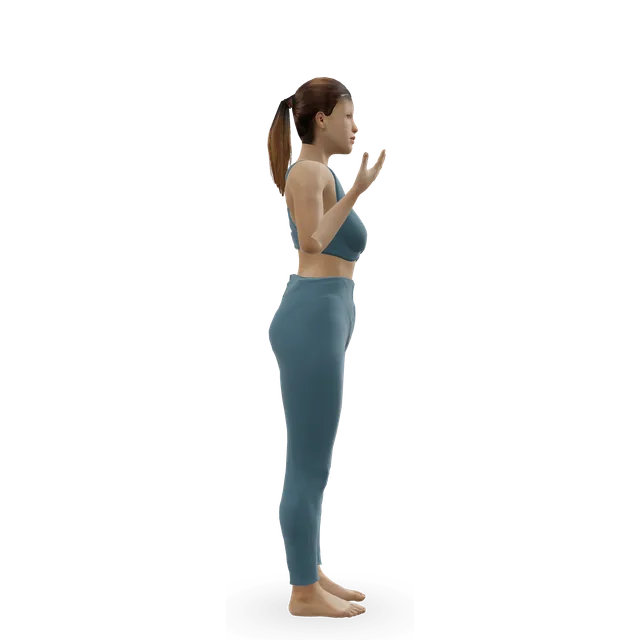
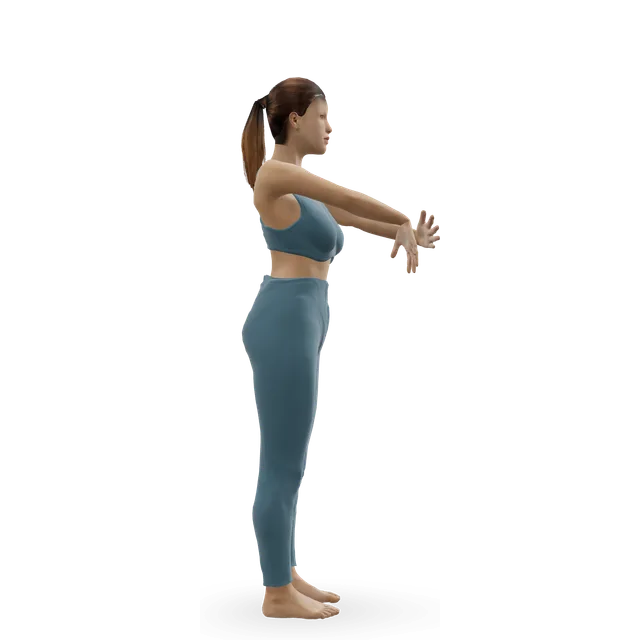
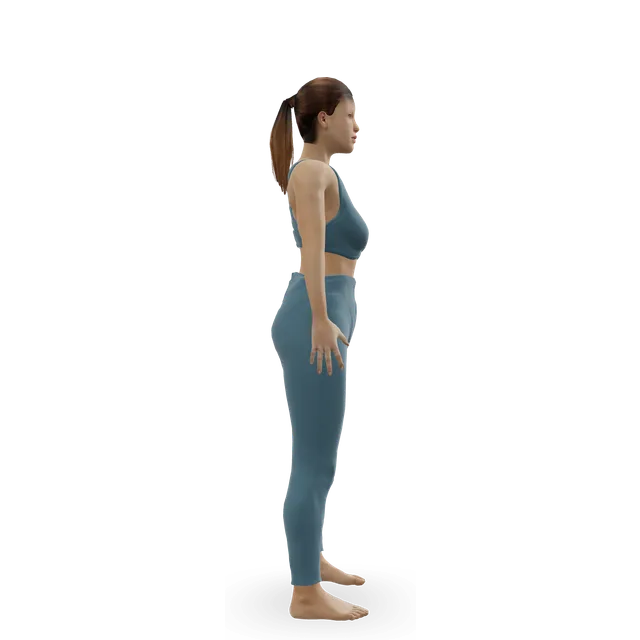
UK best-practice guidance says everyone should get advice to manage pain and swelling and to keep the fingers, thumb, elbow and shoulder moving, that a cast should allow a full fist, and that the hand can be used for light tasks, including washing, dressing and typing, while the wrist is held still. A 2024 US physical therapy guideline starts this movement straight after the cast or operation, and the AAOS asks people to tell their doctor if they can't fully move their fingers within 24 hours. This is consistent expert advice rather than something trials have tested.
Sources 4, 3, 2, 23, 10
Moving the wrist early after a plate is safeEmerging evidence
In a trial of 119 people with a plate, taking the splint off after 2 to 3 days, with physiotherapy every fortnight, was safe but gave no better function up to 2 years than 2 weeks in a splint, one physiotherapy visit and home exercises. The US physical therapy guideline gives its top grade to moving the hand, wrist and shoulder, with light daily use, in the first 3 weeks after an operation.
Sources 24, 3
Home exercise or supervised physiotherapy: the evidence conflictsMixed evidence
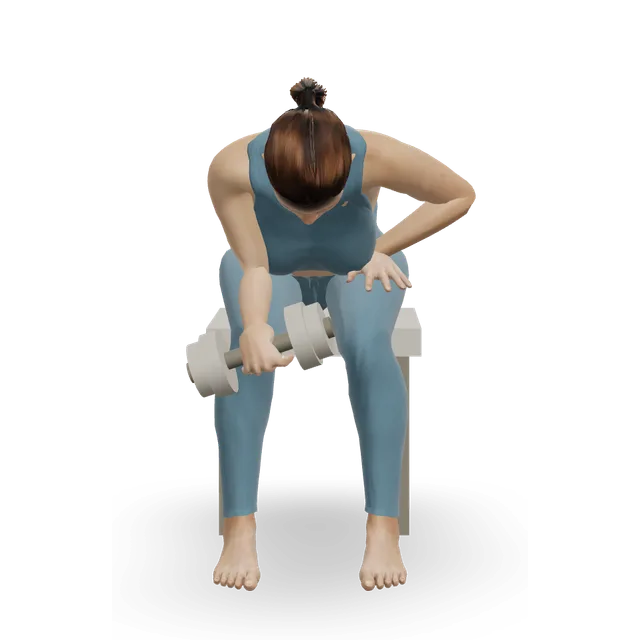
For supervision: a 2026 review of 13 trials found supervised physical therapy improved wrist scores by about 12 points out of 100 at 6 weeks (moderate certainty), with benefits in people over 65. The US physical therapy guideline recommends at least weekly supervised sessions alongside a home programme for people aged 60 and over or with complications.
Against routine supervision: a 2023 review of 15 studies found no advantage, on very low-quality evidence. In a UK trial of 120 people, a leaflet or a video did as well as face-to-face therapy 6 weeks after the cast came off; in 33 adults, a progressive programme added nothing to good advice; and in the WRIST trial, people who had hand therapy did no better than those who didn't. A Cochrane review of 26 trials found too little evidence to say which rehabilitation works best, and UK and US guidelines found no proof that formal therapy beats a home programme for uncomplicated breaks.
So a well-taught home programme is enough for many people. Ask for physiotherapy if you're over 60 and struggling, very stiff or swollen, in more pain than expected, or not recovering. UK standards say you should be able to refer yourself back to the fracture service.
Sources 25, 26, 27, 28, 29, 30, 3, 16, 4, 8
Complex regional pain syndrome: uncommon, and worth catching earlyMixed evidence
Complex regional pain syndrome (CRPS) is pain far worse and longer-lasting than the injury explains, often with swelling, stiffness, colour and temperature changes, skin so sensitive that light touch hurts, and a hand that feels as if it doesn't belong to you.
How often it follows a broken wrist depends on how it's counted: 3.8% within 4 months in a study of 1,549 people treated without surgery, 2% to 3% in the DRAFFT2 trial, and 0.2% diagnosed within a year among 247,128 fractures in the Danish national register. Most cases improve, and CRPS that lasts longer than a few months is uncommon: the UK guideline says fewer than 1 in 1,500 people have it.
In the study of 1,549 people, average pain of 5 out of 10 or more through the first week after the fracture was a strong early warning. The treatment is early physiotherapy or occupational therapy, with gentle movement and light use of the hand, so report the warning signs promptly.
Sources 31, 32, 13, 33, 23
Vitamin C to prevent it: not recommended in the UKMixed evidence
UK best-practice guidance for wrist fractures doesn't recommend vitamin C to prevent CRPS, and the UK CRPS guideline makes no recommendation for any prevention because the evidence is too thin, though its sample leaflet still mentions 500 mg a day. A 2025 trial in 122 people after surgery found fewer CRPS diagnoses with 1 g a day for 60 days, while a summary of earlier trials found the benefit shrinking over time. Ask your team.
Sources 4, 23, 34, 35
Bone health and falls after a fragility fractureStrong evidence
NICE's 2026 osteoporosis guideline asks for a fracture risk assessment for everyone aged 50 and over, and women past the menopause, who have had a fragility fracture. It offers a bone density (DXA) scan after a single wrist, shoulder, hip or spine fragility fracture in the past 2 years. The NHS says a fracture liaison service can help if you're over 50 and have broken your arm or wrist; ask your GP surgery if there is one near you.
If you fell, ask about falls too. NICE recommends a full falls assessment for people who have fallen in the past year and were injured, and UK wrist fracture standards ask teams to check falls risk and bone health together.
Sources 5, 6, 8, 10, 36, 37
Gadgets add littleMixed evidence
In small trials, most single treatments added after the cast (passive movement by a therapist, ice, magnetic fields, whirlpool baths or a stretching splint) made no meaningful difference. The US guideline accepts heat, cold or laser for short-term pain and swelling as part of a wider programme. The exercises are what matter.
Sources 30, 3