Tendon glides (hand tendon gliding exercises)
With your forearm resting and the wrist straight, you move the fingers slowly through five positions (straight, a hook, a full fist, a tabletop and a straight fist), pausing in each, so the tendons that bend the fingers slide through their full range. A gentle, no-load way to keep stiff or swollen fingers moving.
Movement guide
Tendon glides (hand tendon gliding exercises)

Loading the 3D figure…
Make it easier or harder
Start where you can move well, then step up.
Easier option
This is already one of the gentlest options for these muscles.
Harder option
 3D demoBall squeezeBeginner · Other / check instructions
Suggested next step, beginner grade.
Source-researched guide. Clinical review is pending.
How to move
- Sit with your forearm resting on a table, elbow bent, wrist straight, fingers straight and together.
- Hook: keep the big knuckles straight and bend the middle and end joints, so the fingertips curl towards the top of the palm. Hold.
- Full fist: from the hook, roll the fingers down into a full fist by bending the big knuckles too. Hold, then straighten the fingers.
- Tabletop: bend only at the big knuckles, keeping the fingers straight, like a flat tabletop. Hold.
- Straight fist: from the tabletop, bend the middle joints so the fingertips touch the base of the palm, keeping the end joints straight and your nails in view. Hold, then straighten.
- Move slowly and gently, and start and finish each round with the fingers as straight as you can.
Form cues
- Keep the wrist straight; only the fingers move.
- It's a glide, not a grip: don't squeeze in the fist.
- Avoid: rushing between positions, bending the wrist, or forcing a finger that catches.
Practice and cautions
4 to 6 of each position, holding each for 5 seconds, up to 4 times a day: the dose in an NHS hand-therapy leaflet. A carpal tunnel trial used 7-second holds, 5 times through, 3 times a day, and an NHS trigger finger leaflet uses a shorter set (hook, tabletop and a gently assisted fist), 5 to 10 of each, 4 times a day. The glides were part of trial programmes for carpal tunnel syndrome and hand arthritis but have not been tested on their own.
It shouldn't be painful, though the fingers may feel stretched. With trigger finger, ease a stuck finger straight gently, ideally after warming the hand, and never force it. After hand surgery or a tendon repair, do these only as your surgeon or hand therapist says. This is movement education, not an assessment or treatment prescription. Stop for sharp or increasing pain, dizziness, numbness or tingling; seek individual guidance for symptoms, injury or restrictions.
Sources and review status
Sources support the educational description; they do not establish that this exercise is suitable for you.
- East Kent Hospitals NHS · Tendon glide exercises (orthopaedic hand service leaflet) ↗
- Torbay and South Devon NHS · Trigger finger: management and advice (hand physiotherapy leaflet, 2025) ↗
- Bartkowiak 2019 · Nerve and tendon gliding exercises in carpal tunnel syndrome (trial; cited for its glide positions and dose, Indian J Orthop) ↗
- Akalin 2002 · Nerve and tendon gliding exercises with a splint for carpal tunnel syndrome (RCT, Am J Phys Med Rehabil) ↗
- Dziedzic 2015 · Joint protection and hand exercise for hand osteoarthritis (2×2 factorial RCT, Ann Rheum Dis) ↗
- Núñez de Arenas-Arroyo 2021 · Nerve gliding (neurodynamic) techniques for carpal tunnel syndrome (meta-analysis, JOSPT) ↗
No variation is labeled clinically validated.
What it works
Muscles
Main: Forearms.
Anatomy: Brachioradialis, Wrist and finger flexors, Wrist and finger extensors.
Equipment
None: body weight and floor space.
Level
Beginner. See the easier and harder options above.
Pain guides that use it
Part of a staged plan, with when to get help first.
- Wrist and hand pain: what it might be, what helps, and when to get it checked
- Carpal tunnel syndrome: splints, exercises, injections and surgery, honestly compared
- Thumb arthritis: exercises, splints and easier ways to use your hand
- Arthritis in the hands and fingers: exercises that help and how to protect your joints
- Trigger finger and trigger thumb: splints, injections, surgery and gentle exercises
- Sprained wrist or broken? How to tell, the scaphoid fracture to rule out, and a rehab plan
Similar moves
 3D demoBar hangIntermediate · Pull-up bar + A step
 3D demoQuadruped wrist rocksBeginner · No equipment
 3D demoWrist & forearm flowBeginner · No equipment
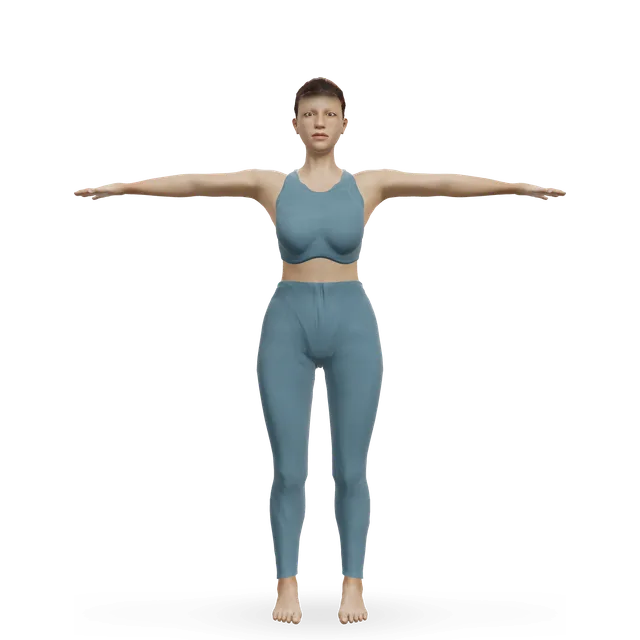 3D demoWrist circlesBeginner · No equipment
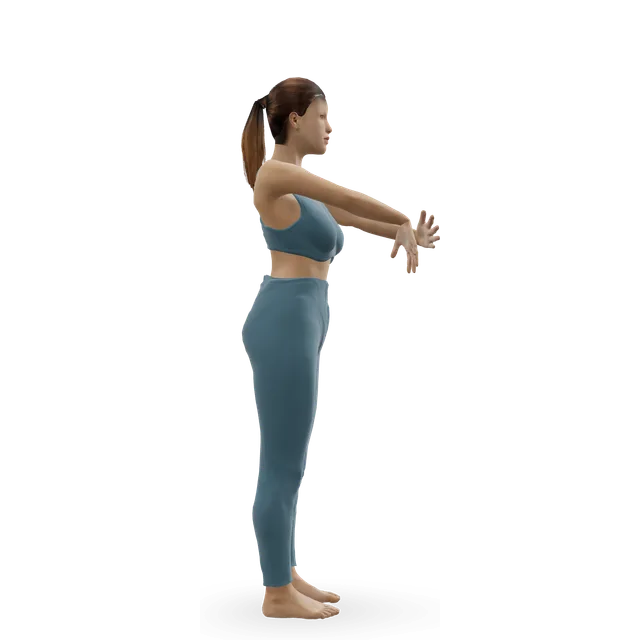 3D demoWrist extensor stretch (tennis elbow stretch)Beginner · No equipment
 3D demoWrist flexor stretchBeginner · A wall
Browse more
Questions people ask
What muscles does the Tendon glides (hand tendon gliding exercises) work?
Mainly the forearms.
What equipment do I need for the Tendon glides (hand tendon gliding exercises)?
No equipment: your body weight and a little floor space.
Is the Tendon glides (hand tendon gliding exercises) good for beginners?
It is graded beginner, so it suits most people starting out. When it feels easy, try the Ball squeeze.
How do I make the Tendon glides (hand tendon gliding exercises) harder?
Progress to the Ball squeeze, or add load, range or slower lowering once your form is solid.