Muscle guide · Arms

Wrist and finger extensors

Also called forearm extensors, tennis elbow muscles

The extensors are the muscles on the back of the forearm. Many start from a shared tendon on the bony bump on the outside of the elbow, and their tendons run across the back of the wrist to the hand and fingers.

They lift the wrist and straighten the fingers, and they hold the wrist slightly back whenever you grip, so the finger flexors can squeeze hard. That is why gripping aggravates tennis elbow.

4 exercises2 stretches6 with 3D demos6 sourcesUpdated 17 October 2026

Where the wrist and finger extensors is and what it does

Shaded: the forearms area. It marks the region, not the exact outline of the wrist and finger extensors.
What it does
  • Lift the back of the hand: the backhand in racquet sports.Wrist extension
  • Straighten the fingers and thumb: opening the hand to let go.Finger and thumb extension
  • Hold the wrist steady so the grip can work.Wrist stabilisation in grip
Nerve supply
Radial nerve and its branches, including the posterior interosseous nerve (C5 to T1).

Source 1

The parts of the wrist and finger extensors

PartStarts atAttaches toWhat it does
Extensor carpi radialis longus and brevisJust above and on the outer elbow bumpBases of the index and middle finger bonesLift the wrist and tilt it toward the thumb; steady it in a power grip
Extensor carpi ulnarisOuter elbow bump and the ulnaBase of the little finger boneLifts the wrist and tilts it toward the little finger
Extensor digitorum and digiti minimiOuter elbow bumpThe backs of the fingersStraighten the fingers
Supinator and the deep thumb extensorsOuter elbow and back of the forearm bonesRadius; thumb and index fingerTurn the palm up; straighten and lift the thumb and index finger

Source 1

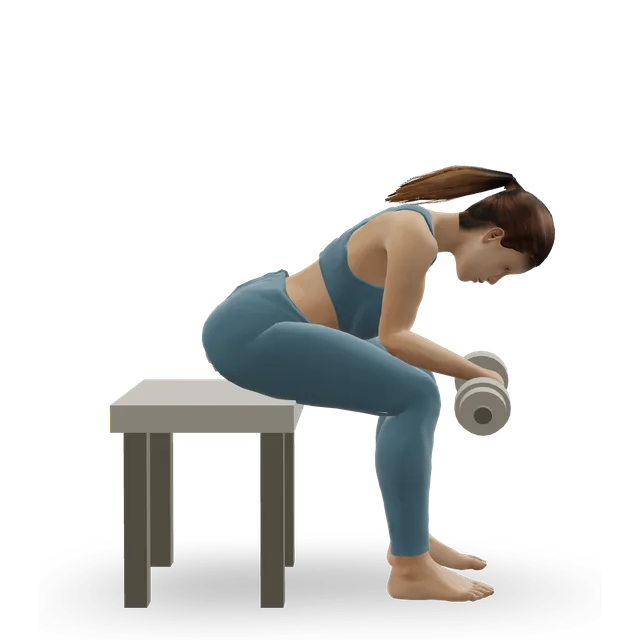
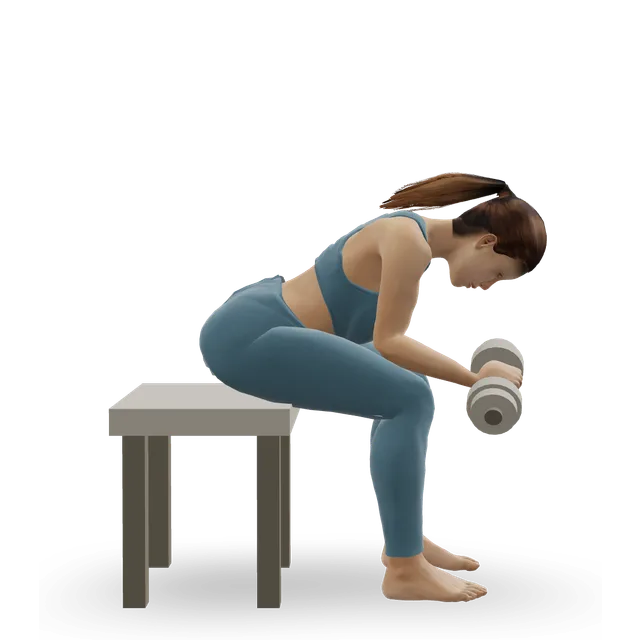
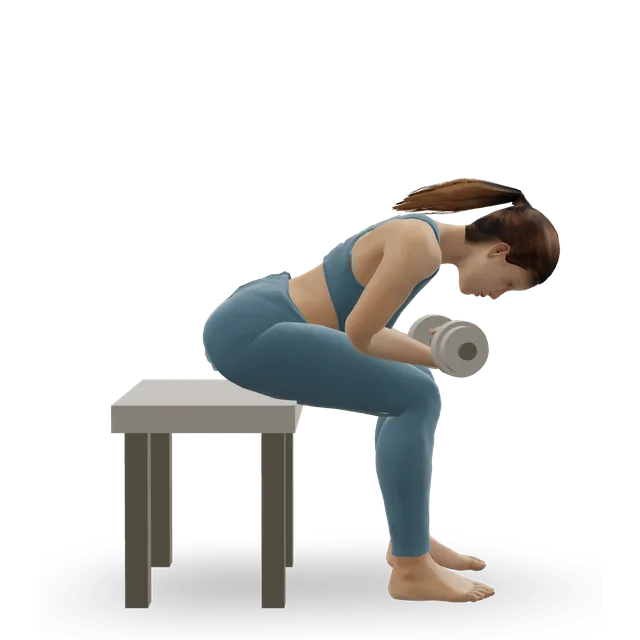
Exercises for the wrist and finger extensors

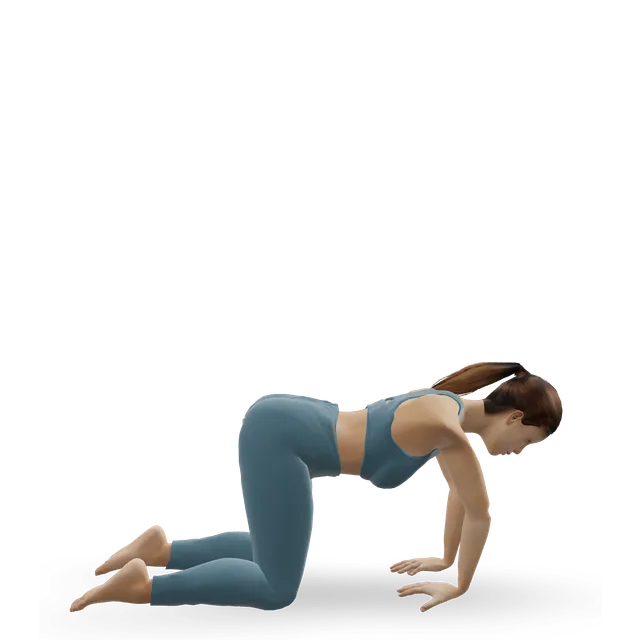
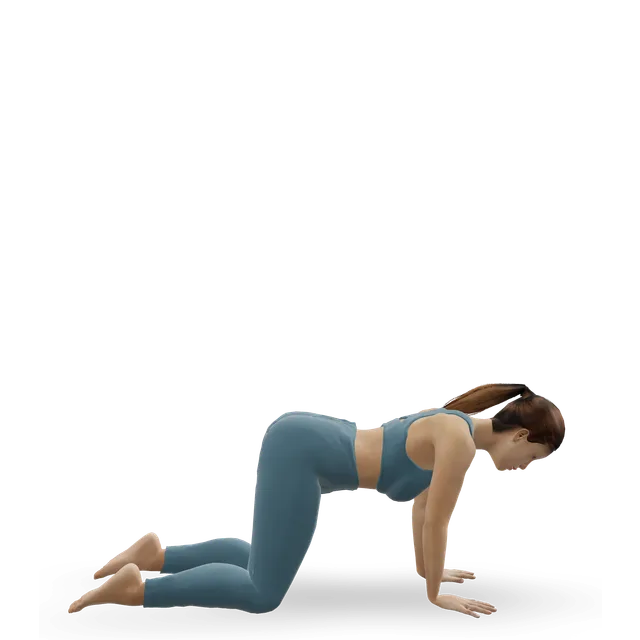
In a small trial of chronic tennis elbow, adding eccentric wrist extension (twisting and slowly releasing a flexible bar) to usual physiotherapy improved function by 76% against 13%.

Stretches for the wrist and finger extensors

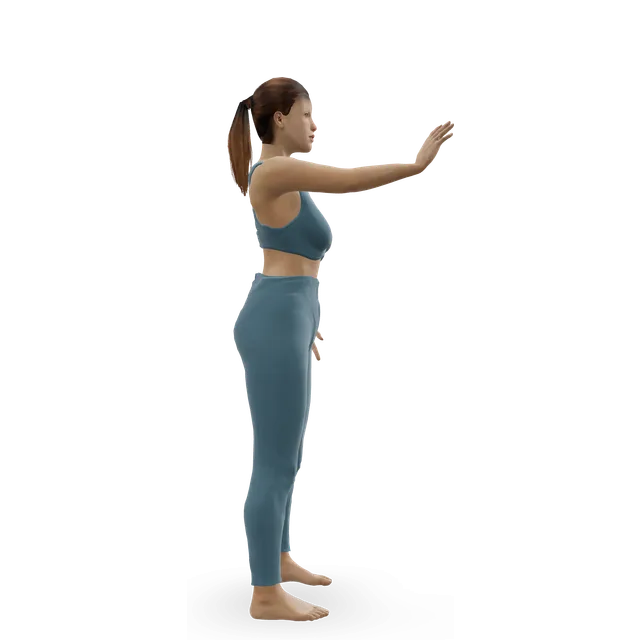
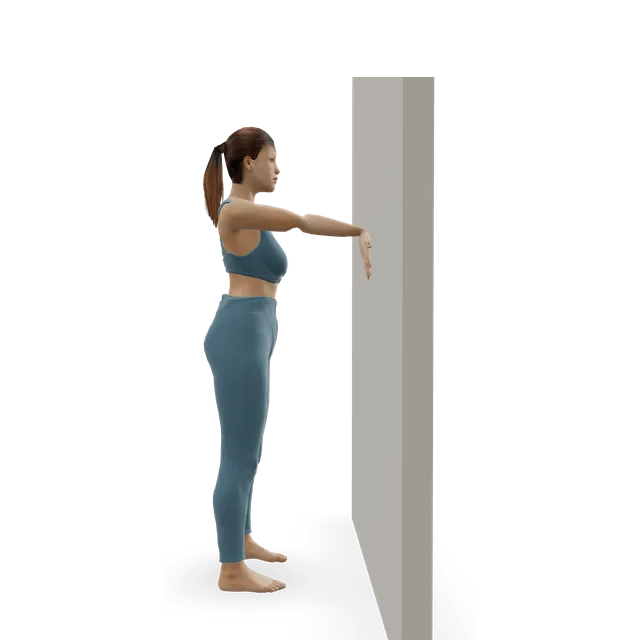
With the elbow straight and palm down, gently bend the wrist down. Forearm stretching is part of standard tennis elbow care.

Problems linked to the wrist and finger extensors

Tennis elbow (lateral elbow tendinopathy)Strong evidence

A degenerative tendinopathy, usually of the extensor carpi radialis brevis, where it starts on the outer elbow. It affects about 1 to 3% of people, most often in their 30s to 50s; gripping, shaking hands and turning a wrench hurt.

80 to 90% recover within 1 to 2 years and 80 to 95% without surgery, though recurrence is common. Surgery is considered after 6 to 12 months of good care.

Sources 1, 3, 2, 6

Myths worth dropping

Each grade rates the evidence for the correction.

Only tennis players get tennis elbow

Tennis players are only about 10% of cases; computer work, manual trades, cooking and playing instruments are common causes.

Sources 3, 4, 2

It is an inflammation, so rest it until it goesEmerging evidence

Clinical guidelines now call it a tendinopathy, not an inflammation, and both the NHS and StatPearls recommend strengthening as part of treatment.

Sources 6, 4, 3

Routines that train it

Questions people ask

What do the forearm extensors do?

They lift the wrist and straighten the fingers, and hold the wrist steady so you can grip hard.

What exercises help tennis elbow?

Slow eccentric wrist extension, such as twisting and slowly releasing a flexible bar, improved function far more than usual care alone in a small trial.

How long does tennis elbow last?

80 to 90% of people recover within 1 to 2 years, most without surgery, though it can come back.

Muscles it works with

Sources

  1. StatPearls · Anatomy, Shoulder and Upper Limb: Wrist Extensor Muscles (2026)
  2. AAOS OrthoInfo · Tennis elbow (lateral epicondylitis)
  3. StatPearls · Lateral Epicondylitis (Tennis Elbow) (2023)
  4. NHS · Tennis elbow
  5. Tyler 2010 · Adding eccentric wrist extension to treatment of tennis elbow (RCT, J Shoulder Elbow Surg, abstract)
  6. Lucado 2022 · Lateral elbow pain and muscle function impairments (clinical practice guideline, JOSPT, abstract)

Anatomy and movement education, not a diagnosis or treatment plan. If you have pain that follows an injury, is severe or getting worse, or comes with numbness, weakness or swelling, get it assessed. Health disclaimer.