Wrist and forearm stretches
Wrist and forearm stretches and drills for desk work, climbing, handstands and push-ups. Gentle rocks and circles first, then load.
Beginner wrist and forearm stretches 17
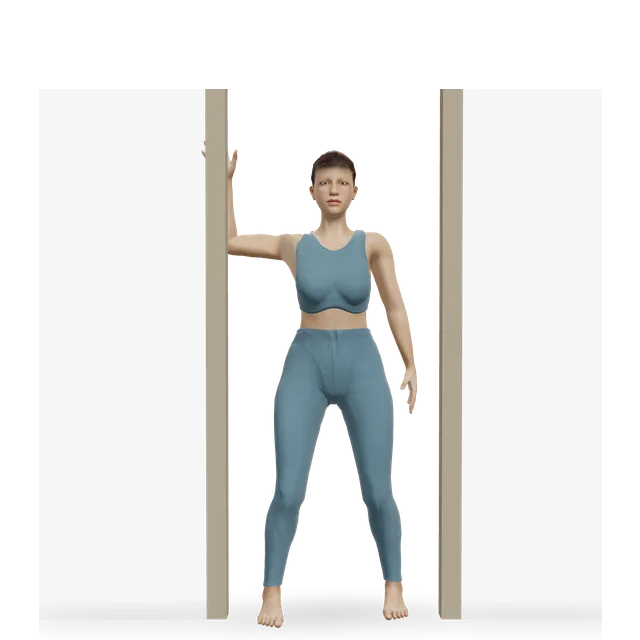 3D demoDoorway chest openerBeginner · A wallOne forearm flat on a door frame with the elbow at shoulder height and bent square, the chest turning away from it.
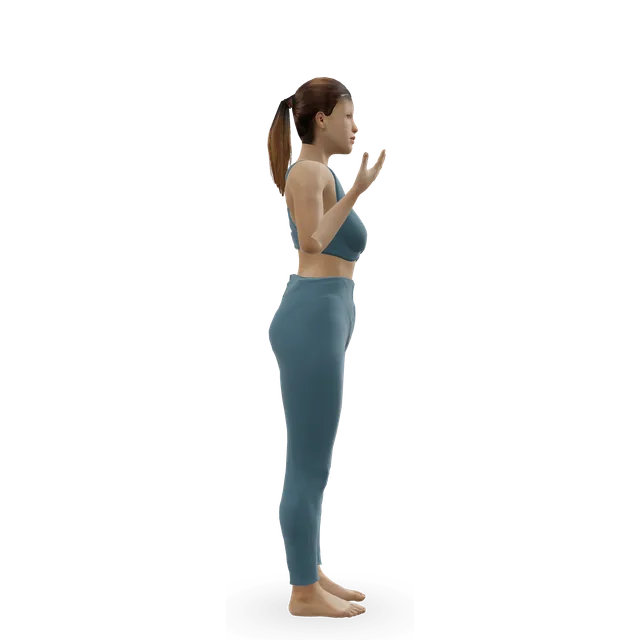 3D demoElbow bend and straighten (elbow range of motion)Beginner · No equipmentSitting or standing, you slowly bend the elbow as far as it goes, as if to touch your shoulder, then straighten it as far as it goes, with the other hand helping gently at each end if needed.
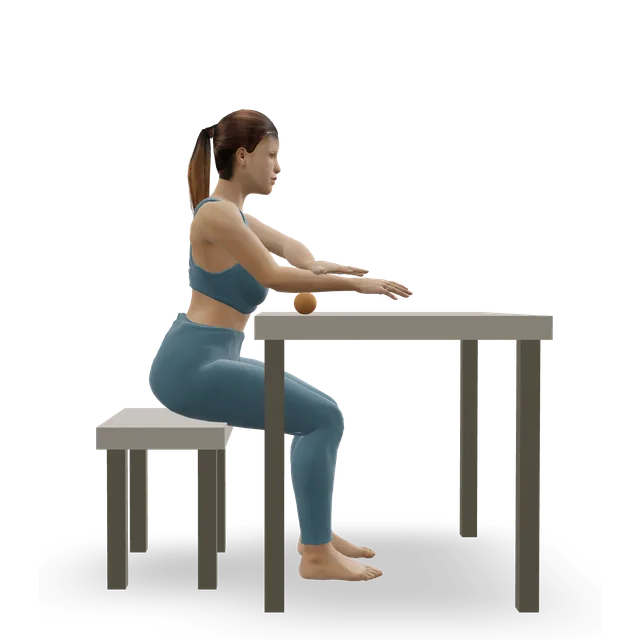 3D demoForearm ball rollBeginner · A massage ballThe forearm rests on a ball on a table and rolls slowly from near the elbow to near the wrist, first on the back of the forearm and then on the palm side.
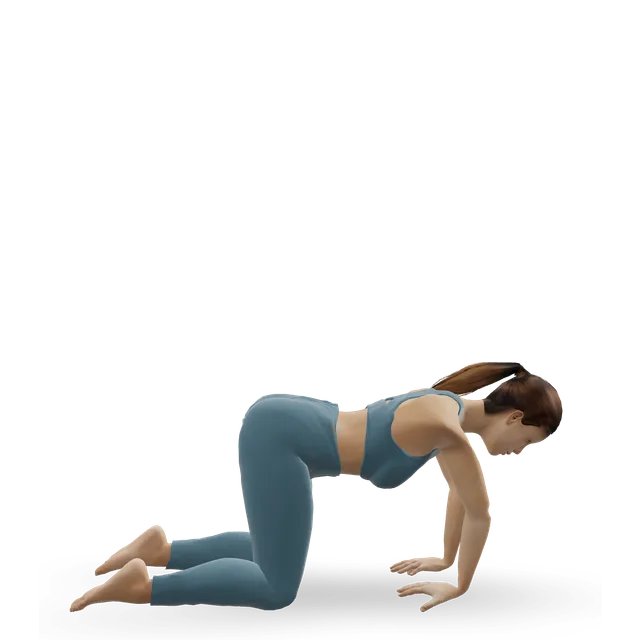 3D demoKneeling wrist flexor stretch, fingers backBeginner · No equipmentKneeling with your palms flat on the floor and your fingers turned back towards your knees, you ease your hips back towards your heels until the fronts of your wrists and forearms stretch.
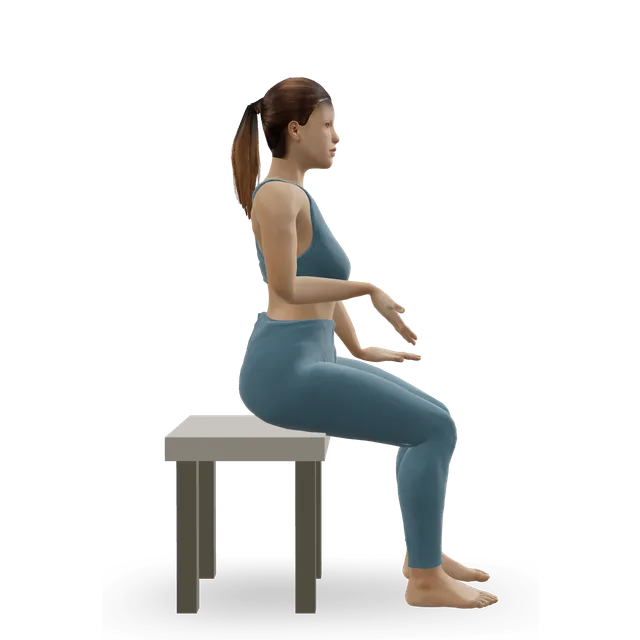 3D demoMedian nerve glide (six hand positions, for carpal tunnel)Beginner · No equipmentStarting from a loose fist with the wrist straight, you open the hand in six steps (fingers straight, wrist back, thumb out, palm up, then a gentle thumb stretch with the other hand), pausing in each, so the median nerve slides through the carpal tunnel.
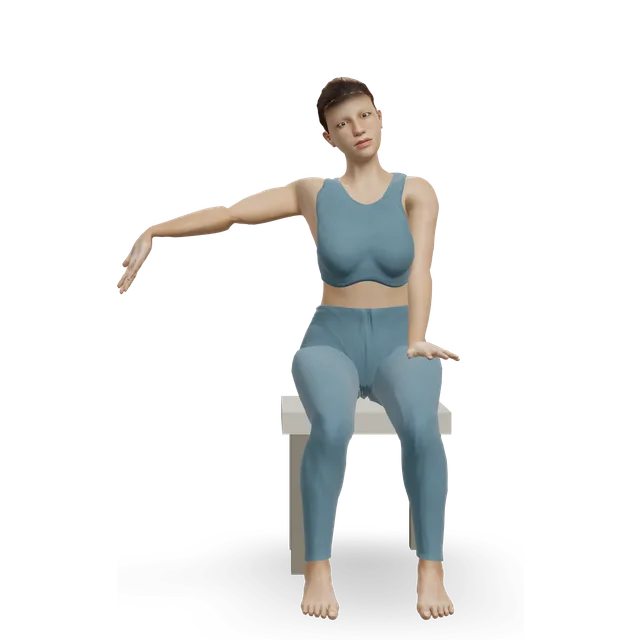 3D demoMedian nerve slider (neck-to-arm nerve glide)Beginner · A bench or boxSitting tall with one arm out to the side, you straighten the elbow and bend the wrist back while tilting your head toward that arm, then bend the elbow as the head tilts away, so the nerve slides along its path without being pulled tight at both ends.
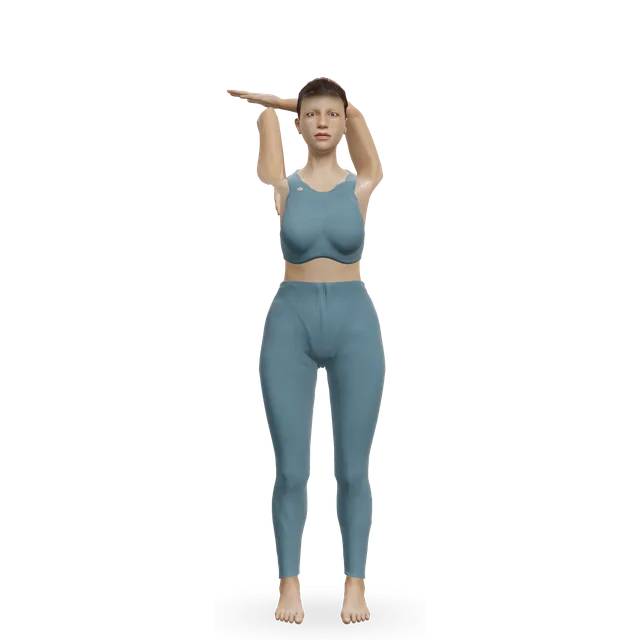 3D demoOverhead triceps stretchBeginner · No equipmentYou reach one arm overhead, bend the elbow so the hand drops behind your neck, and use the other hand just above that elbow to ease it back and toward the middle.
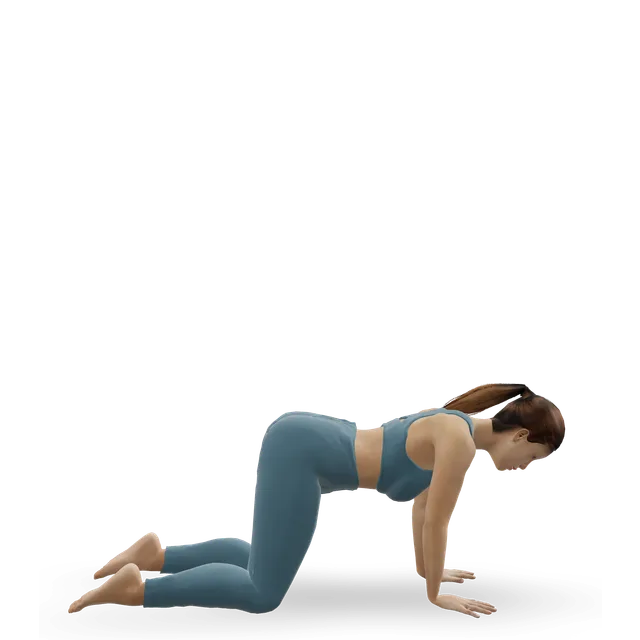 3D demoQuadruped wrist rocksBeginner · No equipmentOn all fours with the palms flat under the shoulders, the trunk rocks forward past the hands so the wrists bend further back under body weight, then back to ease them.
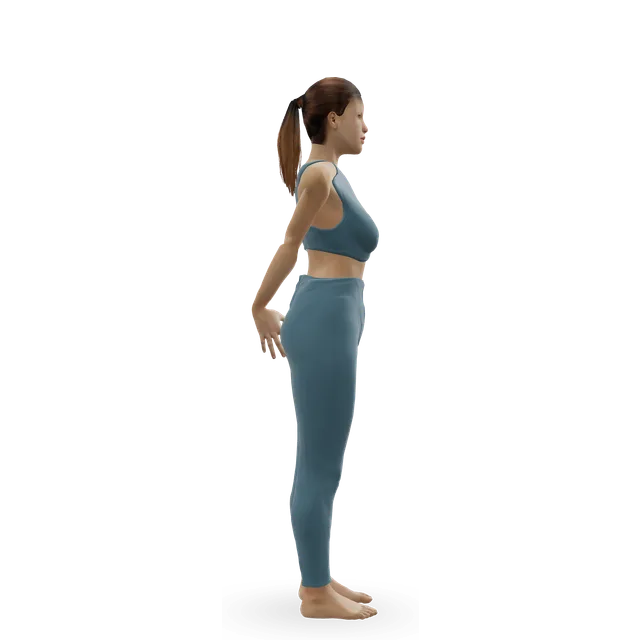 3D demoStanding biceps stretchBeginner · No equipmentThe hands clasped behind the back and the straight arms lifted away from the body.
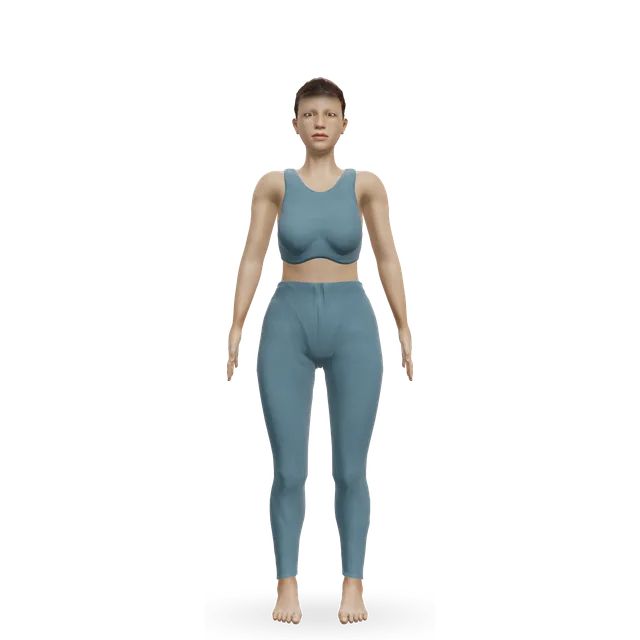 3D demoStanding overhead reachBeginner · No equipmentStanding tall, you lace your fingers, turn your palms to the ceiling and reach straight up with your shoulders down and your tailbone drawn down, so the whole trunk lengthens from hips to hands.
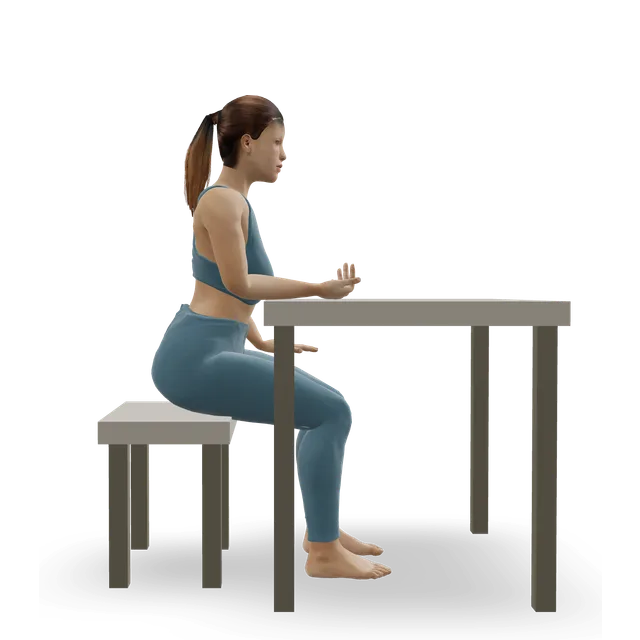 3D demoTendon glides (hand tendon gliding exercises)Beginner · No equipmentWith your forearm resting and the wrist straight, you move the fingers slowly through five positions (straight, a hook, a full fist, a tabletop and a straight fist), pausing in each, so the tendons that bend the fingers slide through their full range.
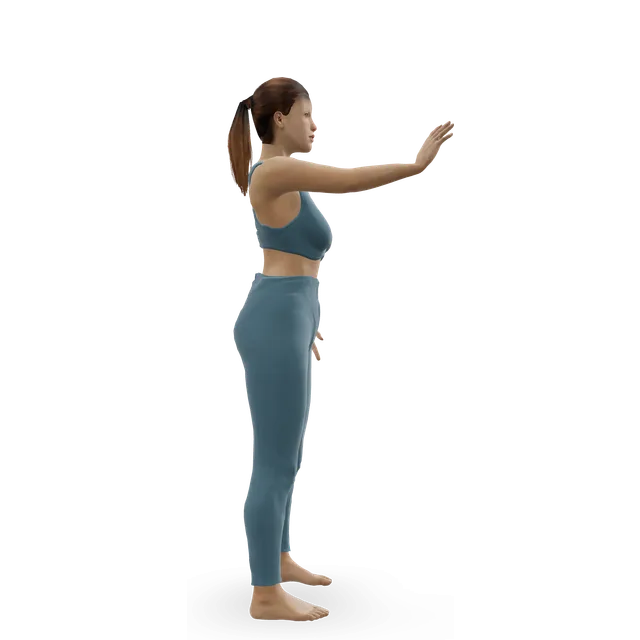 3D demoWrist & forearm flowBeginner · No equipmentThe wrist taken slowly through full bend and full extension and the forearm turned palm up and palm down.
- Wrist circles · Beginner
- Wrist extensor stretch (tennis elbow stretch) · Beginner
- Wrist flexor stretch · Beginner
- Finger joint blocking (single-joint finger bends) · Beginner
- Finger walking (SARAH hand stretch) · Beginner
Intermediate wrist and forearm stretches 7
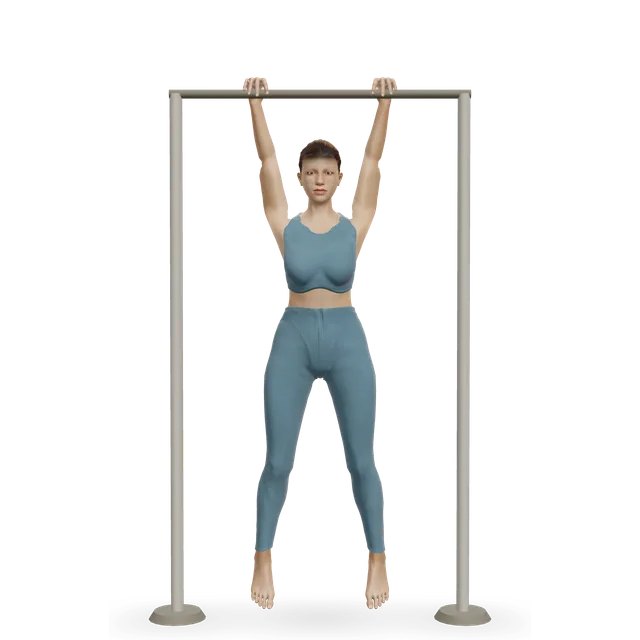 3D demoBar hangIntermediate · Pull-up bar + A stepHanging from an overhead bar on both hands: the grip holds the body's weight while the shoulders reach fully overhead.
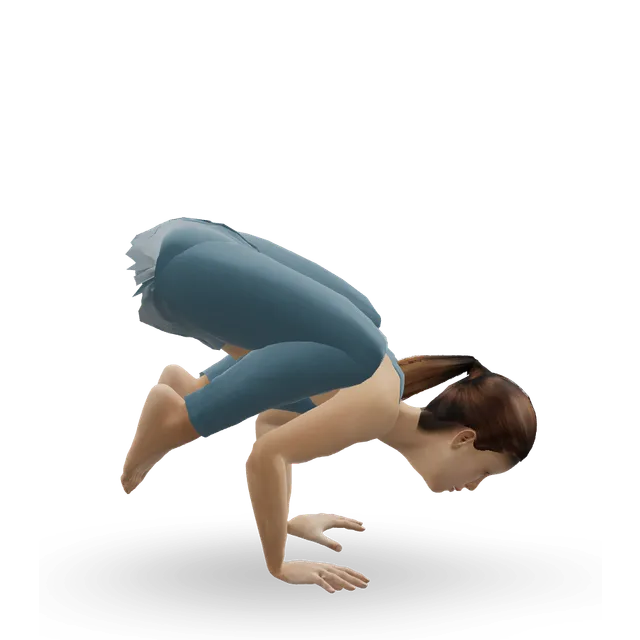 3D demoCrow pose (Bakasana)Intermediate · No equipmentFrom a squat with the hands on the floor, the knees rest high on the backs of the upper arms and the weight tips forward until the feet lift.
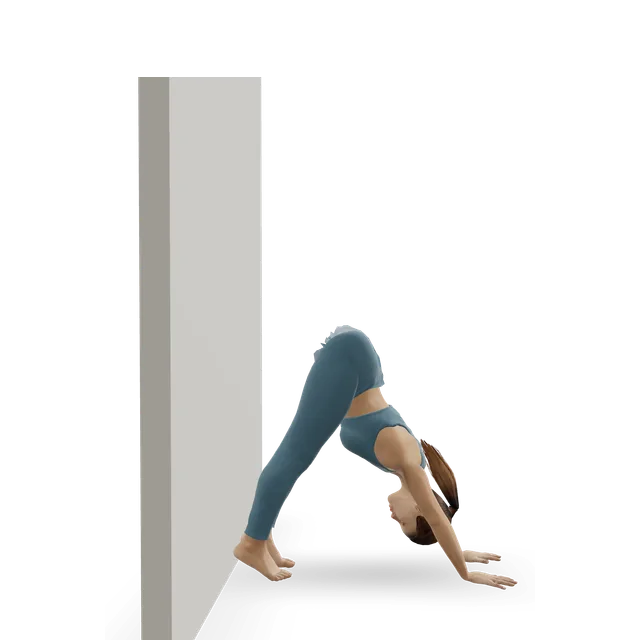 3D demoHalf handstand at the wall (Ardha Adho Mukha Vrksasana)Intermediate · A wallHands on the floor and feet on the wall at hip height make an upside-down L: the shoulders take part of the body weight while the feet stay supported.
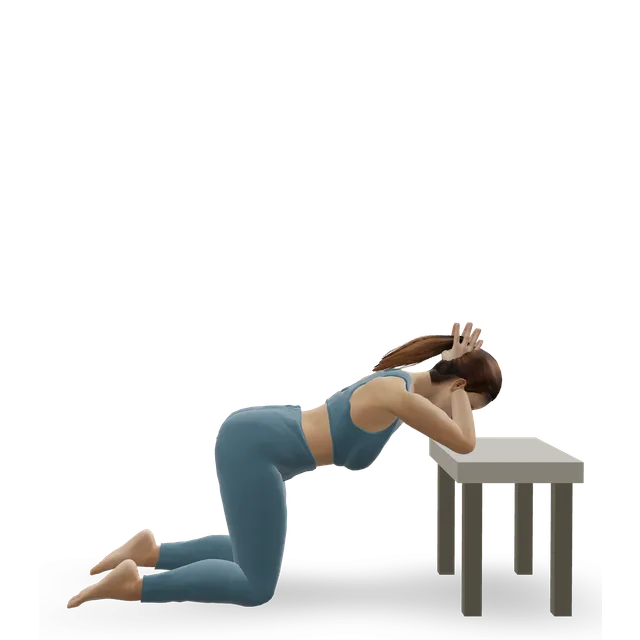 3D demoOverhead lat stretch at a bench (elbows on the bench)Intermediate · A bench or boxKneeling in front of a bench with your elbows on it, shoulder-width apart and hands together, you sink your chest toward the floor while your hips stay over your knees.
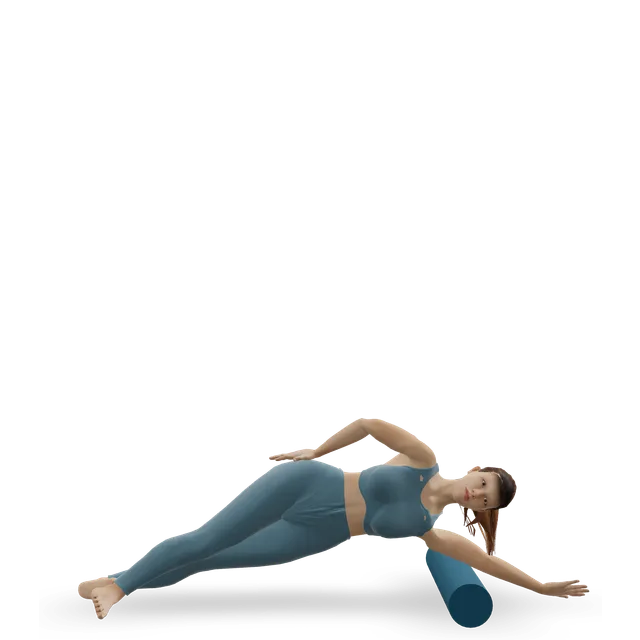 3D demoUpper-arm foam roll (brachialis)Intermediate · A foam rollerLying on your side with the outside of your upper arm on a foam roller, you lift your hips so your weight presses the arm into the roller, then hold.
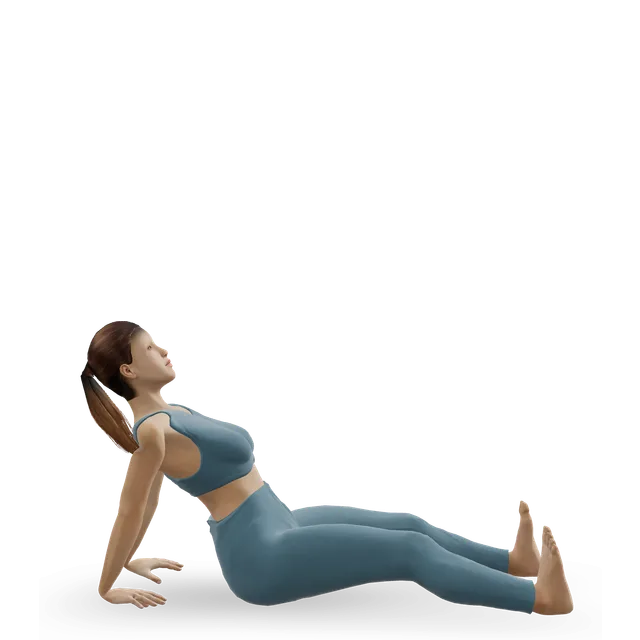 3D demoUpward plank pose (Purvottanasana)Intermediate · No equipmentSitting with your legs long and your hands on the floor behind your hips, fingers toward your feet, you press your hips up until your body makes one straight line from shoulders to heels.
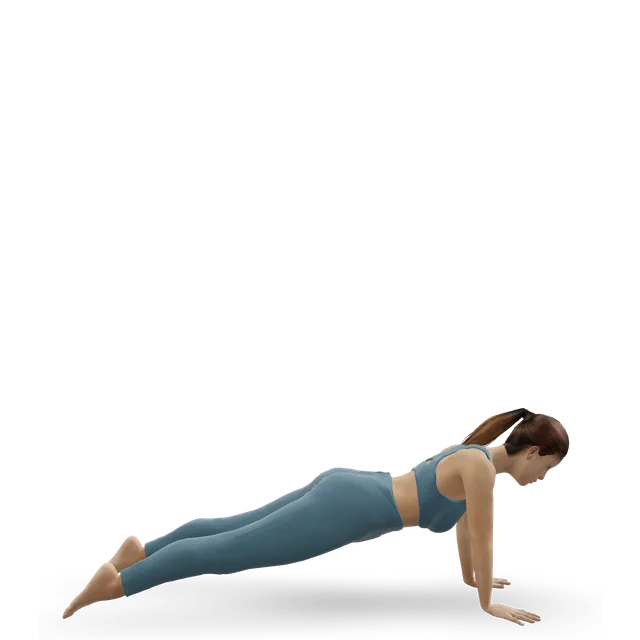 3D demoUpward-facing dog (Urdhva Mukha Svanasana)Intermediate · No equipmentOn straight arms with the thighs just off the floor and the chest forward between the arms: the strongest of the prone backbends.
Advanced wrist and forearm stretches 14
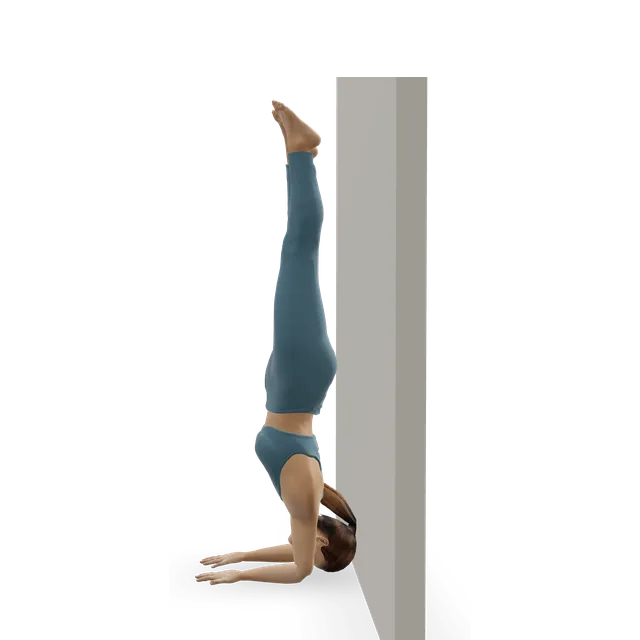 3D demoForearm stand (Pincha Mayurasana)Advanced · A wallFrom dolphin at a wall, the legs float up until the body is upside down on the forearms, the head off the floor.
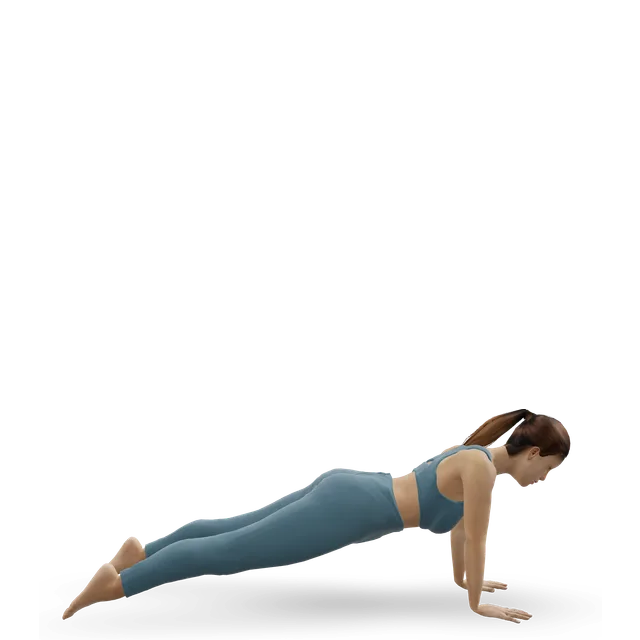 3D demoFour-limbed staff pose (Chaturanga Dandasana)Advanced · No equipmentFrom a plank the body lowers in one line until the elbows are bent to a right angle close to the ribs, and holds: the yoga push-up, which ACE counts among the more advanced arm balances.
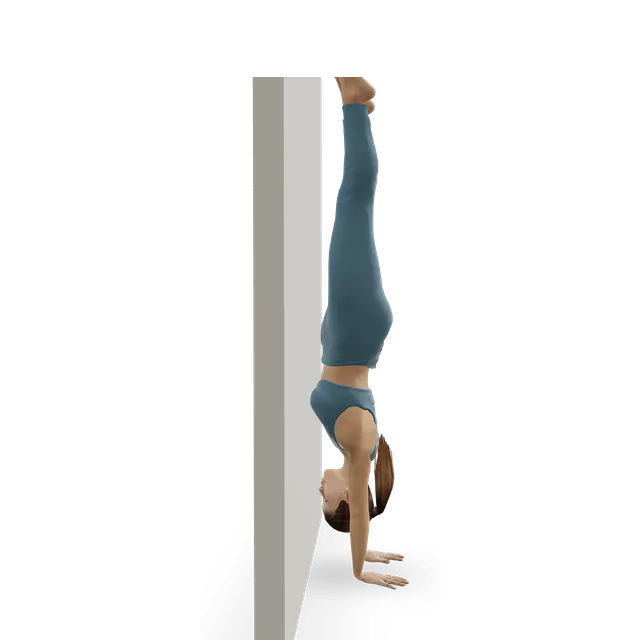 3D demoHandstand at the wall (Adho Mukha Vrksasana, chest to wall)Advanced · A wallFacing the wall, the feet walk up until chest, hips and toes are close to it: the whole body is upside down in one line, the wall only catching the balance.
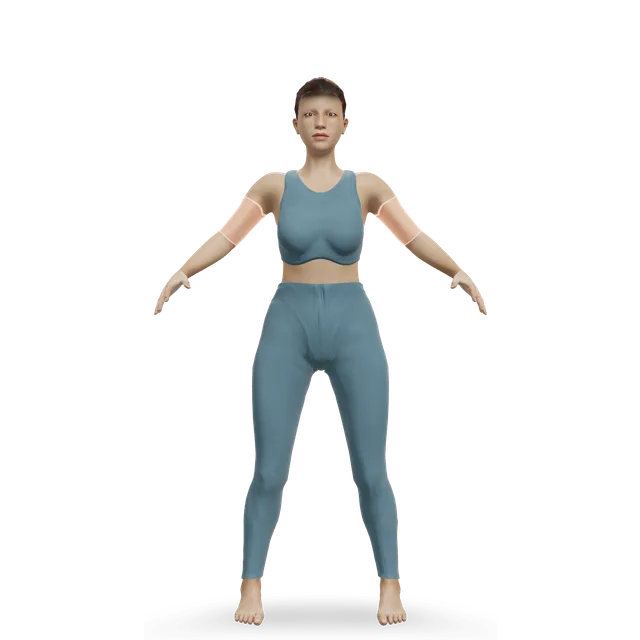 Crane pose (Bakasana, straight arms)Advanced · No equipmentCrow pose with straight arms: the knees tuck high toward the armpits, the hips ride higher over the hands and the upper back rounds as the hands press the floor away.Scale pose (Tolasana)Advanced · A stepSitting in lotus with the palms beside the hips, you press down through straight arms and lift the folded legs and seat off the floor, hanging like the pan of a scale.Side crow (Parsva Bakasana)Advanced · No equipmentFrom a squat with the knees together, you twist until the outside of one thigh rests on the opposite upper arm, bend the elbows to a right angle as in chaturanga and tip forward until both feet lift, the legs stacked out to the side.
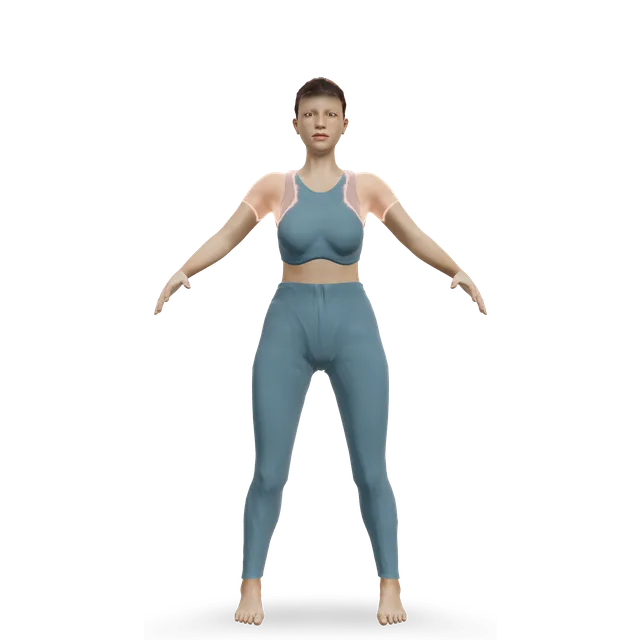 Wild thing (Camatkarasana)Advanced · No equipmentFrom side plank, you step the top foot over and behind you onto the floor, lift your hips and let your chest arch toward the ceiling, the free arm reaching past your ear.
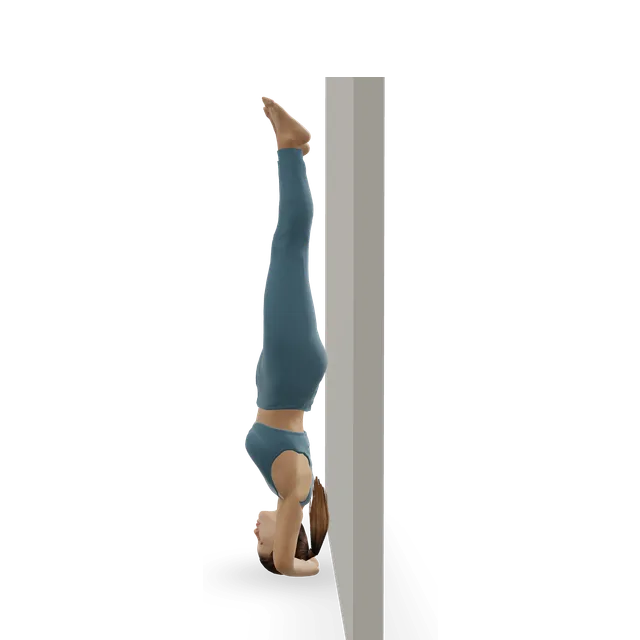 3D demoSupported headstand (Salamba Sirsasana)Expert · A wallThe forearms down with the hands clasped and the crown of the head lightly on the floor: the legs lift until the body stands upside down.Eight-angle pose (Astavakrasana)Expert · No equipmentA sideways arm balance on bent arms: one leg hooks over the same-side upper arm, the ankles cross, and the elbows bend as the chest tips forward until the trunk is level and both straight legs squeeze that arm out to the side.Firefly pose (Tittibhasana)Expert · No equipmentFrom a wide forward fold, the shoulders work behind the knees, the palms land behind the heels and the weight sits back onto straight arms until both legs lift and straighten forward and out.Flying pigeon (Eka Pada Galavasana)Expert · No equipmentFrom standing figure four, the crossed shin hooks high across the upper arms, the elbows bend toward a right angle and the weight tips forward until the standing foot lifts and that leg straightens out behind.Peacock pose (Mayurasana)Expert · No equipmentKneeling with the palms on the floor and the fingers turned back toward you, you bend the elbows into the sides of the belly, lean forward and lift the straight legs until the whole body balances level on the hands like a see-saw.
- Scorpion pose (Vrschikasana) · Expert
- Visvamitra's pose (Visvamitrasana) · Expert
The muscles behind them
Where each muscle is and what it does.
Workouts that use them
- 5-minute desk stretches
- Wrist and forearm routine
- Hand exercises for rheumatoid arthritis (the SARAH programme)
- Grip strength workout: squeezes, curls, carries and hangs
- Climbing warm-up
- Pickleball warm-up
- CrossFit warm-up and mobility routine: shoulders, wrists, hips and ankles
- Gymnastics warm-up: wrists, shoulders, spine, hips and landings
- Skateboarding warm-up: ankles, wrists, landings and how to fall
- Table tennis warm-up
- Snowboarding warm-up: a 10-minute routine for the top of the slope
- Paddling warm-up: shoulders, trunk and wrists before kayaking, canoeing or paddleboarding
- Cheerleading warm-up: wrists, shoulders, spine, hips and landings before stunting
- Scleroderma hand and mouth exercises: a daily stretching routine
- Diving warm-up: wrists, shoulders, spine, hips and take-off jumps on the poolside
- Sailing warm-up: safety checks, legs for hiking, back, shoulders and hands before you launch
- Windsurfing, kitesurfing and wing foiling warm-up: kit checks, mobility and landings on the beach
- Pole dance warm-up: wrists, shoulders, spine, hips and a graded hang before class
- Aerial warm-up: shoulders, wrists, fingers, a graded hang and a tuck before silks, hoop or trapeze
- Massage ball routine: feet, forearms and chest
- Arm release routine: roll, stretch, strengthen
- Yoga for carpal tunnel: a 25-minute wrist-free class with nerve and tendon glides
- Yoga for wrists: a 20-minute class that warms, strengthens and slowly loads the wrists
- Breathe, move and rest: a 30-minute gentle yoga class for rheumatoid arthritis, mostly in a chair, with a flare-day version
- Both-sides yoga for tennis players: a 25-minute class for rotation, shoulders, hips and balance
- Off-the-wall yoga for climbers: a 25-minute class for hips, shoulders, forearms and recovery
- Yoga for boxers: a 25-minute recovery class for shoulders, upper back, hips, hands and breathing, with no weight on your knuckles
- Wrist-free Pilates for carpal tunnel: a 25-minute class with nerve and tendon glides and no weight on your palms
- Grip-light Pilates for tennis elbow: a 25-minute class with a 10-minute forearm loading block
- Wrist-kind Pilates: a 25-minute class on your forearms, with a wrist strength block and steps back onto your hands
- Yoga for tennis elbow: a 25-minute grip-light class with a 10-minute forearm loading block
- Grip-light Pilates for golfer's elbow: a 25-minute class with a 10-minute wrist flexor loading block
- Yoga for gymnasts: a 25-minute control class for wrists, shoulders, the trunk and active range, with no extra stretching
- Yoga for pickleball players: a 25-minute class at a counter for calves, one-leg balance and stepping, standing strength, and the paddle shoulder and forearm, with nothing head-down
- Yoga for CrossFit: a 25-minute recovery-day class for wrists, shoulder blades and the upper back, long, quiet hip holds and slow breathing
- Yoga for skateboarders: a 25-minute class for ankles and one-leg balance, the riding stance, wrists in stages, hips and the back, after skating or on a rest day
- Yoga for golfer's elbow: a 25-minute grip-light class with a 10-minute wrist flexor loading block
- Yoga for the hands: a 20-minute class for stiff fingers, grip and hand-friendly poses
More stretches
Questions people ask
What are good wrist and forearm stretches for beginners?
Start with moves graded easy, such as Doorway chest opener, Elbow bend and straighten (elbow range of motion), Forearm ball roll. There are 17 of them on this page. Each guide links to a harder option for when it starts to feel easy.
Can I do wrist and forearm stretches at home without equipment?
Yes. 33 of the 38 moves here need nothing but your body, a floor, a wall or a step, for example Doorway chest opener, Elbow bend and straighten (elbow range of motion), Kneeling wrist flexor stretch, fingers back.
What are the hardest wrist and forearm stretches?
Moves graded advanced or expert include Supported headstand (Salamba Sirsasana), Eight-angle pose (Astavakrasana), Firefly pose (Tittibhasana). Most have stepping stones; open a guide to see its easier options.
How do I choose the right level?
Pick a move you can do for the planned reps or time with control and a couple of reps in reserve. If it is easy, step up; if your form slips, step down. Every guide shows an easier and a harder option when one exists.
Movement education, not medical advice. Difficulty grades for imported entries are source-assigned and await editorial review. Stop for sharp or increasing pain, numbness or tingling. Health disclaimer.