Yoga flows
Breathe, move and rest: a 30-minute gentle yoga class for rheumatoid arthritis, mostly in a chair, with a flare-day version
A gentle class for rheumatoid arthritis, done mostly in a chair. It follows the shape of the yoga programmes that helped in trials, with breathing and relaxation as well as poses. It starts with slow breathing, moves your hands, wrists, feet and spine while you sit, adds standing poses with a chair for strength and balance, and ends with supported rest. There's no kneeling, no weight on your hands, nothing upside down and no neck circles. On a flare day, do the shorter version in the tips: about 15 minutes. It goes alongside your medicines, never instead. You need a sturdy chair, a table, a soft ball, cushions and a mat or your bed.
A. Arrive and breathe, seated (about 5 minutes)
- Beginner · 3D demoHands on your belly; in for about 4, out for about 6, no holdsEasier: Breath reachHarder: Crocodile breathing (prone diaphragmatic breathing)
- Breath reach5 breathsBeginner · 3D demoSeated (the demo shows it standing): your arms rise as you breathe in, only as high as is comfortableHarder: Slow breathing (6 breaths a minute)
- Seated upper-back lift (sit tall, shoulders back)5 holds of 3 to 5 sBeginner · Back, Shoulders, Neck · 3D demoSit tall, draw your shoulder blades back and lift your breastboneEasier: Elbows backHarder: Prone Y-T-W raises



B. Hands and feet, seated (about 7 minutes)
- Tendon glides (hand tendon gliding exercises)5 of each position, 5 s holdsBeginner · Forearms · 3D demoForearm resting on the table; glide, don't squeezeHarder: Ball squeeze
- Beginner · Forearms · 3D demoForearm resting on a table or your thighEasier: Wrist circlesHarder: Wrist flexor stretch
- Ball squeeze10 squeezes of 2 sBeginner · Forearms · 3D demoAs hard as you comfortably can. Skip it on a flare day or with a hot, swollen handEasier: Tendon glides (hand tendon gliding exercises)Harder: Band finger extension
- Ankle CARs (controlled articular rotations)5 slow circles each way, each ankleBeginner · Calves, Shins · 3D demoOnly the ankle movesEasier: Ankle circlesHarder: Toes-tucked kneeling (toe squat)
- Seated march1 minBeginner · Hip flexors, Quads, Abs · 3D demoHold the sides of the seatHarder: Standing march





C. Spine, seated (about 4 minutes)
- Cat-cow6 slow roundsBeginner · Back, Abs · 3D demoSeated (the demo shows all fours): hands on your knees. Keep it small with osteoporosisHarder: Half lord of the fishes (Ardha Matsyendrasana)
- Thoracic rotation5 each side, 5 s holdsBeginner · 3D demoSeated (the demo shows it standing): arms crossed, hips facing forward, turn smoothlyEasier: Side-lying open bookHarder: World's greatest stretch
- Chin tuck5 holds of 3 sBeginner · Neck · 3D demoSeated (the demo shows it standing): slide your head back gently, with no circlesEasier: Lying chin tuckHarder: Isometric neck holds (four-way)



D. Stand with a chair (about 5 minutes)
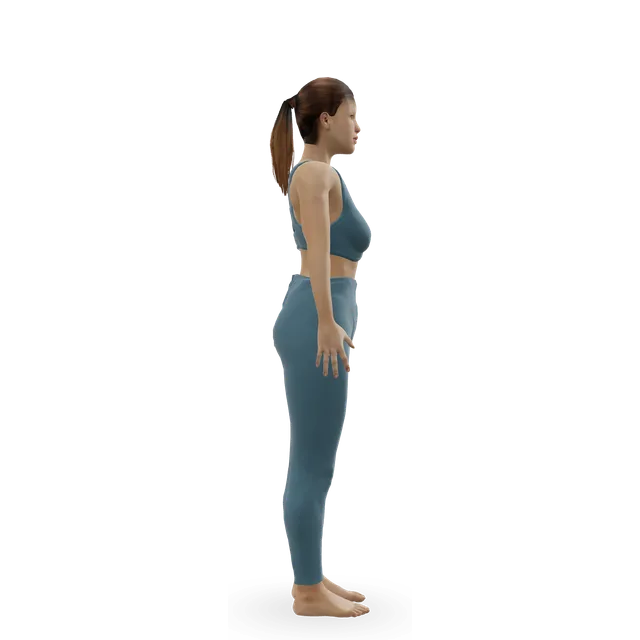
- Mountain pose (Tadasana)5 breathsBeginner · Calves, Back, Abs · 3D demoOne hand on the chair backHarder: Tree pose (Vrksasana)
- Chair pose (Utkatasana)3 holds of 10 to 15 sBeginner · Quads, Glutes, Shoulders · 3D demoA small knee bend, hands on the chairHarder: Revolved chair pose (Parivrtta Utkatasana)
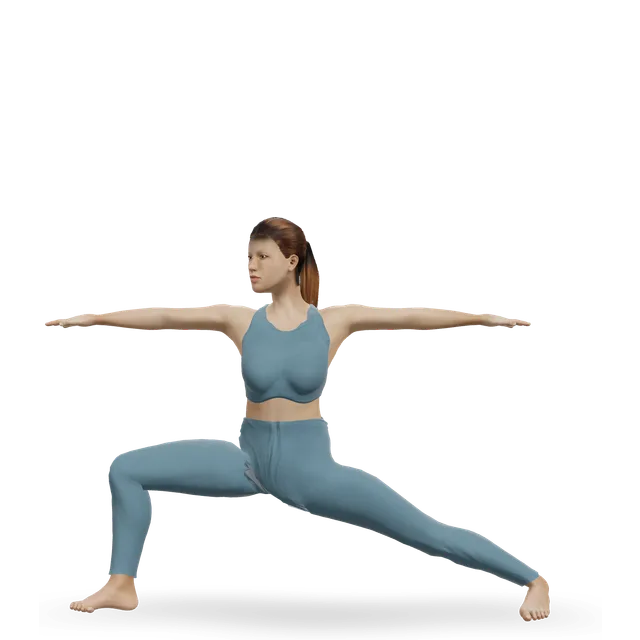
- Warrior II (Virabhadrasana II)3 breaths each sideIntermediate · Quads, Glutes, Adductors · 3D demoShort stance, side-on to the chairEasier: Chair pose (Utkatasana)Harder: Extended side angle (Utthita Parsvakonasana)
- Tree pose (Vrksasana)3 breaths each sideBeginner · Glutes, Hip abductors, Calves · 3D demoHeel at your ankle, toes on the floor; fingertips on the chairEasier: Mountain pose (Tadasana)Harder: Standing hand-to-big-toe pose (Utthita Hasta Padangusthasana)
- Sit to stand from a chair8 to 10 slow repsBeginner · Quads, Glutes, Hamstrings · 3D demoA higher seat and your hands at firstEasier: Sit to stand, pushing on the thighsHarder: Bodyweight squat





E. Breathe and rest (about 9 minutes)
- Beginner · 3D demoSlow rounds with no holds; with a blocked nose, just breathe slowlyEasier: Slow breathing (6 breaths a minute)
- Beginner · Adductors, Chest · 3D demoA cushion under each thigh; on a bed if the floor is hardHarder: Wide-angle seated forward fold (Upavistha Konasana)
- Beginner · 3D demoCushions under your knees and arms, or sit back in the chair



Tips
- On a flare day, do the slow breathing, breath reach, tendon glides and ankle circles gently and within comfort, then block E with 3 minutes of rest: about 15 minutes. In a flare, rest the inflamed joints but keep them moving gently, then build back up.
- Two or three times a week, alongside walking, cycling or swimming and strength work on 2 days a week; give it 8 to 12 weeks, as the trials did.
- Morning stiffness? Do it later in the day, or after a warm shower.
- Some pain when you start is common and isn't a sign of harm if it settles. A hot, swollen joint is different: rest it from strengthening.
- With sore wrists, keep your hands on the chair or your thighs; with sore feet, stand in supportive shoes.
- Get urgent advice the same day for pins and needles, weakness, unsteadiness or clumsy hands, especially with neck pain.
- Never stop or change your rheumatoid arthritis medicines because of exercise or a flare without your team.
The doses are suggested starting points, not a prescription. Choose a range you can control and stop for sharp or increasing pain, numbness or tingling. Get individual advice after an injury or surgery, or if you are pregnant or managing a health condition.
Guides that recommend it
Find more moves like these
More yoga flows
Beginner yoga flow
A 20-minute beginner yoga sequence: mountain, chair, warrior II, triangle, tree, down dog, cobra and child's pose.
20 minBeginner11 movesA step

Sun salutation flow
A 20-minute flow built on sun salutations A and B, with warrior poses and a short cool-down.
20 minIntermediate8 movesNo equipment



Yoga for tight hips
A hip-opening yoga sequence: low lunge, lizard, goddess, pigeon, bound angle and happy baby.
25 minBeginner10 movesA wallQuestions people ask
How long does the breathe, move and rest: a 30-minute gentle yoga class for rheumatoid arthritis, mostly in a chair, with a flare-day version take?
About 30 minutes, including any warm-up and cool-down listed. Shorten it by doing fewer rounds; lengthen it by adding one.
What equipment do I need?
You need: A bench or box, Other / check instructions, Firm cushion. Each move links to its guide, where you can find an alternative if you are missing something.
Is it suitable for beginners?
It is written for beginners. 11 of its 19 moves have an easier option listed beside them if you need one.
How do I make it easier or harder?
Use the easier or harder option listed under each move, change the number of rounds, or adjust the rest. Progress one change at a time.