Two kinds of belly fat
Fat under your skin is the kind you can pinch. Visceral fat sits around your organs, and on scans it predicts heart disease, type 2 diabetes and early death, whatever you weigh.
Training guide
Belly fat comes in two kinds: the fat under your skin that you can pinch, and visceral fat deep inside, around your organs, which is the kind linked to type 2 diabetes and heart disease. You can't burn either off with sit-ups or crunches. What works is the same for both: moving more, especially aerobic exercise such as brisk walking, eating a little less, sleeping 7 to 9 hours and drinking less alcohol.
The numbers on this page are about your health, not your looks. NICE (the National Institute for Health and Care Excellence) advises keeping your waist to less than half your height, and your waist can shrink even when the scales barely move.
This guide explains the two kinds of belly fat, why spot reduction doesn't work, how much exercise trims the waist, what food, sleep, alcohol, stress and the menopause do, how to measure your waist, and the signs that mean seeing a GP.
Fat under your skin is the kind you can pinch. Visceral fat sits around your organs, and on scans it predicts heart disease, type 2 diabetes and early death, whatever you weigh.
Six weeks of ab exercises on 5 days a week didn't change belly fat in 24 adults, adding ab training to a diet did no better than the diet alone, and across 13 studies training one body part didn't take the fat off it.
Across 25 trials, aerobic exercise took about 3 cm off the waist on average, and each extra 30 minutes a week took off about 0.56 cm more, in trials lasting 8 weeks or longer.
Eating less cuts visceral fat too, and takes off more weight; exercise cuts visceral fat even when the scales barely move. Doing both works best.
Adults need 7 to 9 hours' sleep, and short sleep with free access to food added belly fat in a small trial. Alcohol is high in calories, and regularly drinking more than 14 units a week can show on your waistline.
Keep your waist to less than half your height, measured midway between your lowest rib and the top of your hip bone. That's a measure of health, not of how you look.
Subcutaneous fat sits between your skin and your muscles: it's the fat you can pinch, and in most people there's more of it than visceral fat.
Visceral fat surrounds the organs inside your abdomen, and a third kind, ectopic fat, collects in organs such as the liver and heart. Measured on CT (computed tomography) or MRI (magnetic resonance imaging) scans, visceral fat predicts heart and metabolic disease and early death independently of your weight, and fat in the liver and heart may add to the risk.
An international consensus calls waist size a vital sign: it predicts disease beyond body mass index (BMI), and shrinking it is worth doing in its own right. Exercise and eating less shrink the waist with or without weight loss, and changes in waist size track changes in visceral fat.
Source 16
Across 89 studies, visceral fat fell by a bigger share than fat under the skin with every method tested, from diet and exercise to medicines and surgery, but none of them targeted it. Modest weight loss trimmed visceral fat proportionally the most.
Genes play a part: identical twins overfed by the same amount gained visceral fat in similar amounts. NICE says people from South Asian, Chinese, other Asian, Middle Eastern, Black African or African-Caribbean backgrounds are prone to central fat and face health risks at a lower BMI. Around the menopause, fat gain speeds up and visceral fat rises.
NICE uses the waist-to-height ratio alongside BMI for adults with a BMI under 35, with the same bands for women and men of every background: 0.4 to 0.49 is healthy, 0.5 to 0.59 means increased health risks, and 0.6 or more means further increased health risks. In plain words: keep your waist to less than half your height.
A waist of 96.5 cm and a height of 170 cm give a ratio of 0.57 (96.5 divided by 170): increased health risks. Use the same units for both. Our waist-to-height ratio calculator does the sum.
Source 13
As our waist calculators explain, the International Diabetes Federation (IDF) uses 94 cm for Europid men and 80 cm for women, and 90 cm for South Asian, Chinese and Japanese men. NICE and the NHS now use the waist-to-height ratio instead, which has one cut-off for everyone.
For most adults a BMI of 25 to 29.9 is overweight and 30 or more is obese; for people from South Asian, Chinese, other Asian, Middle Eastern, Black African or African-Caribbean backgrounds the cut-offs are 23 and 27.5. BMI can't tell muscle from fat, which is why the waist is measured too.
They weigh you accurately but estimate body fat poorly: three smart scales were 2.2 to 4.4 kg of fat out against a scan, and 15 devices read from 3.5 points too low to 11.7 points too high. NICE says not to use them instead of BMI, and we found no study checking their visceral fat readings. Use a tape measure.
These numbers are about your risk of type 2 diabetes, heart disease and other conditions, not about how your stomach looks. The NHS says losing just 5 to 10% of your body weight can improve your health.
Source 22
Steps from the NHS and NICE; standing straight and measuring every 2 to 4 weeks are our editorial suggestions.
In 24 inactive adults, 6 weeks of ab exercises on 5 days a week, with diet held steady, changed neither belly fat nor waist size. In 40 women with overweight or obesity, adding 12 weeks of ab training to a diet took off no more belly fat than the diet alone. Across 13 studies of 1,158 people, training one body part didn't reduce the fat over it; in 104 adults who trained one arm, fat loss on MRI spread across both arms, and in 11 adults who trained one leg for 12 weeks, the fat came off the arms and trunk rather than that leg.
In 16 men, adding 57 minutes of machine crunches and twists to running, 4 days a week for 10 weeks, took about 0.7 kg more fat off the trunk than running alone, with the same total fat loss; the scan couldn't tell visceral fat from fat under the skin. A small circuit trial thinned the fat over the upper belly but not over the trained arm. Neither is a practical plan, and neither has been repeated.
In 117 studies, when weight didn't change, exercise cut visceral fat by about 6.1% against about 1.1% for diet. In 15 studies, aerobic exercise without dieting cut visceral fat on CT scans by more than 30 cm2 in women and 40 cm2 in men within 12 weeks.
In 116 trials of 6,880 adults with overweight or obesity, each extra 30 minutes a week of supervised aerobic exercise took off about 0.52 kg, 0.56 cm of waist and 1.6 cm2 of visceral fat area, fairly evenly up to 300 minutes a week; more than 150 minutes a week at moderate intensity or above was needed for a change that matters for health. In 25 trials, the waist shrank by 3.2 cm on average: 4.2 cm with vigorous exercise and 2.5 cm with moderate.
In 40 trials, eating less cut visceral fat more than exercise did (an effect size of 0.53, against 0.28), with moderate certainty, and diet took off more weight in 117 studies. Exercise's effect grew with the energy it used, and calorie for calorie it cut visceral fat more than dieting.
On its own, strength training trimmed body fat by about 1.5 percentage points across 58 studies, with a small effect on visceral fat in healthy adults. But in 35 trials it didn't significantly reduce visceral fat; in 84 trials it helped men and people under 40% body fat, but not women or people at 40% or more; and in an 8-month trial, aerobic training cut visceral and liver fat while strength training cut only the fat under the skin of the belly.
In 119 adults with overweight training for 8 months, aerobic and combined training took off more weight and fat, while strength and combined training added more lean mass. Doing both, as the guidelines ask, keeps your muscle while you lose fat.
In 39 studies, high-intensity interval training (HIIT) reduced total, belly and visceral fat, with running doing more than cycling. But when the energy used was matched, harder exercise didn't add extra waist loss in the trials an international consensus reviewed.
In one inpatient trial, 12 healthy adults allowed only 4 hours in bed for 2 weeks, with free access to food, ate about 308 calories a day more and gained belly fat (about 9%, and about 11% for visceral fat) compared with 9-hour nights. In a 5-year study of 1,107 adults, sleeping 5 hours or less went with more belly fat gain, but only in people under 40. Small, short evidence, but it fits the advice to sleep 7 to 9 hours.
A pint of 5% beer has up to 222 calories and a glass of wine up to 158. In 20,625 adults, beer went with a bigger waist in men, mostly through weight gain everywhere rather than at the belly alone. A review found that drinking more than about 500 mL of beer a day may be linked with belly fat, but the evidence is low quality.
In a lab study of 59 women, those with more central fat produced more cortisol, a stress hormone, under stress, but that kind of study can't show which came first, and no trial we found shows that lowering stress alone shrinks belly fat. A real excess of cortisol, Cushing's syndrome, is a rare medical condition.
Fat gain about doubled from the start of the menopause transition until about 2 years after the last period, while lean mass fell, in a large US cohort; in 156 women, visceral fat rose only in those who became postmenopausal, not just with age. Exercise still works: in 101 trials in postmenopausal women it reduced fat mass, waist size and visceral fat.
In two 18-month diet and activity trials followed up 5 to 10 years later, waist size and belly fat stayed partly lower even in people who had regained all their weight, and each 10% of visceral fat lost went with a 28% lower risk of type 2 diabetes.
Source 42
The guidelines ask for at least 150 minutes a week of moderate activity, such as brisk walking, or 75 of vigorous activity, plus strength work on 2 days. For your waist, more is better, up to about 300 minutes a week. Our weight-loss plan builds from about 90 minutes a week.
Walking, cycling, swimming, running and rowing all count. Intervals save time and work, but they haven't reliably beaten steady exercise when the energy used was matched. If you live with obesity or a heart condition, our weight-loss plan explains the checks to have before hard intervals.
It keeps your muscle while you lose fat. Work all your major muscles, as the guidelines ask, using our full-body workouts and plans.
The NHS suggests aiming to lose 0.5 to 1 kg (1 to 2 lb) a week by eating and drinking fewer calories than you use, being active for 45 to 60 minutes a day, and cutting down on alcohol. Our calories per day calculator turns that into a daily figure, about 600 calories below your needs and never below 1,200.
Source 22
That's what adults need, as the NHS says. Short sleep raised how much people ate in a small trial; our sleep guide covers how exercise helps.
Spread over 3 or more days, as the NHS advises. Alcohol has 7 calories in every gram, and regular drinking above that can show on your waistline.
Source 12
Your waist and visceral fat can shrink even when your weight doesn't change, so the tape tells you more than the scales.
The same approach works: aerobic and combined training did most for fat, and strength and combined training did most for muscle, in 101 trials. Our menopause guide has the detail.
Source 41
The same evidence applies, with each condition's own cautions; our guides to each cover them. With insulin or some other diabetes medicines, more exercise can bring on low blood sugar, as our type 2 diabetes guide explains.
NICE uses lower BMI cut-offs for people from South Asian, Chinese, other Asian, Middle Eastern, Black African or African-Caribbean backgrounds, because central fat raises their risk at a lower BMI. The waist-to-height ratio is the same for everyone.
Source 13
The NHS advises avoiding sit-ups, planks and high-impact exercise to start with and building up from gentle tummy and pelvic floor exercises. Walking is a good start; our postpartum guide covers timing.
Source 44
Body weight alone isn't a reason for a medical check before you start walking or lifting; chest pain, breathlessness or dizziness when you're active, or known heart, kidney or metabolic disease, are, as our weight-loss plan explains. Low-impact options count just as much.
In trials lasting 8 weeks or more, aerobic exercise took a few centimetres off the waist (about 3 cm on average), more with more minutes and with eating less. The NHS aims for 0.5 to 1 kg of weight a week when you're eating less. Nobody can promise how fast your belly in particular will shrink.
Exercise trimmed the waist and visceral fat even without weight loss, so measure your waist every 2 to 4 weeks rather than judging by your weight alone.
Visceral fat lost in lifestyle trials stayed partly lower 5 to 10 years later, with a lower risk of type 2 diabetes.
Source 42
There's no belly fat workout: these train your whole body, which is what shrinks the belly. Start with walking and easy cardio, add two strength sessions a week, and save hard intervals for when you're used to exercise.
A 10-minute routine for straight after a meal: an easy walk, a few simple standing moves from blood sugar trials, then a short walk to finish.
10 minBeginner6 movesCardio machine, A bench or boxA steady 30 to 45 minute cardio session at talk-but-not-sing pace: walk, cycle, row or cross-train, counting toward weekly activity guidelines.
40 minBeginner3 movesCardio machine, A wallA 25-minute standing cardio circuit with no jumping: marching, step jacks, sit-to-stands, punches, step-ups and wall push-ups, with a seated option for most moves.
25 minBeginner9 movesA bench or box, A stepA 45-minute session for weight loss and health: a 20-minute brisk walk, which does more for the scales, then a short-rest Pilates circuit for strength.
45 minBeginner11 movesCardio machineA 25-minute walk with short faster bouts: notice your heart and breathing speed up, then settle. A gentle way to get used to the feelings of effort.
25 minBeginner5 movesCardio machine, A wallA 50-minute walk with hills, outdoors or on a treadmill slope: brisk on the flat, slower on the climbs, building from gentle slopes to about 6%.
50 minBeginner5 movesCardio machine, A stepStrength moves first, then 20 to 30 minutes of steady cardio, with glucose checks built in. In one small type 1 diabetes trial, weights first kept glucose steadier.
45 minBeginner11 movesA dumbbell, A bench or boxA 20-minute full-body dumbbell workout: two supersets of squats, rows, Romanian deadlifts and push-ups. Twice a week covers the minimum dose.
20 minBeginner8 movesA dumbbell, A bench or boxA 25-minute interval session on a bike or rower: one-minute hard efforts with two minutes easy, building from 4 to 8 rounds.
25 minIntermediate1 movesCardio machineA 20-minute no-equipment HIIT workout: jumping jacks, jump squats, mountain climbers, burpees, skips and bear crawls.
20 minIntermediate10 movesNo equipmentThe weight-loss plan is the main one: three strength days, two cardio days and daily steps over 12 weeks. The walking plan builds to 150 minutes a week from very little.
A 12-week workout plan for weight loss: three strength days, two cardio days and daily steps, building to 200 minutes a week, with honest results.
3 training days45 minBeginner6 days a weekA free 8-week walking plan for beginners: build to 150 minutes of brisk walking a week, with intervals, hills and two short strength sessions.
6 training days40 minBeginner3 days a weekA 9-week beginner plan with the same walk-to-run shape as Couch to 5K: three run-walk sessions a week, from 1-minute jogs to 30 minutes of running.
3 training days35 minBeginner7 days a weekA full week that mixes intensities: three strength days, two cardio days, a mobility day and an easy day, never seven hard days.
3 training days45 minBeginner3 days a weekThree full-body home workouts a week with dumbbells or no equipment at all, plus walks and an 8-week plan to keep progressing.
3 training days35 minBeginner3 days a weekA weekly plan for women over 50: strength, bone-loading and balance on 3 days plus walking, built on UK osteoporosis consensus advice.
3 training days45 minBeginnerWhole-body moves, not ab moves: aerobic ones for your weekly minutes, and strength moves for two sessions a week, as in our 20-minute strength workout. Indoor rowing has its own dose on its move page.
 3D demoTreadmill walkingBeginner · Cardio machine
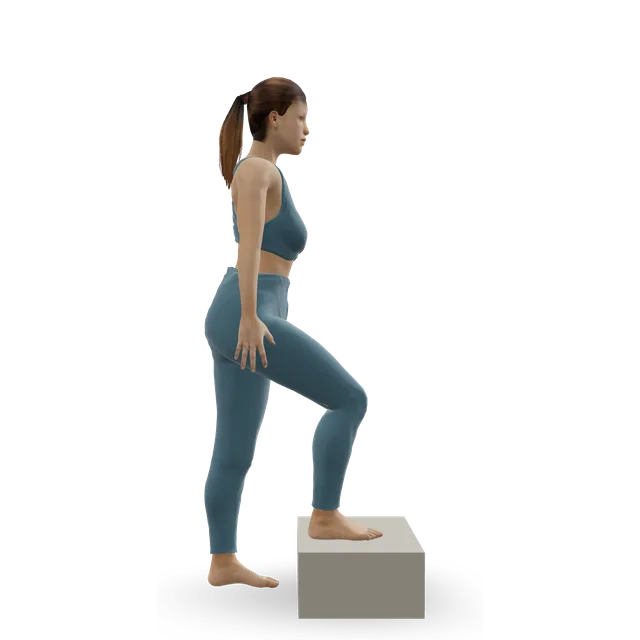 3D demoStair climbingIntermediate · A step
 3D demoStationary cyclingBeginner · Cardio machine
 3D demoIndoor rowing (rowing machine)Beginner · Cardio machine
 3D demoTreadmill joggingIntermediate · Cardio machine
 3D demoDumbbell goblet squatIntermediate · A dumbbell
 3D demoDumbbell Romanian deadliftIntermediate · A dumbbell
 3D demoPush-upIntermediate · No equipment
 3D demoSupported single-arm dumbbell rowIntermediate · A dumbbell + A bench or box
 3D demoStep-upBeginner · A step
 3D demoFarmer's carryIntermediate · A dumbbell + A kettlebell
If you have bloating with a swollen stomach and a stomach ache that is severe and came on very suddenly, you're vomiting blood or your vomit looks like ground coffee, or you have severe difficulty breathing. Don't drive yourself to A&E. During exercise, stop and get help for chest pain or pressure, unusual breathlessness, dizziness or fainting, as our plans advise.
Source 45
If you have bloating with being sick, diarrhoea or constipation, or with a stomach ache; a high temperature, or you feel hot, cold or shivery; a swelling or lump in your tummy; or you can't pee, poo or fart. In the US, contact your doctor or urgent care.
Source 45
If you feel bloated regularly, or have bloating with weight loss you can't explain or blood in your poo: the NHS says bloating that doesn't go away can sometimes be a sign of something more serious, such as ovarian cancer, whose symptoms include a swollen tummy or feeling bloated roughly 12 or more times a month. If you're losing weight without trying: it "can be a sign of stress or a serious illness. See a GP just in case." And if fat is building up on your tummy, neck and upper back while your arms and legs look thin, with a red, round face or stretch marks, especially on long-term steroid medicines: this can be Cushing's syndrome.
The NHS suggests seeing a GP if your BMI is in the overweight or obese range and you want help to lose weight, your waist is more than half your height, or you have conditions such as diabetes, high blood pressure or sleep apnoea.
Source 22
If your bottom, thighs and lower legs (sometimes your arms) are out of proportion with the rest of your body, feel painful, tender or heavy, and bruise easily, ask your GP about lipoedema, as our weight-loss guide explains.
The NHS lists spending a lot of time worrying about your weight and body shape, eating very little food, exercising too much, and having very strict habits or routines around food among the signs of an eating disorder, and says to see a GP as soon as you can. Beat adds exercising to make up for eating, in secret or when ill or injured. Beat's helpline in England is 0808 801 0677, and our eating disorders guide has the other numbers.
Crunches, twists and ab gadgets didn't shrink belly fat in trials, and training one body part didn't take the fat off it across 13 studies. Fat comes off your whole body.
Both work: diet takes off more weight, and exercise cuts visceral fat even without weight loss, more so the more you do.
It trims body fat a little and keeps your muscle, but aerobic exercise has more consistent effects on visceral fat. Do both.
Intervals work, but steady exercise works too, and when the energy used was matched, intensity didn't add extra waist loss.
Across 89 studies, no diet, exercise, medicine or surgery targeted visceral fat; it fell along with fat everywhere else.
Source 15
Cortisol and central fat went together in a small lab study, but no trial shows that lowering stress alone shrinks belly fat. A real cortisol excess, Cushing's syndrome, is rare and needs a GP.
Exercise shrank the waist and visceral fat with or without weight loss. Measure your waist.
Visceral fat can't be seen or pinched, and NICE says BMI isn't a direct measure of central fat. Your waist-to-height ratio says more about your health than how your stomach looks.
Move more, eat a little less, sleep well and drink less alcohol. Aerobic exercise has the strongest evidence for belly and visceral fat, eating less takes off more weight, and doing both works best. Strength training on 2 or more days keeps your muscle while you lose fat.
No. Six weeks of ab exercises on 5 days a week didn't change belly fat or waist size in 24 adults, and adding ab training to a diet did no better than the diet alone. They strengthen the muscle under the fat.
Not with ordinary exercise: across 13 studies, training one part of the body didn't take more fat off it. One small trial found a little extra trunk fat loss with 57 minutes of ab machine work 4 days a week, which isn't a practical plan.
It's the fat inside your abdomen, around your organs, as opposed to the fat under your skin that you can pinch. It's the more harmful kind: on scans it predicts heart disease, diabetes and early death. You can't see or feel it, but your waist size reflects it.
The one you'll do most often: aerobic exercise such as brisk walking, cycling, swimming or running has the strongest evidence, and more minutes take off more. Intervals work too and save time, but they haven't reliably beaten steady exercise when the energy used was matched. Keep 2 strength sessions a week as well.
In 25 trials, regular aerobic exercise took about 3 cm off the waist on average, more with more minutes and with eating less. The NHS suggests aiming to lose 0.5 to 1 kg a week when you're cutting calories. Measure your waist every few weeks, because it can shrink while the scales barely move.
NICE's advice is to keep your waist to less than half your height, for women and men of every background with a BMI under 35. A waist-to-height ratio of 0.5 to 0.59 means increased health risks, and 0.6 or more means further increased risks. These numbers are about your health, not how you look.
Fat comes off the whole body, often slowly from the belly, and the scales can lag behind real change. Check your waist rather than your weight, build your weekly activity, keep a small calorie cut, and look at sleep and alcohol. If your tummy is swollen or bloated and it doesn't go away, or you're losing weight without trying, see a GP.
Women with more belly fat produced more cortisol under stress in one study, but no trial shows that lowering stress alone shrinks belly fat. A real excess of cortisol, Cushing's syndrome, is rare and most often caused by long-term steroid medicines: it puts fat on the tummy, neck and upper back with thin arms and legs, so see a GP if that sounds like you.
Fat gain speeds up around the menopause, and more of it goes to the belly as visceral fat. Exercise still works: in 101 trials in postmenopausal women, it reduced fat, waist size and visceral fat. Our menopause guide has the detail.
Alcohol is high in calories, and the NHS says regularly drinking more than 14 units a week can show on your waistline. Studies of the beer belly found beer mostly adds weight everywhere rather than just at the belly.
They estimate it, and they estimate body fat poorly: smart scales were several kilos of fat out against a scan. A tape measure and your waist-to-height ratio are what NICE uses.
Exercise education, not a personal prescription, and clinical review of these guides is pending. Check with a GP before starting hard training if you have a heart condition, chest pain, dizziness or breathlessness when active, and stop for sharp or increasing pain. Health disclaimer.