Exercise guide

Exercise for prediabetes: how much activity and weight loss lower your risk of type 2 diabetes

Prediabetes, sometimes called borderline diabetes or non-diabetic hyperglycaemia, means your blood sugar is higher than normal but not high enough to be diagnosed with diabetes. It's a warning, and a chance: unlike type 1 diabetes, type 2 diabetes may be prevented. In large trials, programmes that combined more activity with modest weight loss cut new cases of type 2 diabetes by more than half, and the difference was still there 20 to 30 years later.

Being more active helps even if the scales barely move, though the biggest effects came when it was combined with changes to eating and some weight loss. Prediabetes can go back to normal, but it can also creep back.

This guide covers what the prevention trials found, how much exercise to do, walking after meals, strength training, how much weight loss helps, the free National Health Service (NHS) Diabetes Prevention Programme in England, and the symptoms that mean you should see a general practitioner (GP).

The short version

Prediabetes is a warning, and it can go back to normal

In the UK, prediabetes means an HbA1c (a blood test of your average blood sugar over the past 2 to 3 months) of 42 to 47 mmol/mol, or a fasting blood sugar of 5.5 to 6.9 mmol/L. It usually has no symptoms, and Diabetes UK says it affects around 1 in 12 people. Blood sugar can go back to the normal range.

Sources 1, 2, 3

Lifestyle programmes prevent type 2 diabetes

In the US Diabetes Prevention Program (3,234 people), 150 minutes a week of activity plus 7% weight loss cut new cases of diabetes by 58% over about 3 years, and a Finnish trial found the same. Twenty-one years on, the US lifestyle group still had 24% less diabetes.

Sources 4, 5, 6

Activity counts, even if the scales don't move much

In the US trial, people who met the activity goal but not the weight goal had 44% less diabetes, and in a Chinese trial, exercise on its own cut it by 46%. But a Cochrane review rates the evidence for activity on its own as very low quality: the clearest benefit comes from combining it with changes to eating and weight loss.

Sources 7, 8, 9

How much

At least 150 minutes a week of moderate activity, such as brisk walking, over at least 3 days (the American Diabetes Association), plus strength exercises on at least 2 days (NHS); strength training cut new cases of diabetes in a 2-year trial. If you're overweight, aim to lose 5% to 7% of your weight; Diabetes UK says smaller losses help too.

Sources 10, 11, 12, 13

Walk after meals, and break up sitting

Walking soon after eating lowers the rise in blood sugar, and walking before the meal doesn't. In older people at risk, three 15-minute walks after meals beat one 45-minute walk for blood sugar after dinner. The American Diabetes Association advises getting up at least every 30 minutes.

Sources 14, 15, 16

Ask about the NHS programme, and know the symptoms

In England, ask your GP practice about the free 9-month NHS Diabetes Prevention Programme: referral was linked with 20% fewer people going on to type 2 diabetes. See a GP if you get symptoms of diabetes, such as feeling thirsty all the time, peeing more than usual or losing weight without trying.

Sources 13, 17, 18

What prediabetes means

Higher than normal, below diabetes

The NHS says prediabetes means your blood sugar is higher than normal but not high enough to be diagnosed with diabetes, and that you're at higher risk of getting diabetes in the future; unlike type 1 diabetes, type 2 diabetes may be prevented. Behind it is usually insulin resistance: your muscles, fat and liver don't respond well to insulin, and over time your pancreas can't keep up. Diabetes UK also calls it borderline diabetes, and the National Institute for Health and Care Excellence (NICE) calls it non-diabetic hyperglycaemia.

Sources 18, 19, 20, 2, 1

The numbers

Prediabetes is found with a blood test:

  • UK (NICE): an HbA1c of 42 to 47 mmol/mol (6.0% to 6.4%), or a fasting blood sugar of 5.5 to 6.9 mmol/L. Type 2 diabetes starts at an HbA1c of 48 mmol/mol (Diabetes UK).
  • US (the American Diabetes Association): an HbA1c of 5.7% to 6.4% (39 to 47 mmol/mol), a fasting blood sugar of 100 to 125 mg/dL (5.6 to 6.9 mmol/L), or 140 to 199 mg/dL two hours into a glucose tolerance test.

Sources 1, 2, 21, 20

How common it is

Diabetes UK says it affects around 1 in 12 people. In the US, about 97.6 million adults had prediabetes in 2021.

Sources 2, 20

Who's more likely to get it

The NHS says you're more at risk of type 2 diabetes if you're white and over 40, or over 25 with a South Asian, Chinese, Black African or Black Caribbean background; if a parent, brother or sister has it; if you're overweight and not very active; or if you have a condition such as high blood pressure. The US National Institute of Diabetes and Digestive and Kidney Diseases adds gestational diabetes or a baby who weighed over 9 lb (4.1 kg), polycystic ovary syndrome (PCOS), sleep apnoea, smoking and some medicines.

Sources 18, 20

What happens next

Not everyone with prediabetes gets type 2 diabetes. In the high-risk group in the US trial, 29% did within 3 years without help. Risk is lower later in life: among people in their 70s, 8% to 9% went on to diabetes over 6 years, and going back to normal was more common. The American Diabetes Association says prediabetes is also linked with a higher risk of heart and circulation problems.

Sources 4, 20, 10

Testing

NICE recommends a blood test at least once a year if you're at high risk, with a weight check and a review of any lifestyle changes. In England, the NHS offers a free health check to people aged 40 to 74 without a known health condition.

Sources 1, 18

It can go back to normal

Diabetes UK says it's possible to reverse prediabetes, meaning an HbA1c back below 42 mmol/mol, but that it doesn't go away on its own and blood sugar can creep back up. In the US trial, getting back to normal even once was linked with a lower risk of diabetes later.

Sources 3, 13, 10

What the evidence says

Lifestyle programmes prevent type 2 diabetesStrong evidence

In the US Diabetes Prevention Program, 3,234 people at high risk had a lifestyle programme, metformin or a dummy pill. The programme, aiming for 7% weight loss and 150 minutes of activity a week, cut new diabetes by 58% over 2.8 years, against 31% for metformin: about 7 people needed it for 3 years to prevent one case. In the Finnish Diabetes Prevention Study (522 people), 11% of the lifestyle group had diabetes after 4 years, against 23% of the others.

Sources 4, 5

Diet and activity togetherStrong evidence

In a Cochrane review, programmes combining diet and physical activity cut type 2 diabetes from about 26% to 15% (11 trials, 4,511 people; moderate-certainty evidence).

Source 9

Exercise on its own: less certainMixed evidence

In the Chinese Da Qing study (577 people), clinics offering exercise alone cut diabetes by 46% over 6 years, diet alone by 31% and both by 42%; it was one trial, randomised by clinic. In the US trial, people who missed the weight goal but met the activity goal had 44% less diabetes. In another US trial of 237 people, 6 months of brisk walking alone improved how the body handled sugar almost as much as a diet and exercise programme. But Cochrane found no firm evidence that activity alone prevents type 2 diabetes, on very low-quality evidence from 2 trials.

Sources 8, 7, 22, 9

The benefit lasts, though it fadesStrong evidence

Twenty-one years on, the US lifestyle group still had 24% less diabetes, with a median 3.5 more years free of it, though there was no clear overall effect on heart or small blood vessel problems. In Finland, diabetes was 43% lower over 7 years, and 36% lower in the years after the counselling stopped. Thirty years after the Chinese study, the lifestyle groups had 26% fewer heart and circulation problems, 26% fewer deaths, and lived about 1.4 years longer.

Sources 6, 10, 23, 24, 25

Weight loss drives most of itStrong evidence

In the US trial's lifestyle group, each kilogram lost cut the risk of diabetes by 16%. Weight loss explained most of the benefit, and activity added to it.

Source 7

More activity, lower riskStrong evidence

In 28 cohort studies, 150 minutes a week of moderate activity went with 26% less type 2 diabetes, and 300 minutes with 36% less, with the biggest gains at low levels. These studies show a link, not proof of cause, but the pattern is consistent.

Source 26

Strength trainingEmerging evidence

In a 2-year trial in China (137 people analysed, average age 59), supervised strength, aerobic or combined training 3 times a week for an hour left 21% to 26% with diabetes, against 69% of the group that didn't exercise. That's one trial, and 69% of a control group getting diabetes in 2 years is unusually high, so the size of the effect is uncertain. In 32,002 US men followed for 18 years, 150 minutes or more of weight training a week went with 34% less type 2 diabetes.

Sources 12, 27

Exercise alone improves blood sugar modestlyMixed evidence

Across 15 trials (775 people), strength training lowered fasting blood sugar by about 0.4 mmol/L (6.7 mg/dL), with no clear change in HbA1c, on low-certainty evidence. Across 12 exercise programmes, blood sugar 2 hours into a glucose tolerance test improved by about 6% on average. A network analysis of 13 studies found aerobic training best for HbA1c and combined training best for fasting blood sugar.

Sources 28, 29, 30

After meals and breaks from sittingEmerging evidence

Across 8 crossover trials (116 people), exercise after a meal lowered the rise in blood sugar and exercise before it didn't. In 10 inactive people over 60 with raised fasting blood sugar, three 15-minute walks after meals and one 45-minute walk both improved blood sugar over 24 hours, and the after-meal walks lowered it more after dinner. In type 2 diabetes, a 10-minute walk after each main meal lowered blood sugar after eating 12% more than one 30-minute walk a day, and 22% more after dinner. In one-day studies, short walking breaks in long spells of sitting lowered blood sugar after meals by about 17%, and standing breaks by about 10%.

Sources 14, 15, 31, 32

The NHS Diabetes Prevention ProgrammeEmerging evidence

People referred to the programme were 20% less likely to go on to type 2 diabetes than similar people who weren't (18,470 against 51,331), with similar results by age, sex, body mass index (BMI) and deprivation. Type 2 diabetes was about 6% lower than expected in the first areas to offer it, and the full evaluation found the programme highly likely to be cost-effective. These studies are observational, not trials.

Sources 17, 33, 34, 35

Where medicines fitStrong evidence

Metformin was less effective than the lifestyle programme in the US trial (31% against 58%). NICE says to use judgement about metformin if blood tests get worse despite lifestyle changes or someone can't take part, particularly with a BMI over 35, and that lifestyle change can be more effective than medicines. The American Diabetes Association says weight loss injections based on GLP-1 (glucagon-like peptide 1) should be considered for weight management with overweight or obesity, but there are no long-term data on any medicine other than metformin for preventing type 2 diabetes on its own.

Sources 4, 1, 10

How much exercise

Aim for 150 minutes a week

The American Diabetes Association advises at least 150 minutes a week of moderate activity, such as brisk walking: in the US trial, spread over at least 3 days, in sessions of 10 minutes or more. UK guidelines say 150 minutes of moderate activity or 75 of vigorous activity a week, plus strength exercises on 2 days, and less time sitting.

Sources 10, 11

Moderate is enough

Moderate means you can talk but not sing. In the US trial of 237 people, moderate walking improved how the body handled sugar, while the same amount of vigorous exercise improved it only slightly, so harder isn't better. Interval training is optional: it lowered fasting blood sugar a little in one review.

Sources 11, 22, 28

Strength, 2 to 3 times a week

UK guidelines say strength exercises on 2 days, and the American Diabetes Association says a prevention plan can include them. Our editorial starting point: 2 to 3 sessions a week, 1 to 3 sets of 8 to 12 on the main muscle groups, stopping with a few reps to spare. The trial that cut new diabetes used an hour of supervised training 3 times a week.

Sources 11, 10, 12

Steps

If you count steps, 7,000 or more a day is a reasonable aim (our suggestion): in a large review, 7,000 a day went with 14% less type 2 diabetes than 2,000, on moderate-certainty evidence.

Source 36

Start where you are

NICE says even small increases in activity help and can be built on. The American College of Sports Medicine says most people without symptoms, or heart, metabolic or kidney disease, can start light to moderate exercise without a medical check first. The NHS suggests speaking to your GP first if you haven't exercised for some time or have a health condition.

Sources 1, 37, 11

How long until you see a difference

Think in months and years, not weeks. Diabetes UK says aiming to reverse prediabetes within 3 months is unlikely to be realistic. In the trials, the difference showed within the first year and lasted for years, and your yearly blood test will show how you're doing.

Sources 3, 4, 5, 1

Walking after meals and breaking up sitting

After the meal, not before

In crossover trials, exercise after a meal lowered the rise in blood sugar and exercise before it didn't, and starting sooner after eating helped more.

Source 14

10 to 15 minutes after main meals

Our suggestion, from the trials: walk for 10 to 15 minutes after your main meals, starting soon after eating, on top of your weekly total. In older people at risk, 15-minute walks after each meal worked; in type 2 diabetes, 10-minute walks did.

Sources 15, 31

Get up every 30 minutes

The American Diabetes Association advises interrupting long spells of sitting at least every 30 minutes. In one-day studies, a few minutes of light walking every 20 to 30 minutes lowered blood sugar after meals. NICE suggests a walk at lunchtime.

Sources 16, 32, 1

Two minutes isn't the whole answer

You may read that a 2-minute walk after eating is enough. That figure comes from studies that repeated short walks through a whole day of sitting; the after-meal walks that have been tested last 10 to 15 minutes.

Sources 32, 31

Strength training

It counts alongside cardioEmerging evidence

In the 2-year Chinese trial, strength training cut new diabetes about as much as aerobic training, and in a large US study, men who did weight training had less type 2 diabetes. The American Diabetes Association says a prevention plan can include it.

Sources 12, 27, 10

How to start

Our editorial starting point: 2 to 3 sessions a week on days that aren't back to back, working your legs, back, chest and shoulders, 1 to 3 sets of 8 to 12, stopping with a few reps to spare, and adding weight slowly. Bands, dumbbells, machines and body weight all work.

Source 11

With high blood pressure

Our suggestion: breathe out on each effort and don't hold your breath. Our high blood pressure guide explains which moves need care.

Weight loss: how much helps

The targets

If you're overweight, the American Diabetes Association advises losing at least 5% to 7% of your starting weight, with more benefit at 7% to 10%. NICE says 5% to 10% in a year is a realistic first target. Diabetes UK says even 1% to 9% can help lower your average blood sugar, and that not everyone with prediabetes needs to lose weight.

Sources 10, 1, 13

Every kilogram counts

In the US trial, each kilogram lost cut the risk of diabetes by 16%. For someone who weighs 100 kg, 5% to 7% is 5 to 7 kg.

Source 7

Exercise and weight

Exercise on its own usually takes off only a few kilos, as our weight loss guide explains, and the trials that prevented diabetes paired it with changes to eating. The guide also covers keeping your muscle while you lose weight.

Weight loss medicines

The American Diabetes Association says weight loss injections should be considered for weight management with overweight or obesity, but there are no long-term data on them for preventing type 2 diabetes on its own. For people with diabetes on these medicines, it advises strength exercise to help keep muscle. Your doctor decides with you whether you need one; never start or stop a medicine on your own.

Sources 10, 16

The NHS Diabetes Prevention Programme

What it is

Healthier You, the NHS Diabetes Prevention Programme, is a free 9-month programme in England for adults with an HbA1c of 42 to 47 mmol/mol or a fasting blood sugar of 5.5 to 6.9 mmol/L. It covers food, activity and weight, in group sessions or remotely, including online.

Sources 38, 39, 13

How to join

Ask your GP practice to refer you. If you've had gestational diabetes, you can refer yourself. Wales, Scotland and Northern Ireland have their own services, Diabetes UK says.

Sources 13, 40

Does it work?Emerging evidence

Referral was linked with 20% fewer people going on to type 2 diabetes over about 3 years, and fewer new cases across the first areas to offer it. These are observational studies, not trials.

Sources 17, 34, 35

Not everyone finishes

Of 324,699 people referred between 2016 and 2018, 53% went to the first assessment and 19% completed the programme. Those who completed it lost 3.3 kg on average, and their HbA1c fell by about 2 mmol/mol.

Source 38

Walking and cardio

Brisk walking was the trials' main activity: 150 minutes a week over at least 3 days, in sessions of 10 minutes or more (American Diabetes Association), plus 10 to 15 minutes after main meals (our suggestion, from the after-meal trials). The elliptical trainer page's dose is 10 to 20 minutes at a moderate effort to start, building towards 30; the indoor rowing page's is 3 rounds of 4 to 5 minutes at a pace you could hold a conversation at; and the step jack page's is 30 to 45 seconds within a circuit, 2 to 3 rounds. With sore knees, choose the bike, elliptical or swimming.


Strength moves

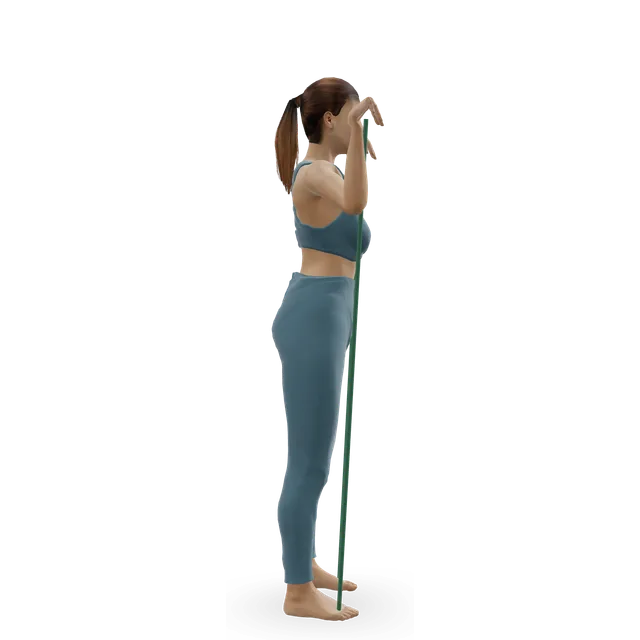
2 to 3 sessions a week: our editorial starting point is 1 to 3 sets of 8 to 12 on the main muscle groups, stopping with a few reps to spare. The band row page's dose is 3 sets of 10 to 15, stopping 2 to 3 reps short of failure. Our suggestion: start with sit-to-stands and wall push-ups and work along the list; the machines suit the gym.

Breaking up sitting

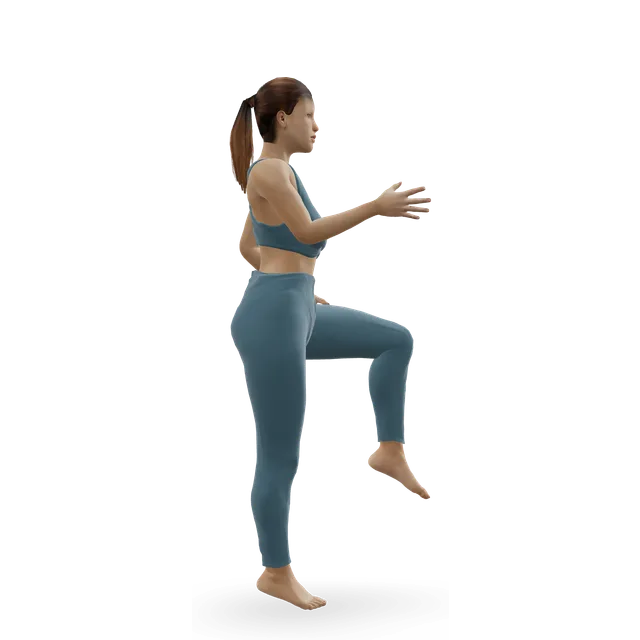
Every 30 minutes of sitting, 1 to 3 minutes of marching or calf raises (our suggestion, from the American Diabetes Association's advice to get up at least every 30 minutes).

Balance, if you're over 60

Next to a counter, a few times a week (our suggestion). The side-stepping page's dose is 10 steps each way, next to a counter (the NHS balance exercises).

Workouts to follow

After meals, the 10-minute walk and move routine; its tips on insulin don't apply to most people with prediabetes. Five easy cardio workouts make 150 minutes a week. For strength, start with the beginner home workout, then the 20-minute strength or band workout 2 to 3 times a week, or the machine workout at the gym. The glucose checks in the weights then cardio workout are for people on insulin. The desk break suits long spells of sitting, and the seniors' workouts suit people over 60.

10-minute walk and move after meals

A 10-minute routine for straight after a meal: an easy walk, a few simple standing moves from blood sugar trials, then a short walk to finish.

10 minBeginner6 movesCardio machine, A bench or box

Easy cardio workout

A steady 30 to 45 minute cardio session at talk-but-not-sing pace: walk, cycle, row or cross-train, counting toward weekly activity guidelines.

40 minBeginner3 movesCardio machine, A wall

Interval walking workout: 3 minutes fast, 3 minutes easy

A 40-minute walk alternating 3 minutes fast and 3 minutes easy, five times over: the interval walking tested in Japanese trials, built up from three rounds.

40 minBeginner3 movesCardio machine, A wall

Incline walking workout: hills or a treadmill slope

A 50-minute walk with hills, outdoors or on a treadmill slope: brisk on the flat, slower on the climbs, building from gentle slopes to about 6%.

50 minBeginner5 movesCardio machine, A step

Easy bike ride: 30 to 75 minutes at a pace you can talk at

A steady bike ride for a first triathlon or fitness: 5 to 10 minutes easy, a ride you can talk through, optional short faster bursts and an easy cool-down.

45 minBeginner4 movesCardio machine, A wall

Beginner home workout

A gentle 20-minute beginner home workout with a chair, a wall and a band: sit-to-stands, wall push-ups, band rows, step-ups and dead bugs.

20 minBeginner11 movesA bench or box, A wall

20-minute full-body strength workout

A 20-minute full-body dumbbell workout: two supersets of squats, rows, Romanian deadlifts and push-ups. Twice a week covers the minimum dose.

20 minBeginner8 movesA dumbbell, A bench or box

Resistance band workout

A full-body resistance band workout: squats, rows, push-ups, presses, pull-aparts, band walks, good mornings and flyes.

30 minBeginner9 movesA band, An anchor point

Full-body machine workout (gym)

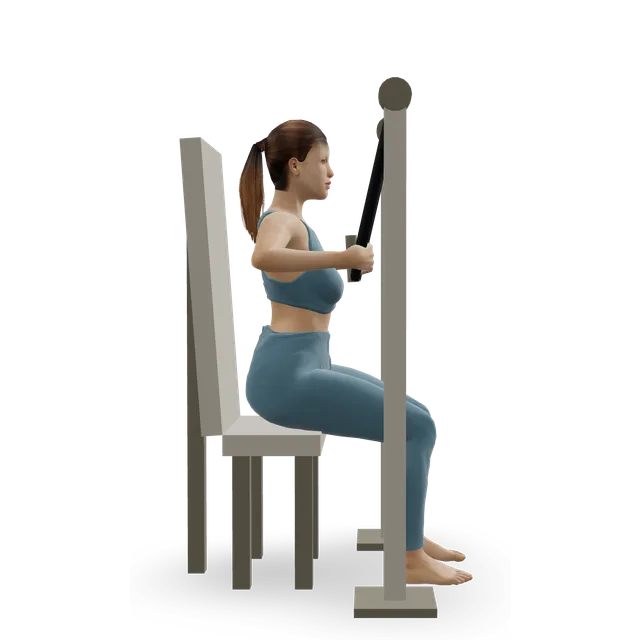
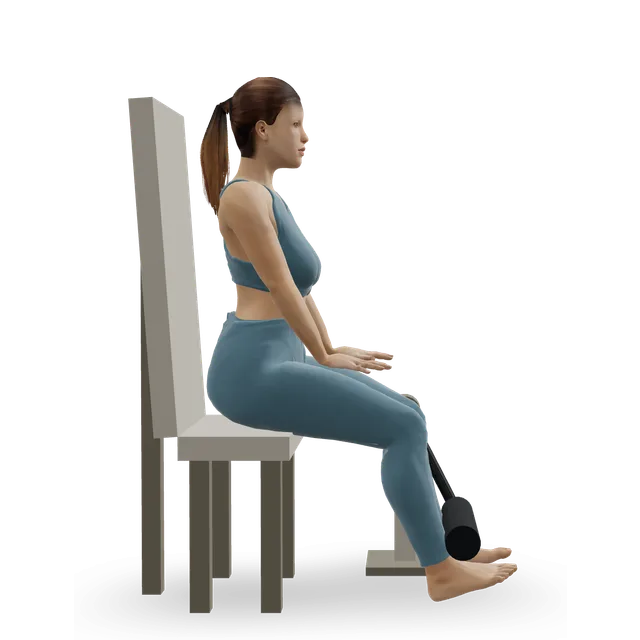
A 45-minute full-body gym workout on machines: leg press, chest press, machine row, leg curl, shoulder press and arms, with sets, reps and rest.

45 minBeginner14 movesCardio machine, A band

Weights then cardio: a steadier-glucose workout

Strength moves first, then 20 to 30 minutes of steady cardio, with glucose checks built in. In one small type 1 diabetes trial, weights first kept glucose steadier.

45 minBeginner11 movesA dumbbell, A bench or box

3-minute desk movement break

A 3-minute standing break to repeat every 30 to 60 minutes at your desk: sit-to-stands, calf raises, marching, an upper-back turn and chin tucks.

3 minBeginner5 movesA bench or box, A wall

Low-impact cardio workout (no jumping)

A 25-minute standing cardio circuit with no jumping: marching, step jacks, sit-to-stands, punches, step-ups and wall push-ups, with a seated option for most moves.

25 minBeginner9 movesA bench or box, A step

Strength and balance exercises for seniors

A 40-minute strength and balance session for over-65s, built from the Otago home programme and NHS exercises, using a chair, a counter and a step.

40 minBeginner18 movesA bench or box, Something with weight

Gym workout for seniors: machine strength training for muscle loss

A 50-minute gym session for older adults and sarcopenia: 7 machines for the legs, chest and back from the UK prescription, then a short balance finish.

50 minBeginner12 movesCardio machine, A bench or box

Swim workout for beginners: lengths, rests and a steady continuous swim

A 30 to 45-minute beginner pool swim: a shoulder warm-up on the side, easy lengths, a main set of repeats with rests, and an easy swim down, any stroke.

35 minBeginner5 movesOther / check instructions

Follow a plan

The walking plan builds to 150 minutes a week in 8 weeks; the beginner and 3-day home plans add strength, and the weight loss plan pairs both.

Prediabetes in your 60s and beyond

It moves more slowly

The American Diabetes Association says that among people with prediabetes in their 70s, 8% to 9% went on to diabetes over 6 years, and going back to normal was more common. The same activity advice applies.

Source 10

Add balance

Our suggestion: add balance exercises to your walking and strength work, as our older adults guide explains.

Sleep and prediabetes

Sleep matters tooEmerging evidence

The American Diabetes Association says sleeping less than 6 hours or more than 9 is linked with up to 50% more type 2 diabetes, including going on from prediabetes, and asks clinicians to check sleep in people with prediabetes. The US National Institute of Diabetes and Digestive and Kidney Diseases lists sleep apnoea as a risk factor for prediabetes. Our sleep and sleep apnoea guides explain more.

Sources 10, 16, 20

Symptoms that need a GP, and urgent help

This is general information, not a diagnosis. In the US, call 911 where this page says 999.

See a GP

See a GP if you have symptoms of type 2 diabetes:

  • feeling very tired
  • peeing more than usual
  • feeling thirsty all the time
  • losing weight without trying to
  • blurred vision
  • cuts or wounds taking longer to heal
  • itching around your penis or vagina, or you keep getting thrush

Source 18

Keep your yearly test

The NHS says not everyone with type 2 diabetes has symptoms, so keep your yearly blood test even if you feel well.

Sources 18, 1

Get urgent help

Adults can get type 1 diabetes too. The NHS says call 999 or go to A&E (accident and emergency) if you've been peeing more, feeling very thirsty and tired, and:

  • your symptoms are getting worse quickly
  • you have stomach pain, diarrhoea, or you're feeling or being sick
  • you're feeling sleepy or confused
  • you're breathing faster and more deeply than usual

Source 41

Why it's urgent

These could be signs of diabetic ketoacidosis, which can be life-threatening. Don't drive yourself to A&E.

Source 41

Chest pain

Call 999 (911 in the US) for chest pain, severe difficulty breathing or someone who collapses during or after exercise. Our heart disease guide lists the signs.

During activity

Get unusual breathlessness, dizziness or a racing or irregular heartbeat during activity checked before you carry on (our suggestion, in line with the American College of Sports Medicine's advice).

Sources 37, 11

Hypos

Metformin and weight loss injections on their own don't usually cause hypos (low blood sugar), and the American Diabetes Association says no routine precautions are usually needed. If you take insulin or a sulfonylurea such as gliclazide for another reason, our type 2 diabetes guide covers hypos.

Source 16

Myths

"Prediabetes always turns into diabetes"Strong evidence

In the highest-risk group in the US trial, 29% got diabetes within 3 years without help. In older people it's slower, and going back to normal is common. The US National Institute of Diabetes and Digestive and Kidney Diseases says not everyone with prediabetes develops type 2 diabetes.

Sources 4, 10, 20

"You have to lose a lot of weight"Strong evidence

The trials aimed for 5% to 7%, and each kilogram lost cut the risk by 16% in the US trial. Diabetes UK says losing 1% to 9% of your weight can help lower your average blood sugar.

Sources 10, 7, 13

"Exercise only helps if you lose weight"Emerging evidence

In the US trial, people who met the activity goal but not the weight goal had 44% less diabetes, and in another US trial, brisk walking improved how the body handled sugar with only a small change in body fat.

Sources 7, 22

"Cardio is what counts; weights are optional"Emerging evidence

In a 2-year trial, supervised strength training cut new diabetes about as much as aerobic training, and weight training went with less type 2 diabetes in a large study of men. The American Diabetes Association says a prevention plan can include it.

Sources 12, 27, 10

"Harder is better"Emerging evidence

In a US trial, moderate walking improved how the body handled sugar more than the same amount of vigorous exercise. Intervals are optional, not required.

Source 22

"You need 10,000 steps a day"Emerging evidence

7,000 steps a day went with 14% less type 2 diabetes than 2,000 in a large review. Any step up from where you are counts.

Source 36

"Two minutes of walking after a meal is enough"Emerging evidence

That figure comes from lab studies that repeated short walks through a day of sitting. The tested walks after meals last 10 to 15 minutes.

Sources 32, 31, 15

"A glucose sensor will tell me if I have prediabetes"Strong evidence

Diabetes UK says a continuous glucose monitor can't diagnose diabetes or prediabetes: only blood tests can. The American Diabetes Association says there isn't enough evidence to use one for screening or diagnosis.

Sources 13, 21

"It runs in my family, so there's no point"Strong evidence

Diabetes UK says that even with a family history of type 2 diabetes, changes to your health habits can help delay or prevent it.

Source 40

Questions people ask

What is the best exercise for prediabetes?

Brisk walking most days, plus strength training 2 to 3 times a week. Walking was the main activity in the trials that prevented type 2 diabetes, and strength training cut new cases about as much as aerobic training in one 2-year trial. The best choice is the one you'll keep doing.

How much exercise do I need for prediabetes?

At least 150 minutes a week of moderate activity, spread over at least 3 days, such as 30 minutes on 5 days, plus strength work on 2 days. More helps: 300 minutes a week went with more protection than 150 in long-term studies. If that's a lot for you now, any increase helps.

Can exercise reverse prediabetes?

It can help: in the US prevention trial, people who met the activity goal without reaching the weight goal had 44% less diabetes, and brisk walking alone improved how the body handles sugar. But the programmes that worked best combined activity with changes to eating and modest weight loss, which together cut new diabetes by more than half.

How much weight do I need to lose to reverse prediabetes?

The trials aimed for 5% to 7% of body weight, for example 5 to 7 kg if you weigh 100 kg, and every kilogram lost lowered the risk. Smaller losses still help, and if you're already a healthy weight, being active and eating well matter more than the scales.

Is walking good for prediabetes, and how many steps should I aim for?

Yes. In one trial, about 18 km a week of moderate walking improved how the body handles sugar almost as much as a full diet and exercise programme. About 7,000 steps a day went with 14% less type 2 diabetes than 2,000. Add strength work for the best results.

Should I walk after eating with prediabetes?

Yes, if you can: walking soon after eating lowers the rise in blood sugar, and walking before the meal doesn't. Our suggestion is 10 to 15 minutes after your main meals, on top of your weekly total.

Is strength training good for prediabetes?

It looks that way. In one 2-year trial, supervised strength training 3 times a week cut new diabetes sharply compared with no exercise, though the control group's diabetes rate was unusually high. In a large study, men who did 150 minutes or more of weight training a week had 34% less type 2 diabetes. Bands, dumbbells, machines and body weight all work.

How long does it take to reverse prediabetes?

There's no fixed time: Diabetes UK says aiming to reverse it in 3 months is unlikely to be realistic. In the trials, the difference showed within the first year and lasted for years, and your yearly blood test will show how you're doing.

What is the NHS Diabetes Prevention Programme?

Healthier You is a free 9-month programme in England for adults with prediabetes, in groups or remotely, covering food, activity and weight. Ask your GP practice to refer you; if you've had gestational diabetes, you can sign up yourself. People referred were 20% less likely to go on to type 2 diabetes.

Do I need to see a GP before I start exercising?

Most people without symptoms can start walking and light to moderate exercise straight away. The NHS suggests speaking to your GP first if you haven't exercised for some time or have a health condition. Get chest pain, unusual breathlessness or dizziness checked before you carry on.

What are the symptoms of prediabetes?

Usually there are none, which is why the blood test matters. Feeling very tired, peeing more than usual, feeling thirsty all the time, losing weight without trying, blurred vision, slow-healing cuts, or itching or repeated thrush can mean type 2 diabetes, so see a GP. If these come on quickly with being sick, tummy pain, fast breathing, drowsiness or confusion, call 999 or go to A&E.

Does prediabetes always turn into type 2 diabetes?

No. Without help, about 3 in 10 people at high risk got diabetes within 3 years in the US trial, but many people never do, and among people in their 70s fewer than 1 in 10 went on to diabetes over 6 years. Getting your blood sugar back to normal, even once, was linked with a lower risk later.

Sources

  1. NICE PH38 · Type 2 diabetes: prevention in people at high risk (2012, last updated 2017)
  2. Diabetes UK · What is prediabetes
  3. Diabetes UK · How to reverse prediabetes
  4. Knowler 2002 · Lifestyle or metformin to prevent type 2 diabetes: the Diabetes Prevention Program, 3,234 people (randomised trial, New England Journal of Medicine; abstract read)
  5. Tuomilehto 2001 · The Finnish Diabetes Prevention Study: 522 people (randomised trial, New England Journal of Medicine; abstract read)
  6. Knowler 2025 · Lifestyle and metformin over 21 years in the Diabetes Prevention Program (long-term follow-up, Lancet Diabetes and Endocrinology; abstract read)
  7. Hamman 2006 · Weight loss, activity and the risk of diabetes in the Diabetes Prevention Program (trial analysis, Diabetes Care)
  8. Pan 1997 · Diet and exercise to prevent diabetes: the Da Qing study, 577 people (cluster randomised trial, Diabetes Care; abstract read)
  9. Hemmingsen 2017 · Diet, physical activity or both to prevent type 2 diabetes: 12 trials (Cochrane review; abstract read)
  10. American Diabetes Association 2026 · Prevention or delay of diabetes: Standards of Care in Diabetes, section 3 (guideline, Diabetes Care)
  11. NHS · Physical activity guidelines for adults aged 19 to 64
  12. Dai 2019 · Two years of supervised strength training in prediabetes (randomised trial, Diabetes/Metabolism Research and Reviews; abstract read)
  13. Diabetes UK · Prediabetes treatments
  14. Engeroff 2023 · Exercise before or after meals and the rise in blood sugar: 8 crossover trials (meta-analysis, Sports Medicine; abstract read)
  15. DiPietro 2013 · Three 15-minute walks after meals against one 45-minute walk in 10 older adults at risk (crossover trial, Diabetes Care; abstract read)
  16. American Diabetes Association 2026 · Facilitating positive health behaviors and well-being: Standards of Care in Diabetes, section 5 (guideline, Diabetes Care)
  17. Ravindrarajah 2023 · Referral to the NHS Diabetes Prevention Programme and type 2 diabetes: 18,470 people referred (matched cohort study, PLOS Medicine; abstract read)
  18. NHS · Symptoms of type 2 diabetes and how it's diagnosed
  19. NHS · What is type 2 diabetes?
  20. National Institute of Diabetes and Digestive and Kidney Diseases (US) · Insulin resistance and prediabetes (reviewed March 2025)
  21. American Diabetes Association 2026 · Diagnosis and classification of diabetes: Standards of Care in Diabetes, section 2 (guideline, Diabetes Care)
  22. Slentz 2016 · Exercise alone against diet plus exercise in prediabetes: 237 people (STRRIDE-PD randomised trial, Diabetologia; abstract read)
  23. Crandall 2025 · The Diabetes Prevention Program and its Outcomes Study (review, Diabetes Care; abstract read)
  24. Lindström 2006 · Lasting effects of the Finnish Diabetes Prevention Study (follow-up study, Lancet; abstract read)
  25. Gong 2019 · 30 years after the Da Qing lifestyle programme (follow-up study, Lancet Diabetes and Endocrinology; abstract read)
  26. Smith 2016 · Physical activity and type 2 diabetes: 28 cohort studies (dose-response meta-analysis, Diabetologia; abstract read)
  27. Grøntved 2012 · Weight training and type 2 diabetes in 32,002 men (cohort study, Archives of Internal Medicine; abstract read)
  28. Bennasar-Veny 2023 · Exercise types and blood sugar in prediabetes: 15 trials (meta-analysis, Frontiers in Endocrinology; abstract read)
  29. Hrubeniuk 2020 · Can exercise meaningfully improve glucose tolerance in prediabetes? (meta-analysis, Scandinavian Journal of Medicine and Science in Sports; abstract read)
  30. Huang 2021 · Exercise types and blood sugar in prediabetes: 13 studies (network meta-analysis, BMC Endocrine Disorders; abstract read)
  31. Reynolds 2016 · Walking after meals in type 2 diabetes: 41 people (crossover trial, Diabetologia; abstract read)
  32. Buffey 2022 · Breaking up sitting with standing or light walking (meta-analysis, Sports Medicine)
  33. Ravindrarajah 2025 · The NHS Diabetes Prevention Programme by age, sex, body mass index and deprivation: 69,801 people (matched cohort study, Diabetic Medicine; abstract read)
  34. McManus 2022 · The NHS Diabetes Prevention Programme and type 2 diabetes across England (observational study, Lancet Regional Health Europe; abstract read)
  35. Bower 2025 · Effectiveness and cost-effectiveness of the NHS Diabetes Prevention Programme: the DIPLOMA evaluation (Health and Social Care Delivery Research; abstract read)
  36. Ding 2025 · Daily steps and health (dose-response meta-analysis, Lancet Public Health; abstract read)
  37. Riebe 2015 · Updating the American College of Sports Medicine's advice on health screening before exercise (consensus statement, Medicine and Science in Sports and Exercise; abstract read)
  38. Valabhji 2020 · Early outcomes of the NHS Diabetes Prevention Programme: 324,699 people referred (service evaluation, Diabetes Care; abstract read)
  39. Healthier You (NHS Diabetes Prevention Programme provider) · Home page
  40. Diabetes UK · Preventing type 2 diabetes after gestational diabetes
  41. NHS · Symptoms of type 1 diabetes

Exercise education, not a diagnosis or treatment plan, and clinical review of these guides is pending. Stop and get advice for chest pain, unusual breathlessness, dizziness or fainting, or new pain, and check with your doctor or midwife first if they have told you to limit activity. Health disclaimer.