Exercise guide

Exercise with gestational diabetes: walking after meals, how much, and staying safe

Gestational diabetes is high blood sugar that starts in pregnancy and usually goes away after the birth. Being active is part of the treatment: exercise lowers your blood sugar, and the National Institute for Health and Care Excellence (NICE) advises regular exercise, such as walking for 30 minutes after a meal. In trials, exercise lowered both fasting and after-meal blood sugar, though whether it changes outcomes for the baby is less clear.

Exercise works alongside the changes to what you eat and, for many women, alongside metformin or insulin. Needing medicine is common, and it isn't a sign that you've failed.

This guide covers walking after meals, with what each guideline suggests, how much and how hard to exercise, strength work that keeps you off your back, exercising on insulin and what to do about a hypo (low blood sugar), the warning signs that mean you should stop and call your maternity unit, and what happens after the birth, when your risk of type 2 diabetes stays higher.

The short version

Being active is part of the treatment

The National Health Service (NHS) says physical activity lowers your blood sugar, so regular exercise can be an effective way to manage gestational diabetes. NICE advises regular exercise from diagnosis, and the 2019 Canadian pregnancy guideline names women with gestational diabetes among those who should be active throughout pregnancy.

Sources 1, 2, 3

Walk after your meals

NICE and the Royal College of Obstetricians and Gynaecologists (RCOG) give walking for 30 minutes after a meal as an example. Diabetes UK suggests 15 to 20 minutes of activity within 30 minutes of a meal, and the American College of Obstetricians and Gynecologists (ACOG) a 10 to 15 minute walk after each meal. Our suggestion: start within about 30 minutes of finishing and walk for 10 to 30 minutes. In a small trial, 20 minutes of walking after each main meal lowered blood sugar through the day.

Sources 2, 4, 5, 6, 7

About 150 minutes a week, plus strength

The NHS suggests at least 150 minutes of moderate activity a week, plus strength exercises on 2 or more days, at a pace where you can talk but not sing. If you weren't active before, start small and build up: Diabetes UK suggests a 15-minute walk that becomes 30 minutes when you feel ready, and RCOG says much the same.

Sources 1, 8, 5, 9

On insulin, plan for hypos

Insulin can make your blood sugar fall too low, and exercise adds to that. NICE advises keeping it above 4 mmol/L (72 mg/dL) and always carrying fast-acting glucose. Check before and after exercise, and agree a plan with your diabetes team. With diet changes alone, or metformin on its own, hypos are uncommon. Never change a dose yourself.

Sources 1, 2, 10, 11

Know when to stop

Stop and call your midwife or maternity unit for bleeding, fluid leaking from your vagina, regular painful contractions, chest pain, dizziness, a headache, or calf pain or swelling. Get help straight away for any change in your baby's movements. Call 999 (911 in the US) if you think it's a life-threatening emergency.

Sources 12, 13, 14

After the birth, the risk carries on

Women who've had gestational diabetes are about 10 times as likely to get type 2 diabetes. Have a blood test 6 to 13 weeks after the birth, then every year. Staying active and keeping to a healthy weight lower the risk, and in England you can sign yourself up to the NHS Diabetes Prevention Programme.

Sources 15, 2, 16, 17

Gestational diabetes in brief

What it is

Gestational diabetes is high blood sugar that develops during pregnancy and usually goes away after the birth. It's most common in the second or third trimester, when your body can't make enough insulin to meet the extra needs of pregnancy: pregnancy hormones make insulin work less well. Diabetes UK says it isn't directly caused by eating too much sugar.

Sources 16, 18

How common it is

Estimates differ. NICE says up to 5% of births are to women with diabetes, about 87.5% of them with gestational diabetes. RCOG says it affects at least 4 to 5 in 100 women in pregnancy, and Diabetes UK about 1 in 8. So somewhere between about 1 in 20 and 1 in 8 pregnancies, depending on the estimate.

Sources 19, 4, 18

Who's more likely to get it

The NHS lists a body mass index (BMI) above 30, a previous baby who weighed 4.5 kg (10 lb) or more, gestational diabetes in a previous pregnancy, a parent, brother or sister with diabetes, South Asian, Black, African-Caribbean or Middle Eastern family origin, being over 40, and weight loss surgery in the past. RCOG adds Chinese family origin, and says that with a BMI of 30 or more, gestational diabetes is three times as likely as with a BMI under 25.

Sources 16, 4, 9

How it's found

If you have a risk factor, you're offered a glucose tolerance test at 24 to 28 weeks: a blood test after fasting, a sugary drink, then another blood test 2 hours later, resting in between. NICE diagnoses gestational diabetes with a fasting level of 5.6 mmol/L or more, or a 2-hour level of 7.8 mmol/L or more. If you've had it before, you're offered testing early in pregnancy too.

Sources 16, 2

Why control matters

Most women with gestational diabetes have healthy pregnancies and babies. If it isn't controlled, it raises the chance of a large baby, induction or a caesarean, too much fluid around the baby, early birth, pre-eclampsia, and low blood sugar or jaundice in the baby after the birth, and rarely stillbirth. NICE says good blood sugar control throughout pregnancy lowers these risks.

Sources 16, 20, 2

How it's treated

In the UK, you start with changes to what you eat and how active you are, with help from a dietitian. If your blood sugar targets aren't met within 1 to 2 weeks, NICE says offer metformin, then insulin if metformin isn't suitable or isn't enough, or insulin straight away if your fasting level is 7.0 mmol/L or more at diagnosis. In the US, the American Diabetes Association prefers insulin as the first medicine. Your team decides with you, and because blood sugar often rises as pregnancy goes on, you may need medicine later even if diet and activity work at first.

Sources 2, 1, 21

Your targets

NICE's targets, if you can reach them without problem hypos: below 5.3 mmol/L before breakfast, and below 7.8 mmol/L one hour after meals (or 6.4 mmol/L two hours after). Your team agrees your own targets with you.

Sources 2, 5

Will I need medicine?

NICE tells women that most with gestational diabetes will need tablets or insulin. The American Diabetes Association says 70% to 85% of people diagnosed in the US can manage with lifestyle changes alone, using different diagnostic criteria. Either way, needing medicine is common, and Diabetes UK says it doesn't mean you've failed.

Sources 2, 21, 5

What the evidence says

Exercise lowers blood sugarEmerging evidence

A Cochrane review of 11 trials with 638 women found that exercise lowered fasting blood sugar by a moderate amount, and blood sugar after meals by a large amount, compared with usual care. Caesarean births didn't differ, and there wasn't enough evidence on the baby's birth weight or health. The trials were small, and their risk of bias was mostly unclear.

Source 22

One session lowers it for a whileEmerging evidence

Across 58 studies of exercise in pregnancy, one session lowered blood sugar by about 1.4 mmol/L in women with diabetes, against about 0.5 mmol/L in women without. The quality of this evidence is very low.

Source 23

Walking after mealsEmerging evidence

In 14 women at about 32 weeks, 20 minutes of interval walking (3 minutes slow, 3 minutes fast) after breakfast, lunch and dinner lowered average daytime blood sugar from 5.53 to 5.31 mmol/L over 4 days. In another small study, walking after a high-carbohydrate meal kept blood sugar lower than sitting. Cycling the evening before didn't change the next morning's meal in 6 women. Outside pregnancy, exercise after a meal lowered the rise in blood sugar and exercise before it didn't. No trial has tested whether walking after meals changes outcomes for the baby.

Sources 7, 24, 25, 26

Strength training and insulin: one trialEmerging evidence

In a trial of 64 women, elastic band training 3 times a week for about 8 weeks meant 7 of 32 needed insulin, against 18 of 32 who didn't train. But in a review of 14 studies, only 1 of the 6 trials that measured it found fewer women needed insulin: this one. In another trial of 32 women, the same number needed insulin overall, though overweight women who trained needed less. A network analysis estimated less need for insulin with strength training, on low-certainty evidence. It may help, but it isn't settled.

Sources 27, 28, 29, 30

Cycling at homeEmerging evidence

In 40 women who weren't active, cycling at home 5 times a week (3 of the sessions supervised) for about 6 weeks lowered blood sugar after meals. Their longer-term average, measured by HbA1c (a blood test of average blood sugar over 2 to 3 months), didn't differ. Almost every session was done, and no harm was reported.

Source 31

Effects on the baby are uncertainMixed evidence

A 2025 review of 24 trials with 3,477 women, 16 of the trials from China, reported fewer caesareans, early births and large babies with exercise, but the trials disagreed so much that the result is uncertain. A 2024 network analysis of 39 trials found that changes to diet, not exercise, drove the baby's outcomes, and a 2022 review found exercise had largely no effect on them.

Sources 32, 30, 28

It's safe for most womenStrong evidence

Trials report no harm from moderate exercise in gestational diabetes, and the Canadian guideline recommends activity for these women. It lists type 1 diabetes that isn't controlled, not gestational diabetes, among the reasons to avoid strenuous exercise. The main risk exercise adds is a hypo if you take insulin.

Sources 3, 31, 28

Diet and medicine carry much of the treatmentStrong evidence

Everyone with gestational diabetes is referred to a dietitian, and NICE found no single diet better than another. Metformin and insulin are added when targets aren't met. Scans and planning the birth protect the baby; exercise is one part of keeping your blood sugar in range.

Sources 2, 33, 30

Walking after meals: when and how long

What each guideline says

The times differ:

  • NICE: exercise regularly, for example walking for 30 minutes after a meal.
  • RCOG: walking for 30 minutes after a meal can help with controlling your blood sugar.
  • Diabetes UK: being active for 15 to 20 minutes within 30 minutes of a meal helps your blood sugar after eating, and try not to sit after a meal.
  • ACOG (US): a 10 to 15 minute walk after each meal, on top of 30 minutes of activity on at least 5 days a week.

Sources 2, 4, 5, 6

Our suggestion

Our suggestion, from these: start within about 30 minutes of finishing your meal and walk for 10 to 30 minutes, at a pace where you can talk. Do it after each main meal if you can, or at least after your biggest. No trial has compared the different times; in the one trial of a set routine, 20 minutes after each main meal lowered blood sugar, and outside pregnancy the rise was smaller when people walked soon after eating.

Sources 5, 7, 26

If walking is hard

Our suggestion: use a static or recumbent bike, do the standing moves in the 10-minute after-meal routine, or march and do calf raises sitting down if standing is hard. These seated options haven't been tested in gestational diabetes, but Diabetes UK says try not to sit after a meal. With pelvic girdle pain, ask your midwife about a physiotherapy referral.

Source 5

See what it does for you

You'll usually test before breakfast and 1 hour after each meal, so your readings show what the walks do. Our suggestion: keep the routine steady so the readings reflect it, and tell your team what you're doing.

Sources 1, 2

How much, and how hard

The weekly amount

The NHS suggests at least 150 minutes of moderate activity a week, plus strength exercises on 2 or more days. ACOG says 30 minutes on at least 5 days, and the Canadian guideline at least 150 minutes over at least 3 days, mixing aerobic and strength exercise. The American Diabetes Association says exercise programmes that helped in trials used 20 to 50 minutes a day, 2 to 7 days a week.

Sources 1, 6, 3, 21, 34

Starting from little

If you're new to exercise, the NHS suggests starting with about 10 minutes a day and building up slowly. Diabetes UK says don't suddenly take on strenuous exercise: a regular 15-minute walk can become a 30-minute walk when you feel ready. RCOG suggests 15 minutes 3 times a week, building to 30 minutes every day.

Sources 8, 5, 9

How hard

Aim for a pace where you can talk but not sing. The NHS says it's not recommended to start a new vigorous activity in pregnancy, such as running.

Source 8

Strength twice a week

The NHS suggests strength exercises on 2 or more days. Our editorial starting point, as in our pregnancy strength workout: 2 to 3 rounds of 10 to 12 with light weights or a band, breathing out on the effort, with nothing flat on your back after the first trimester. In the trial that cut insulin use, women did band exercises 3 times a week for 30 to 40 minutes.

Sources 1, 27

High fasting readings

Exercise lowered fasting blood sugar in trials, but high readings before breakfast are often the reason medicine is started. An after-dinner walk is the habit that's been tested; no trial has tested exercise at bedtime. Ask your team or dietitian about a bedtime snack, which ACOG mentions. If you're on insulin, our suggestion is not to add late-evening exercise without a plan from your team.

Sources 22, 2, 6

Not a time to diet

Losing weight isn't the aim in pregnancy: NICE advises a healthy diet and being active rather than focusing on weight. The NHS says don't exercise on an empty stomach, as it could make you faint. After the birth, Diabetes UK suggests losing any extra weight gradually.

Sources 33, 8, 17

On insulin or glibenclamide: checks and hypos

Who needs to think about hypos

Insulin can make your blood sugar fall too low (a hypo), and so can glibenclamide, a tablet occasionally used in pregnancy that makes your body release more insulin. The NHS says hypos are more likely if you do a lot of exercise without eating more carbohydrate or reducing your insulin. With diet changes alone, or metformin on its own, hypos are uncommon, and the American Diabetes Association says no routine precautions are usually needed.

Sources 1, 10, 11

Before and after exercise

NICE advises keeping your blood sugar above 4 mmol/L and always having fast-acting glucose with you, such as dextrose tablets or a sugary drink. Check before and after exercise, and if you're below 4 mmol/L, treat that first. The American Diabetes Association says that on insulin you may need some carbohydrate before exercise if you're below about 5.0 mmol/L (90 mg/dL), and that a low can come hours later. Agree your own numbers, and any dose changes, with your team.

Sources 2, 11, 10

If you have a hypo

Symptoms include feeling hungry, dizzy, anxious or irritable, sweating, shaking, tingling lips, palpitations, feeling tired or weak, blurred vision and confusion; the NHS gestational diabetes page adds turning paler than usual. If you have symptoms or your blood sugar is below 4 mmol/L, the NHS says:

  • Eat or drink something that will raise your blood sugar quickly, such as a small glass of fruit juice or sugary fizzy drink, 5 glucose or dextrose tablets, 4 large jelly babies or 2 tubes of glucose gel.
  • Check your blood sugar after 10 to 15 minutes.
  • If it's still below 4 mmol/L, have another sugary drink or snack and check again after 10 minutes.
  • Once your symptoms have improved and your blood sugar is above 4 mmol/L, eat something that will keep it up for longer, such as some biscuits, a sandwich or your next meal if it's due.

Sources 10, 1

During exercise

Stop, treat it, and only carry on once you feel better and your reading is back above 4 mmol/L (our suggestion, from the NHS steps). Tell your diabetes team about hypos, especially at night or if you don't notice them coming on: the NHS says your team might offer you a continuous glucose monitor if you have problems with hypos on insulin.

Sources 10, 1

A severe hypo

If someone becomes unconscious, don't give them food or drink: put them in the recovery position and give a glucagon injection straight away if one is available and you know how to use it. Call 999 if glucagon isn't available, if they haven't recovered within 10 minutes of it, or if they've been drinking alcohol.

Source 10

Driving

If you drive, the NHS says check your blood sugar before each journey and every 2 hours while driving, and don't drive for at least 45 minutes after a hypo. Tell the Driver and Vehicle Licensing Agency (DVLA) if your insulin treatment for gestational diabetes lasts more than 3 months after the birth, or if you get disabling hypos.

Sources 10, 35

Never change a dose yourself

Blood sugar often rises as pregnancy goes on, so your medicine may change. Your diabetes team adjusts it using your readings, so tell them what you're doing, and never change a dose yourself.

Sources 1, 2

When to stop, and who to call

This is general information, not a diagnosis. In the US, call 911 where this page says 999, and your obstetrician where it says your midwife or maternity unit.

Stop and call your midwife or maternity unit straight away

Stop exercising and get advice if you have:

  • bleeding from the vagina
  • fluid gushing or leaking from the vagina
  • regular, painful contractions
  • dizziness or feeling faint
  • shortness of breath before you start exercising
  • chest pain
  • a headache
  • muscle weakness
  • calf pain or swelling

Sources 12, 8

If you feel unwell

The NHS also says stop if you feel uncomfortable, too hot or unwell.

Source 8

Your baby's movements

RCOG says always seek professional help immediately, and never go to sleep ignoring a reduction or change in your baby's movements. From 28 weeks, contact your midwife or maternity unit immediately, and don't wait until the next day. Diabetes UK adds that gestational diabetes can affect how well your placenta works, so call straight away if your baby's movements slow down, stop or feel different.

Sources 13, 20

Signs of pre-eclampsia

Pre-eclampsia is more common with gestational diabetes. RCOG says seek medical help immediately for:

  • a severe headache that doesn't go away with simple painkillers
  • problems with your eyesight, such as blurred vision or flashing lights in front of your eyes
  • severe pain just below your ribs
  • heartburn that doesn't go away with antacids
  • rapidly increasing swelling of your face, hands or feet
  • nausea and vomiting
  • feeling very unwell

Sources 36, 6, 16

Chest pain or sudden breathlessness

In pregnancy, chest pain with sudden breathlessness can be a blood clot in the lung. RCOG says get help immediately for sudden unexplained difficulty breathing, tightness in the chest or chest pain, coughing up blood, or feeling very unwell or collapsing.

Call 999 (911 in the US) for chest pain, severe difficulty breathing or someone who collapses during or after exercise. Our heart disease guide lists the signs.

Source 37

Get help straight away (NHS)

The NHS lists symptoms that need checking straight away, including:

  • a change in your baby's movements
  • sudden swelling of your face, hands, legs or feet
  • a severe headache
  • sudden problems with your vision, such as blurring or flashing lights
  • breathlessness that comes on suddenly, or comes with chest pain or dizziness
  • vaginal bleeding, or fluid leaking from your vagina
  • a temperature of 38C or above

Source 14

Who to call

Where to get help depends on how many weeks pregnant you are:

  • First 12 weeks: your general practitioner (GP) surgery or early pregnancy unit.
  • 12 to 19 weeks: your midwife or early pregnancy unit.
  • 20 weeks or more: your midwife or maternity unit.
  • Not sure what to do, or services are closed: NHS 111. A life-threatening emergency: 999.

Source 14

Signs of high blood sugar

Very high blood sugar can make you more thirsty, pee more and feel tired, with a dry mouth, blurred eyesight or thrush, though some of these are common in pregnancy anyway. Speak to your midwife or doctor if you're worried. After the birth, see your GP if you get these symptoms: don't wait for your next test.

Source 16

Snoring with pauses in your breathing

Tell your midwife or GP. NICE asks sleep services to see pregnant women with suspected sleep apnoea quickly, and our sleep apnoea guide explains more.

Source 38

Your mood

Diabetes UK says that if you're struggling after you give birth, reach out to your GP, midwife or health visitor. Our guide to exercise after giving birth has more on looking after your mental health.

Source 17

Walking and moving after meals

After each main meal, start within about 30 minutes and walk for 10 to 30 minutes (our suggestion, from NICE, Diabetes UK and ACOG), building towards 150 minutes a week. The recumbent bike page's dose is 10 to 20 minutes at a moderate effort to start, building towards 30. On a wet day, march on the spot for 5 to 10 minutes, or march and do calf raises sitting down if standing is hard (our suggestion; not tested in gestational diabetes). On insulin, keep glucose with you, including at the poolside.

Strength, with nothing flat on your back

Twice a week, breathing out on each effort. Our editorial starting point, as in our pregnancy strength workout: 2 to 3 rounds of 10 to 12 with light weights or a band, with a chair behind you for squats, sitting for the shoulder press, and both feet on the floor for rows if your pelvis hurts. The band row page's dose is 3 sets of 10 to 15, stopping 2 to 3 reps short of failure. For the wall sit, 2 to 3 holds of 20 to 30 seconds, breathing throughout (our editorial starting point, as in our pregnancy guide).

Pelvic floor and stretches

The pelvic floor exercise page's dose is 8 slow holds of up to 10 seconds and 8 quick squeezes, three times a day, building towards 10 of each. Cat-cow: 10 slow repetitions without letting your back sag, and the calf stretch for 30 seconds each side after a walk (our editorial starting points, as in our pregnancy guide and pregnancy strength workout).

As your pregnancy goes on

Lying on your back

In later pregnancy, the NHS says avoid activities that involve lying flat on your back for more than a few minutes, because it can make you feel dizzy and isn't good for your baby. ACOG explains that your womb presses on a large vein. Our suggestion, as in our pregnancy guide: use side-lying, all-fours, seated or standing moves instead, with smaller ranges and a support for balance as your bump grows.

Sources 8, 12

What to avoid

The NHS says don't do sports or activities where there's a risk of falling or bumping your tummy, don't exercise on an empty stomach and don't scuba dive, and that it's not recommended to start a new vigorous activity such as running. Our pregnancy guide has the full list, including why not to start new jumping.

Source 8

Pelvic girdle pain

If walking hurts, try a static bike or swimming, and leave out wide steps and side-stepping (our suggestion). Our pelvic girdle pain guide has a plan for pregnancy.

If you were diagnosed early

If you were tested early because you had gestational diabetes before, the same rules apply from the first trimester (our reading).

Source 2

Workouts to follow

After meals, the 10-minute walk and move routine: every move is standing, and on insulin, check before and after. Leave out its side-steps if your pelvis hurts (our suggestion). Twice a week, the pregnancy strength workout, which has nothing on your back. The easy cardio workout is a brisk 30-minute walk; on a static bike, start with 20 to 30 minutes (our suggestion). The yoga and Pilates workouts are made for pregnancy.

10-minute walk and move after meals

A 10-minute routine for straight after a meal: an easy walk, a few simple standing moves from blood sugar trials, then a short walk to finish.

10 minBeginner6 movesCardio machine, A bench or box

Pregnancy strength workout (no lying on your back)

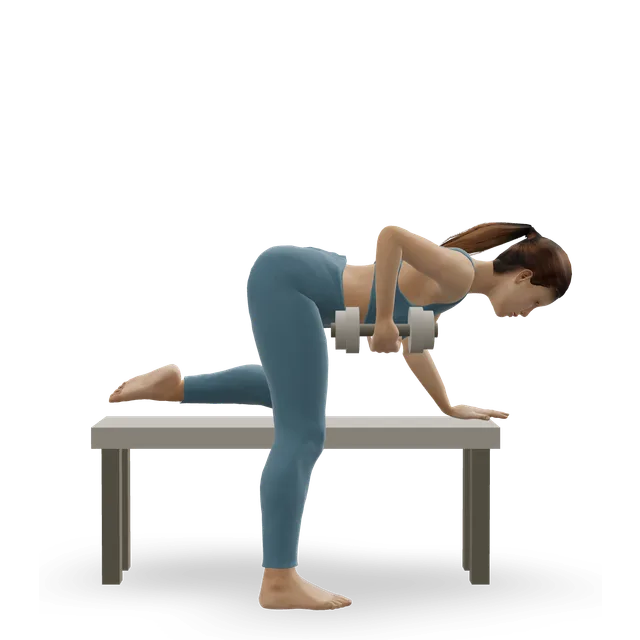
A 30-minute strength workout for any trimester with dumbbells and a band: squats, rows, hinges, presses and side-lying hip work, none on your back.

30 minBeginner14 movesA dumbbell, A bench or box

Prenatal yoga workout (no lying on your back)

A 20-minute prenatal yoga workout for any trimester: seated breathing, all-fours and kneeling poses, supported standing poses and rest, none flat on your back.

20 minBeginner15 movesA step, A wall

Pregnancy Pilates workout (no lying on your back)

A 20-minute Pilates workout for any trimester: seated, standing, all-fours and side-lying moves, with no lying on your back or front and no jumping.

20 minBeginner15 movesA wall, A bench or box

Easy cardio workout

A steady 30 to 45 minute cardio session at talk-but-not-sing pace: walk, cycle, row or cross-train, counting toward weekly activity guidelines.

40 minBeginner3 movesCardio machine, A wall

Easy bike ride: 30 to 75 minutes at a pace you can talk at

A steady bike ride for a first triathlon or fitness: 5 to 10 minutes easy, a ride you can talk through, optional short faster bursts and an easy cool-down.

45 minBeginner4 movesCardio machine, A wall

Swim workout for beginners: lengths, rests and a steady continuous swim

A 30 to 45-minute beginner pool swim: a shoulder warm-up on the side, easy lengths, a main set of repeats with rests, and an easy swim down, any stroke.

35 minBeginner5 movesOther / check instructions

3-minute desk movement break

A 3-minute standing break to repeat every 30 to 60 minutes at your desk: sit-to-stands, calf raises, marching, an upper-back turn and chin tucks.

3 minBeginner5 movesA bench or box, A wall

Daily pelvic floor workout

A 5-minute daily pelvic floor workout for women and men: slow holds and quick squeezes, three times a day, with how to find the right muscles.

5 minBeginner2 movesNo equipment

Follow a plan

The pregnancy plan has a line on gestational diabetes; the walking plan builds to 150 minutes a week. After the birth, the postpartum plan sets the timing.

After the birth: tests and type 2 risk

It usually goes away, but the risk staysStrong evidence

Gestational diabetes usually goes away after the birth, and its medicines usually stop. But across 20 studies of 1.33 million women, those who'd had it were about 10 times as likely to get type 2 diabetes. RCOG says more than 1 in 3 women get gestational diabetes again in a later pregnancy.

Sources 1, 15, 4

How many go on to get type 2 diabetesMixed evidence

Estimates differ. In the UK, Diabetes UK says up to half of women develop type 2 diabetes within 5 years, and RCOG says up to 1 in 2. The American Diabetes Association gives about 20% at 10 years, rising to 50% to 60% over a lifetime, from a review of 129 studies, and ACOG says between 15% and 70% later in life. The figures vary between groups of women.

Sources 17, 4, 21, 6

The testsStrong evidence

NICE: a fasting blood sugar test 6 to 13 weeks after the birth, or an HbA1c test after 13 weeks, then an HbA1c test every year if the result is normal. In the US, the American Diabetes Association advises a glucose tolerance test at 4 to 12 weeks, then a test every 1 to 3 years.

Sources 2, 16, 21

Lifestyle changes cut the riskStrong evidence

In the US Diabetes Prevention Program, 350 women who'd had gestational diabetes and had raised blood sugar took part. A lifestyle programme and metformin each cut their chance of diabetes by about half over 3 years, and by 35% and 40% over 10 years.

Sources 39, 40

Activity after the birthEmerging evidence

In 7 trials with 2,496 women, exercise with other measures after the birth lowered the odds of developing type 2 diabetes by 28%, on moderate-certainty evidence.

Source 41

BreastfeedingStrong evidence

The American Diabetes Association recommends breastfeeding after gestational diabetes, which is linked with a lower risk of type 2 diabetes later in life.

Source 21

The NHS Diabetes Prevention Programme

In England, if you have or have had gestational diabetes, you can sign yourself up, even during pregnancy. The gestational diabetes programme lasts 9 months, online, with a 1-to-1 call with a health coach and then 13 group sessions. Diabetes UK says Wales, Scotland and Northern Ireland have their own support.

Sources 17, 16, 42

Getting back to exercise

Our guide to exercise after giving birth sets out when to start again after a straightforward birth or a caesarean. Our suggestion: keep the walks after meals as a habit.

Myths

"With gestational diabetes, you should rest"Strong evidence

The Canadian guideline recommends activity throughout pregnancy for women with gestational diabetes, NICE advises regular exercise, and the American Diabetes Association calls lifestyle change an essential part of treatment.

Sources 3, 2, 21

"Needing insulin or metformin means I've failed"Strong evidence

Diabetes UK says it doesn't mean you've failed. NICE tells women that most will need tablets or insulin, and blood sugar often rises as pregnancy goes on, whatever you do.

Sources 5, 2, 1

"If I walk enough, I can stop my tablets or insulin"

Activity works alongside medicine and may lower the dose some women need, but your diabetes team decides on any change, using your readings. Never change a dose yourself.

Sources 27, 5, 2

"It's caused by eating too much sugar"Strong evidence

Diabetes UK says gestational diabetes isn't directly caused by eating too much sugar. Pregnancy hormones make insulin work less well, and some women can't make enough extra insulin to make up for it.

Source 18

"It goes away after the birth, so that's the end of it"Strong evidence

It usually goes away, but the risk of type 2 diabetes is about 10 times higher, and more than 1 in 3 women get it again in a later pregnancy. Have the test 6 to 13 weeks after the birth and every year after that.

Sources 15, 4, 2

"Exercise could harm my baby"Strong evidence

Moderate exercise is recommended in gestational diabetes, and trials haven't found harm to babies. Stop and get help for the warning signs above.

Sources 3, 28, 31

Questions people ask

Can you exercise with gestational diabetes?

Yes, and it's part of the treatment: being active lowers your blood sugar, and NICE advises regular exercise such as walking after meals. The usual pregnancy rules apply, so tell your midwife or doctor before starting something new, and ask first if you have a complication such as bleeding, pre-eclampsia or a low-lying placenta. Gestational diabetes on its own isn't a reason to avoid exercise.

What is the best exercise for gestational diabetes?

Walking after meals is the simplest and best tested, and swimming, a static bike, pregnancy yoga and strength training with light weights or a band all count. Most of the programmes that helped in trials mixed aerobic exercise with some strength work. Choose what you can keep doing most days.

How long should I walk after eating with gestational diabetes, and how soon?

NICE and RCOG suggest 30 minutes, Diabetes UK 15 to 20 minutes within 30 minutes of a meal, and ACOG 10 to 15 minutes after each meal, so any of these counts. Our suggestion is to start within about 30 minutes of finishing and walk for 10 to 30 minutes at a pace where you can still talk. If you can only manage one walk a day, make it after your biggest meal.

How much exercise should I do with gestational diabetes?

Aim for at least 150 minutes of moderate activity a week, such as 30 minutes on 5 days, plus strength exercises on 2 or more days. Moderate means you can talk but not sing. If you weren't active before, start with about 10 to 15 minutes a day and build up.

Does walking help with gestational diabetes?

Yes. Across 11 trials, exercise lowered both fasting and after-meal blood sugar compared with usual care, and in a small trial, 20 minutes of walking after each main meal lowered blood sugar through the day. There isn't enough evidence yet on whether it changes the baby's birth weight.

Can I do strength training or squats with gestational diabetes?

Yes. The NHS suggests strength exercises twice a week, and in one trial, band exercises 3 times a week meant fewer women needed insulin, though other trials haven't shown that. Use light weights or a band, breathe out on the effort, and after the first trimester avoid moves flat on your back.

Can exercise cause a hypo with gestational diabetes?

Hypos are a risk if you take insulin or glibenclamide, not with diet changes alone, and they're uncommon with metformin on its own. On insulin, check before and after exercise, treat a reading below 4 mmol/L first, carry glucose tablets or a sugary drink, and agree a plan with your diabetes team. Never change a dose yourself.

My fasting numbers are high. Will exercise before bed help?

No trial has tested exercise at bedtime; an after-dinner walk is the habit that's been tested, and exercise lowered fasting levels a little in trials. High fasting readings often need medicine, so tell your team, who may also suggest a bedtime snack. If you're on insulin, our suggestion is not to add late-evening exercise without a plan from them.

Should I exercise before my glucose tolerance test?

Follow the instructions in your appointment letter: the test is done after fasting, and you rest between the blood tests. Don't try to change the result, because if gestational diabetes is missed, you miss the care that lowers the risks for you and your baby.

What if walking hurts, for example with pelvic girdle pain?

Our suggestion: try a static or recumbent bike, swimming, or the standing moves in the 10-minute after-meal routine, leaving out the side-steps. If standing is hard, march and do calf raises sitting down after a meal; Diabetes UK says try not to sit still after eating. Ask your midwife about a physiotherapy referral.

When should I stop exercising and get help?

Stop and call your midwife or maternity unit for bleeding, fluid leaking, regular painful contractions, chest pain, dizziness, a headache, muscle weakness, or calf pain or swelling. Get help straight away for any change in your baby's movements, and never go to sleep ignoring it. Call 999 if you think it's a life-threatening emergency.

Does gestational diabetes go away after birth?

Usually, but your risk of type 2 diabetes is about 10 times higher, so have a blood test 6 to 13 weeks after the birth and every year after that. Staying active, keeping to a healthy weight and breastfeeding all help, and in England you can sign yourself up to the NHS Diabetes Prevention Programme.


Sources

  1. NHS · Gestational diabetes: treatment (reviewed December 2022; review was due December 2025)
  2. NICE NG3 · Diabetes in pregnancy: management from preconception to the postnatal period (2015, updated 2020)
  3. Canadian Society for Exercise Physiology 2019 · Canadian guideline for physical activity throughout pregnancy (guideline web page)
  4. Royal College of Obstetricians and Gynaecologists 2021 · Gestational diabetes (patient information, reviewed July 2025)
  5. Diabetes UK · Treatments for gestational diabetes
  6. American College of Obstetricians and Gynecologists 2020 · Gestational diabetes (patient information)
  7. Andersen 2021 · Interval walking after meals in gestational diabetes: 14 women (crossover trial, American Journal of Obstetrics and Gynecology MFM; abstract read)
  8. NHS · Exercise in pregnancy
  9. Royal College of Obstetricians and Gynaecologists 2018 · Being overweight in pregnancy and after birth (patient information, updated August 2022; review was due 2025)
  10. NHS · Low blood sugar (hypoglycaemia) (reviewed August 2023; review was due August 2026)
  11. American Diabetes Association 2026 · Facilitating positive health behaviors and well-being: Standards of Care in Diabetes, section 5 (guideline, Diabetes Care)
  12. American College of Obstetricians and Gynecologists 2024 · Exercise during pregnancy (patient information)
  13. Royal College of Obstetricians and Gynaecologists 2019 · Your baby's movements in pregnancy (patient information; review was due 2022)
  14. NHS · Pregnancy symptoms you need to get help for
  15. Vounzoulaki 2020 · Type 2 diabetes after gestational diabetes: 20 studies, 1.33 million women (meta-analysis, BMJ; abstract read)
  16. NHS · Gestational diabetes (reviewed December 2022; review was due December 2025)
  17. Diabetes UK · Preventing type 2 diabetes after gestational diabetes
  18. Diabetes UK · Gestational diabetes causes
  19. NICE NG3 · Diabetes in pregnancy: context (2015)
  20. Diabetes UK · Complications of gestational diabetes
  21. American Diabetes Association 2026 · Management of diabetes in pregnancy: Standards of Care in Diabetes, section 15 (guideline, Diabetes Care)
  22. Brown 2017 · Exercise for pregnant women with gestational diabetes: 11 trials, 638 women (Cochrane review; abstract read)
  23. Davenport 2018 · Blood sugar responses to exercise in pregnancy: 58 studies (meta-analysis, British Journal of Sports Medicine; abstract read)
  24. Coe 2018 · Walking after a meal lowers blood sugar in gestational diabetes (crossover study, Applied Physiology, Nutrition, and Metabolism; abstract read)
  25. Lesser 1996 · Exercise the evening before and the next morning's meal in gestational diabetes: 6 women (crossover study, Journal of Maternal-Fetal Medicine; abstract read)
  26. Engeroff 2023 · Exercise before or after meals and the rise in blood sugar: 8 crossover trials (meta-analysis, Sports Medicine; abstract read)
  27. de Barros 2010 · Resistance exercise and blood sugar control in gestational diabetes: 64 women (randomised trial, American Journal of Obstetrics and Gynecology; abstract read)
  28. Keating 2022 · Aerobic or resistance exercise in gestational diabetes: 14 studies (systematic review, International Journal of Environmental Research and Public Health)
  29. Brankston 2004 · Resistance exercise and the need for insulin in overweight women with gestational diabetes: 32 women (randomised trial, American Journal of Obstetrics and Gynecology; abstract read)
  30. Zhang 2024 · Diet and exercise for gestational diabetes: 39 trials (network meta-analysis, Advances in Nutrition; abstract read)
  31. Halse 2014 · Home exercise training and blood sugar in gestational diabetes: 40 women (randomised trial, Medicine and Science in Sports and Exercise; abstract read)
  32. Shu 2025 · Exercise, blood sugar and pregnancy outcomes in gestational diabetes: 24 trials (meta-analysis, Journal of Exercise Science and Fitness)
  33. NICE NG247 · Maternal and child nutrition: nutrition and weight management in pregnancy (2025)
  34. Laredo-Aguilera 2020 · Physical activity programmes for gestational diabetes (systematic review, International Journal of Environmental Research and Public Health; abstract read)
  35. GOV.UK (Driver and Vehicle Licensing Agency) · Diabetes and driving
  36. Royal College of Obstetricians and Gynaecologists · Pre-eclampsia (patient information, updated May 2026)
  37. Royal College of Obstetricians and Gynaecologists 2015 · Reducing the risk of venous thrombosis in pregnancy and after birth (patient information; review was due 2018)
  38. NICE NG202 · Obstructive sleep apnoea/hypopnoea syndrome and obesity hypoventilation syndrome in over 16s (2021)
  39. Ratner 2008 · Lifestyle and metformin in 350 women with a history of gestational diabetes in the Diabetes Prevention Program (trial analysis, Journal of Clinical Endocrinology and Metabolism; abstract read)
  40. Aroda 2015 · Lifestyle and metformin after gestational diabetes: 10 years of the Diabetes Prevention Program (follow-up study, Journal of Clinical Endocrinology and Metabolism; abstract read)
  41. Jones 2025 · Physical activity after giving birth and cardiometabolic health (systematic review and meta-analysis, British Journal of Sports Medicine; abstract read)
  42. Healthier You (NHS Diabetes Prevention Programme provider) · Gestational diabetes programme

Exercise education, not a diagnosis or treatment plan, and clinical review of these guides is pending. Stop and get advice for chest pain, unusual breathlessness, dizziness or fainting, or new pain, and check with your doctor or midwife first if they have told you to limit activity. Health disclaimer.