Does exercise help sleep apnoea?
Yes, alongside treatment. In trials, exercise training cut breathing pauses by about 6 to 7 an hour and eased daytime sleepiness, even without much weight loss. It doesn't cure it: CPAP lowers breathing pauses the most.
What are the best exercises for sleep apnoea?
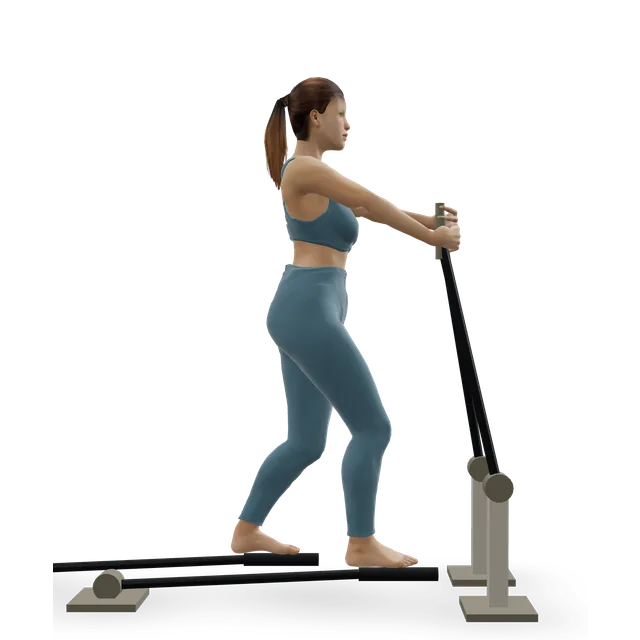
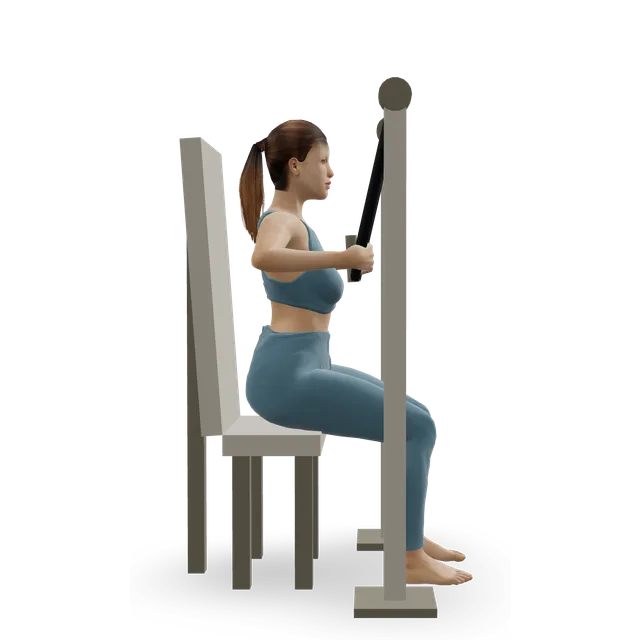
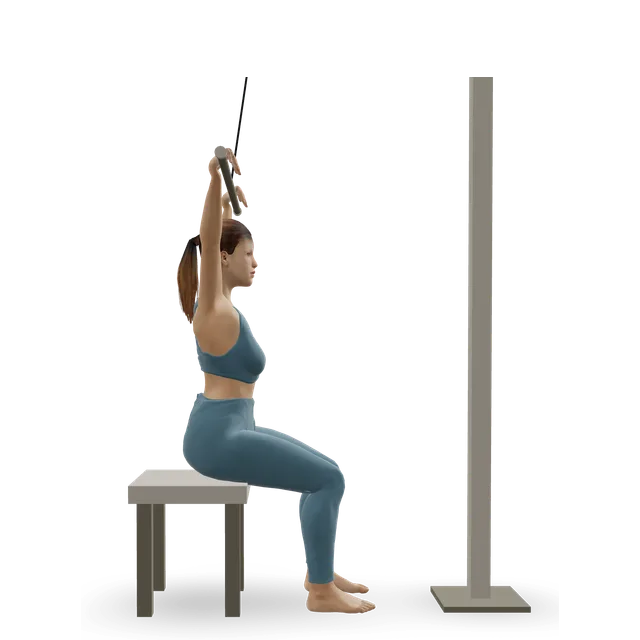
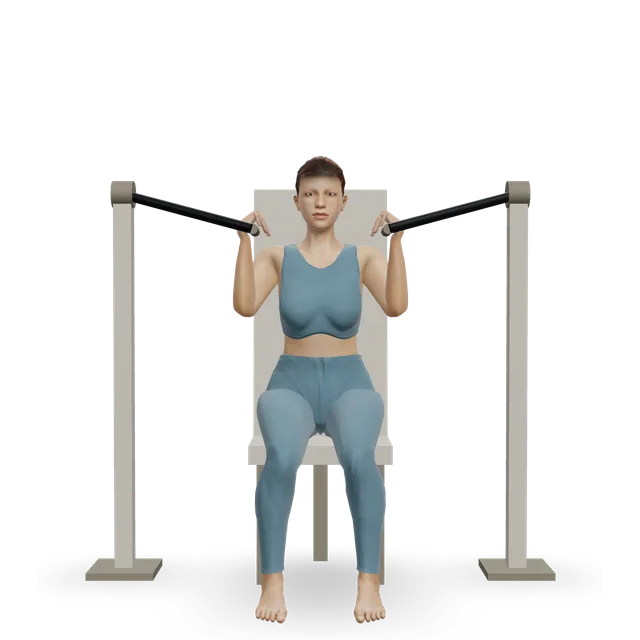
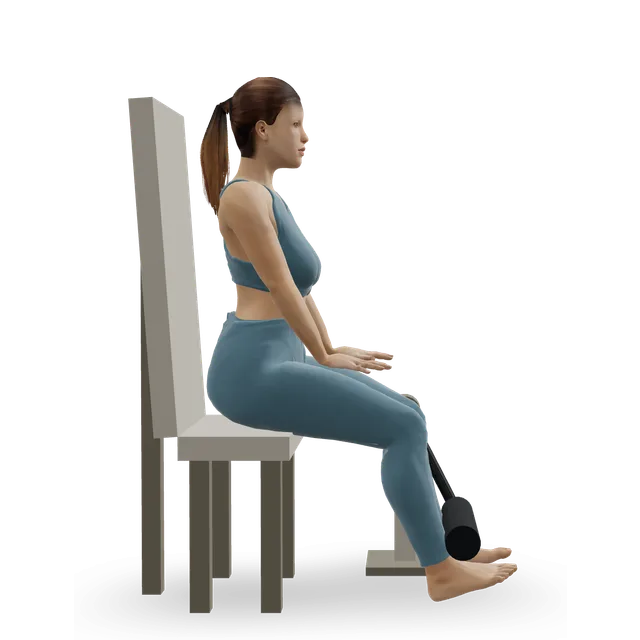
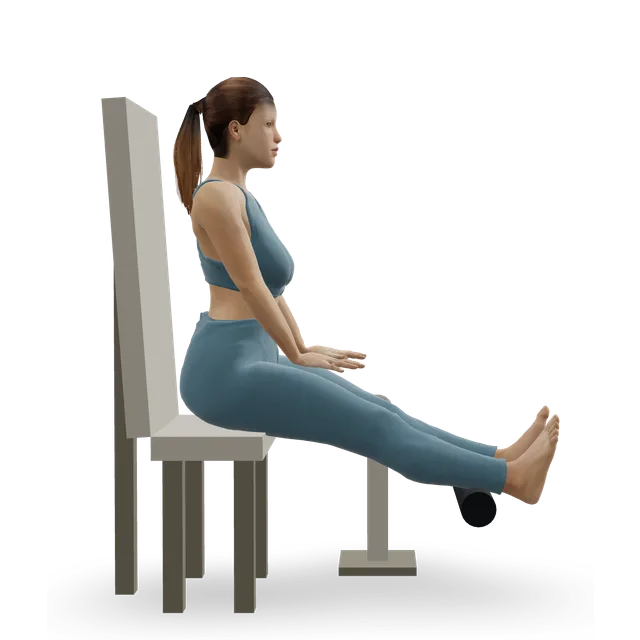
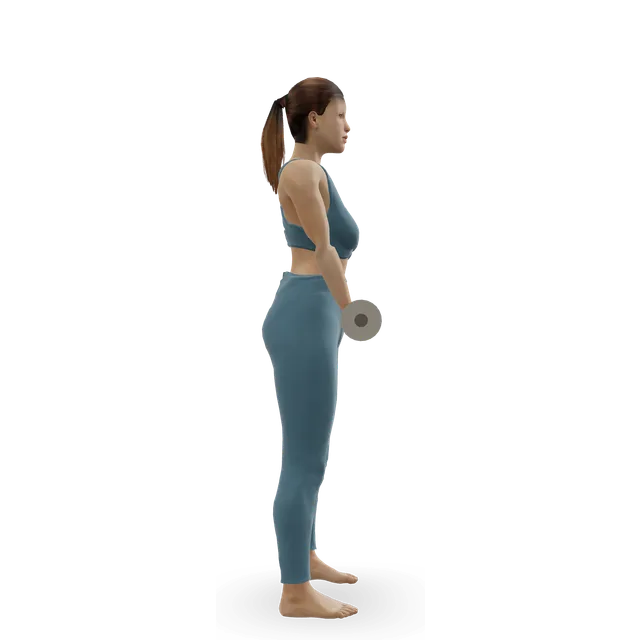
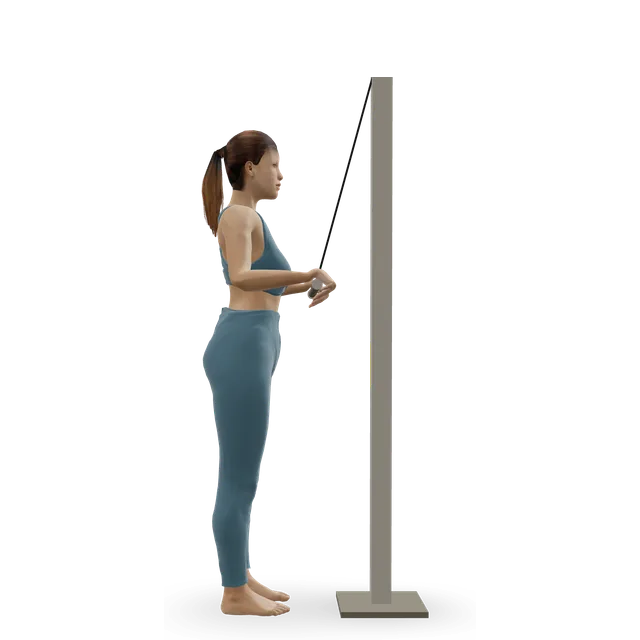
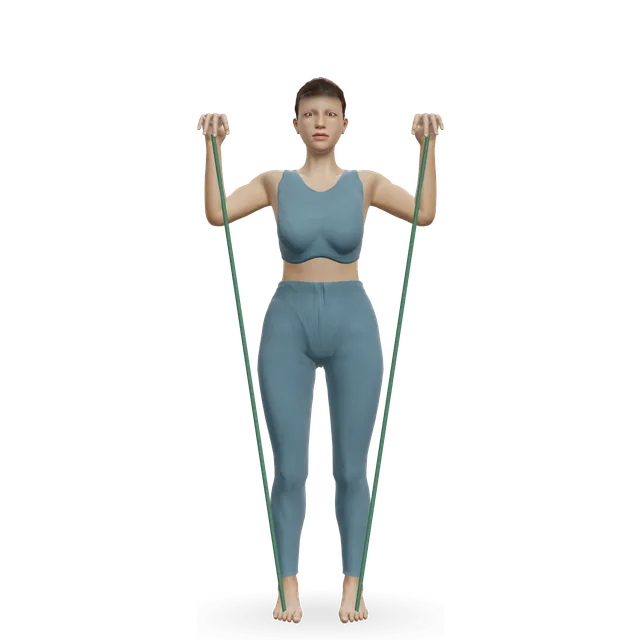
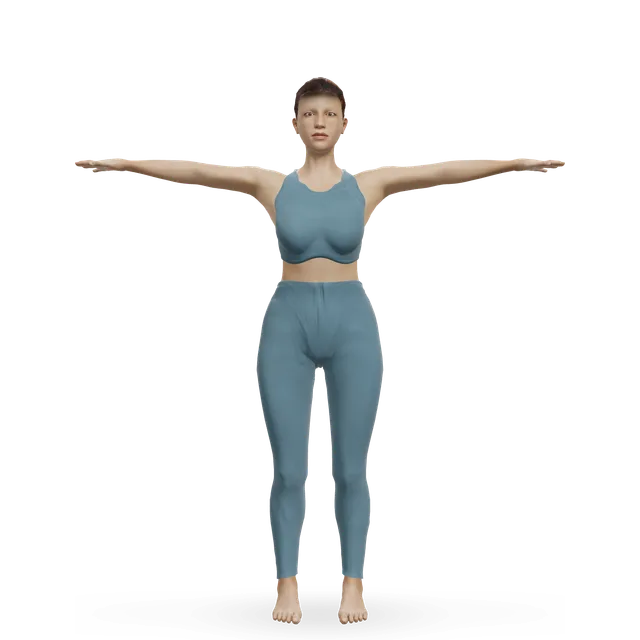
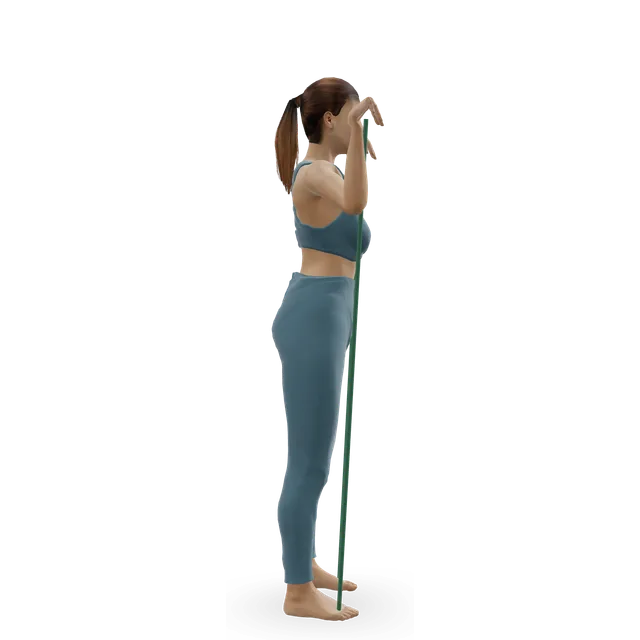
Brisk walking, cycling, swimming or similar for 150 minutes a week, plus strength training twice a week, as in the main trial. Aerobic exercise is the best studied, and adding strength work may help a little more. Mouth and throat exercises are a separate, daily add-on.
Do tongue and throat exercises work for sleep apnoea?
They may help a little. In small trials lasting about 3 months, daily tongue, soft palate and cheek exercises eased sleepiness and made snoring quieter, but their effect on breathing pauses is mixed: one review found a large drop on low-certainty evidence, and a 2025 trial found no benefit. They don't replace CPAP.
How do I do mouth exercises for sleep apnoea, and how long do they take to work?
The home programme in the trials took about 8 minutes, 3 times a day: tongue slides, tongue sucks, pressing the back of the tongue down, short "ah" sounds to lift the soft palate, and pressing each cheek out against a finger. The steps are on this page. Trials measured results after about 3 months.
Can I stop using CPAP if I exercise or lose weight?
Not on your own. Exercise and weight loss can lower breathing pauses, and in one trial the sleep team told some men they no longer needed CPAP after a lifestyle programme, but only your sleep service can decide that. Keep using CPAP every night until they say otherwise.
Can losing weight cure sleep apnoea?
It can help a lot and sometimes clears it: a 10% weight loss went with about a quarter fewer breathing pauses, and after large weight loss in trials, about 1 in 6 to 3 in 10 people no longer had sleep apnoea. But there's no guarantee, and many people still need treatment.
How much exercise should I do with sleep apnoea?
Build up to 150 minutes a week of moderate activity, such as 30 minutes on 5 days, plus strength exercises on 2 days. In trials, breathing pauses fell with 70 to 150 minutes a week kept up for at least 12 weeks.
Can exercise make sleep apnoea worse?
No trial found that: breathing pauses fell with exercise, and no harmful reactions were reported. Alcohol, sleeping pills, smoking and putting on weight do make it worse. If you have high blood pressure or a heart condition, our suggestion is to build up gradually and breathe out on each effort.
Do breathing exercises, singing or a didgeridoo help sleep apnoea?
Training the breathing muscles with a device eased sleepiness and blood pressure in trials but didn't lower breathing pauses. Playing the didgeridoo for 4 months lowered sleepiness and breathing pauses in one small trial, and singers snore less, but the evidence is thin.
Does yoga help sleep apnoea?
It hasn't been shown to lower breathing pauses: in a year-long trial of 37 people, adding yoga to diet and exercise advice made no difference to the average. Online yoga improved sleepiness and fitness in another small trial, so it's a reasonable way to be active.
Can I drive with sleep apnoea?
You must not drive while you're excessively sleepy, and you must tell the DVLA if you have confirmed moderate or severe sleep apnoea with excessive sleepiness. You can drive again once your symptoms are under control and you're sticking to your treatment; if you had to tell the DVLA, it will need a doctor to confirm this. In the US, rules vary by state, so ask your doctor.
Does mouth taping help sleep apnoea?
There's little good evidence that it helps, and a review warned of a potentially serious risk of harm, including if your nose is blocked. Don't use it instead of your treatment.