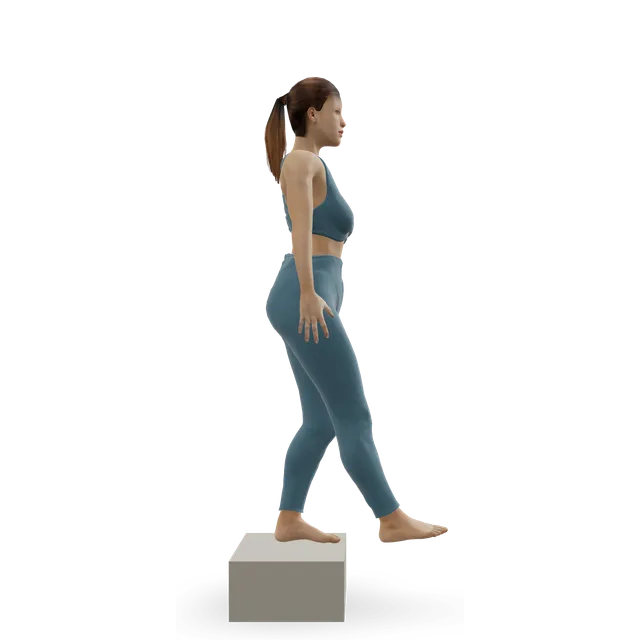
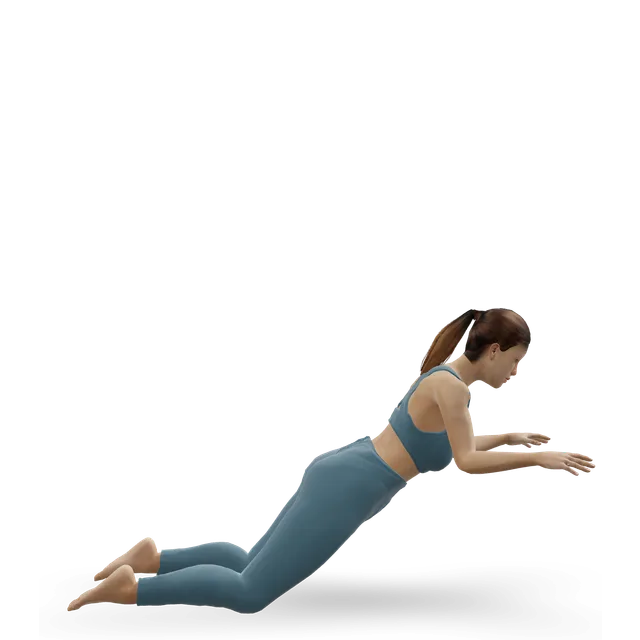
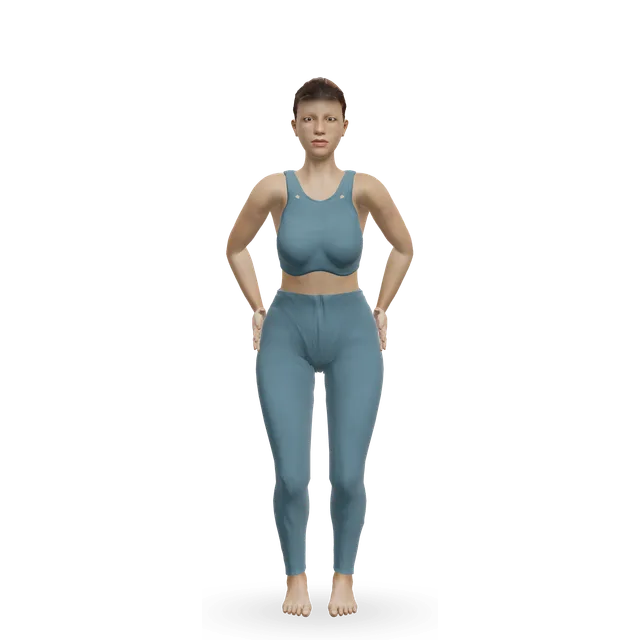
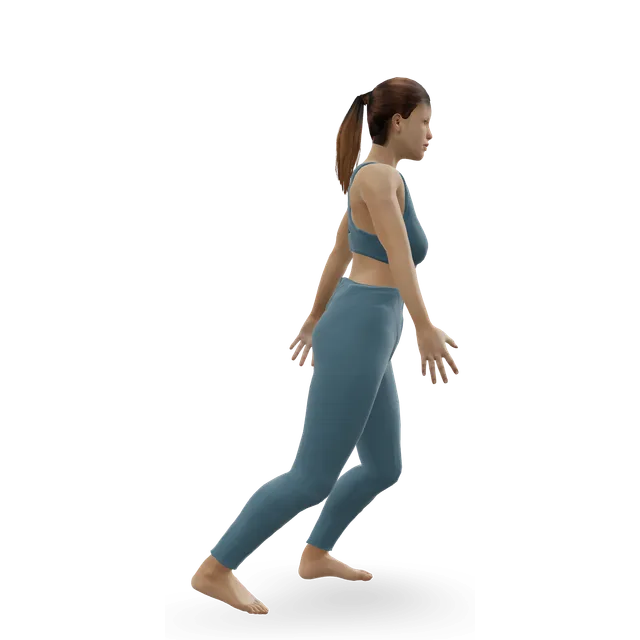
Moving the knee early and taking weight early helpEmerging evidence
A US physical therapy guideline recommends moving the knee within the first week (a grade B recommendation) and allows early weight-bearing as comfortable (grade C). Aspetar, a sports medicine hospital in Qatar, recommends moving the knee from the start and building up weight in the first week, on very low certainty evidence. In one trial, people who took full weight straight away had less pain behind the kneecap (8% against 35%), and immobilising the knee didn't reduce pain.
Sources 27, 16, 18
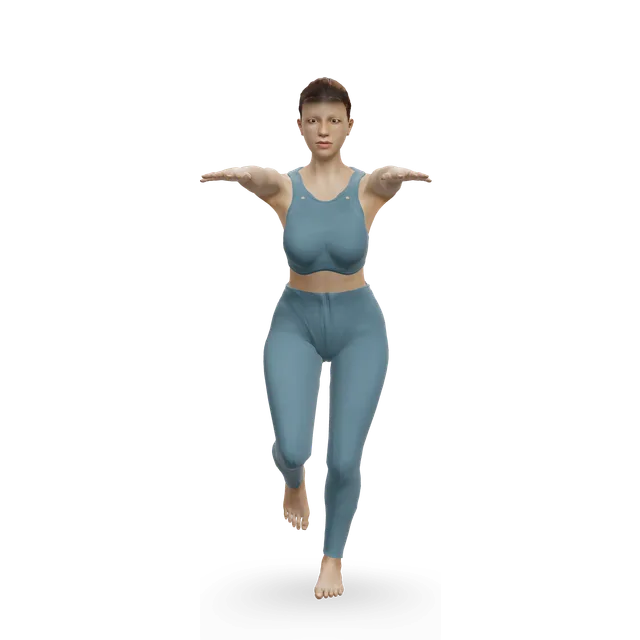
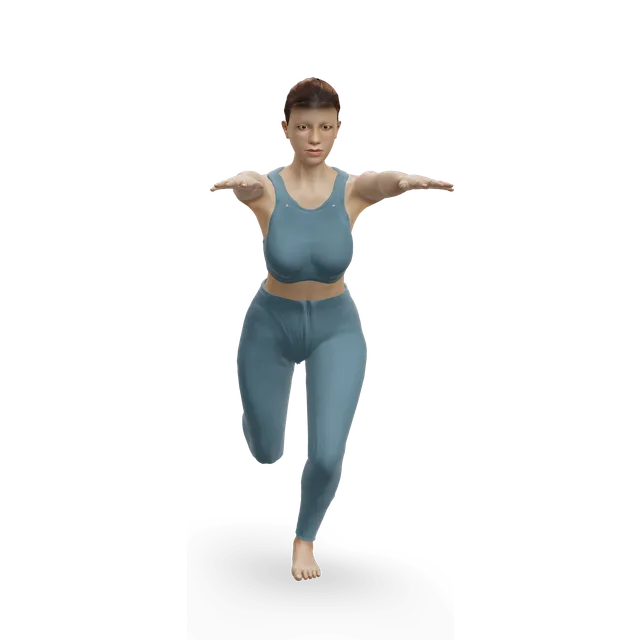
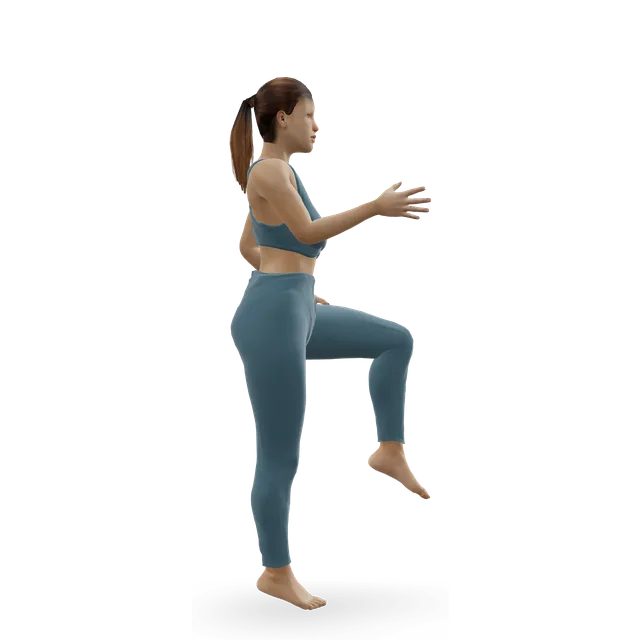
Strength and control work are the core of recoveryStrong evidence
The US guideline's strongest recommendation (grade A) is strength exercises with the foot on and off the ground, lifting and lowering, starting within 4 to 6 weeks and done 2 to 3 times a week for 6 to 10 months. It also gives grade A to adding electrical muscle stimulation for 6 to 8 weeks to help the thigh. Aspetar says strength and balance work should be combined, one can't replace the other, and very little is known about the best amount. In the MOON guideline's review, rehab done mostly at home with a few physiotherapy visits did no harm in motivated people.
Sources 27, 16, 18
Leg extensions: the timing depends on the graft, and protocols differMixed evidence
One NHS trust (Cambridge) starts seated leg extensions at week 4 between 90° and 45° of bend, adding about 10° a week until the full range at week 8. After a patellar tendon graft it allows resistance from week 4; after a hamstring graft, none until 12 weeks. Aspetar also starts them at about week 4 in that limited range, watching for pain at the front of the knee, and trials found no extra looseness in the knee when they started then. The MOON guideline limits them to light loads through a small range of movement for the first 6 weeks.
A review found studies starting leg extensions anywhere from the first day to 9 months after surgery (most often at about 2 weeks), with no agreed rule. So the timing is your team's call; the idea that leg extensions will stretch the graft isn't supported when they start in a limited range.
Sources 9, 16, 18, 28
Ice helps early on; a rehabilitation brace doesn'tEmerging evidence
The US guideline recommends cooling the knee straight after surgery to ease pain (grade B). The NHS suggests an ice pack wrapped in a tea towel for 15 to 20 minutes every 2 to 3 hours, stopping if the skin goes numb. In 17 studies reviewed for the MOON guideline, a rehabilitation brace after surgery didn't improve swelling, pain, movement or safety, so MOON doesn't use one; the US guideline says the evidence on sports braces goes both ways and the choice is yours. Wear a brace if your team gives you one, and stop when they say. A machine that bends the knee for you didn't improve movement in the long term.
Sources 27, 18, 13
Running: usually around 3 months, once the checks are metEmerging evidence
In a review of 201 studies, running was usually allowed at about 12 weeks, but fewer than 1 in 5 studies also used strength or hop checks. Aspetar suggests these checks before running: the knee straightens fully and bends to at least 95% of the other side, no more than a trace of swelling, the thigh at least 80% as strong as the other one, and pain-free hopping on the spot on one leg. The Delaware protocol in the US waits at least 8 weeks for similar checks, and one NHS trust starts straight-line jogging from about 3 months once you can control a single-leg dip.
Sources 29, 16, 8, 9
Waiting about 9 months: two cohorts that can't separate waiting from readinessMixed evidence
In the Delaware-Oslo cohort (106 people in pivoting sports), each month's delay in returning to the most demanding sports cut the knee reinjury rate by 51%, up to 9 months; 39.5% of those who went back before 9 months had a reinjury, against 19.4% after. In 159 Swedish athletes aged 15 to 30, going back to knee-strenuous sport before 9 months went with about 7 times the rate of a second ACL injury.
These are cohorts, so they can't tell whether waiting itself helped or whether the people who waited were readier. In professional football, returns have slowed by more than 40% in recent years, from about 204 to 295 days on average, without fewer graft re-ruptures (8.2% overall). Nine months is a minimum many teams use, not a guarantee, and your team decides.
Sources 30, 31, 32
Return-to-sport tests: fewer graft ruptures, not a guaranteeMixed evidence
The tests compare the two legs: thigh and hamstring strength, several hop tests, agility, how well you move and land, and questionnaires on knee function and confidence. Pass marks are usually 90% of the other side or more.
In the Delaware-Oslo cohort, fewer people who passed every test had a reinjury (5.6% against 38.2%), but the difference wasn't statistically significant; only a more even thigh strength was, each percentage point cutting reinjury by about 3%. In 158 professional athletes, not meeting six discharge criteria went with 4 times the risk of a graft rupture. The meta-analyses conflict: three found passing the tests lowered graft ruptures (by about half or more), but not tears in the other knee or knee injuries overall, and one found no clear link at all, on very low quality evidence. Only about 23% of patients passed a full test battery in pooled studies, and hop tests predicted returning to sport better than they predicted reinjury.
A consensus of experts from the 2019 Panther Symposium, published in 2020, says decisions based on time alone should be abandoned: return to sport is a path from training again, to playing, to playing at your old level, decided by your team with tests of function and of how ready you feel. No test can predict a contact injury.
Sources 30, 33, 34, 35, 36, 37, 38, 39, 16
Readiness in the mind matters tooEmerging evidence
Fear of another injury is the commonest reason people don't go back, and a positive outlook went with returning to the previous level of sport. Aspetar suggests part of the reason may be too little practice of the sport itself during rehab. Questionnaires on confidence are part of most return-to-sport checks, and the 2024 expert group treats psychological readiness as part of the return, not an extra.
Sources 22, 20, 16, 40
Keep an injury prevention programme goingEmerging evidence
A US physical therapy guideline says clinicians may recommend a neuromuscular training programme (strength, balance, jumping and landing) in the late stage of rehab to help prevent a second ACL injury, a grade C recommendation, because trials aimed at second injuries are few. One NHS trust asks for at least 10 to 15 minutes of it before every training session and match while you play sport. The authors of the review that found nearly 1 in 4 young athletes injure an ACL again suggest the same.
Sources 41, 1, 23
Blood clot prevention is tailored to your riskStrong evidence
The National Institute for Health and Care Excellence (NICE) says medicine to prevent clots is generally not needed after keyhole knee surgery when the anaesthetic lasts under 90 minutes and your risk is low, and to consider it for 14 days when the anaesthetic lasts longer or your clot risk outweighs your bleeding risk. A 2026 review of 9 international guidelines found most advise against routine blood thinners in people at low risk. Your team decides; your part is walking little and often, the ankle pumps, and knowing the warning signs. One NHS trust also advises avoiding journeys of 3 hours or more for 3 weeks and long-haul flights for 6 weeks.
Sources 42, 43, 15
Rehab before surgery helps if you're waitingEmerging evidence
In a comparison of two cohorts, people who did extended rehab before their reconstruction, with strength and balance work until the knee moved fully and had little swelling, had better knee scores at 2 years, and more returned to their previous sport (72% against 63%). The NHS advises exercises before and after surgery, and one NHS passport aims for minimal swelling, a full range of movement and thigh and hamstring strength at 90% of the other side before the operation.
Sources 44, 45, 1