Sport

Australian rules football training: strength, hamstrings, ACL prevention and concussion

Australian rules football (AFL, Aussie rules or footy) asks for more running than the other football codes, with repeated sprints, marking contests, tackles and bumps: midfielders in the Australian Football League (AFL) cover about 12 km a game. Hamstring strains are the commonest injury in the AFL season after season, concussion is second, and in women's football anterior cruciate ligament (ACL) injuries happen at several times the men's rate. Community football, from juniors to AFL Europe's leagues, plays under the same laws, with contact rules for juniors by age.

This guide covers what the game asks of your body, the common injuries, and the prevention programmes as they were tested: Prep to Play for women and girls, and PAFIX and FootyFirst in men's community football. It sets out the AFL's concussion rules in its own words, with dates: a minimum of 21 days and a doctor's clearance in community football, and the 12-day minimum in the AFL and AFL Women's (AFLW). It includes a warm-up built on Prep to Play and a strength workout, with a 3D demo of every move. A Human Web isn't connected with the AFL.

The short version

Running, sprints, tackles and marking contests

AFL midfielders covered about 12.3 km a game with about 98 high-intensity efforts, and AFLW midfielders and small players ran 125 to 128 m a minute. The Compendium of Physical Activities has no value for Australian football.

Sources 1, 2, 3

Hamstrings first, concussion second

In the 2023 AFL season, hamstring strains were the commonest injury (4.71 per club) and concussion the second (4.26 per club). In the AFLW, concussion, ankle, ACL and shoulder injuries cost the most matches.

Source 4

ACL injuries in women's football

In the AFLW's first seasons, ACL injury rates were about 6 times the AFL's.

Source 5

Concussion: the AFL's rules

In community football, at least 14 days of graded loading, a doctor's clearance before full contact, and no return to play before day 21. AFL and AFLW players under club doctors have a 12-day minimum, as the AFL's announcements describe it.

Sources 6, 7, 8

Prep to Play, for women and girls

A 10-minute warm-up at every session and match, plus contact skills and three strength exercises at training. Coach support more than doubled its use, and players who did more of it had fewer injuries.

Sources 9, 10

Mouthguards yes, headgear unproven

The AFL strongly recommends mouthguards for all matches and contact training. It says certified headgear may reduce impact forces but isn't yet proven to reduce concussions.

Sources 6, 11

What Australian rules football asks of your body

The game

In the AFL, two teams of 18 play four 20-minute quarters on a large oval, kicking, handballing (punching the ball to a teammate), marking (catching a kicked ball, often in a jumping contest), tackling and bumping. Under the AFL's junior rules, boys' under-16 to under-18 teams are 18 a side and girls' 16. Women's football has grown fast since the AFLW began in 2017.

Sources 1, 12, 5

RunningEmerging evidence

Midfielders and ruckmen covered about 12.3 km a game and forwards and backs about 11.9 km; midfielders made about 98 high-intensity efforts, with about 90 seconds between them. In the hardest minutes, players covered 150 to 160 m a minute while making up to 3 skill involvements a minute. In the AFLW, midfielders and small players ran 125 to 128 m a minute, and all running fell in the last quarter. Speed, aerobic fitness, reactive agility and lean mass matter most.

Sources 1, 13, 2, 14

Recovery after a matchEmerging evidence

In 22 elite players, jump-test signs of neuromuscular fatigue fell after a match, and the stress hormone cortisol stayed raised for 24 hours.

Source 15

Energy cost

The Compendium has no value for Australian football. The nearest measured values are competitive rugby union (8.3 METs, metabolic equivalents) and competitive soccer (9.5 METs), and neither is used for footy in our calories calculator.

Source 3

Where the load falls

The sites the studies point to:

  • Hamstrings: high-speed running, and picking the ball up at speed with the hip bent and the knee straight.
  • Groins and hips: kicking and turning.
  • Knees: sidestepping, landing from marking contests and slowing down.
  • The head and neck: tackles, bumps, marking contests and hitting the ground.
  • Shoulders: tackles and falls.
  • Thighs: knocks that cause corked thighs.

Sources 16, 17, 18, 5, 19, 20, 21

What to train (our reading)

Repeated sprints with regular running near top speed, hamstring and groin strength, leg strength and landing control for the knees, upper-body and neck strength for contact, and tackling and falling skills taught gradually.

Common injuries

The AFL counts injuries that make a player miss a match, so minor injuries are missing; community studies count injuries that stop play or need treatment. Figures in different lines aren't directly comparable.

The AFL's own figures for 2023Strong evidence

From the AFL's release on its 2023 injury reports (5 September 2024):

  • AFL: 34.9 new injuries per club per season (44.1 in 2022), and 135.7 matches missed per club, the lowest in 10 years.
  • Hamstring strains: 4.71 per club per season (5.19 in 2022 and 6.12 in 2021), costing 14.34 matches per club.
  • Concussion: 4.26 per club that caused a missed match; counting every diagnosed concussion, 6.66 per 1,000 player hours.
  • AFLW: 12.3 new injuries per club; ACL injuries in matches at 2.51 per 1,000 player hours, and concussions at 5.85 per 1,000 match hours.

Source 4

Over the yearsEmerging evidence

From 1992 to 2012, AFL clubs had 30.3 to 40.3 new injuries a season, and the share of injuries that were repeats fell from 25% to 9%. Hamstring strains were the commonest, at about 6 per club a season and 20 missed matches. Match injuries were 25.7 per 1,000 player hours in 1997 to 2000. In 2015, shoulder sprains and dislocations cost 11.5 missed games per club, mostly from tackles.

Sources 22, 17, 16

Hamstrings and calvesEmerging evidence

In 23 years of AFL data, the risk of a repeat strain was highest in the first match back (9% for hamstrings) and stayed raised for 15 weeks; a recent hamstring strain raised the odds 13 times, an older one 3.5 times. Calf strains became more common after substitutes were brought in, and with age. Across field sports, hamstring injuries were 0.81 per 1,000 hours and 9.4 times higher in matches. Our hamstring strain and calf pain guides cover these.

Sources 23, 24

Groins and hipsEmerging evidence

Groin injuries were among the most prevalent in the AFL. Players who reported a hip or groin injury at the draft medical had over 6 times the rate of hip and groin injury in the AFL, and in elite juniors, adductor strength fell 6% the week before groin pain began. Our groin strain, osteitis pubis and sports hernia guides cover these.

Sources 17, 18, 25

ACL injuriesEmerging evidence

In 2017 to 2019, AFLW ACL rates were 4.31 to 6.47 per 1,000 player hours against 0.7 to 1.1 in the AFL, and 80% of AFLW ACL injuries happened in pre-season training or the first half of the season. On video, 61.9% of AFLW ACL injuries happened without contact, most often sidestepping while defending. Of 158 AFL players after an ACL reconstruction, 77% returned and 30% had another ACL injury, half of those under 21. In the AFL, non-contact ACL injuries were more common on couch (Bermuda) grass than rye grass, an association. Our ACL injury guide covers recovery.

Sources 5, 19, 26, 27

ConcussionEmerging evidence

Across 42 studies, concussion rates ranged from 2.24 to 17.63 per 1,000 player hours in elite football and from 0.35 to 14.77 in community football, because definitions differed. AFLW players had about twice the AFL's rate, women most often concussed when bumped or tackled and men in marking contests. In men's community football, there were 4.9 head, neck and face injuries per 1,000 game hours, a quarter of them concussions, and 47% of concussed players returned to the same game. In junior community football, the head was the commonest injured area, about half of those injuries were concussions, and tackling caused 45.2% of injuries. Our concussion guide covers the graduated return.

Sources 28, 20, 29, 30, 31

Women's and community footballEmerging evidence

Across five women's and girls' competition levels (392 players), there were 20.9 injuries per 1,000 hours. Sub-elite women had 10.8 per 1,000 hours, with ankle sprains (2.2), concussion (1.6) and ACL injuries (0.9 per 1,000 hours) the commonest and most costly. In Victorian emergency departments, women came more often with hand and finger injuries (34.3% against 23.4%), men with shoulder injuries. Non-elite men had 24 injuries per 1,000 hours in 1997 to 1998.

Sources 32, 33, 34, 35

Shoulders, thighs and kneesEmerging evidence

Shoulder sprains and dislocations, mostly from tackles, are among the costliest injuries in the AFL. Thigh haematomas (corked thighs) are common, and thigh pads reduced them in one study. Posterior cruciate ligament (PCL) injuries fell after a rule change in 2005 limited ruckmen's run-ups. Our dislocated shoulder, quad strain and PCL injury guides cover these.

Sources 16, 21, 36

Who's at higher riskEmerging evidence

A previous injury of the same kind above all; age for calf strains; low eccentric hamstring strength in one cohort; sudden jumps in high-speed running and in weekly training load; too little pre-season training; early season and couch grass for ACL injuries; women's football for ACL injuries and concussion; and a hip or groin injury as a junior. These are associations.

Sources 23, 37, 38, 27, 39, 40, 18

What prevents injuries

Prep to Play was tested in women's and girls' teams, and PAFIX and FootyFirst in men's community football. Most ACL, hamstring and groin evidence comes from other sports, and each note says so.

Prep to Play, as published

The AFL and La Trobe University's programme for women and girls in community football, designed to reduce serious knee and head injuries. Its coaching manual sets out:

  • A warm-up of "10 minutes every training session and match": 8 activities (jog and mobility, deceleration, change of direction, jump and land, jump and land with contact, contact, sprints and balance), each with options A, B and C, and "Aim to get all players to Option C". The steps are in our warm-up below.
  • Football skills, "At least 5 minutes every training session": tackling and being tackled, aerial contests and ground balls.
  • Three strength exercises at every training session, 5 to 10 minutes in all: lower limb (lunges, 2 sets of 10 each side; the clockface, 3 sets each side; or reverse Nordics, 2 sets of 5), hamstring and gluteal (single-leg glute bridges or single-leg hamstring bridges, 2 sets of 10 each side; or Nordic hamstring lowers, 2 sets of 5), and core and hip (a front plank or wheelbarrow, or a side plank, 2 sets of 30 to 60 seconds; or the Copenhagen groin exercise, 2 sets of 10 each side).
  • On match days, the warm-up only, and at least two 10-minute education sessions when a team starts.
  • "Some soreness is expected" 24 to 48 hours after the strength exercises; easier versions are given, and players whose soreness keeps affecting them should see a physiotherapist.

Source 9

Prep to Play: what the trial showedEmerging evidence

In a trial in 165 women's and girls' community teams (2,481 players, 2021 to 2022), teams given support to run it used it weekly 29.7% of the time, against 13.1% without support. Concussion and ACL rates were lower with support (3.50 against 6.80, and 0.69 against 1.36, per 1,000 game hours), but those differences were uncertain, and players who did more of the programme had fewer injuries overall, an association. The trial tested how to get teams using it, not the programme against no programme. In 2019, 78% of coaches knew of it, and 53% of those used it twice a week; the elite version was put in place in 8 of 10 AFLW clubs. The manual's own figure of up to 50% fewer injuries is based on similar programmes, not a Prep to Play trial.

Sources 10, 41, 42, 43

PAFIX, in men's community footballEmerging evidence

In 1,564 players in 18 clubs, randomised by club in 2007 to 2008, a progressive programme of change-of-direction, balance and landing work, run by trained club staff twice a week through an 8-week pre-season and an 18-week season, halved knee injuries in games compared with usual exercises, but not significantly, and cut leg injuries by about a fifth, also not significantly. Many players didn't attend twice a week, and the trial was too small to be sure about knee injuries.

Source 44

FootyFirstMixed evidence

An expert-agreed programme for men aged 16 to 50: a warm-up, hamstring strength, balance, landing and changing direction, and hip, core and groin strength. When it was rolled out in Victoria, hospital-treated leg injuries fell by 20% over 2 years in a region given support to run it, but rose in a region supported only in the second year, and the falls weren't significant. Support raised how much clubs used it.

Sources 45, 46, 47

ACL programmes, borrowed from other sportsStrong evidence

Across 8 meta-analyses, warm-ups with strength, jump-and-land and balance work halved ACL injuries and cut ACL tears without contact by about two-thirds in women and girls. Exercise and Sport Science Australia (ESSA) says the evidence in sports beyond football, handball and basketball is limited, calls for more studies in Australian rules football, netball and rugby, and names Prep to Play and FootyFirst as AFL adaptations that may be used if they keep the exercises of an effective trial. Women in team sports tear an ACL about twice as often as men.

Sources 48, 49, 50

Groins, borrowed from footballEmerging evidence

The Copenhagen adductor exercise cut groin problems by 41% in semi-professional footballers, and Prep to Play and FootyFirst include groin strength. In elite juniors, adductor strength fell before groin pain began. No programme has been tested on groin injuries in Australian football.

Sources 51, 25

LoadEmerging evidence

In one elite squad, a week of running more than twice the 4-week average went with 5 to 12 times the injury risk that week and the next. In a sub-elite pre-season, players training least had the most injuries, and 2-week loads above 4,000 units or weekly jumps of 15 to 49% raised the odds. More than 653 m a week above 24 km/h went with 3.4 times the hamstring risk the next week, though it couldn't predict who would be injured.

Sources 40, 39, 38

Rules that changed injury ratesEmerging evidence

Limiting ruckmen's run-up at centre bounces in 2005 cut PCL injuries from 12.9 to 5.9 per 10,000 player-hours. Players resting on the interchange bench had fewer hamstring injuries, and their fresh opponents more. The AFL says it has made more than 30 rule changes since 2005 to deter conduct that causes or risks concussion; we found no study of their effect.

Sources 36, 52, 6

What isn't shownMixed evidence

Headgear hasn't been shown to prevent concussion, and no programme has been shown to prevent ACL injuries in Australian football itself. Neck strength had only small links with concussion across team sports. Nordic strength tests told little about who would strain a hamstring, and trunk control training had fewer severe injuries in one small study only.

Sources 11, 53, 54, 55

Training for performance

What matters mostEmerging evidence

Across 164 studies, speed, aerobic fitness, reactive agility and lean mass stood out. High training loads can be tolerated and are needed to build fitness, but sharp spikes go with injury. Endurance, upper and lower body strength and repeated sprint ability all matter as the game gets faster.

Sources 14, 1

Hamstring training that builds speedEmerging evidence

In 27 Australian footballers randomised over a 39-week season, Nordic and hip-dominant flywheel training both lengthened the hamstring's biceps femoris fibres and raised eccentric strength. The Nordic group got 3.5% quicker over 5 m in pre-season, and the flywheel group reached a 3.4% higher top speed.

Source 56

Building the pre-seasonEmerging evidence

In 60 sub-elite players over a 14-week pre-season, aerobic fitness improved by 4.1% on average, most at weekly loads of 1,600 to 2,000 units (effort rating times minutes), and players doing less than 1,250 a week had the most injuries. In one AFL club, on-field match-specific training late in pre-season went with better performance in the first 4 games, an association, and computer-modelled pre-seasons that maximise performance include a taper before the season starts.

Sources 39, 40, 57, 58

Women's pre-seasonEmerging evidence

80% of AFLW ACL injuries happened in pre-season training or the first half of the season, and AFLW players ran less in the last quarter. A pre-season that builds running and strength over at least 8 weeks, with Prep to Play at every session, fits that (our suggestion).

Sources 5, 2

Recovery between matchesEmerging evidence

Jump-test signs of fatigue fell after a match and cortisol stayed raised for 24 hours. Keep the 2 days after a match light, and the 48 hours before the next free of heavy legs, Nordics and hard jumping (our suggestion).

Source 15

Fitting it around footy

Every session: the Prep to Play warm-up, then contact skills and its three strength exercises at training. Pre-season: 2 to 3 strength sessions a week (our suggestion), with Nordics built up over several weeks, since players dropped out of a community trial and Prep to Play expects some soreness, and running built up gradually without sudden jumps.

In season: 1 or 2 strength sessions, with Nordics once a week (our suggestion). Include some running near top speed most weeks rather than saving it for matches (our reading). Juniors: the AFL recommends no more than 25 games a season across all teams, and ideally no more than 2 a week.

Sources 9, 59, 39, 38, 12

Hamstrings: what's been tested in Australian football

The community Nordic pilotMixed evidence

220 community players in 7 clubs were randomised to 5 sessions of eccentric hamstring exercise over 12 weeks or to stretching. Only 46.8% did at least two sessions, the Nordic group least often, and overall there was no benefit. Players who did at least two sessions had fewer hamstring injuries (4.0% against 13.2%), but not significantly. A review put the poor compliance down to muscle soreness.

Sources 59, 21

One team's programmeMixed evidence

In one professional team, hamstring injuries fell from 9 and 11 a season to 2 and 4, and match injuries from 4.7 to 1.3 per 1,000 hours, after it added stretching while fatigued, sport-specific drills and more high-intensity intervals. This was a before-and-after comparison without a control group.

Source 60

Strength and riskMixed evidence

In 210 AFL players, low eccentric hamstring strength at the start and end of pre-season went with 2.7 and 4.3 times the risk of a hamstring strain, and high strength offset the extra risk of age and a previous injury. But pooled across 6 studies, Nordic strength tests told little about who would be injured.

Sources 37, 54

After a strainEmerging evidence

The risk of a repeat is highest in the first match back and stays raised for 15 weeks. Keep the hamstring work going for at least a season and build sprinting back gradually (our suggestion); our hamstring strain guide covers recovery.

Source 23

Borrowed from other sportsEmerging evidence

Programmes including the Nordic hamstring exercise went with about half as many hamstring injuries across sports, though the effect is uncertain when only properly randomised trials are pooled.

Sources 61, 62, 63

Our reading

Nordics work only if players do them: build them up from a few slow reps, keep them going once a week in season, and add a hip-dominant exercise such as back extensions. Treat a previous strain as the main warning sign rather than a strength test.

Concussion: the AFL's rules

Community football: the May 2026 guidelinesStrong evidence

The AFL's Guidelines for the Management of Sport-Related Concussion in Australian Football (May 2026, replacing March 2024) apply to every competition outside the AFL and AFLW, juniors and adults. Recognise a suspected concussion, remove the player at once, and refer them to a medical doctor; no return in the same match or training session. Then:

  • A brief period of relative rest (24 to 48 hours), then recovery.
  • A graded loading programme of at least 14 days: at least 7 days of non-contact team training, with no training on consecutive days, then at least 7 days of training with limited contact.
  • "Medical clearance for a player to return to full contact training must be provided by a medical doctor."
  • "The earliest that the player may return to play (once they have completed a graded loading program and have obtained medical clearance) is on the 21st day following the concussion", counting the day of the concussion as day 0.
  • Players aged 18 and under are managed more conservatively and many need longer than 3 weeks; a child returns to football only after returning to school or learning, free of symptoms and medically cleared.

  • A second concussion in a season (or three in 12 months), or symptoms lasting 4 weeks or more, mean review by a doctor with expertise in concussion.

Sources 6, 64, 65

What changed in May 2026Strong evidence

The AFL says "There are no substantive changes to the day of injury management requirements or the return to play process". The update adds the new headgear standards, monitoring for at least 24 hours, sideline doctors using the latest Sport Concussion Assessment Tool (SCAT6), and clearance only by a medical doctor.

Sources 11, 64

AFL and AFLW players: 12 days at leastStrong evidence

The AFL's announcements of 14 March 2023 and 6 March 2024, and its concussion FAQs, describe a minimum of 12 days for AFL and AFLW players, kept "In AFL and AFLW, where there are advanced care settings" with club doctors. Players move through three stages (rest, recovery and a graded return to training and play) in 11 steps of at least 24 hours each, with a medical assessment before full contact training and another before playing. It also covers 18-year-olds on AFL and AFLW lists, and since 2024 an independent medical spotter can require a player who shows certain signs to come off to be assessed. In 2023, 29% of AFL players and 24% of AFLW players missed more than one match after a concussion. We haven't read the elite guidelines document itself, so these are the rules as the AFL's announcements describe them.

Sources 7, 8, 66

Against the UK guidelines

The UK guidelines for grassroots sport also set day 21 as the earliest return to competition, but don't need a doctor to clear each stage; the AFL's community guidelines add a doctor's clearance. AFL Europe lists the AFL's National Community Football Policy Handbook, which adopts the guidelines as policy, among its rules, so clubs that follow it use the AFL's rules (our reading).

Sources 67, 6, 68

On the fieldEmerging evidence

In men's community football in 2007 to 2008, 47% of concussed players went back on in the same game. In the elite game, women were most often concussed when bumped or tackled, and men in marking contests.

Sources 29, 20

Mouthguards, headgear and other equipment

MouthguardsStrong evidence

The AFL's guidelines: "Mouthguards are essential for preventing injuries to the teeth and face" and "are strongly recommended at all levels of football and should be worn for all matches and contact training sessions". Custom-fitted laminated mouthguards protect best, and boil-and-bite ones are better than none. We found no national rule making them compulsory, so check your league's. In 1999, 60 to 90% of players wore them in matches but 2 to 40% in training. Across sports, people without mouthguards had over twice the risk of mouth and face injuries, and in collision sports mouthguards went with about a quarter fewer concussions.

Sources 6, 68, 69, 70, 71

Headgear and the Headgear StandardsMixed evidence

The AFL says evidence for commercially available headgear in preventing concussion "is currently limited, although these products may help prevent cuts and abrasions". With an independent expert it wrote the Australian Football Headgear Standards (Basic and Advanced, December 2024), encourages players who choose headgear to wear certified headgear, and says "while compliant headgear may help reduce impact forces it is not yet proven to reduce concussions". A field trial of the first certified headgear is due to start in 2026. An earlier trial failed because players wouldn't wear headgear, and 42.9% of junior and youth players wore padded headgear, mostly by choice.

Sources 6, 72, 11, 73, 21

Thigh pads and banned equipmentMixed evidence

Thigh pads reduced corked thighs in one study. The AFL's handbook bans equipment with metal, an exposed hinge, point, strap or sharp edge, or hard plastic without padding, and allows glasses only with plastic frames and lenses held on with a band.

Sources 21, 68

Junior football: contact rules by age

Contact by age groupStrong evidence

The AFL's Junior Rules Program Handbook (May 2024):

  • Under 8: no tackling or holding, and no pushing, bumping, barging, shepherding or smothering; 6 a side (9 at most) on a 70 by 50 m ground, four 10-minute quarters and a size 1 synthetic ball.
  • Under 9 and under 10: "modified tackling", a wrap tackle only, still with no pushing, bumping, barging, shepherding or smothering; a size 2 ball and 12-minute quarters.
  • Under 11 and under 12: full tackling and bumping, with fending off and smothering allowed; a size 3 ball and 15-minute quarters.
  • Under 13 upwards: the full laws, with larger grounds and balls (size 4 for girls and size 5 for boys from under 15) and quarters of 15 to 20 minutes.

Source 12

How much footballStrong evidence

From under 14, the AFL recommends that "players are not playing more than 25 games per season across talent, club and school competitions, and ideally should not be playing more than 2 games per week". Its handbook allows mixed boys' and girls' competition up to and including under 14.

Sources 12, 68

Teaching the tackleStrong evidence

The AFL's Tackle Curriculum (December 2024) teaches "a low and balanced body position", "driving with the legs", "Securely wrapping the arms", "Firmly holding on" and "Keeping the head in a safe position and eyes on the ball carrier", building contact up gradually from controlled, non-competitive drills.

Source 74

Our reading

No study has tested these ages (our search), but most junior injuries come from contact and tackling. Count games across all teams, and teach tackling and falling before they're needed in matches.

A warm-up for Australian rules football

Built on Prep to Play, the AFL and La Trobe University's programme for women and girls in community football: 10 minutes at the start of every training session and match, all 8 activities, choosing option A, B or C for each. The doses are the programme's, read from its coaching manual's diagrams; check them against the AFL's own Prep to Play sheet and videos on its Play AFL coaching site. In a trial in community teams, players who did more of the programme had fewer injuries.

  1. Jog and mobility: jog at least 200 m, then at least one mobility exercise, 5 each side: hamstring sweeps (option A), leg swings (B) or opening and closing the gate (C).
  2. Deceleration, through the cones: stutter steps, decelerating and moving your feet fast on the spot for 3 seconds at each cone, twice (A); one-leg stops, once each side (B); or forward 2 cones and back 1, twice (C).
  3. Change of direction, twice: 45-degree zig-zag cuts, getting low and pushing off the outside leg (A), or zig-zags racing a partner, without contact (B) and then with it (C).
  4. Jump and land: "dot the i", jumping forward then straight up, 10 times (A); bounding, 10 each side (B); or hops, 10 each side (C), landing in an athletic stance with foot, knee and hip in line.
  5. Jump and land with contact, 5 each side: a partner bumps you in the air from a standing start (A), running (B), or running with a quarter turn in the air (C).
  6. Contact: partner bump and check, 5 each side (A); a tackling breakdown, chest on chest, 2 rounds of 30 seconds (B); or falling and rolling, 3 to 5 each side (C).
  7. Sprints: 2 or 3 sprints of 30 m, building up to 80 to 90% of top speed.
  8. Balance: 1 minute on each leg, handballing with a partner.

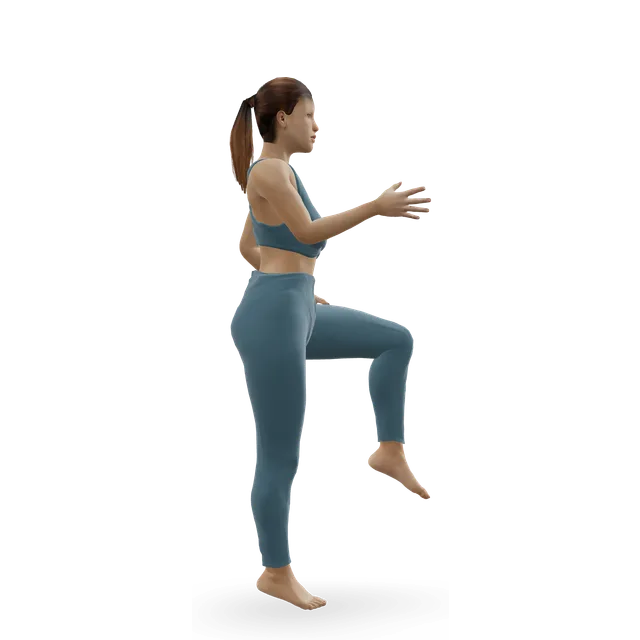
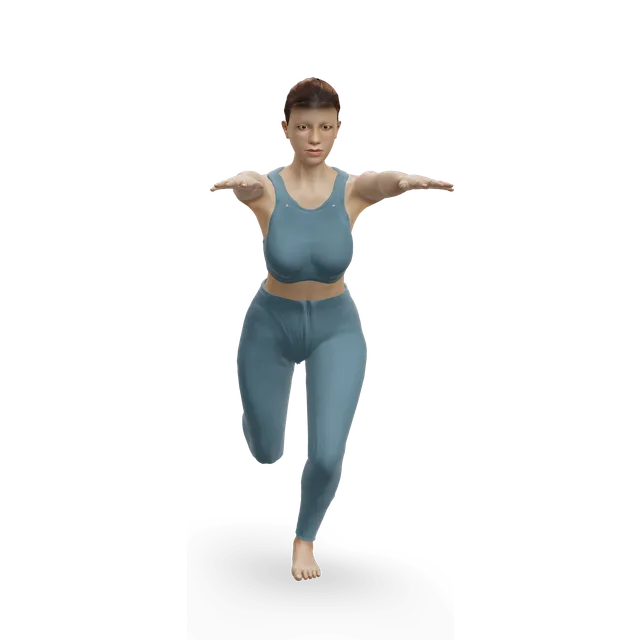
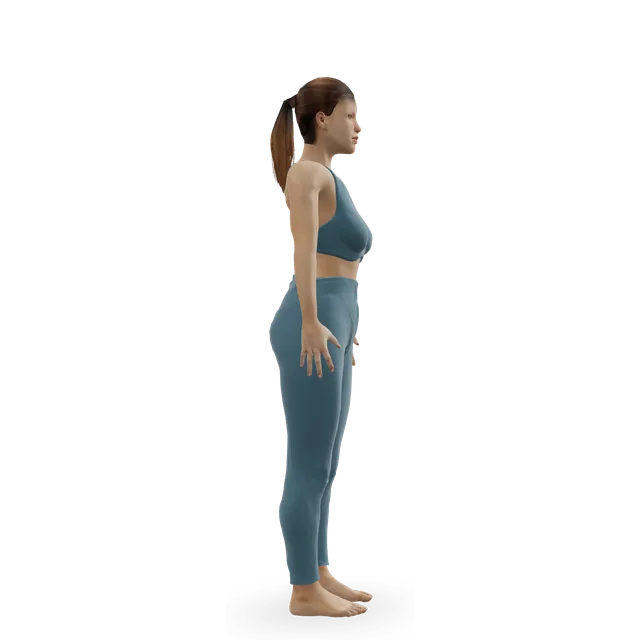
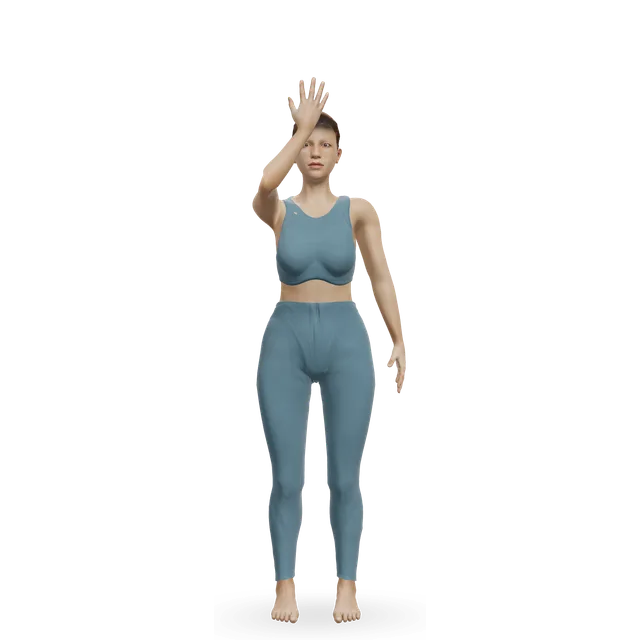
Loading the 3D figure…

Gets into position, then repeats the movement. Technical checks passed; qualified exercise review is pending.

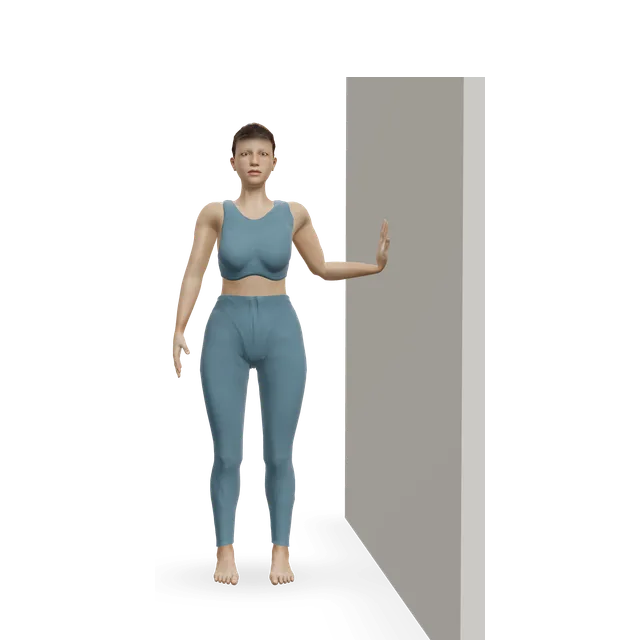
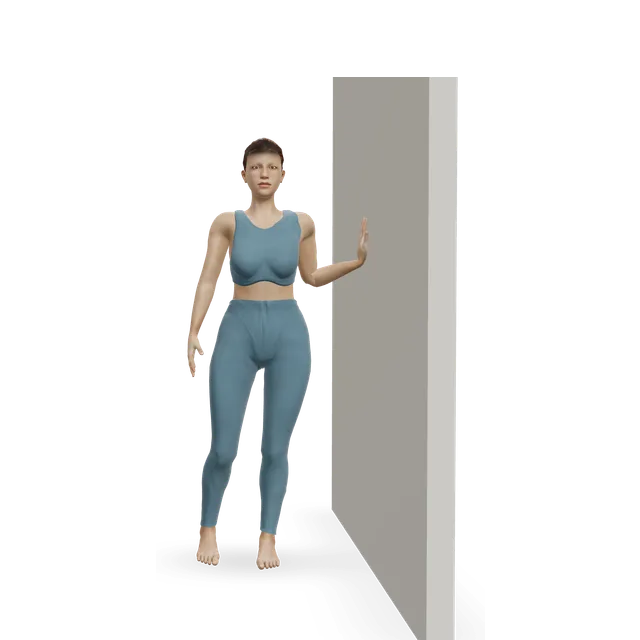
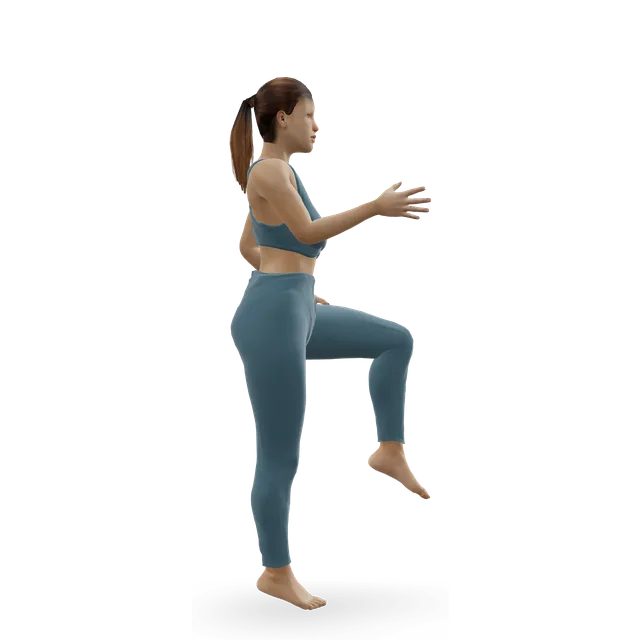
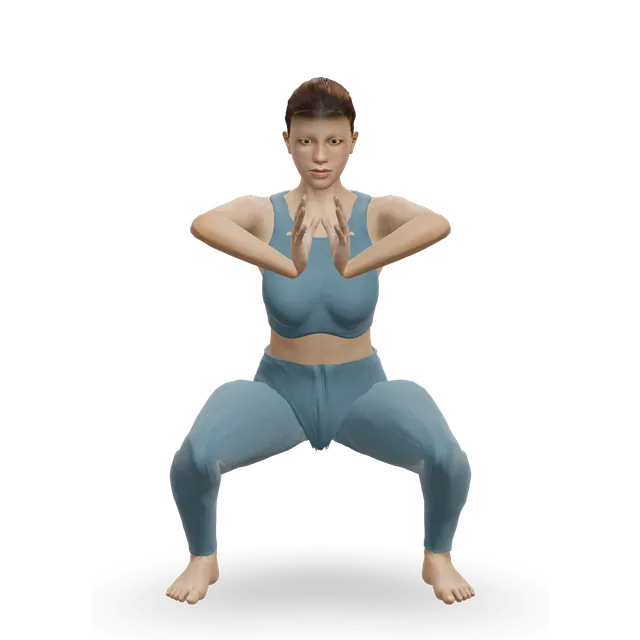
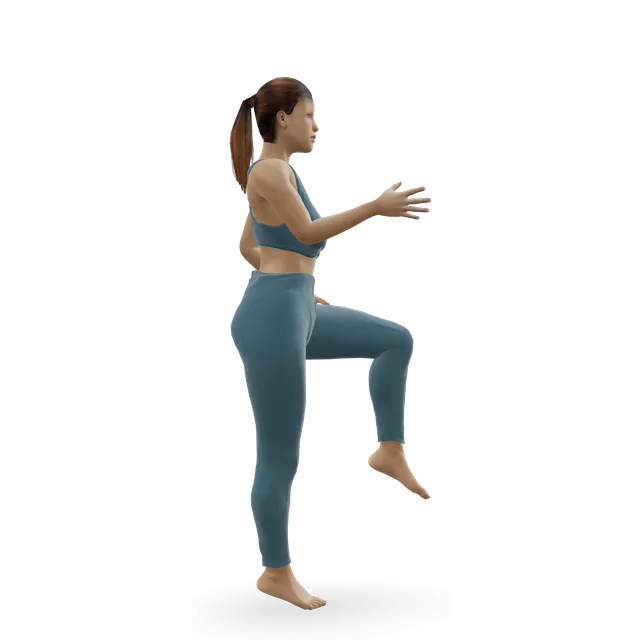
The movement on the figure: Single-leg hop and stick

Moves for Australian rules football

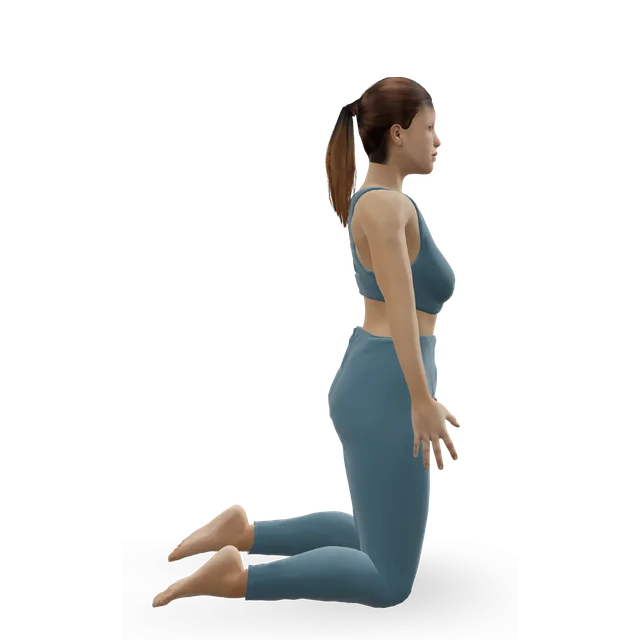
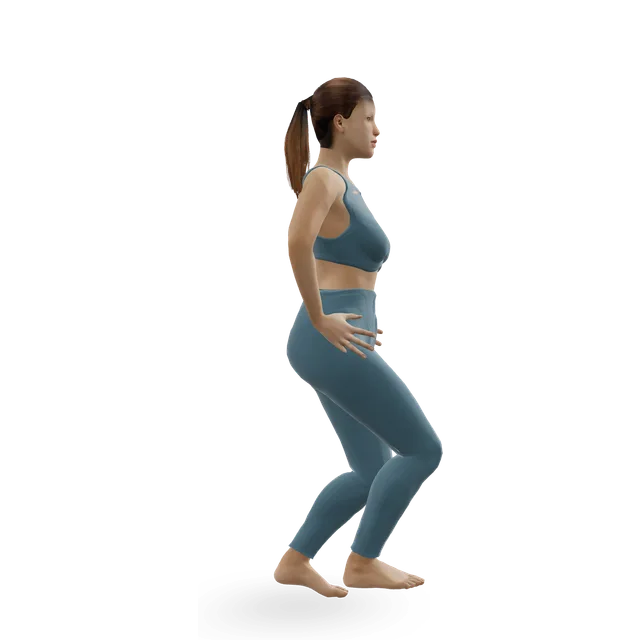
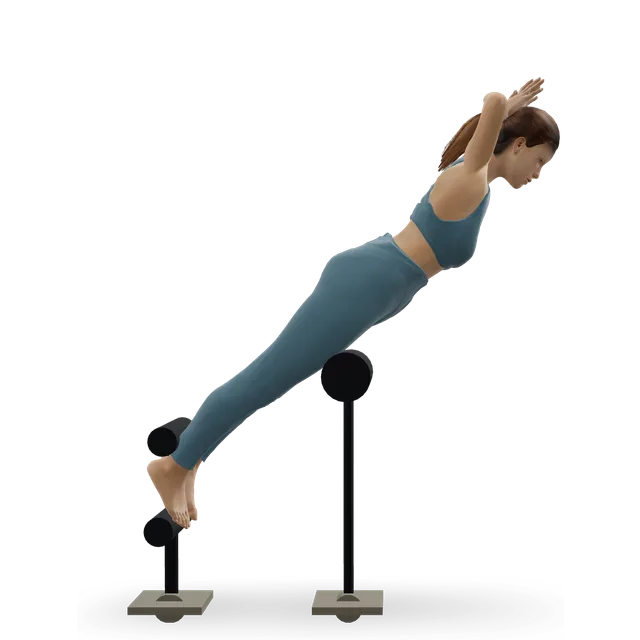
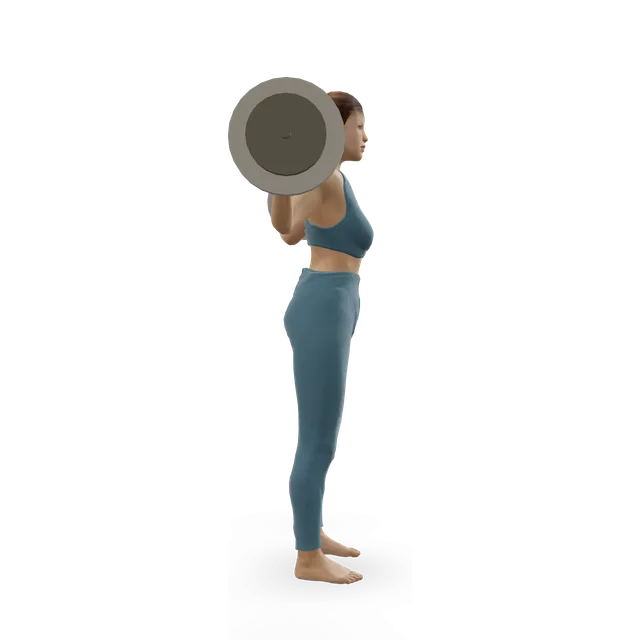
Prep to Play's strength exercises, as close as our figure gets, the landing and sprint work, and the strength workout's lifts. Each has a 3D demo.

Workouts

The first two are new: a warm-up built on Prep to Play and a strength workout. The FIFA 11+, Activate and Gaelic games warm-ups come from football, rugby and the GAA; the others add hamstring and groin protection, strength, sprints, jumps, fitness, the neck, and light exercise after a concussion.

Australian football warm-up: built on Prep to Play, for every session and match

A 10-minute warm-up built on Prep to Play: a jog and mobility, deceleration, cuts, jumps and landings, contact skills, sprints and one-leg balance.

10 minBeginner13 movesCardio machine, A wall

Strength workout for Australian football: sprints, lifts, Nordics, Copenhagens and neck strength

A 55-minute footy strength session: accelerations and bounds, squats, split squats, bench press, chin-ups, Nordics, reverse Nordics, Copenhagens and neck holds.

55 minIntermediate14 movesA wall, A barbell

FIFA 11+ warm-up

FIFA's 11+ injury prevention warm-up as its manual sets it out: running drills, strength, balance and jumping at three levels, then faster running.

20 minBeginner20 movesCardio machine, A wall

Activate rugby warm-up: the adult sample phase

England Rugby's and World Rugby's Activate warm-up, the manual's adult sample phase: running, balance, partner holds, hops, sprints and neck holds.

25 minBeginner15 movesCardio machine, A wall

Gaelic games warm-up (built on the GAA 15)

A 15-minute warm-up built on the GAA 15: running drills, bridges, lunges, squats, planks, partner balance, jumps, Nordic lowers, then sprints and cuts.

15 minBeginner20 movesCardio machine, A wall

Hamstring and groin injury prevention

The Nordic hamstring and Copenhagen adduction programmes from the football trials: a 10-week build, three adductor levels, then once a week in season.

15 minIntermediate6 movesA wall, An anchor point

Hamstring workout: Romanian deadlifts, curls and Nordics

A 35-minute gym hamstring workout: Romanian deadlifts for the hip, seated leg curls for the knee, single-leg Romanian deadlifts, then Nordic curls when ready.

35 minIntermediate7 movesA dumbbell, Strength machine

Strength workout for rugby players: legs, upper body, hamstrings and neck

A 55-minute gym session for rugby: jump squats and chest throws, heavy squats, bench press, Romanian deadlifts, rows, Nordic lowers, shoulder and neck work.

55 minIntermediate15 movesA band, Medicine ball

Strength workout for Gaelic football and hurling: drop jumps and sprints, legs, hamstrings and groins

A 55-minute gym and pitch session for Gaelic games: drop jumps into sprints, squats, split squats, Nordics, back extensions, Copenhagens, rotations and presses.

55 minIntermediate17 movesA wall, A step

Sprint speed workout: drills, accelerations and flying sprints

A 45-minute speed session: running drills, five short accelerations and three flying sprints with full rest, then Nordic curls and calf raises.

45 minIntermediate11 movesCardio machine, A wall

Plyometric workout

An advanced jump training session: pogo hops, box jumps, split squat jumps, broad jumps and depth jumps.

30 minAdvanced8 movesA bench or box, A step

Norwegian 4x4 interval workout

The Norwegian 4x4, a well-studied interval session for raising VO2 max: four 4-minute hard efforts with 3 easy minutes between, on a bike, rower or treadmill.

40 minIntermediate3 movesCardio machine, A wall

Cardio intervals workout

A 25-minute interval session on a bike or rower: one-minute hard efforts with two minutes easy, building from 4 to 8 rounds.

25 minIntermediate1 movesCardio machine

Neck and shoulder strength routine

Deep neck holds and shoulder-blade strength in under 20 minutes: one of the best-supported kinds of exercise for a stiff, sore neck.

18 minBeginner11 movesA band, An anchor point

Light exercise after a concussion: the stage 3 session

A 20-minute light session after a concussion: a symptom check, 10 to 15 minutes of easy cycling or walking, gentle bodyweight moves and a cool-down.

20 minBeginner8 movesCardio machine, A bench or box

Plans

Two or three strength sessions a week fit pre-season; drop to one or two in season. The postpartum plan suits players coming back after a baby.

Who should check first

Everyone: seven questions

The PAR-Q+ (Physical Activity Readiness Questionnaire for Everyone) asks about a heart condition or high blood pressure, chest pain, dizziness or losing consciousness, other long-term conditions and their medicines, a bone or joint problem that activity could make worse, and being told to exercise only under supervision. If you answer yes to any, check with your doctor or a qualified exercise professional first. If you're over 45 and not used to hard exercise, ask a qualified exercise professional before the hardest sessions, and delay if you're ill.

Source 75

After a concussion

In community football, follow the AFL's guidelines: a doctor's assessment, at least 14 days of graded loading, a doctor's clearance before full contact and no return to play before day 21. Two concussions in a season, or symptoms lasting 4 weeks or more, mean seeing a doctor with expertise in concussion. Our concussion guide has the stages.

Sources 6, 29

After a hamstring strain

A recent strain raised the odds of another 13 times, and the risk stays raised for 15 weeks. Use our hamstring strain guide, then keep the hamstring work in the strength workout going all season.

Source 23

Women and girls, and anyone after an ACL reconstruction

AFLW ACL rates were about 6 times the AFL's, and 30% of AFL players had another ACL injury after a reconstruction. Do Prep to Play at every session, and follow the return-to-sport checks in our ACL injury guide.

Sources 5, 26, 9

Juniors with hip or groin pain

A hip or groin injury as a junior went with over 6 times the rate at AFL level. See our groin strain guide, and add the Copenhagen exercise once you're pain-free.

Sources 18, 51

Young players in several teams

The AFL recommends no more than 25 games a season across talent, club and school football, and ideally no more than 2 a week. Count games across all your teams; our children's guide explains why total hours matter.

Source 12

Fainting or chest pain

The National Health Service (NHS) advises seeing a GP if you've fainted, and calling 999 if someone faints while exercising; the PAR-Q+ asks you to check first if you get chest pain or dizziness. Do that before you play.

Sources 76, 77, 75

Pregnant

The NHS advises against sports with a risk of falling or bumping your tummy, naming rugby and hockey. The AFL's handbook asks pregnant players to get regular advice from their doctor on the risks and on whether it's safe to keep playing, and to share it with their club. Talk to your midwife or GP, and see our pregnancy guide.

Sources 78, 68

People with epilepsy

Our epilepsy guide explains that in the International League Against Epilepsy's grouping, team sports on the ground such as football and rugby add no significant extra risk. Australian football isn't named, but it's played the same way (our reading).

When to stop and get help

A head injury: the AFL's red flags

The AFL's guidelines send a player urgently to hospital for neck pain or tenderness, double vision, weakness or tingling or burning in the arms or legs, a seizure, loss of consciousness, worsening consciousness, vomiting, a severe or worsening headache, or increasing restlessness, agitation or combative behaviour. A concussed player shouldn't be left alone for the first 3 to 4 hours, shouldn't drink alcohol, and shouldn't drive until a doctor clears them.

Source 6

A head injury: call 999

The NHS says to call 999 if someone has hit their head and:

  • Has been knocked out and hasn't woken up, or can't stay awake or keep their eyes open.
  • Has a fit (seizure).
  • Has problems with their vision or hearing, or clear fluid coming from their ears or nose.
  • Has new numbness or weakness in any part of their body, or problems with walking, balance, understanding, speaking or writing.
  • Their behaviour has changed, such as being more irritable or distracted.

Source 79

A possible neck injury

Don't move the player: only trained healthcare professionals should. Call 999.

Source 67

Sudden pain at the back of the thigh

Stop: the NHS advises stopping any sport if you start to feel pain in your hamstrings. Get help from NHS 111 if it's very painful, the swelling or bruising is large or getting worse, or it hurts to walk or stand. Our hamstring strain guide explains what to do next.

Source 80

A corked thigh

For the first couple of days, avoid heat, massage and alcohol, which can add to the swelling, and keep the knee moving once pain allows. Our quad strain guide covers dead legs.

Source 81

Knees and ankles

Call 999 or go to A&E (accident and emergency) if you heard a crack, the joint has changed shape or points at an odd angle, it's numb or tingling, or the skin is blue, grey or cold. Get help from NHS 111 if it's very painful, very swollen, or you can't put weight on it or walk more than a few steps.

Source 81

A shoulder that looks out of place

Go to A&E if you can't move your arm, or the shoulder looks out of place or has changed shape. Don't try to put it back in yourself.

Source 82

Fingers, teeth, noses and cuts

Go to A&E if a finger points at an odd angle, looks blue or feels numb, or bone can be seen. A chipped or broken tooth needs a dentist: keep any piece in milk or saliva. Call 999 or go to A&E for a nosebleed that won't stop, clear, watery fluid from the nose, a cut that won't stop bleeding, or a bad cut on the face.

Sources 83, 84, 85, 86

Heat at pre-season training and summer matches

The AFL's handbook asks leagues to schedule matches to avoid extreme heat and to allow more breaks. Call 999 if someone is still unwell after 30 minutes of rest, cooling and fluids, or has a very high temperature, hot skin that isn't sweating, a fast heartbeat or breathing, confusion, a fit or loss of consciousness.

Sources 68, 87

Collapse: call 999

If someone is unresponsive and not breathing normally, call 999 or 112, start CPR (cardiopulmonary resuscitation) straight away, and ask a helper to find and bring a defibrillator.

Source 88

Myths

"Headgear prevents concussion"Mixed evidence

The AFL says evidence for commercially available headgear is limited, and that certified headgear may reduce impact forces but isn't yet proven to reduce concussions. An earlier trial failed because players wouldn't wear it.

Sources 6, 11, 21

"You can play next week once the symptoms settle"Strong evidence

Not in community football: the earliest return to play is day 21, after at least 14 days of graded loading and a doctor's clearance. AFL and AFLW players under club doctors have a 12-day minimum.

Sources 6, 8

"Nordics don't work in Aussie rules"Emerging evidence

The community pilot failed because fewer than half the players did two sessions; those who did had fewer hamstring injuries, though not significantly. Programmes that include the Nordic go with fewer hamstring injuries across sports, though the strictest analyses are uncertain.

Sources 59, 61, 62

"Strong hamstrings in a test mean you won't pull one"Mixed evidence

Low eccentric strength went with hamstring strains in one AFL cohort, but pooled across studies the test told little about who would be injured. A previous strain is the biggest risk.

Sources 37, 54, 23

"Less training keeps you injury-free"Emerging evidence

In a sub-elite pre-season, players who trained least had the most injuries; sudden spikes in load were what raised the risk.

Sources 39, 40

"AFLW ACL injuries are just bad luck"Emerging evidence

Rates were about 6 times the AFL's and most happened without contact. Programmes with strength and landing work halve ACL injuries in other sports, and Prep to Play players who did more of the programme had fewer injuries.

Sources 5, 19, 48, 10

"Mouthguards are only for matches"Strong evidence

The AFL says "Mouthguards should be worn for all Matches and contact training sessions", yet in 1999 only 2 to 40% of players wore one in training.

Sources 68, 69

"Aussie rules is more dangerous than rugby"Mixed evidence

The data can't settle it: concussion rates in elite Australian football studies alone ranged from 2.24 to 17.63 per 1,000 player hours, because definitions differ, and we found no study comparing the codes on the same measure.

Source 28

Questions people ask

What is the AFL concussion protocol?

In community football, under the AFL's May 2026 guidelines, a player with a suspected concussion comes off at once and must see a doctor. After rest and recovery comes a graded loading programme of at least 14 days, a doctor must clear the player before full contact training, and the earliest return to play is day 21. AFL and AFLW players under club doctors have a 12-day minimum.

Why is it 21 days in community football but 12 in the AFL?

The AFL says it keeps the 12-day minimum in the AFL and AFLW because they have advanced care settings, with club doctors monitoring each player through 11 steps. Community players don't have that, so the minimum is longer, as in the UK's grassroots guidelines.

What is Prep to Play?

The AFL and La Trobe University's injury reduction programme for women and girls in community football: a 10-minute warm-up of 8 activities at every training session and match, at least 5 minutes of contact skills at training, and three strength exercises, each with options A to C. In a trial in 165 teams, coach support more than doubled its use, and players who did more of it had fewer injuries. Our warm-up is built on it.

How do you prevent hamstring injuries in Aussie rules?

Keep Nordic and bridge exercises going all season, building up gradually: in a community trial, players stopped doing Nordics, which a review put down to muscle soreness. Include some fast running most weeks rather than sudden spikes, and take extra care after a previous strain, the biggest risk factor.

Why do so many AFLW players tear their ACL?

Women in team sports have about twice men's rate of ACL injury, and in the AFLW's first seasons rates were about 6 times the AFL's. Most happened without contact, often sidestepping while defending, and 80% in pre-season training or the first half of the season. Programmes with strength and landing work halve ACL injuries in other sports.

Do you have to wear a mouthguard or helmet in AFL?

The AFL strongly recommends mouthguards for all matches and contact training at every level, and says dentally fitted laminated ones protect best; we found no national rule making them compulsory, so check your league. Headgear is optional: the AFL says certified headgear may reduce impact forces but isn't yet proven to reduce concussions.

What's a good AFL pre-season program?

Build running and strength gradually: in a sub-elite pre-season, aerobic fitness improved most at weekly loads of 1,600 to 2,000 units, players who trained least had the most injuries, and sudden weekly jumps of 15 to 49% raised the risk. Two strength sessions a week, Prep to Play at every session and match-specific training late in pre-season fit the evidence.

When can kids tackle in Aussie rules?

Under the AFL's Junior Rules (May 2024), there's no tackling in under-8s, a modified wrap tackle only in under-9s and under-10s, and full tackling and bumping from under-11s. Youth players shouldn't play more than 25 games a season across all their teams, and ideally no more than 2 a week.

What are the most common AFL injuries?

In the 2023 AFL season, hamstring strains, concussions, calf strains and illness caused the most missed matches; in the AFLW, concussion, ankle, ACL and shoulder injuries did. In community football, ankle sprains, concussion and ACL injuries are common in women.

How long is a junior footballer out after a concussion?

At least 21 days, and often longer: the AFL says recovery in players aged 18 and under is often 4 weeks or longer. A child shouldn't return to football until they're back at school or learning, free of symptoms and medically cleared, and shouldn't play other contact sports in the meantime.

Sources

  1. Gray 2010 · Match analysis and the physiological demands of Australian football (Sports Med)
  2. Clarke 2018 · Physical demands and technical performance in Australian Football League Women's (AFLW) competition match-play (J Sci Med Sport)
  3. Compendium of Physical Activities 2024 · Sports: MET values (adult compendium)
  4. Australian Football League (AFL) 2024 · AFL and AFLW injury reports for the 2023 seasons (news release, 5 September 2024)
  5. Webster 2021 · Anterior Cruciate Ligament Injuries in Australian Rules Football: Incidence, Prevention and Return to Play Outcomes (Open Access J Sports Med)
  6. Australian Football League (AFL) 2026 · Guidelines for the management of sport-related concussion in Australian football (May 2026)
  7. Australian Football League (AFL) 2023 · AFL releases updated concussion guidelines and strategic plan (14 March 2023)
  8. Australian Football League (AFL) 2024 · 2024 AFL concussion protocols: community football to adopt minimum 21 day return to play protocols (6 March 2024)
  9. AFL and La Trobe University · Prep to Play coaching manual: a program for women and girls who play community level Australian football
  10. Patterson 2026 · Supported implementation enhances injury prevention programme (Prep-to-Play) use in women and girls playing Australian Football: a pragmatic type III hybrid implementation-effectiveness stepped wedge cluster randomised trial (Br J Sports Med)
  11. Play AFL 2026 · Community concussion guidelines: FAQs
  12. Australian Football League (AFL) 2024 · Junior rules program handbook (May 2024)
  13. Johnston 2021 · Peak Movement and Technical Demands of Professional Australian Football Competition (J Strength Cond Res)
  14. Johnston 2018 · Applied Sport Science of Australian Football: A Systematic Review (Sports Med)
  15. Cormack 2008 · Neuromuscular and endocrine responses of elite players to an Australian rules football match (Int J Sports Physiol Perform)
  16. Saw 2018 · Injuries in Australian Rules Football: An Overview of Injury Rates, Patterns, and Mechanisms Across All Levels of Play (Sports Health)
  17. Orchard 2002 · Epidemiology of injuries in the Australian Football League, seasons 1997-2000 (Br J Sports Med)
  18. Gabbe 2010 · The association between hip and groin injuries in the elite junior football years and injuries sustained during elite senior competition (Br J Sports Med)
  19. Rolley 2023 · Video analysis of anterior cruciate ligament injury situations in the women's Australian football league (Sci Med Footb)
  20. Sunderland 2024 · Concussion incidence and mechanisms differ between elite females and males in Australian Football (J Sci Med Sport)
  21. Hrysomallis 2013 · Injury incidence, risk factors and prevention in Australian rules football (Sports Med)
  22. Orchard 2013 · Results of 2 decades of injury surveillance and public release of data in the Australian Football League (Am J Sports Med)
  23. Orchard 2020 · Fifteen-week window for recurrent muscle strains in football: a prospective cohort of 3600 muscle strains over 23 years in professional Australian rules football (Br J Sports Med)
  24. Maniar 2023 · Incidence and prevalence of hamstring injuries in field-based team sports: a systematic review and meta-analysis of 5952 injuries from over 7 million exposure hours (Br J Sports Med)
  25. Crow 2010 · Hip adductor muscle strength is reduced preceding and during the onset of groin pain in elite junior Australian football players (J Sci Med Sport)
  26. Lai 2018 · Fifteen-Year Audit of Anterior Cruciate Ligament Reconstructions in the Australian Football League From 1999 to 2013: Return to Play and Subsequent ACL Injury (Am J Sports Med)
  27. Orchard 2005 · Rye grass is associated with fewer non-contact anterior cruciate ligament injuries than bermuda grass (Br J Sports Med)
  28. McNeel 2020 · Concussion incidence and time-loss in Australian football: A systematic review (J Sci Med Sport)
  29. Fortington 2015 · Concussion in community Australian football - epidemiological monitoring of the causes and immediate impact on play (Inj Epidemiol)
  30. Franke 2025 · Injury characteristics, mechanisms, and game circumstances in junior community-level Australian football (JSAMS Plus)
  31. Hecimovich 2017 · Prevalence of head injury and medically diagnosed concussion in junior-level community-based Australian Rules Football (J Paediatr Child Health)
  32. Farley 2022 · Injury profiles of Australian football players across five, women's and girls' competition levels (J Sci Med Sport)
  33. Bennett 2024 · Ankle sprain, concussion, and anterior cruciate ligament injuries are common and burdensome in sub-elite female Australian football players (J Sci Med Sport)
  34. Gill 2021 · Gender differences in female and male Australian Football injuries - A prospective observational study of emergency department presentations (J Sci Med Sport)
  35. McManus 2004 · Incidence and risk factors for injury in non-elite Australian Football (J Sci Med Sport)
  36. Orchard 2009 · Decreased incidence of knee posterior cruciate ligament injury in Australian Football League after ruck rule change (Br J Sports Med)
  37. Opar 2015 · Eccentric hamstring strength and hamstring injury risk in Australian footballers (Med Sci Sports Exerc)
  38. Ruddy 2018 · Running exposure is associated with the risk of hamstring strain injury in elite Australian footballers (Br J Sports Med)
  39. Harrison 2017 · Relationship Between Training Load, Fitness, and Injury Over an Australian Rules Football Preseason (J Strength Cond Res)
  40. Murray 2017 · Individual and combined effects of acute and chronic running loads on injury risk in elite Australian footballers (Scand J Med Sci Sports)
  41. Patterson 2022 · Evaluation of an injury prevention programme (Prep-to-Play) in women and girls playing Australian Football: design of a pragmatic, type III, hybrid implementation-effectiveness, stepped-wedge, cluster randomised controlled trial (BMJ Open)
  42. Patterson 2024 · Injury prevention for women and girls playing Australian Football: programme cocreation, dissemination and early adopter coach feedback (BMJ Open Sport Exerc Med)
  43. Bruder 2024 · If we build it together, will they use it? A mixed-methods study evaluating the implementation of Prep-to-Play PRO: an injury prevention programme for women's elite Australian Football (Br J Sports Med)
  44. Finch 2016 · Preventing Australian football injuries with a targeted neuromuscular control exercise programme: comparative injury rates from a training intervention delivered in a clustered randomised controlled trial (Inj Prev)
  45. Donaldson 2015 · Bridging the gap between content and context: establishing expert consensus on the content of an exercise training program to prevent lower-limb injuries (Clin J Sport Med)
  46. Finch 2019 · Controlled ecological evaluation of an implemented exercise-training programme to prevent lower limb injuries in sport: population-level trends in hospital-treated injuries (Br J Sports Med)
  47. Donaldson 2019 · Controlled ecological evaluation of an implemented exercise training programme to prevent lower limb injuries in sport: differences in implementation activity (Inj Prev)
  48. Webster 2018 · Meta-analysis of meta-analyses of anterior cruciate ligament injury reduction training programs (J Orthop Res)
  49. Collings 2026 · An Evidence-Based and Mechanistic Approach to Reducing the Risk of Anterior Cruciate Ligament Injury: An Exercise and Sport Science Australia Position Statement (Sports Med)
  50. Zech 2022 · Sex differences in injury rates in team-sport athletes: A systematic review and meta-regression analysis (J Sport Health Sci)
  51. Harøy 2019 · The Adductor Strengthening Programme prevents groin problems among male football players: a cluster-randomised controlled trial (Br J Sports Med)
  52. Orchard 2012 · Relationship between interchange usage and risk of hamstring injuries in the Australian Football League (J Sci Med Sport)
  53. Garrett 2023 · The Relationship Between Neck Strength and Sports-Related Concussion in Team Sports: A Systematic Review With Meta-analysis (J Orthop Sports Phys Ther)
  54. Opar 2021 · Is Pre-season Eccentric Strength Testing During the Nordic Hamstring Exercise Associated with Future Hamstring Strain Injury? A Systematic Review and Meta-analysis (Sports Med)
  55. Hides 2014 · Can motor control training lower the risk of injury for professional football players? (Med Sci Sports Exerc)
  56. Timmins 2021 · Sprinting, Strength, and Architectural Adaptations Following Hamstring Training in Australian Footballers (Scand J Med Sci Sports)
  57. McCaskie 2019 · Association Between Preseason Training and Performance in Elite Australian Football (Int J Sports Physiol Perform)
  58. Carey 2018 · Optimizing Preseason Training Loads in Australian Football (Int J Sports Physiol Perform)
  59. Gabbe 2006 · A pilot randomised controlled trial of eccentric exercise to prevent hamstring injuries in community-level Australian Football (J Sci Med Sport)
  60. Verrall 2005 · The effect of sports specific training on reducing the incidence of hamstring injuries in professional Australian Rules football players (Br J Sports Med)
  61. van Dyk 2019 · Including the Nordic hamstring exercise in injury prevention programmes halves the rate of hamstring injuries: a systematic review and meta-analysis of 8459 athletes (Br J Sports Med)
  62. Impellizzeri 2021 · Why methods matter in a meta-analysis: a reappraisal showed inconclusive injury preventive effect of Nordic hamstring exercise (J Clin Epidemiol)
  63. Hong 2026 · Comparative Effectiveness of Exercise Interventions for Hamstring Injury Prevention in Football Players: A Systematic Review and Network Meta-analysis (Sports Med Open)
  64. Play AFL 2026 · AFL releases updated community concussion guidelines (May 2026)
  65. Australian Football League (AFL) 2024 · The management of sport-related concussion in Australian football (March 2024)
  66. Australian Football League (AFL) · AFL concussion: FAQs
  67. UK Government and Sport and Recreation Alliance 2024 · UK concussion guidelines for non-elite (grassroots) sport, November 2024 update
  68. Australian Football League (AFL) 2024 · National Community Football Policy Handbook (March 2024), as published by AFL Europe
  69. Banky 1999 · Mouthguard use in Australian football (J Sci Med Sport)
  70. Knapik 2019 · Effectiveness of Mouthguards for the Prevention of Orofacial Injuries and Concussions in Sports: Systematic Review and Meta-Analysis (Sports Med)
  71. Eliason 2023 · Prevention strategies and modifiable risk factors for sport-related concussions and head impacts: a systematic review and meta-analysis (Br J Sports Med)
  72. Australian Football League (AFL) 2024 · Australian Football Headgear Standards: Basic (AFL BHS 2024) and Advanced (AFL AHS 2024), document dated 12 December 2024
  73. Makovec Knight 2023 · Padded Headgear in Junior and Youth Australian Football: Player Insights From a National Survey (Clin J Sport Med)
  74. Australian Football League (AFL) 2024 · AFL coaching: tackle curriculum (December 2024)
  75. PAR-Q+ Collaboration 2025 · The Physical Activity Readiness Questionnaire for Everyone (PAR-Q+)
  76. NHS · Fainting
  77. NHS · Chest pain
  78. NHS · Exercise in pregnancy
  79. NHS · Head injury and concussion
  80. NHS · Hamstring injury
  81. NHS · Sprains and strains
  82. NHS · Dislocated shoulder
  83. NHS · Broken finger or thumb
  84. NHS · Chipped, broken or cracked tooth
  85. NHS · Broken nose
  86. NHS · Cuts and grazes
  87. NHS · Heat exhaustion and heatstroke
  88. St John Ambulance · How to do CPR (where the NHS's CPR page now leads)

Exercise education for people who play sport, not a personal prescription or a diagnosis, and clinical review of these pages is pending. Check with a GP or physiotherapist before hard training if you have a heart condition, chest pain, dizziness or an injury that isn't settling, and stop for sharp or increasing pain. Health disclaimer.