How often surfers get hurtEmerging evidence
The numbers, by group:
- Australian surfers, 1,348 in an online survey: 1.79 major injuries per 1,000 hours of surfing, or 0.38 a year.
- Portuguese surfers at regional contests, 1,016 of them: 1.23 injuries per 1,000 hours, with 29.6% injured in a year.
- Contest surfers worldwide, counted by event medical staff: 13 injuries per 1,000 hours of competition, 6.6 of them significant.
- New Zealand surfers, 1,473 of them: 34% had a major injury from a single event in a year, and 27% an injury that came on gradually.
- Across 17 studies: 31% to 35% of recreational and 42% to 49% of competitive surfers injured in a year.
- Cornwall's main hospital: 212 emergency visits for surf injuries over 2 years, 38% of them cuts.
- UK club surfers: 122 of 130 reported 335 injuries, and 65% of them never needed professional treatment.
- Australian surfing and bodyboarding deaths: 0.06 per million hours in the water.
Sources 29, 30, 31, 32, 5, 33, 34, 35, 36
Cuts and bruises from the boardEmerging evidence
Across 19 studies, skin injuries were 46% of sudden injuries, and being hit by your own board caused 38.6% of them. In a survey of 1,348 surfers, 67% of sudden injuries came from contact with a board. Fins, rocks, reefs and the seabed account for most of the rest. We don't have a guide to cuts; the National Health Service's (NHS) advice is in the warning signs below.
Sources 4, 37, 34, 35
ShouldersEmerging evidence
The shoulder was the commonest site of sudden injury in Australian surfers (16.4%) and of gradual injury in New Zealand, where 64% of shoulder problems lasted 3 months or more. Across 10 studies, paddling caused about 58% of shoulder injuries. Surfers with shoulder pain lacked range and strength in turning the arm outwards. In Cornwall, dislocated shoulders were 10% of the injuries that didn't need admission, more than the doctors expected. Our shoulder impingement, rotator cuff tear and shoulder dislocation guides cover these.
Sources 29, 5, 38, 24, 34
Low backs and necksEmerging evidence
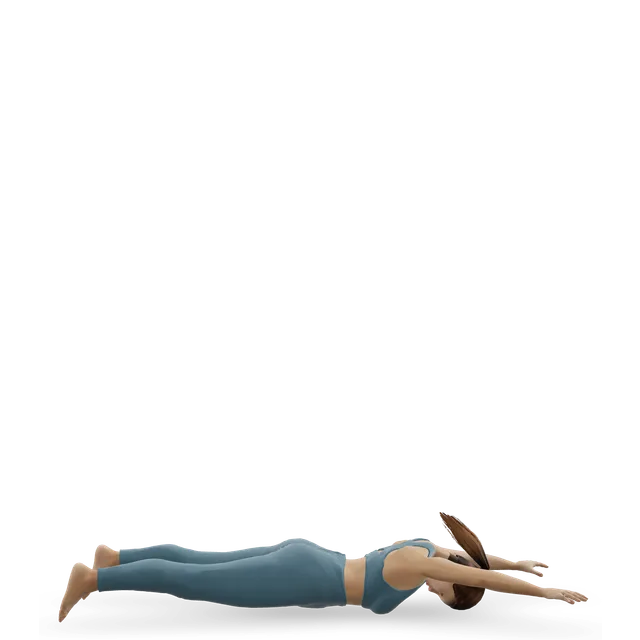
The low back and neck were among the commonest sites of gradual injury in New Zealand surfers, and 40% of those injuries were put down to long spells of paddling. Across 20 studies, the spine and back made up 29% of long-term injuries. A kneeling pop-up has been described for surfers with back pain, though not tested. Our back pain and neck pain guides cover these.
Sources 5, 39, 40, 41
Heads and concussionEmerging evidence
Head injuries were 24% of injuries in UK club surfers, though none needed brain surgery. In US emergency departments, concussion was 5% of surfers' head and neck injuries, and 8% under 20; children's surf injuries included more concussions than adults' (6.5% against 3.2%). Of 40 elite Australian surfers, 13 had had a diagnosed concussion, and frequent symptoms after wipeouts in the others suggested many go unrecognised. In large emergency studies, 0.8% to 1.9% of surfers had a skull fracture or bleeding in the skull. Our concussion guide covers the graduated return.
Sources 35, 42, 43, 44, 45
Neck fractures and spinal cord injuriesEmerging evidence
Most surfers' spinal injuries happened when the head hit the seabed. Of 79 neck fractures at Australian beaches, surfers were more often hurt diving into shallow water than swimmers (27.6% against 2.2%), and more injuries happened in smaller waves and on an outgoing tide. Bodysurfing has injured the spinal cord of older men with neck arthritis, without a fracture. At one US trauma centre, the spine was involved in 51% of surfers admitted. We don't have a guide to spinal injuries.
Sources 46, 6, 47, 48
Surfer's myelopathyEmerging evidence
A rare injury to the spinal cord without any impact, almost always in novices: 89.5% to 100% of cases in reviews were surfing for the first time. In 19 cases in Hawaii, every patient had sudden low back pain while surfing, then numbness and weakness in both legs over 10 to 60 minutes. Across 104 cases of the same injury from arching the back, bladder or bowel problems were the commonest feature, and about half recovered partly. How bad it was at the start predicted the outcome. The likely cause is lying arched on the board for a long time.
Sources 7, 49, 50, 51
Knees and anklesEmerging evidence
Ankles were 14.6% of sudden injuries in Australian surfers, and surfers who did aerial moves had more knee injuries (9.7% against 3.9%). In US emergency departments, the foot was the commonest site of leg injuries. Our sprained ankle, medial collateral ligament (MCL) sprain and anterior cruciate ligament (ACL) injury guides cover these.
Sources 29, 32, 52
Surfer's earEmerging evidence
Bony growths in the ear canal (external auditory exostoses) build up with repeated cold water and wind. Across 19 studies they were found in 53% to 90% of surfers, and in 64% of Cornish surfers, whose local hospital operated on about 13 a year. Surfers in cold water had about 6 times the odds of those in warm water, and the odds rose about 12% for every year of surfing.
Sources 10, 53, 54
Eyes, skin and the sunEmerging evidence
Eye injuries from boards are rare but serious: 10 in a year in New South Wales, 2 with the eyeball ruptured, from the nose, fins and tail of the board. Australian surfers reported more skin cancer than the general population, and pterygium, a growth on the surface of the eye, was more common with more lifetime hours of surfing.
Sources 55, 56, 57, 58, 59
DrowningEmerging evidence
Drowning caused 58.1% of Australian surfing and bodyboarding deaths. Bodyboarders were about 4.6 times as likely to drown as surfers, a third of those who died had a heart condition, and 36.8% were 55 or over. Rip currents were behind 75% of the rescues that Australian surfers reported making themselves.
Sources 36, 60
Who's at higher riskEmerging evidence
Associations in the studies:
- Competing, surfing more than 6.5 hours or 3 or more sessions a week, and doing aerial moves.
- Fewer than 5 years of surfing; and, for traumatic injuries in New Zealand, intermediate or better surfers more than beginners.
- Waves overhead or bigger (about 2.4 times the risk) and rock or reef bottoms (about 2.6 times).
- Longboards, more years of surfing and older age, for injuries that come on gradually.
- Being over 60, for hospital admission after an injury.
- Alcohol and drugs, in severe trauma; and winter, night, dawn and unpatrolled beaches, for serious board incidents.
Sources 30, 32, 29, 31, 5, 61, 48, 62, 63