Prone swimmers
Lying face down with your arms overhead and hovering, you sweep them out through a T and down past your hips until the backs of your hands rest on your lower back, then reverse the circle without touching down. It links the I, T and O positions of ACE's face-down series into one moving arc. In EMG studies, the face-down overhead and T raises worked the middle and lower trapezius hardest, and the T and arms-back raises did so with little upper trapezius.
Movement guide
Prone swimmers
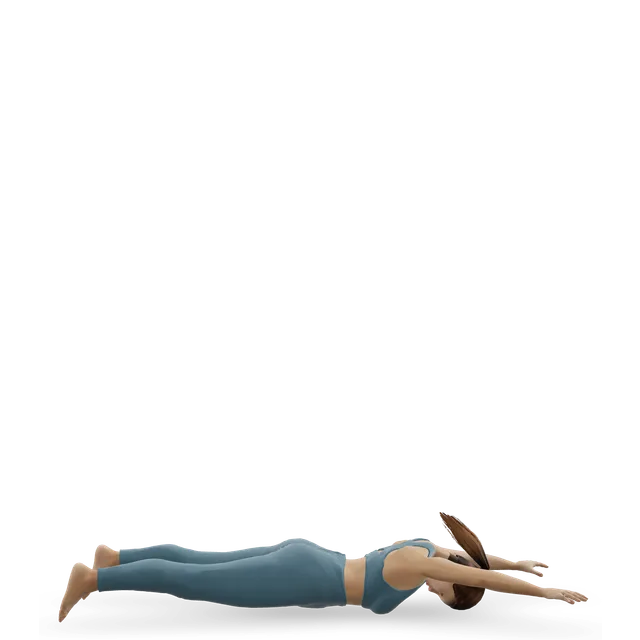
Loading the 3D figure…
Make it easier or harder
Choose a version that fits your control and comfort.
Easier option
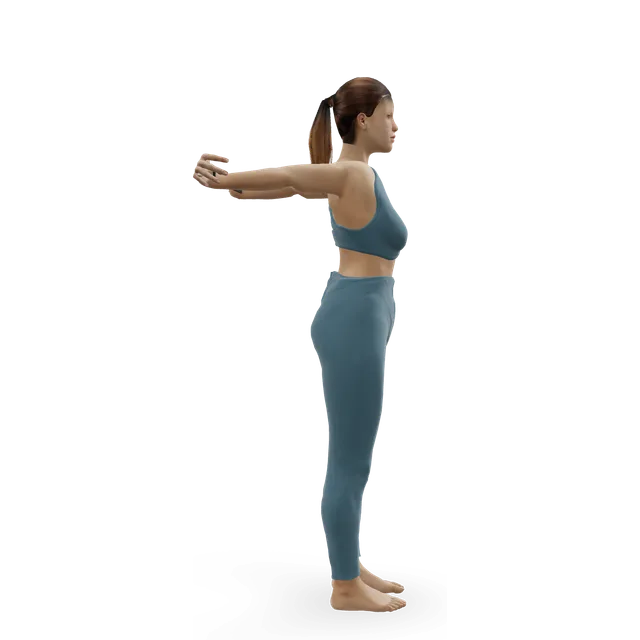 3D demoShoulder dislocates with a strap (pass-throughs)Beginner · Other / check instructions
Suggested next step, beginner grade.
Harder option
Keep a comfortable range and follow any technique and timing given in the guide. A deeper stretch or more complex pose is optional, not a required next step. Ingram 2025 review of stretching and range of motion
Source-researched guide.
How to move
- Lie face down with your forehead resting on a folded towel and your arms stretched overhead, palms facing each other, hovering just off the floor.
- Keeping your arms long and off the floor, sweep them out to the sides through a T.
- Carry on down past your hips, turning the palms up, and bend your elbows so the backs of your hands come to rest on your lower back.
- Reverse the path back to overhead without letting anything touch down. Rest, then repeat.
Form cues
- Lift from the shoulder blades, not by arching your low back.
- Bend the elbows and widen the arc where the shoulders pinch.
- Avoid: holding your breath.
Practice and cautions
4 or 5 slow circles, 2 rounds, resting between rounds (our editorial starting point).
The passage past shoulder height is where stiff shoulders pinch; bend the elbows and widen the arc rather than forcing it, and do not fake the movement by arching the lower back. A history of shoulder dislocation calls for a slower build-up. Lying face down becomes uncomfortable as a pregnancy bump grows; use an all-fours version such as the bird dog instead. This is movement education, not an assessment or treatment prescription. Stop for sharp or increasing pain, dizziness, numbness or tingling; seek individual guidance for symptoms, injury or restrictions.
Sources and review status
Sources support the educational description; they do not establish that this exercise is suitable for you.
- ACE · Prone scapular stabilization series (intermediate; lying face down, the arms lifted in I, Y, T and W shapes and the hands joined at the small of the back in an O) ↗
- Ekstrom 2003 · The overhead arm raise lying face down worked the lower trapezius most, and it and the T raise the middle trapezius most, of ten exercises (EMG study of 30 adults, JOSPT) ↗
- Cools 2007 · Face-down arm raises out to the side and back worked the middle and lower trapezius with little upper trapezius (EMG study of 45 adults, Am J Sports Med) ↗
No variation is labeled clinically validated.
What it works
Muscles
Anatomy: Latissimus dorsi, Teres major, Trapezius, Rhomboids, Erector spinae, Multifidus.
Equipment
None: body weight and floor space.
Level
Advanced. See the easier and harder options above.
Workouts that use it
- Strength workout for surfers: pull-ups, dips, pop-up power, shoulders and landings · 50 min
- Yoga for baseball and softball players: a 25-minute class for non-throwing days, for the back of the shoulder, hips and trunk · 25 min
- Shoulder Pilates: a 25-minute class for the shoulder blades, the rotator cuff, weight on your hands and reach overhead · 25 min
Pain guides that use it
Part of a staged plan, with when to get help first.
Guides that use it
- Pilates for rounded shoulders guide
- Pilates for surfers guide
- Pilates for baseball players guide
- Pilates for your shoulders guide
- Pilates for the upper body guide
- Yoga for surfers guide
- Yoga for baseball players guide
- Yoga for rounded shoulders guide
Show all 13 guidesShow fewer guides
Similar moves
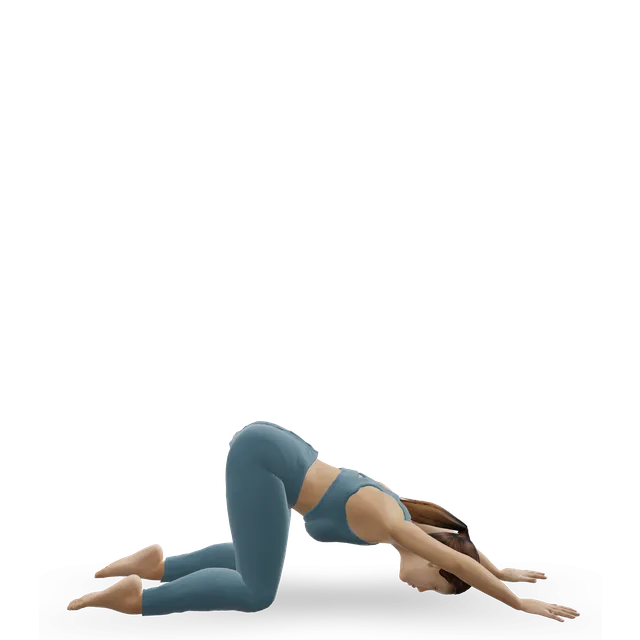 3D demoExtended puppy pose (Uttana Shishosana)Beginner · No equipment
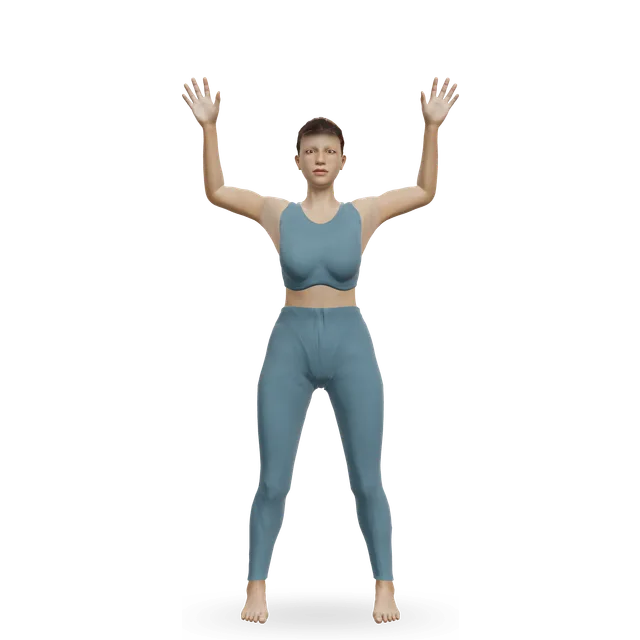 3D demoWall angelBeginner · A wall
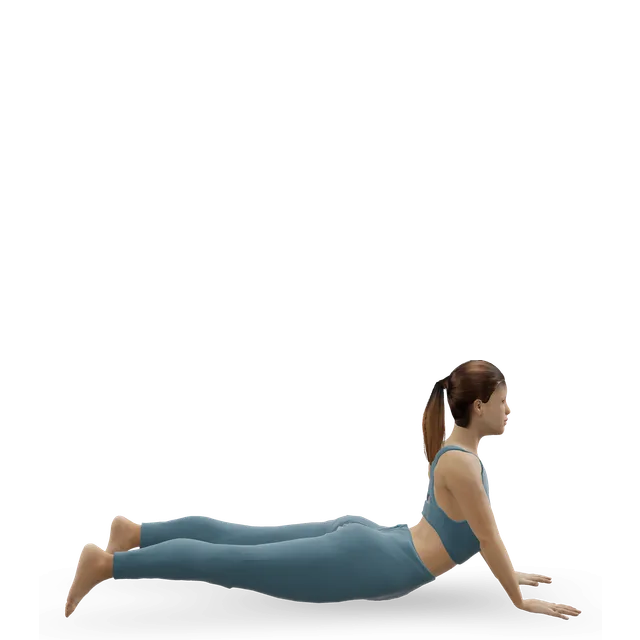 3D demoProne press-up (McKenzie press-up)Beginner · No equipment
 Scorpion pose (Vrschikasana)Expert · A wall
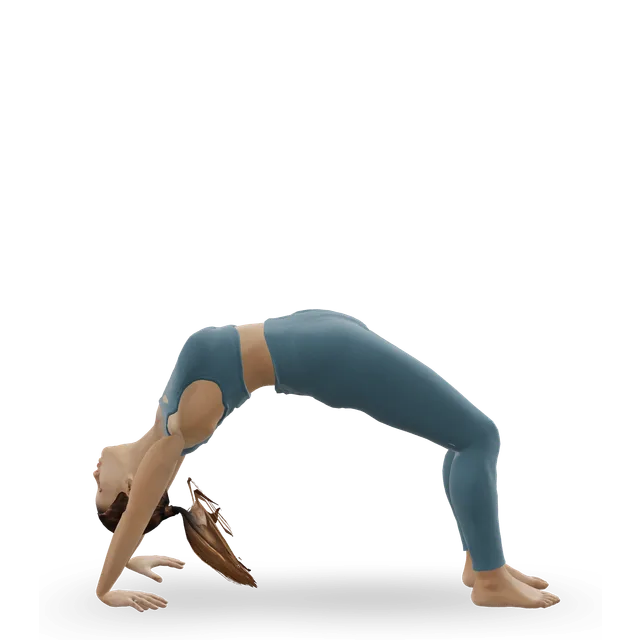 3D demoWheel pose (Urdhva Dhanurasana)Advanced · No equipment
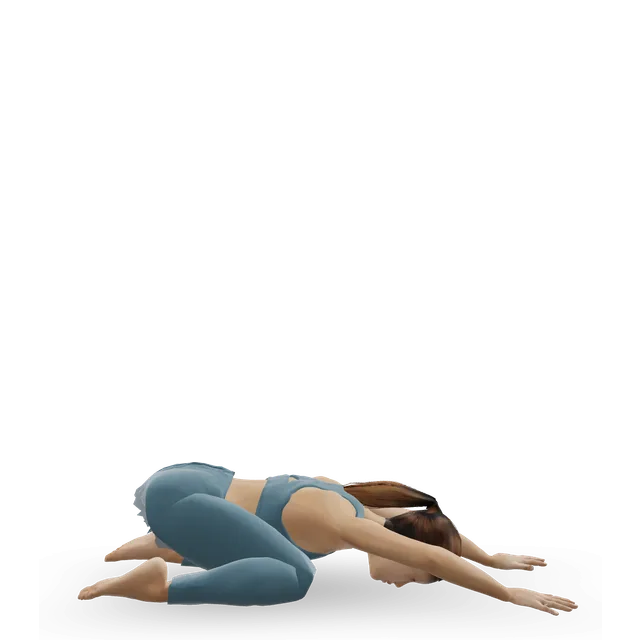 3D demoChild's Pose (Balasana)Beginner · No equipment
Browse more
Questions people ask
What muscles does the Prone swimmers work?
Mainly the back and shoulders.
What equipment do I need for the Prone swimmers?
No equipment: your body weight and a little floor space.
Is the Prone swimmers good for beginners?
It is an advanced move. Build up to it with the Shoulder dislocates with a strap (pass-throughs) first.
What is an easier alternative to the Prone swimmers?
Try the Shoulder dislocates with a strap (pass-throughs) or the Superman. It is the suggested step down from this move.