Yoga flows
Yoga for baseball and softball players: a 25-minute class for non-throwing days, for the back of the shoulder, hips and trunk
A 25-minute yoga class for baseball and softball players, for non-throwing days or after practice, 1 to 3 times a week. It turns the upper back both ways, builds endurance at the back of the shoulder and around the shoulder blades on both arms, works the hips for the stride, practises one-leg balance and ends with a forearm stretch and a rest. It leaves out the sleeper stretch, which is only for a loss measured by a physiotherapist. It doesn't replace the arm care warm-up before throwing, pitch counts and rest, or strength work. No trial has tested yoga in baseball or softball players, so this is our own selection, inspired by the Yokohama warm-up that cut arm injuries in young players, not that trial's programme. Our yoga for tennis players class is an alternative, with similar rotation work and more balance poses.
Settle (about 3 minutes)
- Beginner · 3D demoIn for about 4, out for about 6, with no holdsEasier: Breath reachHarder: Crocodile breathing (prone diaphragmatic breathing)
- Cat-cow8 waves, slower than feels naturalBeginner · Back, Abs · 3D demoFists if your wrist or elbow complainsHarder: Half lord of the fishes (Ardha Matsyendrasana)


Turn both ways (about 4 minutes)
- Thoracic rotation6 rotations per side, moving with the breathBeginner · 3D demoTurn from the ribs with your hips still; the same amount each wayEasier: Side-lying open bookHarder: World's greatest stretch
- Side-lying open book8 to 10 slow openings each side, pausing 2 seconds at the endBeginner · Back, Chest, Shoulders · 3D demoKnees together, so the turn stays in your upper backHarder: Thoracic rotation


The back of the shoulder, both arms (about 6 minutes)
- Prone Y-T-W raises5 of each shapeBeginner · Back, Shoulders, Neck · 3D demoForehead on a folded towel; small liftsEasier: Wall angelHarder: Bent-over reverse fly
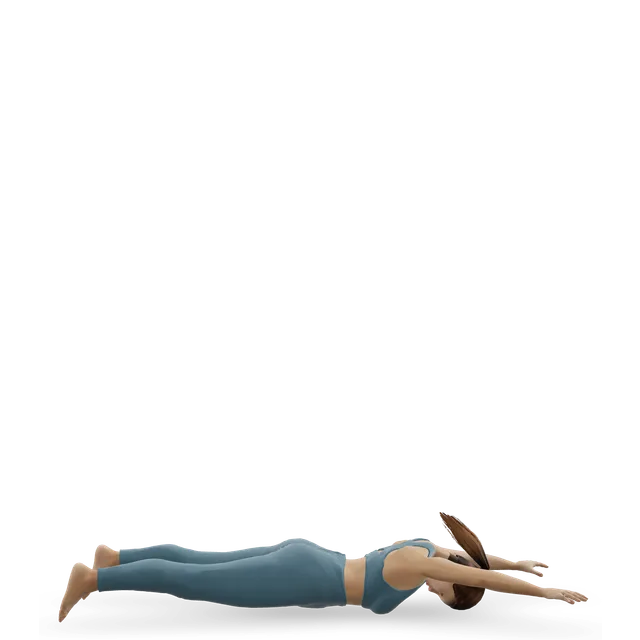
- Locust pose (Salabhasana)2 holds of 5 breathsBeginner · Back, Glutes, Hamstrings · 3D demoArms reaching forward, a little off the floorEasier: Seated upper-back lift (sit tall, shoulders back)Harder: One-legged bow (half locust)
- Standing band external rotation2 sets of 12 each armBeginner · Shoulders, Back · 3D demoElbow by your side; both arms, not only the throwing oneEasier: Stick-assisted external rotation (lying)Harder: Side-lying external rotation
- Prone swimmers4 or 5 slow circles, 2 rounds, resting between roundsAdvanced · Back, Shoulders · 3D demoArms low; stop short of any pinch in the shoulderEasier: Shoulder dislocates with a strap (pass-throughs)Harder: Scorpion pose (Vrschikasana)



Hips for the stride (about 6 minutes)
- Low lunge (Anjaneyasana)45 seconds each sideBeginner · Hip flexors, Quads, Glutes · 3D demoBack knee paddedEasier: Half-kneeling hip flexor stretchHarder: High lunge (crescent lunge, Ashta Chandrasana)
- 90/90 switch10 slow switches, pause at the endsIntermediate · 3D demoHands behind youEasier: Reclined figure four (eye of the needle, Sucirandhrasana)Harder: 90/90 hip lift-off
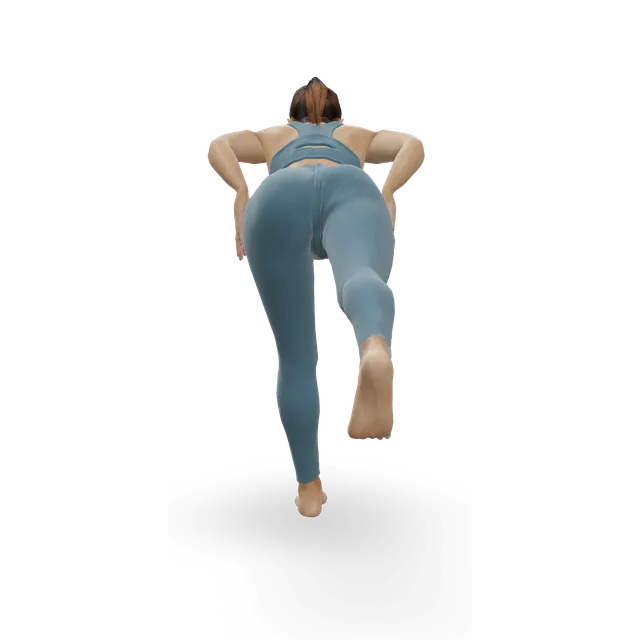
- Hip airplane2 sets of 5 slow turns each legAdvanced · Glutes, Hip abductors, Abs · 3D demoHold a counter; turn your pelvis open over the standing leg and backEasier: Single-leg standHarder: Single-leg Romanian deadlift
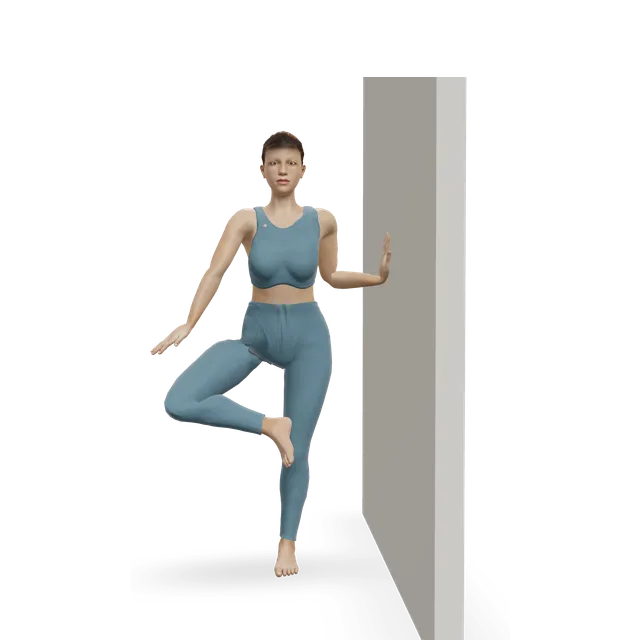
- Standing figure four (chair pigeon, Eka Pada Utkatasana)2 holds of 20 seconds each sideIntermediate · Glutes, Quads, Hip abductors · 3D demoSit back as if into a chair; a hand on a wallEasier: Chair pose (Utkatasana)Harder: Pigeon preparation (Eka Pada Rajakapotasana prep)


One leg (about 3 minutes)
- Single-leg reach matrix4 reaches each direction, each legIntermediate · Quads, Hip abductors, Glutes · 3D demoSlide the free foot out to the side and back, standing tallEasier: Standing crossed-leg side reachHarder: Single-leg Romanian deadlift
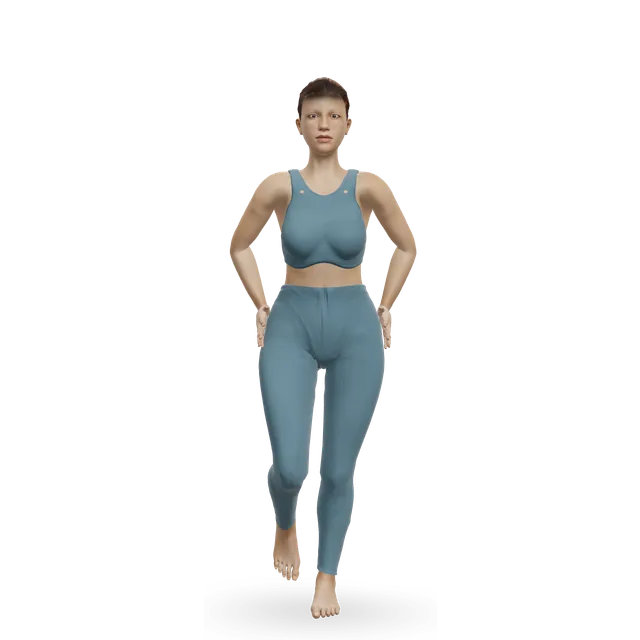
- Single-leg stand8 elbow-to-knee touches each sideBeginner · Hip abductors, Calves, Glutes · 3D demoLift one knee to meet the opposite elbow, balancing on the other legEasier: Tandem stance and heel-to-toe walkHarder: Single-leg reach matrix

Forearms and rest (about 4 minutes)
- Wrist flexor stretch2 holds of 15 to 20 seconds each armBeginner · Forearms · 3D demoPalm up, elbow straight, gentlyEasier: Wrist circlesHarder: Quadruped wrist rocks
- Supine spinal twist (Supta Matsyendrasana)45 seconds each sideBeginner · Back, Glutes · 3D demoThe same on both sidesHarder: Seated twist, bottom leg straight



Tips
- Count this as a recovery or mobility day, not a throwing day. With a tired or sore throwing arm, keep to the hips, trunk and breathing blocks until it has been checked (our suggestion).
- Same day (NHS 111, or your team doctor): a pop on the inside of the elbow while throwing, with sudden pain, especially if you can't carry on throwing or the elbow feels loose. Stop throwing and get it checked.
- Stop an exercise, or shrink its range, if you get the feeling the shoulder is about to slip out (editorial).
- Back pain that is worse arching back and has lasted more than a couple of weeks can be a stress fracture of the spine (spondylolysis): get it checked.
The doses are suggested starting points, not a prescription. Choose a range you can control and stop for sharp or increasing pain, numbness or tingling. Get individual advice after an injury or surgery, or if you are pregnant or managing a health condition.
Guides that recommend it
Find more moves like these
More yoga flows


Beginner yoga flow
A 20-minute beginner yoga sequence: mountain, chair, warrior II, triangle, tree, down dog, cobra and child's pose.
20 minBeginner11 movesA step


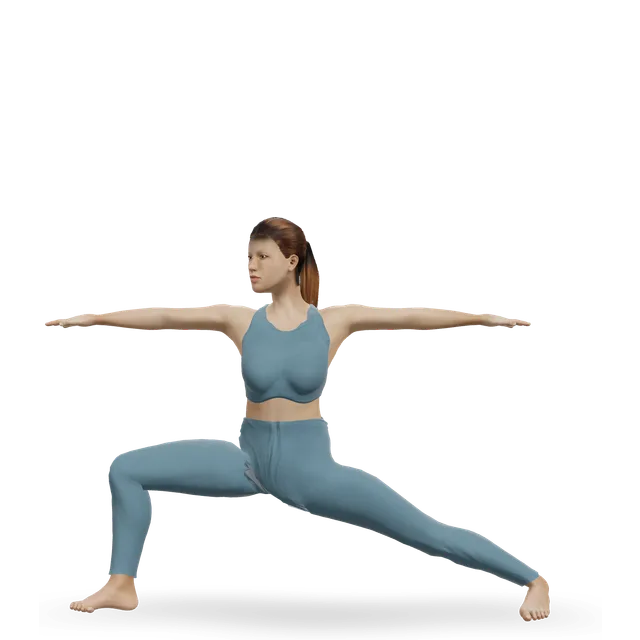
Sun salutation flow
A 20-minute flow built on sun salutations A and B, with warrior poses and a short cool-down.
20 minIntermediate8 movesNo equipment

Yoga for tight hips
A hip-opening yoga sequence: low lunge, lizard, goddess, pigeon, bound angle and happy baby.
25 minBeginner10 movesA wallQuestions people ask
How long does the yoga for baseball and softball players: a 25-minute class for non-throwing days, for the back of the shoulder, hips and trunk take?
About 25 minutes, including any warm-up and cool-down listed. Shorten it by doing fewer rounds; lengthen it by adding one.
What equipment do I need?
You need: A band, An anchor point, A wall. Each move links to its guide, where you can find an alternative if you are missing something.
Is it suitable for beginners?
It is written for beginners. 13 of its 17 moves have an easier option listed beside them if you need one.
How do I make it easier or harder?
Use the easier or harder option listed under each move, change the number of rounds, or adjust the rest. Progress one change at a time.