Are chin-ups easier than pull-ups?
For many people, yes: coaches find most people manage a chin-up before a pull-up. A likely reason is leverage, since elbow-bending strength with the palm down was about half that with the palm up in one small study. No study has counted reps with each grip, so treat it as a rule of thumb.
What muscles do chin-ups work?
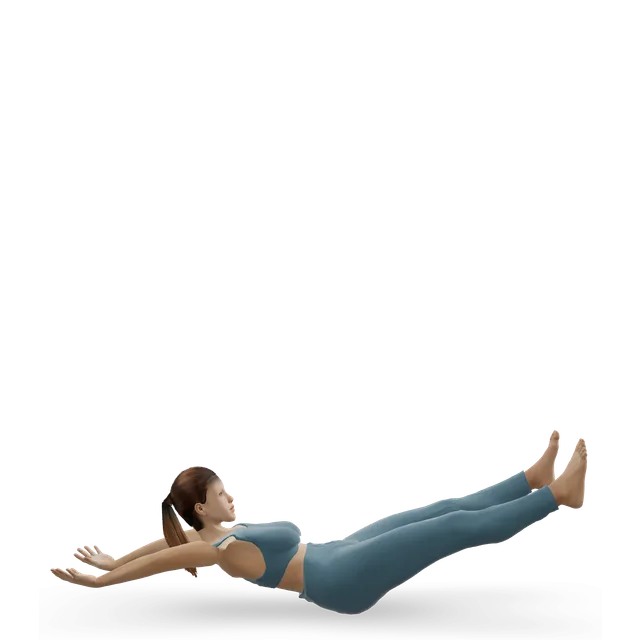
Mostly your lats, the big muscles down the sides of your back, with your biceps, the back of your shoulders, your middle and lower trapezius, your chest and your grip helping. Your stomach muscles keep your body still. Count it as a back exercise first and an arm exercise second.
Chin-ups or pull-ups: which is better?
Neither: both work the lats hard, and in trained men the grips worked the muscles much alike. Do the one you can do well and without pain, and mix them over time.
How do I do my first chin-up?
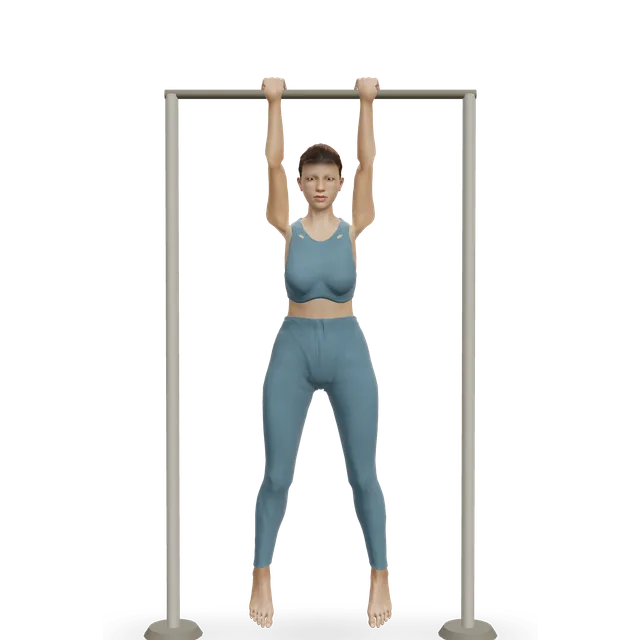
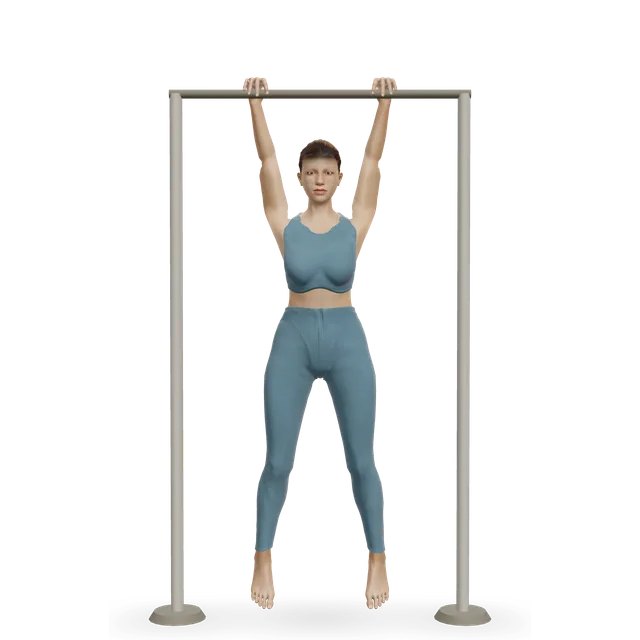
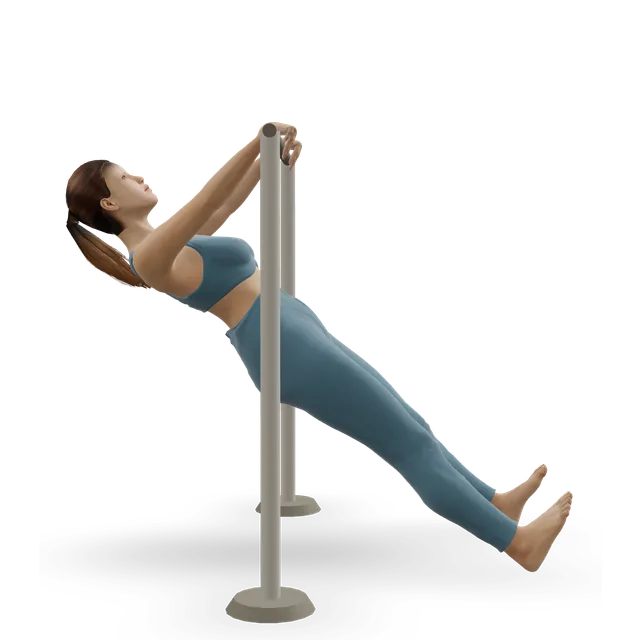
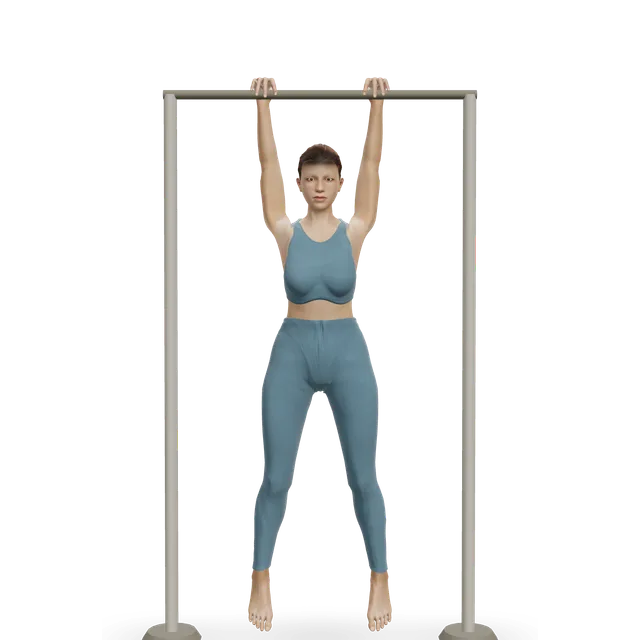
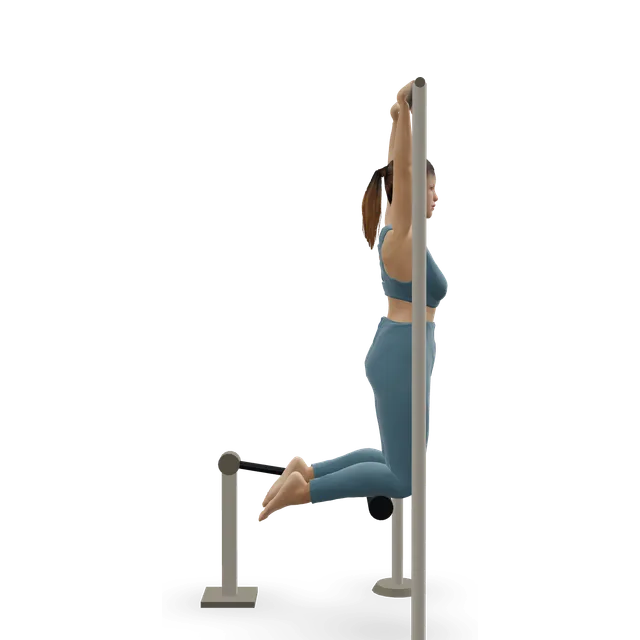
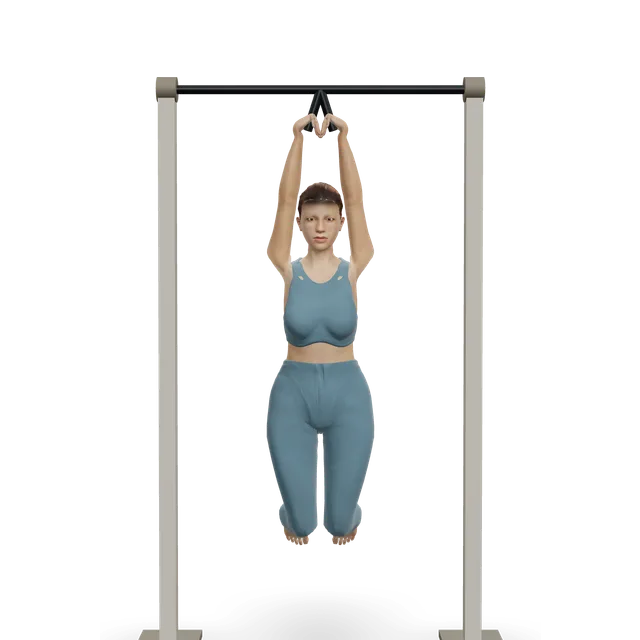
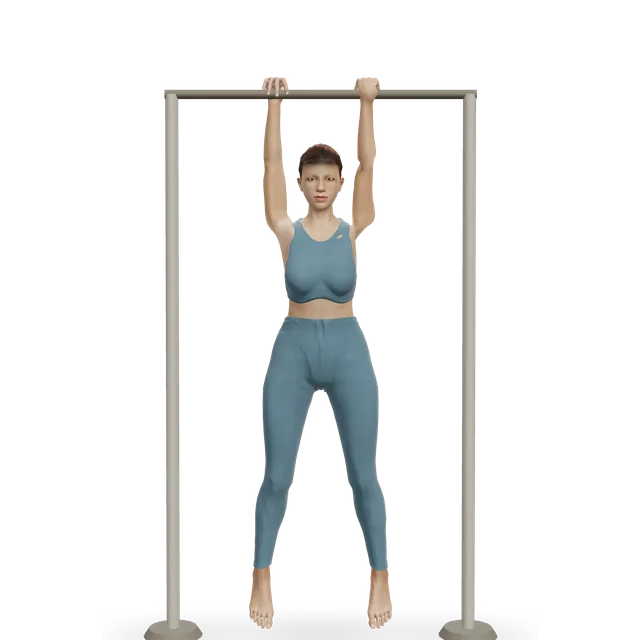
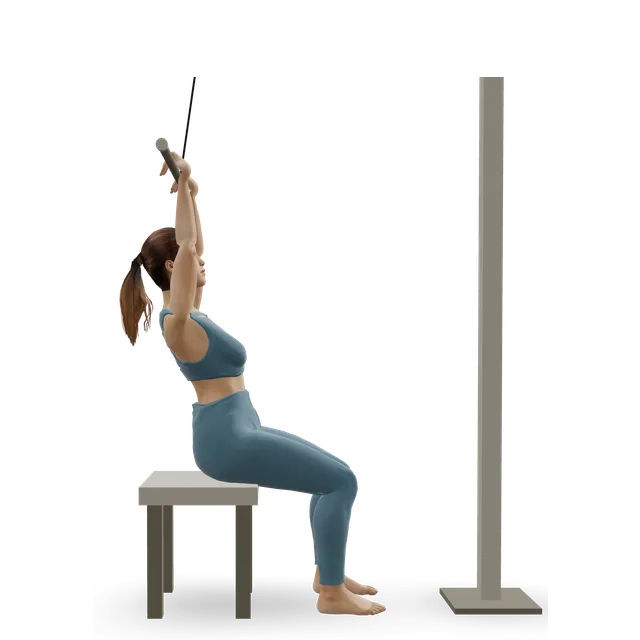
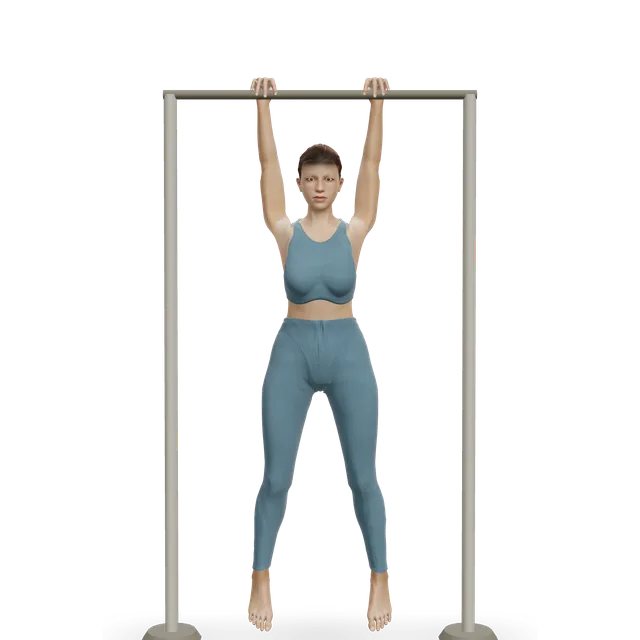
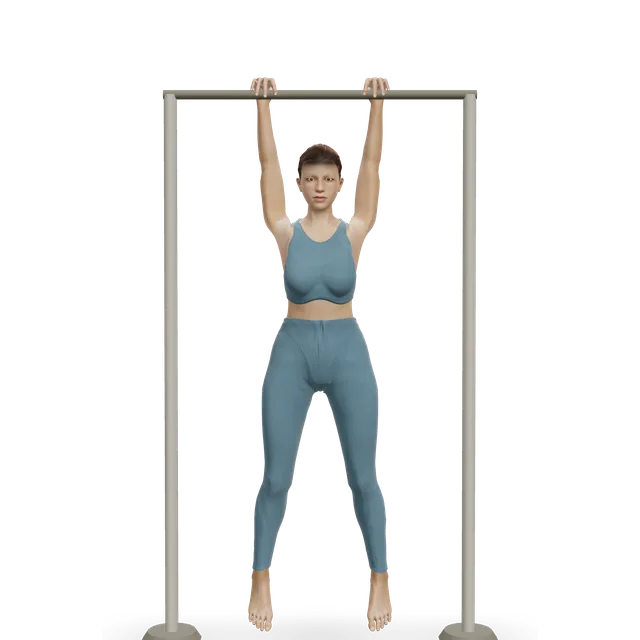
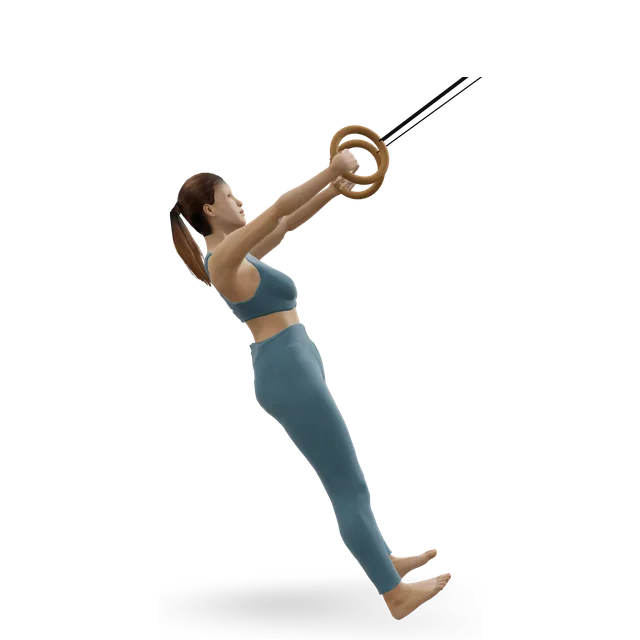
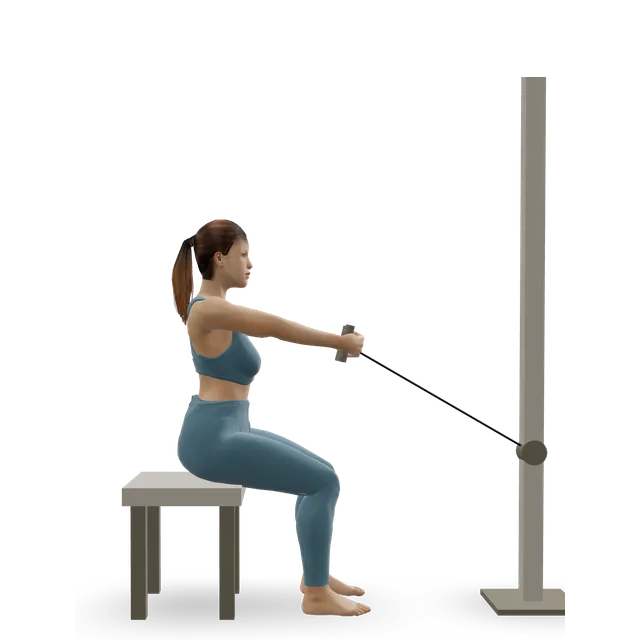
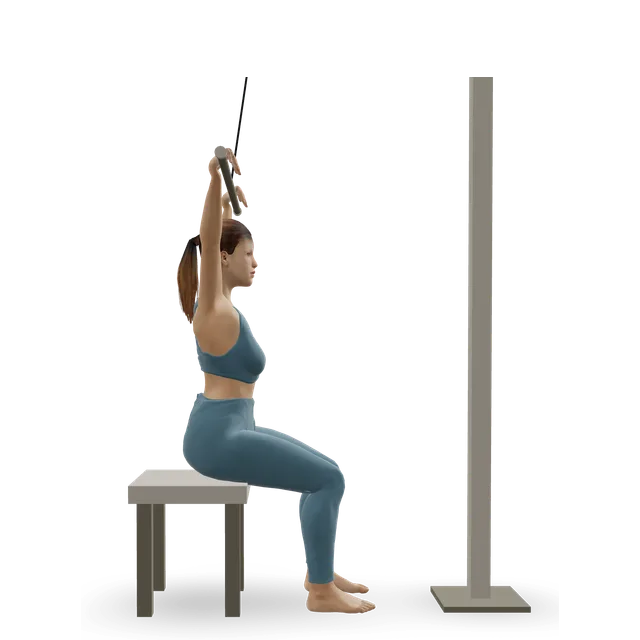
Build up with dead hangs, shoulder-blade pulls, rows, band- or machine-assisted chin-ups and slow lowering, training two or three of those steps in each session, two or three times a week. Try a full chin-up every second week once you can lower for about 5 seconds and do 10 inverted rows at a low bar.
How long does it take to get your first chin-up?
No study has timed it, so this is our estimate: a few weeks if you can already lower yourself slowly or need little help, and often 2 to 6 months from no pulling strength. Testing every second week shows your progress.
How many chin-ups should I be able to do?
There's no health standard, and test scores even depend on height: in one set of 85 tests, shorter people were more likely to reach the top score. Aim to add reps over time; about 10 strict reps is the point at which we suggest adding weight.
How many chin-ups should I do a day?
You don't need to do them every day. About 3 sets, stopping 1 to 3 reps short, two or three times a week with 2 to 3 minutes' rest between sets, is our starting point, because training more often made little difference to growth once weekly sets were matched.
Are chin-ups good for your biceps?
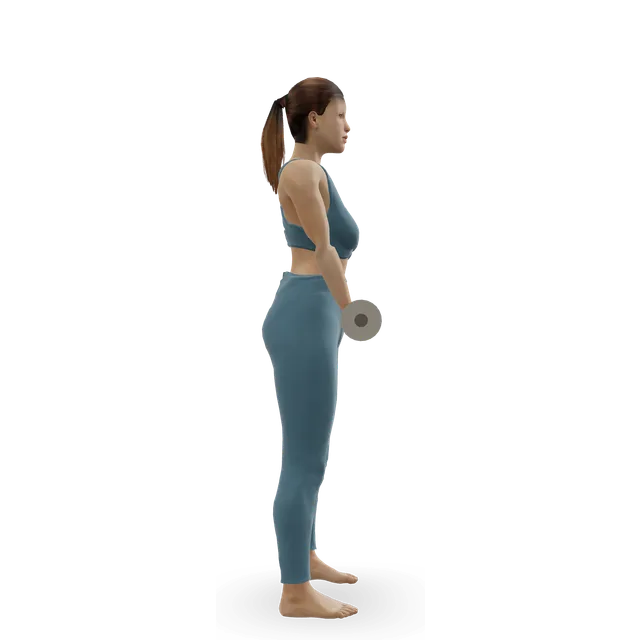
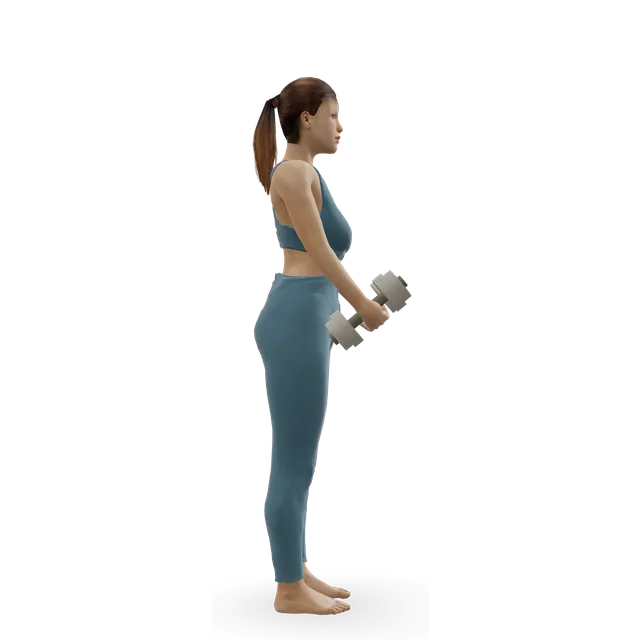
Yes, but they may not replace curls if bigger arms are your goal: in one small trial curls grew the elbow flexors about twice as much as rows, though pulldowns matched curls in another. Count each set of chin-ups as about half a biceps set.
Why do chin-ups hurt my elbows?
If the front of your elbow hurts, switch to a palms-in or palms-away grip and keep discomfort to about 3 to 4 out of 10 that settles within an hour and is no worse next morning. See our elbow pain from pull-ups guide if it lasts. A sudden pop with bruising or a bulge in the upper arm needs an urgent treatment centre or A&E.
Are chin-ups bad for your shoulders?
Not for most people, though no study has compared injury rates by grip. One motion study linked the underhand grip with movement patterns tied to shoulder pinching, so with a sore shoulder try a shoulder-width palms-in or palms-away grip. See a GP if shoulder pain gets worse or isn't better after 2 weeks.
What grip width is best for chin-ups?
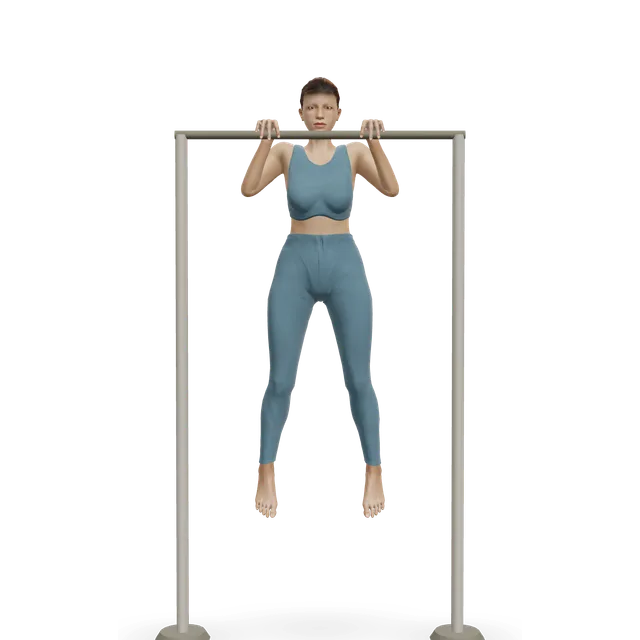
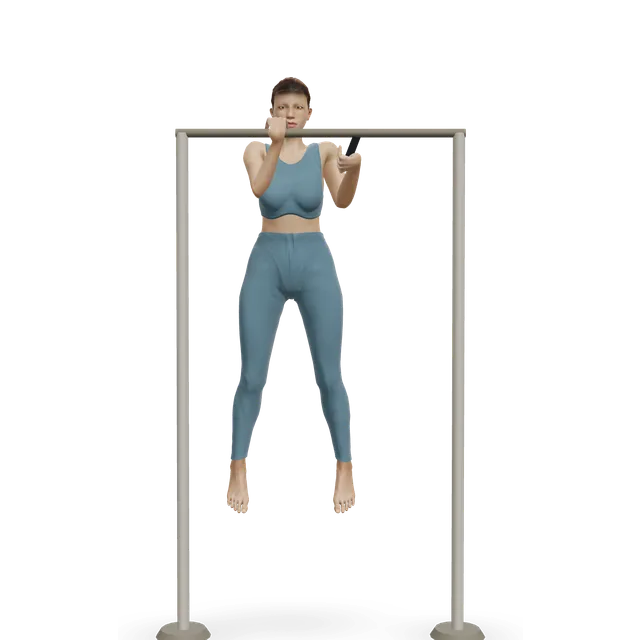
About shoulder-width or a little closer, palms facing you. Grip changes which muscles work only a little, so choose the width that feels strongest and doesn't hurt.
Can I do chin-ups at home without a bar?
You need something to hang from, such as a doorway bar fitted as the maker says. Without one, rows build the same muscles: inverted rows under a sturdy table, after testing the edge with your feet still on the floor, or a band row anchored in a closed door.