Presses and pulls count
Pulldowns alone grew the biceps as much as curls alone in 29 untrained men, and adding curls and extensions to pulldowns and bench presses added nothing measurable over 10 weeks.
Training guide
Your arms grow from presses and pulls as well as from curls and extensions. In short trials, adding arm exercises to bench presses and pulldowns added little, but curls beat rows for the biceps, and in one 12-week trial, triceps extensions with the arm overhead grew the whole triceps about 40% more than the same work with the arm at your side.
Build towards about 10 hard sets a week each for your biceps and triceps, counting presses and pulls as half sets, add reps and then weight, and give it months: people vary hugely in how fast their arms grow, partly through their genes.
This guide covers the arm muscles, which exercises the growth trials favour, how many sets and how often, training at home with or without weights, how long it takes, how to measure your arms, and the elbow and shoulder warning signs, including a torn biceps tendon.
Pulldowns alone grew the biceps as much as curls alone in 29 untrained men, and adding curls and extensions to pulldowns and bench presses added nothing measurable over 10 weeks.
In 10 untrained men, curls grew the arm flexors about twice as much as one-arm rows (11.1% against 5.2%). If arm size matters to you, a few sets of curls a week are cheap insurance.
Source 3
In one 12-week trial of 21 adults, overhead extensions grew the whole triceps about 40% more than the same work with the arm at your side (about 1.4 times as much), and the long head about 1.5 times as much. A 6-week trial of 9 women found no difference.
About 10 or more hard sets a week each for your biceps and triceps, counting each set of rows, pulldowns or chin-ups as half a biceps set and each set of presses, push-ups or dips as half a triceps set.
Light and heavy weights grew muscle similarly when the sets were hard, and going to failure wasn't needed.
After the same 12 weeks of arm training, biceps size changed by anything from 2% smaller to 59% bigger in 585 adults, and part of that difference is genetic.
Three muscles bend your elbow: the biceps, which also turns your palm up; the brachialis underneath it; and the brachioradialis in your forearm. In 4 men measured with MRI (magnetic resonance imaging) scans, the brachialis did about 47% of the elbow-bending work, the biceps 34% and the brachioradialis 19%. Our biceps, brachialis and brachioradialis guides cover them.
Source 12
The triceps has three heads that straighten your elbow, and the long head also crosses the shoulder, which is why raising your arm overhead stretches it. In the same 4 men, the triceps' largest cross-section matched all three elbow-bending muscles together. We found no measured source for the popular claim that the triceps is two-thirds of your arm.
The wrist and finger muscles underneath and on top of your forearm grip and steady the wrist. The brachioradialis works hardest with your palm down, so reverse curls train it; wrist curls, carries and hangs train the rest, as our grip strength guide explains.
Source 13
A tape measure takes in the skin and fat over the muscle, so your arm can measure smaller while you lose fat even as the muscle grows (our reading).
Source 14
Women and men gain similar muscle relative to their starting size; men gain slightly more in absolute terms, mostly in the upper body, and in the 585-adult trial women gained more strength relative to their start. Gains slow with experience and come a little more slowly with age.
In 29 untrained men over 10 weeks, adding curls and triceps extensions to pulldowns and bench presses added no measurable arm muscle (6.5% against 7.0%) or strength. In 20 trained men over 8 weeks, adding arm exercises made no difference to arm size or strength, though size was measured with a tape. In another 29 untrained men, pulldowns alone grew the elbow flexors as much as curls alone (6.1% against 5.8%).
In 10 untrained men who trained one arm with curls and the other with one-arm rows for 8 weeks, the curling arm's elbow flexors grew 11.1%, against 5.2%. Small trials point both ways, so direct arm work is cheap insurance rather than a must.
Source 3
In 21 adults, one arm did cable triceps extensions overhead and the other the same work with the arm at the side: 5 sets of 10, twice a week for 12 weeks. On MRI scans, the whole triceps grew 19.9% overhead against 13.9% (about 40% more, or 1.4 times), and the long head 28.5% against 19.6% (about 1.5 times), even though the overhead weights were 34 to 39% lighter. In 9 novice women over 6 weeks, pushdowns and overhead extensions grew the triceps similarly. Two small trials that don't agree, so the overhead advantage is promising rather than settled.
In 19 young women, preacher curls through the stretched first part of the range grew the lower biceps more than curls through the last part. Half reps in the stretched position built as much arm muscle as full reps in 30 trained adults, and a review of 11 studies found training at long lengths, through a full range or the stretched half, tended to grow the biceps and triceps more. The same pattern showed in the thigh in 45 women.
Each extra weekly set added about 0.4% growth across 15 studies, and an overview of 137 reviews found 10 or more sets a week built more muscle. The returns shrink as the sets go up, and counting sets of compound lifts as half a set for the arm muscles predicted growth best.
Across 28 studies of 747 adults, light, moderate and heavy loads built similar muscle when sets went to failure, and heavier loads built more strength. Across 15 studies, stopping short of failure cost little growth.
An early review of 10 studies found twice a week beat once, but with the weekly sets matched, 25 studies found no real difference. Spread your arm sets in whatever way suits your week.
In 25 adults, the chin-up, with your palms facing you, drew more biceps and chest activity than the overhand pull-up.
Source 27
In 16 adults, biceps activity didn't change whichever way the palm faced, while the brachioradialis worked harder with the palm down. We found no trial comparing hammer and palms-up curls for growth.
Source 13
In 18 men over 8 weeks, push-ups grew the triceps as much as a light bench press at a matched load. Hard suspended push-ups thickened the elbow extensors by 16% in 8 men, in a study with no control group, and 4 weeks of progressively harder push-ups raised bench press strength as much as bench pressing in 23 men.
A review of time-saving training found that supersets roughly halve session time while keeping the number of sets, and are probably more useful for size than for maximal strength. It recommends at least 4 hard sets per muscle a week.
Source 31
In 585 adults doing the same 12 weeks of arm training, biceps size changed by anything from 2% smaller to 59% bigger, and strength by 0 to 250%. In 41 pairs of male twins, genes specific to training explained about 20% of the differences in arm strength gained over 10 weeks.
Curls at 2 or 3 sets of 10 to 15 (our bicep curl guide), the incline curl at 3 sets of 10 to 15 (our pull day workout B) and the EZ-bar curl at 3 sets of 8 to 12 (our pull day workout). Lower all the way on every rep, and use wrist curls and reverse curls for the forearms.
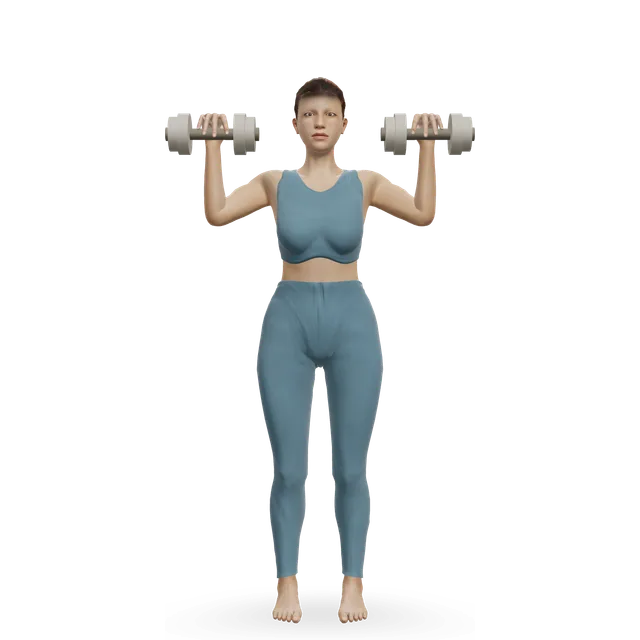
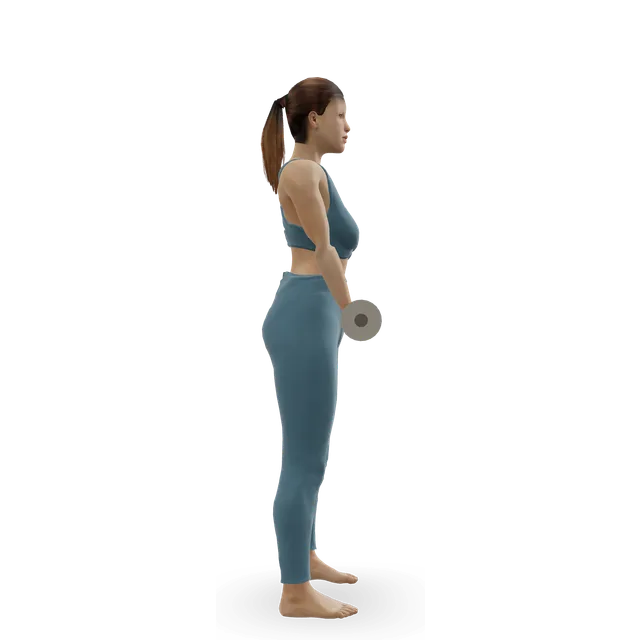 3D demoDumbbell biceps curlBeginner · A dumbbell
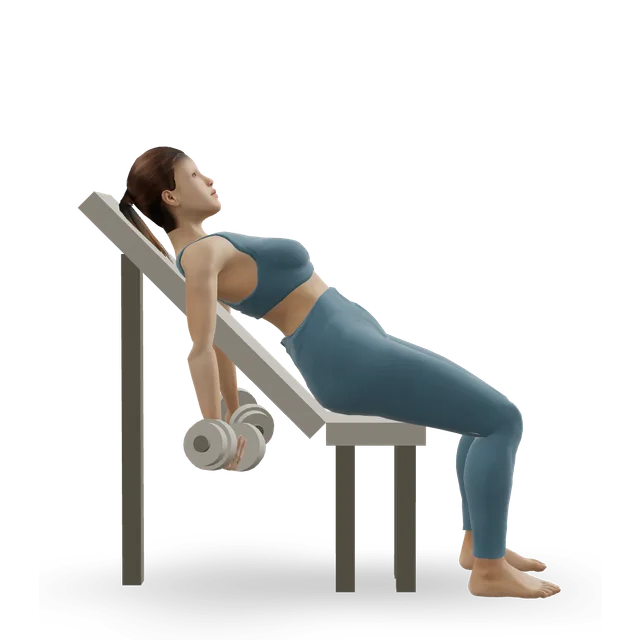 3D demoIncline dumbbell curlIntermediate · A dumbbell + A bench or box
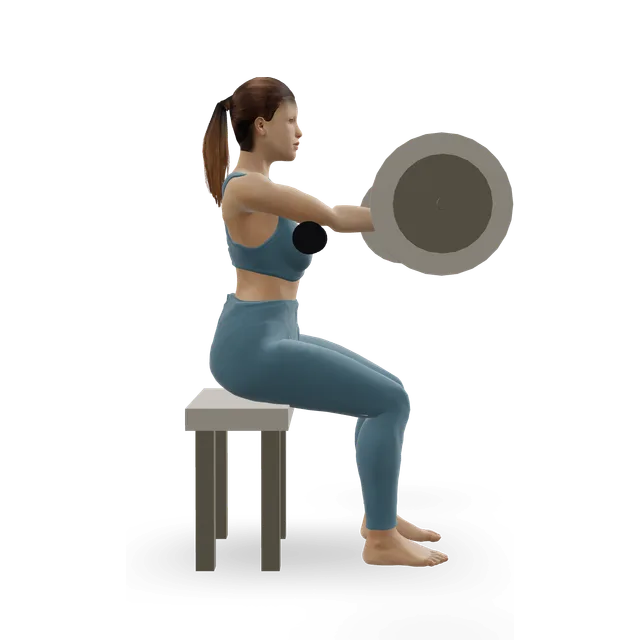 3D demoPreacher curlIntermediate · A barbell + A bench or box
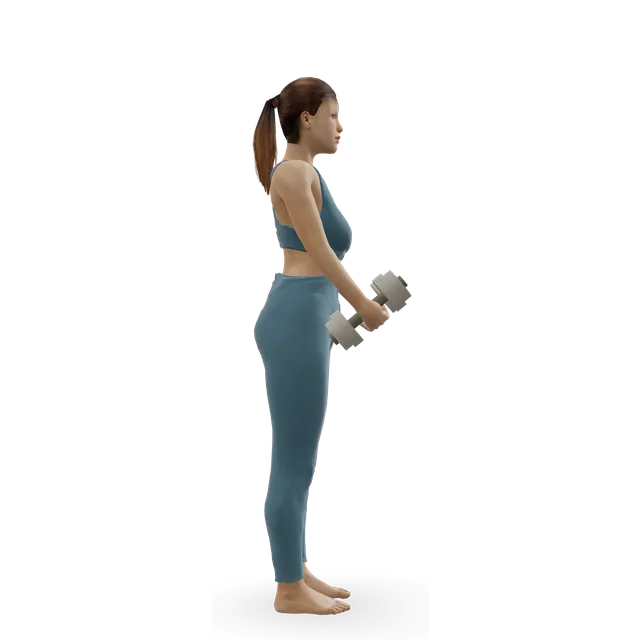 3D demoHammer curlBeginner · A dumbbell
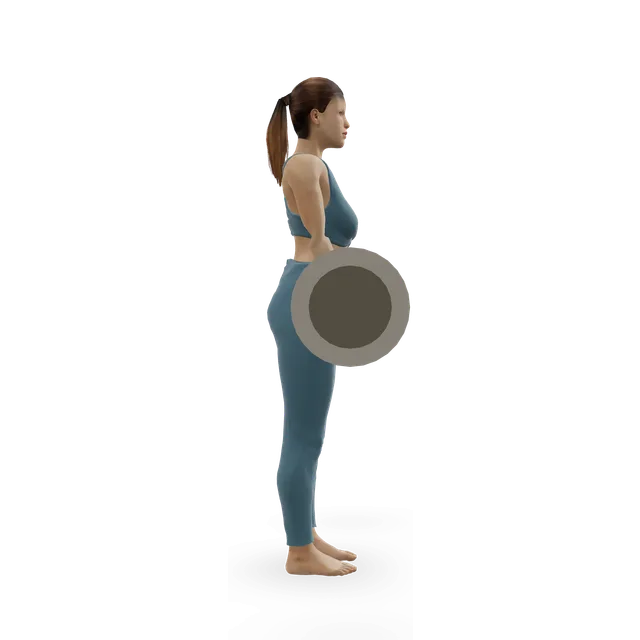 3D demoEZ-bar curlIntermediate · EZ curl bar
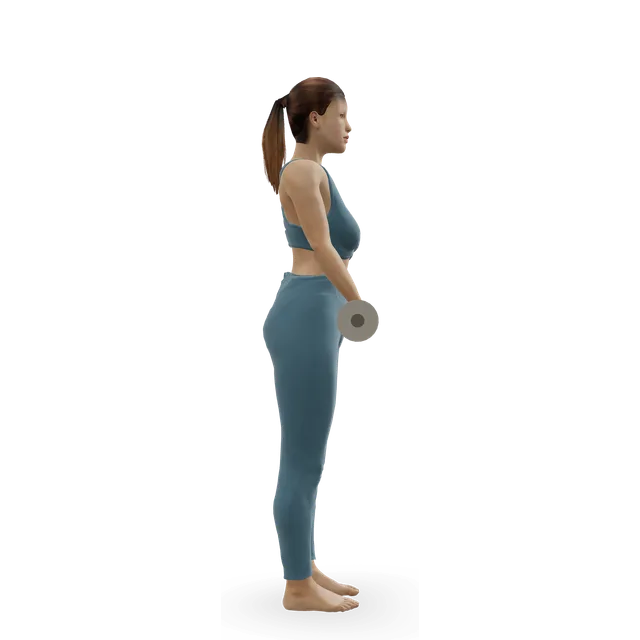 3D demoDumbbell reverse curlIntermediate · A dumbbell
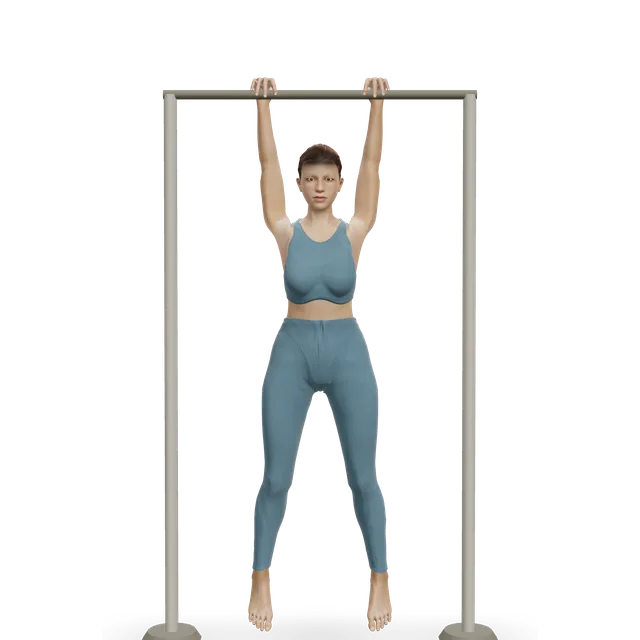
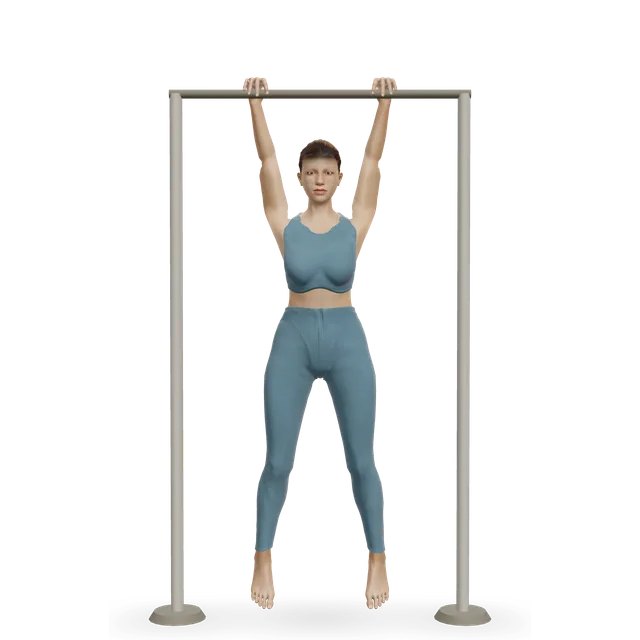
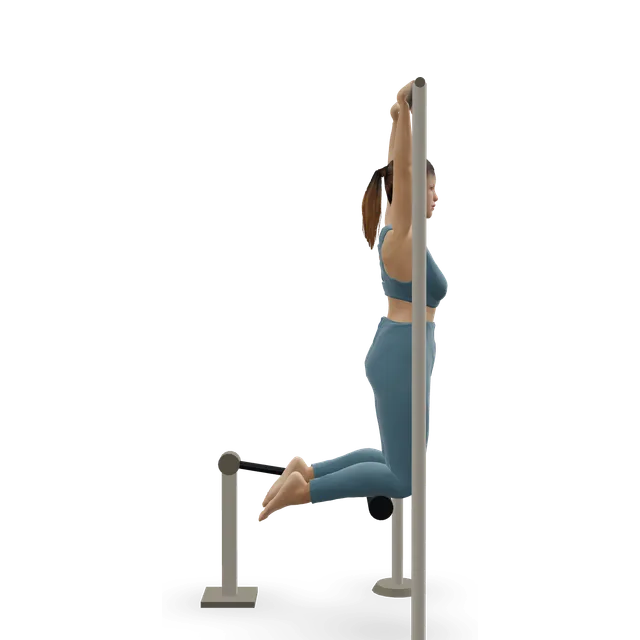
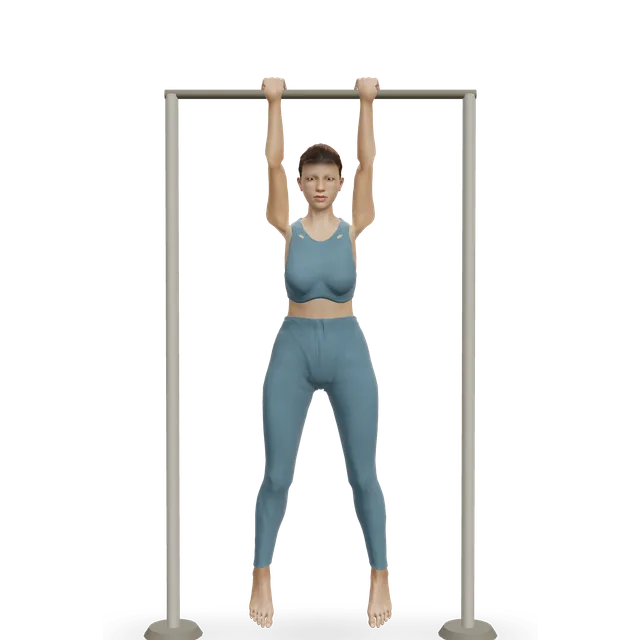 3D demoChin-upAdvanced · Pull-up bar
 3D demoWrist curlsBeginner · A dumbbell
 3D demoReverse wrist curlBeginner · A dumbbell + A bench or box
One overhead and one other: the overhead cable extension at 2 sets of 10 to 15 (our upper body gym workout B) or the overhead dumbbell extension at 2 sets of 10 to 12, plus pushdowns at 3 sets of 10 to 15 or skull crushers at 2 sets of 10 to 15, as our tricep extensions guide sets out. Expect about a third less weight overhead.
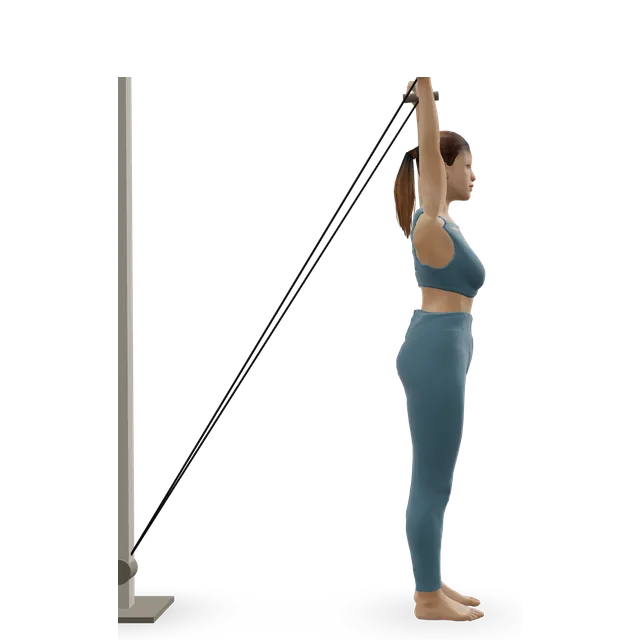 3D demoOverhead cable triceps extensionIntermediate · A cable machine
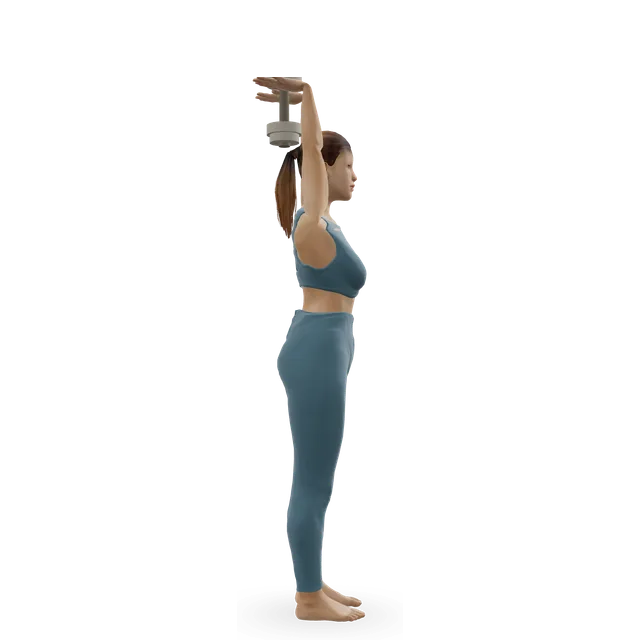 3D demoStanding overhead dumbbell triceps extensionIntermediate · A dumbbell
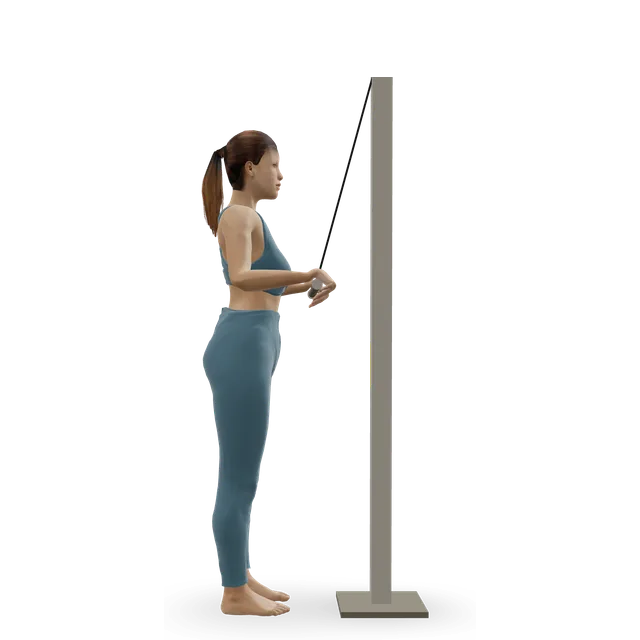 3D demoTriceps pushdownBeginner · A cable machine
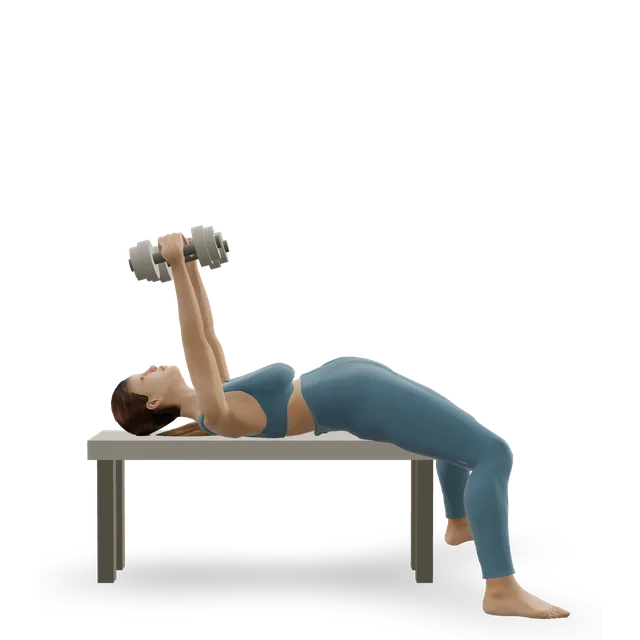 3D demoDumbbell skull crusher (lying triceps extension)Intermediate · A dumbbell + A bench or box
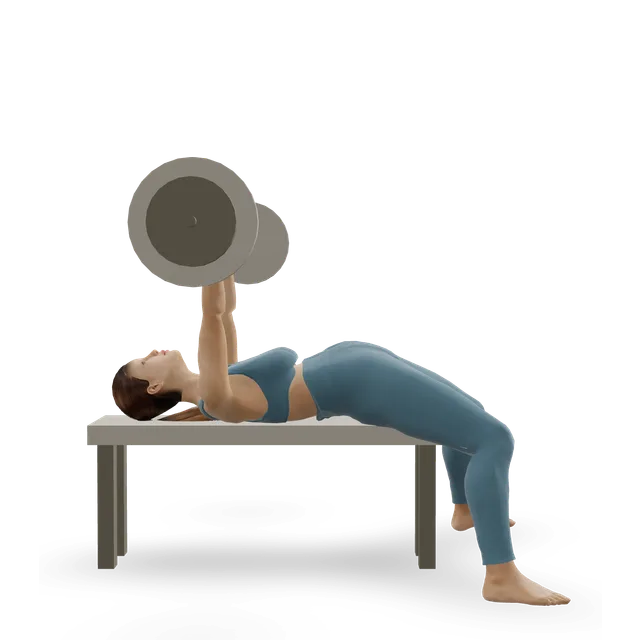 3D demoClose-grip barbell bench pressIntermediate · A barbell + A bench or box
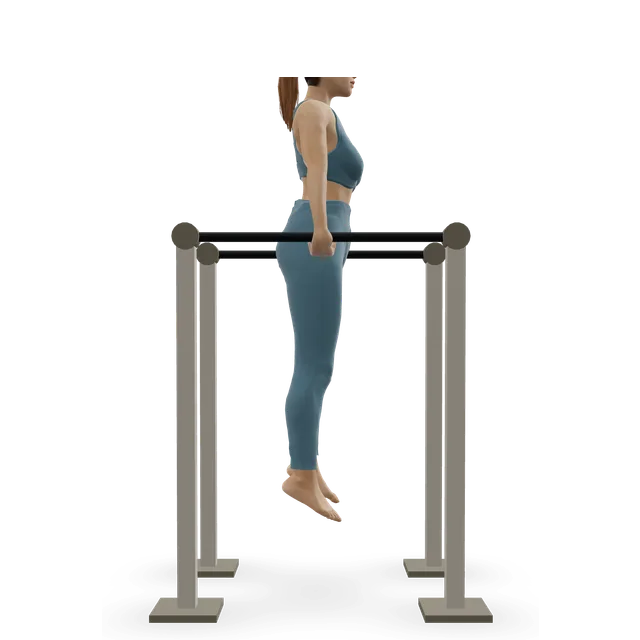 3D demoParallel bar dipAdvanced · Pull-up bar
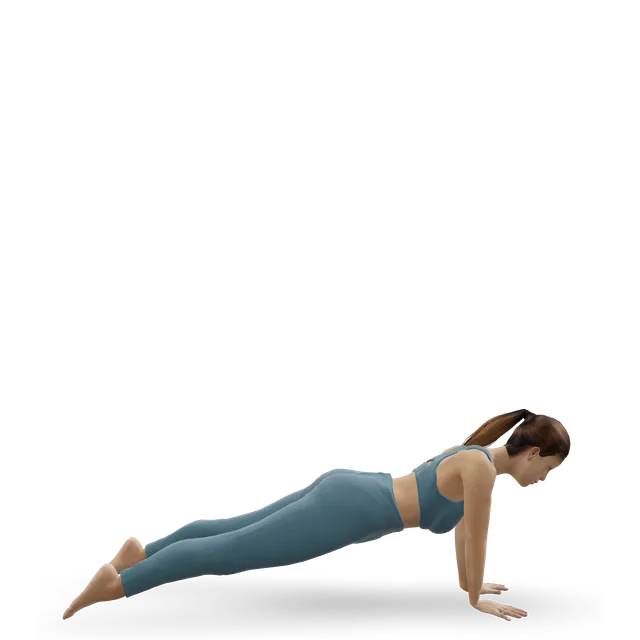 3D demoClose-grip push-up (close triceps position)Intermediate · No equipment
About 10 or more hard sets a week each for your biceps and triceps, counting compound lifts as half a set. Someone doing 6 sets of rows and pulldowns a week gets about 3 biceps sets from them, so 6 to 8 sets of curls brings them to about 10, as our bicep curl guide works out.
Two or three hard sets of curls and two or three of triceps extensions, twice a week, is a sensible start (our editorial starting point). Our 4-day split gives 4 sets of each a week and the bro split about 9.
Sets of 10 to 15 for curls and extensions, as our arm workouts use, with most sets stopping 1 to 3 reps short of failure and the last within 0 to 2; 6 to 12 for bodyweight pulls and push-ups. In your first two weeks, keep 3 or 4 reps to spare. Very light weights, about a fifth of the most you can lift, built about half as much muscle in one trial reported in our bicep curl guide.
About 60 to 90 seconds between sets of curls and extensions, as our plans' notes say. Pairing a biceps move with a triceps move, as our arm workouts do, lets one muscle rest while the other works and saves time.
Source 31
Two arm sessions a week is a practical default, and your chest, back and shoulder days already work your arms. With sets matched, training more often doesn't add growth.
Source 26
Lower all the way on curls, and include incline curls and an overhead extension, which load your muscles where they're stretched.
Add reps until every set reaches the top of its range, then add weight. Dumbbell jumps are big for curls, so you may need to reach 15 reps on every set first, as our bicep curl guide suggests.
Our arm workout at home pairs curls with an overhead extension, hammer curls with close-grip push-ups, and concentration curls with kickbacks. Filled water bottles or a loaded backpack will do to start.
Chin-ups and rows train your biceps (pulldowns grew them as much as curls in a trial, and chin-ups work the biceps more than pull-ups), and close-grip push-ups and bench dips train your triceps (push-ups grew them as much as a light bench press). Our new arm workout without weights puts them together.
Move up the steps: rows with your feet on a step, more chin-ups, diamond or feet-raised push-ups, then parallel bar dips, as our push-up and dips guides set out. Light loads build muscle when the sets are hard, and in 23 men, 4 weeks of progressively harder push-ups raised bench press strength as much as bench pressing.
Inverted rows at 3 sets of 6 to 12 (our first pull-up workout), slow chin-up negatives at 2 or 3 sets of 3 lowered over 3 to 5 seconds (our pull-up guide), close-grip push-ups at 2 sets of 6 to 12 (our upper body workout at home), and bench dips at 8 to 12, lowering no further than a right angle at the elbow (our dips guide).
3D demoChin-upAdvanced · Pull-up bar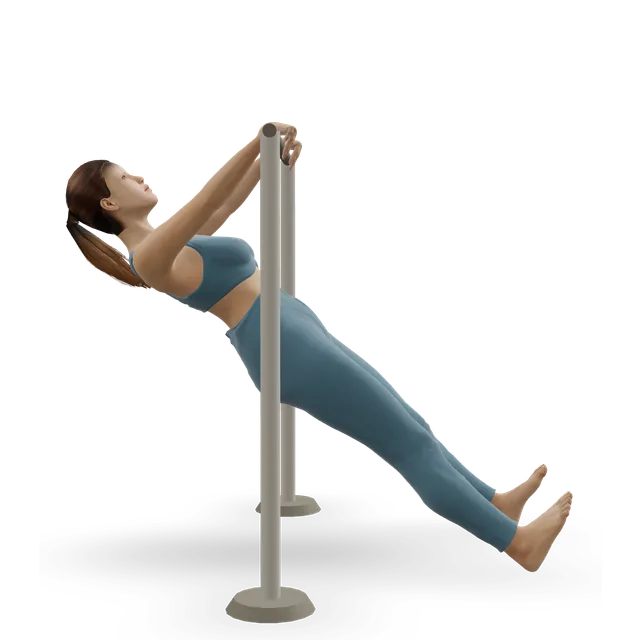 3D demoInverted rowIntermediate · Pull-up bar
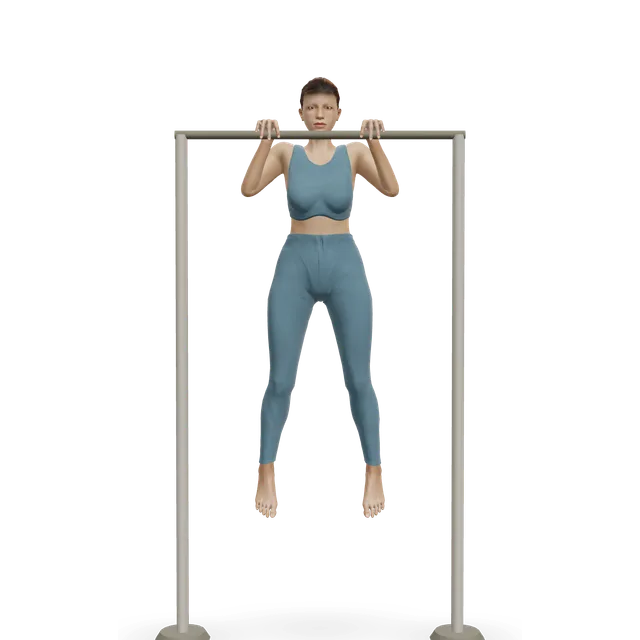 3D demoNegative pull-upIntermediate · Pull-up bar + A step
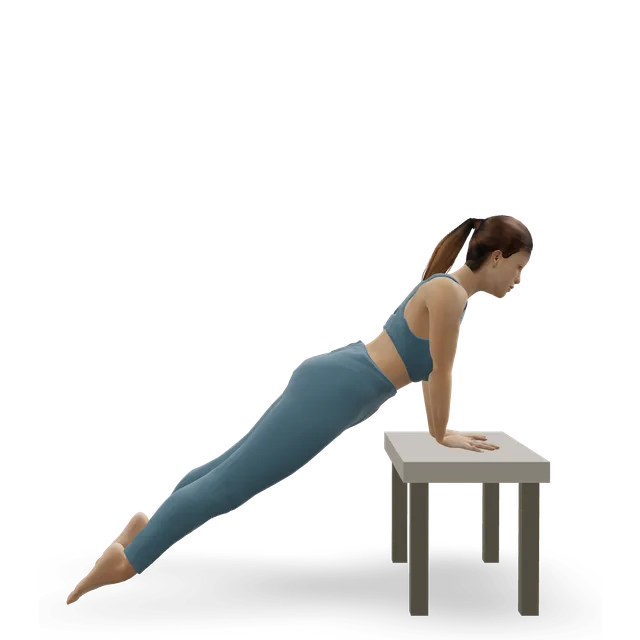 3D demoClose-grip incline push-upBeginner · Other / check instructions3D demoClose-grip push-up (close triceps position)Intermediate · No equipment
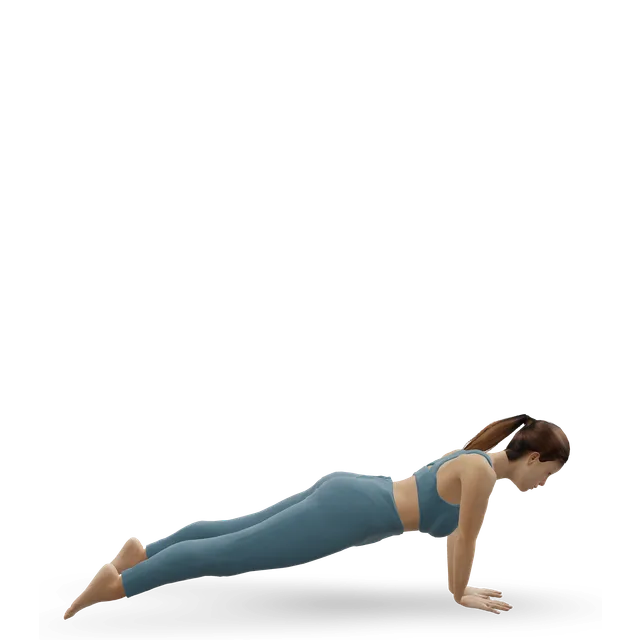 3D demoDiamond push-upIntermediate · No equipment
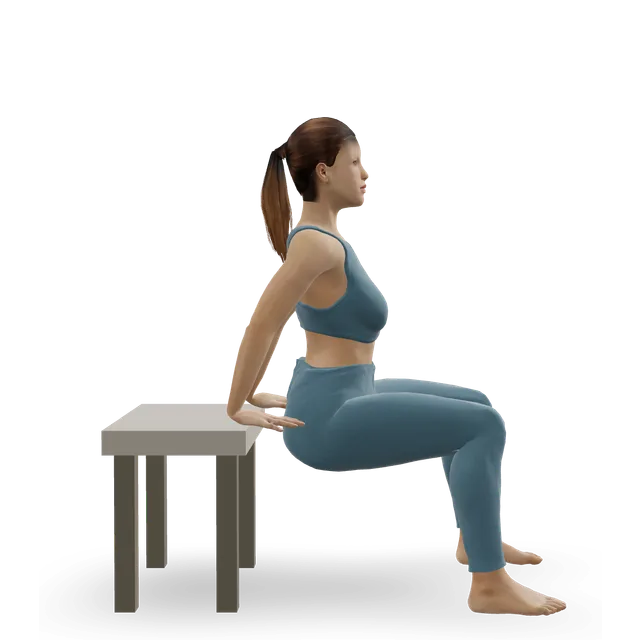 3D demoBent-knee bench dipBeginner · A bench or box
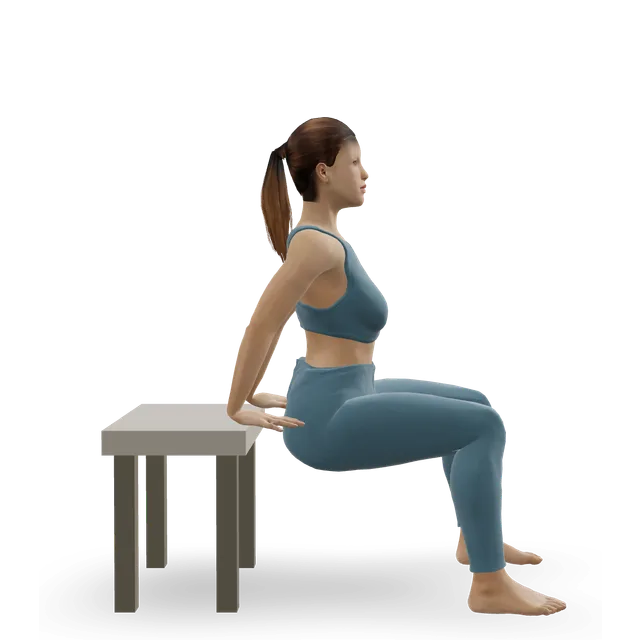 3D demoBench dipBeginner · A bench or box3D demoParallel bar dipAdvanced · Pull-up bar
From the arm measurement in the US National Health and Nutrition Examination Survey's measuring manual; measuring every 4 weeks is our editorial suggestion.
In 8 to 12-week trials of mostly untrained adults, the elbow-bending muscles grew by roughly 5 to 11%, and the triceps by about 10 to 20% over 6 to 12 weeks. Our bicep curl guide's own trials found up to about 25% in the arm flexors.
In the 12-week triceps trial, one-rep strength rose by 62 to 71% whichever way the arm was trained. Watch your log as well as the tape.
Source 4
The same training can double one person's strength and barely change another's, and part of that is genetic. Compare yourself with your own log.
New: the arm workout without weights needs only a pull-up bar and a sturdy chair. The arm workout is for the gym and the arm workout at home uses dumbbells; the push and pull days carry arm work too.
A 30-minute bodyweight arm workout: chin-ups and rows for the biceps, close-grip push-ups and dips for the triceps, and a bar hang for your grip.
30 minIntermediate8 movesPull-up bar, A bench or boxBiceps, triceps and forearms: curls, hammer curls, skull crushers, pushdowns, concentration curls and dips.
35 minBeginner7 movesA dumbbell, A bench or boxA 30-minute arm workout at home with dumbbells: curls, hammer curls and concentration curls paired with overhead extensions, close-grip push-ups and kickbacks.
30 minBeginner8 movesA dumbbellUpper body workout B: overhead press, pull-ups, incline dumbbell press, chest-supported rows, face pulls, hammer curls and triceps extensions.
50 minIntermediate13 movesA band, Pull-up barA pull day workout for back and biceps: pull-ups, barbell rows, chest-supported rows, face pulls and curls, with sets, reps and rest.
55 minIntermediate10 movesPull-up bar, A barbellPush day B: seated dumbbell press, dumbbell bench press, cable flyes, cable lateral raises, dips and skull crushers, with sets, reps and rest.
50 minIntermediate11 movesA band, A dumbbellWork up to bar dips: bent-knee and straight-leg bench dips, a support hold, slow lowering and assisted dips, then full dips and ring dips.
20 minBeginner9 movesA band, A bench or boxWork up to your first pull-up: dead hangs, scapular pulls, rows, negatives and assisted pull-ups.
25 minBeginner7 movesPull-up bar, A stepWrist mobility and forearm strength for desk work, climbing, push-ups and handstands.
10 minBeginner7 movesA wall, A dumbbellSplit plans give the arms their own sets; the calisthenics plan builds pulls, push-ups and dips without weights.
A 4-day upper/lower split: two upper body and two lower body gym days, each muscle trained twice a week, with sets, reps and progression.
4 training days50 minIntermediate5 days a weekThe classic chest, back, legs, shoulders and arms week, built from our gym workouts, with what research says about training each muscle once.
5 training days45 minIntermediate5 days a weekA 5-day gym split that trains every muscle twice a week: upper, lower, push, pull and legs, with an honest look at the bro split.
5 training days50 minIntermediate6 days a weekA 6-day push/pull/legs plan for experienced lifters: two push, two pull and two leg days, with sets, reps, rest and lighter weeks.
6 training days55 minAdvanced4 days a weekA 4-day dumbbell-only plan for home or gym: two upper and two lower days, every set, rep and rest, and how to keep progressing when the dumbbells max out.
4 training days45 minBeginner3 days a weekA 12-week calisthenics plan for beginners: three bodyweight sessions a week with push-up, pull-up, squat and dip ladders, and a bar if you have one.
3 training days40 minBeginnerSome discomfort is fine: up to about 3 to 4 out of 10, settling within an hour, with your elbow no worse the next morning, as our elbow guides say. If it's worse, go lighter and slower, swap heavy or swinging curls for hammer curls, and see our elbow pain from pull-ups, chin-ups and curls guide.
Leave overhead extensions out and use pushdowns or kickbacks, keep bench dips shallow or skip them, and see our shoulder pain guides. Tingling in your ring and little fingers in deep extensions means shorten the range or swap the move.
Close-grip and diamond push-ups load the wrists and elbows more; use push-up handles or dumbbells to keep your wrists straight. With pain on the thumb side of your wrist, curl palms up rather than with hammer curls, as our move pages advise.
Adults over 50 gained lean mass in 49 studies, a little less at older ages, and training didn't raise the risk of serious harm. Start lighter, keep 2 or 3 reps to spare, and progress steadily.
A sudden pop or snap with pain at the front of the elbow during a lift, then bruising, a bulge in your upper arm and weakness turning your palm up, can be a torn biceps tendon. Don't wait for it to settle: go to an urgent treatment centre or A&E, as our elbow pain guide explains, because a torn tendon is best repaired within the first 2 to 3 weeks. A sudden pop with weakness straightening your arm can be a torn triceps tendon and needs the same. In the US, go to urgent care or the emergency department.
If arm pain comes on suddenly with pressure, heaviness or squeezing across your chest. During any exercise, stop and get help for chest pain, unusual breathlessness, dizziness or fainting, as our plans advise.
Very painful, swollen, tight arms with dark urine after an unusually hard or high-rep session can be rhabdomyolysis: call NHS 111 (in the US, your doctor or urgent care), as our elbow pain from pull-ups guide explains.
If elbow or arm pain hasn't gone after a few weeks; in many areas you can refer yourself to an NHS physiotherapy service.
Beat says a drive to be more muscular, sometimes called muscle dysmorphia, can be part of an eating disorder, especially in men. Worrying a lot about one part of your body and comparing your looks with others' can be body dysmorphic disorder, and the NHS lists exercising too much and very strict routines around food among the signs of an eating disorder. See a GP; our eating disorders guide has Beat's helplines.
We found no measured source for it. In one MRI study of 4 men, the triceps' largest cross-section matched all three elbow-bending muscles together. The triceps is big and worth training, but the two-thirds figure isn't evidence.
Source 12
Adding curls and extensions to presses and pulldowns added nothing measurable in two short trials, but curls beat rows for biceps growth in another. Do both if bigger arms matter to you.
The biceps worked just as hard whichever way the hand faced, and no trial has compared the two for growth. Hammer curls are a good second curl, not a secret.
Source 13
Light and heavy weights grew muscle similarly when the sets were hard; heavier weights built more strength.
In 104 adults who trained one arm for 12 weeks, MRI showed fat loss spread across both arms, and across 13 studies training a body part didn't reduce the fat over it.
Women gain muscle at similar rates to men relative to their size, and men gain more in absolute terms in the upper body. Muscle comes slowly, and you control the dose.
With the weekly sets matched, training more often didn't add growth, and sore elbows need recovery days.
Source 26
A kilo of muscle uses about 13 calories a day at rest, against about 4.5 for a kilo of fat, so 2 kg more muscle burns about 26 calories more a day. Muscle helps for many reasons; a big boost to your metabolism isn't one of them.
Source 37
Fat and muscle are different tissues, and one can't turn into the other. You can lose fat and gain muscle at the same time, which can look like one turning into the other.
Keep your presses and pulls, which already work your arms, and add 2 or 3 hard sets of curls and of triceps extensions twice a week, one of them overhead. Build towards about 10 sets a week for each, counting presses and pulls as half sets, and add reps, then weight.
In 8 to 12-week trials of mostly untrained adults, the arm muscles grew by roughly 5 to 20%, and our bicep curl guide's trials found up to about 25%. People vary hugely: after the same 12 weeks, biceps size changed by anything from slightly smaller to 59% bigger. Track your weights and a tape measure over months.
Rows and pulldowns grow your biceps too, and in two short trials adding curls and extensions to presses and pulldowns added nothing measurable. But curls grew the biceps twice as much as rows in another trial, so a few sets a week are cheap insurance if arm size matters to you.
An overhead extension, in the best evidence so far: in one 12-week trial of 21 adults, it grew the whole triceps about 40% more than the same work with the arm at your side, and the long head about 1.5 times as much, even with lighter weights. A 6-week trial of 9 women found no difference, so do one overhead version and one other.
That figure is popular, but we found no measured source for it. In one small scanning study, the triceps was about as large in cross-section as the three elbow-bending muscles put together, so it's worth training as much as the biceps.
Twice a week is a sensible default, but with weekly sets matched, how often you train hardly changes growth. Your arms get worked on chest, back and shoulder days too.
Yes: chin-ups and rows work your biceps, and close-grip push-ups and bench dips work your triceps; push-ups grew the triceps as much as a light bench press in one trial. Our arm workout without weights shows how, with a pull-up bar and a sturdy chair.
Both work: light and heavy weights grew muscle similarly when sets were taken close to failure, though very light curls, at about a fifth of the most you could lift, built about half as much in one trial. Heavier weights build more maximal strength, and most people find 8 to 15 reps easiest to judge.
We found no trial comparing them with palms-up curls for growth, and the biceps worked just as hard whichever way the hand faced in a muscle activity study. The forearm's brachioradialis worked harder only with the palm down. Hammer curls are a good second curl, so use the curls your wrists like and can progress.
Toning is building some muscle while losing some fat. Muscle grows slowly and you control the dose, so you won't bulk up by accident. Arm exercises won't burn the fat on your arms: in 104 adults who trained one arm, fat loss spread across both.
Mark the midpoint between the tip of your shoulder and the tip of your elbow, then let the arm hang relaxed: the US national survey's method says flexing gives an inaccurate measurement. Wrap the tape round at that mark, at right angles to your arm and snug without squashing the skin. Measure at the same spot and time every 4 weeks, and remember the tape includes fat.
Yes. Adults over 50 gained lean mass in dozens of trials, a little less at older ages. Start lighter, look after your elbows and shoulders, and progress steadily.
Exercise education, not a personal prescription, and clinical review of these guides is pending. Check with a GP before starting hard training if you have a heart condition, chest pain, dizziness or breathlessness when active, and stop for sharp or increasing pain. Health disclaimer.