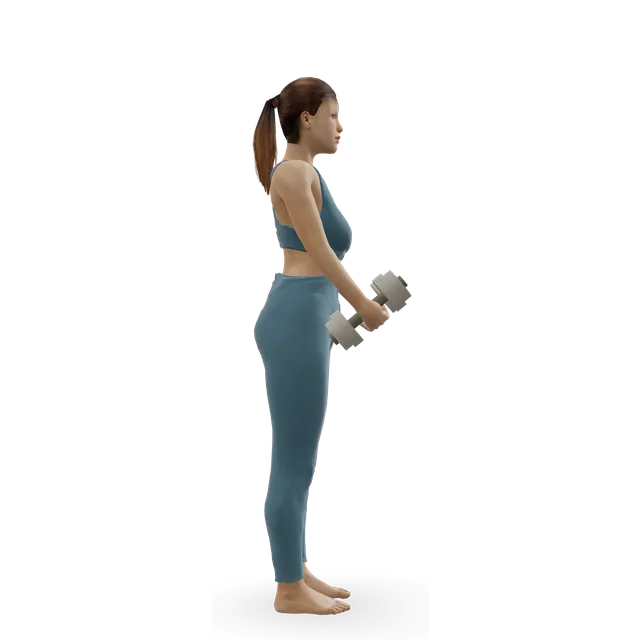
How to do dips: bar and bench dips, how deep to go, and your first dip step by step
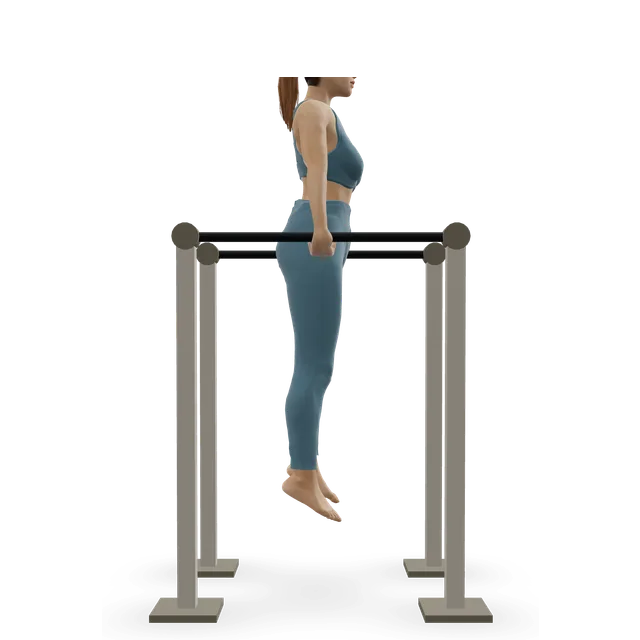
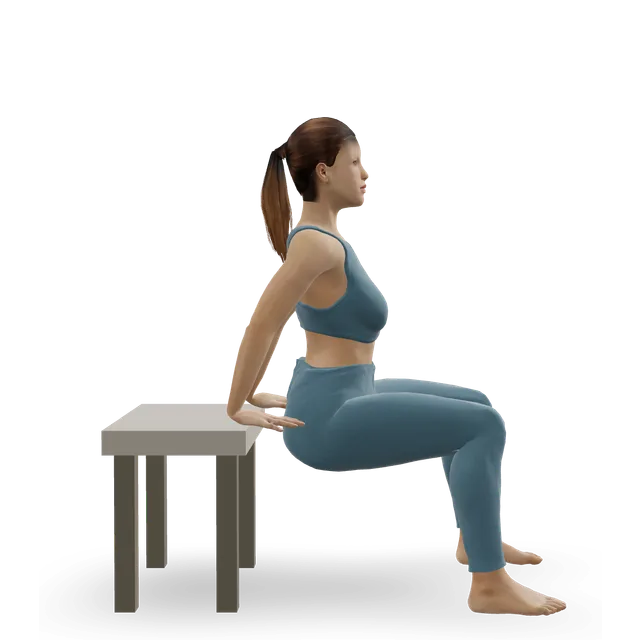
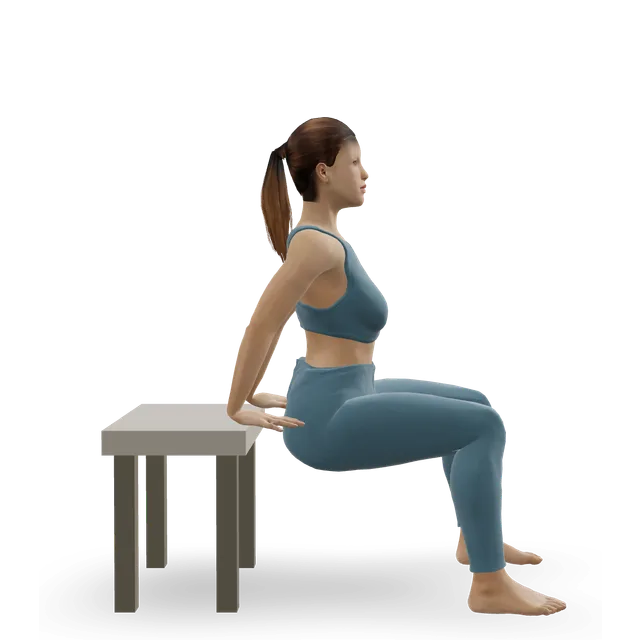
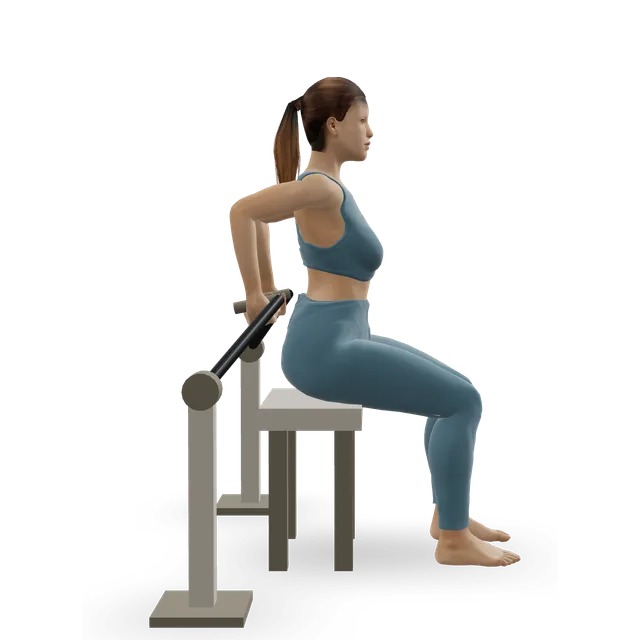
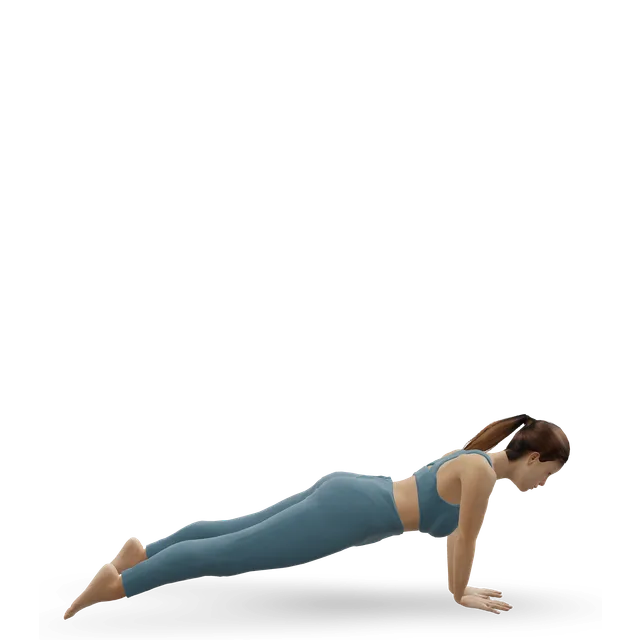
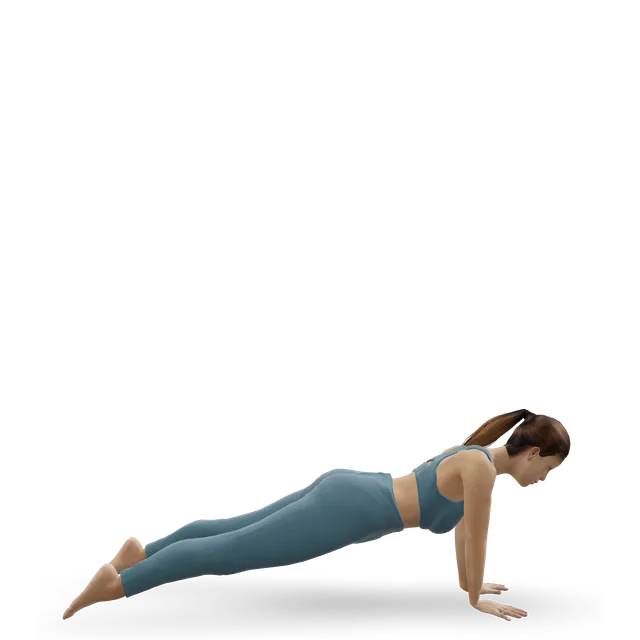
A dip means holding yourself up on straight arms, lowering by bending your elbows, and pressing back up. On parallel bars you lift most of your body weight, so most people start with easier versions: bench dips with bent knees, a still hold at the top of the bars, slow lowering, and a band or machine to help. Each step has a 3D demo below.
Dips work the chest, triceps and front of the shoulders hard: in a lab study of 13 experienced men, bar dips beat bench dips on all three. They also take the shoulder further back than most pressing, so depth matters. Lower until your upper arms are about level with the floor and your elbows are bent to about a right angle.
This guide covers the technique, how deep to go, the ladder to your first dip, where bench, ring and machine dips fit, chest and triceps versions, sternum and shoulder pain, and a dip progression workout to follow. No study has timed a first dip, so the timeline is our estimate.
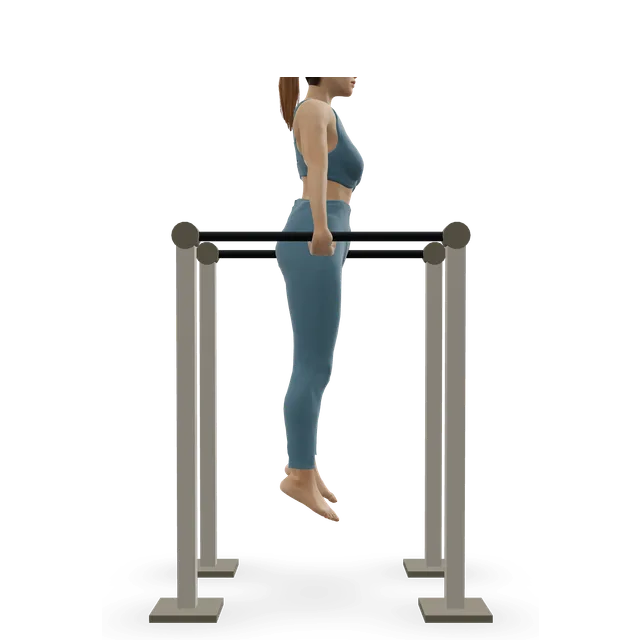
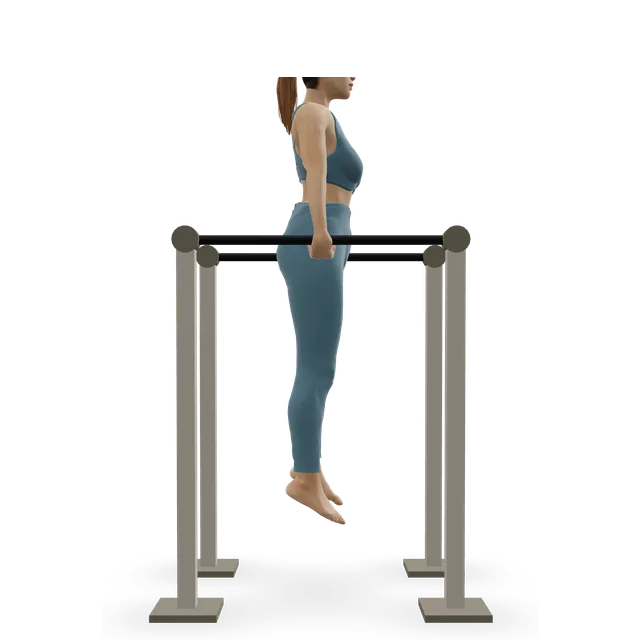
Support yourself on straight arms with your shoulders pressed down, lower until your upper arms are about level with the floor and your elbows are bent to about a right angle, then press back up. A hospital sports medicine handout for people who lift weights says never to go below 90 degrees of elbow bend on parallel bars.
In 13 experienced men, bar dips drew more muscle activity than bench dips in six muscles, including the triceps, the chest and the front of the shoulder. Ring dips matched bar dips for the triceps.
In the same men, bench dips reached 101% of the shoulder range each man reached in a maximal test, against 88% for bar dips and 69% for ring dips. The researchers think loading the shoulder this far back, again and again, might strain the front of the joint; no injuries were measured. Keep bench dips shallow, and skip them if the front of your shoulder hurts.
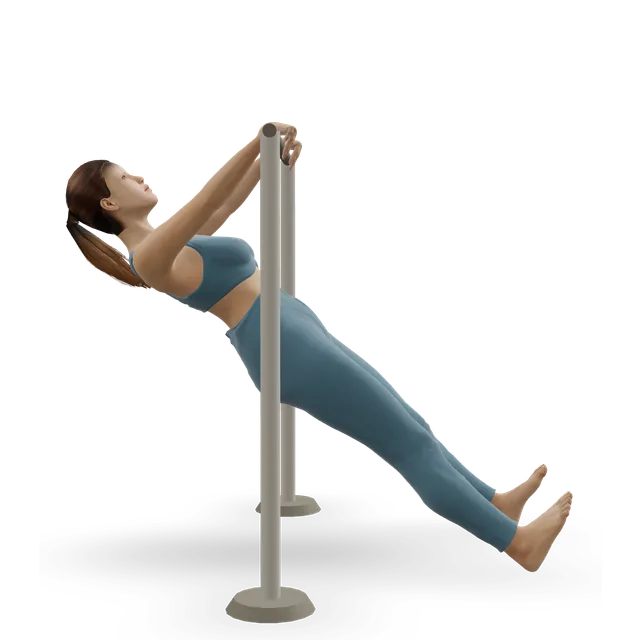
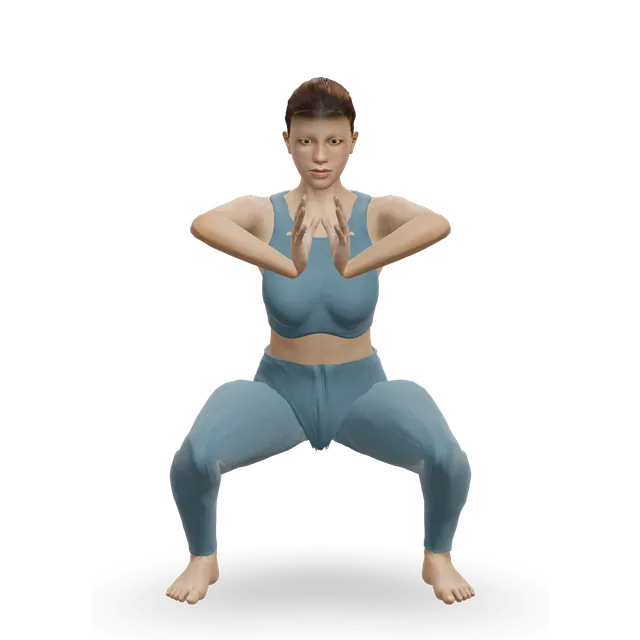
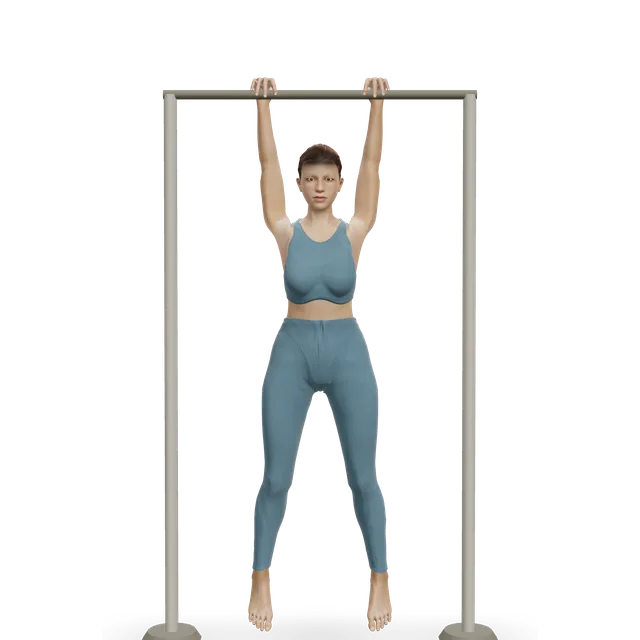
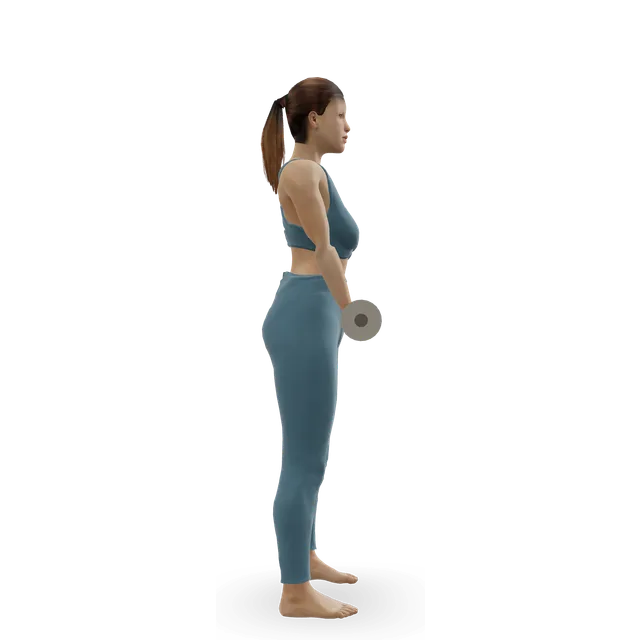
Bent-knee bench dips, then a still hold at the top of the bars, slow lowering, and band or machine help, then full dips. The researchers above suggested assisted bar dips as the easier step. No trial has compared these steps, and no study has timed a first dip.
Two or three times a week, stopping short of failure
Do dips early in a session, two or three times a week, and end each set with 1 to 3 reps left. Strength rose more with 2 or more sessions a week, and training to failure gave at most a trivial extra for muscle growth.
It is usually a strained chest wall or costochondritis, an inflammation where the ribs join the breastbone, and very rarely dips have caused a stress fracture there. Stop dips while it hurts, and get chest pain checked.
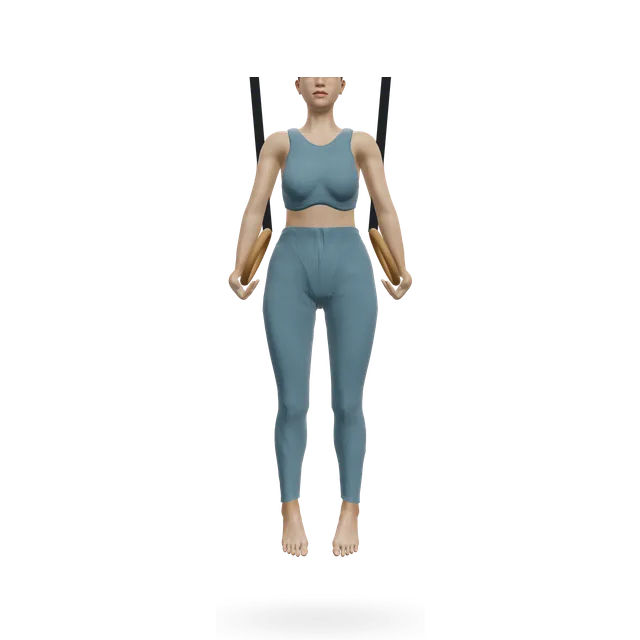
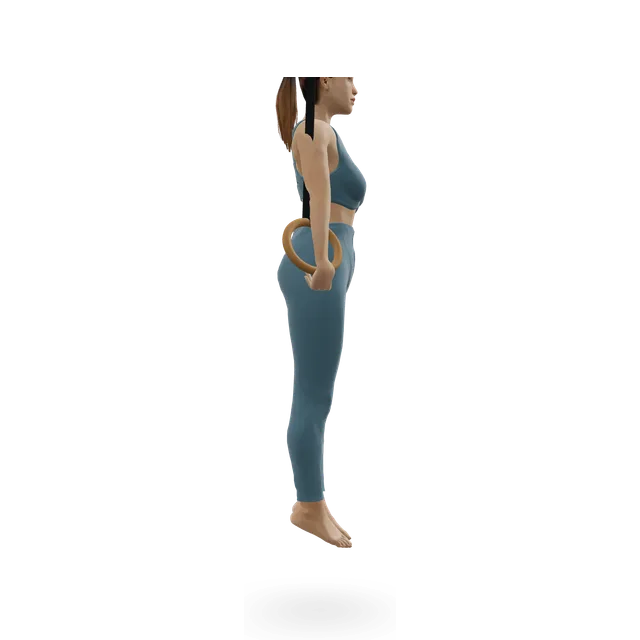
On parallel bars, or a dip station, you hold all your weight on your hands. On a bench behind you, your feet stay on the floor and your legs take part of the load. On gymnastic rings the handles move, so you have to steady them as well. A seated dip machine lets you choose the weight.
Mainly the triceps, the chest (pectoralis major) and the front of the shoulder, with the muscles around the shoulder blade holding you steady. In an American Council on Exercise (ACE) study, bench dips were among the top three of eight triceps exercises.
From straight arms down until your upper arms are about level with the floor, and back up to straight arms, without kicking (our standard, following our move pages). Some coaches insist on the shoulders going below the elbows; no study shows that builds more.
How to do a dip on parallel bars
From our parallel bar dip page. The depth limit is from a hospital sports medicine handout; the breathing and the pace are our editorial suggestions.
Grip the bars about shoulder-width apart with your thumbs around them, and jump or step up to straight arms. Keep your wrists straight over the heels of your hands.
Press your shoulders down, away from your ears, and keep your ribs down and your legs still.
Breathe in and lower by bending your elbows straight back, leaning your chest a little forward.
Stop when your upper arms are about level with the floor and your elbows are bent to about a right angle, or sooner if the front of your shoulder complains.
Breathe out and press back up to straight arms without shrugging.
Take about 2 seconds to lower on each rep, and keep the whole set smooth.
Loading the 3D figure…
Drag to turn
Gets into position, then repeats the movement. Technical checks passed; qualified exercise review is pending.
That is the depth our move pages use, and a hospital sports medicine handout for people who lift weights says never to go below 90 degrees of elbow bend on parallel bars. It is expert advice, not a trial result.
Experienced dippers already go deeperEmerging evidence
Experienced men who chose their own depth bent their elbows to about 115 degrees, past a right angle, and took the shoulder to 76 to 88% of the range they reached in a maximal test. Going deeper brings the shoulder closer to its limit while it carries your body weight.
Deeper isn't proven to build moreEmerging evidence
In a review of 16 studies, training through a full range of motion built more strength than partial reps. Full range there means an exercise's usual range, not its absolute limit, and no study has compared dip depths. Use the depth you can control without pain at the front of the shoulder.
Train at the hardest step you can do for 8 clean reps; the support hold, slow lowering and band help all happen on the bars, as the parallel bar dip page shows.
3 sets of 8 to 12 (our exercise library's dose), to a right angle at the elbow at most. Move on at 3 sets of 12 with no pain at the front of the shoulder (our move-on point; NASM teaches 3 sets of 8 to 15).
3 sets of 8 to 12, keeping the range short at first (our exercise library's dose). At a gym, a seated dip machine, a kneeling assisted-dip machine or a band does the same job and keeps the shoulder in a bar-dip position, which the 2022 study's authors preferred to bench dips.
3 holds of 10 to 20 seconds, with straight arms and your shoulders down (our editorial starting point). Move on at a steady 20 to 30 seconds, the starting point our parallel bar dip page asks for.
4. Slow lowering (negatives)
Step up to the top and lower over 3 to 5 seconds to the right-angle depth: 3 sets of 3 to 5 (our editorial starting point). CrossFit's muscle-up plan uses 5 to 7 single, slow ring-dip negatives in a session.
3 sets of 1 to 5, with a band or the assisted machine until you can do 5 clean (our exercise library). Then build to 3 sets of 10.
6. Rings and beyond
Ring dips after about 8 steady bar dips and a steady ring support hold (our move pages). Add weight with a dip belt once you can do about 10 to 15 clean bar dips (our editorial starting point).
Bench, ring, machine and straight-bar dips
Bench dips: a good triceps exercise, kept shallow
In 15 women with lifting experience, bench dips drew 87% of the triceps activity of the best exercise, the diamond (triangle) push-up. NASM teaches them to about a right angle at the elbow. They take the shoulder furthest back of any dip, so keep the range short, and use the other options if the front of your shoulder complains.
Ring dips: harder to control, not harder on the shoulder
Ring dips worked the triceps as hard as bar dips, worked the chest, lats and biceps harder, and took the shoulder back the least of the three dips. Falling off was the researchers' main concern, so learn them after steady bar dips.
In a survey of 1,387 gym users, machine dips were the dip least often linked to pain. Assisted bar dips, with a machine, a band or your feet helping, keep the bar-dip position with less load at the bottom.
A straight-bar dip is done over a single bar in front of you: the top half of a bar muscle-up, and harder to balance. Weighted dips use a dip belt once bodyweight dips are easy. We found no studies of either (our editorial notes).
Dips at home
Bench dips work on a sturdy chair pushed against a wall, as the ACE study notes. For bar-style dips, use only something solid that can't tip or slide, such as the corner of two fixed worktops (our suggestion).
Lean forward with your legs drifting back for the chest version, or stay upright with your elbows close for the triceps version; coaches and NASM teach the lean as shifting work to the chest, but no study has measured it.
In a lab study of 13 experienced men, using electromyography (EMG), which measures muscle activity through the skin, bar dips drew higher peak activity than bench dips in six muscles: the chest, the front of the shoulder, the triceps, the upper trapezius, the serratus anterior and the lats. Peak triceps activity was about 25% higher on the bars than on a bench, and the same on rings as on the bars. It is one small study in trained men.
Bench dips take the shoulder furthest backEmerging evidence
In the same men, bench dips took the shoulder to 101% of the range each man reached in a maximal test, bar dips to 88% and ring dips to 69%.
The authors' interpretation is that loading the shoulder this far back, again and again, might strain the front of the joint capsule, and they suggest leaving bench dips out of regular training in favour of assisted bar dips. That comes from motion data in 13 experienced men; no injuries were measured. We keep bench dips as an option, kept shallow, and one to skip if the front of the shoulder hurts.
Ring dips used the least shoulder rangeEmerging evidence
Ring dips matched bar dips for the triceps, drew more activity from the chest, lats and biceps, and took the shoulder back the least. The authors judged falling the main risk, not the shoulder position.
Tired dips get slower, not wilderEmerging evidence
In 15 experienced men doing one set of bar dips to failure, about 25 reps, the reps slowed, the range shortened a little and muscle activity rose as they tired, but the deepest joint angles didn't change: the shoulder reached about 76% of its maximal range, the elbows bent to about 115 degrees and the trunk leaned about 37 degrees.
Bench dips are a strong triceps exerciseEmerging evidence
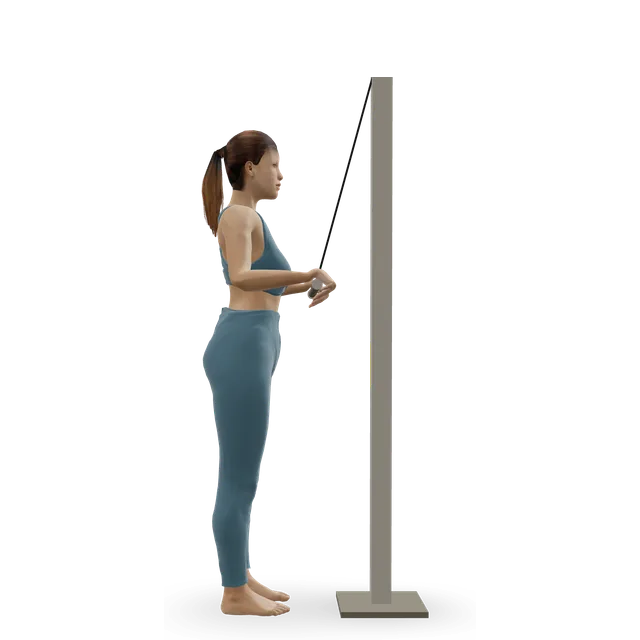
In an ACE-funded study of 15 women aged 20 to 24 with lifting experience, the diamond push-up drew the most triceps activity of eight exercises, and bench dips and kickbacks came next at 87% of it. Pushdowns, overhead extensions, lying extensions and the close-grip bench press drew less.
Dips against the bench press: no head-to-head studyEmerging evidence
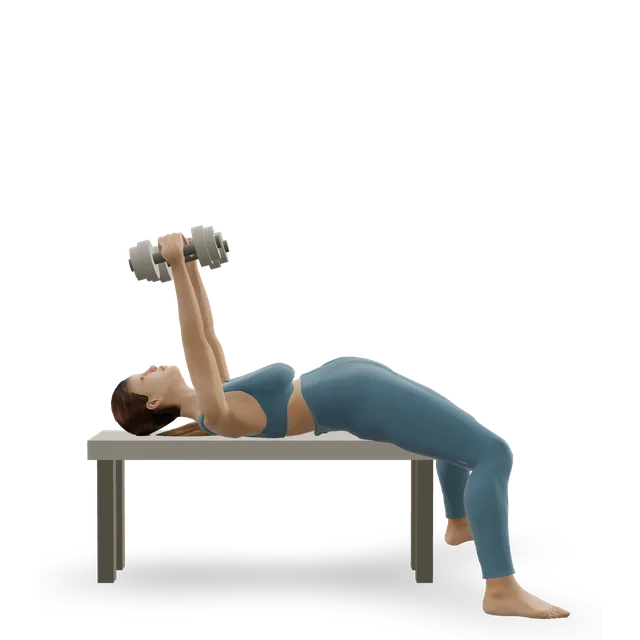
We found no study comparing muscle activity in dips and the bench press. The study often quoted for it tested the barbell bench press, dumbbell bench press and dumbbell fly, not dips. Across 137 reviews, the type of equipment didn't consistently change strength or muscle gains, so both are reasonable chest and triceps exercises.
In a self-selected online survey of 1,387 gym users, 35% of those who did bodyweight triceps dips linked them to pain, against 21% for bench dips and 9% for machine dips. About half of 365 published tears of the main chest muscle happened during weight training, and one case report describes a tear during weighted bar dips. Very rarely, dips have caused a stress fracture at the top of the breastbone, and a broken collarbone and rib. These are surveys and case reports, so they can't give a risk per session.
NASM lists shrugging as a mistake that adds shoulder stress. Keep your shoulders down, away from your ears, with your chest up, and shorten the range if you can't.
With a day between, on push or full-body days. Strength rose more with 2 or more sessions a week and with exercises done early in a session, so put dips first when they're your main pressing exercise.
Our editorial starting point: 2 to 4 sets of 6 to 12, stopping 1 to 3 reps short of failure. That is 1 to 3 RIR (reps in reserve: how many more reps you could have done). Our workouts range from 2 sets of 6 to 10 to 4 sets of 6 to 10.
About 90 seconds to 2 minutes between sets of bar dips, as our workouts suggest.
Before bar dips
A steady 20 to 30-second support hold on the bars and about 15 push-ups: the starting point our calisthenics plan uses. Until then, train the ladder above.
Moving on
When every set reaches the top of its range at the right depth, slow the lowering to about 3 seconds, then move up a step: the double progression in our progressive overload guide.
Weekly amount
Dips count towards your weekly chest and triceps sets. About 10 or more hard sets a week for each muscle built more muscle across reviews, counting all your exercises.
Shoulder, breastbone and elbow pain: when to swap dips
Pain at the front of the shoulder
With impingement, AC (acromioclavicular) joint pain, a SLAP tear (a tear of the cartilage rim at the top of the socket), biceps tendon pain or a shoulder that has dislocated, our shoulder guides leave out deep dips and bench dips for now. Push-ups within a comfortable range, close-grip push-ups or a dip machine at a short range can replace them.
Costochondritis has been linked to repetitive upper-body movements such as lifting. Leave dips out until it settles, as our costochondritis guide advises, and get chest pain checked first.
Call 999 (911 in the US): chest pain that could be your heart
Sudden chest pain or discomfort that doesn't go away, pain spreading to your arm, neck, jaw, stomach or back, or chest pain with sweating, feeling sick, light-headedness or breathlessness.
Sudden or very bad shoulder pain, not being able to move your arm, a shoulder or arm that has changed shape or is badly swollen, pins and needles that don't go away, no feeling in the arm, an arm that's hot or cold to touch, or pain after an injury or fall.
A pop with sudden weakness, bruising or a change in the shape of your chest or armpit during a dip can mean a torn chest muscle. Get seen promptly (our suggestion, from the case reports).
"Go as deep as you can for a bigger chest"Emerging evidence
No trial has compared dip depths. Full range in training studies means an exercise's usual range, and self-chosen dips already take the shoulder close to its limit. Upper arms about level is enough.
"Bench dips are the safe, easy dip"Emerging evidence
They're easier on the arms but take the shoulder furthest back of any dip, and 21% of gym users who did them linked them to pain in a survey. They're fine for many people kept shallow, but they aren't the shoulder-friendly option.
Overstated. The worry comes from motion data, with no injuries measured, and coaching bodies still teach them. Keep them shallow, and skip them if they hurt.
"Ring dips are dangerous for the shoulders"Emerging evidence
In the only measurement, ring dips used the least shoulder range of three dips; falling was the concern. They come after bar dips because they're harder to control.
Not for most people, but they take the shoulder further back than most pressing: bar dips reached 76 to 88% of experienced men's maximal shoulder range. No study has counted injuries from dips. Stop at about a right angle at the elbow, keep your shoulders down, and swap dips out while the front of your shoulder hurts.
How deep should you go on dips?
Until your upper arms are about level with the floor and your elbows are bent to about a right angle. A hospital sports medicine handout says never below 90 degrees, and no study shows deeper dips build more muscle.
Why does my sternum hurt during dips?
Usually a strained chest wall or costochondritis, which has been linked to repetitive upper-body lifting. Very rarely, dips have caused a stress fracture at the top of the breastbone. Stop dips until it settles and get unexplained chest pain checked; call 999 (911 in the US) if it spreads to your arm, neck, jaw or back, or comes with breathlessness or sweating.
Are bench dips bad for you?
They're a good triceps exercise, but they take the shoulder furthest back of any dip, to the edge of the range people reached in a maximal test. Keep them shallow, with your knees bent at first, and skip them if the front of your shoulder hurts. Diamond push-ups and triceps pushdowns work the triceps without that position.
What's the difference between chest dips and triceps dips?
For the chest version you lean forward and let your legs drift back; for the triceps version you stay upright with your elbows close. Both work the chest, the front of the shoulders and the triceps, and how much the lean shifts the work hasn't been measured.
Are dips better than the bench press?
No study has compared them, and the one often quoted didn't test dips. Both build the chest and triceps, and the type of equipment didn't consistently change results across 137 reviews. Use the one you can do comfortably and keep progressing, or both.
How many dips should I be able to do?
There are no published norms. Our milestones: about 5 clean dips before you leave the assisted versions, about 8 before ring dips, about 10 before a muscle-up, and 10 to 15 before adding weight.
I can't do a single dip. Where do I start?
With bent-knee bench dips, a still support hold at the top of the bars, slow lowering, and a band or assisted machine. Train two or three times a week, stopping a rep or two short of failure. No study has timed it, but most people get a first dip within weeks to a few months, by our estimate.
How can I do dips at home without a dip bar?
Bench dips work on a sturdy chair pushed against a wall. Two solid worktops at a corner, or two heavy chairs that can't tip, can stand in for bars. Never use anything that could slide or tip.
Is an assisted dip machine or a band better?
Both take some of your weight at the bottom of the dip, and researchers suggested assisted bar dips instead of bench dips for the shoulder. No trial has compared them, so use what your gym has and reduce the help as you get stronger.
Are ring dips harder than bar dips?
Yes, because the rings move. In experienced men, ring dips worked the chest, lats and biceps harder and took the shoulder back the least, and falling was the researchers' main concern. Learn them after about 8 steady bar dips.
When should I add weight to dips?
Once you can do about 10 to 15 clean bar dips at the right depth. Add the smallest weight you have and keep the same depth.
Exercise education, not a personal prescription, and clinical review of these guides is pending. Check with a GP before starting hard training if you have a heart condition, chest pain, dizziness or breathlessness when active, and stop for sharp or increasing pain. Health disclaimer.