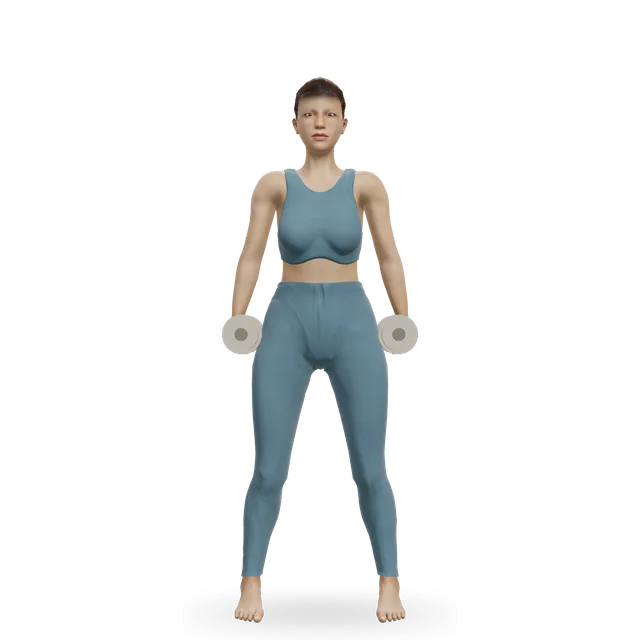
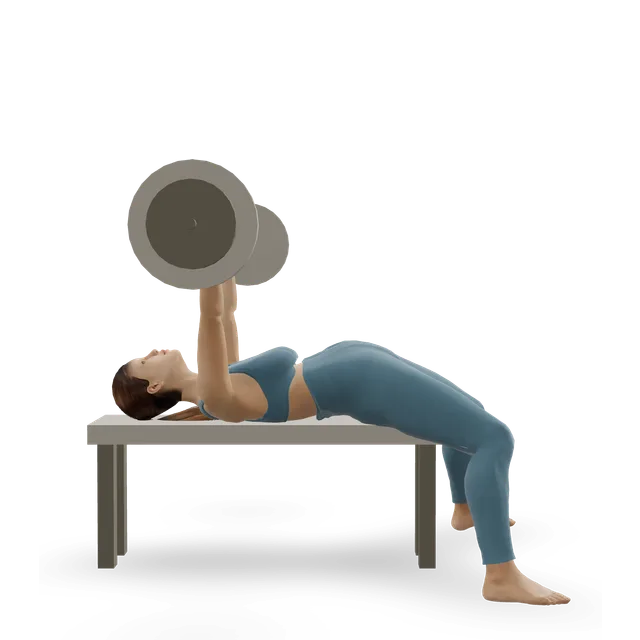
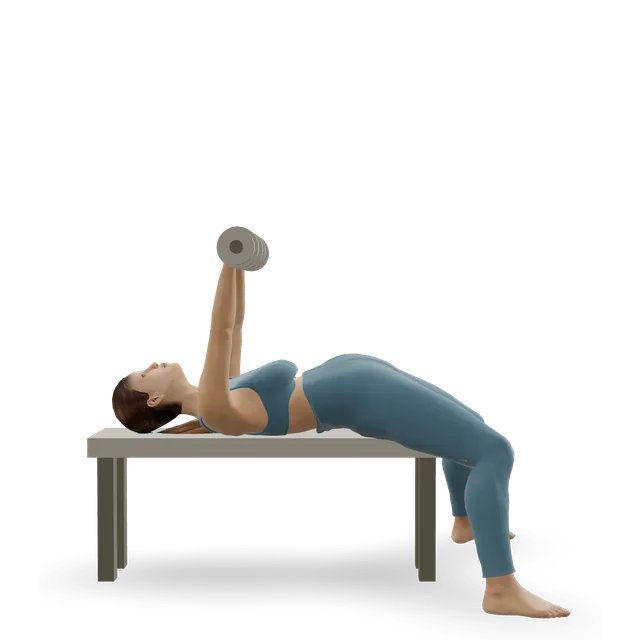
Training guide

How to overhead press with good form: grip, bar path and standing vs seated

A good overhead press is simple to describe: take the bar from a rack at shoulder height, grip it so your forearms are vertical, squeeze your glutes, and press it straight up close to your face, tipping your head back and then through so the bar finishes over your shoulders. No knee dip and no leaning back: that's what makes it strict.

The research on the press is small: muscle activity studies of a few dozen lifters, one 10-week training study and studies of shoulder problems in gym-goers. It suggests that seated, standing, barbell and dumbbell presses all work, and that your shoulder blades should move as you press. The evidence on pressing behind the neck is limited, and no study has counted injuries.

This guide covers the set-up, bar path and breathing, standing vs seated and barbell vs dumbbells, behind-the-neck pressing and shoulder pain, and the ladder from a band press to the barbell, with a 3D demo of every step and the warning signs to act on.

The short version

Set up from a rack at shoulder height

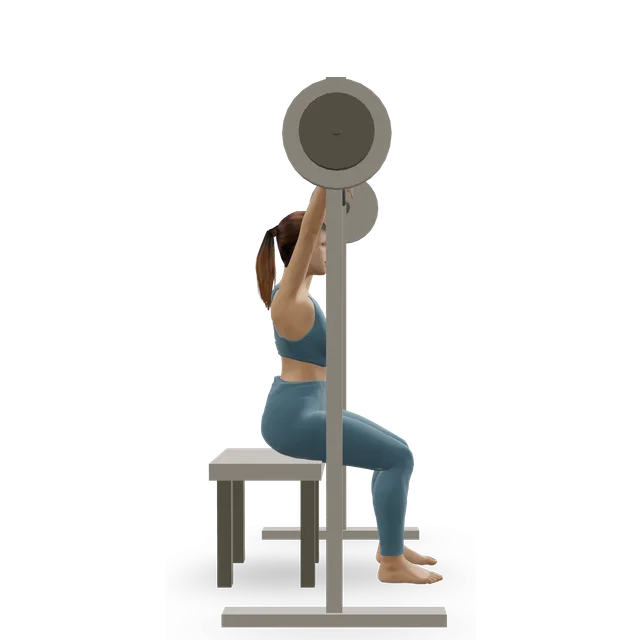
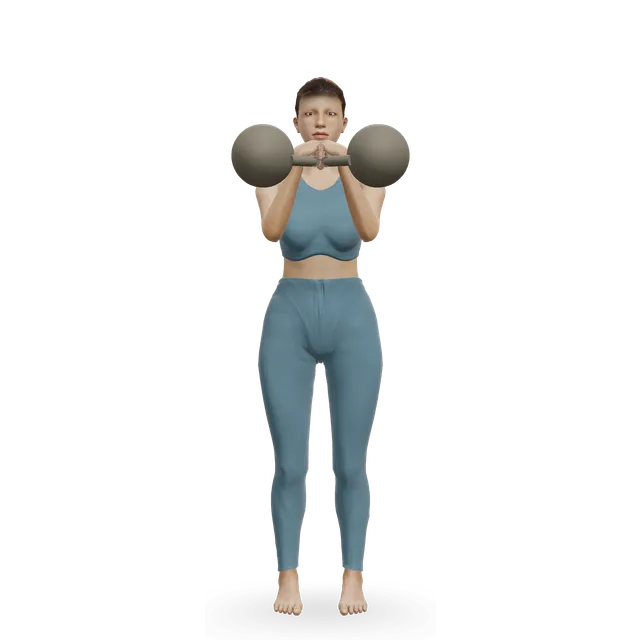
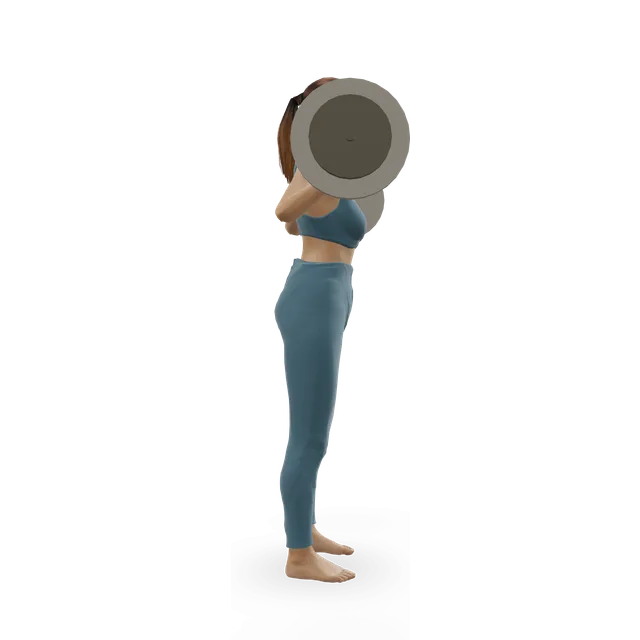
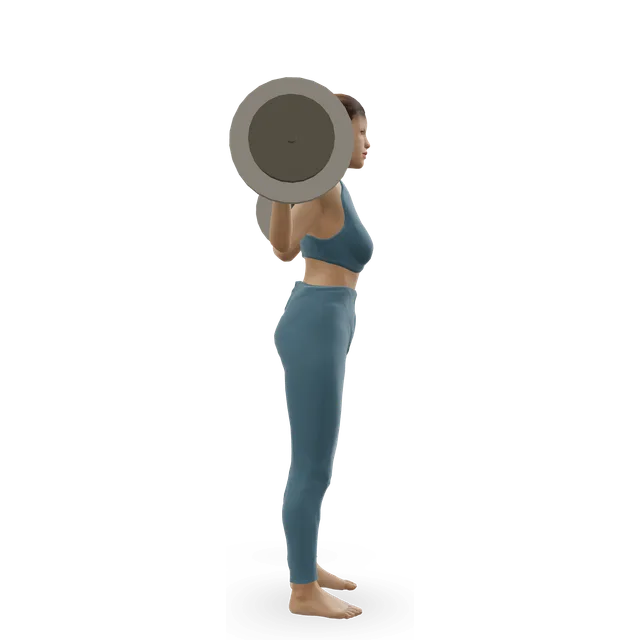
Take the bar from a rack at about shoulder height, hands just outside your shoulders so your forearms are vertical and your elbows sit a little in front of the bar. Stand with your feet about hip-width apart, squeeze your glutes and brace with your ribs down. Pressing inside a rack, set the safety arms just below shoulder height.

Source 1

Press straight up, close to your face

Tip your head back a little as the bar passes your chin, then bring it through once the bar clears your forehead, so the bar finishes over your shoulders and the middle of your feet with your arms locked. Heavy presses are slowest about halfway up, which is where a missed rep stalls.

Sources 1, 2

Strict means no knee dip and no leaning back

Keep your back straight and tall and press with your arms alone. Leaning back to finish a rep turns the press into an arch through your lower back: lower the weight instead. A quick dip and drive of the legs makes it a push press, a different exercise.

Source 1

Standing or seated, barbell or dumbbells: all of them work

Seated and barbell presses let you lift more; standing with dumbbells, you'll lift less, though your shoulder muscles are more active. Across 137 reviews, the type of equipment made no consistent difference to strength or muscle gains, so pick the press you can do well and keep progressing.

Sources 3, 4, 5

Let your shoulder blades move

Your shoulder blades turn upward and tilt back as the bar goes overhead. That's normal, so don't try to pin them back and down while you press.

Source 6

Sore or unstable shoulder? Press in front of your head

The evidence on behind-the-neck pressing is limited, and no study has counted injuries. It works the side and rear of the shoulder more, but holding the arm out and turned back went with signs of shoulder instability in a study of gym-goers, and a hospital handout says to avoid it. With shoulder pain or instability, press in front of your head and use the gentler steps in our shoulder guides.

Sources 7, 8, 9, 10

What the overhead press is, and what the names mean

One lift, several names

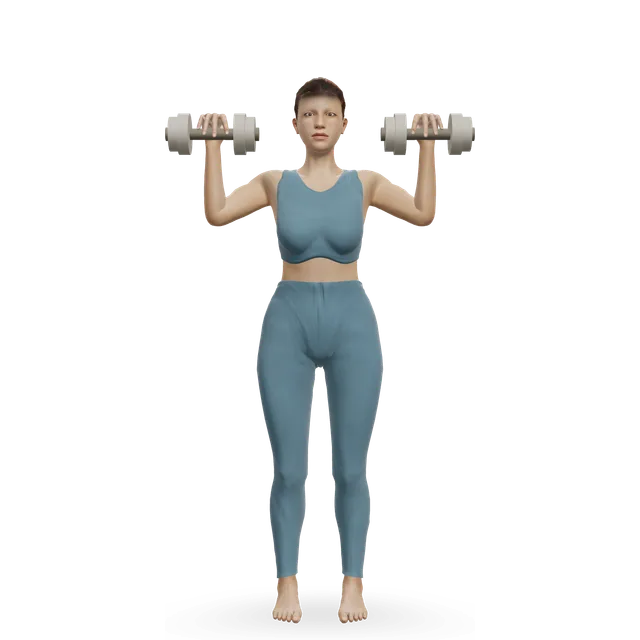
The overhead press is pressing a weight from the front of your shoulders to straight arms overhead. Gyms use the names loosely: "strict" or "military" press usually means standing with no help from the legs, "shoulder press" often means seated or with dumbbells, and the push press adds a dip and drive of the legs.

This guide is about the strict standing press with a barbell, which the American Council on Exercise (ACE) rates an advanced exercise, and its dumbbell and seated versions.

Source 1

What it works

The deltoids at the front and side of your shoulder and your triceps do the pressing, and pressing in front of the head brings in the chest. Standing, your trunk muscles work to hold you still, and pressing one arm at a time makes the back muscles that steady you work harder.

Sources 7, 11, 12

Rated easier in its family, but not a first-week lift

On our exercise pages the strict press sits in the "easier" group of the overhead press family because the push press and the jerks come after it, not because it's a beginner exercise. Most people start with a band, machine or dumbbell press, as in the progression below.

What the evidence says

Standing dumbbell presses: the lightest load, the most shoulder activityEmerging evidence

In 15 men pressing at 80% of their maximum, two dumbbells standing lifted about 7% less than a barbell standing and about 10% less than dumbbells seated, but drew the most activity from the shoulder muscles. Seated presses drew about a quarter less activity from the rear of the shoulder than standing ones, with a barbell or dumbbells.

Source 3

The steadier the set-up, the more you liftEmerging evidence

In 30 trained people pressing seated, a barbell on a bench was lifted heaviest and dumbbells on a Swiss ball lightest. In 8 bodybuilders, a shoulder press machine allowed a heavier maximum than a barbell (95 against 82 kg), while the barbell drew more muscle activity.

Sources 4, 7

The type of equipment matters less than doing the workStrong evidence

In a 2026 overview of 137 reviews by the American College of Sports Medicine (ACSM), the type of equipment didn't consistently change strength or muscle gains. Strength rose most with heavier loads (80% of your maximum or more), a full range of movement, 2 to 3 sets, the lift early in the session and at least two sessions a week.

Source 5

Your shoulder blades turn up as you pressEmerging evidence

In 16 men pressing light weights, the military press turned the shoulder blade upward and tilted it back more than lifting the arm forward did. That rhythm is what lets your arm get overhead.

Source 6

Shoulder injuries in liftersMixed evidence

Up to 36% of reported weight-training injuries involve the shoulder, though most of the data come from surveys looking back. Weight-training sports have low injury rates overall, with the shoulder, lower back and knee the commonest sites.

In 46 recreational weight trainers, signs of shoulder impingement (a pinching pain as the arm rises) went with lateral raises and upright rows taken above shoulder height, not with pressing, and strengthening the muscles that turn the arm outwards went with fewer signs. That's a snapshot, so it can't show cause and effect.

Sources 13, 14, 15

One 10-week training studyEmerging evidence

In 24 trained men, 10 weeks of seated presses on a Smith machine, twice a week for 3 sets at 65 to 90% of their maximum, raised their maximum by 17.5%, from 57.6 to 67.7 kg. There was no comparison group. In heavy presses, the bar slowed most at about 46% of the way up.

Source 2

What the evidence can't tell you

No trial has compared months of standing and seated pressing, or counted injuries by grip, bar path or behind-the-neck pressing. Most studies here measured muscle activity in a few dozen people, and muscle activity readings don't predict which exercise builds more muscle. Treat the doses on this page as starting points.

Source 16

How to overhead press, step by step

From ACE's standing shoulder press and our move page. The grip just outside the shoulders, the head movement and lowering a stalled rep are standard coaching, in our editorial wording. With high blood pressure, heart disease or glaucoma, breathe out through the whole press.

  1. Set the bar in a rack at about shoulder height, with collars on. Pressing inside the rack, set the safety arms just below shoulder height.
  2. Grip just outside your shoulders, thumbs around the bar, the bar low in your palms and your wrists stacked over your elbows. With the bar on the front of your shoulders, your forearms are vertical and your elbows a little in front of the bar.
  3. Lift the bar off, take a step or two back and stand with your feet about hip-width apart and your knees straight. Squeeze your glutes and brace with your ribs down.
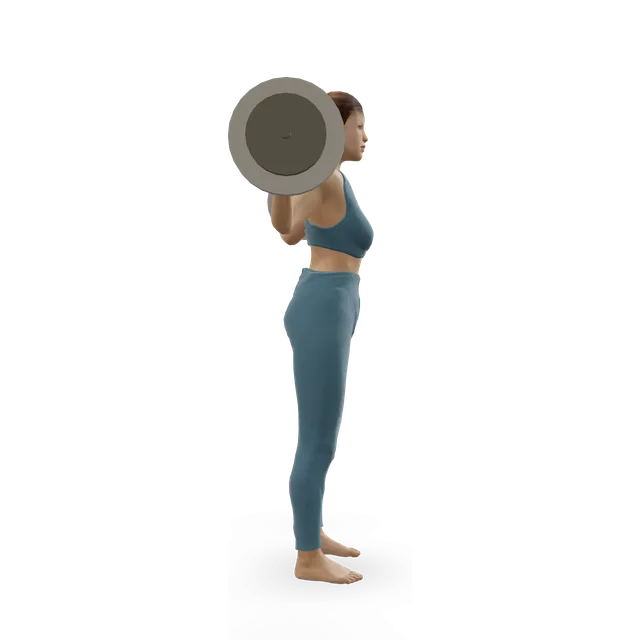
  4. Take a breath and press straight up, close to your face, tipping your head back a little as the bar passes your chin.
  5. Once the bar passes your forehead, move your head forward under it. Finish with your arms locked, your biceps beside your ears and the bar over your shoulders and the middle of your feet, letting your shoulder blades turn up.
  6. Breathe out, then lower the bar under control to the front of your shoulders, tipping your head back again as it passes your face.
  7. No knee dip and no leaning back. If a rep stalls, lower the bar to your shoulders or onto the safety arms rather than arching to grind it out.

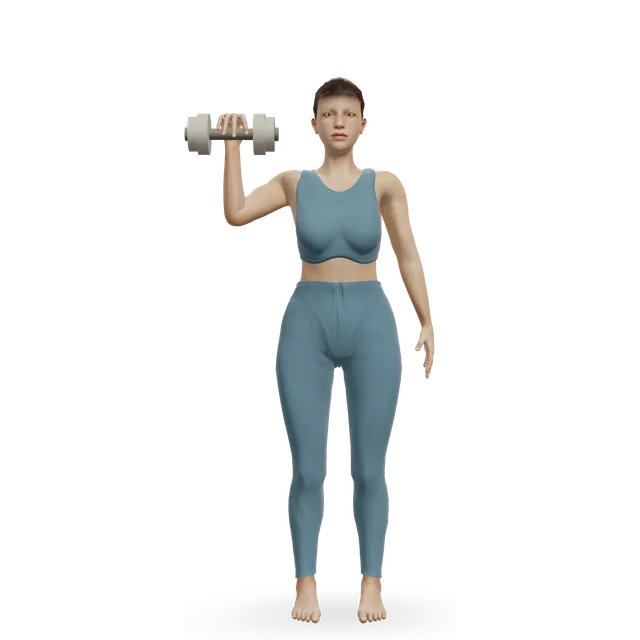
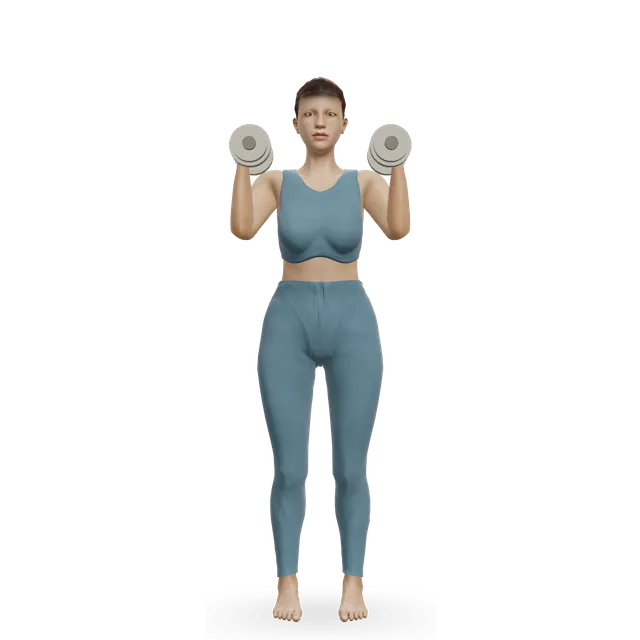
Loading the 3D figure…

Gets into position, then repeats the movement. Technical checks passed; qualified exercise review is pending.

The movement on the figure: Standing overhead press

Grip, elbows and bar path

Grip just outside your shoulders

ACE's standing press uses hands about shoulder-width apart. Just outside the shoulders, so your forearms are vertical from the front and the side, is the usual coaching standard and our editorial starting point. Wrap your thumbs around the bar, hold it low in your palms and keep your wrists stacked over your elbows rather than bent back. We found no study linking a press grip width to injury.

Source 1

Elbows a little in front of the bar

ACE has the elbows pointing straight ahead with the bar on your shoulders. Flared out to the sides, they put the bar behind your forearms; a little in front of the bar is our suggestion.

Source 1

Bar path: close to your face, then over your shoulders

The bar travels up in a nearly straight line close to your face: your head moves back to let it pass and forward once it has, so the bar finishes over your shoulders and the middle of your feet. Pressing the bar out in front of your face leaves it ahead of your shoulders, a longer lever (our editorial view). Heavy presses are slowest about halfway up.

Source 2

Lockout: reach tall

Finish with your arms straight and your biceps beside your ears. Some coaches cue a shrug towards the ceiling at the top and others keep the shoulders down; the evidence only says the shoulder blades turn up as the arms rise, so reaching tall is fine (our editorial view).

Source 6

Breathing, bracing and your lower back

Brace, press, breathe out near the top

Take a breath into your belly at the bottom, brace, press, and breathe out as the bar passes your forehead or at the top (our editorial starting point, as in our bench press guide). Standing presses work your trunk muscles, and pressing on a wobble board added nothing in 12 trained men. Pressing one arm at a time makes the back muscles that steady you work harder.

Sources 11, 12

Holding your breath: where the advice differsEmerging evidence

Strength coaches often teach holding the breath through each heavy rep; our barbell strength workout says to breathe out through the press rather than strain against a held breath. In 5 bodybuilders, blood pressure rose to extreme levels in heavy lifts, overhead presses included, partly from breath-holding, and eye pressure rises more when you hold your breath.

If your blood pressure is controlled, low- to moderate-intensity strength training is safe with proper breathing. With high blood pressure, heart disease, glaucoma or diabetic eye disease, breathe out through the press and leave maximal lifts until you've had advice.

Sources 17, 18, 19, 20

If your lower back arches

Leaning back to finish a rep arches your lower back and turns the press towards an incline press. Squeeze your glutes, keep your ribs down and take some weight off. If you can't get your arms overhead without arching, press one arm at a time, at an incline or seated with your back supported until your range improves, as our move page advises.

Standing or seated? Barbell, dumbbells and other presses

Standing or seatedEmerging evidence

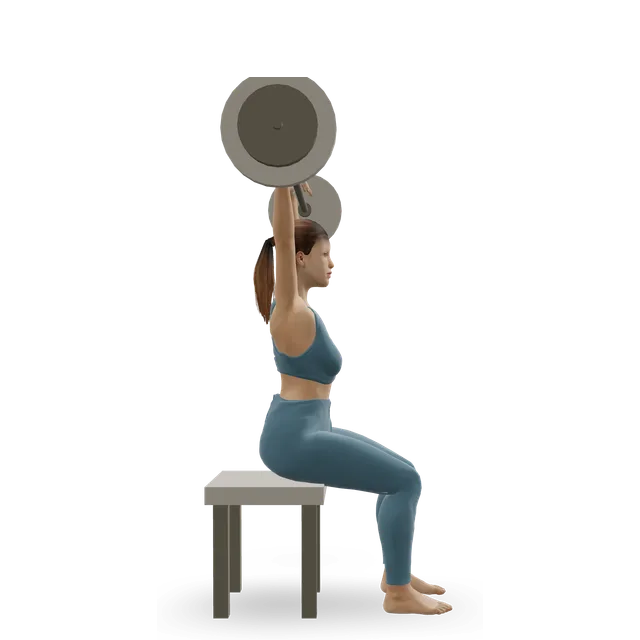
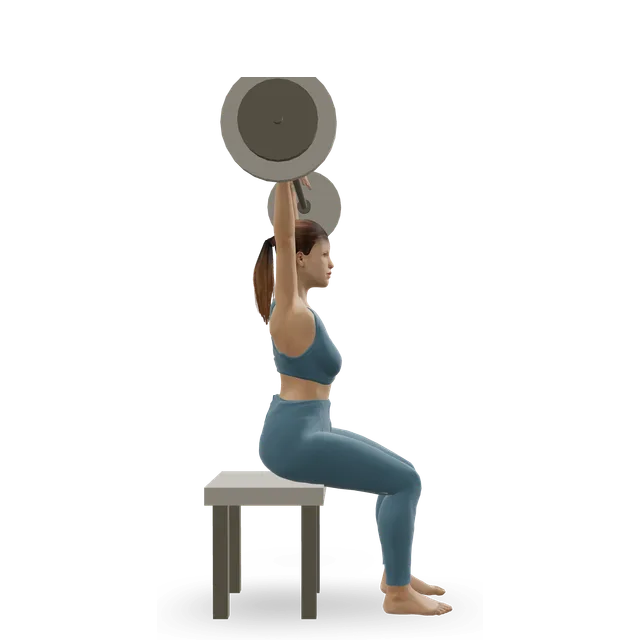
Seated with your back supported, you'll lift more and your trunk does less; standing works more of your body and drew more activity from the rear of the shoulder. No trial has compared months of each, and across many reviews the type of equipment didn't consistently change results.

Stand to train the whole body; sit to load the shoulders with less balance to manage, or when your lower back complains (our view). Seated in a rack, set the safety arms just below your shoulders, because you can't step away from a missed press.

Sources 3, 4, 5

Barbell or dumbbellsEmerging evidence

Two dumbbells make each arm steady its own weight: standing, they drew more shoulder activity and lifted about 7% less than a barbell. Dumbbells held palms in keep the elbows in front and often suit sore shoulders, and a barbell lets you add weight in smaller steps (our view).

Source 3

KettlebellsMixed evidence

A kettlebell sits behind your wrist. In a preliminary study of 20 people pressing seated, kettlebell and dumbbell presses at the same load worked the shoulder and back muscles about the same.

Source 21

Machines, the Smith machine and the landmine press

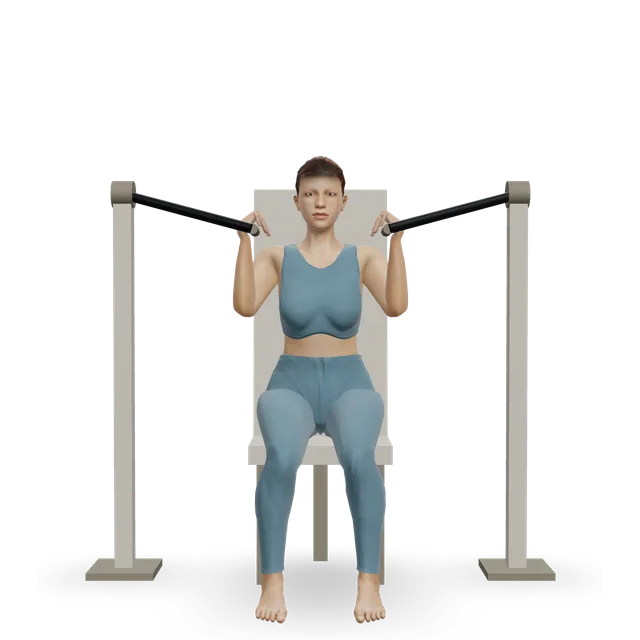
Machines guide the path, so you lift more, though the barbell drew more muscle activity in one study; they make good first loaded presses. The landmine press, one end of a barbell anchored in a corner and pressed up and forwards, is the step our shoulder pain guides use between the band press and the dumbbell press.

Source 7

The push press

A short dip and drive of the legs lets more weight go overhead. It's the next step in the family and trains power; it doesn't replace the strict press.

Behind-the-neck pressing: limited evidence

What it doesEmerging evidence

In 8 bodybuilders, the behind-the-neck press worked the side and rear of the shoulder more and the chest less than a press in front of the head, and they lifted less with it (76 against 82 kg). In a second study of 14 trained men, the behind-the-neck press again worked the side and rear of the shoulder more, and the press in front the front of the shoulder and the chest.

Sources 7, 22

Is it safe? The evidence is limitedMixed evidence

No study has counted injuries. In 33 people pressing seated, shoulder movement stayed within its passive range, except for outward rotation in the men pressing behind the head, and the authors called both versions safe for people with normal trunk stability and full shoulder range.

In a study of 123 weight trainers, exercises that hold the arm out and turned back, such as behind-the-neck pulldowns and presses, went with signs of shoulder instability, and a hospital sports-medicine handout lists the behind-the-neck press among exercises to always avoid.

Sources 8, 9, 10

Our advice

You don't need it. With shoulder pain or instability, a past dislocation or neck pain, press in front of your head instead, as our behind-the-neck press page and shoulder guides advise. If your shoulders are pain-free with full range and you want to try it, start very light.

Your overhead press progression: from the band to the barbell

Step 1: check your overhead reach

Stand with your back against a wall and slide your arms up it, as in the wall angel. If your arms reach the wall overhead without your lower back lifting off it, you have the range to press; if not, press one arm at a time or at an incline for now (our editorial check, following the move page).

Step 2: a band or machine press

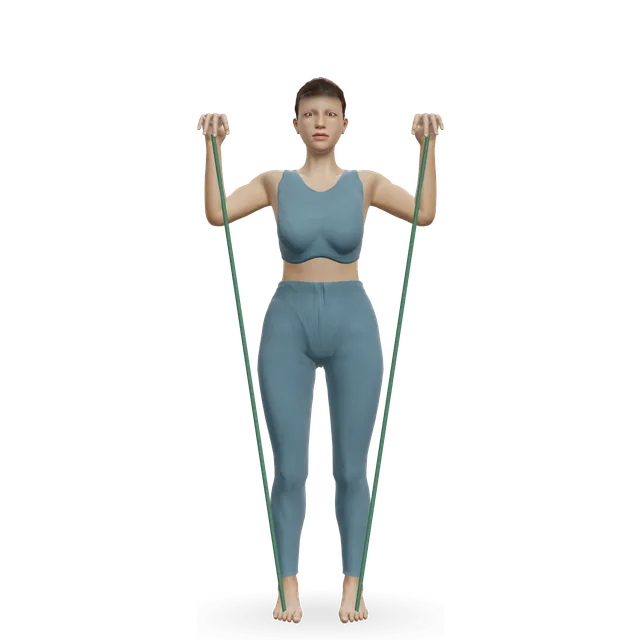
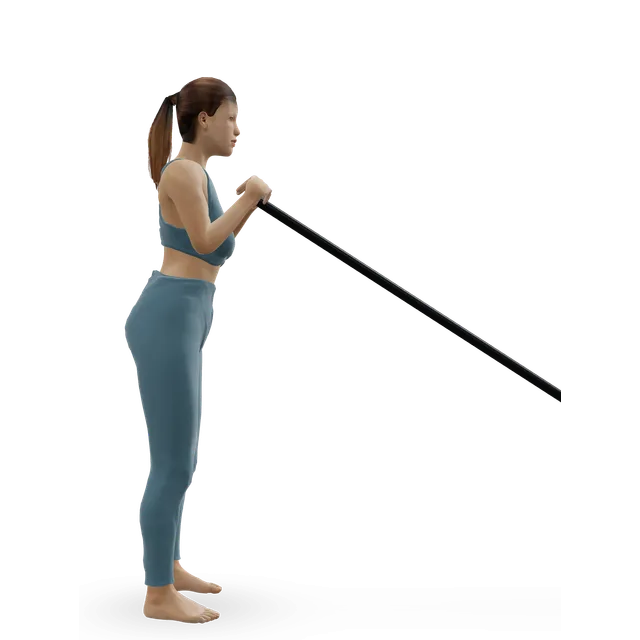
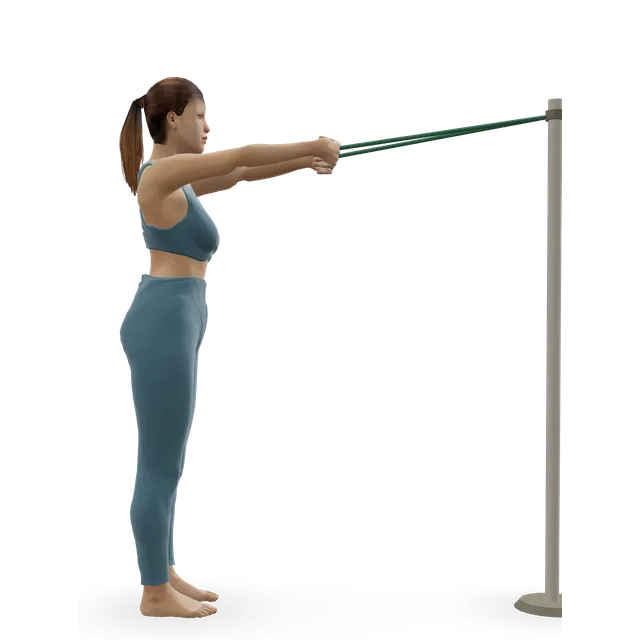
3 sets of 10 to 15, stopping 2 or 3 reps short of failure (our editorial starting point). Our shoulder guides start pressing with the band press, and ACE rates the machine press a beginner exercise. Move on when the reps are smooth and painless with a firm band or a moderate weight.

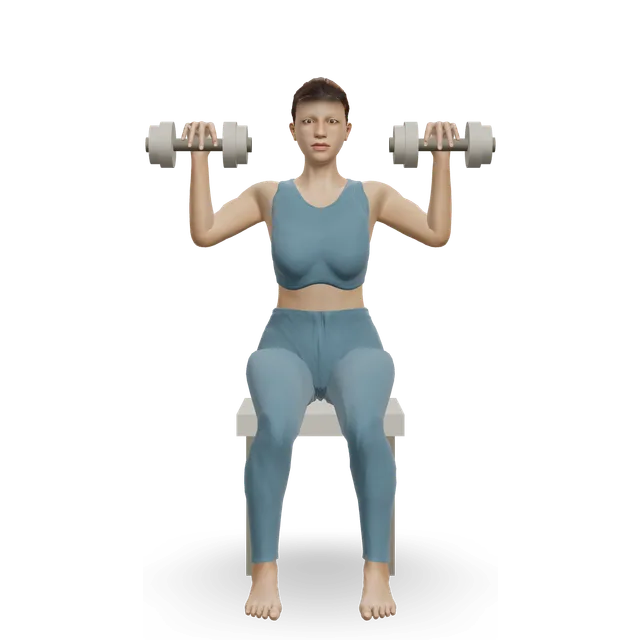
Step 3: the seated dumbbell press

3 sets of 8 to 12, stopping 2 or 3 reps short, as in our dumbbell workouts. Move on at 3 sets of 10 at a moderate weight with both arms moving together.

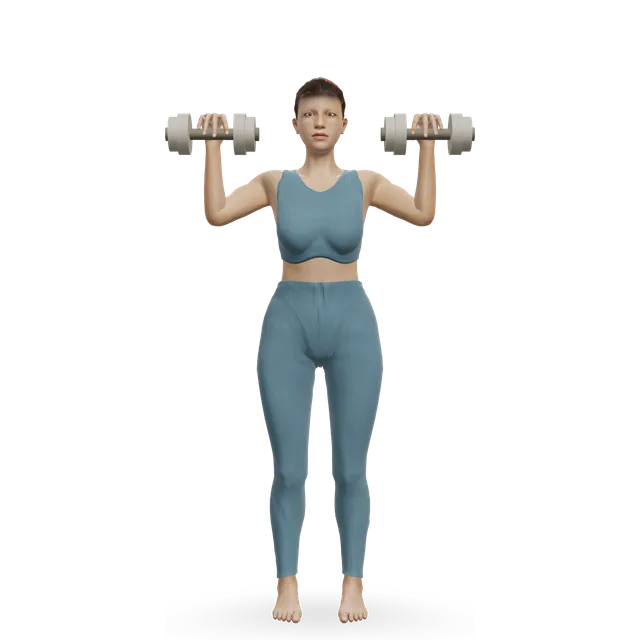
Step 4: the standing dumbbell press

3 sets of 8 to 10, the dose in our climbers' workout, or one arm at a time. Move on at 3 sets of 10 without leaning back.

Step 5: the barbell from the rack

The empty bar for 3 sets of 5, or a lighter technique bar or dumbbells if the empty bar is too heavy, as our beginner strength programme advises. Add 1 to 1.25 kg next session if every rep was clean, as our barbell strength workout B does.

Where coaches disagree: dumbbells first, or the bar on day one?

Many programmes put beginners on the empty bar in week one; others build up through dumbbells first. Both are fine with a plan for a missed rep (our view).

After that

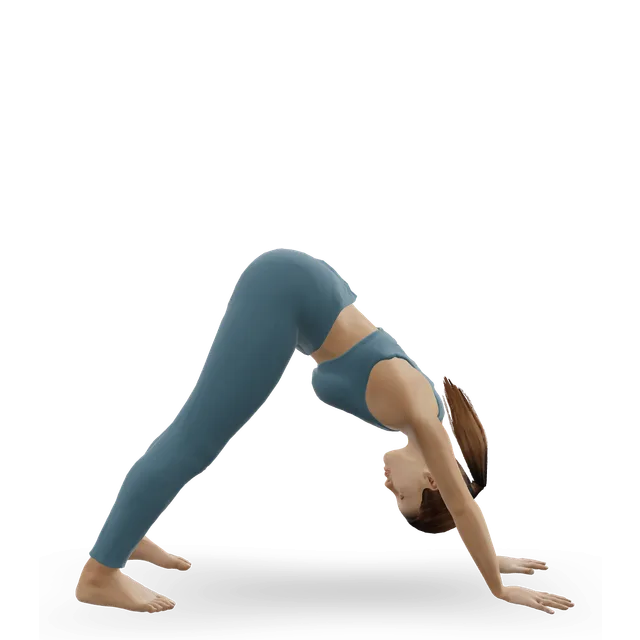
The push press, the seated barbell press, kettlebell presses, and pike push-ups on the way to the handstand push-up. Each has its own move page.

How long it takes: our estimate

In trained men, 10 weeks of twice-weekly seated presses added about 17% to the maximum, and in 14,690 people training once a week, strength rose 30 to 50% in the first year before levelling off. Our estimate, not a trial result: most beginners press the empty bar for 3 sets of 5 within a few sessions, and the press stalls sooner than the squat or deadlift because each small step is a bigger share of a lighter bar.

Sources 2, 23

Sets, reps and how often

How often: once or twice a week

Our beginner strength programme presses in workout B, so once or twice a week as its two workouts alternate, and the bench press in workout A trains the front of the shoulder too. In the ACSM's overview, strength improved with at least two sessions a week.

Source 5

Sets and reps

For strength, 3 sets of 5, as in our barbell strength workout B. For muscle, 3 or 4 sets of 6 to 12: our shoulder workout uses 4 sets of 6 to 8 and our dumbbell workouts 3 sets of 8 to 12. The move page's dose is 3 to 4 sets of 5 to 8.

How hard

Stop 2 or 3 reps short of failure (2 to 3 reps in reserve: how many more you could have done), as our plans advise. Training to failure isn't needed for muscle growth, and people misjudge how many reps they have left by about one. In a press, the last reps tend to turn into a lean back: end the set there.

Sources 24, 25

Rest

2 to 3 minutes for heavy sets of 5 to 8, and about 90 seconds to 2 minutes for sets of 8 to 12, as our plans advise. In 21 trained men, 3-minute rests built more strength than 1-minute rests.

Source 26

Adding weight

Add 1 to 1.25 kg when every rep was clean, as workout B does; our beginner strength programme allows 1 to 2.5 kg, and small plates help. With dumbbells, add reps until every set reaches the top of the range, then move to the next dumbbell and drop back to the bottom of the range.

Common mistakes and how to fix them

Leaning back to finish a rep

The press turns into an arch through your lower back. Lower the weight, squeeze your glutes and keep your ribs down; press seated or one arm at a time if you can't get overhead without arching.

Pressing the bar out in front of your face

The bar finishes ahead of your shoulders. Tip your head back, keep the bar close and bring your head through once it passes your forehead.

Stopping short of lockout

A full range builds more strength. Finish with straight arms and your biceps beside your ears.

Source 5

Wrists bent back and elbows flared

The bar sits behind your forearms and your wrists take the strain. Hold the bar low in your palms, wrists stacked over your elbows, elbows a little in front of the bar.

Pinning your shoulder blades down

They should turn up as your arms rise. Reach tall at the top.

Source 6

A sneaky knee dip

That's a push press. Keep your knees locked for strict presses, and do push presses on purpose, as their own exercise.

Straining against a held breath with high blood pressure

Breath-held heavy lifts drive blood pressure up sharply. Breathe out through the press instead.

Source 17

No plan for a missed rep

Set the safety arms just below shoulder height and lower a stalled rep to your shoulders. With dumbbells, lower them to your shoulders and then to your thighs. Clear the space above and behind you, as the move page advises.

Big jumps in weight

Presses move in small steps. Add the smallest weight you can, or add reps before weight.

Shoulder pain and the overhead press

Change the press, keep training

With a sore shoulder, our shoulder impingement guide brings pressing back in steps: a band press, then a landmine press, then a dumbbell shoulder press, keeping the pain at or below 5 out of 10 during the exercise and back to its usual level by the next session. In weight trainers, impingement signs went with raises and upright rows above shoulder height, so change those first.

Source 15

Pain on top of the shoulder

The AC joint, where the collarbone meets the shoulder blade, can hurt with heavy pressing. Our AC joint guide brings heavy overhead pressing back last, starting with a band press and then a landmine press.

After a dislocation, or a shoulder that feels loose

Leave out behind-the-neck presses and start with the landmine press, as our shoulder dislocation guide advises. In weight trainers, the arm-back position of behind-the-neck lifts went with signs of instability.

Source 9

Strengthen the back of the shoulder

Strengthening the muscles that turn the arm outwards went with fewer impingement signs. Face pulls, band pull-aparts and outward rotations with a band train them: 2 sets of 12 to 15 at the end of a pressing session is our editorial starting point.

Source 15

Who should change the overhead press

Lower back pain that's worse arching back

This includes spinal stenosis and spondylolisthesis. Press seated with your back supported, one arm at a time or with a landmine, ribs down. Our back pain guide's rule is to use the direction that eases your pain as a temporary guide.

Limited overhead reach

From stiffness, a frozen shoulder or shoulder arthritis: press one arm at a time or at an incline until your range improves, as the move page advises, and see our shoulder guides.

Neck pain, or pain or tingling down the arm

No behind-the-neck pressing. Move your head only as much as the bar needs, and see our neck pain guide.

High blood pressure, heart disease and eye conditions

If your blood pressure is controlled, low- to moderate-intensity strength training is safe: breathe out on each effort, use weights you could lift 10 to 15 times, and leave maximal lifts until you've had advice, as our high blood pressure guide says. Eye pressure rises more with heavy loads, long sets and a held breath; with glaucoma or diabetic eye disease, ask your specialist before lifting heavy.

Sources 20, 18

Pregnancy

Follow our pregnancy guide, and breathe out on the effort rather than holding your breath.

Wrist pain

Stack your wrists over your elbows, or use dumbbells held palms in.

The press ladder: from the band to the barbell

Work up in order, moving on when every rep of the current step looks the same; the targets are in the progression above.

Overhead press variations

Choices once the standing press is solid: press the landmine without the dip for sore shoulders, and leave the behind-the-neck press out with shoulder or neck pain.

Shoulder blade and rotator cuff work

Add one or two at the end of a pressing session, 2 sets of 12 to 15 (our editorial starting point).

Workouts to follow

The overhead press technique workout walks the ladder from the band press to the empty bar; the others use the press as one exercise among several. For sore shoulders, use the shoulder mobility and stability routine.

Overhead press technique workout

A 30-minute practice session for the overhead press: check your overhead reach, groove it with a band and seated dumbbells, then press the empty bar.

30 minBeginner9 movesA band, A wall

Barbell strength workout B: squat, press, deadlift

Workout B of the beginner strength program: back squats, overhead presses and deadlifts in sets of five, plus chin-ups, with the safety pins set.

55 minBeginner10 movesA band, A barbell

Shoulder workout

A shoulder workout for all three heads: overhead press, lateral raises, reverse flyes, face pulls and rotations.

40 minIntermediate8 movesA band, A barbell

Push day workout

A push day workout for chest, shoulders and triceps: bench press, overhead press, incline dumbbell press, lateral raises and pushdowns.

55 minIntermediate10 movesA band, A barbell

Upper body gym workout B

Upper body workout B: overhead press, pull-ups, incline dumbbell press, chest-supported rows, face pulls, hammer curls and triceps extensions.

50 minIntermediate13 movesA band, Pull-up bar

Dumbbell upper body workout

Chest, back, shoulders and arms with dumbbells: presses, rows, raises, reverse flyes, curls and extensions.

40 minIntermediate9 movesA dumbbell, A bench or box

Full-body dumbbell workout

A 35-minute full-body strength workout with dumbbells: goblet squats, presses, rows, Romanian deadlifts and carries.

35 minIntermediate9 movesA band, A dumbbell

Climbers' antagonist and shoulder workout

A 30-minute antagonist workout for climbers: push-ups and presses, band rotations, Y-T-W raises and face pulls, wrist and finger extensions, and a side plank.

30 minBeginner13 movesA band, A dumbbell

Shoulder mobility and stability routine (with a band)

A 25-minute band routine for healthy shoulders: move the shoulder and upper back through their range, then strengthen the rotator cuff and shoulder blades.

25 minBeginner12 movesA wall, A band

Warning signs

Ask for an urgent GP appointment or call NHS 111

For sudden or very bad shoulder pain; if you can't move your arm; if your arm or shoulder has changed shape or is badly swollen; for pins and needles that don't go away, or no feeling in your arm or shoulder; if your arm or shoulder is hot or cold to touch; for pain that started after an injury or accident; for severe pain in both shoulders; or if you feel feverish or unwell. In the US, contact your doctor or urgent care.

Source 27

See a GP

If shoulder pain is getting worse or hasn't improved after 2 weeks, or it's very difficult to move your arm or shoulder.

Source 27

Stop and get medical help

For chest pain or pressure, unusual breathlessness, dizziness or fainting, or a racing or irregular heartbeat during exercise, as our plans advise.

Sore, or hurt?

Muscle soreness for a day or two after a new or heavier session is common and fades. Sharp pain, pain that gets worse during a set, or pain that lingers into the next day isn't: swap to an easier press, and get checked if it doesn't settle.

Myths

"Overhead pressing ruins your shoulders"Mixed evidence

We found no study showing that, and our shoulder joint guide agrees. Weight-training sports have low injury rates, with the shoulder among the commoner sites, and impingement signs in gym-goers went with raises and upright rows above shoulder height rather than pressing. Build up gradually, and use the gentler steps if a shoulder is sore.

Sources 14, 13, 15

"Behind-the-neck presses are dangerous", or "the best for side delts"Mixed evidence

Neither is settled. They work the side and rear of the shoulder more, and one small study called them safe for people with full shoulder range; but the arm-back position went with instability signs in gym-goers, and a hospital handout advises against them. No study has counted injuries. With shoulder pain or instability, press in front.

Sources 7, 8, 9, 10

"Keep your shoulder blades pinned back and down"Emerging evidence

They turn upward and tilt back as your arms go overhead. Pinning them fights that rhythm, as our shoulder joint guide explains.

Source 6

"Dumbbells build bigger shoulders"Mixed evidence

Standing dumbbell presses drew the most shoulder activity but lifted the least, and muscle activity readings don't predict growth. We found no training trial comparing them with the barbell.

Sources 3, 16

"Seated presses are safer for your back"Mixed evidence

Seated presses with a back support let you lift more with less work from your trunk, which can suit a sore back, but no study has compared injuries. Either is fine for a healthy back.

Sources 3, 4

"Lean back to press more"

A strict press keeps the trunk upright; leaning back to finish turns it into an arch through your lower back. The push press is the honest way to use more than your arms.

Questions people ask

What's the difference between the overhead press and the military press?

They're mostly two names for the same lift: pressing a weight from your shoulders to straight arms overhead. "Military" or "strict" usually means standing with no help from your legs, "shoulder press" often means seated or with dumbbells, and the push press adds a dip and drive of the legs. The set-up matters more than the name.

Should I overhead press standing or seated?

Both build strength. Seated with your back supported you'll lift more and your trunk does less, while standing works more of your body; standing with dumbbells drew the most shoulder activity but lifted the least. Press seated if your lower back complains or you want to load your shoulders without the balance demand.

Is the dumbbell or barbell overhead press better?

Neither is better. Standing, you'll press about 7% less with two dumbbells than with a barbell, though the dumbbells drew more shoulder activity, and across many trials the type of equipment didn't consistently change results. The barbell lets you add weight in smaller steps.

How wide should my grip be on the overhead press?

About shoulder-width or just outside, so your forearms are vertical with the bar on your shoulders: that's the usual coaching standard. Narrow it a little if your shoulders complain. We found no study linking a press grip width to injury.

How do I get my head out of the way of the bar?

Tip your head back slightly as the bar passes your chin, then move it forward under the bar once it's past your forehead, so the bar finishes over your shoulders and the middle of your feet. Keep the bar close to your face the whole way.

Is the overhead press bad for your shoulders?

We found no study showing that it is, and weight-training sports have low injury rates overall. In gym-goers, signs of shoulder impingement went with raises and upright rows above shoulder height rather than pressing. With a sore shoulder, change the press rather than stop: a band press, then a landmine press, then dumbbells, as our shoulder impingement guide explains.

Is the behind-the-neck press bad for you?

The evidence is limited, and no study has counted injuries. It works the side and rear of the shoulder more, but holding the arm out and turned back went with signs of shoulder instability in gym-goers, and a hospital handout advises against it. You don't need it: with shoulder pain or instability, press in front of your head.

Why does my lower back hurt when I overhead press?

Usually because you're leaning back and arching to finish each rep. Squeeze your glutes, keep your ribs down and lower the weight, and press seated with your back supported or one arm at a time if you can't reach overhead without arching. Pain that travels down a leg, or the warning signs in our back pain guide, need checking.

How should I breathe when I overhead press?

Take a breath and brace before each rep, then breathe out as the bar passes your forehead. With high blood pressure, heart disease or glaucoma, breathe out through the whole press, because holding your breath under heavy loads pushes blood and eye pressure up sharply.

Should I lock out my elbows at the top of the overhead press?

Yes. The press finishes with your arms straight, your biceps beside your ears and the bar over your shoulders, and it's normal for your shoulder blades to turn upward as your arms rise.

How much should I be able to overhead press?

Compare yourself with yourself. Most beginners start with the empty bar, or dumbbells if that's too heavy, and add 1 to 1.25 kg a session while every rep looks the same, as our beginner strength programme does. In trained men, 10 weeks of twice-weekly seated presses added about 17% to the maximum.

Push press or strict press: which should I do?

Learn the strict press first. The push press uses a dip and drive of the legs to move more weight overhead and trains power, while the strict press builds pressing strength through the whole range. Many programmes use both.

Sources

  1. ACE · Standing shoulder press with a barbell (exercise library, rated advanced, American Council on Exercise)
  2. Hernández-Belmonte 2021 · Bar speed in the seated Smith machine shoulder press in 48 trained men, and 10 weeks of training in 24 of them (study, Biol Sport)
  3. Saeterbakken 2013 · Seated and standing, barbell and dumbbell shoulder presses compared in 15 men (muscle activity study, JSCR)
  4. Kohler 2010 · Seated barbell and dumbbell presses on a bench and a Swiss ball in 30 trained people (muscle activity study, JSCR)
  5. Currier 2026 · Resistance training for muscle function, size and performance in healthy adults: 137 reviews (ACSM position stand, MSSE)
  6. Ichihashi 2014 · Shoulder blade and collarbone movement in the military press in 16 men (motion study, J Shoulder Elbow Surg)
  7. Coratella 2022 · Front and behind-the-neck presses with a barbell and a machine in 8 bodybuilders (muscle activity study, Front Physiol)
  8. McKean 2015 · Pressing in front of or behind the head: shoulder and spine movement in 33 people (motion study, J Sport Health Sci)
  9. Kolber 2013 · Signs of shoulder instability and looseness in 123 weight trainers and 36 non-lifters (cross-sectional study, JSCR)
  10. Mass General Sports Medicine · Strength training for the shoulder (patient handout)
  11. Willardson 2009 · Trunk muscle activity in squats, deadlifts, overhead presses and curls on firm ground and a wobble board in 12 trained men (muscle activity study, IJSPP)
  12. Behm 2005 · Trunk muscle activity in unstable and one-arm exercises in 11 adults (muscle activity study, JSCR)
  13. Kolber 2010 · Shoulder injuries attributed to resistance training (review, JSCR)
  14. Keogh 2017 · Injuries across the weight-training sports (systematic review, Sports Medicine)
  15. Kolber 2014 · Signs of shoulder impingement in 46 weight trainers and 31 non-lifters (cross-sectional study, JSCR)
  16. Vigotsky 2022 · Muscle activity readings are not a validated predictor of muscle growth (review, Sports Medicine)
  17. MacDougall 1985 · Blood pressure during heavy lifting in 5 bodybuilders (lab study, J Appl Physiol)
  18. Hackett 2024 · Eye pressure during resistance exercise in healthy adults: 34 studies (systematic review, JSCR)
  19. Vieira 2006 · Eye pressure during the bench press, holding the breath or breathing out (study, Arch Ophthalmol)
  20. Paluch 2024 · Resistance exercise training with and without cardiovascular disease: 2023 update (American Heart Association scientific statement, Circulation)
  21. Błażkiewicz 2022 · Kettlebell and dumbbell overhead presses in 20 people (preliminary muscle activity study, Sensors)
  22. Padovan 2026 · Front and behind-the-neck overhead presses in 14 trained men (high-density muscle activity study, J Hum Kinet)
  23. Steele 2023 · Strength over up to 6.8 years of once-weekly training in 14,690 adults (retrospective cohort, Res Q Exerc Sport)
  24. Refalo 2023 · Training close to failure and muscle growth: 15 studies (meta-analysis, Sports Medicine)
  25. Halperin 2022 · How accurately people predict the reps they have left: 12 studies (scoping review and meta-analysis, Sports Medicine)
  26. Schoenfeld 2016 · Longer rest between sets, strength and muscle growth in 21 trained men (RCT, JSCR)
  27. NHS · Shoulder pain

Exercise education, not a personal prescription, and clinical review of these guides is pending. Check with a GP before starting hard training if you have a heart condition, chest pain, dizziness or breathlessness when active, and stop for sharp or increasing pain. Health disclaimer.