How to bench press with good form: grip, arch, bar path and safety
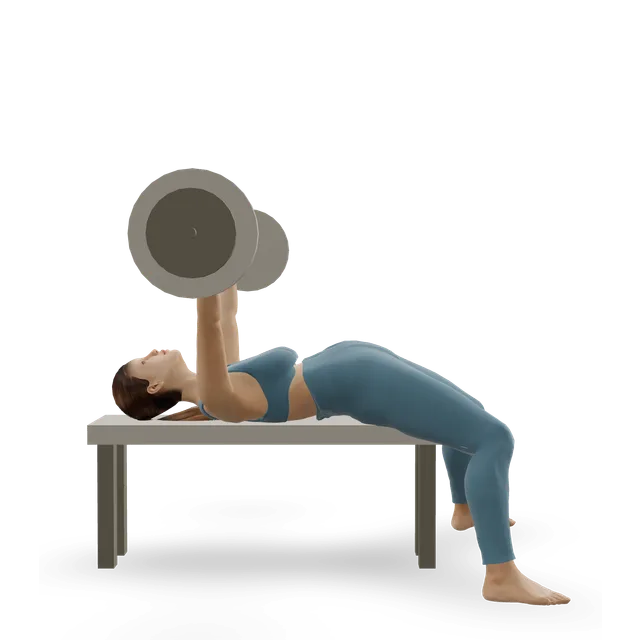
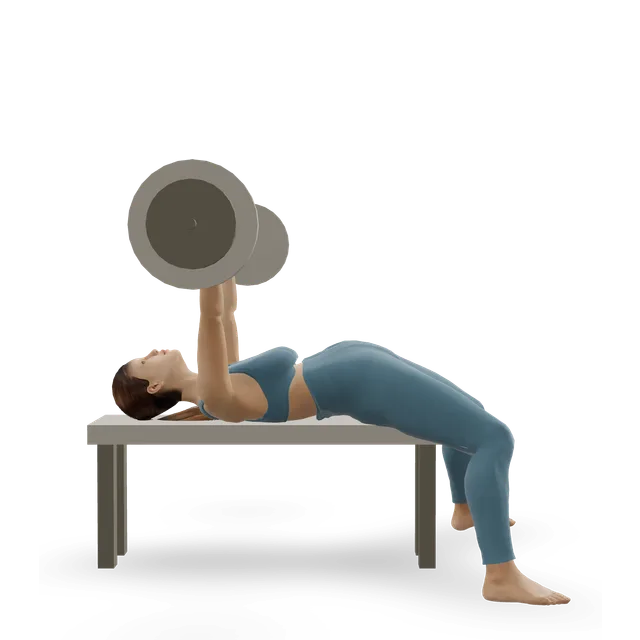
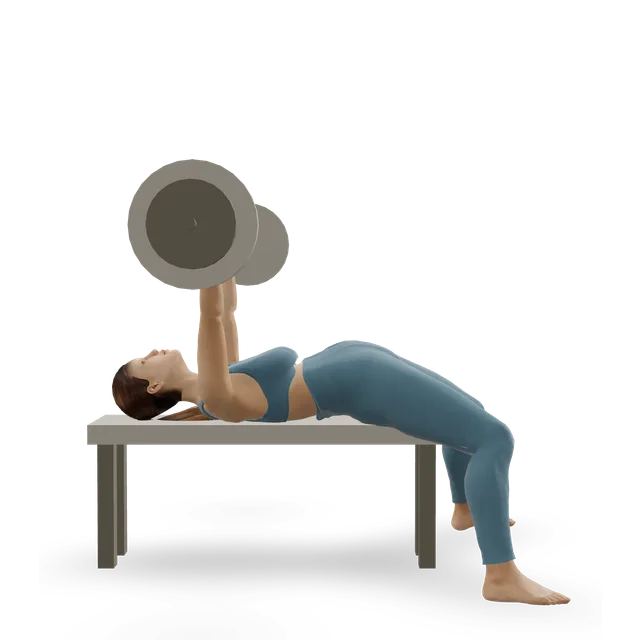
A good bench press starts before the bar moves: safety arms set, eyes under the bar, head, upper back and buttocks on the bench, feet flat, shoulder blades pulled back, and a grip that puts your forearms vertical at the bottom. Then lower the bar to your lower chest under control and press it back up over your shoulders.
Much of the usual advice comes from coaching experience and a few lab studies rather than injury trials. The most-quoted grip limit comes from one computer model, studies of the arch disagree, and the exact elbow angle matters less than people think. The one rule with no debate is never to bench heavy alone without safety arms or a spotter.
This guide covers that set-up, grip width, elbows, the arch and leg drive, the bar path and how to bench safely on your own, with a 3D demo of every step from the push-up to the barbell. It also covers shoulder pain, incline and decline, and the warning signs that need a same-day check.
Head, upper back and buttocks on the bench, and both feet flat on the floor: competition rules ask for exactly these. Pull your shoulder blades back and down into the bench before you unrack; in a model of 10 lifters, this lowered the loads on the shoulder joint.
Wide enough that your forearms are vertical with the bar on your chest. Wider grips lift a little more. The advice to stay under 1.5 times shoulder width comes from one computer model and expert opinion, with no injury data.
Coaches disagree on the exact angle. In the one modelling study, the elbow angle mattered less than grip width and shoulder blade position, so keep your forearms vertical and don't flare your elbows out to 90 degrees.
A moderate arch is normal; a big one is a competition tool
Keep your buttocks on the bench. A big powerlifting arch added about 4 kg in one study and nothing in another, and we found no study of back injury from arching either way.
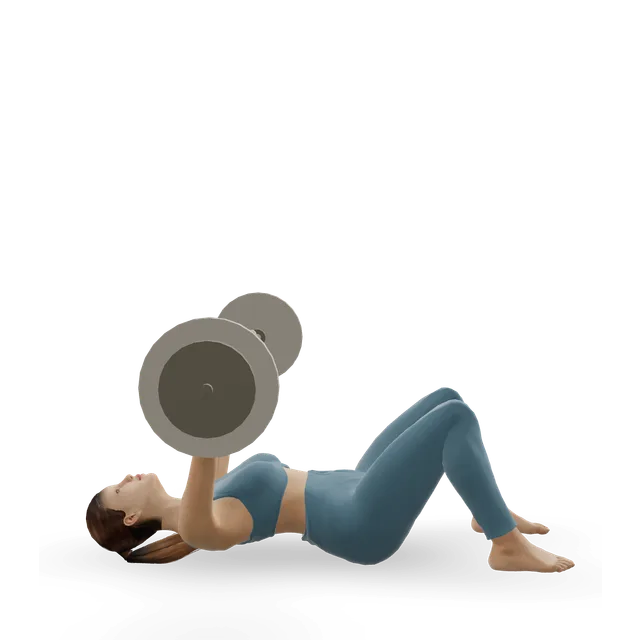
Lower under control to around your breastbone, then press up and slightly back so the bar finishes over your shoulders: the path experienced lifters use.
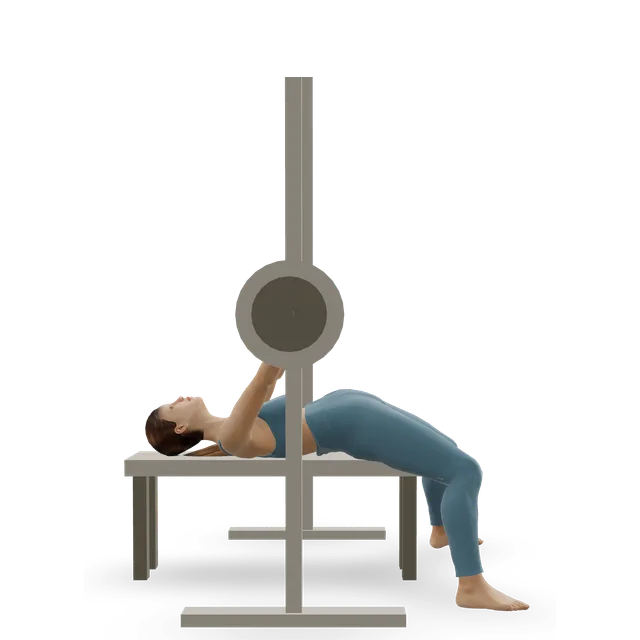
Bench inside a rack with the safety arms set just below your chest, or with a spotter, as in our beginner strength programme. Dropped equipment caused 12 to 19% of strength-training injuries treated in US emergency departments, and a man benching alone broke his voice box when the bar fell.
Safety first: safety arms, spotters and benching alone
Bench inside a rack with the safety arms set
Set the safety arms just below where the bar touches your chest when you're set up, so a failed rep rests on them, not on you. If a rep stalls, lower the bar to the safety arms and slide out, as our beginner strength programme advises. Set the hooks so you can reach the bar with your arms slightly bent.
Why it matters
In 15,348 US emergency department visits from strength training, dropped equipment caused 12 to 19%, being hit by equipment 4 to 6% and crush injuries 2 to 3%, and pressing movements accounted for 7.2% of men's visits and 3.3% of women's. In one case report, a man benching alone broke his voice box when the bar fell on his neck.
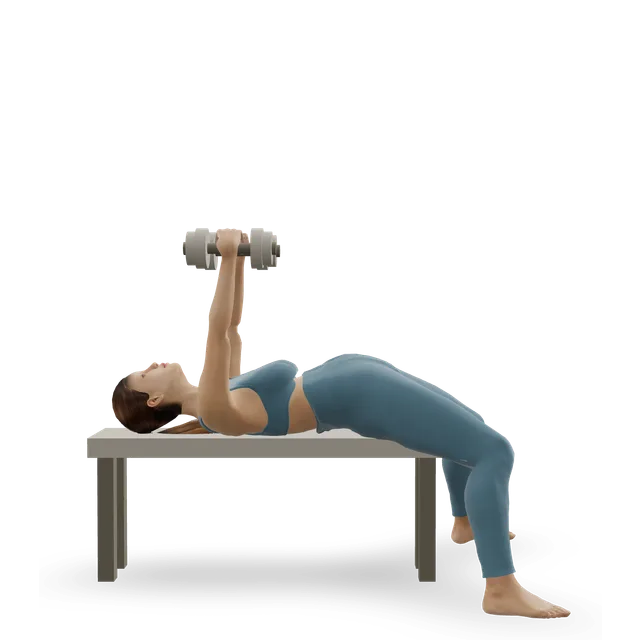
If a dumbbell rep fails, you lower the weights to your chest and tip them out to the sides, as the move page explains. You'll lift about 17% less with dumbbells than with a barbell, with similar chest activity.
A spotter stands behind your head, ready to take the bar if a rep stalls. Agree beforehand how many reps you're going for and when they should step in (our suggestion).
Thumbs around the bar, and collars on
A thumbless grip lets the bar roll out of your hands, and competition rules require the thumbs around the bar. Use collars so the plates can't slide off one end.
With the hooks set so you can reach the bar with your arms slightly bent, lie back so your eyes are about under the bar.
2. Five points of contact
Head, upper back and buttocks on the bench, and both feet flat on the floor. Coaches call these the five points of contact, and the International Powerlifting Federation (IPF) rules require exactly these. If your legs are short, put plates or blocks under your feet: the rules allow up to 30 cm.
Pull your shoulder blades together and down into the bench, as if putting them in your back pockets. In a model of 10 experienced lifters, this lowered the loads on the shoulder joint and the work of the rotator cuff.
It's a set-up for lying on a bench, where the bench holds your shoulder blades and your arms never go overhead. It isn't a posture rule for daily life or overhead work, where your shoulder blades should move freely, as our shoulder joint guide explains.
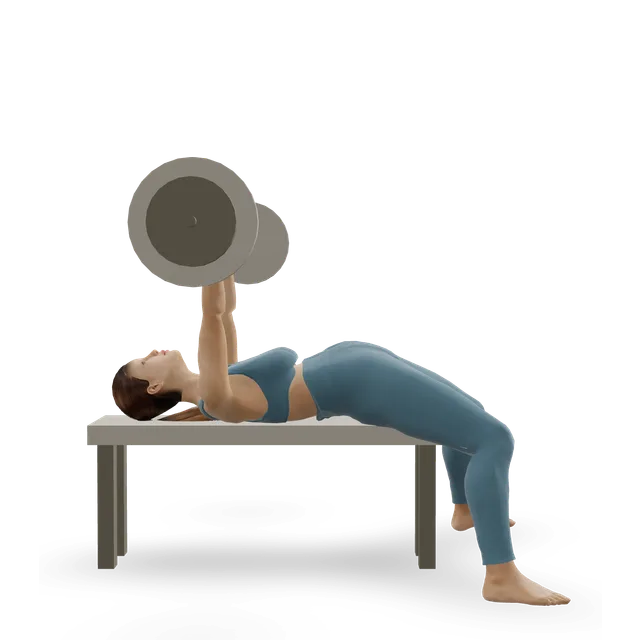
Grip a little wider than your shoulders, so your forearms are vertical when the bar is on your chest: for most people, about 1 to 1.5 times shoulder width. Wrap your thumbs around the bar, hold it low in your palm, and stack your wrists over your elbows. Competition rules allow up to 81 cm between your forefingers.
Keep a natural arch in your back with your buttocks on the bench. Plant your feet flat, under or a little behind your knees, and press them into the floor. Competition rules require the buttocks down and the feet flat.
Straighten your arms to lift the bar out and bring it over your shoulders, keeping your shoulder blades set. Breathe in and brace at the top.
7. Lower to your lower chest
Lower the bar under control to your lower chest, around the breastbone, with your elbows tucked somewhere between 45 and 75 degrees from your sides and your forearms vertical under the bar. Experts lowered the bar more slowly than novices.
Touch lightly, or pause briefly if you want competition practice, without bouncing. Then press up and slightly back so the bar finishes over your shoulders: the path experts used, and the one lifters drift towards as a set gets harder. Keep your feet pushing into the floor and your buttocks down, and breathe out near the top.
To rack, lock your arms out first, then move the bar back to the hooks.
Push-ups built bench strength about as wellEmerging evidence
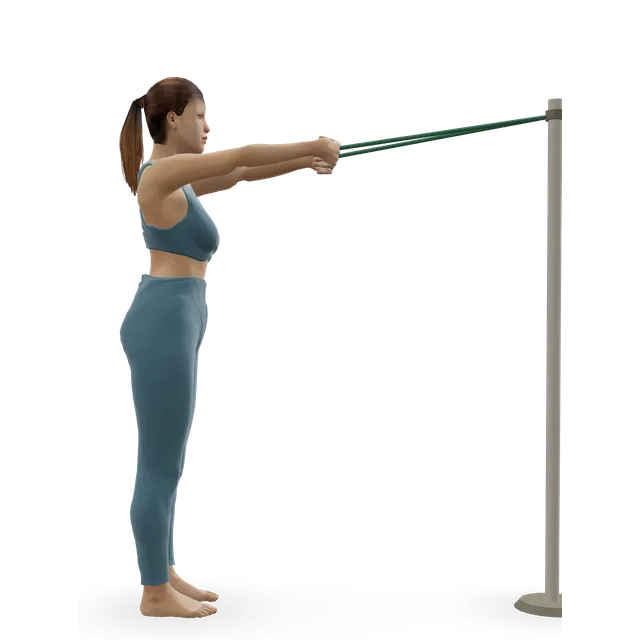
At a matched effort, push-ups built bench press strength about as well as the bench press in three small trials: 4 weeks in 23 moderately trained men, 5 weeks of band-resisted push-ups in 30 trained students, and 8 weeks in 18 young men. In the one that measured muscle, chest and triceps thickness grew about the same.
A full range builds more strengthEmerging evidence
In 50 men over 10 weeks, full-range bench pressing built more strength than presses through two-thirds or one-third of the range. Shorter presses let you lift more on the day, but build less.
Dumbbells lift less, with similar chest activityEmerging evidence
In 12 trained men, people lifted 14% less with dumbbells than on a Smith machine and 17% less than with a barbell, with similar chest activity; the barbell was about 3% heavier than the Smith machine. We found no trial comparing months of dumbbell and barbell pressing.
Bench injuries are uncommon, but chest muscle tears cluster hereEmerging evidence
Weight-training sports have low injury rates, with the shoulder among the areas injured most. Tears of the main chest muscle (pectoralis major) stand out: about half of 365 published cases happened during weight training, the bench press is the most common cause, and they happen almost only in men; all 104 people in one surgical series were men.
The bar path experienced lifters useEmerging evidence
In 36 lifters, experts lowered the bar more slowly than novices and pressed it closer to their shoulders. As a set to failure went on, 18 recreational lifters kept the bar more directly over the shoulder. People also push the bar outwards along its length, and in 10 elite powerlifters the hardest point, just after the first push off the chest, wasn't explained by the muscles switching off.
No trial links grip width, elbow angle or the arch to injury. Most bench press injury reports are single cases, and the shoulder loads on this page come from one computer model with a light bar. Treat the set-up advice as the best current guess, and the doses as starting points.
In 12 competitive bench pressers, medium and wide grips lifted 5.8 to 11.1% more than a narrow grip for 6 reps. In 14 trained men, the maximum was 109.8 kg with a wide grip, 108.9 kg medium and 103.7 kg narrow. Where the hardest point of the press falls changes with grip width.
Grip width changes muscle use only a littleEmerging evidence
Narrower grips worked the triceps more, and wider grips the biceps and the lower part of the chest a little more; overall chest activity changed little.
The 1.5 times shoulder width limit: one model and expert opinionMixed evidence
The often-quoted advice to keep your grip under 1.5 times shoulder width comes from one computer model and expert opinion, with no injury data. In the model, 10 experienced lifters pressed a light 16 kg bar: grips wider than 1.5 times the width across the bony points of the shoulders raised the compression in the AC joint (where the collarbone meets the shoulder blade) and the work of the rotator cuff, and narrower grips lowered them.
A review of powerlifting injuries names very wide grips as the most suggested cause of bench injuries, and clinical advice and a hospital handout suggest narrower grips for sore shoulders, but no trial has tested any of these limits.
Grip so your forearms are vertical with the bar on your chest, usually about 1 to 1.5 times shoulder width, and narrow it if your shoulders complain.
Elbows: where coaches disagreeMixed evidence
Coaching advice runs from about 45 degrees from your sides, which our push-up and incline dumbbell press pages use, to about 75 degrees, and some programmes warn against a full 90-degree flare. In the one modelling study, the elbow angle (45, 70 or 90 degrees) mattered less than grip width and shoulder blade position, and 45 degrees raised one shearing force.
That one study can't settle it. Our suggestion: keep your forearms vertical and your elbows somewhere between 45 and 75 degrees.
Where coaches disagree: the big archMixed evidence
Powerlifters often use a big arch to shorten the press; other coaches teach a flatter back. In 15 strength athletes, a big arch added about 4 kg to the maximum (the study's margin of error ran from 0 to 8.4 kg) over a shorter bar path; in 11 competitive powerlifters, it made no difference (115.9 against 115.7 kg). In 20 lifters, the arched set-up worked the lats more and cut the overall load on the shoulder by 8%. The 2026 IPF rulebook requires the elbows to reach at least shoulder level at the bottom, which limits how much an arch can shorten the press.
What the evidence can settle: a big arch may add a little weight for some lifters. What it can't: whether it's safe for your back over years. We found no study measuring back injury from arching.
Pushing your feet into the floor to keep your body tight is standard coaching, but untested. Benching with your feet up raised muscle activity at 60% of maximum in 20 men, but it isn't allowed in competition and is less stable (our view).
Keep a moderate arch with your buttocks down and your feet flat, under or a little behind your knees. Skip a big arch if your back complains or you don't compete.
Bar path: where the bar touches and where it finishes
Touch your lower chest
Lower the bar to your lower chest, around the breastbone, so your forearms are vertical (the move page's cue). Experts lowered it more slowly than novices.
Press up and slightly back towards your shoulders, so the bar finishes over them: the path is a gentle diagonal, not straight up. Lifters also push outwards on the bar, about a quarter as hard as they push up.
In 113 adults, a touch-and-go press lifted about 8% more than a press from a dead stop on the chest. Competition rules require the bar held still on the chest until the referee's "press" command; in training, a pause is your choice. Never bounce the bar off your chest.
Full-range bench pressing built more strength than partial ranges in a 10-week trial. Touch your chest every rep unless you're training a partial on purpose.
The hardest part of the press comes just after the first push off the chest, and where it falls changes with grip width. Paused presses and pin presses train it (our suggestion).
Your bench progression: push-up, dumbbells, barbell
Step 1: push-ups
Wall, incline, knee and then floor push-ups: 3 sets of 8 to 15 at your step, moving down the list when you reach 15, as in our push-up progression workout. Move on when you can do 3 sets of 8 or more controlled floor push-ups with your elbows about 45 degrees from your sides. Push-ups built bench strength about as well as the bench press in three small trials.
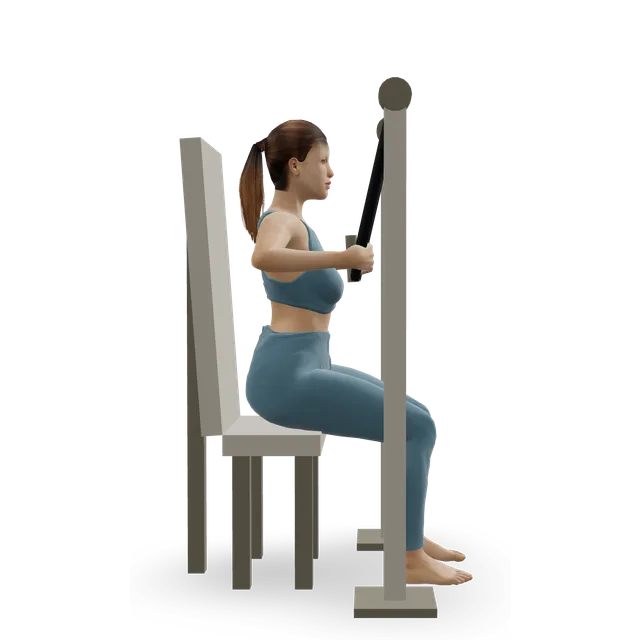
A chest press machine or a Smith machine bench press: 3 sets of 8 to 12, until a moderate weight feels easy.
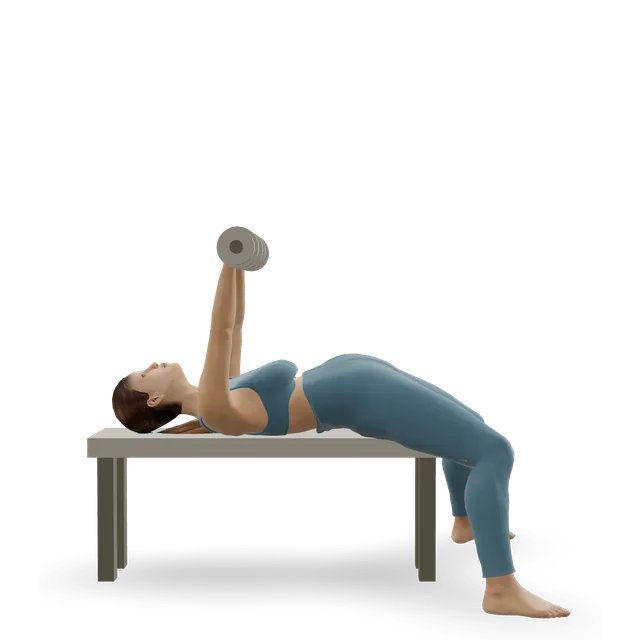
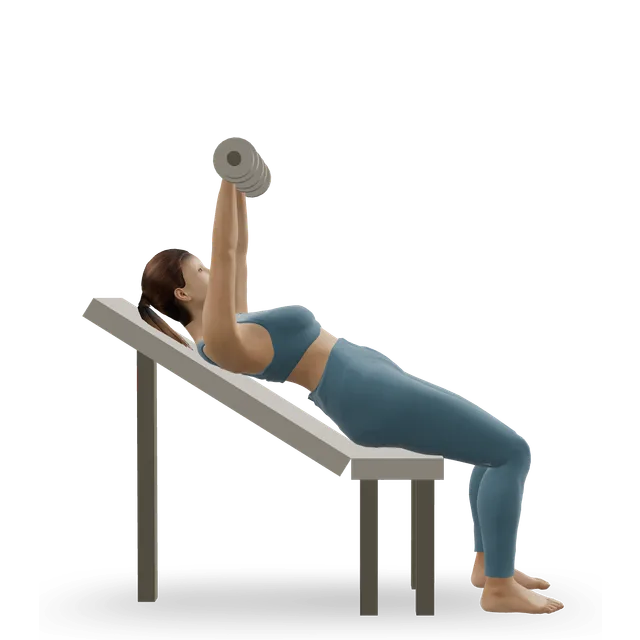
Step 3: dumbbell bench press
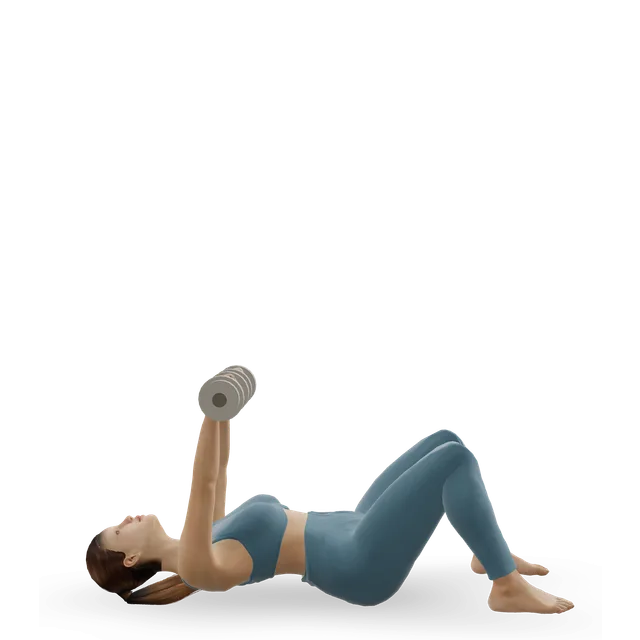
3 or 4 sets of 6 to 12, stopping about 2 reps short of failure (the move page's dose). Use a floor press if your shoulders complain. Move on at 3 sets of 10 at a moderate weight, with both sides moving together.
Why dumbbells before the bar?
Dumbbells ask each arm to steady its own weight, so they feel harder to control at first. But for a beginner they start lighter, and a failed rep can be lowered and tipped out to the sides. You'll lift about 17% less with them than with a barbell, which later lets you progress in smaller steps.
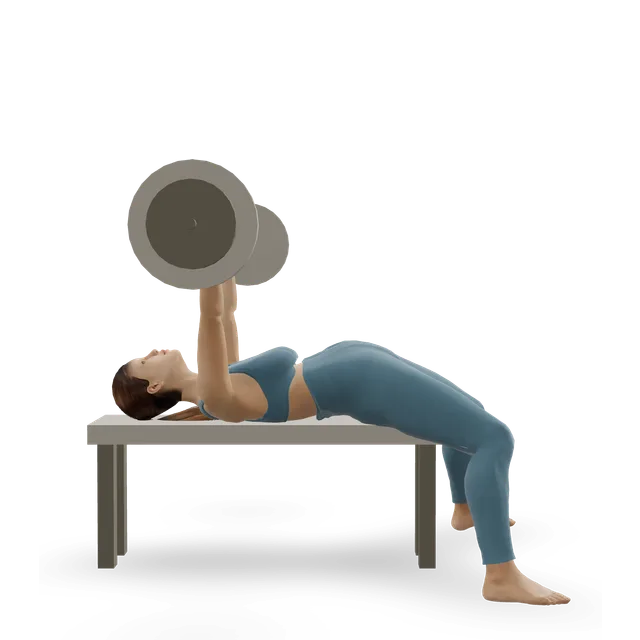
Start with the empty bar for 3 sets of 5, or a lighter technique bar or dumbbells if the empty bar is too heavy, and add 1 to 2.5 kg a session while every rep looks the same, as in our beginner strength programme. Small fractional plates help the bench keep moving.
Where coaches disagree: push-ups first, or the bar on day one?
Some coaches start beginners on the empty bar on day one. That's fine with the safety arms set; push-ups and dumbbells first suit people training at home or starting with little strength (our view).
After that
Close-grip, incline, paused and pin presses, and the competition-style bench press. Each has its own move page.
How long it takes: our estimate
In trials, 4 weeks of bench or push-up training raised the bench press maximum in 23 moderately trained men; 5 weeks raised the maximum and the 6-rep maximum by about 14 to 22% in trained students; and 8 weeks of light bench pressing took 18 young men from 60 to 65 kg. Our estimate, not a trial result: the empty bar should feel light within a few sessions, with steady gains for months after that.
Our beginner strength programme benches in one of its two alternating workouts, once or twice a week. In a 2026 overview of 137 reviews by the American College of Sports Medicine, strength improved with training at least twice a week.
For strength, 3 sets of 5, as in our beginner strength programme. For muscle, 3 or 4 sets of 6 to 12, the dumbbell press's dose and the range in our sets and reps guide.
How hard
Stop with 2 or 3 reps in reserve (how many more reps you could have done) on the barbell, as our plans advise, with the safety arms set. Training to failure isn't needed for growth, and people misjudge the reps they have left by about one.
2 to 3 minutes, and 3 to 5 once sets are heavy (our beginner strength programme). In 21 trained men, 3-minute rests built more bench strength than 1-minute rests.
How much should you bench? Compare yourself with yourselfEmerging evidence
Tables that rate your bench press as a multiple of your body weight don't scale fairly with body size, a study of 101,898 competitive powerlifters found, and published standards come from competitors. Adding weight steadily while every rep looks the same is the progress that matters.
The widest grips raised modelled shoulder and AC joint loads, and very wide grips are the most suggested cause of bench injuries. Grip about 1 to 1.5 times shoulder width, forearms vertical.
It shortens the press and strains the arch, and doesn't count in competition. Put your feet under your knees, push the floor and keep your buttocks down.
With shoulder pain, narrow your grip (under 1.5 times shoulder width), switch to neutral-grip dumbbells or a floor press, and keep the pain within the 5 out of 10 rule in our shoulder pain guides. These swaps come from a computer model and clinical advice rather than trials.
In 55 men who lifted weights, the 24 with shoulder impingement had less shoulder rotation and weaker muscles that turn the arm outwards and pull the shoulder blade down. This snapshot can't show cause and effect, but band pull-aparts, face pulls and external rotations train these muscles, and our shoulder impingement guide uses them.
Pain on top of the shoulder can come from the AC joint, and a narrower grip lowered the compression there in the model. Dips and wide-grip benching are the usual triggers, as our shoulder arthritis and AC joint guide explains.
Avoid very wide grips, and lowering past where your shoulder feels secure, at first (our suggestion): wider grips raised the shearing forces the rotator cuff has to resist in the model. Our shoulder dislocation guide has the plan.
Reviews suggest that heavy loads, fatigue and wide grips, especially together, are where bench shoulder injuries come from, though the evidence is thin. Avoid grinding out reps to failure with a wide grip (our suggestion).
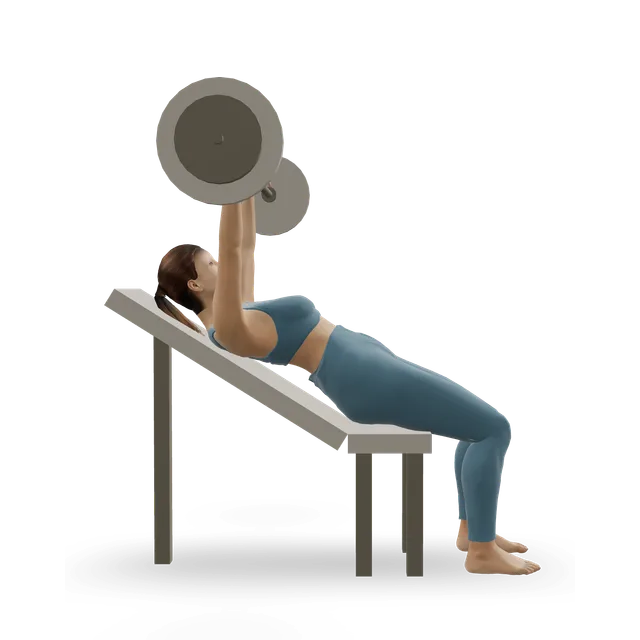
A 30-degree incline works the upper chest mostEmerging evidence
In 30 trained adults pressing at five bench angles, the upper chest worked hardest at 30 degrees and the middle and lower chest at flat, and above 45 degrees the front of the shoulder took over. In 14 men, the upper chest was more active at 30 and 45 degrees only during part of the press.
Incline training grew the upper chest a little more, in one trialMixed evidence
In 47 untrained men pressing once a week for 8 weeks, incline pressing grew the upper chest more at one of three sites measured, and strength gains were the same as with flat pressing. In 13 men, incline and flat pressing changed the upper and lower parts of the chest differently straight after a session.
Bodybuilding coaches favour incline work for the upper chest. The evidence supports a small shift towards the upper chest, not a must. Our starting point: the flat bench as your main press, with incline work added if you want more upper chest.
Narrow your grip, use neutral-grip dumbbells or a floor press, and add the shoulder blade and rotator cuff work above, as our shoulder pain guides explain.
The bench press raised abdominal pressure the least of the big lifts across 16 studies, but in 30 people holding the breath doubled the rise in eye pressure during bench pressing. If your blood pressure is controlled, low- to moderate-intensity strength training is safe: breathe out as you press, and leave maximal lifts until you've had advice, as our high blood pressure guide says. With heart disease, glaucoma or diabetic eye disease, ask your specialist before lifting heavy.
Stack your wrists over your elbows with the bar low in your palm, or use neutral-grip dumbbells or a floor press (our suggestion). Our wrist and elbow pain guides have more.
Pregnancy
Follow our pregnancy guide.
The press ladder: from the push-up to the barbell
Start at the step you can do for 3 sets of 8 to 15 with control, and move up at the targets in the progression above.
Swap in the floor press or neutral-grip dumbbells for sore shoulders and the incline for more upper chest; the competition-style press is for lifters who compete.
The bench press technique workout teaches the set-up and the step from push-ups and dumbbells to the bar; the others use the press as one exercise among several. For sore shoulders, use the shoulder mobility and stability routine.
A pop at the front of the armpit: get checked the same day
A sudden pop or tearing pain at the front of the armpit or chest during a heavy press, especially with bruising or a change in the shape of your chest, can mean a torn chest muscle (pectoralis major). Stop, and get it checked the same day, as our shoulder pain guide advises.
For sudden or very bad shoulder pain; if you can't move your arm; if your shoulder has changed shape or is badly swollen; for pins and needles that don't go away, or no feeling in your arm; if your arm is hot or cold to touch; for pain after an injury or in both shoulders; or if you feel feverish or unwell. In the US, contact your doctor or urgent care.
For chest pain or pressure, unusual breathlessness, dizziness or fainting, or a racing or irregular heartbeat during exercise, as our plans advise.
Myths
"Never arch your back"Mixed evidence
A moderate arch with your buttocks down is standard, and it's what competition rules allow. A big arch added about 4 kg in one study and nothing in another, and the arched set-up lowered the overall load on the shoulder. We found no study measuring back injury from arching.
"The bench press ruins your shoulders"Mixed evidence
Weight-training sports have low injury rates. The risk seems to sit with very wide grips, heavy loads and fatigue, all of which you can change. This agrees with our shoulder joint guide.
"Push-ups can't build your chest like the bench press"Emerging evidence
At a matched effort, push-ups built bench strength like the bench press in three small trials, and chest size like it in the one that measured it. Make them harder as you get stronger.
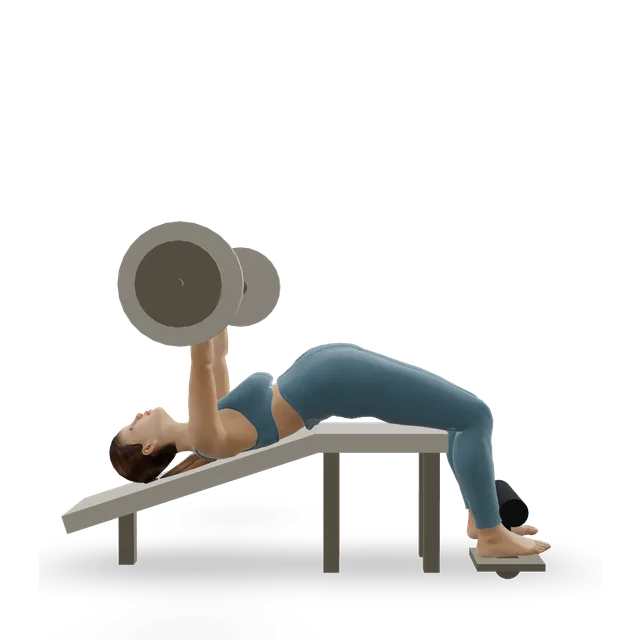
"Incline for the upper chest, decline for the lower chest"Mixed evidence
A 30-degree incline shifts work to the upper chest and grew it a little more at one site in one trial. The decline adds little over the flat bench, which already works the lower chest.
"Keep your shoulder blades pinned back all the time"Emerging evidence
Pinning them on the bench lowered modelled shoulder load, but as a general rule it's a myth: the shoulder blade is built to move, as our shoulder joint guide explains.
Wide enough that your forearms are vertical with the bar on your chest: about 1 to 1.5 times shoulder width for most people. Wider grips lift a little more, and in one computer model grips wider than 1.5 times shoulder width loaded the shoulder joint more. Competition rules allow up to 81 cm between your forefingers.
Should you arch your back when benching?
A moderate arch with your buttocks on the bench is normal and fine. A big powerlifting arch shortens the press and added about 4 kg in one study but nothing in another. We found no study showing that arching hurts your back, or that it doesn't.
Where should the bar touch your chest on the bench press?
On your lower chest, around the breastbone, so your forearms are vertical. Then press up and slightly back so the bar finishes over your shoulders, which is the path experienced lifters use.
Should my elbows be tucked or flared on the bench press?
Somewhere in between: about 45 to 75 degrees from your sides, with your forearms vertical. In a study modelling shoulder loads, your grip width and shoulder blades mattered more than the exact elbow angle. Avoid flaring your elbows out to 90 degrees.
Can I bench press without a spotter?
Yes, inside a rack with the safety arms set just below your chest, so a failed rep rests on them. Never bench heavy alone without them: a man benching alone broke his voice box when the bar fell. No rack? Use dumbbells, which you can lower and tip out to the sides.
Is the bench press bad for your shoulders?
Not for most people, though the shoulder is one of the areas most often injured in lifting sports, and chest muscle tears are the injury most often reported from bench pressing. A grip under 1.5 times shoulder width and shoulder blades pulled back lowered shoulder loads in a computer model. With shoulder pain, see our shoulder impingement guide.
Dumbbell or barbell bench press: which is better?
Both work. Dumbbells make each arm steady its own weight, and you'll lift about 17% less with similar chest activity; the barbell lets you add weight in smaller steps. We found no long trial comparing them.
Are push-ups as good as the bench press?
At a similar effort, largely yes. In three small trials, push-ups built bench strength about as well as bench pressing, and as much chest muscle in the one that measured it. Make them harder as you get stronger.
Incline or flat bench press?
Do the flat bench as your main press and add incline work if you want more upper chest. A 30-degree incline works the upper chest most and grew it a little more in one trial. Above 45 degrees, the front of the shoulder takes over.
Should I pause the bar on my chest?
It's your choice in training. A pause makes the press harder, since touch-and-go lifts about 8% more than a dead stop, and it's required in competition. Never bounce the bar off your chest.
How should I breathe on the bench press?
Breathe in and brace at the top, hold it as you lower and press, and breathe out near the top. With high blood pressure or glaucoma, breathe out as you press instead: holding your breath doubled the rise in eye pressure during bench pressing.
How much should I be able to bench?
Compare yourself with yourself: bodyweight-ratio standards don't scale fairly with body size and come from competitive lifters. Most beginners start with the empty bar and add 1 to 2.5 kg a session, as in our beginner strength programme.
Exercise education, not a personal prescription, and clinical review of these guides is pending. Check with a GP before starting hard training if you have a heart condition, chest pain, dizziness or breathlessness when active, and stop for sharp or increasing pain. Health disclaimer.