How to do a handstand: from the wall to freestanding, how to bail out safely, and who should skip inversions
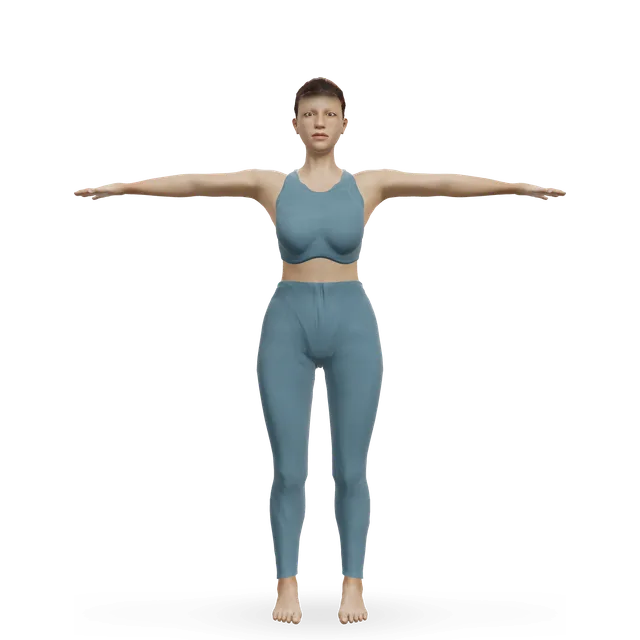
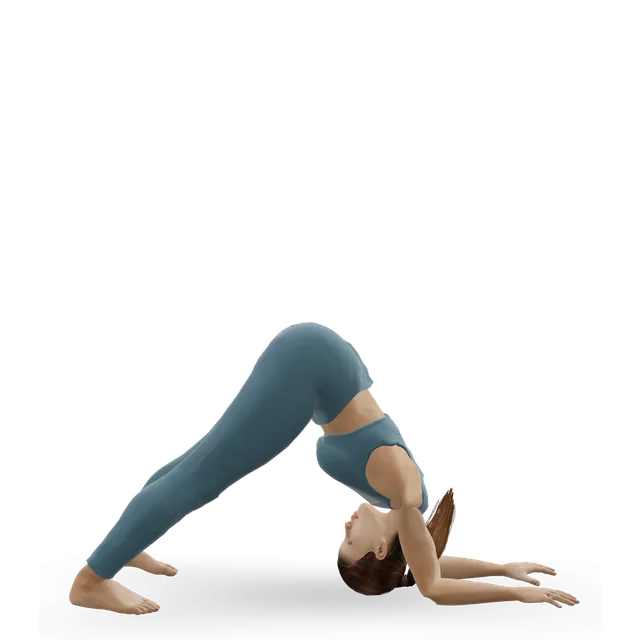
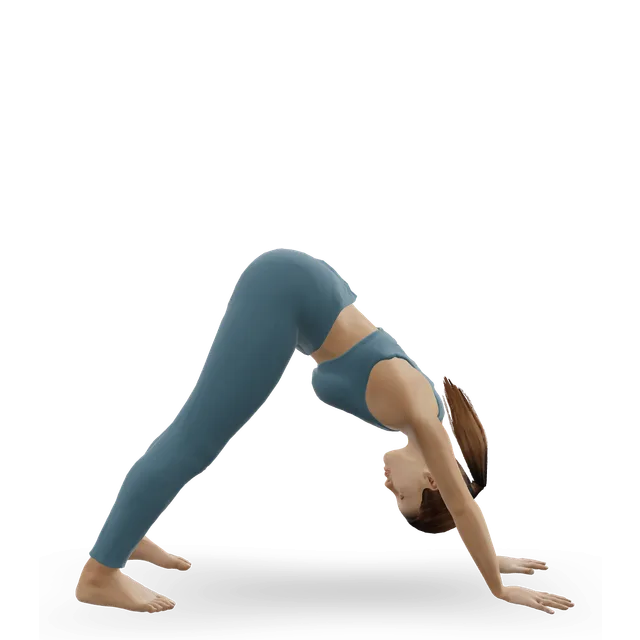
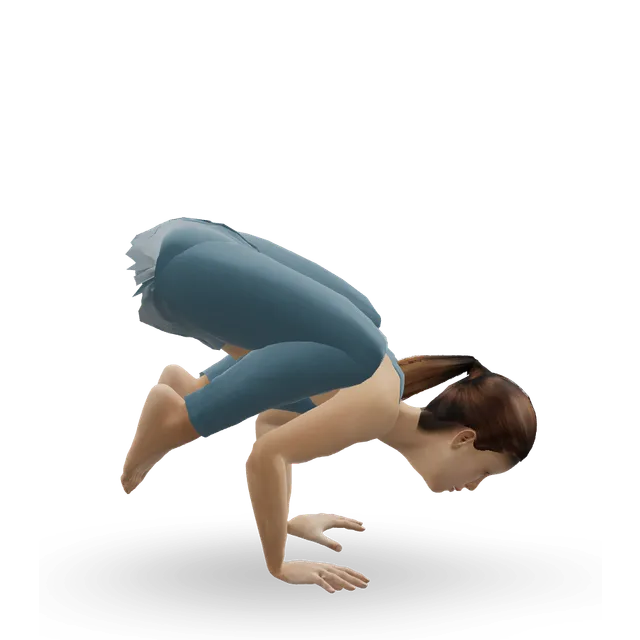
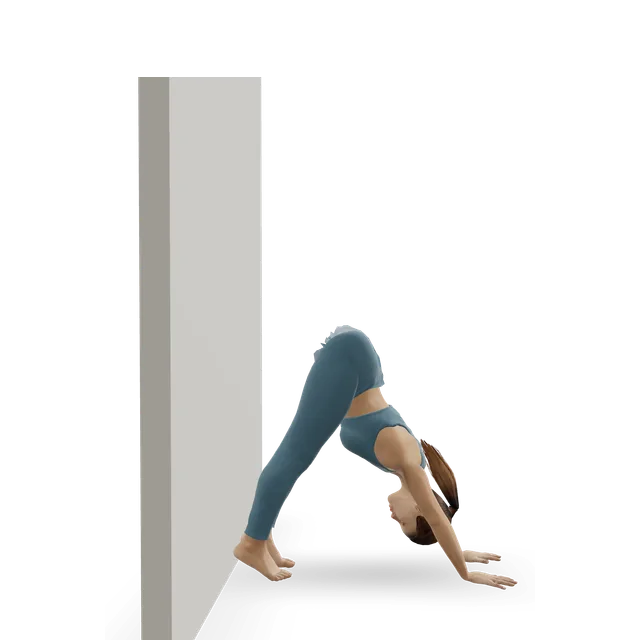
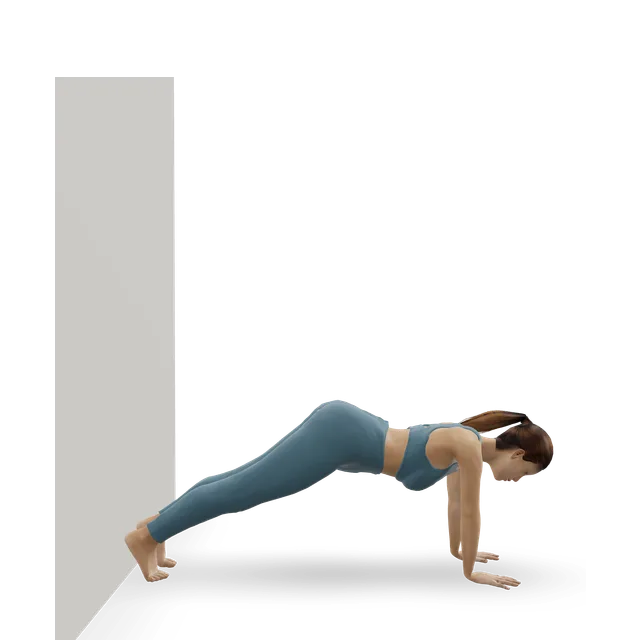
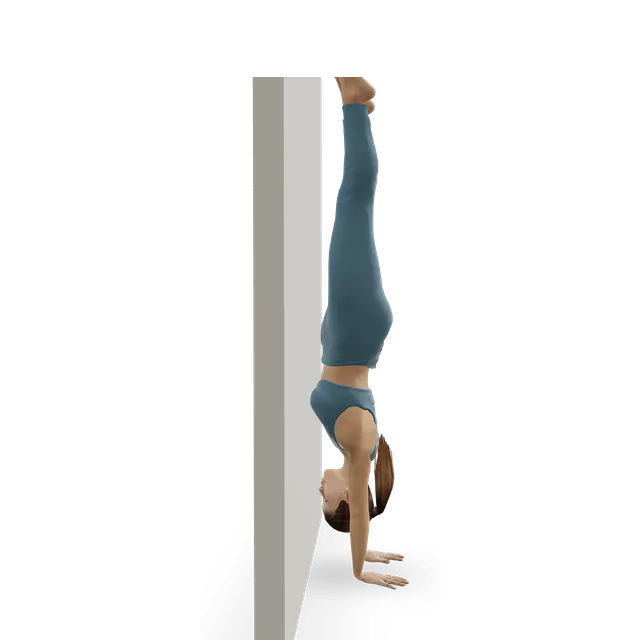
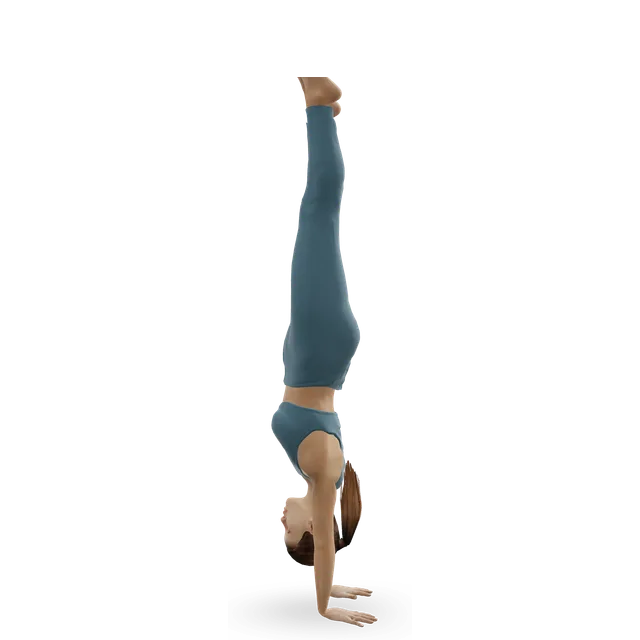
A handstand is mostly a balance skill, and the balancing happens in your hands: studies of gymnasts show they steady themselves at the wrists most of the time. Most adults learn it the same way: prepare the wrists, go upside down at a wall, first in an L shape and then chest to the wall, learn to cartwheel out, and only then try short freestanding holds. Every step has a 3D demo below.
No study has timed how long it takes, so our estimate is labelled as one: weeks to a few months for a steady wall handstand, and often 6 to 12 months or more for a freestanding one. Going upside down raises eye pressure and blood pressure, so skip handstands if you have glaucoma, unless your eye specialist agrees, or high blood pressure that isn't controlled, and don't start learning them in pregnancy.
This guide covers the shape and where to look, how to come down safely, the common mistakes, the ladder with how long to hold each step, wrist care, and who should skip going upside down, in line with our yoga guides.
Balancers used a wrist strategy more than 75% of the time, and the better balances relied on the wrists and shoulders, not the hips. Keep your arms straight and correct through your fingers and the heels of your hands.
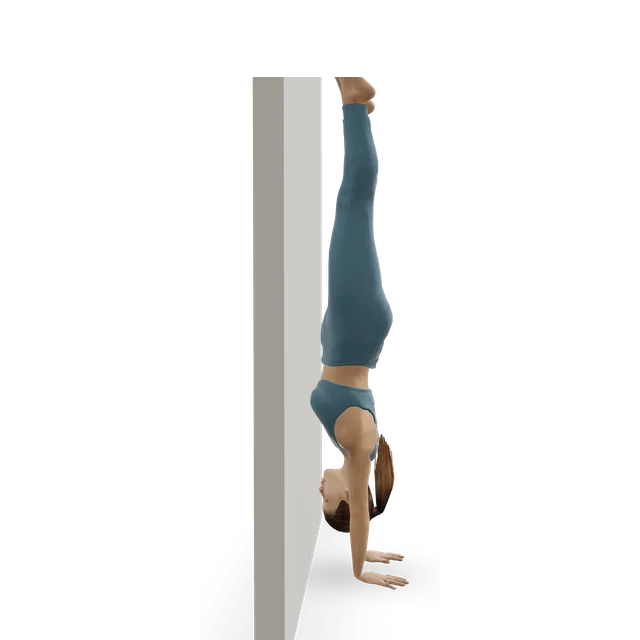
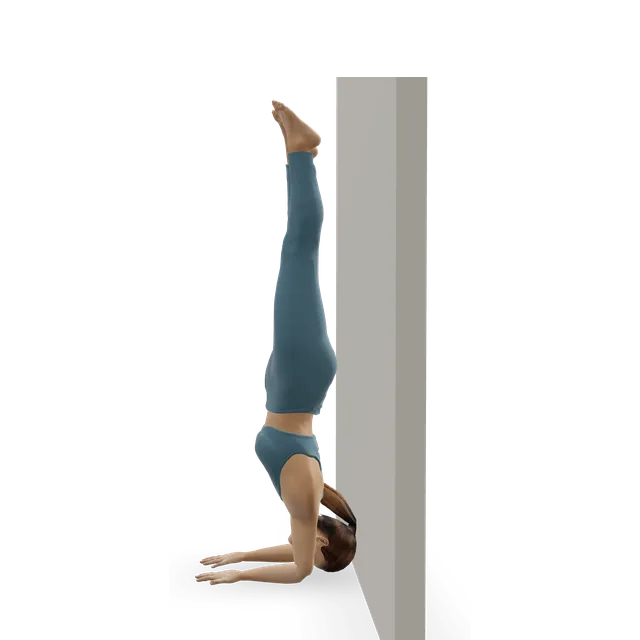
Prepare your wrists, hold an L shape with your feet on the wall, walk up to a chest-to-wall handstand, and learn to cartwheel out before you try to balance freestanding. This is the order teaching sources use, and our handstand progression follows it.
Gymnasts flatten the lower back in a handstand rather than arching. Look at the floor near your hands: in 7 gymnasts, this neck position gave the least sway and tucking the chin the most.
Fatigue increases sway, so several short sessions a week suit it better than one long one. Our estimate: weeks to a few months for a steady wall handstand, and often 6 to 12 months or more for a freestanding one.
In an online survey of 321 adult handstand practitioners, 57% reported chronic wrist pain. Build up your time on your hands gradually, and use our wrist guide if it hurts.
Skip handstands with glaucoma unless your eye specialist agrees: head-down positions raise eye pressure within a minute, and it doubled in headstand. Skip them while high blood pressure isn't controlled, and don't start learning them in pregnancy, when the NHS advises avoiding activities with a risk of falling.
Choose a forgiving surface, clear the space around you, and use a wall with nothing fragile nearby. Place your hands shoulder-width apart, fingers spread, pressing through the pads at the base of your fingers and the fingertips. For a chest-to-wall handstand, put your hands about a hand's width from the wall.
At the wall, walk your feet up behind you while walking your hands in, until you're one straight line from wrists to heels. Freestanding, kick or hop up one leg at a time with just enough force to arrive, and stack your hips over your shoulders and hands.
Shape
Arms straight beside your ears, pushing the floor away. Draw your ribs and tailbone in to a hollow line rather than arching. In an X-ray study of 19 gymnasts, they tilted the pelvis back and flattened the curves of the spine in a handstand, and hip bending marked the less successful balances in another study.
At the floor between or just in front of your hands. Don't tuck your chin to look at your feet: in 7 gymnasts, the extended neck gave the least sway and the tucked chin the most. Closing the eyes made balance worse in other studies.
Make small corrections through your fingers and the heels of your hands rather than bending your arms. Coaches teach pressing into the fingertips when you start to tip over, and into the heels of the hands when you start to fall back the way you came. When the wrist strategy fails, balancers bring in the shoulders, hips and elbows, which is harder to control.
Keep breathing and don't strain with your breath held. A rare bleed at the back of the eye has been reported in a teenager after a 10-second handstand; it cleared within 4 months.
Walk your hands out and your feet down the same way you went up, one at a time. Come down before your arms start shaking.
Freestanding: cartwheel out
When you tip past the point of balance, turn one hand out and step down to the side, like a cartwheel. Teaching sources have you learn this exit before freestanding work. Our editorial starting point: practise it from small kicks, 5 to 10 times each side, until it is automatic.
If you're falling back the way you came, step one foot down. Practise on a soft surface with space all around you.
Common mistakes
Throwing your legs up hard
It overshoots into a fall. Walk up the wall first, then use a small, controlled kick and learn to arrive without overshooting.
Banana back
Better balances came from the wrists and shoulders, and hip movement marked the poorer ones; gymnasts flatten the lower back. Draw your ribs and tailbone in and squeeze your legs together. Chest-to-wall practice teaches the line.
In a chest-to-wall handstand, your body bends to reach the wall. Place your hands about a hand's width away.
Prepare your wrists
Do a minute of this before every session, finishing with about 10 rocks that take more of your weight onto your hands (our starting point, as in our handstand progression).
Biomechanics studies of gymnasts found the wrists did most of the balancing, a wrist strategy used more than 75% of the time, with the shoulders, hips and elbows joining in when it failed. In an analysis of 6 balances, the better ones used turning forces at the wrists and shoulders, and turning forces at the hips grew in the less successful ones.
In 7 gymnasts, an extended neck, looking at the floor, gave the least sway and a flexed neck the most. A systematic review found closing the eyes cut stability, and stronger gymnasts balanced better.
In 111 novice college athletes, field tests of shoulder stability and mobility didn't predict how well they did a handstand. Practice seems to matter more than passing a mobility test.
In a self-selected online survey of 321 adult handstand practitioners, 57% reported chronic wrist pain, and warm-up routines, braces and grip devices weren't linked to less pain. In adolescent artistic gymnasts, pooled studies put wrist pain at 53%, though the certainty is low.
Our editorial starting point: 10 to 20 minutes, 3 to 5 times a week, at the start of a session while you're fresh. Short, frequent practice suits a balance skill, and fatigue worsens balance. Stop while your attempts are still good.
The L at the wall: 3 holds of 20 to 30 seconds. Chest to the wall: 3 to 5 holds of 20 to 40 seconds, with about a minute's rest between (the doses in our exercise library and handstand progression).
Freestanding
5 to 15 short attempts of 5 to 20 seconds, always with a practised exit (our exercise library and handstand progression).
Strength alongside
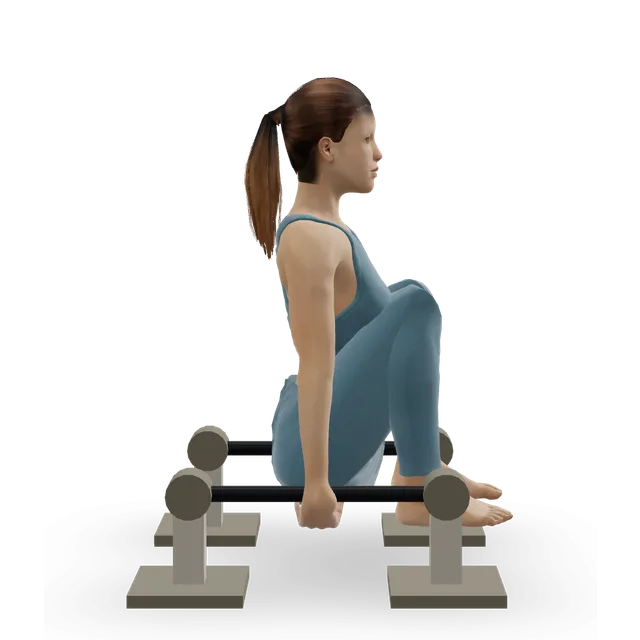
Pike push-ups, 3 sets of 6 to 8, 2 or 3 times a week, as in our handstand progression, and a solid forearm plank.
Wrists
Do the wrist preparation every session and add time on your hands gradually. If your wrists ache after a session, hold the amount steady rather than adding more (our suggestion, in line with our wrist guide).
No study has timed it, so these are our estimates. Weeks to a few months for comfortable 30 to 60-second chest-to-wall holds, if you have a solid plank and can reach your arms fully overhead. Commonly 6 to 12 months of regular practice for a steady 10-second freestanding handstand, and often longer.
Stronger, more experienced gymnasts balance better, but shoulder tests didn't predict how novices did, so practice time is the best guide.
Glaucoma: skip it unless your eye specialist agreesEmerging evidence
Head-down positions raise the pressure inside the eye within a minute. In 20 people with and without glaucoma, it rose in four common yoga poses and settled within 2 minutes of coming out; in 75 yoga practitioners it doubled in headstand; and hanging fully upside down raised it from about 16 to 34 millimetres of mercury (mmHg).
An ophthalmologist answering for the American Academy of Ophthalmology advises against inversions with glaucoma, and UK sight charities say to ask your hospital eye doctor. No study has measured eye pressure in a handstand itself, so this advice follows the closest evidence and agrees with our yoga guides.
High blood pressure: wait until it's controlledEmerging evidence
Going upside down raises heart rate and blood pressure: hanging upside down took it from 110/77 to 130/90 mmHg in one study, and inversion increased the heart's workload in another. Skip inversions while your blood pressure isn't controlled; our high blood pressure guide gives the readings at which to hold off.
The NHS advises avoiding activities with a risk of falling in pregnancy, so don't start learning handstands, headstands or wall walks, as our pregnancy guide says. If you already practise them, ask your midwife (our suggestion).
Leave handstands until loading these joints is comfortable, including after a recent shoulder dislocation.
Neck problems
A handstand shouldn't load your neck, but a fall can. Practise only with a safe exit, and leave headstands out: our yoga guide says they aren't for beginners or anyone with neck problems.
Osteoporosis or a high risk of falling
Freestanding practice risks falls. Keep to wall work with someone beside you, or skip it (our suggestion).
After eye surgery or with a retinal condition
Ask your eye team before going upside down (our suggestion).
Warning signs
Call 999 (911 in the US) or go to A&E: sudden eye symptoms
Possible signs of sudden (acute) glaucoma: intense eye pain, a red eye, rainbow-coloured rings around lights, blurred vision, a headache, or feeling sick.
A face that has dropped on one side, an arm you can't lift, or slurred or garbled speech; also sudden blurred vision or loss of sight, sudden dizziness or falling over, a sudden severe headache, or sudden weakness or numbness down one side.
Sudden loss or blurring of vision after a handstand needs checking the same day (our suggestion: a rare bleed at the back of the eye has been reported after a short handstand).
Contact NHS 111 (in the US, urgent care) for severe wrist pain, a snap or popping noise at the time of the fall, a wrist that has changed shape, or being unable to move it or hold things. Pain at the base of the thumb after a fall onto an outstretched hand needs checking too, as our wrist pain guide explains.
"Handstands send blood to your brain, so they're good for you"Emerging evidence
We found no trial showing a health benefit specific to handstands. Going upside down raises blood pressure and eye pressure, which is why some people should skip it. Do them because you want the skill; the strength and balance work counts as exercise.
"Kick up hard and you'll get there"Emerging evidence
Once you're up, balance is held at the wrists, and a hard kick tends to overshoot into a fall (coaching advice). Learn the line at the wall and a controlled entry.
Warm-up routines weren't linked to less chronic wrist pain in a survey of 321 practitioners, and we found no trials. Do them for comfort, and build your time on your hands gradually.
No study has timed it, so this is our estimate. Expect weeks to a few months for a steady 30-second handstand against the wall, and often 6 to 12 months or more of regular short practice for a 10-second freestanding one.
How do I come down from a handstand safely?
At the wall, walk your hands out and your feet down. Freestanding, step down, or turn out to one side like a cartwheel when you tip over. Learn the cartwheel exit from small kicks before you try to balance.
Should beginners practise handstands against a wall?
Yes. Start with your feet on the wall in an L shape, then walk up to a chest-to-wall handstand before freestanding attempts, as our handstand progression does. The wall takes the balance away so you can learn the straight line.
Where should I look in a handstand?
At the floor between or just in front of your hands. In gymnasts, looking at the floor gave the least sway and tucking the chin the most.
How do you balance in a handstand?
Mostly through your hands: balancers use their wrists more than 75% of the time. Press with your fingertips if you're tipping over and the heels of your hands if you're falling back, and keep your arms straight.
Why do my wrists hurt in handstands?
Handstands load the wrist bent back under your body weight, and 57% of adult handstand practitioners reported chronic wrist pain in one survey. Build up your time on your hands over weeks, warm your wrists up, and see our wrist pain guide if it lingers.
Are handstands safe with high blood pressure?
Not while it's uncontrolled: going upside down raises blood pressure and heart rate. See our high blood pressure guide, and ask your GP first.
Can I do handstands with glaucoma?
Skip them unless your eye specialist agrees. Head-down positions raise eye pressure within a minute, and it doubled in headstand. An ophthalmologist answering for the American Academy of Ophthalmology advises against inversions.
Can I do handstands when pregnant?
It isn't the time to learn them: the NHS advises avoiding activities with a risk of falling. If you already practise, ask your midwife.
Do I need strong shoulders and abs before handstands?
Some strength helps, and stronger gymnasts balance better. Our handstand progression puts pike push-ups and the crow before the wall work, and a solid plank is a sensible base. Shoulder fitness tests didn't predict how well beginners did, so practice matters most.
How long should you hold a handstand?
At the wall, 20 to 40 seconds, repeated 3 to 5 times. Freestanding, short attempts of 5 to 20 seconds, 5 to 15 tries. Stop while your attempts are still good, because fatigue increases sway.
Is a headstand easier or safer than a handstand?
It's a different skill that puts weight on your head and neck. Our yoga guide says headstands aren't for beginners or anyone with neck problems, glaucoma or uncontrolled high blood pressure.
Exercise education, not a personal prescription, and clinical review of these guides is pending. Check with a GP before starting hard training if you have a heart condition, chest pain, dizziness or breathlessness when active, and stop for sharp or increasing pain. Health disclaimer.