As long as you can hold a straight line
For most people, 3 holds of 20 to 45 seconds, ending each when your hips start to sink, or repeated 10-second holds in the McGill style. Then make it harder rather than longer.
Training guide
Hold a plank only as long as you can keep a straight line from head to heels. For most people that means 3 holds of 20 to 45 seconds, or repeated 10-second holds. Past about a minute, we suggest a harder version rather than a longer hold: in a plank test of 471 students, most stopped because their arms or legs gave out, not their abdominal muscles.
College students' median plank times were about 1 minute 10 seconds for women and nearly 2 minutes for men, and older adults held for less time than younger ones. The back researcher Stuart McGill's approach of short, repeated holds is widely used, but its reasoning comes from lab studies: no trial has compared short and long holds.
This guide covers the technique and common mistakes, what studies of plank times show, how good the evidence for short holds is, how planks fit with back pain, belly fat and blood pressure, and better core exercises, from side planks and bird dogs to roll-outs, with a short McGill-style routine to follow.
For most people, 3 holds of 20 to 45 seconds, ending each when your hips start to sink, or repeated 10-second holds in the McGill style. Then make it harder rather than longer.
In 471 students holding a plank to failure, about a third stopped because of their legs, a third because of their arms, and only a fifth because of their abdominals. A harder plank, with the elbows further forward and the pelvis tucked, raised abdominal activity far more than the standard one.
The front and side planks drew under half of maximal activity in most trunk and hip muscles, which suits endurance and control more than strength.
Source 5
Stuart McGill's approach of 8 to 10-second holds, repeated, rests on lab studies and clinical practice. No trial has compared short and long holds.
College students' median times were 110 seconds for men and 72 for women. Adults aged 20 to 35 held longer than those aged 60 to 79. Nobody has published plank norms for each decade of adult life.
Core exercise helps back pain about as much as other exercise, not more, and six weeks of abdominal exercise didn't reduce belly fat in a trial.
End each hold when your hips start to sink, rest, and repeat. This is the dose our exercise library and posture guides use; older adults can start with 20 to 30 seconds, 2 or 3 times, as our guide for older adults suggests.
Hold for about 10 seconds, rest a breath or two, and repeat in falling sets, for example 5, then 3, then 1. Harvard Health and the American Council on Exercise describe this pattern for the McGill big three.
Once 45 to 60 seconds is easy, move to a harder version, such as the long-lever plank below or a roll-out, rather than holding for longer (our editorial advice, in line with the muscle activity studies).
Source 4
You can plank daily at these modest doses (our suggestion). Cancer Research UK's Plank Every Day in October fundraiser suggests starting with 10 to 30 seconds and building up.
Source 12
If you're using planks as a holding (isometric) exercise for blood pressure, follow our high blood pressure guide: knee planks, 3 holds of 20 to 45 seconds, breathing throughout. No blood pressure trial has tested planks.
Source 13
Forearms on the floor, elbows under your shoulders, legs straight with your weight on your toes: the same position as the published plank test. Keep your forearms parallel, or your hands lightly together.
Source 1
One long line from head to heels, your waist not sagging, your neck in line. Squeeze your glutes lightly and tuck your pelvis a little: that tuck raised abdominal activity in a muscle activity study.
Source 4
Breathe normally throughout. Holding your breath raises blood pressure, and as a researcher quoted by the British Heart Foundation put it, you must remember to breathe.
Source 13
Lower your knees and rest before your form goes. End each hold when your hips start to sink.
In 20 university students, focusing on the abdominal muscles raised their activity in a plank. It's an optional cue.
Source 14
Place your elbows a little further forward than your shoulders, tuck your pelvis, and squeeze everything, for holds of 10 to 30 seconds (our description). In 19 adults, this version raised abdominal activity markedly compared with the standard plank.
Source 4
The goal is the position, and the arms and legs, not the abdominals, end most long planks. End each hold when your hips sink, then rest and repeat.
Source 1
Load moves into the lower back, and near failure, untrained people already lean more on their back muscles. Tuck your pelvis slightly, or use a knee plank or a dead bug.
It takes the challenge off your trunk. Make a head-to-heel line.
Blood pressure climbs during long holds. Breathe normally; counting out loud helps.
Look at the floor just ahead of your hands.
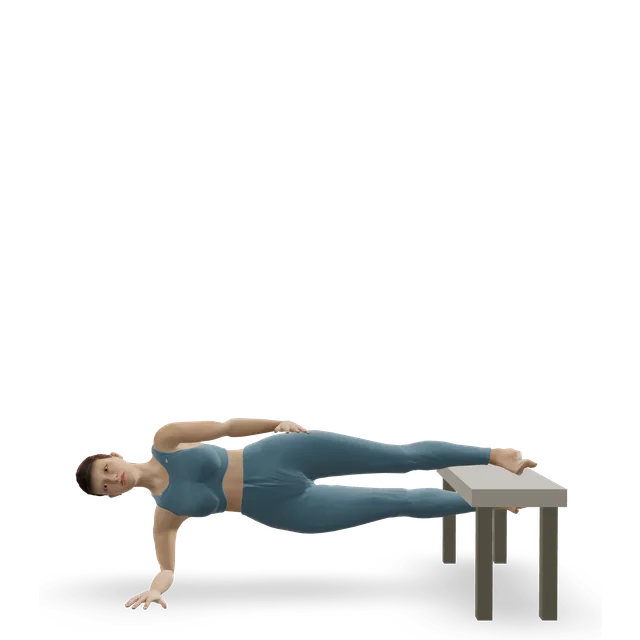
The plank trains your trunk to resist sagging, at moderate effort. Side-bending, rotation and carrying are missed, so add side planks, bird dogs, Pallof presses and carries.
Source 5
They test endurance and tolerance rather than train it. Test once a month at most, and train with shorter holds or harder versions.
In 471 college students, the median forearm plank held to failure was 110 seconds for men and 72 seconds for women, and 104 seconds for athletes against 83 for non-athletes. Students who were active more than 3 times a week held longer.
Source 1
In 120 adults, those aged 20 to 35 held a plank longer than those aged 60 to 79, with an average of 145 seconds across both groups. Times rose with physical activity and fell with body mass index and waist size.
Source 8
We found no published plank norms for each decade of adult life, so charts of plank times by age aren't based on data we could check. Compare yourself with yourself.
Almost all children aged 8 to 12 can score on a plank test, and US reference curves exist for children and teenagers.
In young adults, men held the side plank for 99% as long as their front-of-trunk (flexor) hold and 65% as long as their back-extensor hold; women for 79% and 39%. The study presents these as normal values to aim for in testing and training.
Source 18
In 471 students holding a plank to failure, about a third stopped because of their legs, a third because of their arms and a fifth because of their abdominals. A long hold tests endurance and tolerance more than core strength.
Source 1
In 30 adults, the front and side planks and similar body-weight exercises drew under 45% of maximal activity in most trunk and hip muscles (the side plank went above it for the gluteus medius and the external oblique), so they suit endurance and control more than strength.
Source 5
In 19 adults, a long-lever plank with the pelvis tucked drew much more abdominal activity than the standard plank in 30-second holds. Ranked by muscle activity, suspension and roll-out planks raised abdominal activity most; unstable surfaces raised activity too; and Swiss ball roll-outs and pikes drew the most abdominal activity of the exercises compared in another study.
In 30 adults holding a plank to failure, the untrained half used their back muscles more than the trained half.
Source 15
In 21 male college athletes, 8 weeks of extra core training, 3 times a week, raised a plank-based endurance test from about 194 to 242 seconds, about a quarter, while the group that didn't add it stayed the same.
Source 22
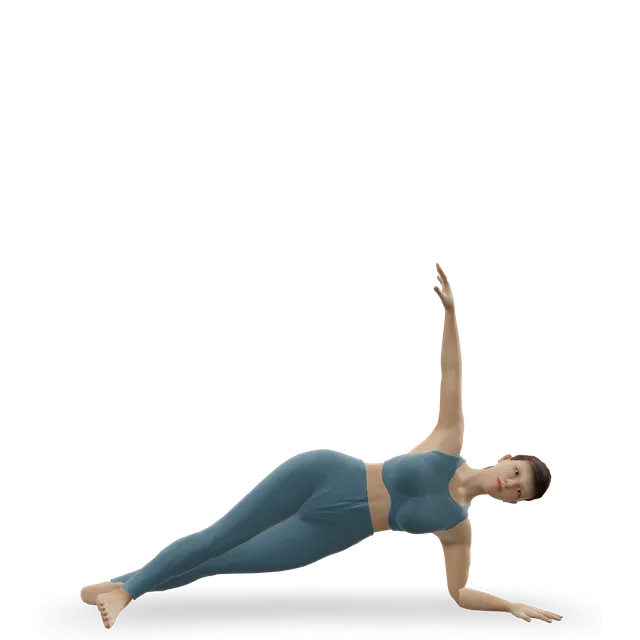
The back researcher Stuart McGill's big three are the curl-up, the side plank and the bird dog, each held for about 8 to 10 seconds and repeated in falling sets, such as 5, then 3, then 1. Progress comes from adding reps, not seconds.
In the lab, back-muscle oxygen fell during 30-second contractions even at 2% of maximal effort, and 6 weeks of isometric (holding) core training stiffened the trunk more than dynamic training in 24 men. Clinicians have used the approach for years.
But no trial has compared short holds with long holds, so we can't say short holds are better: only that they are a reasonable way to train.
In 19 highly trained climbers, 10 weeks of holding or moving core training gave similar gains, with neither better than the other.
Source 24
Hold the planks for 3 sets of 20 to 45 seconds and do the walk-ups, fallouts and roll-outs for 3 sets of 6 to 10 reps, moving on when the current one is steady (our starting points).
 3D demoKnee plankBeginner · No equipment
 3D demoForearm plankIntermediate · No equipment
 3D demoStraight-arm plank (high plank)Intermediate · No equipment
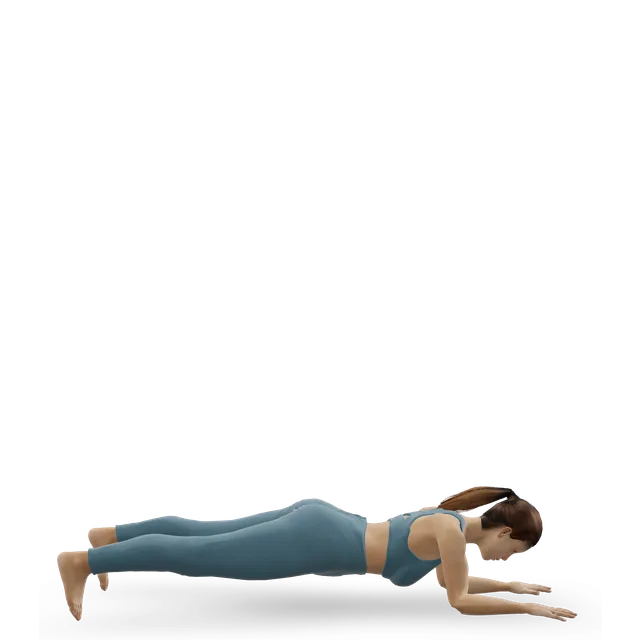 3D demoPlank walk-upAdvanced · No equipment
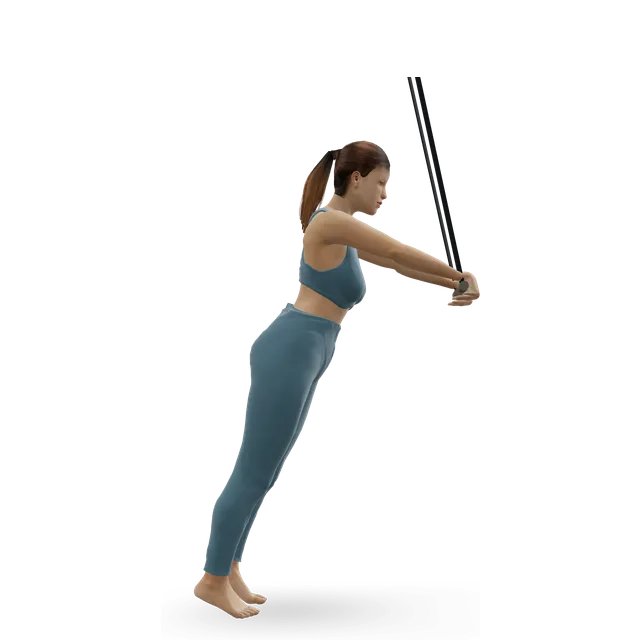 3D demoSuspension trainer falloutIntermediate · An anchor point
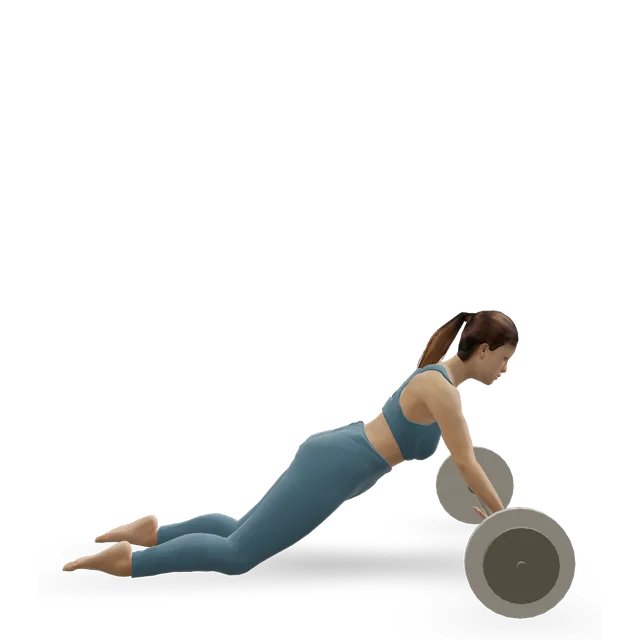 3D demoAb wheel rollout from the kneesAdvanced · An ab wheel
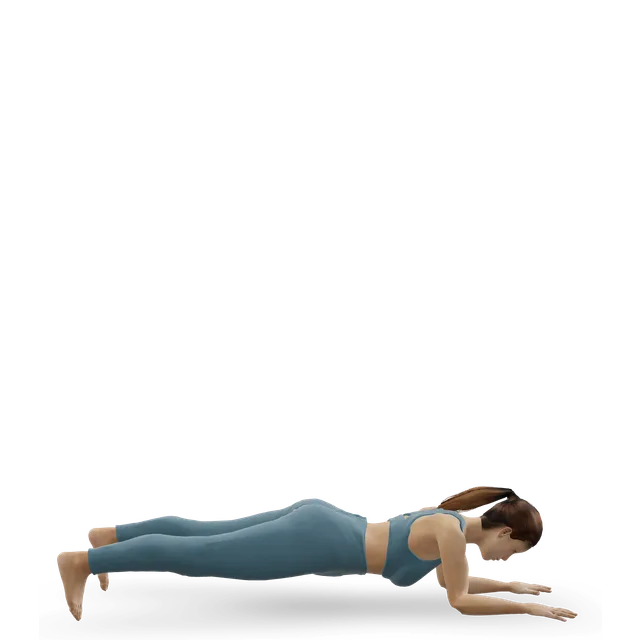 3D demoForearm plank pike (butt-ups)Intermediate · No equipment
Start with 3 holds of 15 to 20 seconds a side on your knees and build to 40 seconds on your feet, or use repeated 10-second holds (our exercise library's doses and Harvard Health's pattern).
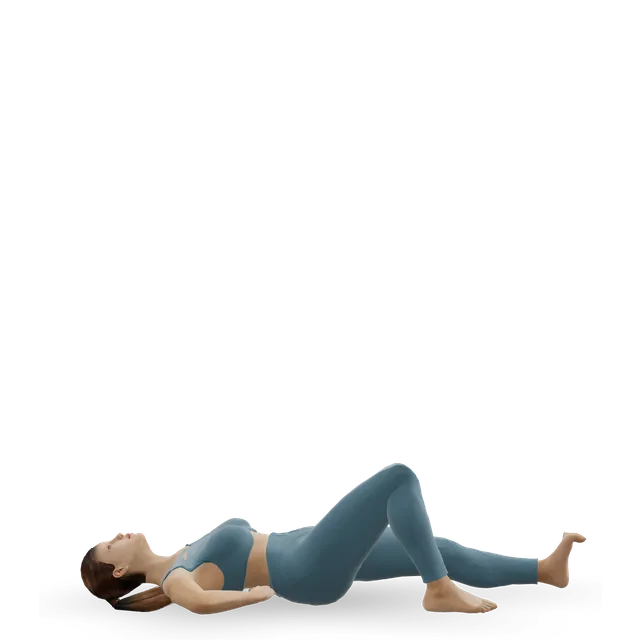
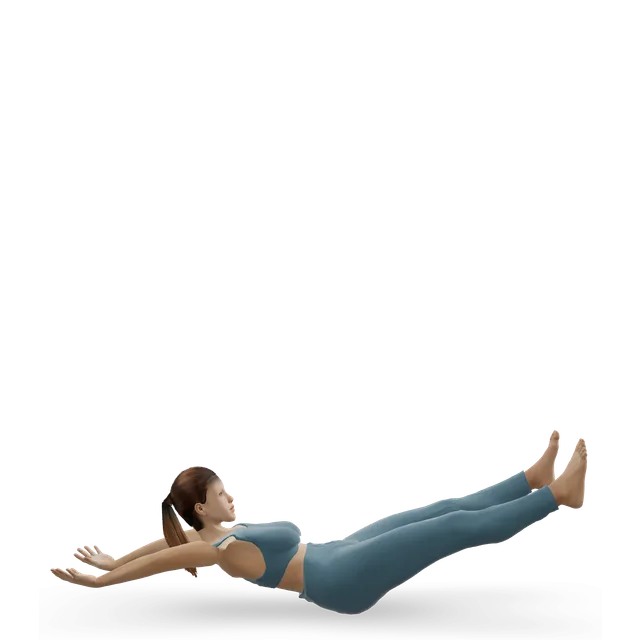
Cover each direction: resisting arching (dead bug, hollow hold), resisting rotation (bird dog, Pallof press), side-bending and carrying (suitcase carry), and a gentle curl (McGill curl-up).
Motor control and stabilisation exercise, the kind of core training that includes plank-style holds, helped chronic low back pain compared with minimal treatment, but did no better than other kinds of exercise.
A Cochrane review found exercise reduced chronic low back pain by about 15 points on a 100-point scale compared with no treatment, with moderate certainty. Choose the exercise you'll keep doing.
Source 25
In one cohort, good back-muscle endurance predicted fewer first episodes of back pain in men; another cohort found no such predictor.
Swap to the side plank, the McGill curl-up and the bird dog, which appear in our back pain plans, and see our back pain guide.
In a randomised trial of 24 inactive adults, 6 weeks of abdominal exercise on 5 days a week improved abdominal endurance but didn't reduce belly fat. Fat comes off with overall activity and eating habits; see our weight loss guide.
Source 11
A large meta-analysis reported by the British Heart Foundation found isometric (holding) exercise lowered blood pressure most of the exercise types studied, but planks weren't tested. Breathe throughout and never strain on a held breath.
Source 13
The McGill big 3 routine follows the short-hold pattern above; the core workouts mix planks with other directions of control.
The McGill big three for the core: curl-ups, side planks and bird dogs, each held for 10 seconds at a time in falling sets of 5, 3 and 1 reps.
12 minBeginner3 movesNo equipmentA 15-minute beginner core workout on the floor: dead bugs, bird dogs, knee planks, side planks and curl-ups.
15 minBeginner6 movesNo equipmentAn intermediate ab workout with no equipment: planks, side planks, reverse crunches, hollow holds and mountain climbers.
20 minIntermediate7 movesNo equipmentHard core training: ab wheel rollouts, hanging leg raises, L-sits, Copenhagen planks, plank walk-ups and dragon flags.
30 minAdvanced6 movesAn ab wheel, Pull-up barThe NHS advises avoiding sit-ups and planks to start with, and beginning with gentle tummy exercises. If the middle of your tummy domes when you exercise, make it easier and get it checked, as our postpartum guide explains.
Source 28
The British Heart Foundation advises avoiding exercises that use your body as the weight, such as press-ups and planks.
Source 29
Keep holds short and breathe throughout. Heart rehabilitation avoids long holds such as planks and the wall sit, which invite breath-holding, as our heart guide notes.
Our prenatal routines use kneeling and side-lying core work. Ask your midwife about front planks as your bump grows (our suggestion).
If you have pain, tingling, weakness or numbness in both legs; numbness around your genitals or bottom; changes in peeing or controlling your bladder or bowels; chest pain; or back pain after a serious accident.
Source 30
If you have back pain and feel hot, cold or shivery or generally unwell, or if severe pain starts suddenly or gets worse quickly. In the US, use urgent care.
Source 30
For sudden chest pain that doesn't go away, pain that spreads to your arms, neck, jaw, stomach or back, or chest pain with sweating, feeling sick, light-headedness or shortness of breath.
Source 31
Plank tests mostly end at the arms or legs, and harder versions raise abdominal muscle activity more than the standard plank. The case for short holds comes from lab studies, and no trial has compared hold lengths. A 5-minute plank is a test of tolerance, not better training (our view).
Back-muscle endurance predicted first back pain in men in one cohort but not in another.
Core and motor control exercise helped no more than other exercise. Choose what you enjoy and will keep doing.
Six weeks of abdominal exercise didn't reduce belly fat in a trial. Fat loss comes from overall activity and eating habits.
Source 11
The NHS advises against planks in the early weeks after birth, and the British Heart Foundation advises against them with heart failure. Breathe throughout, because blood pressure climbs during holds.
As long as you can keep a straight line, usually 3 holds of 20 to 45 seconds, or repeated 10-second holds. Once 45 to 60 seconds is easy, we suggest a harder version rather than a longer hold.
In 471 college students, the median was 110 seconds for men and 72 for women. In a study of adults aged 20 to 35 and 60 to 79, the average was about 145 seconds, with the younger group holding longer.
No study gives plank norms for each age. Times fall with age and rise with activity, and a good-form hold of 20 to 30 seconds, repeated, is a sensible training target at any age.
Not really. In plank tests most people stop because their arms or legs tire, not their abs, and harder versions raise abdominal muscle activity far more than the standard plank. No trial has compared short and long holds, but a longer hold mostly tests endurance and tolerance.
It isn't dangerous for most healthy people, but form slips: near failure, untrained people lean more on their back muscles. Holding your breath raises blood pressure, so breathe throughout.
The back researcher Stuart McGill's three exercises: the curl-up, side plank and bird dog, each held for about 10 seconds and repeated in falling sets, such as 5, 3 and 1. It's based on lab work and clinical practice rather than trials against long holds.
They can, like other exercise. Core exercise helps back pain about as much as other exercise, not more, and exercise of any kind helps a little, so choose what you'll keep doing.
Both train the abdominals: the plank trains holding the trunk still, and curl-ups and crunches train bending it. Mix them, or stick with the plank if bending forward flares your back.
No. Six weeks of abdominal exercise didn't reduce belly fat in a trial. Fat comes off with overall activity and eating habits; see our weight loss guide.
You can at modest doses, such as a few holds of 10 to 30 seconds. Cancer Research UK's October plank challenge suggests starting at 10 to 30 seconds and building up.
Our starting point is 3 holds of 15 to 40 seconds a side, or repeated 10-second holds as in the McGill routine. Start on your knees if that's too hard.
Not to start with: the NHS advises avoiding sit-ups and planks at first and beginning with gentle tummy exercises. If the middle of your tummy domes, make it easier and get it checked.
Exercise education, not a personal prescription, and clinical review of these guides is pending. Check with a GP before starting hard training if you have a heart condition, chest pain, dizziness or breathlessness when active, and stop for sharp or increasing pain. Health disclaimer.