Pain guide · Back pain

Chronic low back pain: the exercise that works is the one you keep doing

Back pain that has lasted 3 months or longer, often with good and bad days. For at least 90% of people with chronic low back pain in primary care, the WHO says, there is no specific underlying disease.

Pain that lasts is shaped by more than the back: how bad it was at the start, distress, pain elsewhere in the body, how the nervous system processes pain and what we believe about it all play a part. That doesn't mean it's in your head. It means exercise, confidence and keeping going all matter, and the plan below lets you pick the kind of exercise you'll stick with.

When to get help first

Exercise is for pain that has been checked or is clearly mild and settling.

Get urgent medical help if

  • Call 999 or go to A&E: loss of feeling or numbness around the genitals or bottom, new trouble peeing or controlling your bladder or bowels, changes in genital sensation during sex or problems with erections or orgasm, or pain, tingling, weakness or numbness in both legs. These are signs of cauda equina syndrome, which needs treating in hospital urgently. Don't drive yourself.
  • Same day: leg weakness that is getting worse.
  • Same day (GP or NHS 111): back pain and you feel hot, cold, shivery or generally unwell, or severe pain that starts suddenly or is getting worse quickly.
  • Same day: you have or have had cancer, and new back pain that is severe and doesn't let up, is getting steadily worse, is worse at night and disturbs your sleep, is worse when you cough, sneeze or strain, or comes with tenderness over the spine. Contact your cancer team or GP urgently. With cancer, new weakness, difficulty walking, numbness or bladder or bowel problems are an emergency.
  • Call 999 or go to A&E: back pain with chest pain, or back pain that started after a serious accident, such as a car crash.

See a doctor or physiotherapist if

  • Back pain that started before 45 and has lasted more than 3 months, especially if it wakes you in the second half of the night, comes with buttock pain, eases with movement or within 48 hours of anti-inflammatories, or you have psoriasis or a parent, sibling or child with spondyloarthritis. These can point to inflammatory back pain (axial spondyloarthritis, such as ankylosing spondylitis); NICE refers people with four or more of these features to a rheumatologist.
  • Pain that doesn't improve with rest or is worse at night, or pain that is worse when you sneeze, cough or poo.
  • Unexplained weight loss, or a lump, swelling or change in the shape of your back.
  • Unexplained back pain with muscle spasms, loss of height, or a curved spine or change in posture: a possible osteoporotic spinal fracture, more likely with older age or long-term steroid tablets.

Understand it

Why it lastsStrong evidence

Higher pain at the start, psychological distress and pain in several parts of the body raise the risk of back pain persisting, and the nervous system's pain processing and people's beliefs about pain play important roles. NICE notes that the intensity of chronic back pain often fluctuates.

Sources 6, 3, 1

Myths worth dropping

Common beliefs about long-term back pain, and what the evidence shows:

  • "Bad posture causes back pain." Reviews found no consensus that posture, sitting, bending or twisting cause low back pain, and people with back pain have the same lower-back curve as people without.
  • "Weak core muscles cause back pain, so you need core exercises." Core stability and motor control exercise work, but no better than other exercise.
  • "You need a scan to know what's wrong." Routine imaging doesn't improve outcomes, and NICE says not to offer it routinely.
  • "My scan shows degeneration and bulging discs, so my back is damaged." These findings are common in people with no pain and rise with age: disc degeneration in 37% of pain-free 20-year-olds and 96% of 80-year-olds, bulges in 30% and 84%.
  • "Always lift with a straight back." Bending the lower back while lifting was not a risk factor for back pain, and lifting-technique training didn't prevent back pain in trials of more than 19,000 workers.

Sources 27, 28, 29, 30, 25, 26, 12, 13, 1, 2

What helps, and how strong the evidence is

Exercise helps, modestlyStrong evidence

In a Cochrane review of 249 trials, exercise reduced pain by about 15 points on a 0 to 100 scale compared with no treatment, usual care or placebo (moderate certainty), and improved function by about 7 points, below the 10 points the authors set for a difference people would notice. Against other treatments the gains were smaller (about 9 points for pain and 4 for function). Side effects were mostly minor, such as muscle soreness.

In plain English: exercise takes a real but modest edge off long-term back pain. It won't usually make it vanish, and it works best when you keep it up.

Source 7

Every guideline puts exercise firstStrong evidence

NICE: consider a group exercise programme (biomechanical, aerobic, mind-body or a mix), chosen to suit your needs and preferences. The WHO (December 2023): a structured exercise programme may be offered, a conditional recommendation on low-certainty evidence. The American College of Physicians lists exercise, multidisciplinary rehabilitation, mindfulness, tai chi, yoga and motor control exercise among first choices. A US physiotherapy guideline says physiotherapists should use exercise, including trunk strengthening and endurance.

Sources 1, 2, 4, 5

No type of exercise is clearly bestStrong evidence

The WHO found too little evidence that one type of exercise is better than another and advises choosing by preference and circumstances. Cochrane reviews found motor control ("core") exercise and Pilates no better than other exercise, and yoga about the same as other back exercise.

Sources 2, 12, 13, 14, 16

The rankings disagreeMixed evidence

One network meta-analysis (217 trials) ranked Pilates, McKenzie therapy and functional restoration highest. Another (89 studies) ranked Pilates for pain and resistance and motor control training for function, and found stretching and McKenzie no better than control. A third (118 trials) found every type helped except stretching for pain and McKenzie for disability, with Pilates most likely best.

Pilates keeps coming out near the top, but the trials are small, and the differences between types are smaller than the difference between exercising and not.

Sources 8, 9, 10

Pick a lane you'll keep doing

The core moves in the plan suit everyone. Add one of these, about twice a week:

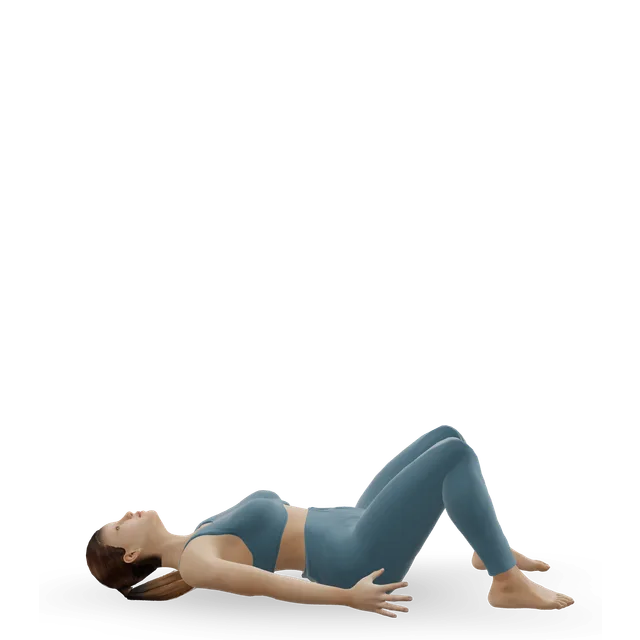
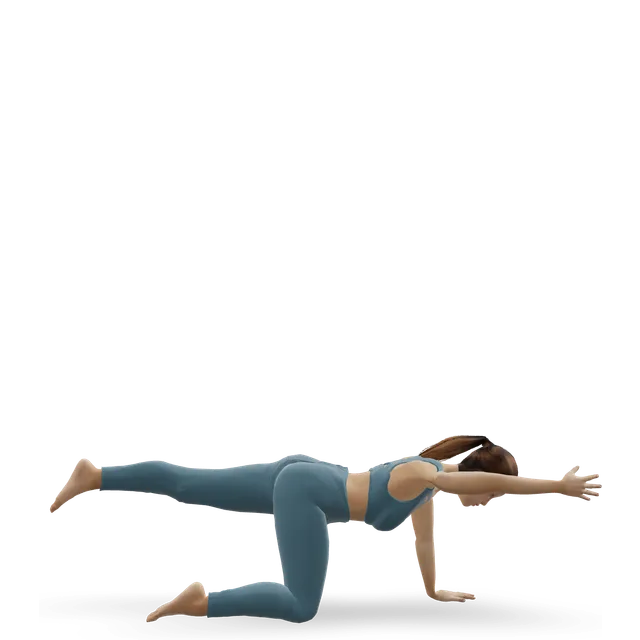
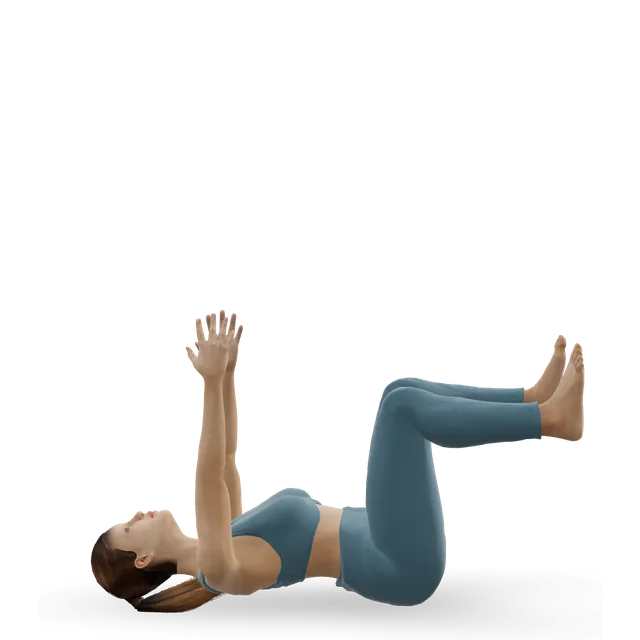
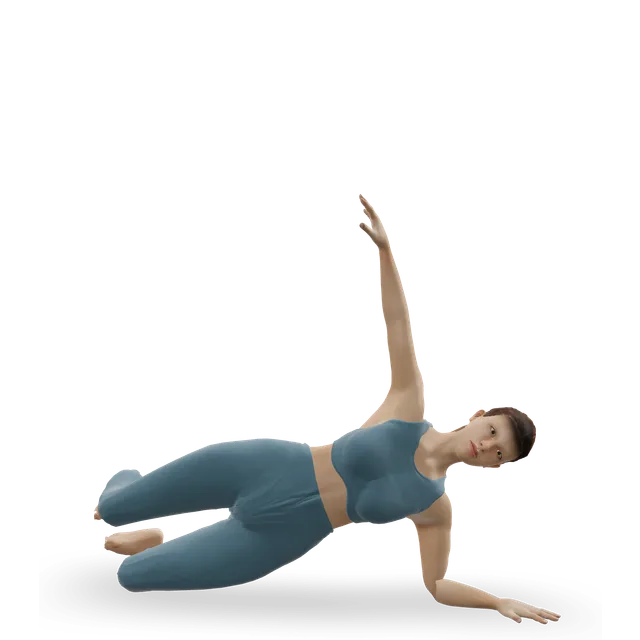
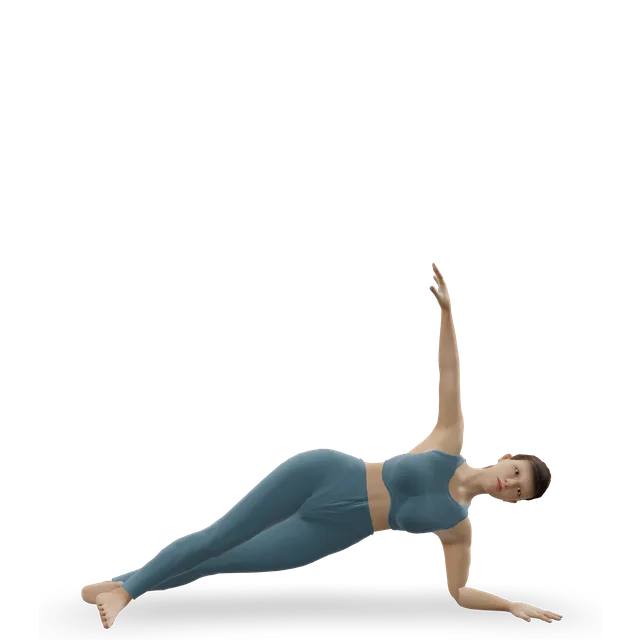
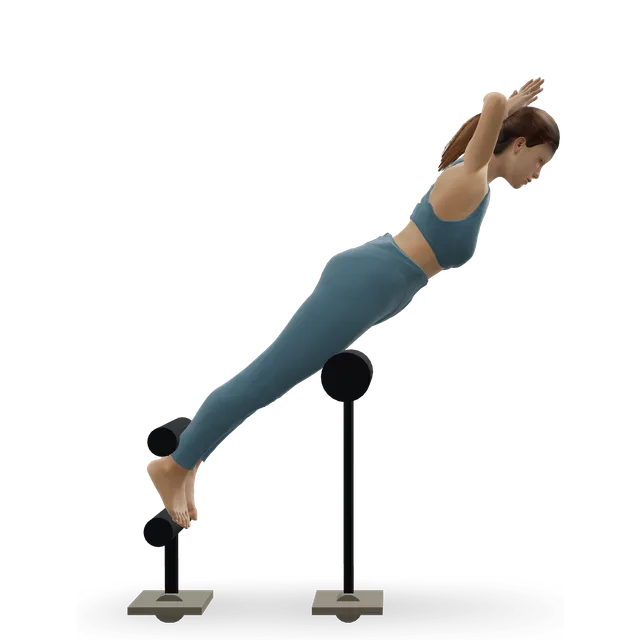
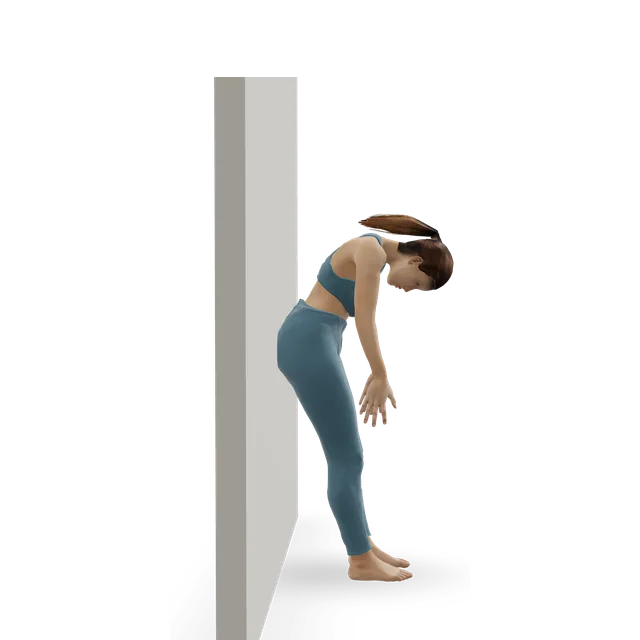
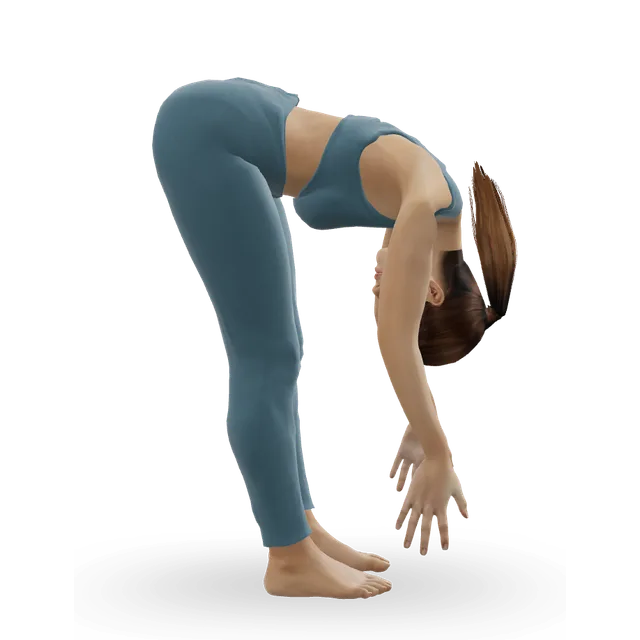
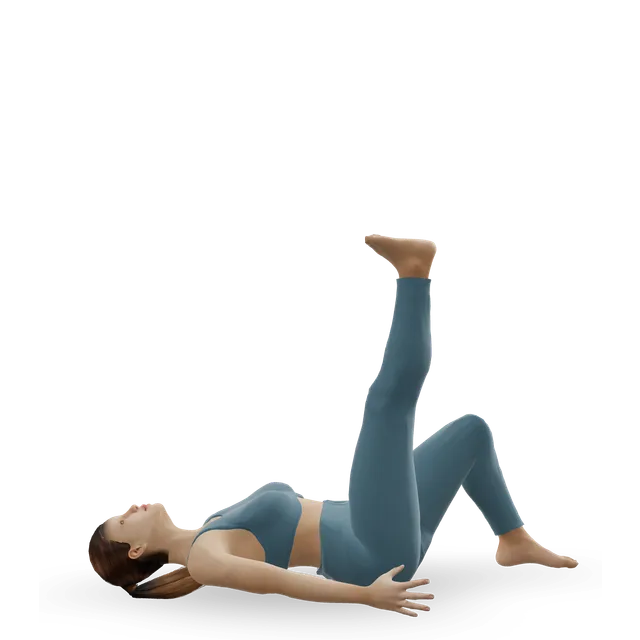
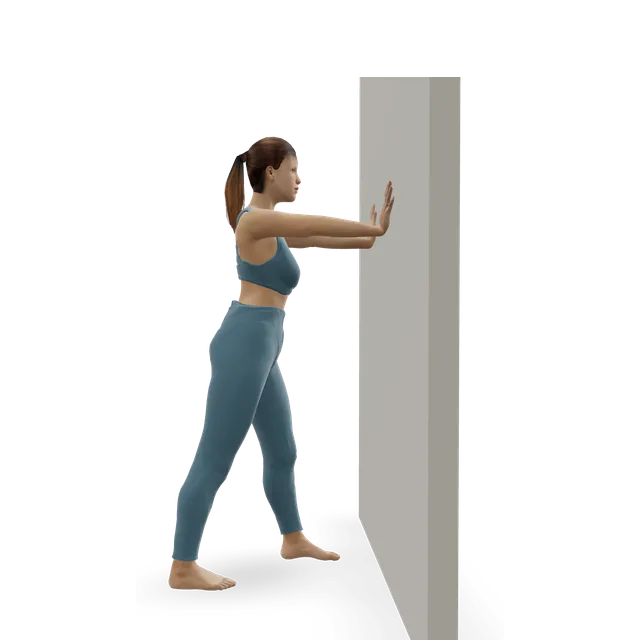
  • Pilates: wall bridge, chest lift, swimming (or bird dog if arching hurts) and spine stretch forward, or follow the Pilates for back pain routine. Twice a week beat once a week in one trial.
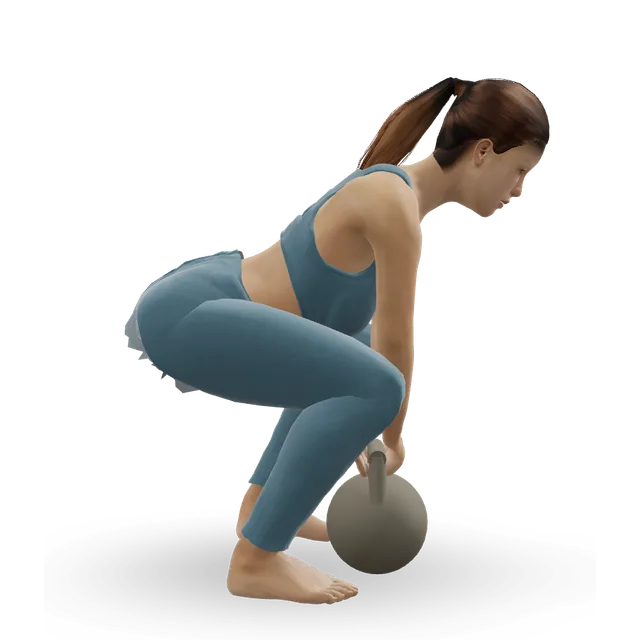
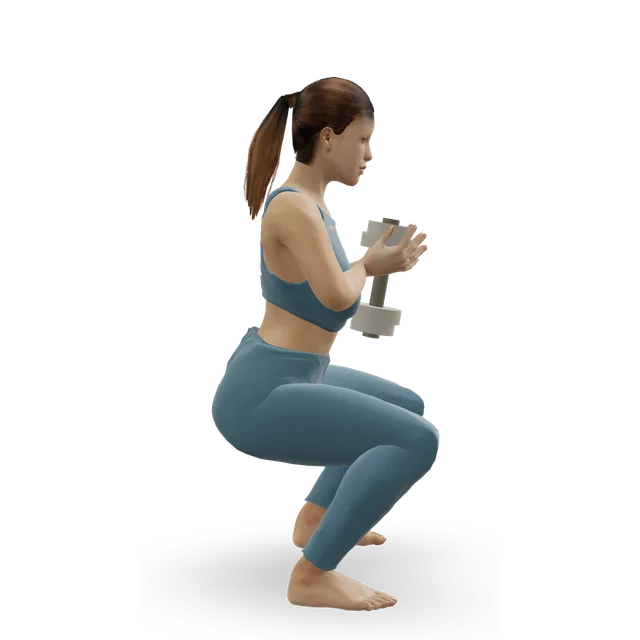
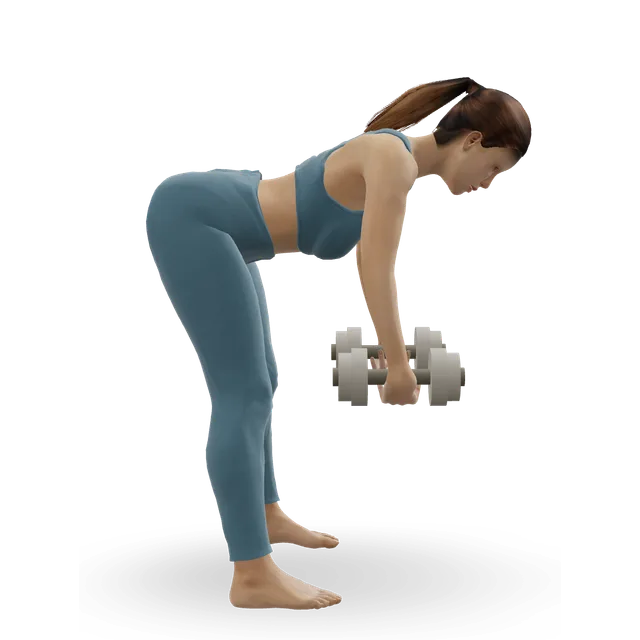
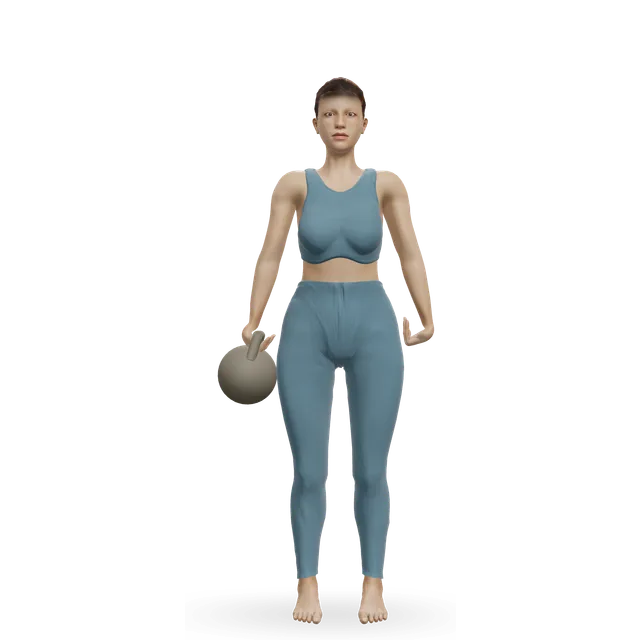
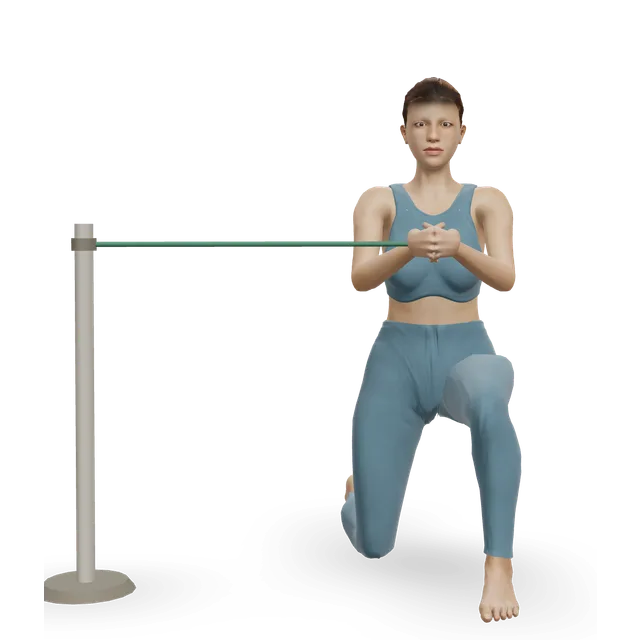
  • Strength: Romanian deadlifts, step-ups, chest-supported rows and suitcase carries.
  • Walking: brisk intervals, adding hills or stairs once 30 minutes is easy, as the WalkBack programme progressed; rucking later.
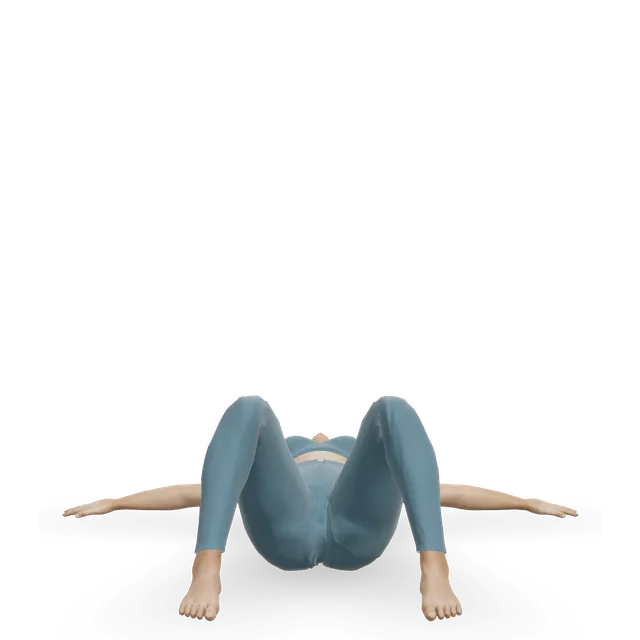
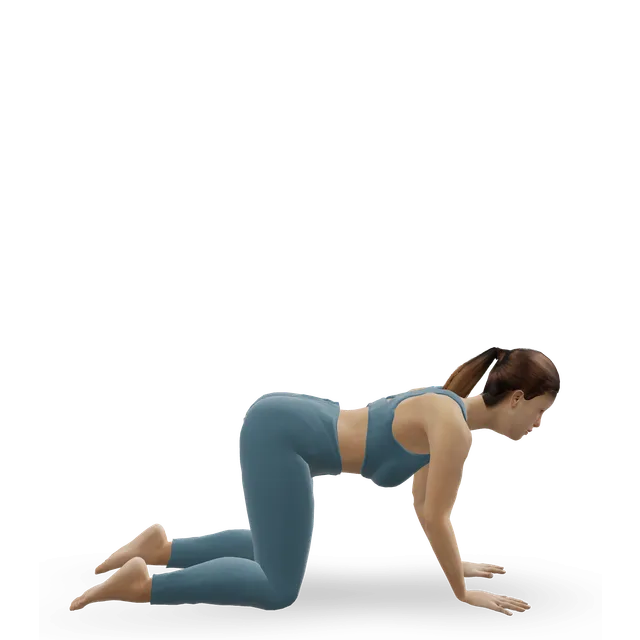
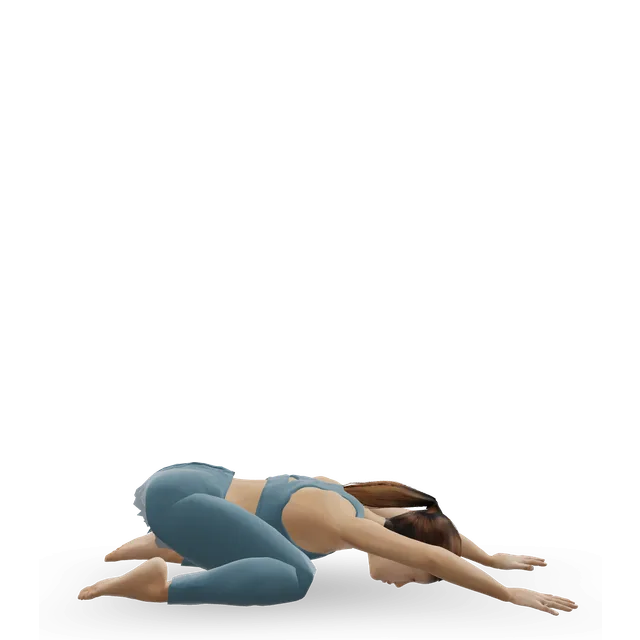
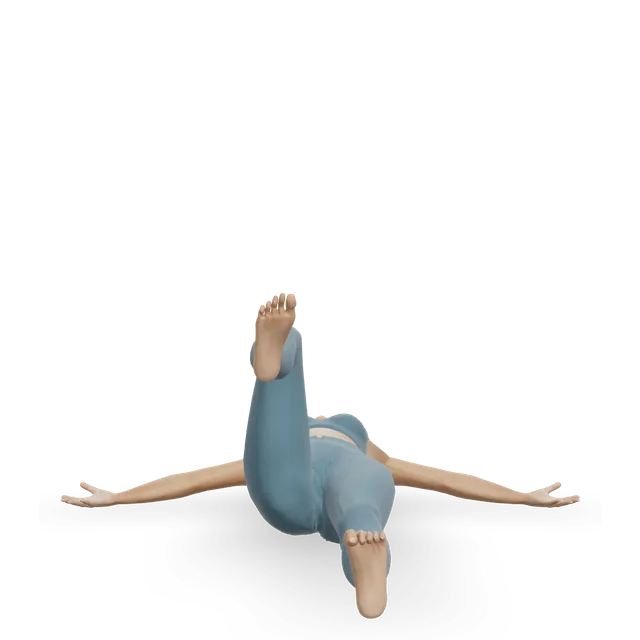
  • Mind-body: a beginner yoga or tai chi class; at home, cat-cow, child's pose, sphinx and a lying spinal twist.
  • Water: swimming or aqua classes.

Sources 14, 15, 5, 9, 18, 19, 20, 16, 4, 21

How much, and howEmerging evidence

Programmes that were individually designed, supervised (or at least followed up) and higher in dose did better. The WHO adds that programmes with at least 20 hours of total programme time are generally more beneficial, and that group formats may help attendance.

In one network meta-analysis, the most helpful programmes included at least 1 to 2 sessions a week of Pilates or strength exercise, sessions under 60 minutes, and Pilates or core programmes of 3 to 9 weeks. In a trial of 296 people, Pilates twice a week beat once a week, and three times a week did no better than twice.

Sources 11, 2, 10, 15

Walking helps about as much as other exerciseEmerging evidence

Walking improved pain, disability and quality of life about as much as other exercise in a review of 5 trials. After recovery, a progressive walking and education programme (six physiotherapist sessions over 6 months, aiming for at least 30 minutes five times a week) delayed the next episode that limited activity: a median of 208 days against 112. The walking group reported more leg-related side effects (100 against 54).

Sources 18, 19, 20

Yoga: about the same as other exerciseEmerging evidence

Yoga gave small improvements over no exercise, too small to matter much clinically, and about the same as other back exercise. It caused more side effects than no exercise, mostly more back pain. In one trial, yoga classes did no better than stretching classes over 12 weeks.

Sources 16, 17

Water exerciseEmerging evidence

Exercise in water reduced pain and improved function in 8 small trials, and the NHS lists swimming among the activities that may help.

Sources 21, 23

Beyond exerciseEmerging evidence

Cognitive functional therapy (up to 7 physiotherapy sessions over 12 weeks plus a booster) reduced activity limitation by 4.6 points on a 24-point scale more than usual care at 13 weeks, with similar effects at a year, at lower cost. NICE withdrew its recommendations on psychological therapy and combined physical and psychological programmes in July 2026 because they may be out of date, without replacing them; the WHO conditionally supports CBT and operant therapy.

Sources 22, 1, 2

What not to rely onStrong evidence

NICE: no belts or corsets, foot orthotics, rocker-sole shoes, traction, acupuncture, ultrasound, TENS, PENS or interferential therapy; manual therapy only alongside exercise; no paracetamol on its own, opioids, antidepressants or gabapentinoids for chronic back pain; no spinal injections; spinal fusion only in trials.

The WHO advises against routine traction, ultrasound, TENS, lumbar braces, opioids and several other medicine groups, and conditionally supports anti-inflammatories (NSAIDs), spinal manipulation, massage and needling.

Sources 1, 2

How much pain is OK while you exercise?

The back pain ruleEmerging evidence

Some discomfort during exercise is fine, and it does not mean you are doing damage: the WHO counts "hurt does not necessarily mean harm" among the messages people with back pain need. Aim for pain you would call mild to moderate, no more than about 5 out of 10. It should settle within an hour or so, and your back should be no worse the next morning. If it is worse, do less next time (fewer reps, a smaller range, a lighter load), not nothing.

Leg symptoms are the exception: stop or shrink any movement that sends pain, pins and needles or numbness further down your leg. If leg symptoms move back towards your spine, that is a good sign, even if your back aches a little more for a while.

If pain climbs day after day, or you notice any warning sign, stop and get it checked. The 5 out of 10 figure matches this site's other pain guides and has not been tested in a back pain trial; in trials of long-lasting muscle and joint pain, exercise that allowed some pain did no harm.

Sources 2, 31, 32, 23

The exercise plan: 3 stages

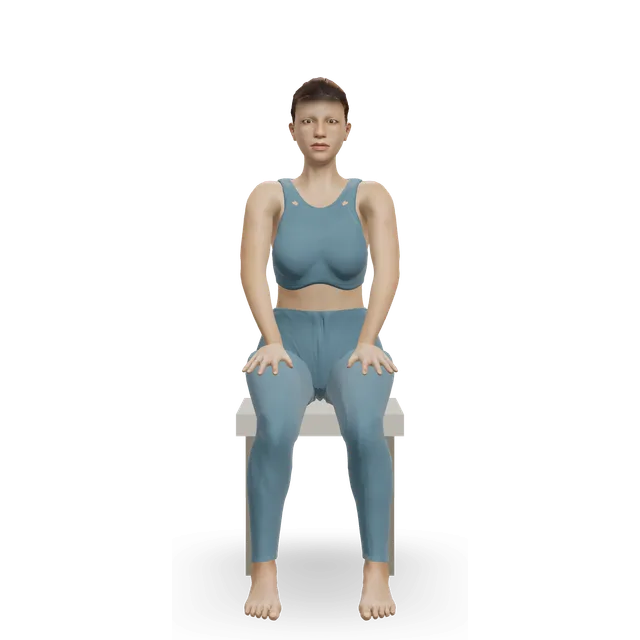
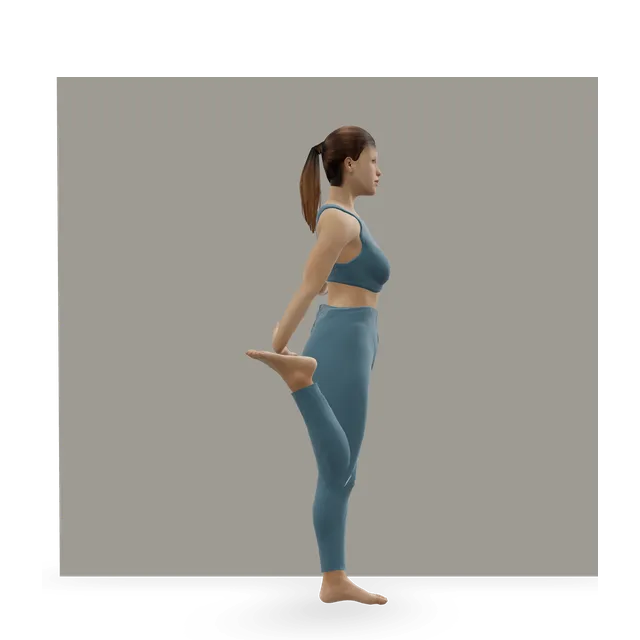
Start at the first stage. Each move opens a full guide with a 3D demo.

Stage 1

Settle: for the first 2 weeks, or a flare

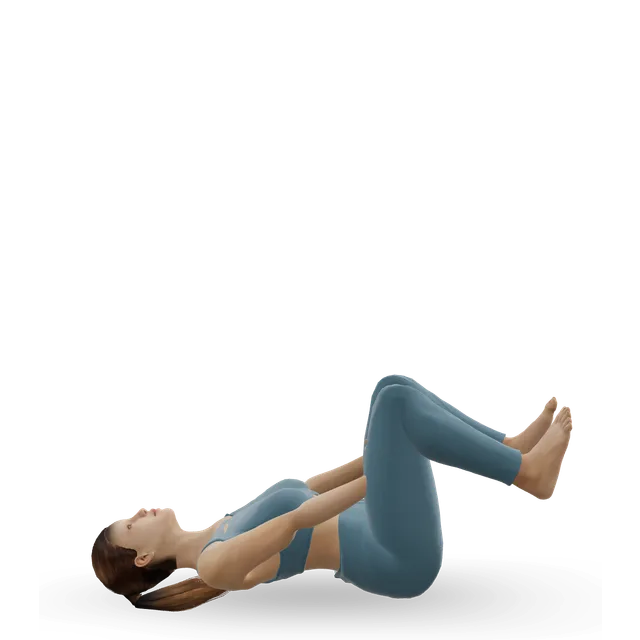
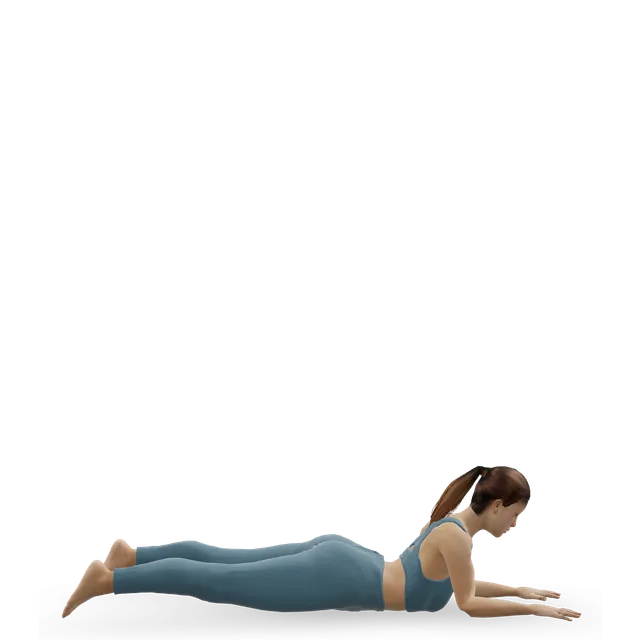
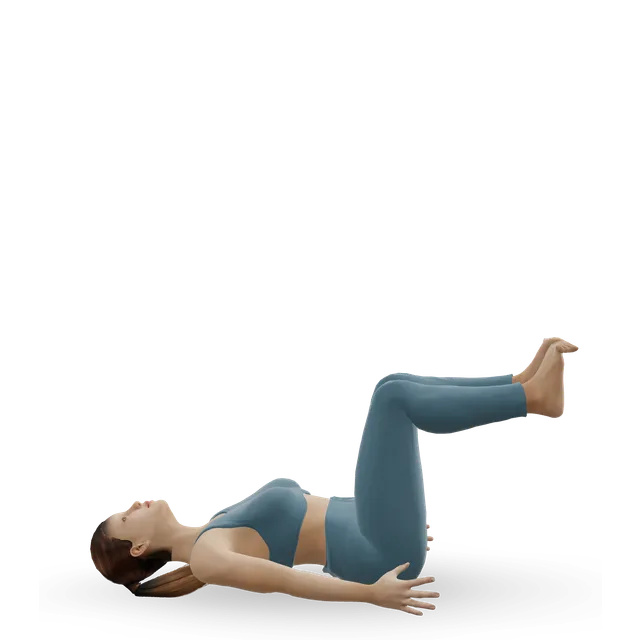
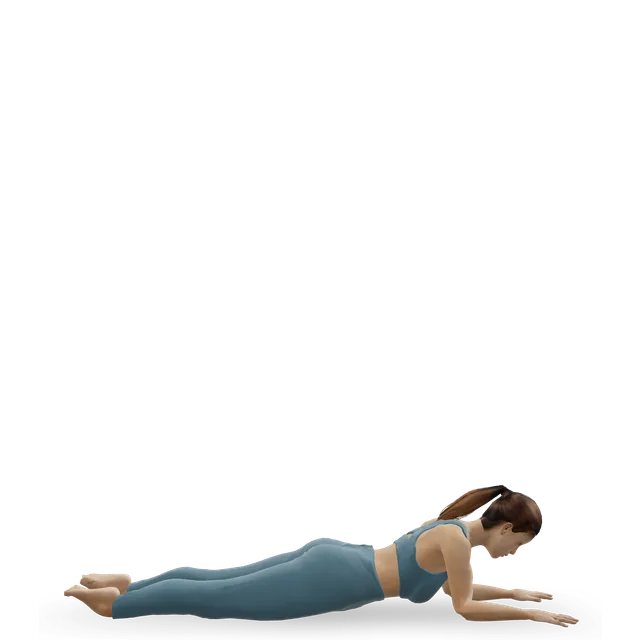
Little and often. Use whichever of knees to chest and sphinx eases your pain. The doses are editorial starting points unless a trial is named.

Move on when: The flare has calmed, and you can walk for 15 to 20 minutes.

Follow along: a timer, a cue and the next move, one step at a time.
Stage 2

Build: a core list for everyone, plus one lane

Weeks 2 to 8. Two or three sessions a week plus walking, and add one lane from "Pick a lane" above, about twice a week.

Move on when: You have done most planned sessions for a few weeks, and any pain settles by the next morning.

Follow along: a timer, a cue and the next move, one step at a time.
Stage 3

Strengthen: progressive load, and keep your lane

From about week 8, ongoing. Keep your lane going at least twice a week alongside.

Move on when: Improvements usually come over weeks. Add load one change at a time, and keep going: sticking with it is what the reviews keep coming back to.

Follow along: a timer, a cue and the next move, one step at a time.

What to change for now

Flare-ups

A flare is common and not a sign of damage. Drop back to stage 1 for a few days, keep walking, then rebuild. If one direction reliably eases it, use that direction during a flare. NICE's group exercise recommendation explicitly includes a specific episode or flare-up.

Sources 2, 1, 24

Should you avoid bending and lifting?

Avoiding bending or lifting long term isn't supported by the evidence: bending the back while lifting was not a risk factor for back pain, and lifting-technique training didn't prevent it. Gradually returning to movements you have come to fear is part of approaches such as cognitive functional therapy.

Sources 25, 26, 22

Routines to follow

More moves for this area

Questions people ask

What is the best exercise for chronic lower back pain?

The one you'll keep doing. No type is clearly best: Pilates often ranks near the top, but strength, motor control, walking, yoga and water exercise all help some people, and the differences between them are smaller than the difference between exercising and not.

Is Pilates or yoga better for back pain?

Pilates ranks a little higher in several network meta-analyses, but those trials are small, and Cochrane reviews found both about as good as other exercise. Choose the one you enjoy and can get to; in one trial, Pilates twice a week did better than once.

Is walking enough for chronic back pain?

It is a good base: walking helped about as much as other exercise in a review of 5 trials, and after recovery a walking programme delayed the next episode. Guidelines also support strength and trunk exercise, which is why the plan adds strength sessions alongside walking.

Will chronic back pain ever go away?

The research can't promise that. On average, exercise takes a real but modest edge off long-term back pain, and the benefit lasts while you keep it up. The pain often fluctuates, so judge progress over weeks, not days.

Should I avoid bending and lifting?

No. Bending the back while lifting has not been shown to be a risk factor, and training in safe lifting didn't prevent back pain. Build back into bending and lifting gradually; the strengthen stage does it on purpose.

Are core exercises necessary for back pain?

No more than other exercise. Motor control and core stability exercises help, but no more than other types. If you enjoy them they are a fine lane; if not, walking, Pilates or strength training work as well.

Other pain guides

Sources

  1. NICE NG59 · Low back pain and sciatica in over 16s: assessment and management (updated 2026)
  2. WHO 2023 · Guideline for non-surgical management of chronic primary low back pain in adults
  3. WHO 2023 · WHO releases first-ever guidelines on management of chronic low back pain (news release)
  4. Qaseem 2017 · Noninvasive treatments for acute, subacute and chronic low back pain (ACP guideline, Annals of Internal Medicine)
  5. George 2021 · Interventions for acute and chronic low back pain: JOSPT clinical practice guideline, revision 2021
  6. Hartvigsen 2018 · What low back pain is and why we need to pay attention (Lancet series)
  7. Hayden 2021 · Exercise therapy for chronic low back pain (Cochrane review of 249 trials)
  8. Hayden 2021 · Some types of exercise are more effective than others for chronic low back pain (network meta-analysis, Journal of Physiotherapy)
  9. Owen 2020 · Which modes of exercise training work best for low back pain? (network meta-analysis, BJSM)
  10. Fernández-Rodríguez 2022 · Pilates, strength, core and mind-body exercise for chronic low back pain (network meta-analysis, JOSPT)
  11. Hayden 2005 · Strategies for using exercise therapy in chronic low back pain (systematic review, Annals of Internal Medicine)
  12. Saragiotto 2016 · Motor control exercise for chronic non-specific low back pain (Cochrane review)
  13. Smith 2014 · Stabilisation exercises for low back pain (systematic review and meta-analysis, BMC Musculoskeletal Disorders)
  14. Yamato 2015 · Pilates for low back pain (Cochrane review)
  15. Miyamoto 2018 · Different doses of Pilates for chronic low back pain (RCT, BJSM)
  16. Wieland 2022 · Yoga for chronic non-specific low back pain (Cochrane review)
  17. Sherman 2011 · Yoga vs stretching vs a self-care book for chronic low back pain (RCT, Archives of Internal Medicine)
  18. Vanti 2019 · Walking vs other exercise for chronic low back pain (meta-analysis, Disability and Rehabilitation)
  19. Pocovi 2024 · WalkBack: walking and education to prevent low back pain recurrence (RCT, Lancet)
  20. Pocovi 2020 · The WalkBack trial protocol (BMJ Open)
  21. Shi 2018 · Aquatic exercise for low back pain (meta-analysis of 8 studies, Am J Phys Med Rehabil)
  22. Kent 2023 · Cognitive functional therapy for chronic disabling low back pain: RESTORE (RCT, Lancet)
  23. NHS · Back pain
  24. Long 2004 · Does it matter which exercise? Directional preference in low back pain (RCT, Spine)
  25. Saraceni 2020 · Lumbar flexion during lifting and low back pain (systematic review and meta-analysis, JOSPT)
  26. Verbeek 2011 · Manual handling advice and assistive devices for preventing back pain in workers (Cochrane review)
  27. Chou 2009 · Imaging strategies for low back pain (systematic review and meta-analysis, Lancet)
  28. Brinjikji 2015 · Spine degeneration on scans of people without back pain (systematic review, AJNR)
  29. Swain 2020 · No consensus that spine postures or physical exposures cause low back pain (review of systematic reviews, Journal of Biomechanics)
  30. Laird 2014 · Lumbo-pelvic movement in people with and without back pain (systematic review and meta-analysis, BMC Musculoskeletal Disorders)
  31. Smith 2017 · Should exercises be painful in chronic musculoskeletal pain? (meta-analysis, BJSM)
  32. May 2012 · Centralisation and directional preference (systematic review, Manual Therapy)
  33. NICE NG65 · Spondyloarthritis in over 16s: diagnosis and management
  34. NICE NG234 · Spinal metastases and metastatic spinal cord compression (2023)
  35. Royal Osteoporosis Society · Osteoporosis symptoms
  36. Downie 2013 · Red flags to screen for malignancy and fracture in low back pain (systematic review, BMJ)

Exercise education, not a diagnosis or treatment plan. It is written from the guidelines and studies listed above; review by a clinician is pending. If your pain follows an injury, is severe, is getting worse, or comes with any warning sign listed on this page, get it assessed. Health disclaimer.