Back spasm or pulled back muscle: what to do now, and what helps it settle
Sudden low back pain, often after lifting, bending or twisting, sometimes after nothing at all. The back feels stiff, guarded and sore to move, and the muscles may tighten into a spasm.
"Pulled muscle" and "spasm" are descriptions, not diagnoses: for nearly all back pain no specific damaged tissue can be found. The label matters less than the plan, because the advice is the same: keep moving, use heat if it helps, and build back up.
Exercise is for pain that has been checked or is clearly mild and settling.
Get urgent medical help if
Call 999 or go to A&E: loss of feeling or numbness around the genitals or bottom, new trouble peeing or controlling your bladder or bowels, changes in genital sensation during sex or problems with erections or orgasm, or pain, tingling, weakness or numbness in both legs. These are signs of cauda equina syndrome, which needs treating in hospital urgently. Don't drive yourself.
Call 999 or go to A&E: back pain with chest pain, or back pain that started after a serious accident, such as a car crash.
Call 999: sudden, severe pain in the tummy or back, which can come with breathlessness, pale or grey skin, or collapse. It can be a burst abdominal aortic aneurysm, most common in men aged 65 or over and in people who smoke or used to smoke.
Same day (GP or NHS 111): back pain and you feel hot, cold, shivery or generally unwell, or severe pain that starts suddenly or is getting worse quickly.
Same day (GP or NHS 111): pain in the lower back or side with a high temperature, burning or stinging when you pee, or needing to pee more often. It can be a kidney infection.
Same day: you have or have had cancer, and new back pain that is severe and doesn't let up, is getting steadily worse, is worse at night and disturbs your sleep, is worse when you cough, sneeze or strain, or comes with tenderness over the spine. Contact your cancer team or GP urgently. With cancer, new weakness, difficulty walking, numbness or bladder or bowel problems are an emergency.
See a doctor or physiotherapist if
Back pain that hasn't improved after a few weeks of looking after it at home, stops you doing day-to-day activities, or worries you.
Pain that doesn't improve with rest or is worse at night, or pain that is worse when you sneeze, cough or poo.
Unexplained weight loss, or a lump, swelling or change in the shape of your back.
Understand it
How long it usually takesStrong evidence
In cohorts of people seeking care for new back pain, average pain fell from 52 out of 100 to 23 by six weeks and 12 by six months. The NHS says back pain usually improves within a few weeks but can last longer or come back.
The NHS lists strains (pulled muscles) as a common cause, but for nearly all back pain no specific damaged tissue can be identified, so there is no need to work out exactly what you pulled.
Imaging did not improve outcomes in trials, and NICE advises against routine scans for low back pain outside specialist settings. Scans are for warning signs.
NICE suggests considering an anti-inflammatory (NSAID) at the lowest effective dose for the shortest time, not paracetamol on its own, and not routinely opioids for acute low back pain. Ask a pharmacist: anti-inflammatories such as ibuprofen may help but don't suit everyone.
Stay active: the best-supported adviceStrong evidence
In a Cochrane review, advice to stay active gave small improvements in pain and function over advice to rest in bed (2 trials, 401 people, moderate quality). NICE encourages carrying on with normal activities and getting back to work as soon as you can, and the NHS says don't stay in bed for long periods.
Heat wraps reduced pain and disability slightly in the short term in acute and subacute back pain (2 trials, 258 people), and adding exercise to heat reduced pain further at 7 days in one trial of 100 people. The American College of Physicians recommends superficial heat. Evidence on cold is too thin to judge; the NHS suggests ice for pain and swelling and heat for stiffness or spasm.
In the first weeks, exercise adds little over staying activeMixed evidence
An overview of reviews (21 trials, 2,685 people) found exercise therapy made little or no important difference to pain or disability in acute low back pain compared with advice to stay active, usual care, manipulation or a booklet, on very low to moderate certainty evidence. A US physiotherapy guideline words it weakly: clinicians "can use" exercise for acute low back pain.
So in the first weeks, staying active matters more than any particular exercise. The gentle moves below are for comfort and confidence.
In a trial of 312 people with back pain, 74% had a directional preference: repeated bending one way eased their pain. Exercises matching it did better than opposite or non-directional exercises, and a third of the unmatched groups dropped out within 2 weeks. Pain that moves back towards the spine (centralises) predicted a good outcome in 21 of 23 studies.
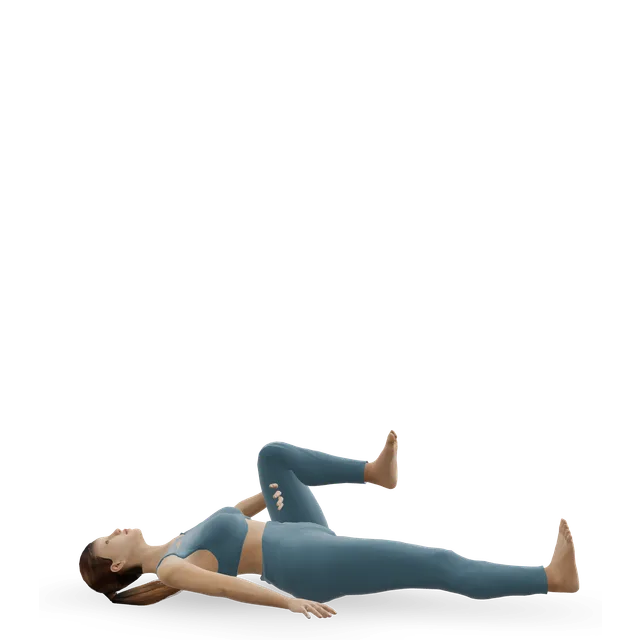
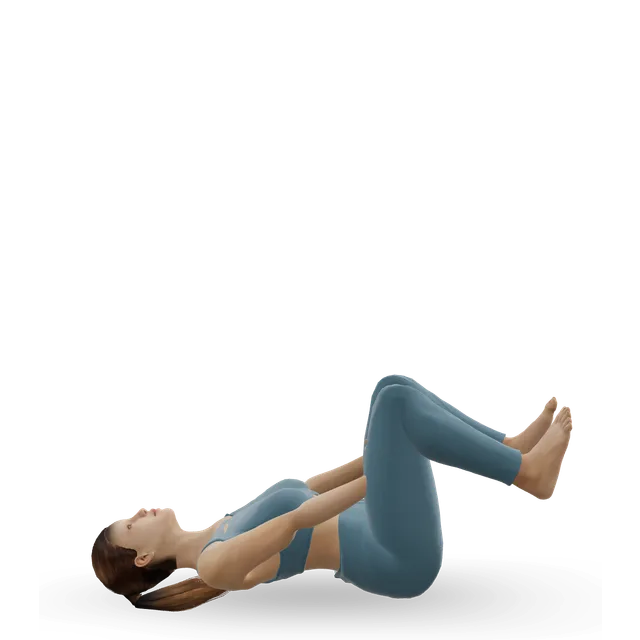
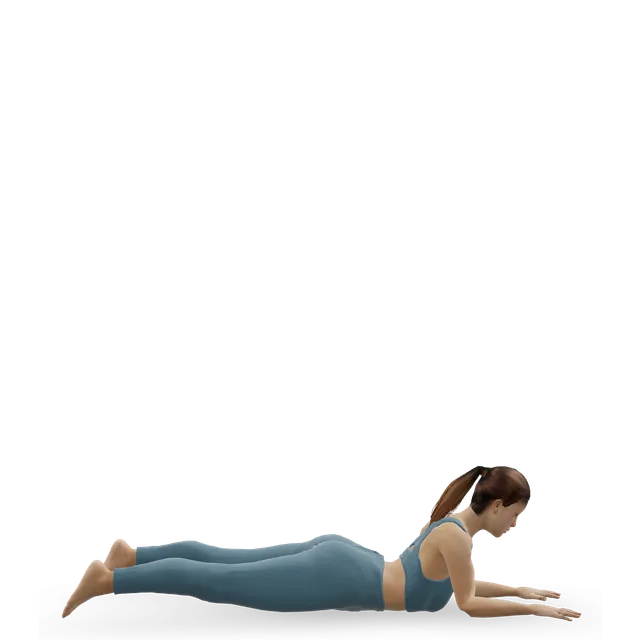
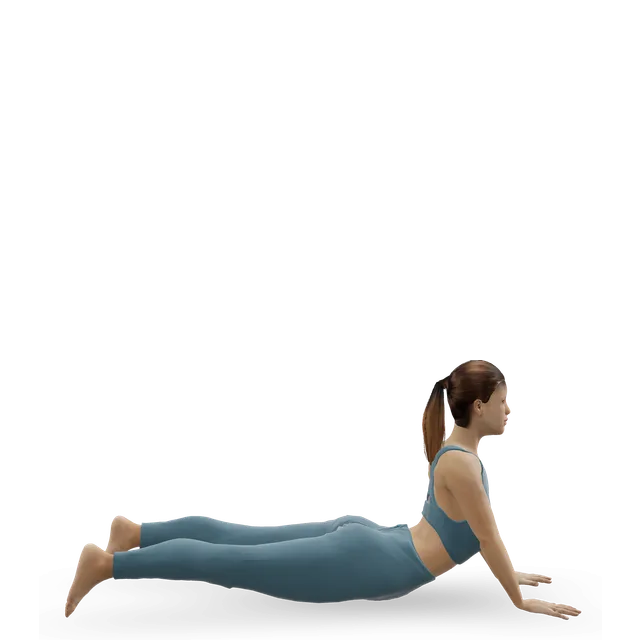
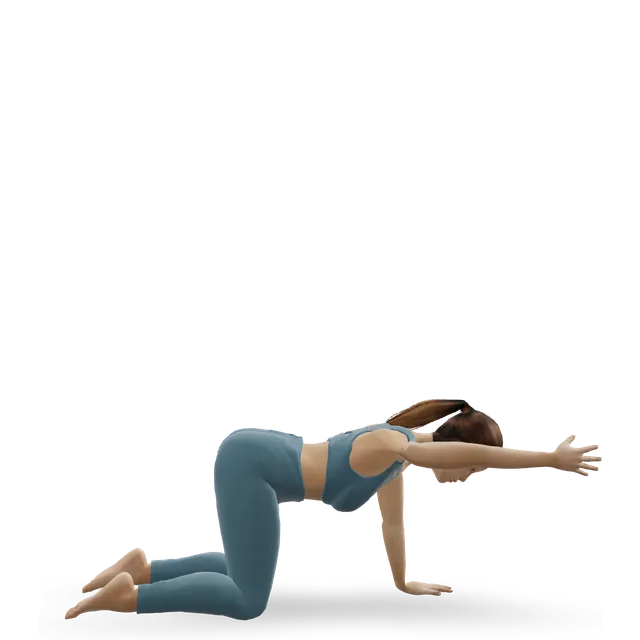
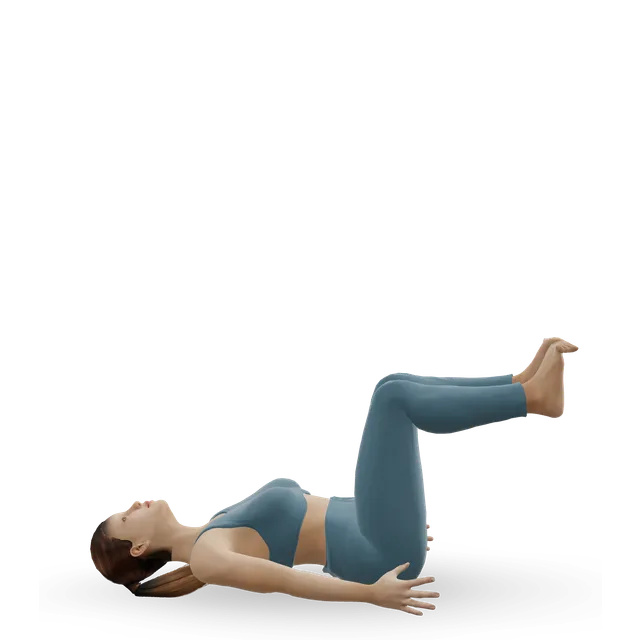
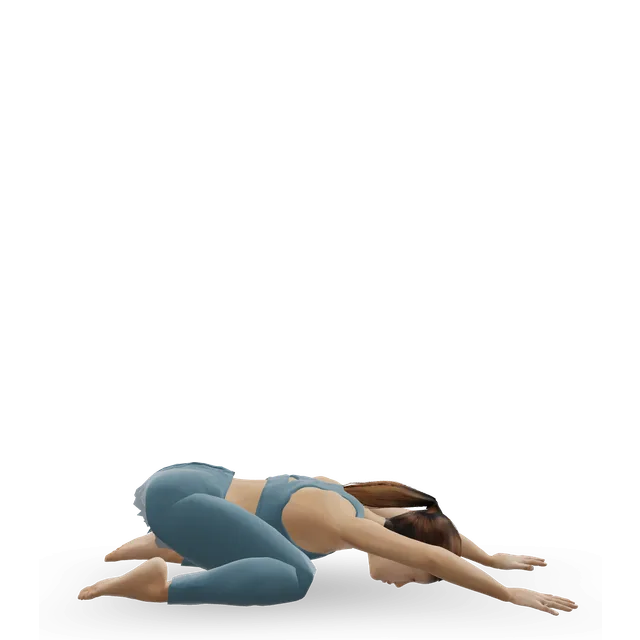
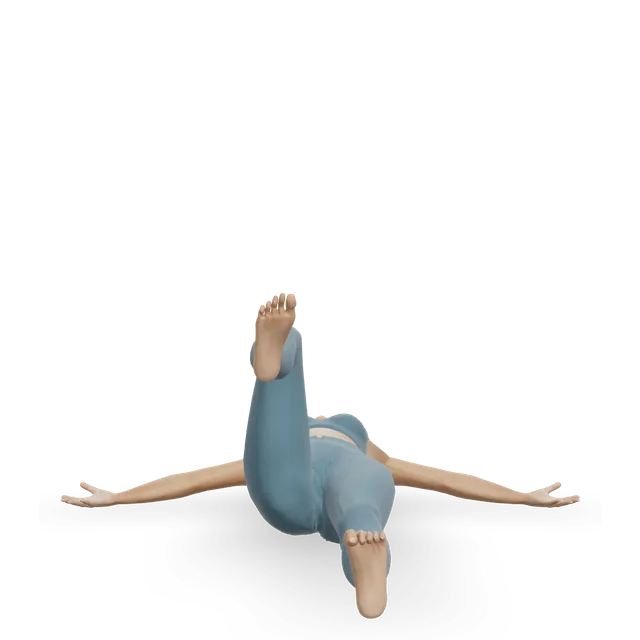
Test it gently: if bending forward eases your pain, use the knees-to-chest moves; if arching back eases it, use sphinx and the press-up.
The full McKenzie method adds only a littleMixed evidence
Adding the McKenzie method to first-line care for acute back pain reduced pain only slightly (about 0.4 to 0.7 points out of 10), with no difference in disability or in the chance of the pain persisting, though people sought less extra care.
Exercise earns its place in stopping the next oneEmerging evidence
Across prevention trials, exercise plus education lowered the risk of a new episode (risk ratio 0.55, about half the risk). In people who had recovered, a progressive walking and education programme nearly doubled the time to the next episode (a median of 208 days against 112).
NICE advises against belts or corsets, traction, TENS, ultrasound and acupuncture for low back pain, and recommends manual therapy only as part of a package that includes exercise.
Some discomfort during exercise is fine, and it does not mean you are doing damage: the WHO counts "hurt does not necessarily mean harm" among the messages people with back pain need. Aim for pain you would call mild to moderate, no more than about 5 out of 10. It should settle within an hour or so, and your back should be no worse the next morning. If it is worse, do less next time (fewer reps, a smaller range, a lighter load), not nothing.
Leg symptoms are the exception: stop or shrink any movement that sends pain, pins and needles or numbness further down your leg. If leg symptoms move back towards your spine, that is a good sign, even if your back aches a little more for a while.
If pain climbs day after day, or you notice any warning sign, stop and get it checked. The 5 out of 10 figure matches this site's other pain guides and has not been tested in a back pain trial; in trials of long-lasting muscle and joint pain, exercise that allowed some pain did no harm.
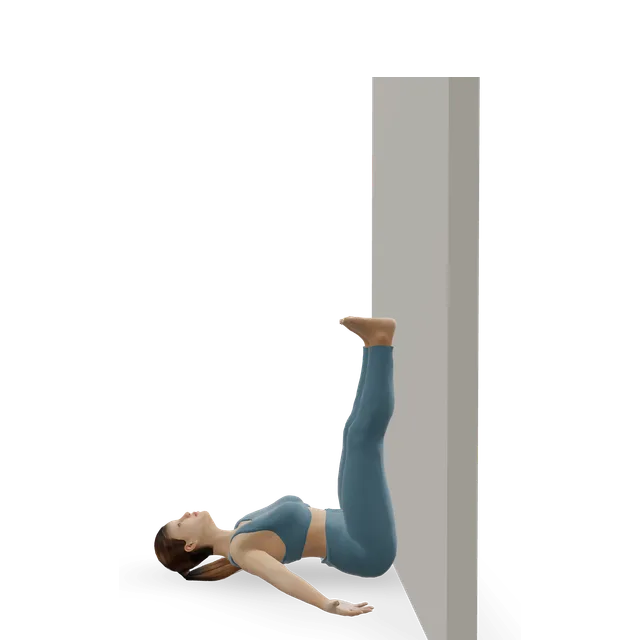
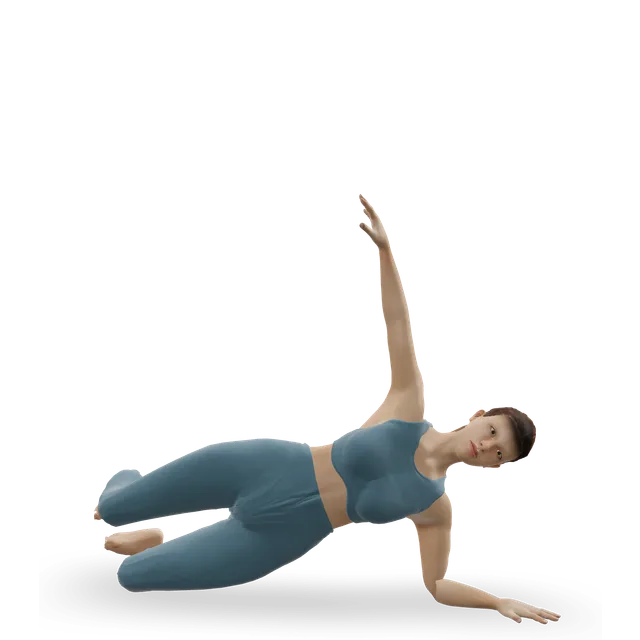
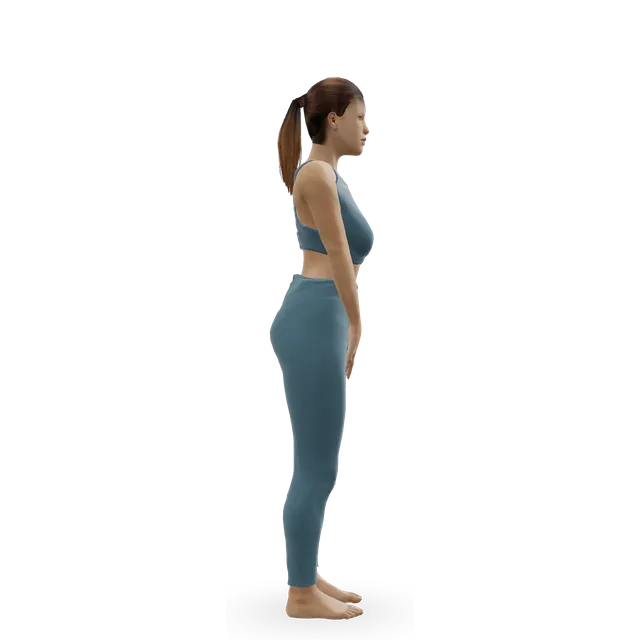
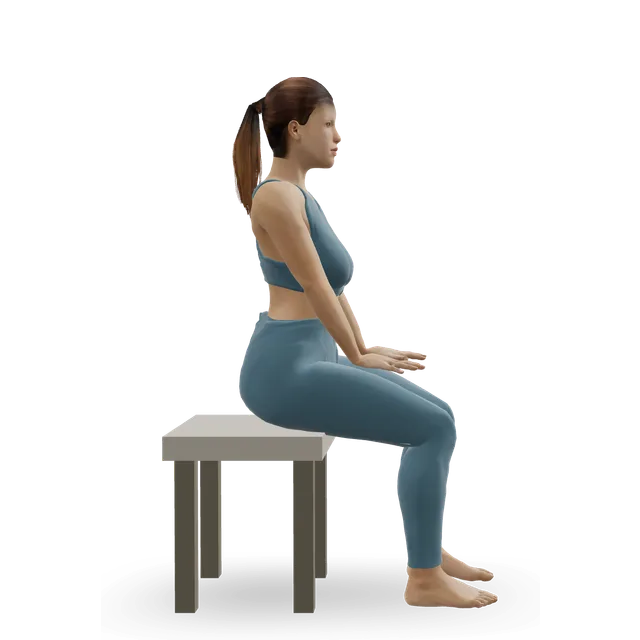
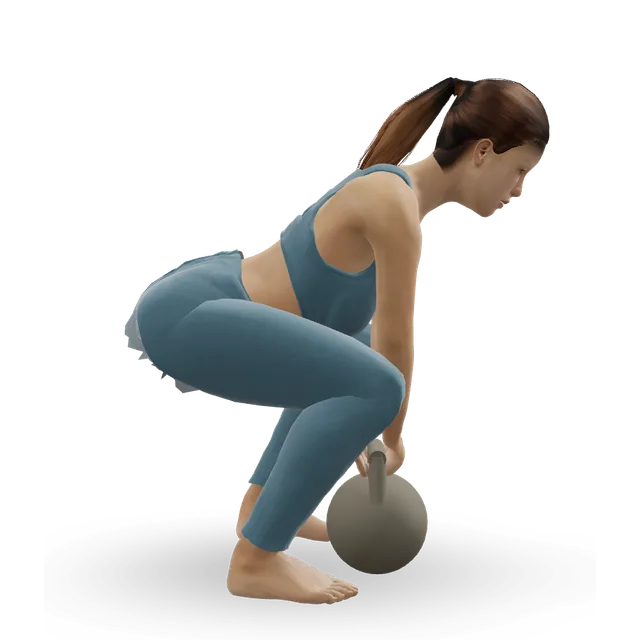
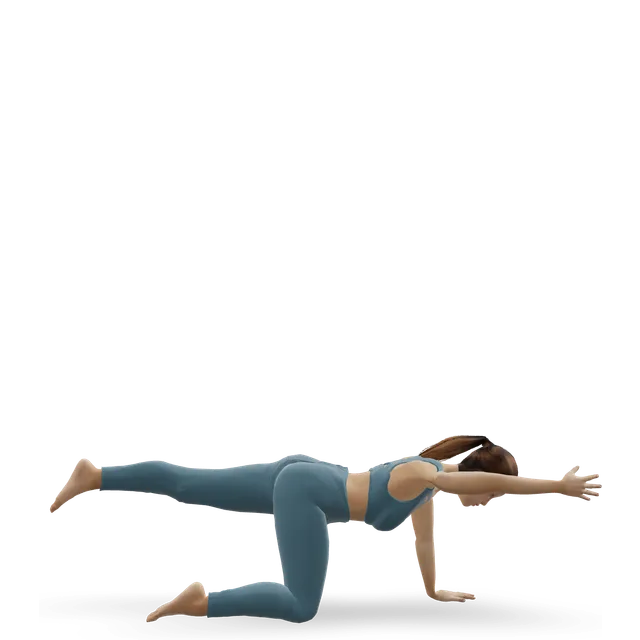
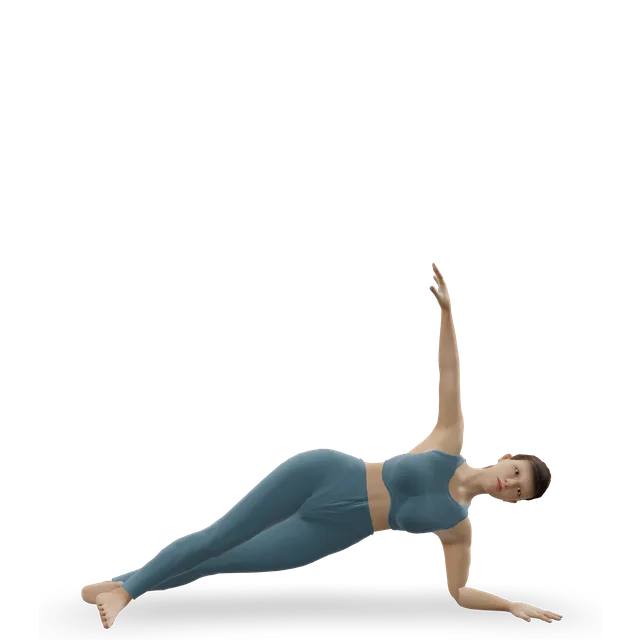
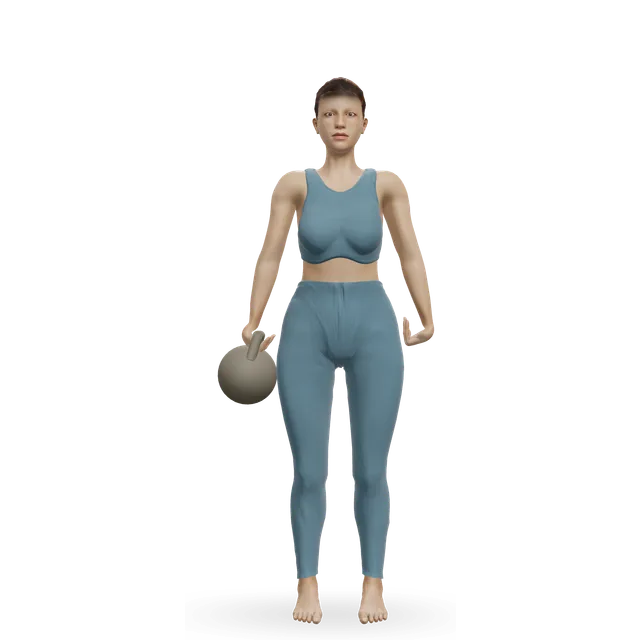
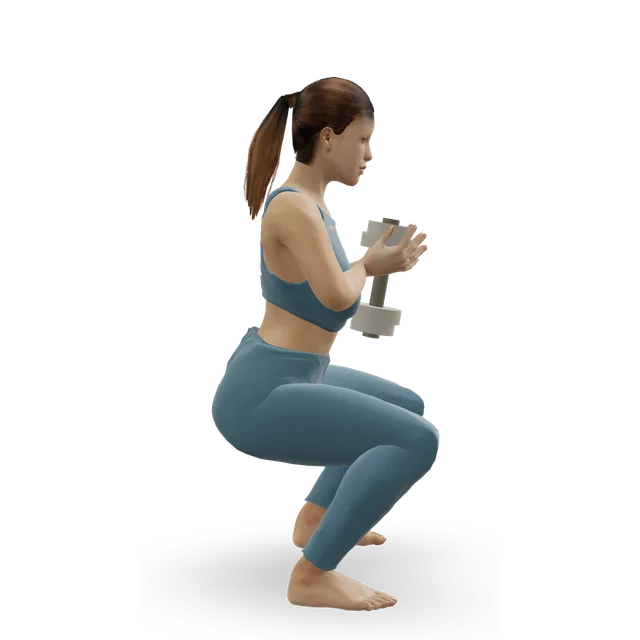
Start at the first stage. Each move opens a full guide with a 3D demo.
Stage 1
Settle: keep moving, little and often
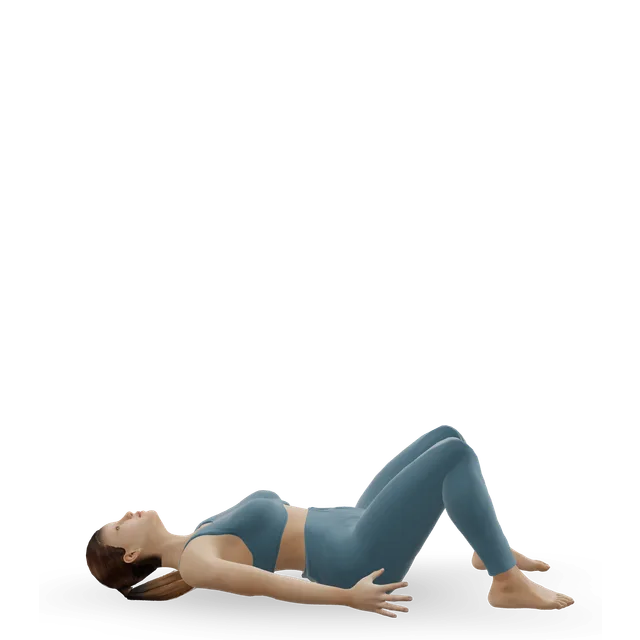
Days 0 to 7, daily. Heat for 20 minutes at a time, wrapped in a towel, if it helps. To rest, lie on your back with your knees bent and supported, or on your side with a pillow between your knees. Keep the knees-to-chest moves or sphinx and the press-up, whichever eases your pain. Doses are editorial starting points.
Move on when: Add load gradually, one change at a time, then keep two strength days and regular walking going.
Follow along: a timer, a cue and the next move, one step at a time.
What to change for now
Avoid long spells lying down or sitting
Bed rest does worse than staying active. Break up sitting with short walks: in one cohort, sitting for more than 5 hours a day predicted the pain coming back.
If bending forward hurts and arching eases it, do more of the easing direction for now, and the other way round. This is a temporary choice, not a lifelong rule.
No trial shows that a particular movement harms acute back pain. Lifting and bending come back gradually as pain allows, and bending the back while lifting has not been shown to be risky. A brace or belt is not recommended.
Heat has the better evidence: in two trials heat wraps eased pain and disability slightly in the short term, and there is too little research on cold to judge. The NHS suggests ice for pain and swelling and heat for stiffness or spasm, so use whichever feels better, wrapped in a towel.
How long does a pulled back muscle take to heal?
Most new back pain improves a lot within six weeks: in a large analysis, average pain fell from 52 out of 100 to 23 in that time. See a GP if it isn't getting better after a few weeks, stops your daily activities or worries you.
Should I go to work with a back spasm?
If you can, yes. NICE encourages getting back to work and normal activities, and staying active does slightly better than rest. Break up long spells of sitting with short walks.
Should I stretch a back spasm?
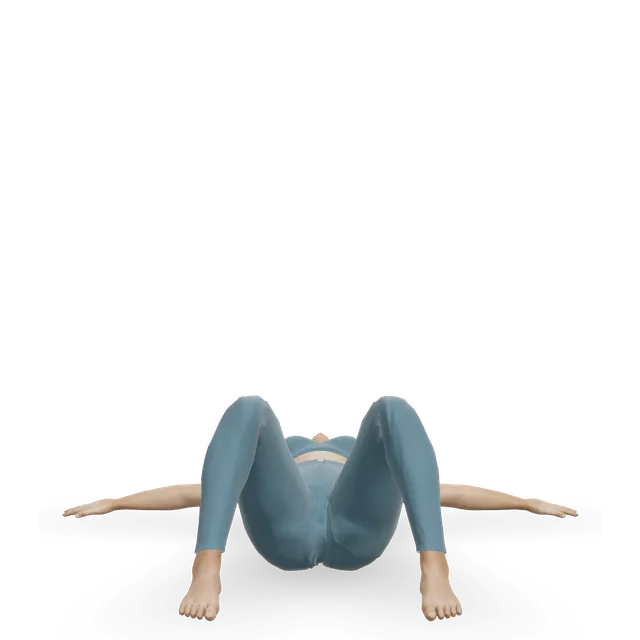
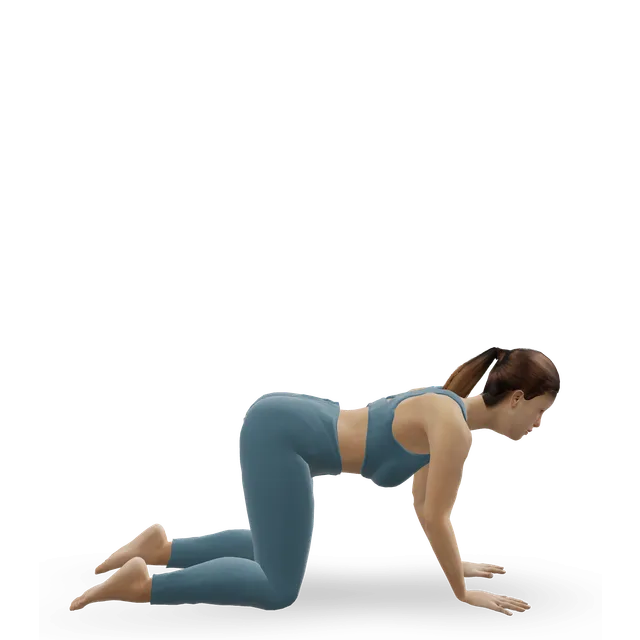
Gentle movement, yes, if it eases the pain: knees to chest if bending forward helps, sphinx if arching back helps, plus knee rolls and small cat-cows. In the first weeks, staying active matters more than any particular exercise, so don't force a stretch that makes it worse.
It hurts to breathe with a pulled back muscle: is that serious?
Back pain with chest pain needs a 999 call. Pain with a fever or feeling generally unwell needs a same-day check with a GP or NHS 111. If neither applies and it doesn't settle, see a GP.
Do I need a scan for a back spasm?
Usually not. Imaging did not improve outcomes in trials, and NICE advises against routine scans for low back pain. Scans are for warning signs.
Exercise education, not a diagnosis or treatment plan. It is written from the guidelines and studies listed above; review by a clinician is pending. If your pain follows an injury, is severe, is getting worse, or comes with any warning sign listed on this page, get it assessed. Health disclaimer.