Prone press-up (McKenzie press-up)
Lying face down, you straighten your arms to press your chest up while your hips, legs and back muscles stay relaxed, so the lower back arches without effort: the best-known McKenzie exercise, and a quick test of whether arching back eases your pain.
Movement guide
Prone press-up (McKenzie press-up)
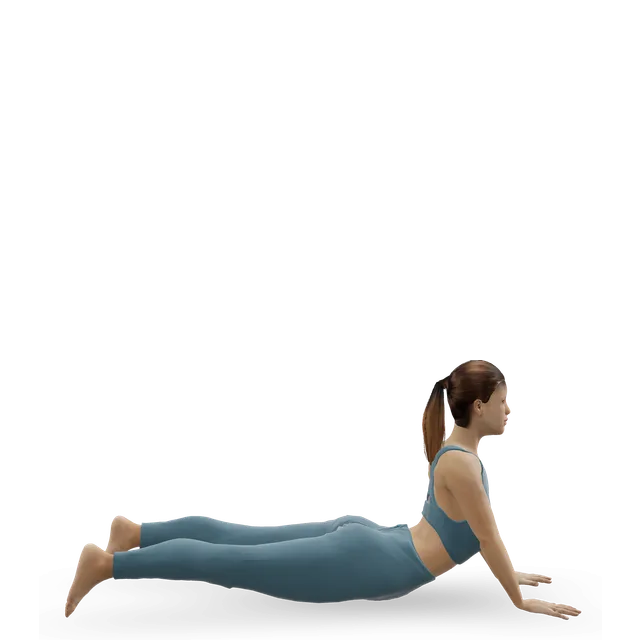
Loading the 3D figure…
Make it easier or harder
Start where you can move well, then step up.
Easier option
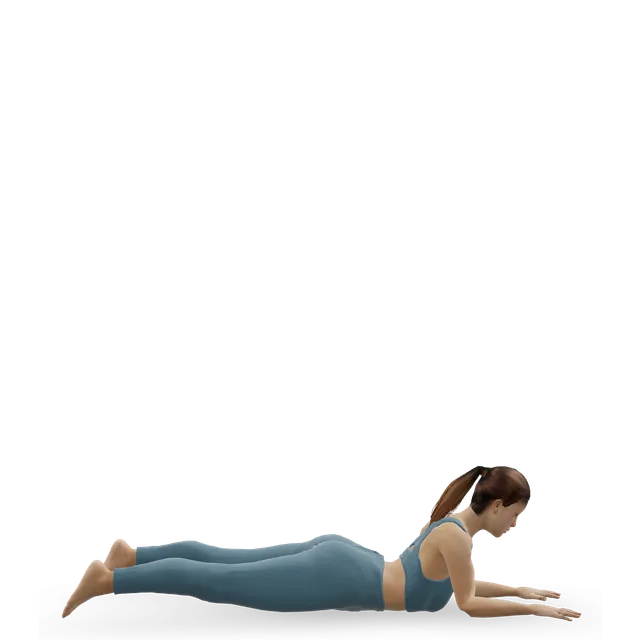 3D demoSphinx pose (Salamba Bhujangasana)Beginner · No equipment
Suggested next step, beginner grade.
Harder option
No harder option is listed yet. Add load, slow the lowering or add reps.
Source-researched guide. Clinical review is pending.
How to move
- Lie face down with your forehead on the floor, hands flat under your shoulders, elbows bent and legs relaxed. If this alone hurts, start with sphinx pose instead.
- Breathe out and slowly straighten your arms to lift your chest, keeping your hips on the floor.
- Keep your lower back and buttocks relaxed, so the arch comes from your arms pushing, not from squeezing your back muscles.
- Pause for 1 to 2 seconds at the top, letting your belly sag towards the floor.
- Lower slowly. Repeat, going a little higher each time if it stays comfortable.
Form cues
- Let the arms do the work; the back stays soft.
- Breathe out on the way up.
- Avoid: lifting the hips off the floor, clenching the buttocks or back, shrugging the shoulders up to the ears, holding your breath, or pushing on through pain that spreads down the leg.
Practice and cautions
10 slow repetitions, 3 to 5 times a day, while it helps. An editorial starting point: McKenzie programmes repeat movements in the direction that eases pain, but the trial reports behind this guide do not give a standard dose.
Stop if pain spreads further down the leg or you get new pins and needles or numbness. A short-lived rise in central back ache while leg symptoms move back towards the spine is acceptable. Skip it with lumbar spinal stenosis or if arching brings on leg symptoms, and avoid lying face down later in pregnancy. This is movement education, not an assessment or treatment prescription. Stop for sharp or increasing pain, dizziness, numbness or tingling; seek individual guidance for symptoms, injury or restrictions.
Sources and review status
Sources support the educational description; they do not establish that this exercise is suitable for you.
- Long 2004 · Does it matter which exercise? Matching exercise to directional preference in low back pain (RCT, Spine) ↗
- May 2012 · Centralisation and directional preference (systematic review, Manual Therapy) ↗
- Machado 2010 · The McKenzie method added to first-line care for acute low back pain (RCT, BMC Medicine) ↗
- Garcia 2018 · McKenzie method vs placebo for chronic low back pain (RCT, BJSM) ↗
- Katz 2022 · Diagnosis and management of lumbar spinal stenosis (review, JAMA) ↗
No variation is labeled clinically validated.
What it works
Muscles
Main: Back. Also: Triceps, Chest.
Anatomy: Latissimus dorsi, Teres major, Trapezius, Rhomboids, Erector spinae, Multifidus.
Equipment
None: body weight and floor space.
Level
Beginner. See the easier and harder options above.
Pain guides that use it
Part of a staged plan, with when to get help first.
Similar moves
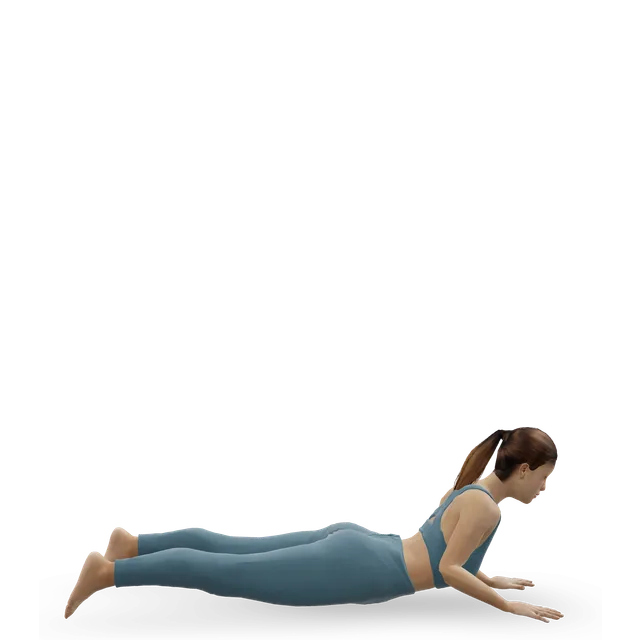 3D demoCobra pose (Bhujangasana)Intermediate · No equipment
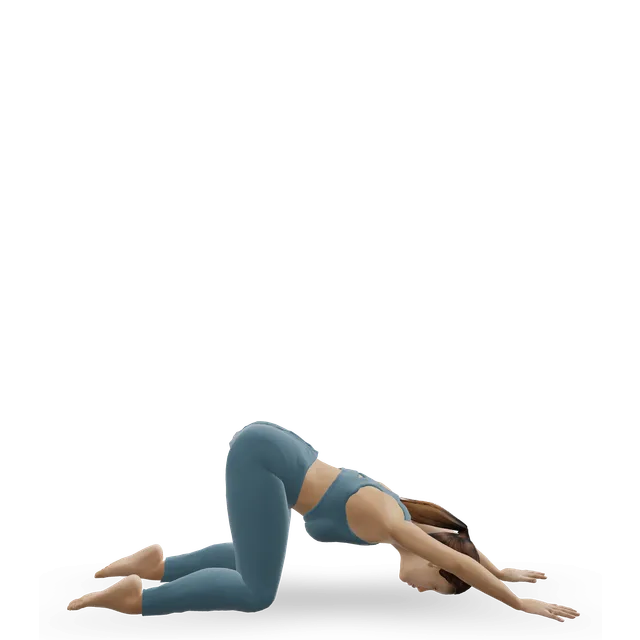 3D demoExtended puppy pose (Uttana Shishosana)Beginner · No equipment
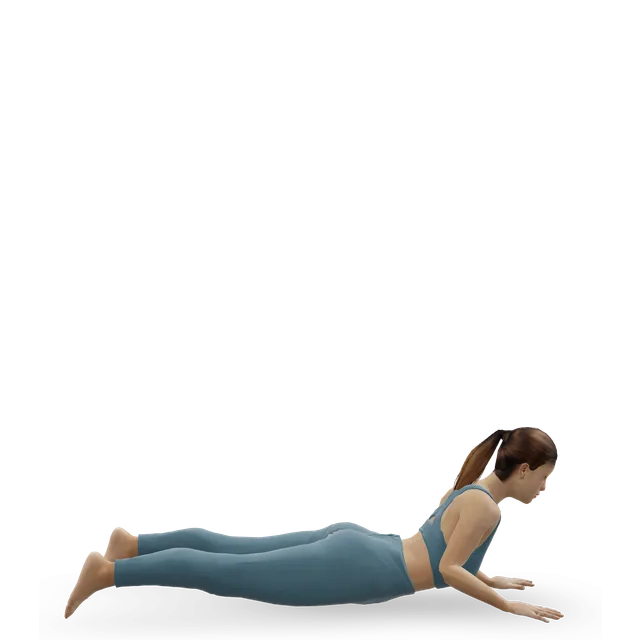 3D demoLow cobra (Bhujangasana)Beginner · No equipment
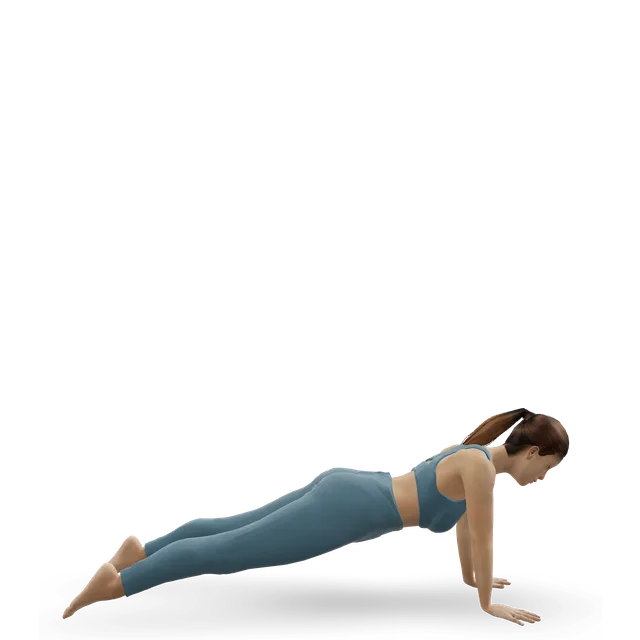 3D demoUpward-facing dog (Urdhva Mukha Svanasana)Intermediate · No equipment
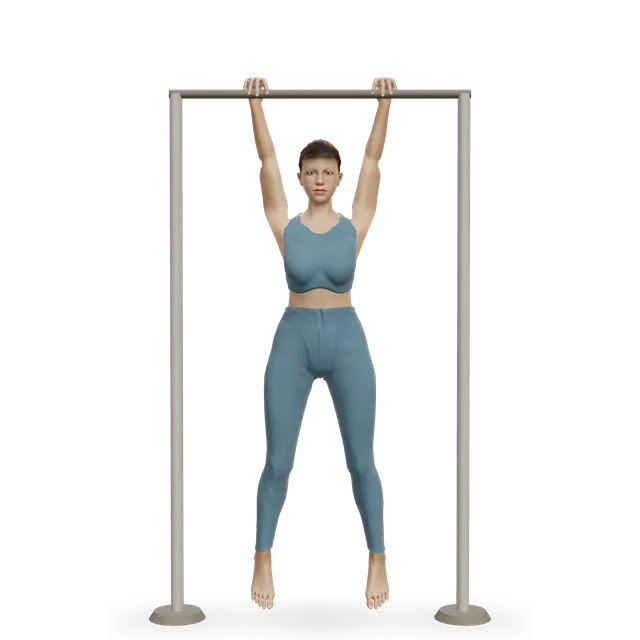 3D demoBar hangIntermediate · Pull-up bar + A step
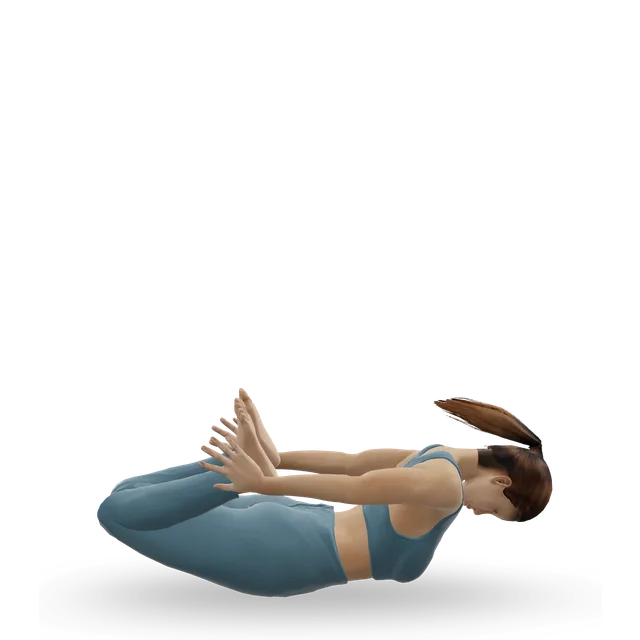 3D demoBow pose (Dhanurasana)Intermediate · No equipment
Browse more
Questions people ask
What muscles does the Prone press-up (McKenzie press-up) work?
Mainly the back, with help from the triceps and chest.
What equipment do I need for the Prone press-up (McKenzie press-up)?
No equipment: your body weight and a little floor space.
Is the Prone press-up (McKenzie press-up) good for beginners?
It is graded beginner, so it suits most people starting out.
What is an easier alternative to the Prone press-up (McKenzie press-up)?
Try the Sphinx pose (Salamba Bhujangasana). It is the suggested step down from this move.