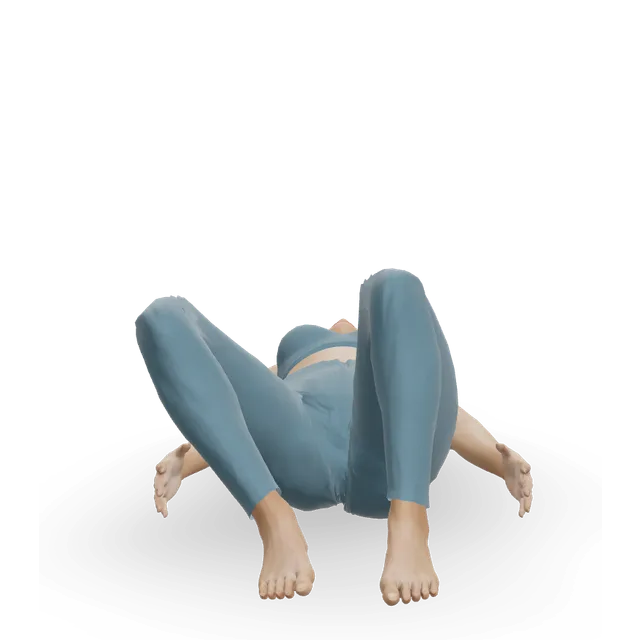
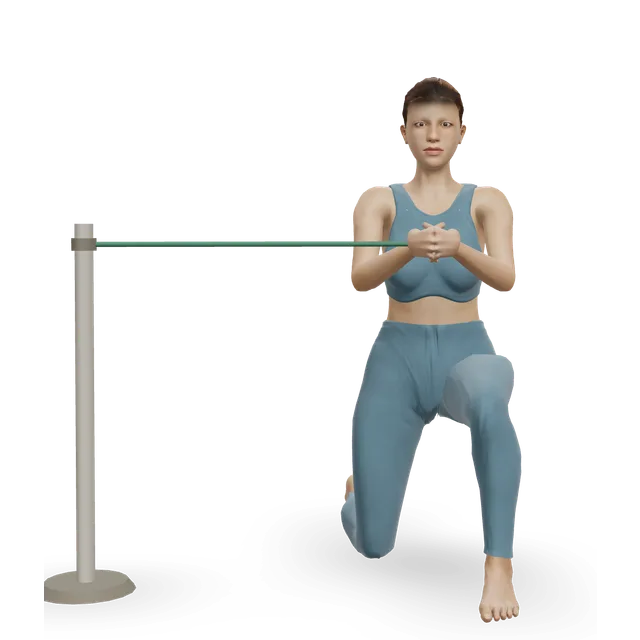
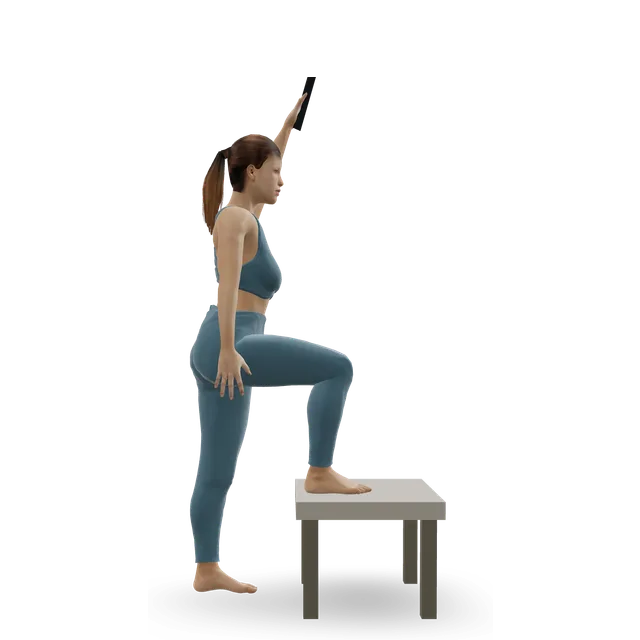
Exercise guide

Exercise after giving birth: when to start and how to build back up

After a straightforward birth, you can start gentle exercise, such as walking and pelvic floor exercises, as soon as you feel up to it. After a caesarean, a tear or a complicated birth, recovery takes longer: walk every day, and wait about 6 weeks before exercise classes or lifting anything heavier than your baby.

Exercise after birth helps with low mood, back pain and leaking. Some popular rules rest on expert opinion rather than trials, including the 3-month wait before running and how to treat a gap between the tummy muscles, and this guide says which is which.

Ask your midwife, health visitor or GP before you start if you had a complicated birth, heavy bleeding, a heart or blood pressure problem, or a wound that hasn't healed. Get help the same day for bleeding that gets heavier or comes back, a fever, a red or oozing wound, calf pain or swelling, chest pain or breathlessness.

The short version

Start gently, as soon as you feel readyStrong evidence

After a straightforward vaginal birth, walking, gentle stretches and pelvic floor exercises can start when you feel up to it; ACOG says "a few days after giving birth, or as soon as you feel ready". Build up gradually, and ask at your 6-week check before high-impact exercise such as running or aerobics.

Sources 1, 2

After a caesarean, it takes longerStrong evidence

A caesarean is major surgery. Walk every day from the start, and begin pelvic floor exercises once your catheter is out. Wait about 6 weeks, or until it's comfortable, before exercise classes, the gym or lifting anything heavier than your baby. The timings are expert advice, so go by how you feel.

Sources 3, 4

Build towards 150 minutes a weekStrong evidence

Over the first year, build up towards at least 150 minutes of moderate activity a week with strength work twice a week (UK, WHO, ACOG). Canada's 2025 guideline sets at least 120 minutes over 4 or more days. Any progress counts.

Sources 5, 6, 2, 7

Pelvic floor exercises from day one, and a tummy gap is normal

Start pelvic floor exercises as soon as you can and keep going every day: they cut the odds of leaking after birth. About 60% of first-time mothers have a gap between their tummy muscles at 6 weeks. Exercise narrows it only slightly, but builds strength, and in a trial curl-ups didn't widen it.

Sources 5, 4, 8, 9, 10, 11

Running usually waits about 3 monthsMixed evidence

UK guidance suggests not running before about 3 months, and only when walking, hopping and jogging on the spot cause no leaking, heaviness or pain. That timing is expert opinion; a 2024 international consensus allows an individual plan after at least 3 weeks' rest.

Sources 12, 13

Breastfeeding and mood

Exercise doesn't reduce your milk supply or quality, or affect your baby's growth: feed or express first for comfort. Exercise also eases low mood after birth, alongside, not instead of, support from your GP, midwife or health visitor.

Sources 14, 15, 16, 17

When to stop and get help

Get help immediately

Call 999 or go to A&E if it feels like an emergency:

  • sudden or very heavy bleeding, especially if you feel faint or dizzy
  • chest pain, or sudden shortness of breath
  • thoughts of harming yourself or your baby: get urgent mental health help

Sources 18, 3, 17

Contact your midwife or GP the same day, or NHS 111 out of hours

Stop exercising and get advice for:

  • vaginal bleeding that gets heavier or comes back after it had settled, or passing clots or tissue
  • a fever or shivering, pain in your tummy, pelvis or the area between your vagina and anus, or a discharge or bleeding that smells unpleasant (possible infection)
  • a caesarean wound that gets more red, painful or swollen, or oozes
  • a swollen, tender leg, or shortness of breath (possible blood clot)
  • a headache that is severe or won't go away (possible high blood pressure or pre-eclampsia, which can happen after birth)
  • red, swollen breasts that don't settle within 24 hours
  • pain when you pee, or not being able to pee

Sources 18, 3, 19, 20

Ease off, and see someone soon

See your GP, health visitor or a pelvic health physiotherapist if you have:

  • leaking urine, wind or poo, or a sudden need to go that's hard to hold
  • heaviness, pressure, dragging or a bulge in the vagina (possible prolapse)
  • pain during sex
  • a tummy gap that's still obvious 8 weeks after the birth, or tummy pain
  • pelvic or low back pain still there at 6 weeks
  • bleeding that carries on or increases beyond 8 weeks and isn't a period
  • feeling low, anxious or unable to cope

Sources 12, 21, 22, 4, 23, 24, 17

If exercise brings your bleeding back

If your bleeding turns red again, gets heavier or restarts after exercise, you've probably done too much. Drop back, and tell your midwife if it continues. This rule is ours, built from the Canadian and NICE guidance.

Sources 7, 18

Who should check before harder exercise

The 2025 Canadian guideline lists reasons to talk to a doctor before moderate or vigorous exercise in the first year. Everyday activity can usually continue.

It adds that mental health, pelvic floor and tummy muscle problems, pain, wound healing, sleep, fear of movement and breastfeeding may need support, but aren't reasons to avoid activity.

  • severe tummy pain, or vaginal bleeding that isn't a period
  • heart muscle weakness after pregnancy (postpartum cardiomyopathy), new heart symptoms, chest pain when you exert yourself, or difficulty breathing at rest
  • a caesarean with symptoms, such as wound pain, that get worse with harder exercise
  • unstable blood pressure above 140/90 mmHg
  • an eating disorder, malnutrition, or tiredness that suggests anaemia or not eating enough
  • muscle weakness affecting your balance, dizziness during exercise, or fainting
  • kidney disease, a fracture or another significant injury
  • calf pain or swelling that could be a blood clot
  • an infection with fever, body aches or swollen glands

Sources 7, 25

When can I start, and how fast can I build up?

After a straightforward vaginal birthStrong evidence

Start gentle exercise as soon as you feel up to it: walking, pelvic floor exercises and gentle stretches. The UK Chief Medical Officers say to listen to your body and start gently, depending on your delivery. Pelvic floor training can start straight after the birth. Move on only while there is no pain, heaviness, leaking or increase in bleeding.

Sources 1, 2, 5, 24, 7

After a caesarean, a tear or stitchesStrong evidence

Get out of bed and walk as soon as you can, and walk every day to lower the risk of blood clots. Support your wound with a hand, pillow or towel when you cough, sneeze or laugh, and roll onto your side to get out of bed. Encourage toddlers to climb onto your lap rather than lifting them.

The NHS says to start exercise, carrying anything heavier than your baby, driving and sex again only when you feel able and they don't hurt, which may not be for 6 weeks or so. The gentle floor exercises below are safe in the first days and weeks; adapt any that pull on the wound. The grade is for the guidance: the exact timings are expert advice.

Sources 3, 4, 7

A timeline, step by step

No trial has tested a timeline. This one combines the UK return-to-running guideline, the POGP physiotherapy booklet and NHS advice. Move to the next step only if there is no pain, heaviness, leaking or increase in bleeding.

  • First days: pelvic floor exercises (once any catheter is out), gentle tummy draw-ins and walking. After a caesarean, get up and walk as soon as you can.
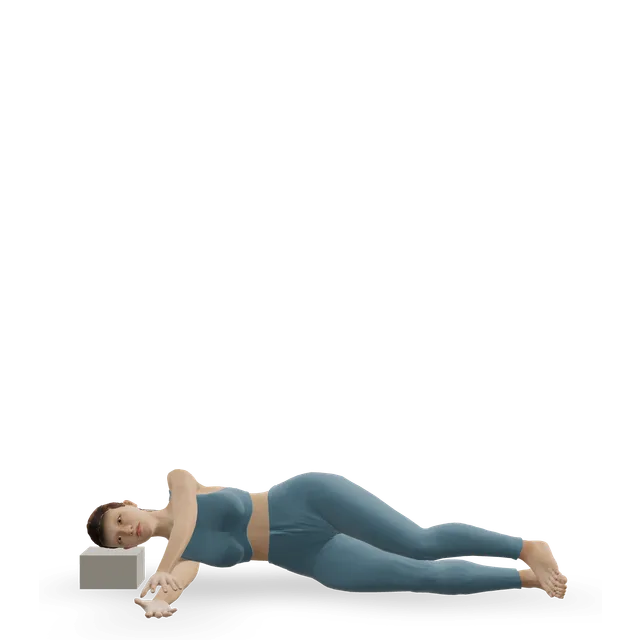
  • Weeks 0 to 2: add pelvic tilts, heel slides, knee fall-outs and side-lying leg lifts.
  • Weeks 2 to 4: longer walks, and squats, lunges and bridges in line with everyday tasks. After a caesarean, avoid straining: no long periods standing, vacuuming or carrying heavy bags.
  • Weeks 4 to 6: a static bike or cross-trainer once sitting on a saddle is comfortable. After a caesarean, stay with walking and the floor exercises.
  • Weeks 6 to 8, after your postnatal check: brisk walking, longer low-impact sessions, postnatal classes, and light strength work, such as deadlift practice no heavier than a baby in a car seat at first.
  • Weeks 8 to 12: swimming once your bleeding has stopped for 7 days (after a caesarean, once your wound has been checked at about 6 weeks), and a spin bike if it's comfortable.
  • From about 12 weeks: a gradual return to running or jumping if you pass the readiness checks further down.
  • Through the first year: build towards 120 to 150 minutes a week, with strength work twice a week.

Sources 12, 4, 1, 3, 7, 5

The 6-week check is not a fitness test

Walking, gentle stretches and pelvic floor exercises don't need to wait for it; the UK running guideline calls a 6-week wait "too long" for gentle activity. Use the check to ask about high-impact exercise, leaking or a tummy gap. What the check covers varies, so it doesn't mean you're ready to run.

Sources 1, 22, 12

How much to aim for, and how hardStrong evidence

The UK, WHO and ACOG say at least 150 minutes of moderate activity a week, with strength work twice a week; ACOG suggests 20 to 30 minutes a day to start. After your 6 to 8 week check, the UK Chief Medical Officers advise building from moderate to vigorous activity over at least 3 months.

Canada's 2025 guideline sets a lower target, at least 120 minutes of moderate to vigorous activity over 4 or more days, because benefits appeared at that level and it allows for life with a baby. It also recommends daily pelvic floor training, starting or returning to moderate to vigorous activity within 12 weeks to support your mental health, and sitting for no more than 8 hours a day.

Use the talk test: moderate means you can talk but not sing; vigorous means it's hard to talk without pausing for breath. Build up time before speed or effort.

Sources 5, 26, 6, 2, 7, 16, 12

The first days and weeks

The figure shows position only: it can't show the pelvic floor squeeze or the tummy draw-in. Doses from the POGP physiotherapy booklet: pelvic floor, 10 slow holds of up to 10 seconds and 10 quick squeezes, 3 times a day; pelvic tilts (the first half of the pelvic tilt into bridge), up to 10, holding 3 seconds; heel slides and head lifts (the chest lift, head only at first), up to 10; knee fall-outs and knee folds, 2 sets of 5 to 10 each side, every other day. Side-lying tummy draw-in: hold 10 seconds, up to 10 times (NHS). Clamshells and side-lying leg raises, 8 to 12 each side, and sit-to-stands, 8 to 10, are editorial starting points. Walk from about 10 minutes, a little more each day. After a caesarean, leave the head lift and knee fold until they don't pull on the wound; after stitches, if lying on your back is sore, do the pelvic floor exercises on your side.

A follow-along first workout

The postnatal exercises workout puts the first-weeks moves in order, with a walk to finish: start with fewer reps, once to three times a day. The pelvic floor routine takes 5 minutes; after birth, do its settle breathing sitting or on your side.

Your pelvic floor

Leaking is common, and you don't have to put up with it

About a third of women have urinary incontinence after childbirth, and up to a tenth faecal incontinence. A 2023 UK government release put it at about 1 in 3 women leaking urine 3 months after birth, about 1 in 7 with anal incontinence at 6 months, and 1 in 12 with symptoms of prolapse. It is treatable.

Sources 27, 28

Started in pregnancy, training prevents leakingStrong evidence

For women without leaks, pelvic floor training in pregnancy prevents leaking 3 to 6 months after the birth (high-quality evidence). A separate meta-analysis found prenatal training cut the odds of leaking after birth by 37% (10 trials).

Sources 27, 29

Started after birth, the evidence is mixedMixed evidence

A 2025 review found training after birth cut the odds of leaking by 37% (7 trials, 1,930 women, moderate certainty) and of prolapse by 56% (one trial of 123 women). The 2020 Cochrane review was less positive: offering training to every new mother is unlikely to reduce leaking, and for leaking that persists, the benefit at 6 to 12 months is uncertain (low-quality evidence).

The honest summary: daily training is recommended for everyone and is low-risk, and if you have symptoms, supervised one-to-one training is the evidence-based next step.

Sources 8, 27, 30

What NICE recommendsStrong evidence

Pelvic floor training should be encouraged before you leave hospital and through postnatal care. NICE suggests considering a 3-month supervised programme after a forceps or ventouse birth, a back-to-back (face-up) birth, or a tear involving the anal sphincter, and offering at least 3 months of supervised training for leaking with coughs, sneezes or effort. It adds that walking or swimming on their own haven't been shown to improve or worsen symptoms.

Source 30

How to do them

Squeeze as if you were stopping wind and urine at the same time, and feel a squeeze and lift inside the vagina. Don't hold your breath or clench your buttocks. POGP's dose is 10 long squeezes held for up to 10 seconds, with 10 seconds' rest between, then 10 short squeezes, at least 3 times a day. Start lying or sitting and progress to standing and moving. If your muscles were weak, you should notice an improvement in 3 to 5 months.

Tighten before you cough, sneeze, laugh or lift ("the knack"). If you can't feel a squeeze, or you feel a bulge in the vagina when you try, see a specialist physiotherapist.

Sources 4, 21

Seeing a pelvic health physiotherapist on the NHS

Mention leaking, heaviness, pain or a tummy gap at your 6 to 8 week check: your GP can refer you. Your midwife or health visitor can refer you too. In 2023 the government said every area of England was on track to have a perinatal pelvic health service by March 2024, run by specialist midwives and physiotherapists, and some let you refer yourself. One, in North Cheshire and Mersey, accepts referrals in pregnancy and up to 18 months after birth for tummy gaps, pelvic girdle pain, leaking, constipation, prolapse, painful sex, severe tears and perineal wound problems.

Search for your local NHS trust's name with "perinatal pelvic health service". These aren't emergency services: problems peeing, an infection or a wound breaking down need your GP or NHS 111.

Sources 22, 18, 21, 1, 28, 20

A gap between your tummy muscles (diastasis recti)

How common it isStrong evidence

In 300 first-time mothers checked by finger width, 60% had a gap of at least two finger widths 6 weeks after the birth, 45% at 6 months and 33% at 12 months. On ultrasound, 39% of 84 women still had one at 6 months. Heavy lifting at least 20 times a week was the only factor linked with it.

Sources 9, 31

The NHS says 8 weeks; the studies say longer

The NHS says the gap will usually go back to normal by the time your baby is 8 weeks old, and to see your GP if it's still obvious then. The cohort studies show many women still have some gap at 6 and 12 months. Both can be true: gaps keep narrowing over months, and a gap on its own isn't a problem.

So keep the NHS advice: if the gap is obvious at 8 weeks, or you have pain or a bulge, see your GP or a physiotherapist. Just don't expect it to have closed by then.

Sources 21, 9

What it does and doesn't causeEmerging evidence

A review of 12 studies (2,242 women) found no link between a gap and low back or pelvic pain or leaking, a small link with prolapse, and possible links between the width of the gap and tummy strength, quality of life and how bad back pain is. In the cohort, women with and without a gap reported the same back and pelvic pain and had similar pelvic floor strength and leaking. One study found more tummy pain and possibly weaker tummy muscles with a gap.

Sources 32, 9, 33, 34

What exercise can doMixed evidence

Tummy exercises narrow the gap only a little: by about 4 to 5 mm on average compared with usual care. Whether that matters is unknown, and there is no agreed cut-off for diagnosing a gap. A weekly class with daily pelvic floor training from 6 weeks didn't change how many women had a gap at 6 or 12 months. A review rated all the evidence for specific programmes very low, and the IOC says there is no evidence on which tummy exercises work best.

Exercise is worth doing for strength and comfort. Don't expect it to close the gap.

Sources 10, 8, 35, 36, 24

Crunches are not bannedEmerging evidence

In a trial of 70 women 6 to 12 months after birth with a diagnosed gap, 12 weeks of head lifts and curl-ups, 5 days a week, didn't widen the gap and made the tummy muscles thicker and stronger. In the moment, head lifts and twisting curl-ups narrow the gap, while drawing your tummy in as hard as you can widened it slightly below the belly button. What these short-term changes mean in the long run is unknown. ACOG goes further than the evidence, saying crunches reduce how often a gap happens; the trials show small or no effects on the gap.

In the early weeks, the NHS advises avoiding sit-ups and planks to start with. Begin with head lifts and gentle tummy exercises and build up. If the middle of your tummy domes, or it hurts, make the move easier and get it checked.

Sources 11, 37, 38, 21, 15

How to check your tummy

Lie on your back with your knees bent and feet flat. Lift your shoulders slightly off the floor and look down at your tummy. Feel between the edges of the muscles, above and below your belly button, and count how many fingers fit in the gap. Check every so often to see it getting smaller.

Source 21

Building strength and fitness over the first 3 months

After a straightforward birth, squats, lunges and bridges can start from about 2 to 4 weeks, in line with everyday tasks; a static bike from 4 to 6 weeks; and light deadlift practice from 6 to 8 weeks, starting no heavier than a baby in a car seat (UK running guideline). After a caesarean, start strength work from about 6 weeks, when it's comfortable. Starting doses (editorial): 2 sets of 8 to 12 for the strength moves, 6 to 8 each side for lunges while holding a support; dead bug heel taps, 6 each side, stopping if the middle of your tummy domes; bird dog, 5 to 8 each side; cat-cow, 8 slow reps; cycling, 10 to 30 minutes at talk-test pace. Breathe out on the effort, and leave full planks and push-ups until later.

Getting back to running

The 3-month guidance, and whyMixed evidence

The 2019 UK return-to-running guideline says running isn't advisable before 3 months after the birth, or later if you have pelvic floor symptoms before or after trying it. Its authors grade that rule Level 4: expert opinion, with no trials behind it. They suggest a pelvic health assessment from 6 weeks if you can get one.

Their reasons, from studies they cite: the pelvic floor's muscles, connective tissue and nerves are thought to recover most by 4 to 6 months; after a caesarean, tummy tissue was reported to have only about half its strength back at 6 weeks (51 to 59%); and running lands with 1.6 to 2.5 times your body weight.

Source 12

A more flexible consensusEmerging evidence

A 2024 international consensus of clinicians and exercise professionals agreed that, after at least 3 weeks of rest and recovery, an individual timeline and gradual return to running can be considered, after checking for medical and psychological concerns, physical capacity and training history. A companion consensus backed a walk-run start, gradual increases, strength training, and changes to training for pelvic or other symptoms, sleep, mental health, breastfeeding or not eating enough.

A UK guide built with postpartum runners, reproduced in POGP's booklet, uses rough stages: rebuilding (weeks 0 to 6), reconditioning (6 to 12), returning to running (12 to 18) and consolidating (18 onwards). It hasn't been validated yet.

Sources 13, 39, 40, 4

Are you ready? The readiness checks

Do all of these without pain, heaviness, dragging or leaking:

Strength checks, aiming for 20 of each: single-leg calf raise, single-leg bridge, single-leg sit-to-stand and side-lying leg lift. Falling short isn't a barrier to running; it shows where to direct your strength work.

  • walk for 30 minutes
  • balance on one leg for 10 seconds
  • single-leg squat, 10 each side
  • jog on the spot for 1 minute
  • 10 forward bounds
  • hop on the spot, 10 on each leg
  • the "running man": standing on one leg, drive the opposite arm and knee forward, 10 each side

Source 12

Things that may mean a slower start

The UK guideline suggests taking longer with:

  • less than 3 months since the birth
  • hypermobility
  • breastfeeding
  • existing pelvic floor or back problems
  • pressure to over-exercise
  • a BMI over 30
  • a caesarean or perineal scarring
  • not eating enough for the training you do

Source 12

How to start

Begin with 1 to 2 minutes of easy running within a walk (a couch-to-5K plan works), build distance before speed, and then add about 10% a week. Heaviness, dragging, leaking or moderate to severe pain mean doing less; mild pain of 0 to 3 out of 10 that settles quickly and is gone by the next day is often fine.

Wait until your baby is 6 to 9 months old before running with a buggy, use one designed for running, and start with both hands on the handle. If you have symptoms, see a pelvic health physiotherapist before you push on.

Sources 12, 39

Readiness and impact moves

For the checks above, and to build towards running. The UK guideline's targets: 10 seconds on one leg; single-leg squats or sit-to-stands, 10 each side, building to 20; single-leg bridges, calf raises and side-lying leg lifts, aiming for 20 each side. Ankle bounces, then pogo hops: 2 to 3 sets of 10 (editorial), stopping with any leaking, heaviness or pain. Jog in short bursts within a walk.

Breastfeeding and exercise

It doesn't affect your milkStrong evidence

In a trial of 33 breastfeeding women, 45 minutes of aerobic exercise 5 days a week, from 6 to 8 weeks after birth, had no adverse effect on breastfeeding and improved fitness. In 40 overweight breastfeeding women, eating 500 kcal a day less plus exercise 4 days a week gave weight loss of about 0.5 kg a week without affecting the baby's growth. A 2025 review of 46 studies found no difference in milk quality or quantity, the baby's growth and development, or injuries. The UK Chief Medical Officers say you can be active while breastfeeding.

Sources 41, 42, 14, 5

All-out effortsEmerging evidence

After maximal exercise, lactic acid in breast milk rose for a short time, and in one small study babies accepted milk from just after exercise less readily. Moderate exercise didn't raise it. Feeding before a hard session avoids the question.

Sources 43, 44

Practical tips

Feed or express before exercising to avoid uncomfortable full breasts, drink enough, and wear a well-fitted supportive bra, as your size changes. Breastfeeding women who train hard may need to eat more.

Sources 15, 1, 12, 24

Exercise, mood and other benefits

It eases low mood after birthEmerging evidence

Across 19 trials of 1,778 women, exercise reduced depressive symptoms after birth by a moderate amount, and in 4 trials it cut the odds of postnatal depression by 45%. It also eased anxiety a little. About 80 minutes a week of moderate exercise, such as brisk walking, water aerobics, cycling or resistance training, was linked with at least a moderate effect. Results varied a lot between trials, and earlier reviews found similar but smaller or less certain effects.

Sources 16, 45, 46

A support, not a replacement for treatment

Postnatal depression usually gets better with treatment. The NHS lists regular exercise, even a short daily walk, as one of the things that may help. Talk to your GP, midwife or health visitor, or refer yourself to NHS Talking Therapies. If you have thoughts of harming yourself or your baby, get help straight away.

Source 17

Back pain and long-term healthEmerging evidence

Exercise that included trunk strengthening reduced low back and pelvic pain after birth by about 2 points on a 0 to 10 scale (4 trials), and reduced disability. Exercise with other measures lowered the odds of developing type 2 diabetes after birth by 28% (7 trials) and lowered blood pressure slightly. It wasn't linked with more injuries. The UK guidance also lists keeping less weight on after pregnancy, better fitness and emotional wellbeing.

Sources 47, 14, 26

Myths

"No exercise until your 6-week check"

Walking, gentle stretches and pelvic floor exercises can start as soon as you feel up to it. The check is the time to ask about high-impact exercise, and the UK running guideline calls a 6-week wait "too long" for gentle activity.

Sources 1, 2, 4, 12

"You were signed off at 6 weeks, so you can run"

The postnatal check isn't a fitness test, and what it covers varies. Most guidance suggests waiting about 3 months before running, and only without symptoms.

Sources 22, 12, 4

"You must wait exactly 12 weeks to run"

That number is expert opinion. A 2024 consensus sets a minimum of 3 weeks' rest, then an individual return guided by symptoms. Some women will be ready sooner and some later.

Sources 12, 13

"Never do crunches if you have a tummy gap"

A 12-week curl-up programme didn't widen the gap in a trial, and made the muscles stronger. Early on, start with head lifts: the NHS advises avoiding sit-ups and planks to start with.

Sources 11, 21

"A tummy gap causes back pain and leaking"

Most studies find no clear link between a gap and back or pelvic pain or leaking.

Sources 32, 9, 33, 34

"Exercise will dry up or sour your milk"

It doesn't reduce your supply or quality, or affect your baby's growth. Only all-out efforts briefly raise lactic acid in your milk.

Sources 41, 14, 43, 44

"Leaking after a baby is normal; you just live with it"

It is common, but it isn't something you have to accept: supervised pelvic floor training is the recommended treatment.

Sources 30, 28

"Exercise will fix postnatal depression on its own"

It helps symptoms, but postnatal depression needs proper support and treatment.

Sources 16, 17

Workouts for the next steps

Easy cardio suits once 20 to 30 minutes of walking is comfortable: after birth, start with 10 minutes and add a few each day. The beginner home workout is a good next step after the first workout. Beginner Pilates suits from about 6 to 8 weeks if the first-weeks moves feel easy with no doming, leaking or heaviness, and after a caesarean once the wound is comfortable; keep your head down in the hundred and single-leg stretch at first.

Weekly plans

The 4-week beginner Pilates plan from about 8 weeks (editorial). The beginner workout plan from about 3 months, marching instead of its jumping-jack warm-up until you pass the running checks. The workout plan for women once your midwife or GP has agreed.

Questions people ask

When can I start exercising after giving birth?

After a straightforward vaginal birth, start gentle exercise such as walking, stretches and pelvic floor exercises as soon as you feel up to it, and build up gradually. Ask at your 6-week check before high-impact exercise such as running or aerobics. Swimming can wait until your bleeding has stopped for 7 days.

When can I exercise after a C-section?

Walk every day from the start, and begin pelvic floor exercises once your catheter is out. Wait about 6 weeks, or until it's comfortable, before exercise classes, the gym or lifting anything heavier than your baby, and until your wound has healed before swimming. Ask your midwife or GP if you're unsure.

When can I start running after having a baby?

UK guidance suggests about 3 months at the earliest, once you can walk for 30 minutes, and hop and jog on the spot, with no pain, heaviness or leaking. That timing is expert advice; a 2024 international consensus allows an individual plan after at least 3 weeks' rest. Start with short walk-run intervals.

When can I go back to the gym or lift weights after birth?

After a straightforward birth, squats and bridges can start from about 2 to 4 weeks, and light deadlift practice, no heavier than a baby in a car seat, from about 6 to 8 weeks. After a caesarean, wait about 6 weeks. Build up gradually over at least 3 months towards harder training.

Can I do sit-ups or crunches after giving birth?

Start with head lifts and gentle tummy exercises; the NHS suggests avoiding sit-ups and planks to start with. Later, curl-ups are fine for most people: in a trial they didn't widen a tummy gap, and they built strength.

How do I check for diastasis recti, and what helps?

Lie on your back with your knees bent, lift your shoulders slightly and feel how many fingers fit between the muscle edges above and below your belly button. A gap is common: 60% of first-time mothers have one at 6 weeks. If it's still obvious at 8 weeks, or you have pain or a bulge, see your GP or a physiotherapist. Exercise builds strength, but narrows the gap only slightly.

Does exercise affect breast milk?

No. Regular exercise doesn't reduce milk supply or quality, or affect your baby's growth. Feed or express first for comfort, drink enough, and wear a supportive bra.

Can exercise help postnatal depression?

Yes: it reduces symptoms and the odds of postnatal depression. About 80 minutes a week of moderate exercise was linked with a moderate effect. It works alongside, not instead of, support from your GP, midwife or health visitor.

I leak when I exercise. What should I do?

Keep doing daily pelvic floor exercises, and ask for supervised pelvic floor training: mention it at your 6 to 8 week check, ask your midwife, health visitor or GP, or refer yourself to your local NHS perinatal pelvic health service if it takes self-referrals. Hold off on running and jumping until it improves.

What are the warning signs to stop exercising after birth?

Get help the same day for bleeding that gets heavier or comes back, clots, a smelly discharge or fever, a red or oozing wound, calf pain or swelling, chest pain, breathlessness or a severe headache; call 999 for very heavy bleeding or chest pain. Leaking, heaviness or a bulge mean easing off and seeing a pelvic health physiotherapist.
Sources

  1. NHS · Keeping fit and healthy with a baby
  2. ACOG · Exercise after pregnancy (patient FAQ)
  3. NHS · Caesarean section: recovery
  4. POGP 2024 · Fit for the Future: essential advice and exercises following childbirth (physiotherapy booklet)
  5. DHSC 2026 · Physical activity for women after childbirth, birth to 12 months (text of the UK Chief Medical Officers' infographic)
  6. Bull 2020 · World Health Organization 2020 guidelines on physical activity and sedentary behaviour (BJSM)
  7. CSEP · 2025 Canadian guideline for physical activity, sedentary behaviour and sleep in the first year postpartum
  8. Beamish 2025 · Postpartum exercise, pelvic floor disorders and diastasis recti (meta-analysis, BJSM)
  9. Sperstad 2016 · Diastasis recti during pregnancy and 12 months after birth: prevalence in 300 first-time mothers (cohort, BJSM)
  10. Benjamin 2023 · Conservative interventions may have little effect on postnatal diastasis recti (meta-analysis, Physiotherapy)
  11. Gluppe 2023 · Curl-ups strengthen the tummy muscles without widening the gap in postpartum diastasis recti (RCT, J Physiother)
  12. Goom 2019 · Returning to running postnatal: UK guidelines for medical, health and fitness professionals
  13. Christopher 2024 · Return-to-running readiness after childbirth: international Delphi study and consensus statement (BJSM)
  14. Jones 2025 · Postpartum activity, heart and metabolic health, breastfeeding, injury and infant growth (meta-analysis, BJSM)
  15. ACOG 2020 · Physical activity and exercise during pregnancy and the postpartum period (Committee Opinion 804, reaffirmed 2023)
  16. Deprato 2025 · Postpartum physical activity and depression and anxiety (meta-analysis, BJSM)
  17. NHS · Postnatal depression
  18. NICE NG194 2021 · Postnatal care
  19. RCOG · Heavy bleeding after birth (postpartum haemorrhage), patient information
  20. North Cheshire and Mersey NHS · Perinatal pelvic health service: self-assessment and referral
  21. NHS · Your post-pregnancy body (reviewed July 2026)
  22. NHS · Your 6-week postnatal check (reviewed October 2026)
  23. NHS · Pelvic organ prolapse
  24. Bø 2018 · Exercise and pregnancy in recreational and elite athletes: IOC expert group recommendations, part 5 (BJSM)
  25. Davenport 2025 · International Delphi study on screening and reasons to delay postpartum physical activity (BJSM)
  26. UK Chief Medical Officers 2019 · Physical activity guidelines: pregnancy and after childbirth (updated 2026)
  27. Woodley 2020 · Pelvic floor muscle training for preventing and treating incontinence in pregnancy and after birth (Cochrane review)
  28. DHSC 2023 · National pelvic health service to support women (press release)
  29. Davenport 2018 · Prenatal exercise, including pelvic floor training, and urinary incontinence during and after pregnancy (meta-analysis, BJSM)
  30. NICE NG210 2021 · Pelvic floor dysfunction: prevention and non-surgical management
  31. Fernandes da Mota 2015 · Diastasis recti from late pregnancy to 6 months after birth (ultrasound cohort, Man Ther)
  32. Benjamin 2019 · Diastasis recti and back pain, pelvic floor problems and quality of life (systematic review, Physiotherapy)
  33. Bø 2017 · Pelvic floor muscle function, pelvic floor problems and diastasis recti (cohort, Neurourol Urodyn)
  34. Gluppe 2021 · Diastasis recti, tummy strength, pain and pelvic floor problems (cross-sectional study, Physiotherapy)
  35. Gluppe 2018 · A postpartum training programme and diastasis recti in first-time mothers (RCT of 175 women, Phys Ther)
  36. Gluppe 2021 · Abdominal and pelvic floor muscle training for postpartum diastasis recti (meta-analysis, Braz J Phys Ther)
  37. Gluppe 2020 · Immediate effect of tummy and pelvic floor exercises on the gap in diastasis recti (Phys Ther)
  38. Lee 2016 · How the midline tissue behaves during a curl-up in diastasis recti (observational study, JOSPT)
  39. Deering 2024 · Designing a postpartum return-to-running programme: international Delphi study and consensus statement (BJSM)
  40. James 2026 · A co-designed guide for returning to running after birth (mixed-methods study, Front Sports Act Living)
  41. Dewey 1994 · Aerobic exercise by breastfeeding women: milk volume and composition (RCT, NEJM)
  42. Lovelady 2000 · Weight loss in overweight breastfeeding women and their babies' growth (RCT, NEJM)
  43. Wallace 1992 · Babies' acceptance of breast milk after maximal exercise (Pediatrics)
  44. Quinn 1999 · Does exercise intensity or diet raise lactic acid in breast milk? (Med Sci Sports Exerc)
  45. Carter 2019 · Exercise for preventing or treating postpartum depression (meta-analysis, Arch Womens Ment Health)
  46. Poyatos-León 2017 · Exercise and postpartum depression (meta-analysis of RCTs, Birth)
  47. Ruchat 2025 · Exercise and back and pelvic pain after birth (meta-analysis, BJSM)

Exercise education, not a diagnosis or treatment plan, and clinical review of these guides is pending. Stop and get advice for chest pain, unusual breathlessness, dizziness or fainting, or new pain, and check with your doctor or midwife first if they have told you to limit activity. Health disclaimer.