SI joint pain: exercises, belts and what the evidence really shows
The sacroiliac (SI) joints join the base of the spine to the pelvis, one on each side. SI joint pain is felt low in the back on one side, around the dimple at the back of the pelvis, sometimes into the buttock or the back of the thigh. It is common in pregnancy and after childbirth, after injuries, and with inflammatory arthritis.
The evidence here is thin, so this guide is modest: what can and can't be diagnosed, what the small trials suggest, and a plan built on strength around the pelvis.
Exercise is for pain that has been checked or is clearly mild and settling.
Get urgent medical help if
Call 999 or go to A&E: loss of feeling or numbness around the genitals or bottom, new trouble peeing or controlling your bladder or bowels, changes in genital sensation during sex or problems with erections or orgasm, or pain, tingling, weakness or numbness in both legs. These are signs of cauda equina syndrome, which needs treating in hospital urgently. Don't drive yourself.
Same day (GP or NHS 111): back pain in the second or third trimester of pregnancy, or back pain in pregnancy with a fever, vaginal bleeding or pain when you pee. It could be early labour or an infection.
Same day (GP or NHS 111): back pain and you feel hot, cold, shivery or generally unwell, or severe pain that starts suddenly or is getting worse quickly.
Same day (GP or NHS 111): pain in the lower back or side with a high temperature, burning or stinging when you pee, or needing to pee more often. It can be a kidney infection.
Same day: you have or have had cancer, and new back pain that is severe and doesn't let up, is getting steadily worse, is worse at night and disturbs your sleep, is worse when you cough, sneeze or strain, or comes with tenderness over the spine. Contact your cancer team or GP urgently. With cancer, new weakness, difficulty walking, numbness or bladder or bowel problems are an emergency.
See a doctor or physiotherapist if
Back pain that started before 45 and has lasted more than 3 months, especially if it wakes you in the second half of the night, comes with buttock pain, eases with movement or within 48 hours of anti-inflammatories, or you have psoriasis or a parent, sibling or child with spondyloarthritis. These can point to inflammatory back pain (axial spondyloarthritis, such as ankylosing spondylitis); NICE refers people with four or more of these features to a rheumatologist.
Back pain that hasn't improved after a few weeks of looking after it at home, stops you doing day-to-day activities, or worries you.
Pain that doesn't improve with rest or is worse at night, or pain that is worse when you sneeze, cough or poo.
Understand it
Where it is felt
The European pelvic girdle pain guideline defines pelvic girdle pain as pain between the top of the back of the pelvis and the fold of the buttock, particularly near the SI joint. About 20% of pregnant women have it. The NHS describes pelvic pain in pregnancy at the pubic bone at the front, across the lower back or into the thighs, worse walking, on stairs, standing on one leg and turning in bed, and says it is not harmful to the baby.
A cluster of six pain provocation tests matched an anaesthetic injection into the joint reasonably well: three or more positive tests picked up 94% of people whose pain the injection confirmed and correctly cleared 78% of those whose pain it did not, and when none of the six reproduced familiar pain the SI joint could be ruled out. But in a review of 43 treatment trials, more than 95% did little or nothing to rule out pain coming from the lower spine first, which weakens their conclusions.
The European guideline does not recommend hands-on mobility tests for diagnosis, which is a good reason to drop the "your SI joint is out of place" story.
Buttock pain, waking in the second half of the night and improvement with movement, in someone whose back pain started before 45, are among NICE's reasons to refer to a rheumatologist for spondyloarthritis. See a GP if that sounds like you.
Treatment trials are small and low qualityMixed evidence
A review of 9 studies of low to average quality reported benefits from exercise, manipulation and kinesiology tape. In a 51-person trial comparing exercise, manipulation and both, everyone improved: manipulation was ahead at 6 weeks, exercise at 12 weeks, and there was no difference at 24 weeks. There was no untreated comparison group.
After pregnancy: specific stabilising exercisesEmerging evidence
In 81 women with pelvic girdle pain after pregnancy, 20 weeks of physiotherapy focused on specific stabilising exercises gave lower pain and disability than physiotherapy without them, after treatment and at 1 year. At 2 years the differences persisted, but disappeared after adjusting for the 1-year scores. The European guideline recommends an individualised programme of specific stabilising exercises after pregnancy.
In pregnancy, exercise eases how bad it getsEmerging evidence
Exercise reduces how severe back and pelvic pain gets in pregnancy, on low to moderate quality evidence, though it may not stop it happening. The European guideline recommends individualised exercise during pregnancy.
Belts: a short-term aid, not a treatmentEmerging evidence
The European guideline found no evidence for a pelvic belt as a treatment on its own, but says one may be tried for short periods to see if it eases symptoms. For low back pain in general, NICE says do not offer belts or corsets, and the WHO advises against routine use. A belt may ease pregnancy-related pelvic pain for some people for short periods; it isn't a treatment by itself.
Some discomfort during exercise is fine, and it does not mean you are doing damage: the WHO counts "hurt does not necessarily mean harm" among the messages people with back pain need. Aim for pain you would call mild to moderate, no more than about 5 out of 10. It should settle within an hour or so, and your back should be no worse the next morning. If it is worse, do less next time (fewer reps, a smaller range, a lighter load), not nothing.
Leg symptoms are the exception: stop or shrink any movement that sends pain, pins and needles or numbness further down your leg. If leg symptoms move back towards your spine, that is a good sign, even if your back aches a little more for a while.
If pain climbs day after day, or you notice any warning sign, stop and get it checked. The 5 out of 10 figure matches this site's other pain guides and has not been tested in a back pain trial; in trials of long-lasting muscle and joint pain, exercise that allowed some pain did no harm.
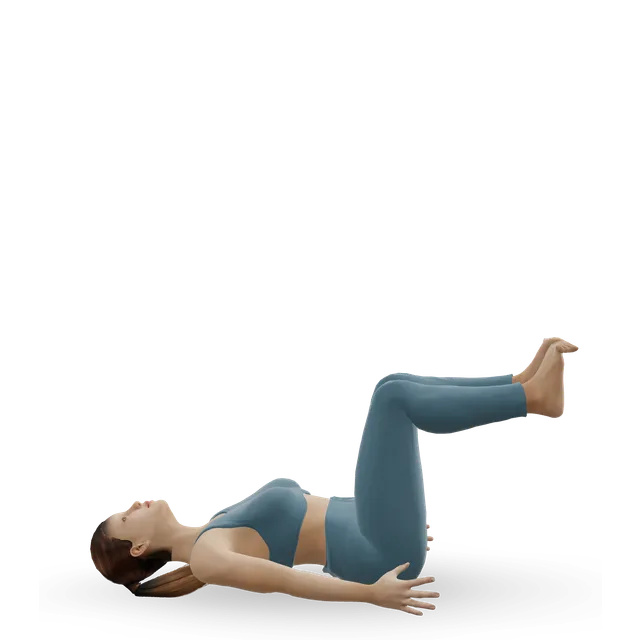
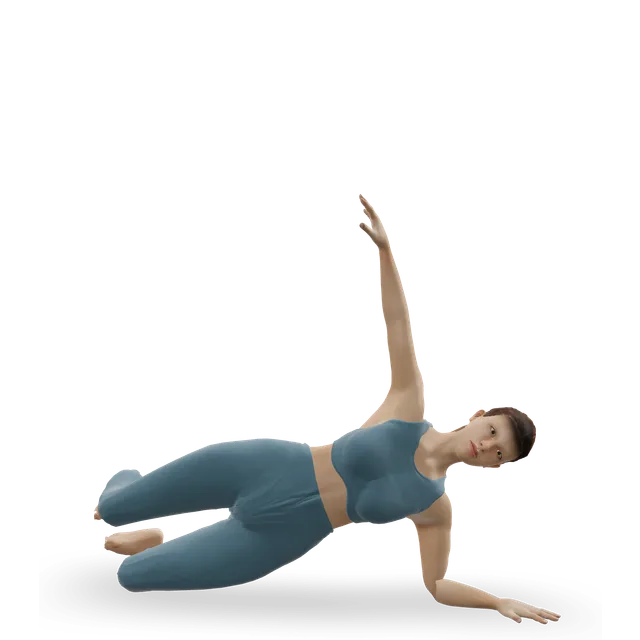
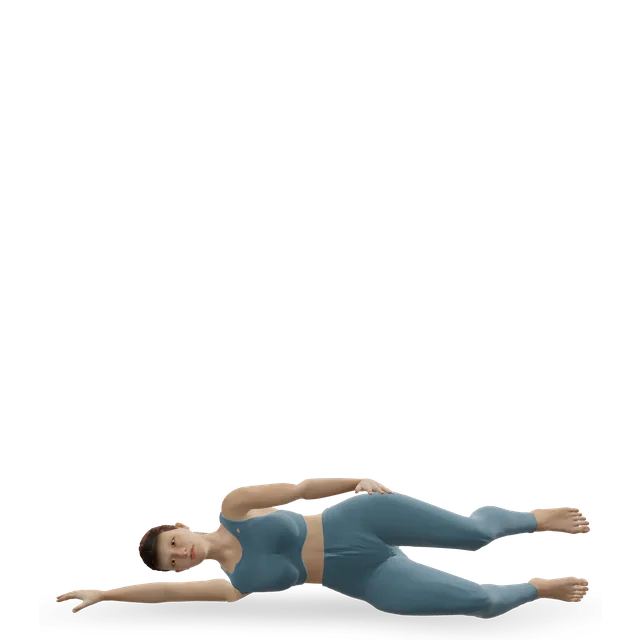
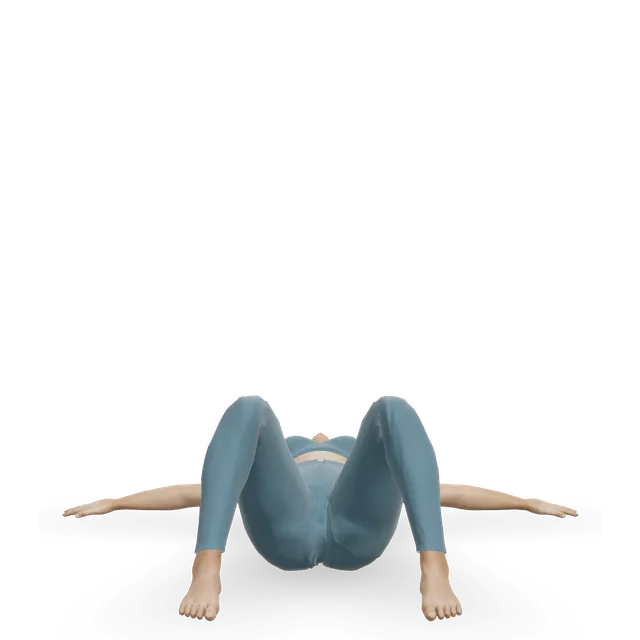
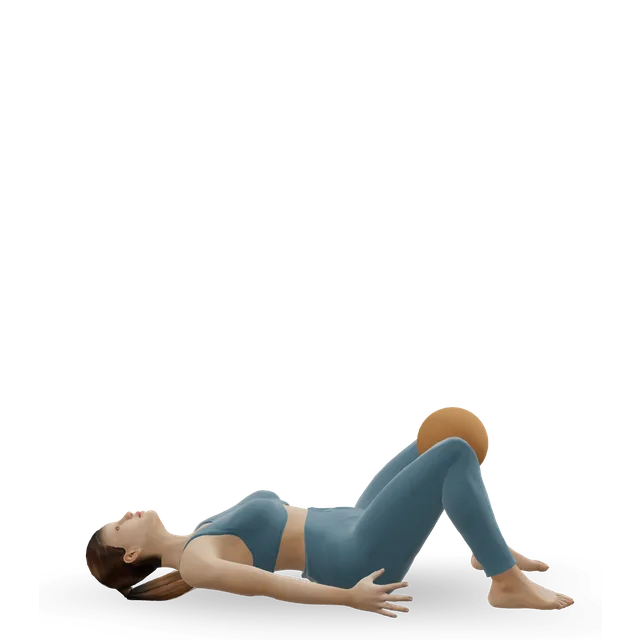
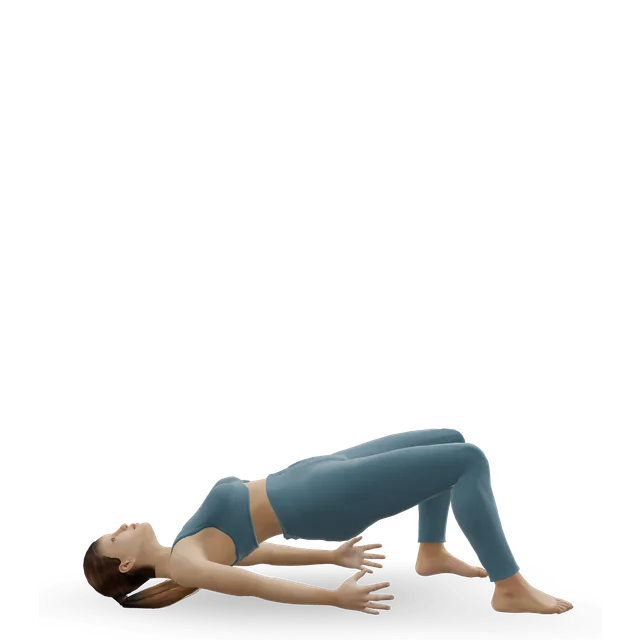
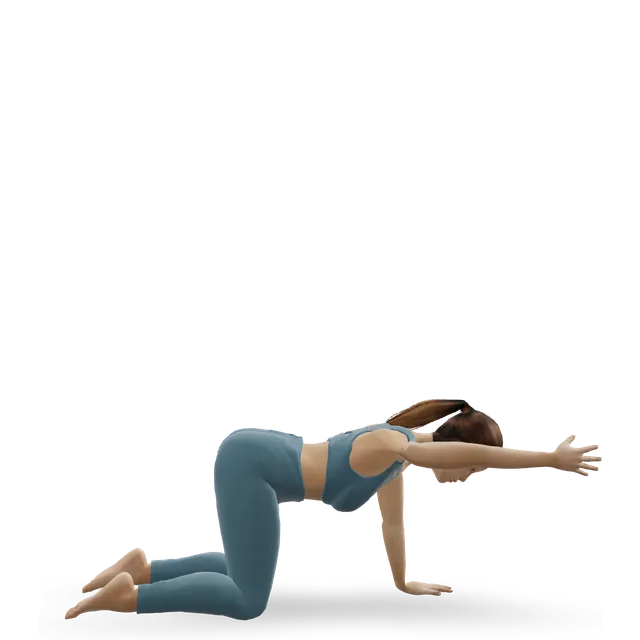
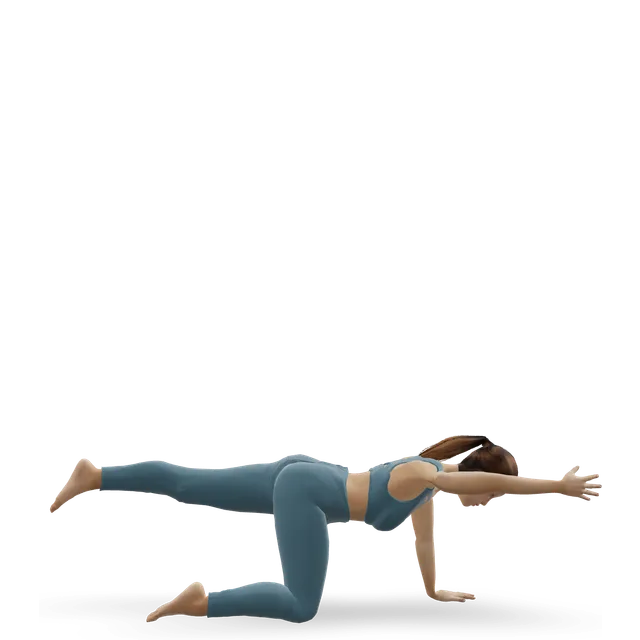
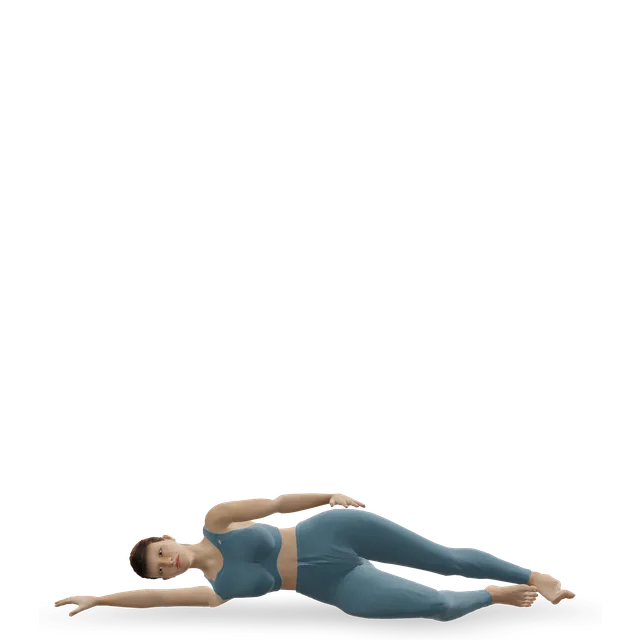
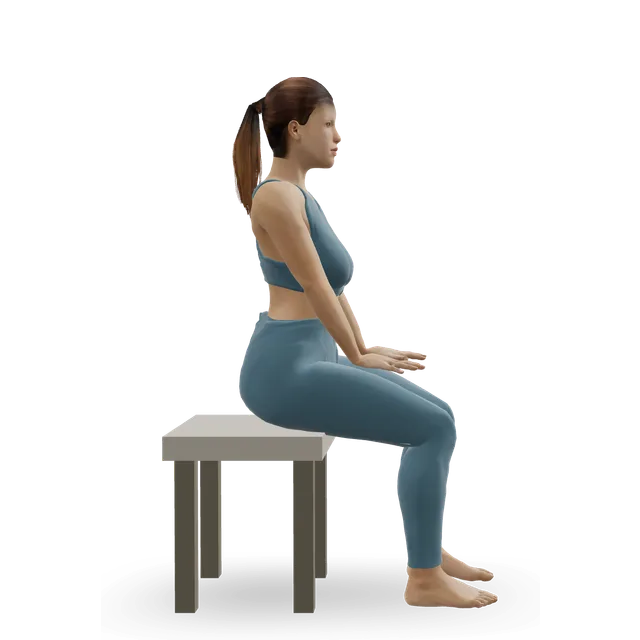
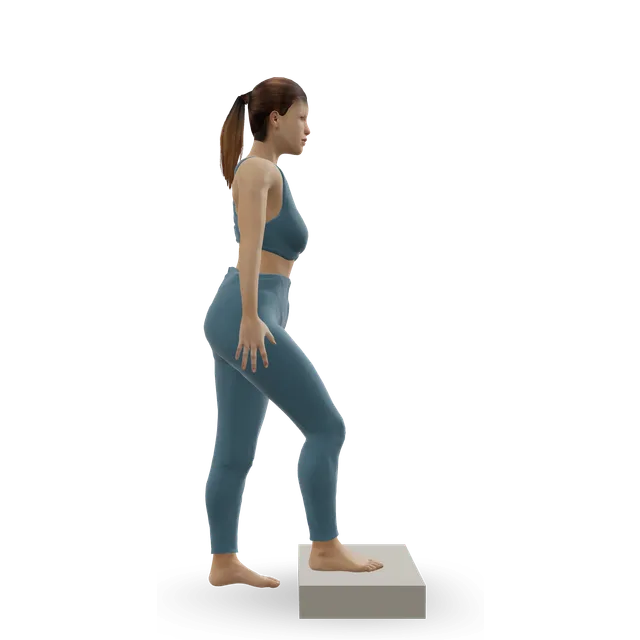
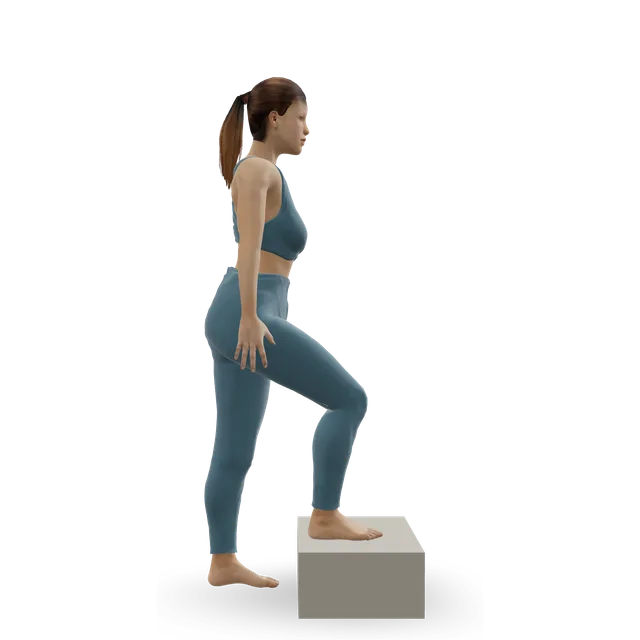
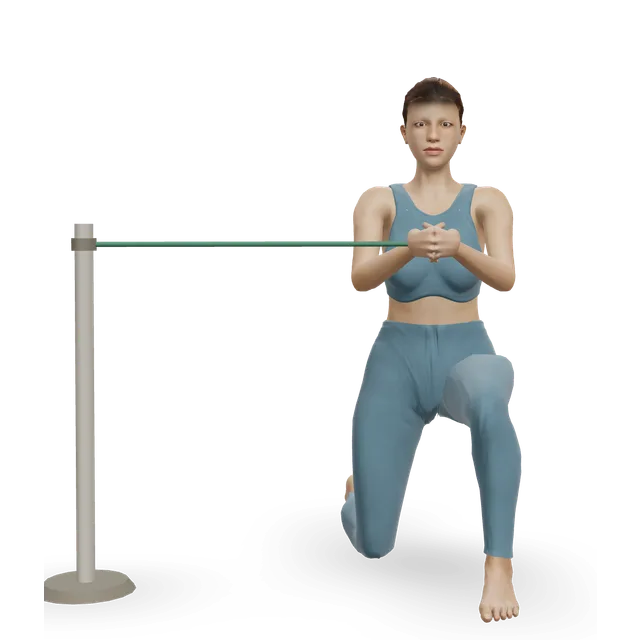
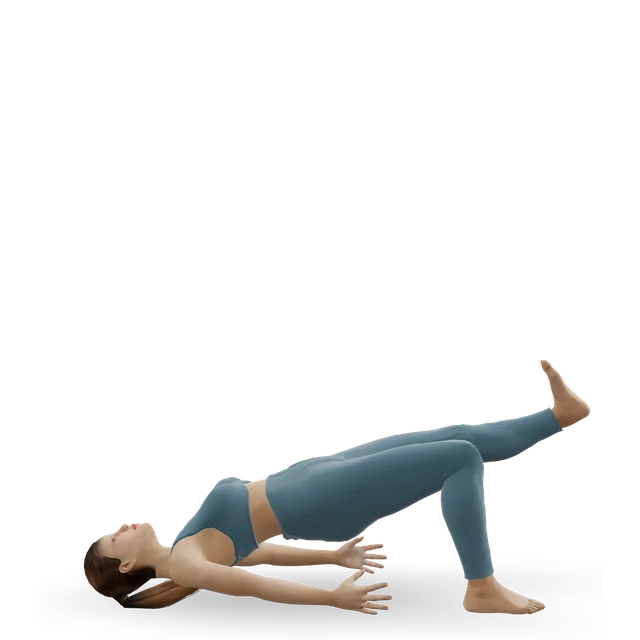
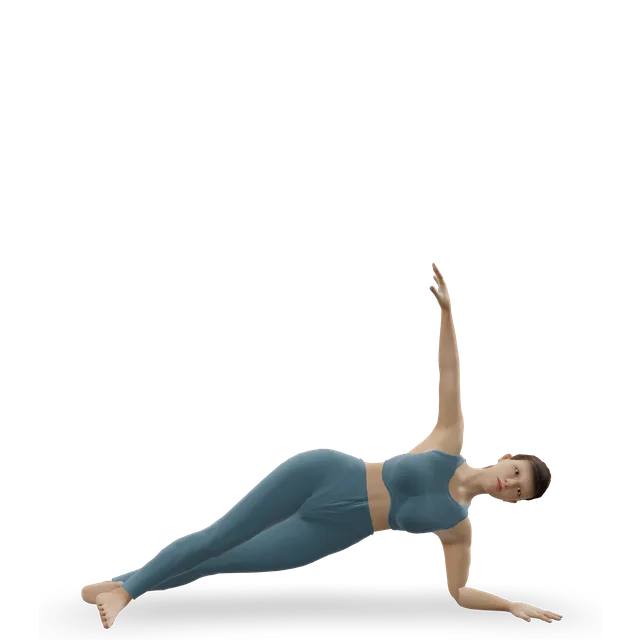
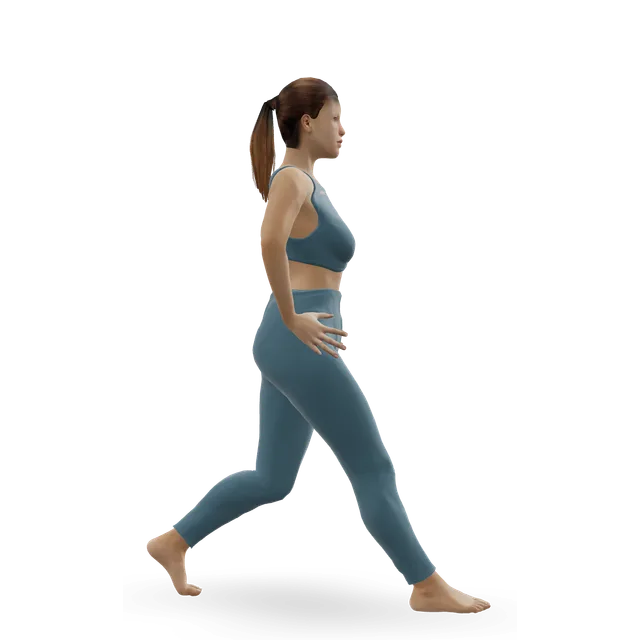
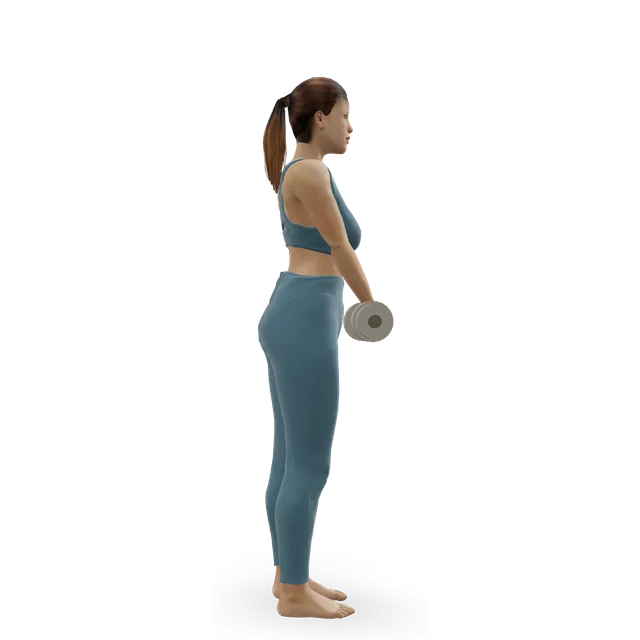
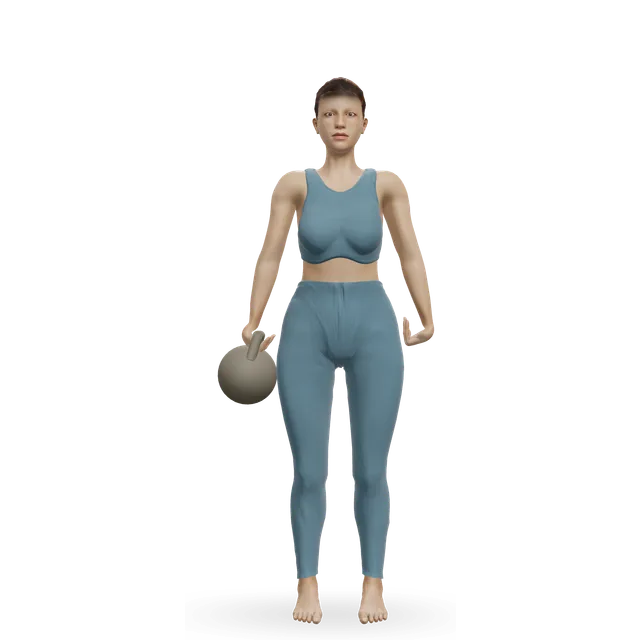
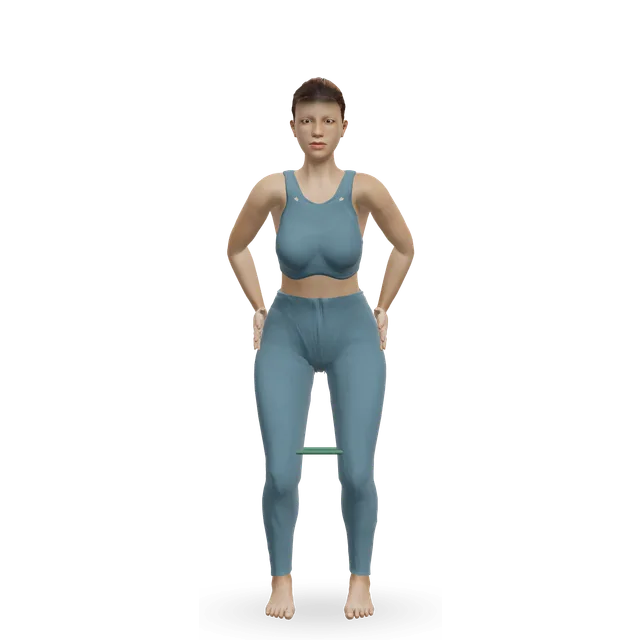
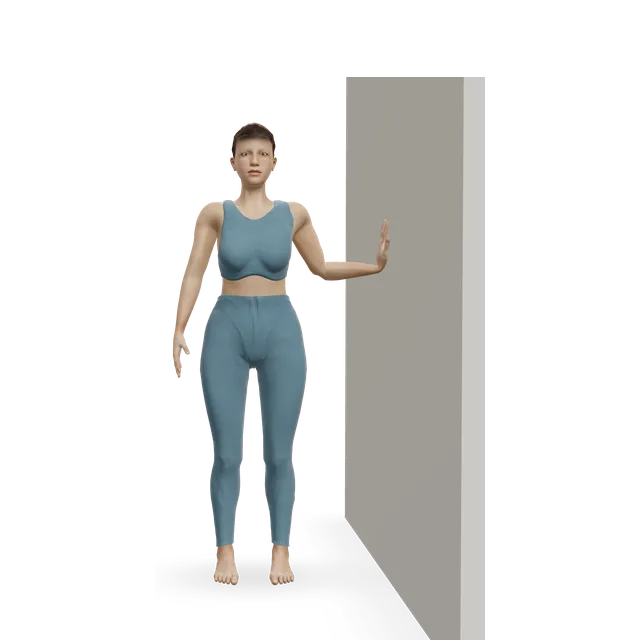
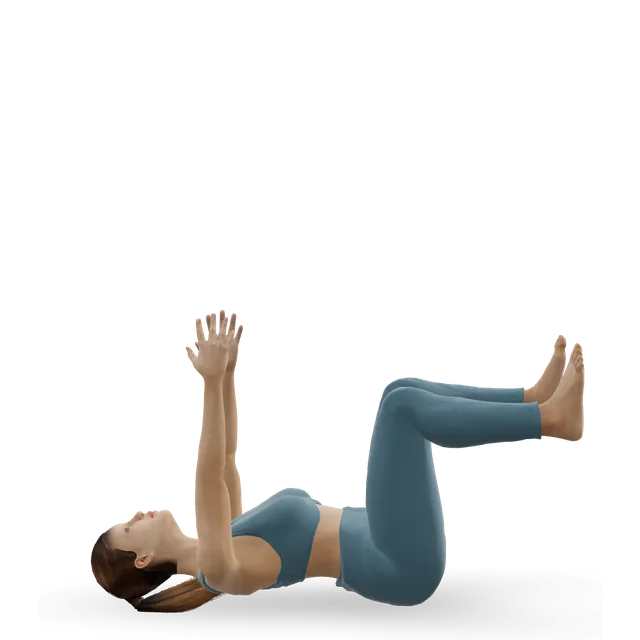
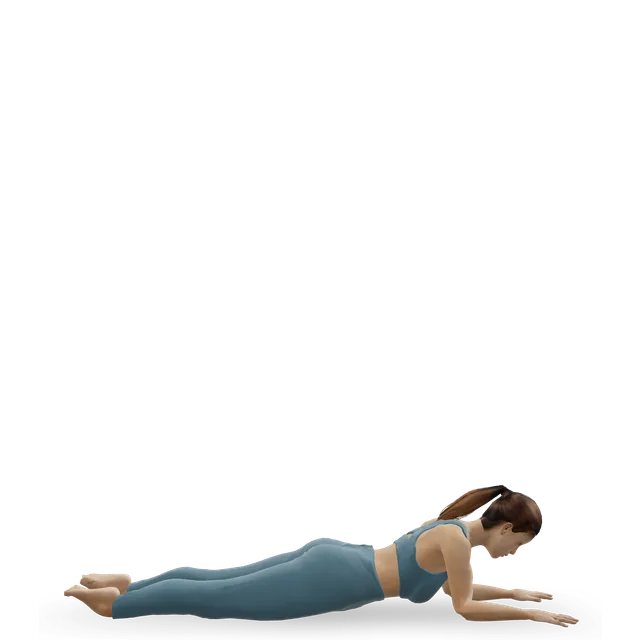
Start at the first stage. Each move opens a full guide with a 3D demo.
Stage 1
Settle: steady strength around the pelvis
Weeks 0 to 2. Two or three sessions a week, plus walking. The doses are editorial starting points, built on the stabilising and strengthening work common to the trials.
Move on when: Add load one change at a time while the pain stays settled.
Follow along: a timer, a cue and the next move, one step at a time.
What to change for now
SI joint pain exercises to avoid
No trial has tested an avoid list. The NHS advice for pelvic girdle pain is the best anchor: limit one-sided loading for now and keep moving within comfort. The table below applies it; rows without an NHS basis are editorial.
SI joint pain usually sits low on one side, around the dimple at the back of the pelvis, and can spread into the buttock or the back of the thigh. Sciatica is pain from an irritated nerve, felt down the leg and often into the foot, sometimes with tingling or numbness. Pain from the lower spine can be felt in the same places, so get leg symptoms assessed.
What SI joint exercises should I avoid?
No trial has tested an avoid list. Based on NHS advice for pelvic girdle pain, limit one-sided loading for now: sit to dress, keep your knees together getting in and out of a car, and put a pillow between your knees in bed. Skip lying twists if they bring your pain on.
Does an SI belt work?
It may ease pregnancy-related pelvic pain for some people for short periods, and the European guideline says one can be tried that way. It isn't a treatment on its own, and for low back pain in general NICE says belts should not be offered.
Can the SI joint go out of place?
There is no evidence that it does, and the European guideline does not recommend the hands-on tests said to find it. In one small trial, manipulation was ahead at 6 weeks, exercise at 12 weeks, and there was no difference by 24 weeks.
Is walking good for SI joint pain?
Usually, yes, at a comfortable pace and stride. The NHS advises staying active within comfort for pelvic girdle pain. Shorten your stride if long steps bring it on.
What about SI joint pain in pregnancy?
Pelvic girdle pain affects about 1 in 5 pregnant women and is not harmful to the baby. Stay active within comfort, keep your knees together getting in and out of a car, sit to dress, and talk to your GP or midwife if it is very bad. Exercise in pregnancy reduces how bad it gets. Back pain in the second or third trimester, or with fever, bleeding or pain when you pee, needs a same-day check.
Exercise education, not a diagnosis or treatment plan. It is written from the guidelines and studies listed above; review by a clinician is pending. If your pain follows an injury, is severe, is getting worse, or comes with any warning sign listed on this page, get it assessed. Health disclaimer.