De Quervain's tenosynovitis: thumb-side wrist pain, what helps and how to move it
Two tendons that lift the thumb away from the hand and straighten it run together through a tunnel on the thumb side of the wrist. When the lining of that tunnel thickens, they don't glide freely, and moving the thumb, making a fist, wringing a cloth or lifting something with your thumbs pointing up (a baby, a kettle) hurts. There may be swelling over the thumb side of the wrist and a catching feeling. People also call it mummy thumb, gamer's thumb or texting thumb.
An injection plus a few weeks in a thumb splint has the best evidence. Exercise hasn't been tested in trials: on this page it is gentle movement to stop the thumb and wrist stiffening while the tendon settles. (De Quervain's thyroiditis, a thyroid condition, is unrelated.)
Exercise is for pain that has been checked or is clearly mild and settling.
Get urgent medical help if
Call 999 or go to A&E after an injury (don't drive yourself) if the arm, wrist or hand is numb, tingling or has pins and needles; a bone is sticking out or a bad cut is bleeding heavily; or the wrist, thumb or a finger has changed shape, is at an odd angle, or has turned blue, grey, white or cold.
Call 999 or go to A&E: you heard a crack or snap when you hurt it, or the pain is severe and you can't move the thumb or hold things.
Same day (NHS 111, an urgent treatment centre or an urgent GP appointment): a wrist or hand injury that is very painful, getting worse, very swollen or bruised, stiff, or that you can't use. It may be broken.
Same day: after a fall onto an outstretched hand, pain or tenderness at the base of the thumb on the back of the wrist (the hollow called the snuffbox), even if the wrist moves well or the first X-ray was normal. A broken scaphoid can hide on the first X-ray and is slow to heal if it's missed, so ask what follow-up is planned.
Same day: a joint or lump that is hot, red and swollen, or hand or wrist pain with a high temperature or feeling hot, cold or shivery. It could be an infection or gout.
See a doctor or physiotherapist if
Not improved after 2 weeks of looking after it at home, getting worse, keeps coming back, or stopping you doing normal activities. In many areas you can refer yourself to NHS physiotherapy.
Any tingling or loss of feeling in the hand or wrist.
You have diabetes and a hand problem: the NHS says hand problems can be more serious if you have diabetes.
Understand it
Who gets itEmerging evidence
In a US insurance database of 33,420 people, women were diagnosed 2.6 times as often as men, most often at 40 to 59, and diabetes, rheumatoid arthritis, lupus and an underactive thyroid were linked with it. It is linked with pregnancy and the weeks after birth, often starting 4 to 6 weeks after delivery; in one study, a first baby and a pregnancy longer than 40 weeks were risk factors, but the baby's weight wasn't.
Repetitive and forceful hand work is associated with it, but a review found a causal link hasn't been shown.
From the story and an examination. The Finkelstein test (thumb tucked into a fist, wrist bent towards the little finger) is painful with de Quervain's, and X-rays and ultrasound are usually not needed. One NHS hand-therapy leaflet describes it as a thickening and wear of the tendon sheath rather than true inflammation, even though the name ends in "-itis".
Mild cases can settle on their own in a few weeks; severe cases can take several months and need treatment.
De Quervain's hurts on the thumb side of the wrist when you move the thumb and wrist. Thumb base arthritis aches at the base of the thumb when you pinch, grip or turn a key, usually from about 45; a doctor may use a "grind test", pressing and turning the thumb, to check for it.
An injection plus 3 to 4 weeks in a thumb splint works bestEmerging evidence
A 2023 network meta-analysis of 30 trials (1,663 people, 80% women) found that adding 3 to 4 weeks of a thumb splint (covering the wrist and the thumb's base joint) to a steroid injection improved function in the short and medium term, though not by a margin people would clearly notice (moderate certainty). Ultrasound-guided injections ranked best for pain. A placebo injection and a splint on its own ranked least effective.
The authors suggest an injection plus 3 to 4 weeks of splinting first, a repeat ultrasound-guided injection if it persists at 3 to 4 months, and surgery only after that. An earlier review agreed: moderate evidence for an injection in the very short term, and for adding a splint to it.
In the US database, a single injection was followed by no further treatment in 71.9% of people, and second and third injections worked in 66.3% and 60.5%. These are records of usual care, not a trial.
How much you wear the splint matters less than you might thinkEmerging evidence
In a trial of 83 people, being told to wear the splint full time or whenever you liked made no difference to disability, grip, pain or satisfaction at about 8 weeks. NHS hand-therapy leaflets advise wearing a thumb-and-wrist splint until symptoms settle and then reducing it, for at least 3 weeks and sometimes up to 3 months; another warns that splinting for a long time may not help.
Anti-inflammatory tablets aren't supported by the trialsEmerging evidence
They are often suggested first, but the network meta-analysis found the trials don't support them, and in one trial an injection plus an anti-inflammatory was no better than an injection alone.
Exercise hasn't been tested; it keeps things movingMixed evidence
No trial has tested exercise on its own. One NHS hand-therapy leaflet says plainly that there is no evidence certain treatments work better than others. A European consensus says everyone should get advice about activity and pain alongside another treatment (anti-inflammatories, a splint, an injection or surgery), not advice alone. The plan below is gentle thumb and wrist movement, progressed as pain allows, as in NHS hand-therapy programmes.
US orthopaedic surgeons consider surgery to open the tunnel if symptoms are severe or haven't improved after 6 weeks of other treatment. Across study types it worked in up to 95%; injury to a small skin nerve on the thumb side is the main complication to discuss.
Some discomfort during these exercises is fine and doesn't mean you are doing damage. Keep it to about 5 out of 10 or less. It should settle within half an hour or so, and your hand should be no worse the next morning. If it is, do fewer, smaller or lighter next time, not nothing. An NHS wrist rehabilitation booklet uses the same limit: an unpleasant stretch of about 5 out of 10 that settles within 30 minutes.
Tingling and numbness are different: stop and get advice if an exercise brings them on and they don't fade quickly, or if your grip or thumb gets weaker.
Don't rest the hand completely for long, either: for repetitive strain, the NHS says resting for more than a few days makes the area weaker and less flexible. If a joint becomes hot, red and swollen, stop and get it checked.
Start at the first stage. Each move opens a full guide with a 3D demo.
Stage 1
Settle: splint, cool, and keep the thumb moving
About weeks 0 to 4. Wear a thumb-and-wrist splint for most of the day until it settles, then less. Cool the area for 20 minutes, 3 times a day, if it helps. Do these exercises out of the splint and never into pain. Doses are from an NHS hand-therapy programme unless marked editorial.
10 reps of each, assisted · The easier version: the other hand lifts the thumb away from the index finger and lowers it, then the thumb returns on its own; then glide the thumb across the fingertips towards the base of the little finger, only as far as is comfortable
Move on when: The thumb moves comfortably out of the splint and daily tasks hurt less.
Follow along: a timer, a cue and the next move, one step at a time.
Stage 2
Build: thumb control and light forearm work
As the pain improves, about weeks 3 to 8. Add a gentle wrist drop towards the little finger with your elbow resting, into mild discomfort only, 10 times: a later step of the NHS programme. The thumb exercise dose is the programme's; the others are editorial.
Move on when: Lifting, gripping and wringing are back to normal. If pain returns, drop back a stage.
Follow along: a timer, a cue and the next move, one step at a time.
What to change for now
New parents: lifting and feeding
Lifting with your thumbs pointing up is one of the movements that brings de Quervain's on. Scoop the baby up with your palms up and elbows in, use both hands, and support the baby's head on a pillow or your forearm when feeding rather than in your hand (editorial). Ask before any injection if you are breastfeeding; no source on that was checked for this page.
What is the fastest way to get rid of de Quervain's?
A steroid injection plus 3 to 4 weeks in a thumb splint has the best evidence, in a review of 30 trials. One injection is often enough: in a large US database, about 7 in 10 people needed no further treatment after it.
How long does de Quervain's last?
Mild cases can settle on their own in a few weeks; severe cases can take several months and need treatment, an NHS hand-therapy leaflet says.
Does a thumb splint work on its own?
In the review of 30 trials, a splint alone ranked among the least effective options. It is still a sensible first step if you'd rather avoid an injection, and in one trial wearing it whenever you liked did as well as wearing it full time.
Which exercises should I avoid with de Quervain's?
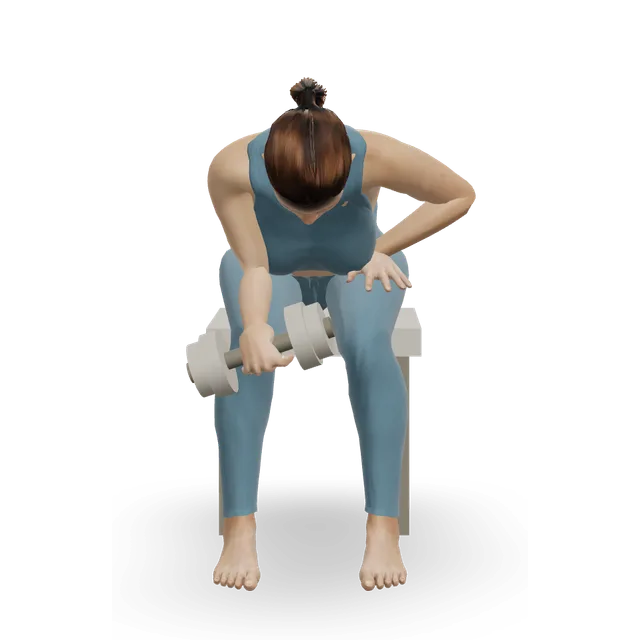
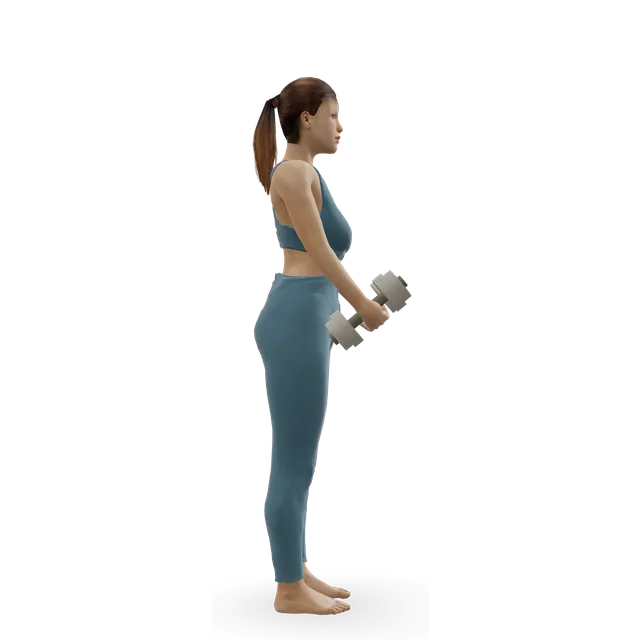
Thumb-up lifting (hammer curls, carrying a kettle), wringing, repeated pinching and twisting for now, and using the Finkelstein position (thumb tucked in a fist, wrist bent towards the little finger) as a stretch: it is the test doctors use to provoke the pain.
Did my phone or my job cause it?
Repetitive and forceful hand work is associated with de Quervain's, but a review found a causal link hasn't been shown. Shorter spells and using the other hand or voice input still help while it settles.
Is it de Quervain's or thumb arthritis?
De Quervain's hurts on the thumb side of the wrist when you move the thumb and wrist. Thumb arthritis aches at the base of the thumb when you pinch or turn a key, usually from about 45. A doctor can tell them apart with a short examination.
What helps "mummy thumb" in new parents?
A thumb splint, lifting the baby with your palms up rather than with your thumbs, and the gentle movements on this page. See a GP if it doesn't settle; an injection with a splint has the best evidence, and you can ask about it if you are breastfeeding.
Exercise education, not a diagnosis or treatment plan. It is written from the guidelines and studies listed above; review by a clinician is pending. If your pain follows an injury, is severe, is getting worse, or comes with any warning sign listed on this page, get it assessed. Health disclaimer.