A night splint is the usual first step, though its effect in trials is smallMixed evidence
The NHS advises a splint that keeps the wrist straight at night and says it can take up to 6 weeks to help. In a Cochrane review of 29 trials (1,937 adults), splinting gave little or no short-term symptom benefit over no treatment on average (low certainty). But in one trial of 80 people, night splints made overall improvement much more likely: for every 2 people splinted, about 1 more improved.
Six months of splinting may beat six weeks, and it is unclear whether wearing it all day beats nights only. Side effects were temporary. Because splints are cheap and have no plausible long-term harm, the reviewers concluded small effects could justify them, especially for people who don't want an injection or surgery. The Chartered Society of Physiotherapy also suggests a daytime working splint if particular tasks bring symptoms on.
Sources 1, 7, 2
Nerve and tendon glides: maybe a little help, in the short termMixed evidence
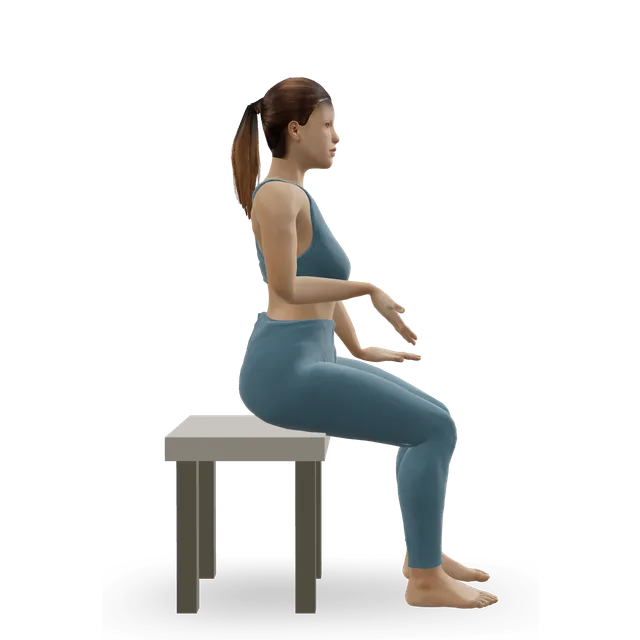
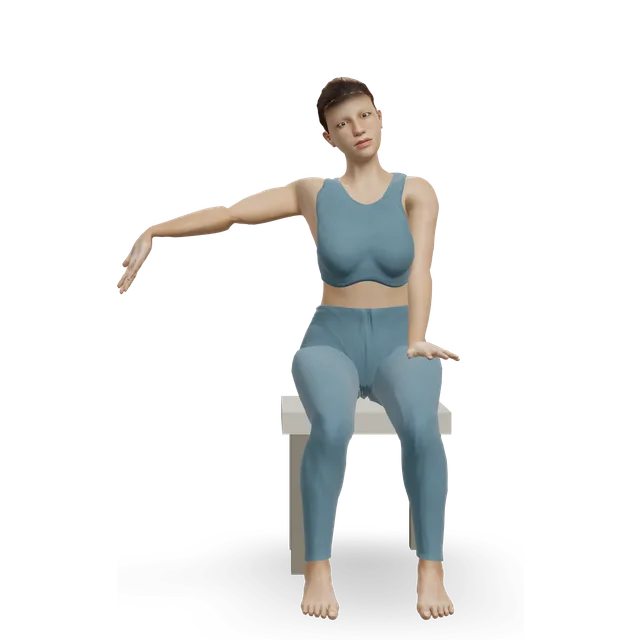
The NHS says there's a small amount of evidence that hand exercises help ease the symptoms. A Cochrane review (16 trials, 741 people) found limited, very low-quality evidence of benefit from exercise and mobilisation. A 2021 meta-analysis of 22 trials (1,203 people) found nerve glides improved pain and function a little, on very low-certainty evidence, with no effect on symptom severity, nerve tests or grip; a 2023 meta-analysis reported larger effects but with very mixed results between trials. In the trials, glides were usually added to other treatment rather than tested alone.
In the trial most often cited, 28 people wore splints with or without nerve and tendon glides for 4 weeks: both groups improved, and the glide group did slightly better, but not significantly. The US orthopaedic guideline found exercise doesn't improve long-term outcomes. Glides are cheap and safe and may make you feel a little better while you wear a night splint; they are not a reason to delay an injection or a surgical opinion when symptoms are constant or the thumb is weak.
Sources 1, 14, 15, 16, 17, 18, 3
A steroid injection works faster than a splint, but not for goodStrong evidence
In a UK trial in general practice (234 adults with mild or moderate carpal tunnel syndrome), one steroid injection gave better symptoms and function at 6 weeks than 6 weeks of night splints, with no side effects reported. But the US orthopaedic guideline makes a strong recommendation that injections don't give long-term improvement, and the same UK trial found no difference from splints at 1 to 2 years. A network meta-analysis found the relief within 3 months was modest.
The NHS says injections are not always a cure, and symptoms can come back after a few months. An injection is a good way to get quick relief, not a long-term fix.
Sources 8, 3, 9, 1
Surgery helps the most people recover when it persistsStrong evidence
In a Dutch trial of 934 people with carpal tunnel syndrome for at least 6 weeks, confirmed by tests, starting with surgery led to recovery at 18 months in 61%, against 45% starting with an injection. In another trial of 176 people, success at 18 months was 90% after surgery and 75% after night splinting, but 41% of the splint group had had surgery by then. In a third trial, surgery did modestly better at 12 months than a non-surgical programme that included hand therapy, and both groups improved.
A Cochrane review (14 trials, 1,231 people) found surgery probably leads to more improvement than splinting in the long term, but probably no important difference in symptom or function scores. Its authors suggest people with tolerable symptoms can start without surgery, and people with severe symptoms who want the best chance of improvement may choose it.
The NHS says the operation usually cures it, takes about 20 minutes under local anaesthetic, and you go home the same day; getting back to normal activities takes about a month.
Sources 10, 11, 12, 13, 1, 3
Which option fits when
Built from the trials and guidelines above:
- Night splint, wrist straight: first, for mild or moderate symptoms. Give it up to 6 weeks.
- Change the tasks that bring it on: alongside the splint.
- Nerve and tendon glides: an optional add-on while you use a splint.
- Steroid injection: when you need faster relief, or the splint hasn't helped.
- Surgery (carpal tunnel release, which cuts the ligament roofing the tunnel to free the nerve): symptoms that persist or get worse, constant numbness, a weak or thinning thumb muscle, or confirmed carpal tunnel that hasn't settled.
Sources 1, 7, 15, 8, 3, 10, 11, 13
Many other treatments don't give lasting benefitEmerging evidence
The US orthopaedic guideline found that oral steroids, kinesiology tape, laser, shockwave, massage, manual therapy, heat, magnets, supplements, diuretics, anti-inflammatory tablets and many other treatments don't improve long-term outcomes or don't beat placebo, and that therapeutic ultrasound gives no long-term improvement. The NHS says painkillers may help in the short term, but there's little evidence they treat the cause.
Sources 3, 1
Typing hasn't been shown to cause it; ergonomic kit is unprovenEmerging evidence
A meta-analysis found no clear link between computer work and carpal tunnel syndrome, and two large cohorts found none with new cases; it was far more common in jobs with forceful hand work. Two small trials of ergonomic keyboards gave too little evidence either way. Breaking up long spells of bent-wrist gripping is still sensible (the NHS advises cutting down activities that make you bend your wrist or grip hard); it just isn't the cause or the cure.
Sources 22, 23, 3, 21, 1