Who gets itEmerging evidence
US orthopaedic surgeons say it affects about 2% of people, most often the ring finger and the thumb, mostly women aged 40 to 60, and people with diabetes, rheumatoid arthritis or amyloidosis.
Pain guide · Wrist and hand pain
With trigger finger, a finger or thumb gets stuck bent and then clicks or pops as it straightens. There may be pain in the finger, thumb or palm and stiffness, and you may need to push it straight with the other hand. It is often worse in the morning and with gripping. It happens when a tendon thickens and catches at the entrance of its tunnel (a pulley) at the base of the finger.
It can get better on its own. A finger splint and steroid injections have the most evidence, and surgery leads to the fewest recurrences. No trials have tested exercise; the gentle glides on this page keep the finger moving without forcing it.
Exercise is for pain that has been checked or is clearly mild and settling.
US orthopaedic surgeons say it affects about 2% of people, most often the ring finger and the thumb, mostly women aged 40 to 60, and people with diabetes, rheumatoid arthritis or amyloidosis.
A finger that won't straighten isn't always trigger finger.
In a Dutch GP trial of 50 people, one or two steroid injections gave a satisfactory result in 16 of 25 people, against 5 of 25 with a saline injection, with effects lasting up to 12 months and few side effects. A Cochrane review of 2 small trials also found steroid plus local anaesthetic beat anaesthetic alone at 4 weeks.
In a US series of 366 first injections followed for 5 to 10 years, 45% needed no further treatment; women with a single trigger finger did best (56%), and 84% of the failures happened within 2 years. Injections are less likely to work in people with diabetes, long-standing triggering or a trigger thumb, and can raise blood sugar for about 10 to 14 days in people with diabetes who take insulin.
A Cochrane review (14 trials, 1,260 people) found open surgery probably leads to fewer recurrences at 6 to 12 months than an injection (about 6.5% against 38.5%; low-quality evidence), but more palm pain in the first week. The NHS says surgery is only done if other treatments haven't worked.
Reviews of mostly small, low-level studies found splints that block one joint of the affected finger for 6 to 10 weeks reduced pain and catching in the short term, with reported success rates up to 97% and the best results when worn full time. In some studies a splint at the middle finger joint was more comfortable and slightly more effective than one at the knuckle. The NHS lists splinting the finger straight as a treatment, and an NHS hand-therapy leaflet suggests a short splint at the base of the finger at night, especially if it triggers overnight.
There are no trials. US orthopaedic surgeons say gentle stretching can reduce stiffness and improve movement. An NHS hand-therapy leaflet gives modified tendon glides alongside warm-water soaks, ice massage at the base of the finger, ibuprofen gel if it suits you, and less repetitive gripping. They are safe, as long as you never force a locked finger.
Some discomfort during these exercises is fine and doesn't mean you are doing damage. Keep it to about 5 out of 10 or less. It should settle within half an hour or so, and your hand should be no worse the next morning. If it is, do fewer, smaller or lighter next time, not nothing. An NHS wrist rehabilitation booklet uses the same limit: an unpleasant stretch of about 5 out of 10 that settles within 30 minutes.
Tingling and numbness are different: stop and get advice if an exercise brings them on and they don't fade quickly, or if your grip or thumb gets weaker.
Don't rest the hand completely for long, either: for repetitive strain, the NHS says resting for more than a few days makes the area weaker and less flexible. If a joint becomes hot, red and swollen, stop and get it checked.
Start at the first stage. Each move opens a full guide with a 3D demo.
Weeks 0 to 6 or longer. A finger splint at night (and in the day if it helps) for 6 to 10 weeks. Soak the hand in warm water, then ease the finger straight gently; never force a locked finger. The glide dose is from an NHS hand-therapy leaflet; the rest is editorial.
 3D demoTendon glides (hand tendon gliding exercises)Beginner · No equipment
5 to 10 reps of each position, 4 times a day · The trigger finger version: hook, tabletop and a gently assisted full fist
Harder: Ball squeeze
 3D demoWrist & forearm flowBeginner · No equipment
10 slow reps · With the fingers relaxed
Harder: Wrist flexor stretch
Move on when: The finger catches less often and less painfully.
When the catching is less frequent. Keep the splint at night if it still triggers overnight.
3D demoTendon glides (hand tendon gliding exercises)Beginner · No equipment4 to 6 of each position, 5 s holds · The full sequence, up to 4 times a day, as in an NHS leaflet
Harder: Ball squeeze
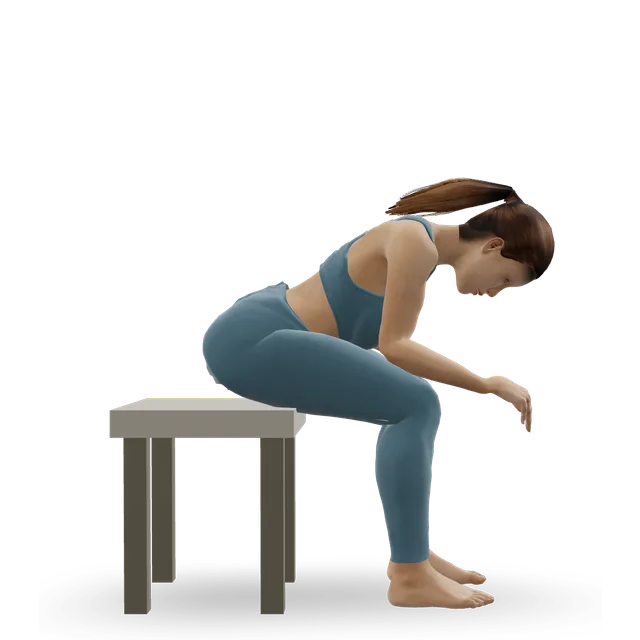 3D demoBand finger extensionBeginner · A band
2 sets of 10 · A light band (editorial)
Easier: Ball squeeze · Harder: Band overhead triceps extension
Move on when: No triggering for 2 weeks or more (editorial).
Once it hasn't triggered for 2 weeks or more. Doses are editorial.
 3D demoBall squeezeBeginner · Other / check instructions
2 sets of 10 · A soft ball; stop if the finger catches
Harder: Band finger extension
 3D demoFarmer's carryBeginner · A dumbbell + A kettlebell
3 walks of 20 m · Thick or padded handles if gripping a thin handle brings it on
Harder: Suitcase carry
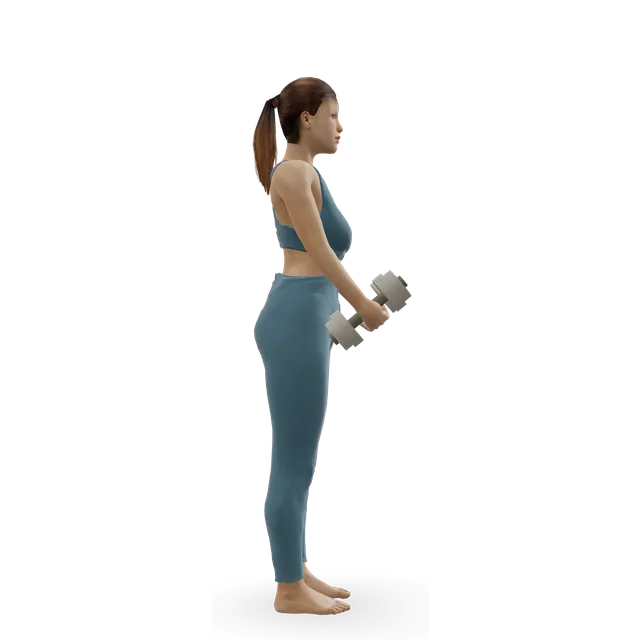 3D demoHammer curlBeginner · A dumbbell
2 sets of 10
Easier: Seated dumbbell curl · Harder: Alternating hammer curl
Move on when: Gripping is back to normal without catching. If it returns, go back a stage and see a GP about an injection or splint.
Follow your surgeon's instructions. One NHS trust gives tendon gliding exercises after trigger finger and other hand surgery: 10 repetitions with 10-second holds, every 1 to 2 hours.
Source 5
Ease it straight gently, ideally after warming your hand. The NHS leaflet notes that the more often the finger gets stuck, the more irritated the tendon becomes.
Source 3
| Habit or position | Why it matters | Instead |
|---|---|---|
| Repetitive or forceful gripping (scissors, secateurs, tools) | An NHS leaflet says it may aggravate the tendon, and the NHS advises cutting down activities that make it worse. | Larger, padded handles; spring-loaded scissors; breaks (editorial). |
| Forcing a stuck finger straight | It hurts and irritates the tendon; the NHS leaflet advises easing it straight gently. | Warm the hand first, then straighten it gently. |
| Letting the finger lock again and again | The more it gets stuck, the more irritated the tendon becomes. | A night splint; avoid the grip that triggers it for now. |
| Grip trainers and stress balls while it is catching | Hard gripping makes it catch (editorial). | Leave grip strengthening until it has stopped triggering. |
Sometimes, the NHS says. A splint, warmth and gentle movement are reasonable while you wait, and an injection is the next step if it doesn't settle.
No trials have tested them. US orthopaedic surgeons say gentle stretching can reduce stiffness, and NHS hand-therapy leaflets use modified tendon glides alongside a splint. They are safe if you don't force a locked finger.
It is reasonable: reviews of mostly small studies found a splint that blocks one joint of the finger for 6 to 10 weeks reduced pain and catching in the short term, best when worn full time.
Better than a placebo injection in the short term (16 of 25 people against 5 of 25 in one trial). After a single injection, 45% needed no further treatment over 5 to 10 years in a US series.
When injections fail or it keeps coming back. Compared with an injection, surgery led to fewer recurrences at 6 to 12 months (about 6.5% against 38.5%), with more palm pain in the first week.
It is the same condition in the thumb. Injections are a little less likely to work in a trigger thumb, and in people with diabetes or long-standing triggering.
Follow your surgeon's instructions. One NHS trust gives tendon gliding exercises after hand surgery: 10 repetitions with 10-second holds, every 1 to 2 hours.
Exercise education, not a diagnosis or treatment plan. It is written from the guidelines and studies listed above; review by a clinician is pending. If your pain follows an injury, is severe, is getting worse, or comes with any warning sign listed on this page, get it assessed. Health disclaimer.