Pain guide · Elbow pain

Ulnar nerve entrapment (cubital tunnel syndrome): tingling fingers and what helps

The ulnar nerve runs through a tunnel on the inside of the elbow, where your "funny bone" is. It gives feeling to the little finger and half the ring finger and powers the small muscles of the hand. In cubital tunnel syndrome it is squeezed or irritated there, usually causing tingling or numbness in those fingers that comes and goes at first.

What helps most isn't an exercise: it's changing the positions that press on the nerve or keep the elbow bent. Most mild cases improve over months that way. The exercises below keep your arm strong without stirring the nerve up.

When to get help first

Exercise is for pain that has been checked or is clearly mild and settling.

Get urgent medical help if

  • Call 999: sudden weakness or numbness in one arm, especially with a drooping face or slurred speech. It could be a stroke.
  • Go to A&E or call 999 if you've injured your arm and it is numb, tingling or has pins and needles; a bone is sticking out or a bad cut is bleeding heavily; or the arm or elbow has changed colour or shape, or is at an odd angle. Don't drive yourself.
  • Urgent treatment centre or A&E: severe pain in your arm and it's difficult to move, or you've injured your arm and heard a snap. Tingling or numbness that comes on suddenly or after an injury belongs here too.
  • Call 999: arm pain that comes on suddenly with pressure, heaviness, tightness or squeezing across your chest, especially with shortness of breath, sweating or feeling sick. It could be a heart attack.

See a doctor or physiotherapist if

  • Constant numbness in the ring and little fingers, a weak or clumsy hand, or visible wasting of the muscle between the thumb and index finger. Ask about referral: one NHS referral guide treats permanent numbness or wasting as urgent.
  • Pins and needles in the ring and little fingers that last more than 6 months despite the position changes on this page: the same NHS guide refers at that point.
  • Pins and needles that keep coming back or are constant, wherever they are in the hand.

Understand it

What it is

Numbness or tingling of the little and ring fingers is usually the first symptom. It often comes and goes at first and may later become constant. In later stages the hand becomes weak or clumsy, and the muscle on the back of the hand between the thumb and first finger can visibly waste. Most cases have no obvious cause; arthritis or an old injury can narrow the tunnel. A Cochrane review calls it the second most common nerve entrapment after carpal tunnel syndrome.

Sources 1, 2, 4

Why leaning and bending matter

It is often brought on by leaning on the inside of the elbow, or by holding the elbow bent, on the phone for example, and sleeping with the elbow bent can aggravate it. That is why the advice is all about pressure on the inner elbow and how long the elbow stays bent.

Sources 1, 2

Is it my elbow, my neck or my wrist?

Ulnar nerve symptoms sit in the little finger and the little-finger half of the ring finger. Tingling in the thumb, index and middle fingers points away from the ulnar nerve, towards the wrist (carpal tunnel) or the neck (editorial). Pain spreading from the neck, changing when you move your head, points to the neck: see the pinched nerve in the neck guide. In climbers, ulnar nerve compression has been mistaken for elbow tendon pain, and a guideline lists nerve problems among the conditions that mimic tennis elbow.

Sources 1, 8, 14

What helps, and how strong the evidence is

An explanation and changing positions come firstEmerging evidence

In a trial of 70 people with mild or moderate symptoms, everyone was told about the cause and how to avoid the positions that bring it on, then given a night splint, nerve gliding exercises or nothing more. At 6 months, 51 of the 57 followed up (89.5%) had improved, with no difference between the groups: the splints and glides added nothing.

A 2025 Cochrane review (15 trials, 970 people, mostly about surgery) concluded that in mild cases, information on movements and positions to avoid may reduce discomfort, based on that small trial. A review of conservative care (19 studies, 844 people) found moderate evidence for education with activity changes or splinting in mild or moderate cases.

Sources 5, 4, 6

What hand specialists adviseEmerging evidence

Avoid leaning on the inside of the elbow, or wear protective pads; use a headset for the phone; avoid repeated bending and keeping the elbow bent; and stop the elbow bending at night with a folded towel wrapped around it or a splint from a hand therapist. The British Society for Surgery of the Hand says these measures may be curative in early cases.

Sources 1, 3, 2

Nerve glides: do they help?Emerging evidence

In the only trial, nerve gliding exercises added nothing to advice in mild to moderate cases. If a physiotherapist gives you a glide, keep it gentle and never push into strong tingling (editorial). The median nerve slider on this site is for arm symptoms coming from the neck, not for the ulnar nerve.

Sources 5, 4

Splints and injectionsMixed evidence

Pooled observational data found improvement in 89% of people who used a splint and 54% after a steroid injection, but the evidence is low quality, and a Cochrane review is very uncertain whether steroid injections help. In the trial above, night splints added nothing to advice in mild cases.

Sources 7, 4, 5

When surgery is discussed, and what it aims to doStrong evidence

Surgery is for severe cases or those that don't respond. It often improves numbness, but its chief aim is to stop weakness and muscle wasting getting worse; strength recovers slowly and incompletely. Simply releasing the nerve and moving it to the front of the elbow give similar results. An NHS referral guide refers people whose pins and needles have lasted over 6 months despite care, and urgently those with permanent numbness or wasting.

Sources 1, 3, 4

How much pain is OK while you exercise?

The elbow pain ruleEmerging evidence

With a nerve problem, tingling matters more than pain. No exercise in this plan should bring on tingling in the ring or little finger, and any tingling should settle quickly afterwards (editorial). The tendon rule below applies to the forearm exercises.

Some discomfort during forearm exercises is fine. Keep it mild: no more than about 3 to 4 out of 10. It should settle within an hour or so, and your elbow should be no worse the next morning. If it is worse, go lighter next time (a lighter weight, a bendier bar, fewer reps or a shorter hold), not nothing. When a set no longer causes any discomfort, it's time to progress.

Tingling is the exception: stop any exercise or position that brings on pins and needles or numbness in your hand, especially in the ring and little fingers, and avoid holding the elbow fully bent while it settles.

This is lower than the 5 out of 10 used on this site's back and shoulder pages, because most elbow trials used pain-free or nearly pain-free exercise. A UK consensus paper that reviewed the tennis elbow trials reports that all but one asked for pain-free exercise; the exception, as that paper describes it, allowed mild pain below 4 out of 10. The JOSPT guideline says the load should not make symptoms worse, and elbow specialists suggest doing the flexible-bar exercises with discomfort of about 3 to 4 out of 10.

Pushing harder backfires at the elbow. Still holds done above people's own pain threshold left more pain 30 minutes later, while holds below it did not, and in one trial most people gave up heavy loading, mainly because it aggravated their pain. In long-lasting muscle and joint pain generally, allowing some pain did no harm. The exact 3 to 4 out of 10 figure and the settling times are editorial. If pain climbs from week to week, or you notice a warning sign, stop and get it checked.

Sources 15, 14, 16, 17, 18, 19

The exercise plan: 3 stages

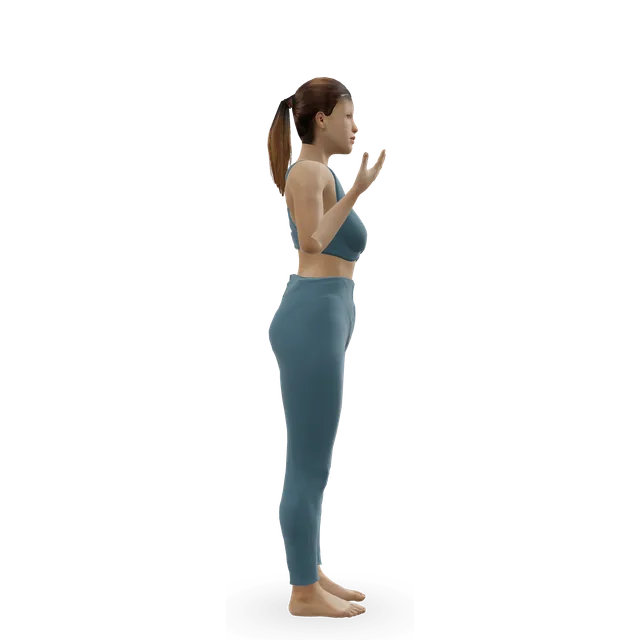
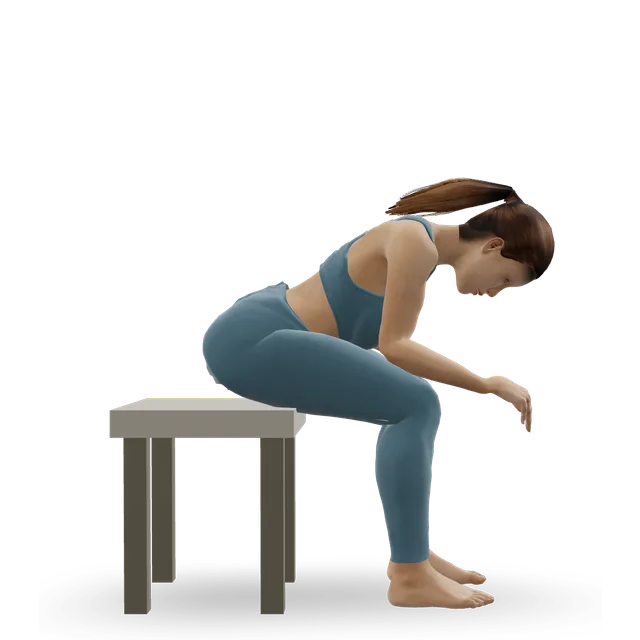
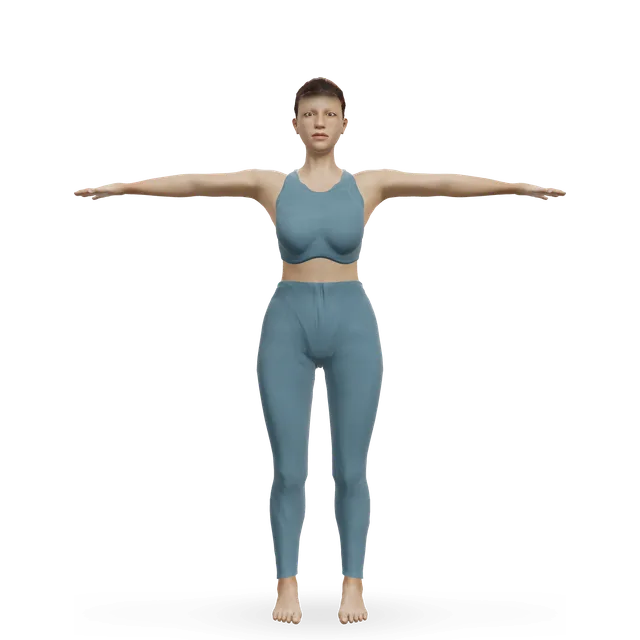
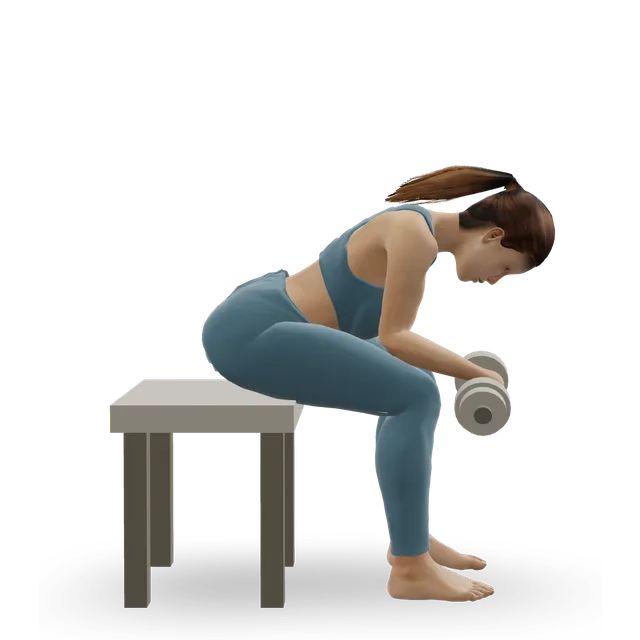
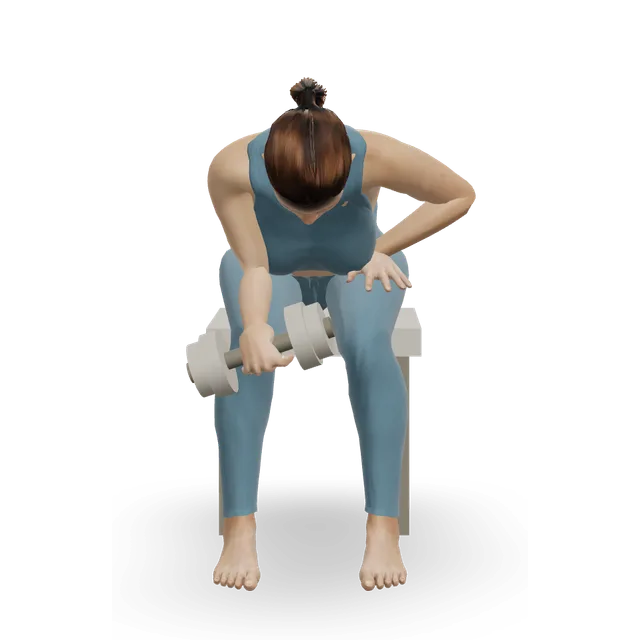
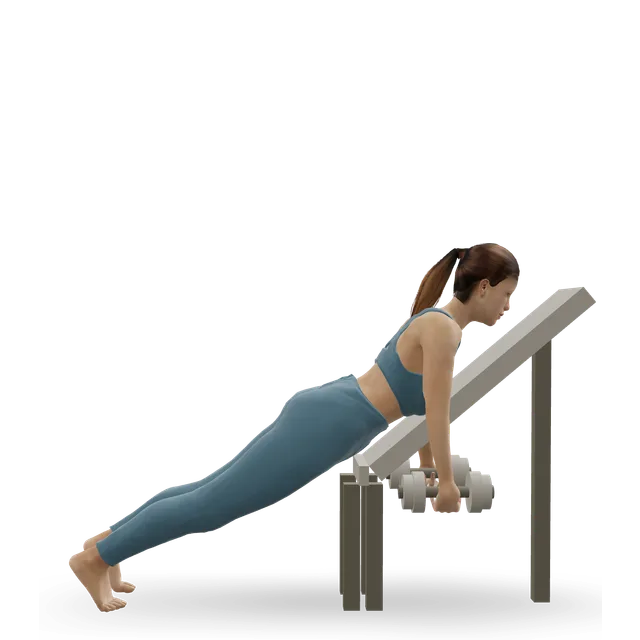
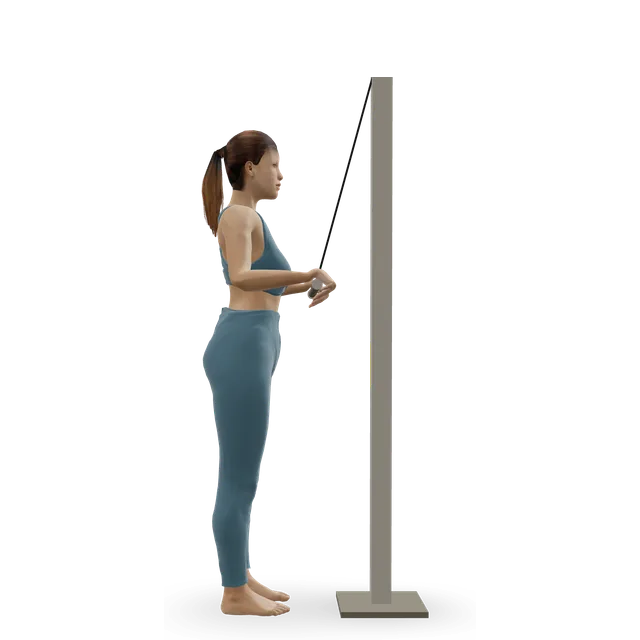
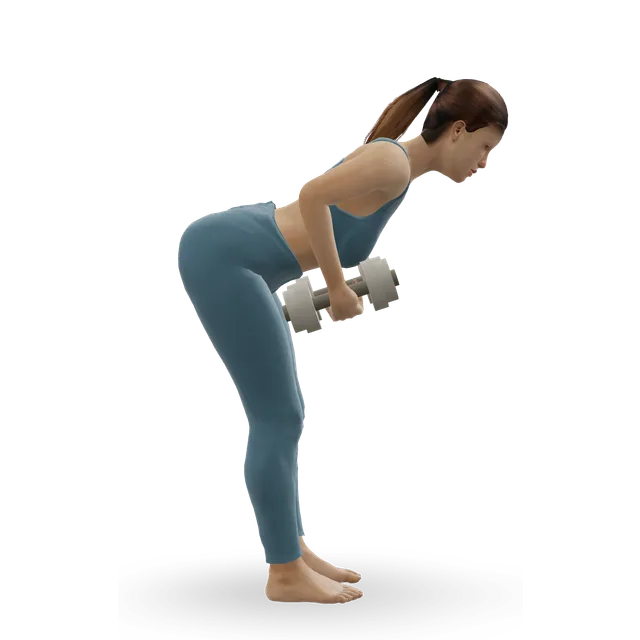
Start at the first stage. Each move opens a full guide with a 3D demo.

Stage 1

Settle: keep the arm moving, alongside the position changes

The first 2 weeks or so. The position changes on this page are the evidence-based core; these moves keep the arm moving without provoking the nerve. All doses are editorial.

Move on when: Tingling isn't building up during the day, and the moves don't bring it on.

Follow along: a timer, a cue and the next move, one step at a time.
Stage 2

Build: strength without deep elbow bending

About weeks 2 to 12. Doses are editorial.

Move on when: Each set leaves the fingers no more tingly than before you started.

Follow along: a timer, a cue and the next move, one step at a time.
Stage 3

Strengthen: back to full pushing and pulling

From about 6 to 12 weeks. Doses are editorial.

Move on when: Add load one change at a time. Constant numbness, weakness or wasting at any stage means seeing a doctor, not pushing on.

Follow along: a timer, a cue and the next move, one step at a time.

What to change for now

At night

Sleeping with the elbow bent aggravates it. Wrap a folded towel around the elbow at night to stop it bending fully, or ask a hand therapist about a splint. In the trial, a night splint added nothing to advice in mild cases, so the towel is a reasonable first step.

Sources 1, 2, 5

Positions to swap, and why

Habit or positionWhy it mattersInstead
Leaning on your elbows (a desk, an armrest, a car window)Presses on the nerve in its tunnel.Protective pads; rest on your forearm rather than the inner elbow (editorial); avoid resting the arm on armchair arms.
Holding a phone to your earKeeps the elbow bent for a long time.A headset or the speaker.
Sleeping with the arm tucked upBending at night aggravates it.A towel wrapped around the elbow, or a splint.
Repeated bending at workBrings symptoms on.Change the task or posture, and take breaks (editorial).
Overhead triceps stretchHolds the elbow fully bent, which squeezes and stretches the nerve (editorial, from how the nerve is irritated).Skip it, or shorten it if it brings on tingling.
Skull crushers and overhead triceps extensionsDeep elbow bending under load (editorial).Triceps pushdowns or kickbacks.
Elbow circles with the hands on the shouldersThe elbows stay fully bent (editorial).Leave it out while the nerve is irritable.
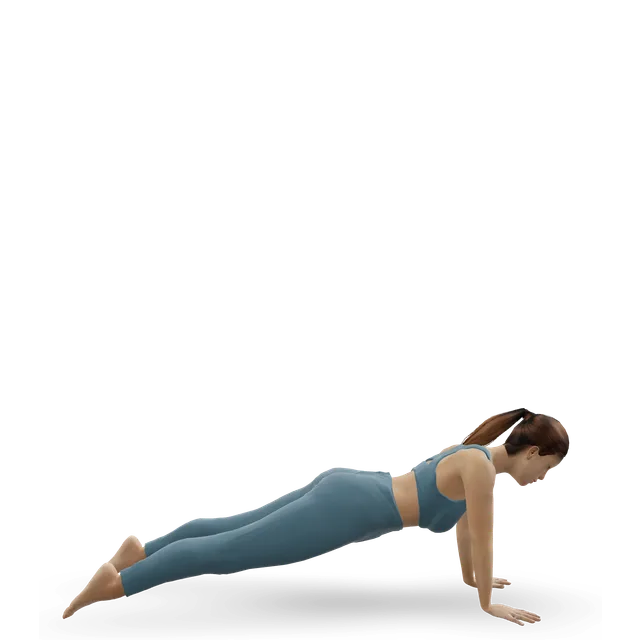
Forearm planks on a hard floorPressure plus bending, if they bring on tingling (editorial).Straight-arm planks, or padding under the elbows.
A long squeeze at the top of a curlFull bend under load (editorial).Curls without the top squeeze.

More moves for this area

Questions people ask

What is the funny bone?

It is the ulnar nerve, where it runs close to the surface on the inside of the elbow. Knocking it sends tingling into the ring and little fingers, the same fingers affected in cubital tunnel syndrome.

Do ulnar nerve glides help?

In the only trial, nerve glides added nothing to an explanation and avoiding the positions that bring symptoms on. If a physiotherapist gives you one, keep it gentle and never push into strong tingling.

Should I wear a brace or splint for cubital tunnel syndrome?

At night, stopping the elbow bending fully is the standard advice: a towel wrapped around the elbow or a splint from a hand therapist. In the one trial, night splints added nothing to advice in mild cases, so start with the towel.

How long does cubital tunnel syndrome take to get better?

Most mild cases improve over months with position changes: in the trial, about 9 in 10 people had improved at 6 months. If pins and needles last more than 6 months despite these measures, or numbness becomes constant, see a GP.

Is it golfer's elbow or cubital tunnel syndrome?

Tingling in the little and ring fingers points to the nerve. An ache over the inner bump, worse gripping, without tingling, points to golfer's elbow. They sit close together, and you can have both.

What if the tingling is in all my fingers, or my thumb?

That points away from the ulnar nerve. Tingling in the thumb, index and middle fingers is more often the wrist (carpal tunnel) or the neck; with neck pain, or if it changes when you move your head, see the pinched nerve in the neck guide. Tingling that keeps coming back needs a GP.

Will I need surgery for ulnar nerve entrapment?

Only a minority do. Surgery is for severe cases or those that don't settle, and its main aim is to stop weakness and wasting getting worse; strength recovers slowly. Constant numbness, a weak hand or visible wasting are the signs to see a doctor about.

Which exercises should I avoid with cubital tunnel syndrome?

Anything that holds the elbow fully bent, especially under load: overhead triceps stretches and extensions, skull crushers, a long squeeze at the top of a curl, and forearm planks if they bring on tingling. Use elbow-straight or mid-range versions instead.

Other pain guides

Sources

  1. British Society for Surgery of the Hand · Cubital tunnel syndrome
  2. Royal Berkshire NHS Hand Therapy · Cubital tunnel syndrome (2024)
  3. NHS Borders · Referral help toolkit: cubital tunnel syndrome
  4. Caliandro 2025 · Treatment for ulnar neuropathy at the elbow (Cochrane review)
  5. Svernlöv 2009 · Advice, night splints or nerve gliding for cubital tunnel syndrome (RCT of 70 people, J Hand Surg Eur)
  6. Kooner 2019 · Conservative treatment of cubital tunnel syndrome (systematic review, Orthopedic Reviews)
  7. Natroshvili 2023 · Conservative treatment of ulnar nerve compression at the elbow (systematic review and meta-analysis, Arch Plast Surg)
  8. Meller 2024 · Ulnar nerve compression misdiagnosed as elbow tendinopathy in climbers (case series, Curr Sports Med Rep)
  9. NHS · Pins and needles
  10. NHS · Symptoms of a stroke
  11. NHS · Broken arm or wrist
  12. NHS · Elbow and arm pain
  13. NHS · Heart attack
  14. Lucado 2022 · Lateral elbow pain and muscle function impairments: JOSPT clinical practice guideline
  15. Bateman 2021 · An optimised physiotherapy protocol for tennis elbow (UK consensus study, BMJ Open)
  16. Ellenbecker 2013 · Current concepts in examination and treatment of elbow tendon injury (review, Sports Health)
  17. Coombes 2016 · Isometric exercise above but not below the pain threshold changes pain in tennis elbow (experimental study, Clin J Pain)
  18. Sveinall 2024 · Heavy slow resistance training, shockwave or advice for tennis elbow (feasibility RCT, BMJ Open)
  19. Smith 2017 · Should exercises be painful in chronic musculoskeletal pain? (meta-analysis, BJSM)

Exercise education, not a diagnosis or treatment plan. It is written from the guidelines and studies listed above; review by a clinician is pending. If your pain follows an injury, is severe, is getting worse, or comes with any warning sign listed on this page, get it assessed. Health disclaimer.