Pinched nerve in the neck (cervical radiculopathy): exercises and what to expect
A nerve root in the neck gets irritated or pressed, usually by a disc bulge or bony narrowing. It causes arm pain, often a narrow band of sharp pain, with pins and needles, numbness or weakness in one arm. Neck pain may be there too, but neck pain alone does not mean a pinched nerve.
For many people it settles over weeks to months, whatever the treatment. Staying active and exercise help you through it, with your arm symptoms setting the limits. Both hands clumsy or numb, or trouble with balance, is a different and urgent problem.
Exercise is for pain that has been checked or is clearly mild and settling.
Get urgent medical help if
Call 999 or go to A&E: new problems walking, loss of bladder or bowel control, or a sudden loss of coordination, such as difficulty doing up buttons. These can be signs of pressure on the spinal cord.
Call 999 or go to A&E: a headache that came on suddenly and is extremely painful; numbness or weakness in the face or body; a drooping face, or being unable to lift both arms and keep them up; difficulty speaking, swallowing, balancing, walking or remembering; double vision or loss of vision; drowsiness or confusion. A torn neck artery often starts with headache and neck pain, sometimes with dizziness or tingling, so head or neck pain unlike any you have had before needs checking.
Call 999 or go to A&E after a neck injury if the person is unresponsive, has severe neck pain or cannot move their head, or fell from a height such as 5 or more stairs. Do not drive yourself. Being 65 or over, a dangerous fall or crash (from more than 1 metre or 5 steps, diving, a high-speed or rollover crash, being thrown from a vehicle, or a bike or horse-riding accident), or tingling in the arms or legs after an injury puts you at high risk of a broken neck: get checked.
Same day (urgent GP appointment or NHS 111): severe neck pain that starts suddenly or gets worse quickly; heaviness or weakness in the arms or legs; pins and needles in an arm along with neck or arm pain; or pain between the shoulder blades.
Same day: clumsiness, numbness, pins and needles or weakness in one or both arms that is getting worse; problems with balance or walking since the neck pain started; or neck pain with a severe headache.
Arm weakness or numbness that keeps getting worse, severe pain that painkillers and rest do not touch, or an unexplained fever.
See a doctor or physiotherapist if
No improvement after 6 weeks of exercise, or arm symptoms still there beyond 6 to 12 weeks.
Nerve symptoms and trouble with daily life more than 3 months after an injury: a guideline advises referral for medical investigation.
Severe pain that is constant or disturbs your sleep, a fever or unexplained weight loss, or a history of cancer, inflammatory arthritis, TB, a weakened immune system, neck surgery or a violent injury. Serious causes are very rare, but these need checking.
Understand it
Pinched nerve or spinal cord?Strong evidence
A pinched nerve root usually affects one arm. Pressure on the spinal cord itself (degenerative cervical myelopathy) is different: clumsy hands, numbness, unsteadiness and falls, mostly in people over 50. Its early signs are subtle, and in one study the average delay to diagnosis was 2.2 years.
Clumsiness or numbness in one or both arms that is getting worse, or problems with balance or walking since the neck pain started, need a doctor the same day. A sudden loss of coordination, such as being unable to do up buttons, or loss of bladder control needs 999.
A short spell in a collar for a recent pinched nerve is an option, not a rule: in the trial below it helped about as much as physiotherapy. The US physiotherapy guideline gives short-term collar use a weak recommendation and, on expert opinion, warns that long-term use can be harmful.
For arm pain that has lasted, the guideline recommends intermittent mechanical traction combined with stretching, strengthening and hands-on treatment of the neck and upper back, alongside education to keep you working and exercising.
It usually improves over weeks to monthsEmerging evidence
For many people with a recent pinched nerve the outlook is good, with symptoms settling over weeks to months. One NHS physiotherapy leaflet says recent symptoms are likely to settle within 6 to 12 weeks, and a review of non-surgical treatments found people improved over time whatever the treatment.
Physiotherapy or a collar sped up the first six weeksEmerging evidence
205 people with arm pain from a pinched nerve for less than a month were randomised to a semi-hard collar with rest for 3 to 6 weeks, twice-weekly physiotherapy with home exercises for 6 weeks, or wait and see. Arm pain fell by 19 mm on a 100 mm scale over 6 weeks with wait and see; the collar or physiotherapy gave an extra 12 mm. Neck pain fell with the collar and with physiotherapy, but not significantly with wait and see.
In plain terms: both helped people get better a bit faster in the first six weeks.
Exercise reduces pain, on low-certainty evidenceEmerging evidence
A meta-analysis of 10 trials (871 people) found exercise, alone or added to usual care, reduced pain and improved disability, but the certainty of the evidence was low. Cochrane found low-quality evidence of a small short-term benefit from neck stretching, strengthening and stabilisation in a recent pinched nerve.
Nerve glides can ease neck and arm painEmerging evidence
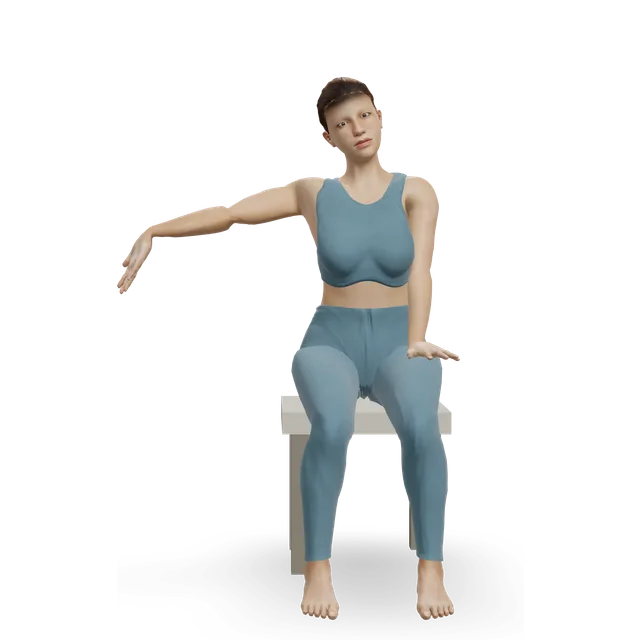
A meta-analysis found nerve mobilisation reduced chronic neck and arm pain by about 1.9 points out of 10. The US physiotherapy guideline recommends mobilising the neck, shoulder and arm region and the nerves themselves for neck pain with arm pain that has lasted. The median nerve slider in stage 2 is a gentle version you can do yourself.
Surgery is faster, not clearly better at two yearsEmerging evidence
In 63 people randomised to surgery plus physiotherapy or physiotherapy alone, the surgery group improved faster (87% against 62% better or much better at 12 months), but by 24 months the difference (81% against 69%) was no longer significant, and both groups improved substantially. The authors concluded structured physiotherapy should be tried first.
The NHS says surgery is considered only when a nerve or the spinal cord is being compressed, and it is not always a cure.
Use your arm, not your neck, as the main guide. An exercise is fine if it does not send pain, tingling or numbness further down your arm, and any increase settles within an hour. A hospital leaflet on nerve glides allows some increase in symptoms but not one lasting over an hour; applying that to every exercise is this site's suggestion.
Neck pain itself can follow NHS inform's rule: up to 5 out of 10 during exercise, settling soon after and no worse the next morning. Guidelines ask clinicians to watch how irritable the arm is and adjust the dose; if you are unsure, do less, more slowly.
Stop and get checked if the arm feels weaker or numbness spreads.
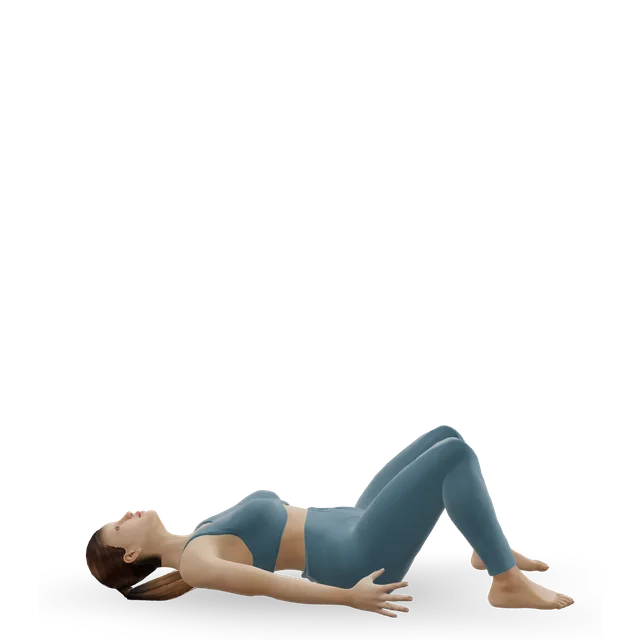
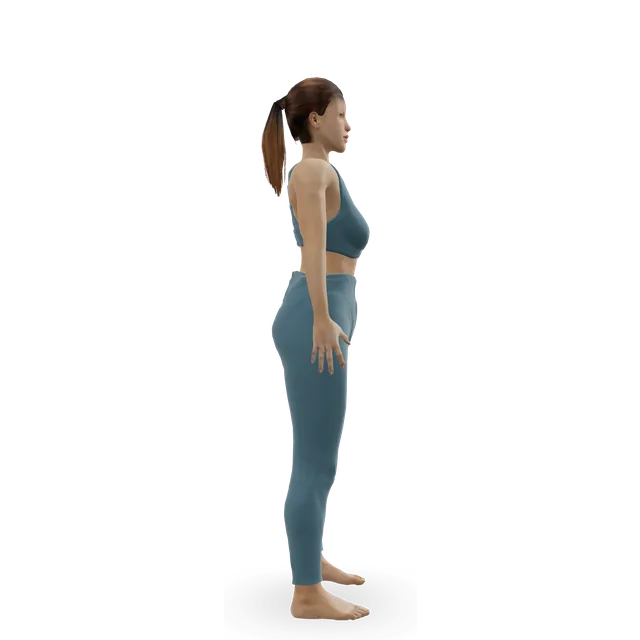
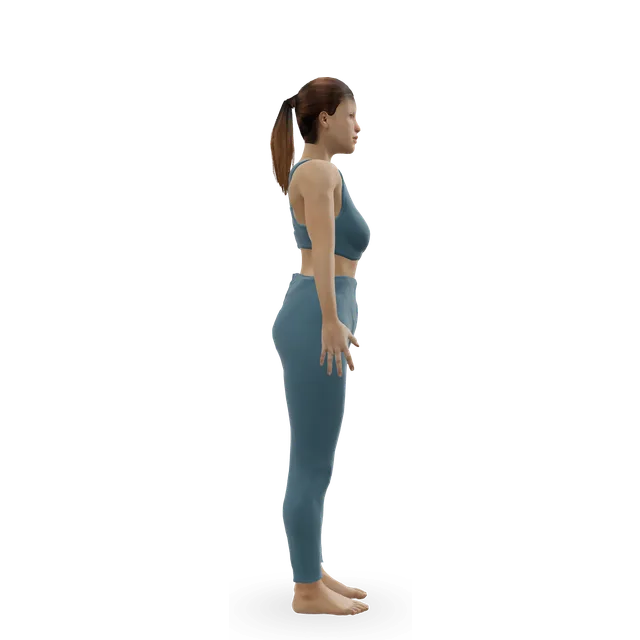
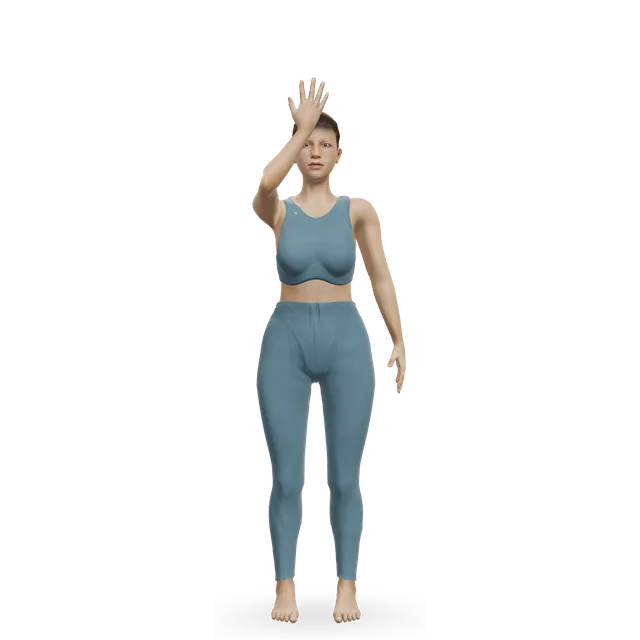
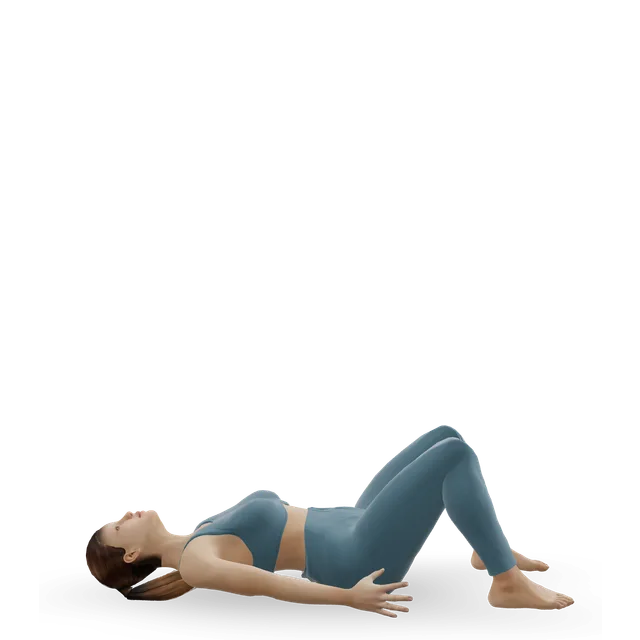
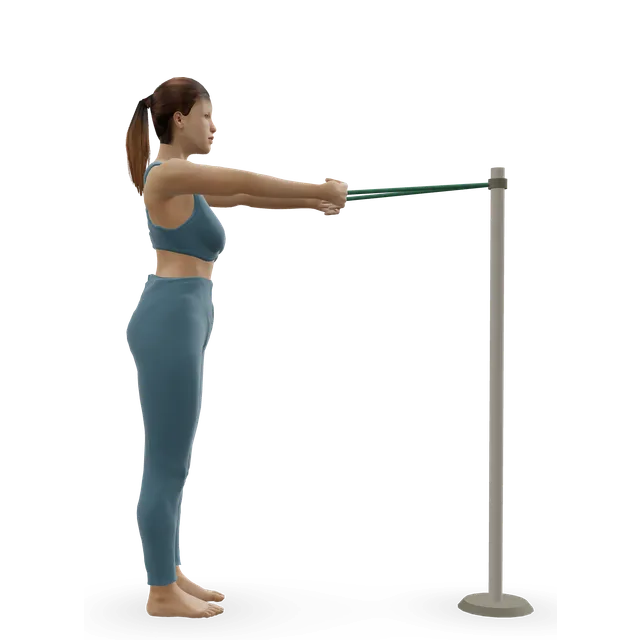
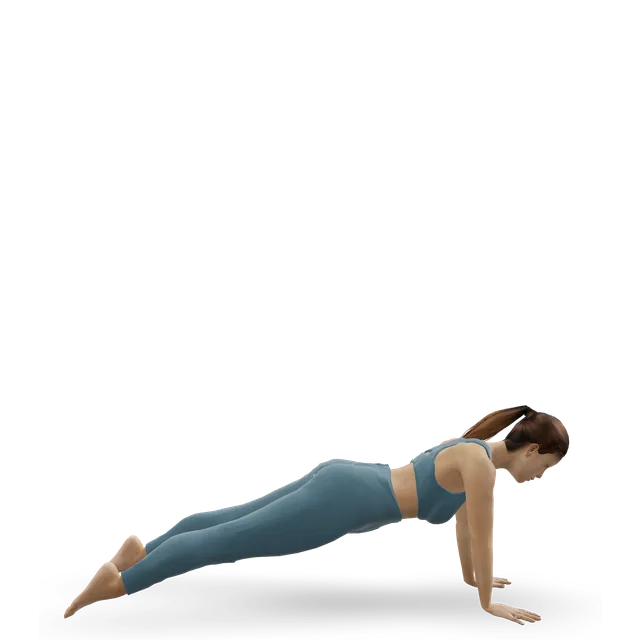
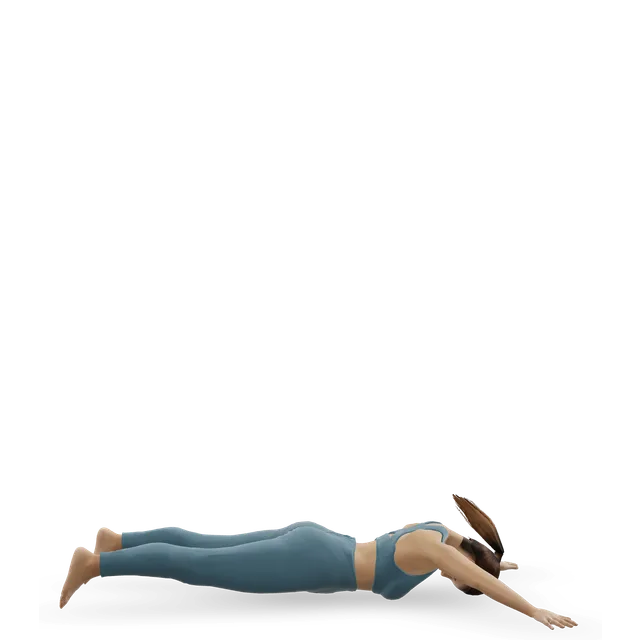
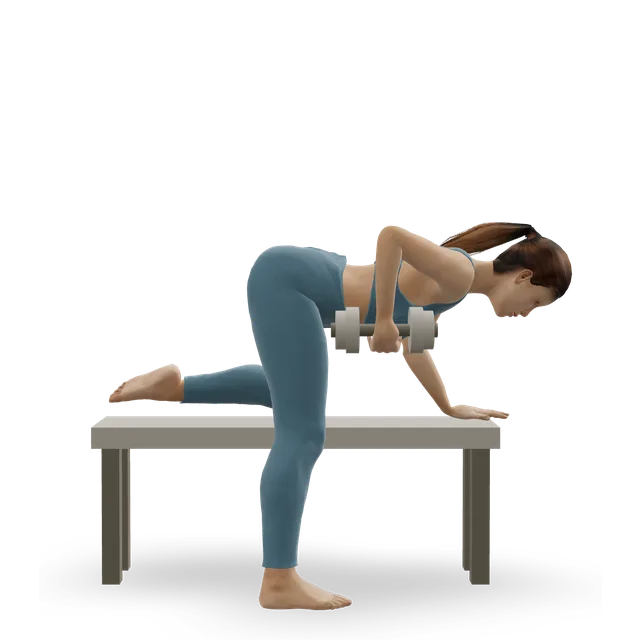
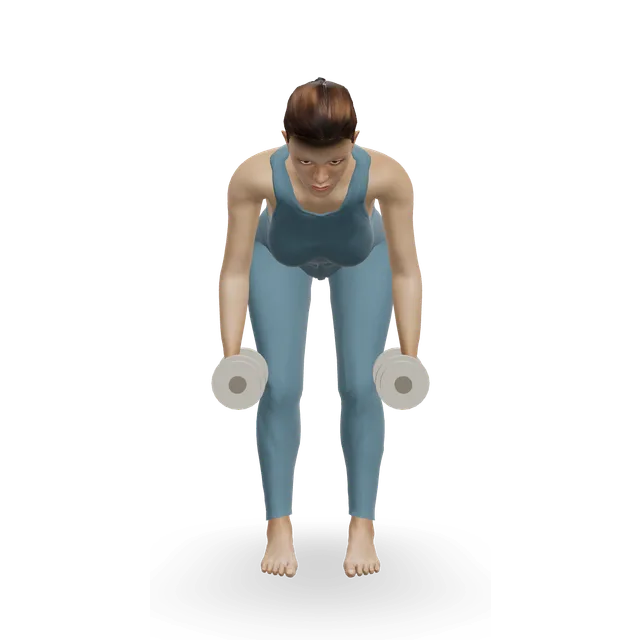
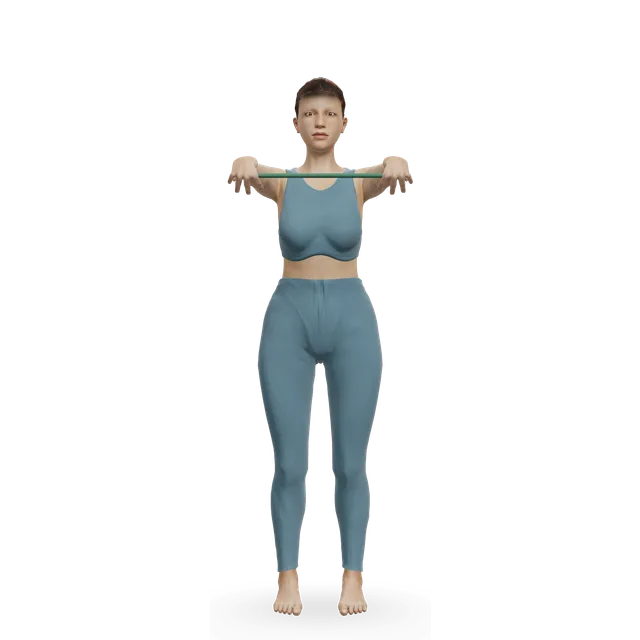
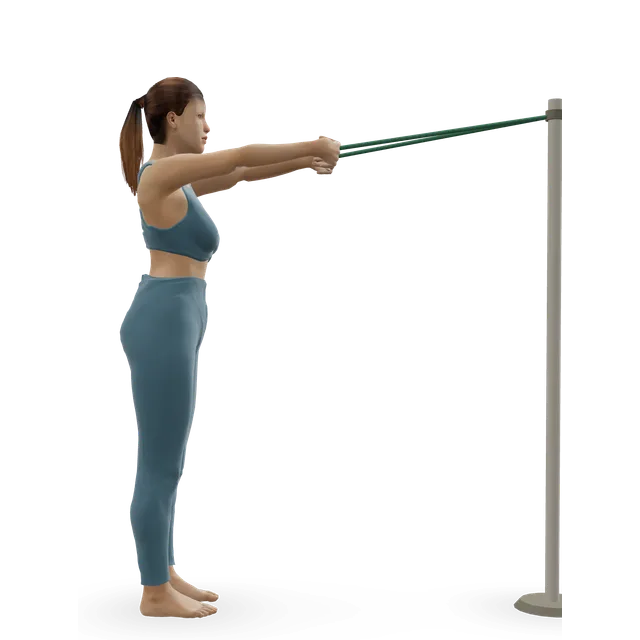
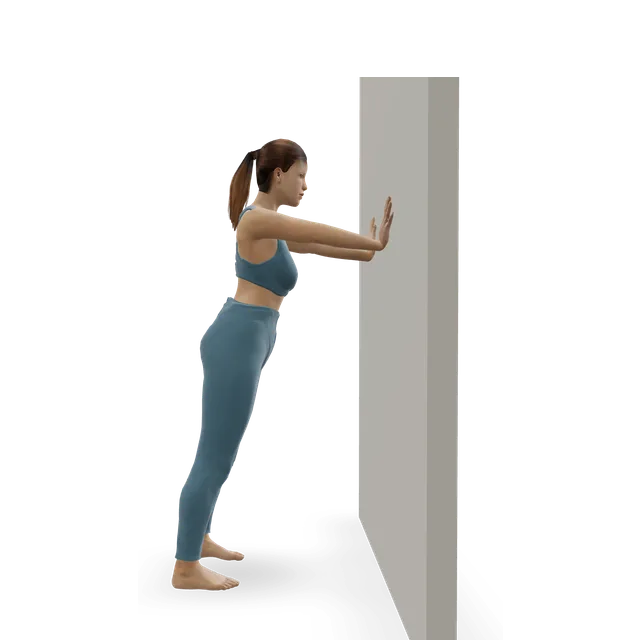
Start at the first stage. Each move opens a full guide with a 3D demo.
Stage 1
Settle: keep moving while the arm is sore
The first 2 to 6 weeks, while arm pain is high. Every move only if arm symptoms do not increase. Doses are editorial starting points unless a source is named. Many people also see a physiotherapist; the trial programme was 12 sessions over 6 weeks plus home exercises.
2 to 3 reps each direction, hourly · Small arcs in comfortable directions only: skip looking up and turning toward the sore side (dose from NHS inform)
Move on when: Add load one change at a time while the arm stays settled.
Follow along: a timer, a cue and the next move, one step at a time.
What to change for now
Positions that bring the arm symptoms on
Clinicians test for a pinched nerve with positions that press on it, and pain that changes with nerve tests and neck movement is part of the picture. No trial has tested positions to avoid. Notice which positions bring the arm symptoms on (often looking up, or turning or tilting toward the painful side) and avoid holding them for now. The NHS also advises against sleeping on your front with neck pain.
Stretches that tilt the head away from the sore arm (the upper trap, levator scapulae and side neck stretches) can bring on arm tingling; keep them small or leave them out while arm symptoms are active.
No evidence bans heavy shrugs, overhead pressing or behind-the-neck lifts, but lighten or swap them while arm symptoms are active. This is editorial advice.
Do not keep it still
An NHS physiotherapy leaflet puts it plainly: keeping your neck still and not moving it is the worst thing you can do.
If you are not improving after 6 weeks of exercise, symptoms last beyond 6 to 12 weeks, or weakness or numbness gets worse. A guideline advises that people who still have nerve symptoms and disability more than 3 months after an injury should be referred for medical investigation.
How long does a pinched nerve in the neck take to heal?
For many people it settles over weeks to months, whatever the treatment; one NHS physiotherapy leaflet says recent symptoms are likely to settle within 6 to 12 weeks. See a doctor if you are not improving after 6 weeks of exercise, or symptoms are getting worse.
Should I stretch a pinched nerve in my neck?
Be careful with ordinary neck stretches: tilting the head away from the sore arm can bring on tingling. Nerve glides are different. They slide the nerve rather than stretch it, and a meta-analysis found nerve mobilisation reduced chronic neck and arm pain by about 1.9 points out of 10. Start them once the worst arm pain has settled.
What is the best sleeping position for a pinched nerve in the neck?
No trial has tested sleeping positions. The NHS advises against sleeping on your front with neck pain and suggests a low, firm pillow with your head level with your body. Choose a position that does not bring on the arm symptoms.
Can a pinched nerve cause shoulder blade pain?
Pain around the shoulder blade can be referred from the neck, and if it comes with arm pain or tingling, this guide is the right place. New, severe pain between the shoulder blades needs an urgent GP appointment or NHS 111; with chest pain, breathlessness or sweating, call 999.
Should I wear a neck collar?
A collar is an option for a short spell when a pinched nerve is recent, not a rule: in one trial it helped about as much as physiotherapy over 6 weeks. Long-term use is not recommended.
When do I need surgery?
Usually not first. In a trial, surgery plus physiotherapy helped people recover faster than physiotherapy alone, but by two years the difference was no longer significant, and the authors advised trying structured physiotherapy first. Worsening weakness, or signs of pressure on the spinal cord, need a specialist's opinion sooner.
Exercise education, not a diagnosis or treatment plan. It is written from the guidelines and studies listed above; review by a clinician is pending. If your pain follows an injury, is severe, is getting worse, or comes with any warning sign listed on this page, get it assessed. Health disclaimer.