Headaches from the neck: exercises for cervicogenic and tension headaches
A headache with neck pain, often starting at the back of the head. When the neck is the cause (cervicogenic headache), it is typically one-sided, brought on by neck movement or holding a position, and spreads from the back of the head forward. Tension-type headache, the common pressing headache on both sides, can come with sore neck muscles too.
Cervicogenic headache itself is not dangerous, but some headaches are, so read the warning signs first. The plan below is built on a trial in which a low-load neck exercise programme reduced headaches for a year.
Exercise is for pain that has been checked or is clearly mild and settling.
Get urgent medical help if
Call 999 or go to A&E: a headache that came on suddenly and is extremely painful; numbness or weakness in the face or body; a drooping face, or being unable to lift both arms and keep them up; difficulty speaking, swallowing, balancing, walking or remembering; double vision or loss of vision; drowsiness or confusion. A torn neck artery often starts with headache and neck pain, sometimes with dizziness or tingling, so head or neck pain unlike any you have had before needs checking.
Call 999 or go to A&E: a stiff neck with a fever, especially if bright light hurts your eyes, you have a rash that does not fade when you press a glass on it, or a very high or very low temperature with shivering. These can be signs of meningitis.
Call 999 or go to A&E after a neck injury if the person is unresponsive, has severe neck pain or cannot move their head, or fell from a height such as 5 or more stairs. Do not drive yourself. Being 65 or over, a dangerous fall or crash (from more than 1 metre or 5 steps, diving, a high-speed or rollover crash, being thrown from a vehicle, or a bike or horse-riding accident), or tingling in the arms or legs after an injury puts you at high risk of a broken neck: get checked.
Same day: a headache with jaw pain when eating, a sore, tender scalp, or problems with your vision. In people over 50 especially, this can be giant cell arteritis.
Same day: clumsiness, numbness, pins and needles or weakness in one or both arms that is getting worse; problems with balance or walking since the neck pain started; or neck pain with a severe headache.
See a doctor or physiotherapist if
Neck pain or stiffness that has not eased after a few weeks, or after 8 weeks of looking after it yourself; painkillers are not helping; or you are worried. In many areas you can refer yourself to NHS physiotherapy.
Neck pain with feeling generally unwell, or that started while you were ill with another condition such as rheumatoid arthritis or cancer; or neck pain with blurred vision, ringing in the ears or dizziness.
You take painkillers for headaches often: overusing them is one of the causes of headache the NHS lists.
Understand it
Is it my neck?
The international headache classification describes cervicogenic headache as a headache caused by a problem in the neck, usually with neck pain. Typical features: one-sided, brought on by neck movement or holding a position, sometimes by pressing on neck muscles, and spreading from the back of the head forward.
It warns that these features are not unique to it, and that imaging changes in the upper neck are common in people without headache. Headache from neck muscle pain is classed as tension-type headache.
A population study of 818 strokes in the arteries at the back of the neck and brain found that people under 45 were about three times as likely to have seen a chiropractor beforehand, but just as likely to have seen a GP. The authors concluded the link is most likely people with neck pain and headache from an early artery tear seeking care, and found no excess risk with chiropractic care compared with GP care.
An international framework still asks clinicians to screen for artery problems before treating the neck, and to avoid end-of-range turning and tipping the head back when they are suspected. Harmless clicking during normal movement is common; forcing your own neck to crack is not something this guide recommends; and new, unusual head and neck pain needs checking, not cracking.
Low-load neck exercise reduced headaches for a yearEmerging evidence
In a trial of 200 people with cervicogenic headache, 6 weeks of either hands-on manipulation or a low-load exercise programme reduced headache frequency and intensity and neck pain, with the effects still there at 12 months. Combining them was not significantly better, though 10% more people gained relief with both.
Cochrane found moderate-quality evidence that neck and shoulder-blade strengthening and endurance exercise, including deep neck flexor training, helps chronic cervicogenic headache, with benefits lasting to long-term follow-up. The US physiotherapy guideline adds, on expert opinion, that training the deep neck flexors may have a specific benefit.
Hands-on treatment is a reasonable additionMixed evidence
In another trial (110 people), manipulation of the upper neck and upper back reduced headache intensity and disability more than mobilisation plus exercise at 3 months; others find exercise and hands-on treatment similar. Exercise is a sound way to manage it yourself, and treatment from a clinician is a reasonable addition.
A self-mobilisation helped in one small trialEmerging evidence
In 32 people with cervicogenic headache and limited turning at the top of the neck, a towel-assisted self-mobilisation of the top neck joint (a C1-C2 self-SNAG), done twice a day at home, lowered headache scores by an average of 54% compared with a placebo exercise, at 4 weeks and 12 months.
It is one small trial: the US guideline gives it a weak recommendation and Cochrane rates the evidence as low. The trial taught the technique in clinic first, so learn it from a physiotherapist rather than from a page; it is not in this plan.
Tension-type headache: strength training is uncertainMixed evidence
A meta-analysis found strength training reduced tension-type headache pain by a moderate amount, but on very low certainty evidence. In a trial of 60 people, 10 weeks of shoulder and neck training with elastic bands was no better than ergonomic and posture correction, and neither group's improvement reached clinical significance.
In office workers with neck and shoulder pain, 2 minutes a day of resistance training cut headache frequency by 0.64 days a week (43% from where they started), though not how long or how bad the headaches were.
The 5 out of 10 rule, and the arm-symptom exception
NHS inform's neck exercise advice: rate your pain from 0 to 10. During exercise, 0 to 3 is minimal and 4 to 5 is acceptable; 6 or more is too much. If it goes higher, do fewer repetitions, move more slowly or rest longer between movements.
Exercise should not make your neck worse overall. Soreness from a new exercise should ease quickly, and your neck should be no worse the next morning. Stop any exercise that makes your symptoms worse or causes new pain.
Arm symptoms are the exception. If an exercise sends pain, tingling or numbness further down your arm, or the extra symptoms last more than an hour afterwards, make the movement smaller or leave it out. (A hospital leaflet on nerve glides allows a short-lived rise in symptoms but not one lasting over an hour; the rest of this rule is this site's suggestion.)
Stop and get checked for dizziness, double vision, slurred speech, trouble swallowing or any of the warning signs above.
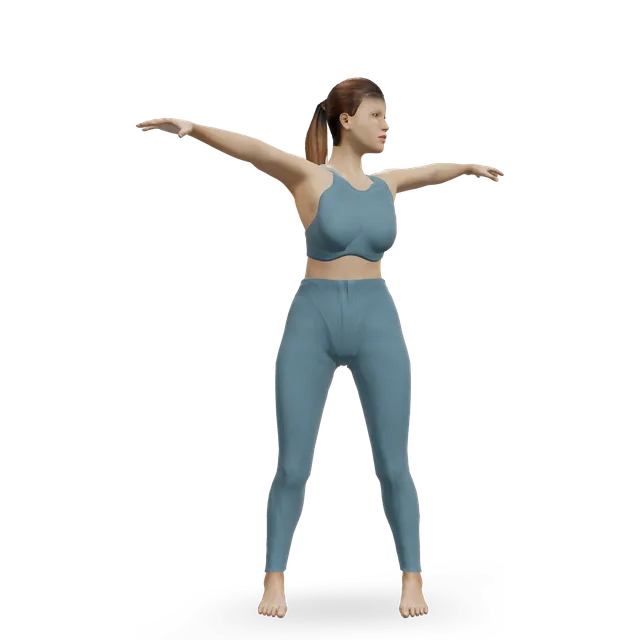
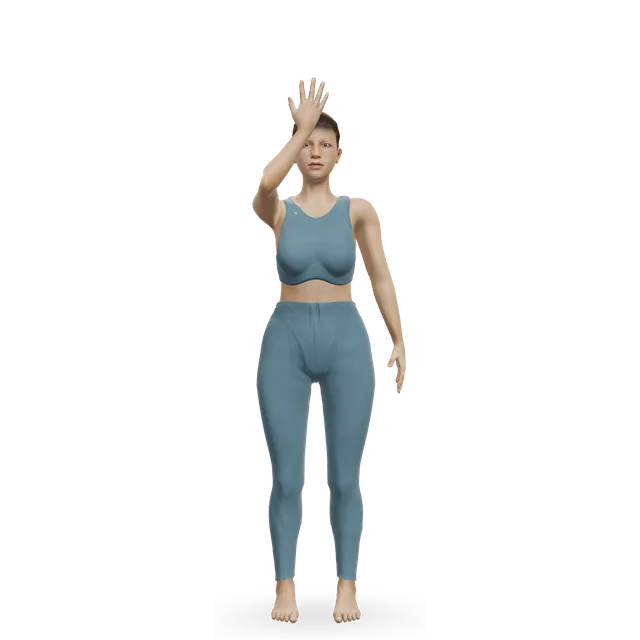
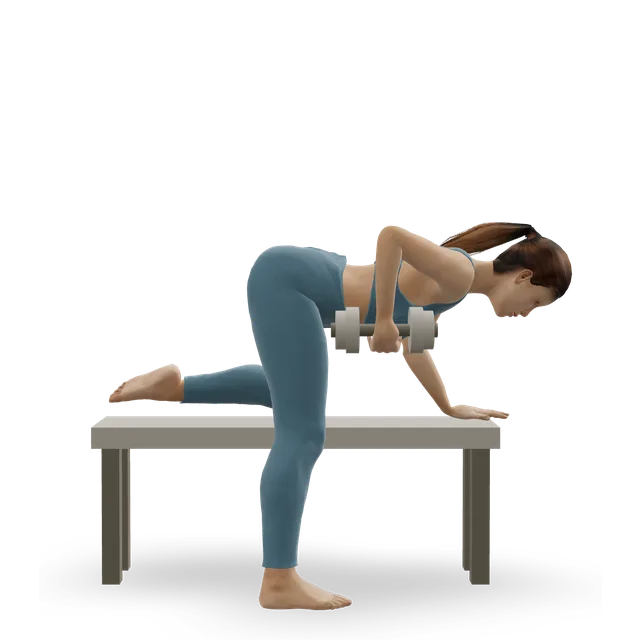
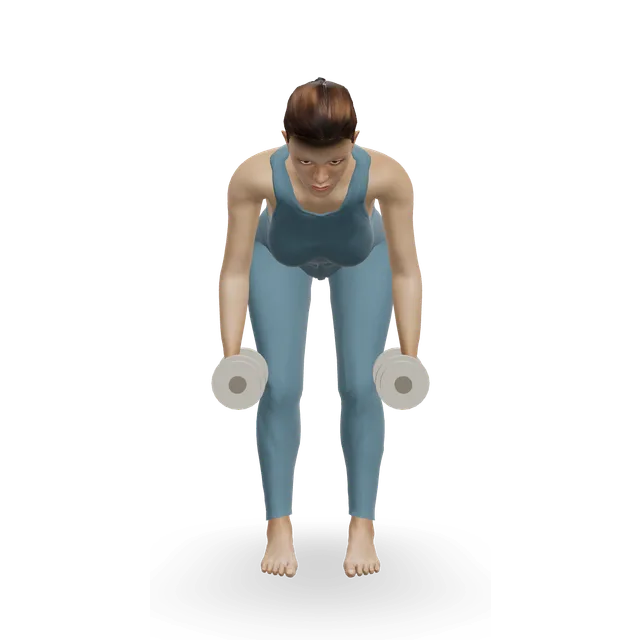
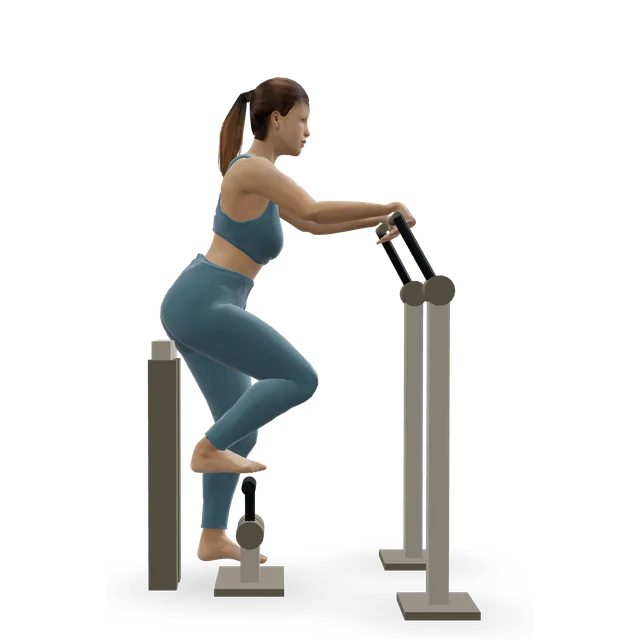
Start at the first stage. Each move opens a full guide with a 3D demo.
Stage 1
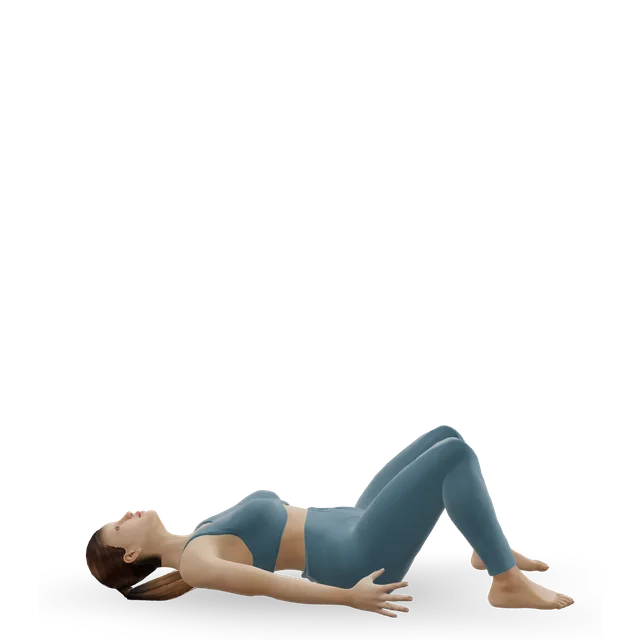
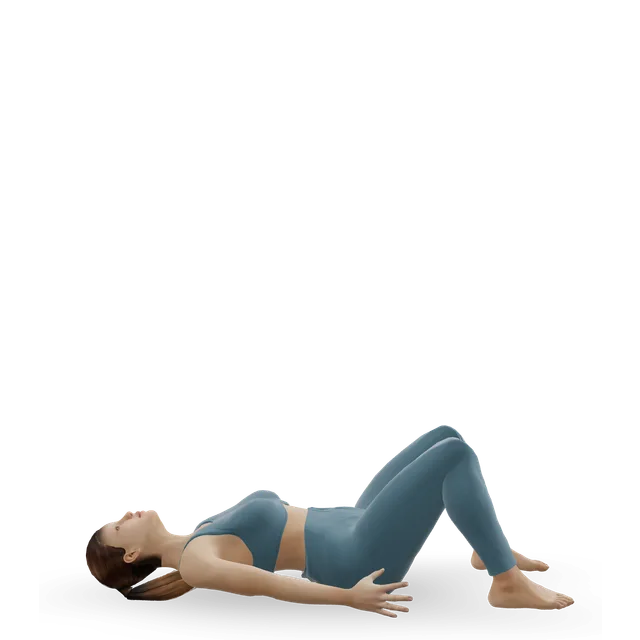
Settle and learn: the deep neck flexors
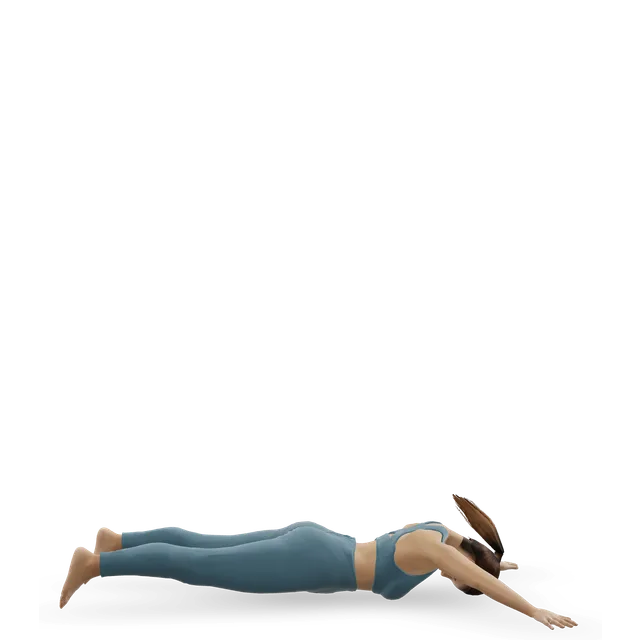
Weeks 0 to 2, once or twice a day. The lying chin tuck is the low-load exercise the same research group trained in its later trials: a very light nod, not a strong push. Doses are editorial starting points.
Move on when: These feel easy and do not bring on a headache.
Follow along: a timer, a cue and the next move, one step at a time.
Stage 2
Build: neck and shoulder endurance
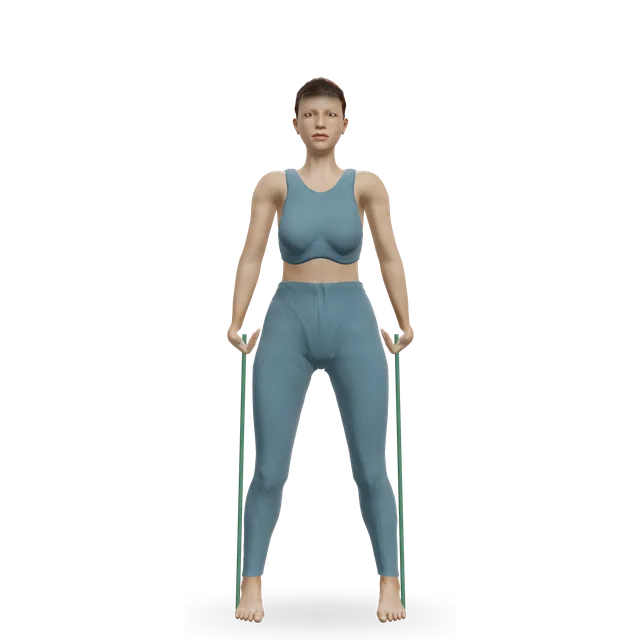
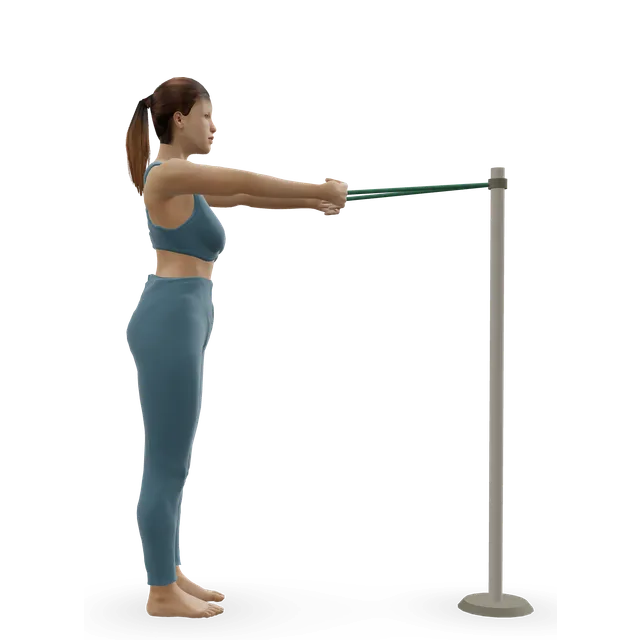
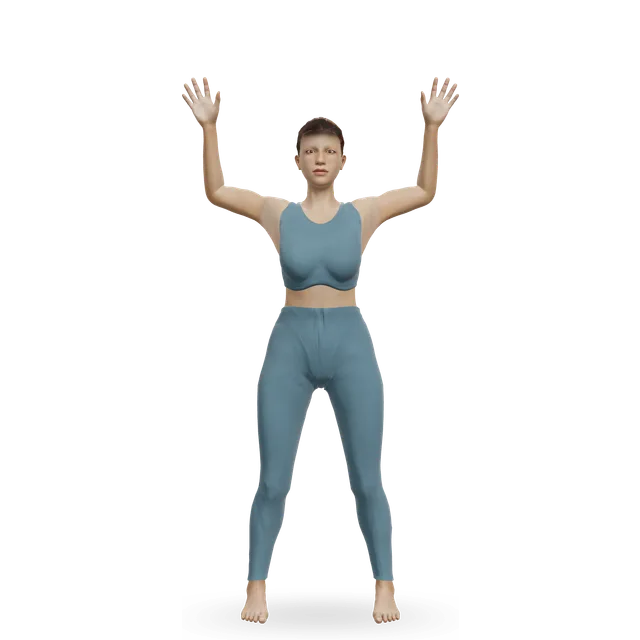
Weeks 2 to 6 (the key trial treated people for 6 weeks). Two or three days a week, with the band raise daily. The band raise dose is from the Andersen 2011 trials; the rest are editorial starting points.
Move on when: Headaches are less frequent or milder, and sessions do not trigger one.
Follow along: a timer, a cue and the next move, one step at a time.
Stage 3
Strengthen: shoulder strength, plus some cardio
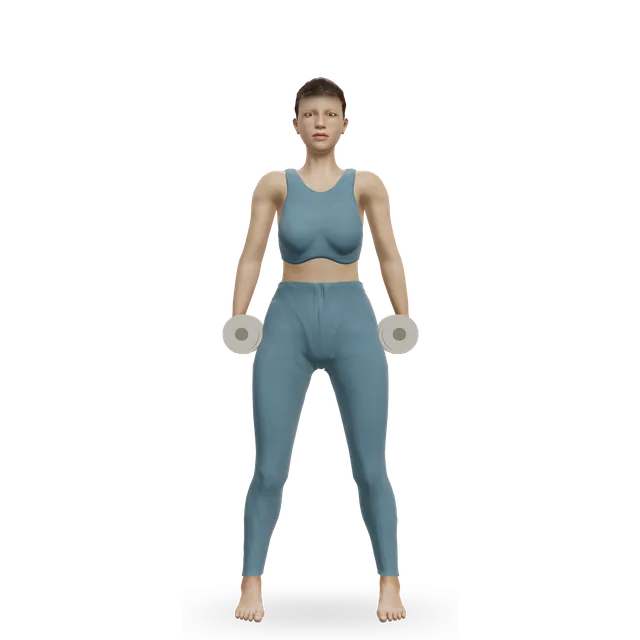
From about week 6, two or three days a week. If you also get migraines, aerobic training had a small to moderate effect on migraine pain in a meta-analysis (very low certainty), so cycling or brisk walking is a reasonable addition. Doses are editorial.
Move on when: Add a little load every week or two while headaches stay settled.
Follow along: a timer, a cue and the next move, one step at a time.
What to change for now
Do not put headache warning signs down to your neck
A sudden, severe or unusual headache, or one with dizziness, vision or speech problems, needs urgent help, even if your neck hurts too. A torn neck artery often starts with headache and neck pain.
Cervicogenic headache itself is not dangerous. But some headaches are: get urgent help for a sudden, extremely painful headache, a headache with a stiff neck and fever, or one with dizziness, vision or speech problems, weakness, numbness or confusion.
Why does my headache start at the base of my skull?
Headaches from the neck typically spread from the back of the head forward, tension-type headaches can involve sore neck muscles, and neck arthritis can cause headaches that start at the back of the neck. These features are not unique to any one cause, so if it is new, severe or keeps coming back, get it checked.
Do neck stretches help tension headaches?
There is no good evidence specifically for stretches. The exercise evidence for tension-type headache is about strength training, and it is uncertain: very low certainty in a meta-analysis, and no better than ergonomic and posture correction in one trial. In office workers, 2 minutes a day of shoulder resistance training cut how often headaches came.
Does manipulation help headaches from the neck?
In the main trial, manipulation and low-load exercise each reduced headaches, with effects lasting a year. Another trial found upper neck and upper back manipulation did better than mobilisation plus exercise at 3 months. Exercise is something you can do yourself; hands-on treatment from a clinician is a reasonable addition.
Is it safe to crack my neck for a headache?
Forcing your own neck to crack is not something this guide recommends. A large study found the link between chiropractic visits and a rare type of stroke was no stronger than for GP visits, most likely because an early artery tear causes neck pain and headache that send people for care. New, unusual head and neck pain needs checking, not cracking.
Exercise education, not a diagnosis or treatment plan. It is written from the guidelines and studies listed above; review by a clinician is pending. If your pain follows an injury, is severe, is getting worse, or comes with any warning sign listed on this page, get it assessed. Health disclaimer.