Whiplash: exercises for recovery, and what the trials found
Whiplash is a neck injury from a sudden jolt, usually a car crash. Neck pain and stiffness, headaches, and pain or spasm in the shoulders and arms are common, and symptoms can take several hours to start. Some people also get dizziness, nausea, poor concentration or memory, or sensitivity to light, noise or smells.
First make sure nothing is broken: check the injury warning signs below. After that, the advice is consistent: keep doing your everyday activities, keep the neck moving, and do not wear a collar. The NHS says it usually gets better within 2 to 3 months, though for some people it takes longer.
Exercise is for pain that has been checked or is clearly mild and settling.
Get urgent medical help if
Call 999 or go to A&E after a neck injury if the person is unresponsive, has severe neck pain or cannot move their head, or fell from a height such as 5 or more stairs. Do not drive yourself. Being 65 or over, a dangerous fall or crash (from more than 1 metre or 5 steps, diving, a high-speed or rollover crash, being thrown from a vehicle, or a bike or horse-riding accident), or tingling in the arms or legs after an injury puts you at high risk of a broken neck: get checked.
Call 999 or go to A&E: new problems walking, loss of bladder or bowel control, or a sudden loss of coordination, such as difficulty doing up buttons. These can be signs of pressure on the spinal cord.
Call 999 or go to A&E: a headache that came on suddenly and is extremely painful; numbness or weakness in the face or body; a drooping face, or being unable to lift both arms and keep them up; difficulty speaking, swallowing, balancing, walking or remembering; double vision or loss of vision; drowsiness or confusion. A torn neck artery often starts with headache and neck pain, sometimes with dizziness or tingling, so head or neck pain unlike any you have had before needs checking.
Same day after a neck injury: tingling or weakness in the arms or legs, clumsy hands (dropping things, trouble with buttons or zips), changes in bladder or bowel control, changed feeling around the bottom or genitals, a history of osteoporosis or rheumatoid arthritis, or feeling generally unwell.
Same day after whiplash: tingling on one or both sides of the body, problems walking or sitting upright, a sudden "electric shock" feeling in the neck and back, or weak hands, arms or legs.
See a doctor or physiotherapist if
Still struggling about 3 weeks after the injury: in a large trial, a few physiotherapy sessions gave a small extra benefit.
Recovery is slow, or the pain is getting you down: the NHS mentions referral to physiotherapy, a pain specialist or psychological support.
Dizziness that lingers once the warning signs above have been ruled out: a physiotherapist can assess it.
Understand it
First: does it need a scan?Strong evidence
After a crash or fall, doctors use the Canadian C-spine rule to decide who needs imaging: anyone 65 or older, after a dangerous mechanism, or with tingling in the limbs. People with low-risk features who can turn their head 45 degrees each way do not need it. In the study that developed the rule (8,924 adults), it picked up all 151 clinically important neck injuries.
About half of people with whiplash still report neck pain a year later. Higher early pain and disability, more symptoms, passive coping, low mood and fear of movement predict slower recovery.
Summaries describe three typical paths: quick recovery (about 45% of people), partial recovery (about 40%) and persistent severe problems (about 15%), with most recovery in the first 6 to 12 weeks.
In chronic whiplash, vestibular rehabilitation improved dizziness scores in the short term (low-level evidence), so a physiotherapist can help with dizziness that lingers.
But new dizziness with a headache, or with vision or speech problems, after a neck injury is a warning sign of an artery injury: recent trauma is present in 40% to 64% of neck artery tears. Get that checked urgently.
Early on: normal activity, movement, no collarStrong evidence
The NHS advises carrying on with everyday activities, which may hurt a little but speeds up recovery; not using a collar; and not resting the neck for long periods. The US physiotherapy guideline recommends education, a return to normal activity as soon as possible, minimal collar use, posture and range-of-motion exercises, and reassurance that recovery is expected in 2 to 3 months.
An Ontario guideline recommends structured education with range-of-motion exercise and advises against a collar, and a task force review found that approaches focused on regaining function as soon as possible did relatively better.
More treatment early is not always betterEmerging evidence
In the UK MINT trial (3,851 people), extra advice in the emergency department was no better than usual advice. For people still struggling at 3 weeks, up to six physiotherapy sessions improved neck disability a little more than one advice session at 4 months (3.2 points on a neck disability scale) and reduced days off work.
Expert opinion in the US guideline favours some supervised exercise over leaflets alone, but advises against intensive, high-intensity programmes in the early weeks.
Months later, advice did as well as a long exercise programmeEmerging evidence
In the PROMISE trial (172 people, 3 months to 5 years after their injury), a 20-session exercise programme was no better than advice for pain at 14 weeks, 6 months or 12 months.
If you have had whiplash for months, exercise is still good for your general health and confidence, but a long, intensive programme is not a reliable fix. Simple advice did just as well in the best trial.
NHS inform's neck exercise advice: during exercise, pain up to 5 out of 10 is acceptable; 6 or more is too much. Your neck should be no worse overall, and no worse the next morning. If it is, do fewer repetitions, move more slowly or rest longer between movements.
The NHS says everyday activity after whiplash may hurt a little and still speeds recovery. In the first weeks, guidelines advise against intensive, high-intensity training.
If an exercise sends pain, tingling or numbness down your arm, or extra symptoms last more than an hour, make it smaller or leave it out. Stop and get checked for dizziness, vision or speech problems, or any warning sign above.
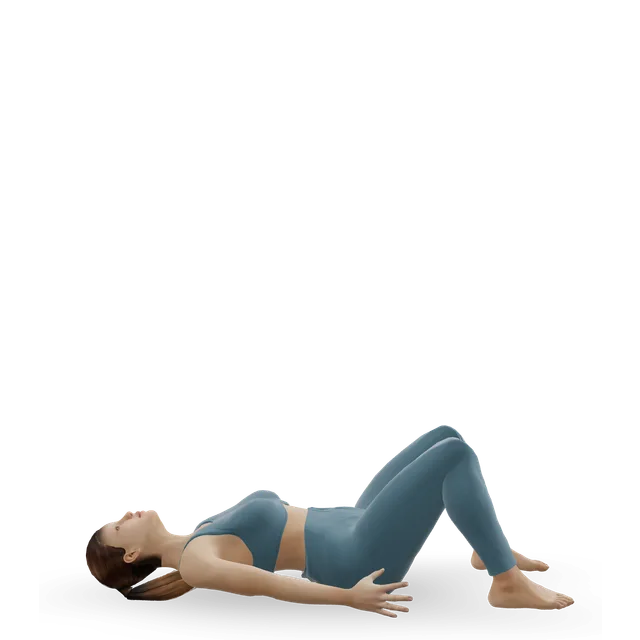
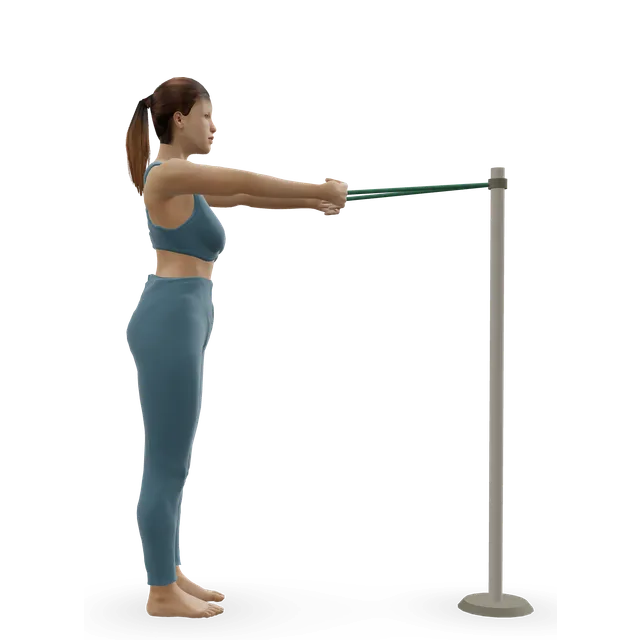
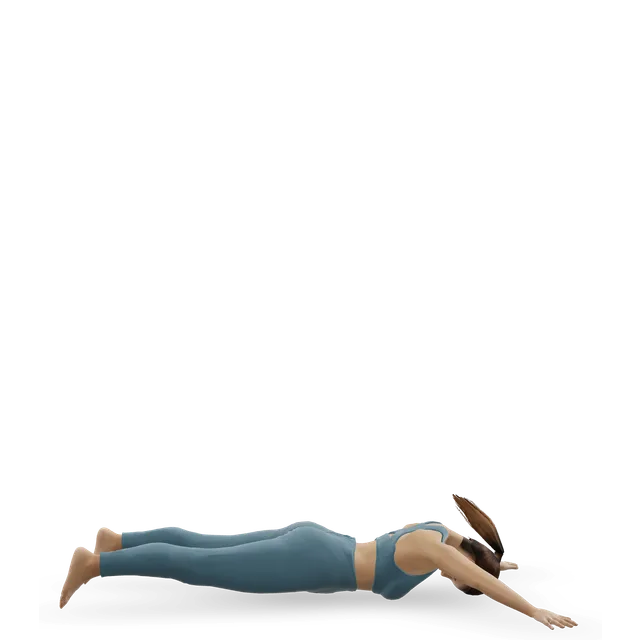
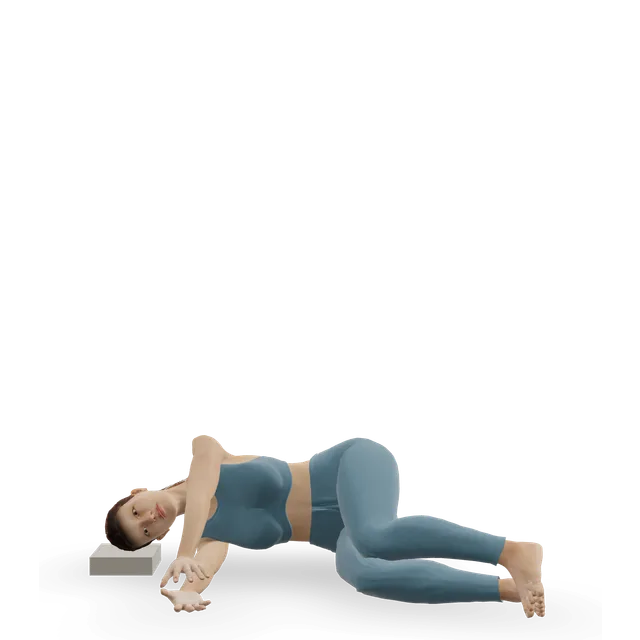
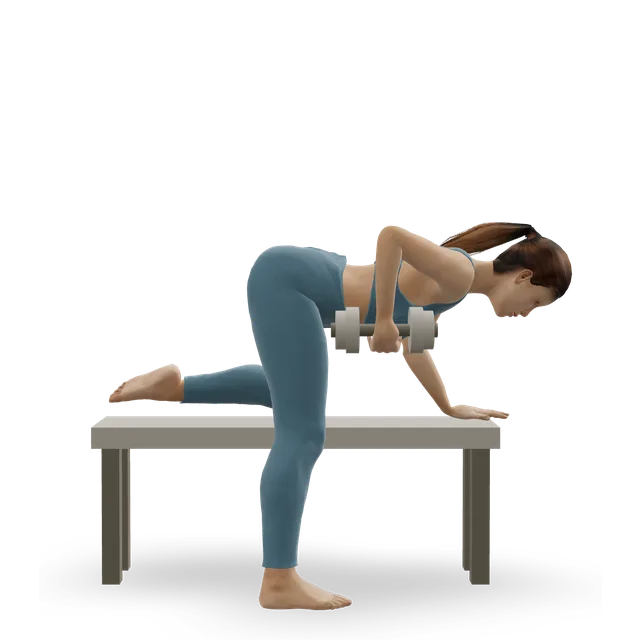
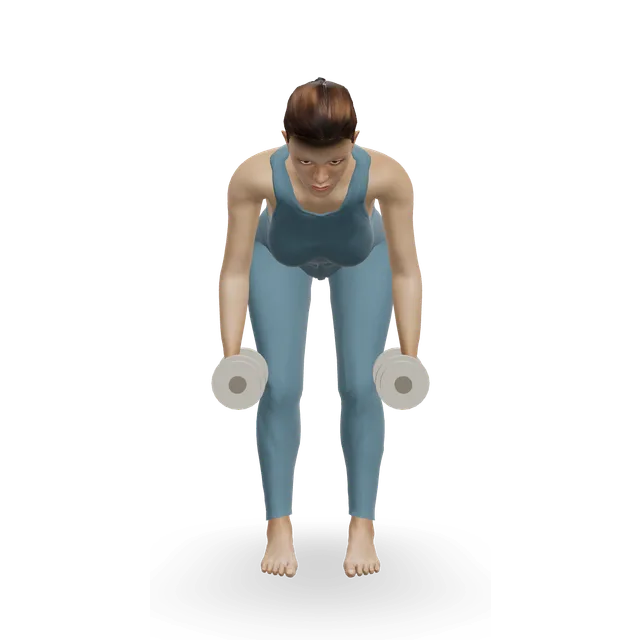
Start at the first stage. Each move opens a full guide with a 3D demo.
Stage 1
Settle: normal activity plus gentle range
Weeks 0 to 3, once a broken bone has been ruled out. Keep doing your everyday activities. The neck movement dose follows NHS inform; the rest are editorial starting points.
Move on when: Everyday activities are getting easier. Many people need nothing more.
Follow along: a timer, a cue and the next move, one step at a time.
Stage 2
Build: endurance, if symptoms persist
Weeks 3 to 12, if it is still bothering you. Two or three days a week. This is the point where a few physiotherapy sessions gave a small extra benefit in the MINT trial. Doses are editorial.
Move on when: You manage these without your neck being worse the next morning.
Follow along: a timer, a cue and the next move, one step at a time.
Stage 3
Strengthen: if it lasts beyond 3 months
From about 3 months, if you still have symptoms. Two or three days a week, plus general fitness. The US guideline suggests a gradual, individual programme of neck and upper back strength, endurance, flexibility and coordination (a weak recommendation). PROMISE found advice alone did as well, so do this for strength and confidence rather than as a cure. Doses are editorial.
Move on when: Add a little load every week or two while your neck stays settled.
Follow along: a timer, a cue and the next move, one step at a time.
What to change for now
Skip the collar and long rest
Collars and resting the neck for long periods are advised against by the NHS and guidelines. Keep the neck moving within comfort and carry on with everyday activities.
No self-manipulation or forceful stretching after a crash
Until the injury and artery warning signs have been ruled out, do not crack your own neck or force it into end-of-range stretches. This is a cautious editorial suggestion based on the injury and artery guidance.
No. The NHS and guidelines advise against a collar for whiplash; keeping your neck moving and carrying on with everyday activities helps recovery.
Is it normal to get headaches after whiplash?
Yes, headaches are common after whiplash, along with neck pain and stiffness. But a sudden, severe or unusual headache, especially with dizziness, vision or speech problems, needs urgent help.
Should I see a physiotherapist for whiplash?
If you are still struggling about 3 weeks after the injury, it is worth it: in the MINT trial, up to six physiotherapy sessions gave a small extra improvement over one advice session. Earlier on, good advice and normal activity matter most.
When can I drive after whiplash?
This guide's sources give no whiplash-specific rule. The NHS's general neck pain advice is not to drive while you cannot move your neck. Make sure the injury warning signs have been ruled out first.
Why is my whiplash still hurting after 3 months?
You are not alone: about half of people still report neck pain a year after whiplash, and higher early pain, low mood and fear of movement predict slower recovery. A long, intensive exercise programme did no better than advice in the PROMISE trial. Staying active, building strength gradually, and help from a physiotherapist, pain specialist or psychologist are the options the NHS mentions.
Exercise education, not a diagnosis or treatment plan. It is written from the guidelines and studies listed above; review by a clinician is pending. If your pain follows an injury, is severe, is getting worse, or comes with any warning sign listed on this page, get it assessed. Health disclaimer.