Dumbbell shrug
Standing with a dumbbell in each hand at your sides, you lift both shoulders straight up toward your ears, pause, and lower them slowly. The weights hang beside the thighs rather than in front, as a barbell does. In an EMG study of women with neck muscle pain, the shrug drew 102% of a maximal effort from the trapezius, the most of five exercises; in a trial, 10 weeks of those exercises cut women's worst neck muscle pain by about 79%.
Movement guide
Dumbbell shrug
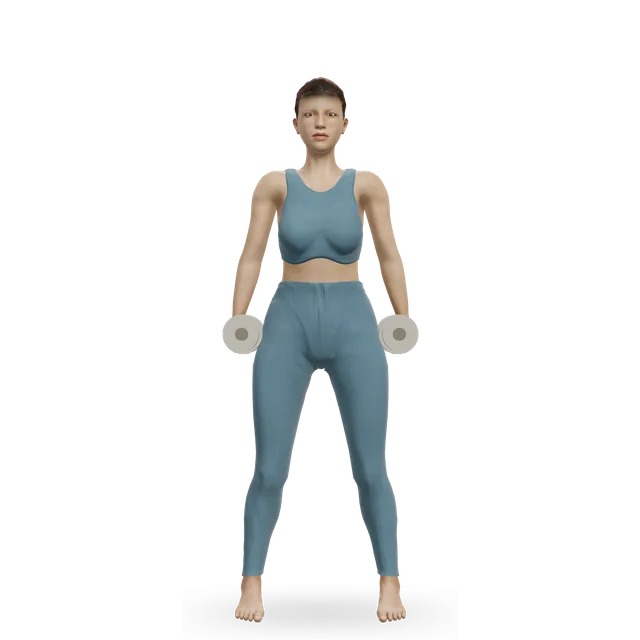
Loading the 3D figure…
Make it easier or harder
Choose a version that fits your control and comfort.
Easier option
Use a lighter weight or resistance in this same movement, following the guide's setup. ACSM 2026 resistance training position stand
Harder option
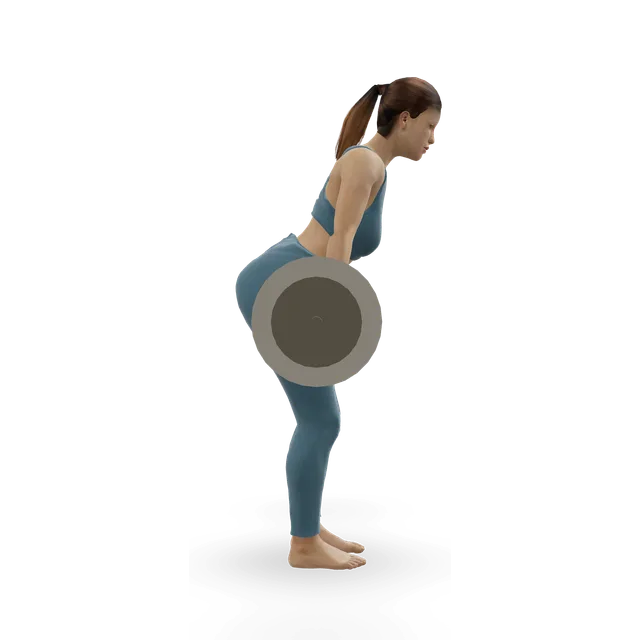 3D demoSnatch shrugIntermediate · A barbell
Suggested next step, intermediate grade.
Source-researched guide.
How to move
- Stand tall with your feet about hip-width apart, a dumbbell in each hand at your sides, palms facing your thighs and arms relaxed and straight.
- Brace your trunk and keep your head level, in line with your spine.
- Breathing out, lift both shoulders straight up toward your ears as high as they will go, keeping your elbows straight.
- Pause for a second at the top, then lower slowly all the way down as you breathe in.
Form cues
- Let the arms hang like ropes; only the shoulders move.
- Lift as high as your shoulders will go, then lower all the way.
- Avoid: poking your chin forward as you lift.
Practice and cautions
2 to 3 sets of 8 to 12, stopping with 2 or 3 reps in reserve (our editorial starting point). Pause for a second at the top of each rep.
Move straight up and down; rolling the shoulders in circles adds nothing and irritates some necks. Because the range is short the loads can climb quickly, so build up gradually, and if shrugging brings on headaches or arm tingling, lighten it and get it checked if that persists. This is movement education, not an assessment or treatment prescription. Stop for sharp or increasing pain, dizziness, numbness or tingling; seek individual guidance for symptoms, injury or restrictions.
Sources and review status
Sources support the educational description; they do not establish that this exercise is suitable for you.
- ACE · Standing shrug (intermediate; dumbbells at the thighs, palms facing in, the shoulders lifted without rolling) ↗
- Andersen 2008 · Neck and shoulder muscle activity in five strength exercises: the shrug drew 102% of a maximal effort from the trapezius, the highest (EMG in women with neck muscle pain, Phys Ther) ↗
- Ekstrom 2003 · Trapezius and serratus anterior in ten exercises: the shrug highest for the upper trapezius (EMG, JOSPT) ↗
- Andersen 2008 · Ten weeks of specific strength training cut the worst neck muscle pain by about 79%; leg cycling helped only briefly (RCT of 48 women, Arthritis Rheum) ↗
- Free Exercise DB · alias and muscle metadata ↗
Unlicense · Free Exercise DB contributors; derived from wrkout/exercises.json. Text import; no photographs or media. · Revision f00c92c7dcf1216a928a52c3706c7ce8e2f71ed5
No variation is labeled clinically validated.
What it works
Muscles
Main: Back. Also: Neck, Forearms.
Anatomy: Latissimus dorsi, Teres major, Trapezius, Rhomboids, Erector spinae, Multifidus.
Equipment
A dumbbell
Level
Beginner. See the easier and harder options above.
Workouts that use it
Pain guides that use it
Part of a staged plan, with when to get help first.
- Neck pain: exercises that help, and when to get it checked
- Tech neck: what really helps desk and phone neck pain
- Pinched nerve in the neck (cervical radiculopathy): exercises and what to expect
- Whiplash: exercises for recovery, and what the trials found
- Headaches from the neck (cervicogenic headache): exercises, and when to get checked
- Neck arthritis (cervical spondylosis): exercises, scans and warning signs
- Upper back pain: exercises, and the signs it isn't your back
- Thoracic outlet syndrome: exercises, the warning signs, and when surgery helps
Show all 41 pain guidesShow fewer pain guides
- Tension headaches: relief, prevention, and how they differ from neck headaches
- Occipital neuralgia: shooting pain at the back of the head, nerve blocks, and what exercise can do
- Stingers and burners: a burning, dead arm after a tackle, when it's an emergency, and playing again
- Neck pain when cycling: position, reach, looking up from a low position, and exercises that help
- Upper back and shoulder pain when cycling: reach, bar height, the shoulder blades and what helps
- Neck pain when swimming (swimmer's neck): breathing, head position and how to build back
- Neck pain from sleeping: waking with a sore neck, pillows, positions and exercises
- Neck pain when turning your head: a stiff neck, a trapped nerve, whiplash, driving and what helps
- Upper back pain from sitting: the desk, the screen, posture, breaks and what helps
- Pain under the shoulder blade: the muscles, neck, ribs and shoulder, and causes that aren't the back
- Pain on the side of the neck: muscles and joints, a pinched nerve, glands, the throat and thyroid
- Neck and shoulder pain: the neck, a trapped nerve or the shoulder, desk and sleep, and the heart
- Neck pain in women: desk work, stress, migraine, pregnancy, the menopause and heart attack signs
- Neck pain after a workout: soreness or a strain, crunches, shrugs and presses, and training again
- Neck pain in children and teens: stiff necks, screens, a baby's tilted head, and when it's urgent
- Neck pain in older adults: arthritis, a trapped nerve, spinal cord pressure, a fall, and what helps
- Upper back pain in women: desk work, the neck and ribs, bra fit and breasts, bones, and heart signs
- Neck pain in men: desk and site work, the gym and sport, whiplash, trapped nerves and heart signs
- Neck pain in pregnancy: posture, sleep and feeding positions, headaches, and the signs to check
- Upper back pain in men: desk work, lifting and the gym, ankylosing spondylitis, and heart signs
- Neck pain when looking down: phones and screens, the muscles and joints, nerve pain and what helps
- Upper back pain when lifting your arm: the shoulder blade, the rotator cuff, the neck and what helps
- Shoulder pain when doing upright rows: the pinch at the top, grip width, elbow height and swaps
- Neck pain when bench pressing: the traps, your head on the bench, straining, the set-up and swaps
- Neck pain when doing shrugs: the upper traps, your head, rolling, heavy loads, headaches and swaps
- Neck pain when deadlifting: head position, the upper traps, straining and headaches, and swaps
- Upper back pain when deadlifting: between the shoulder blades, rounding under load, ribs and swaps
- Neck pain on the treadmill: looking down, the rails, the upper back, headaches and what helps
- Neck pain when driving: the headrest, looking over your shoulder, long journeys and after a crash
- Neck pain after flying: sleeping upright, neck pillows, screens, lifting bags and what helps
- Shoulder pain from carrying: bags, backpacks, a baby or toddler, the rotator cuff and what helps
- Neck pain after a massage: the face cradle, deep pressure, headaches and the signs to act on
- Neck pain after a chiropractor: soreness after an adjustment, headaches, rare harms and what helps
Guides that use it
- Trigger points guide
- Dry needling guide
- Myofascial pain syndrome guide
- Neck and shoulders guide
- Exercise with blood cancer
- How to get a bigger back guide
- Shrugs guide
- Upright rows guide
Show all 12 guidesShow fewer guides
Similar moves
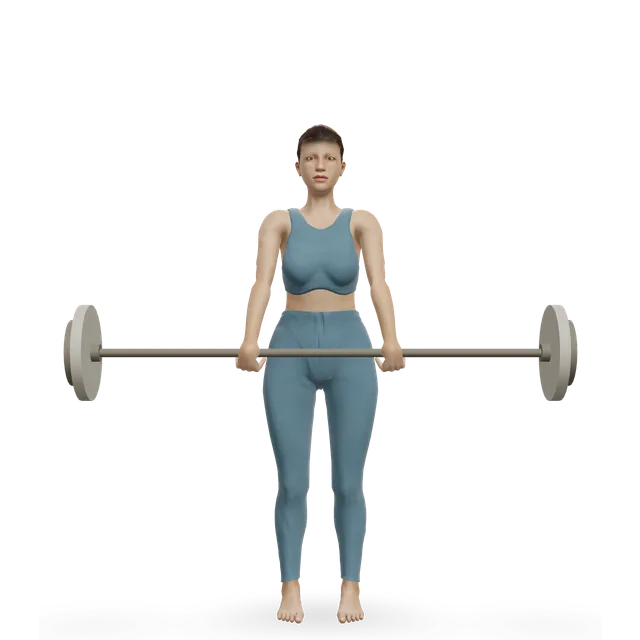 3D demoBarbell shrugBeginner · A barbell
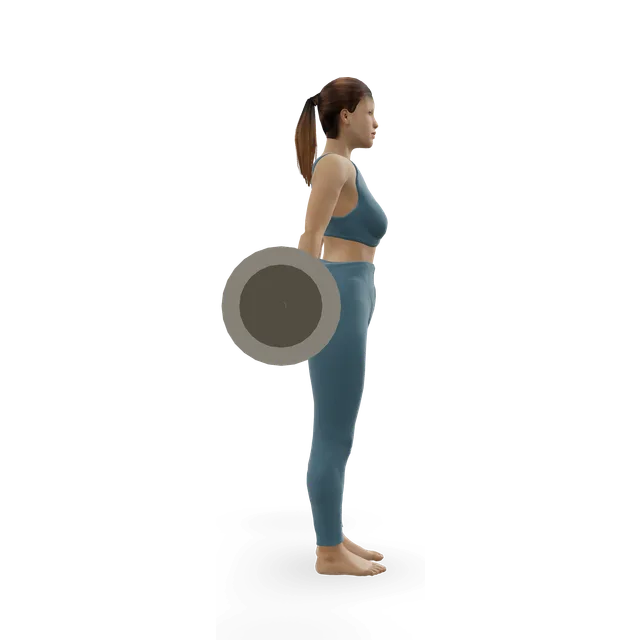 3D demoBehind-the-back barbell shrugBeginner · A barbell
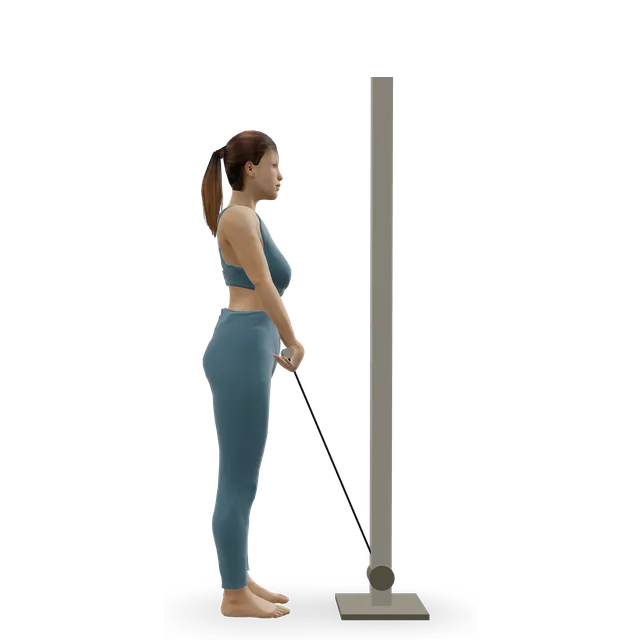 3D demoCable shrugBeginner · A cable machine
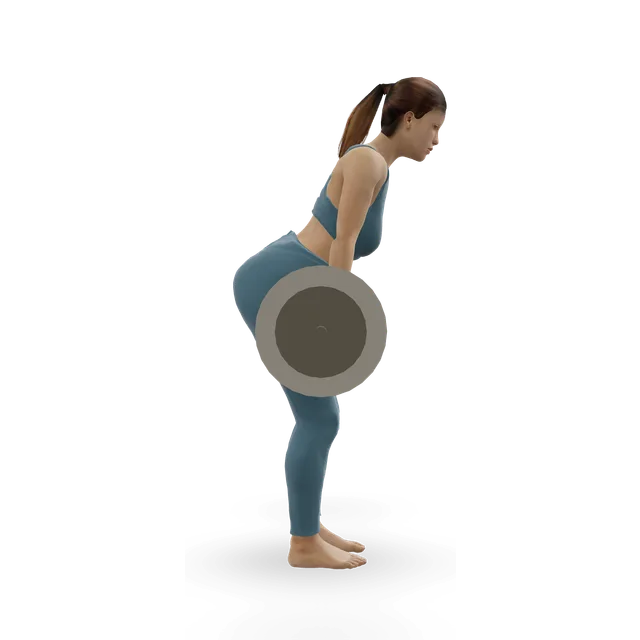 3D demoClean shrugBeginner · A barbell
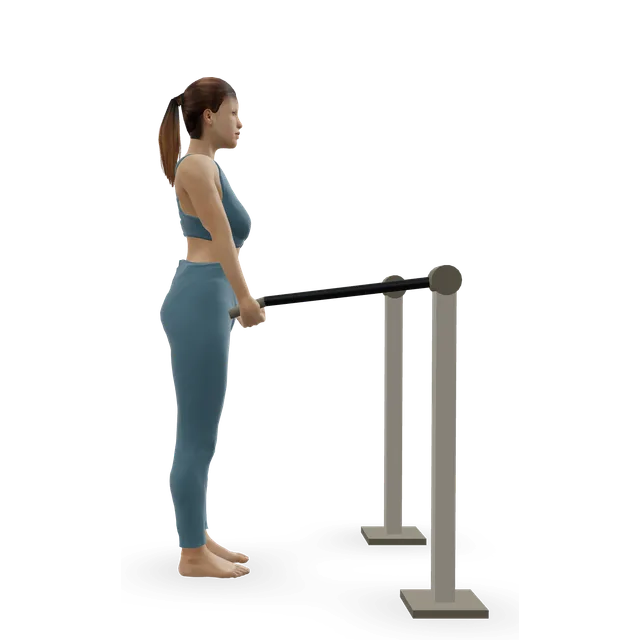 3D demoLever machine shrugBeginner · Strength machine
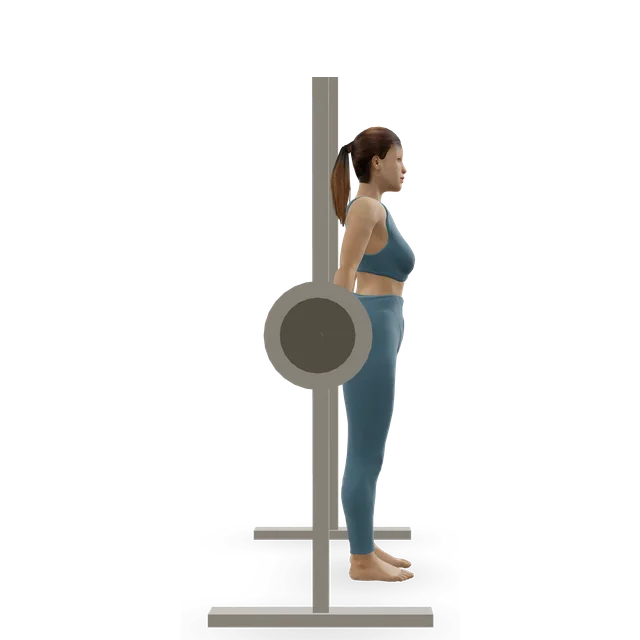 3D demoSmith machine behind-the-back shrugBeginner · Strength machine
Browse more
Questions people ask
What muscles does the Dumbbell shrug work?
Mainly the back, with help from the neck and forearms.
What equipment do I need for the Dumbbell shrug?
A dumbbell.
Is the Dumbbell shrug good for beginners?
It is graded beginner, so it suits most people starting out. When it feels easy, try the Snatch shrug.
How do I make the Dumbbell shrug harder?
Progress to the Snatch shrug. Follow that guide’s technique and any stated timing.