Pain guide · Back pain

Upper back pain when deadlifting: between the shoulder blades, rounding under load, ribs and swaps

Upper back pain when you deadlift, between or along the shoulder blades or beside the spine, usually comes from the muscles that hold your shoulder blades and the shape of your upper back while the bar hangs from your arms, though no study has counted it. An even ache the next day is usually soreness. The upper back rounds a little more as the weight nears your maximum, which looks like a way to finish the lift rather than damage, and rounding hasn't been shown to cause back pain. A catch beside the spine that is sharp on a deep breath can be a rib joint, and pain under one shoulder blade with a stiff neck can come from a nerve in the neck. Keeping the bar against your legs, setting your lats, a lighter load and a trap bar or rack pull for a while usually help.

This guide starts with the signs that need help, from a 999 call for chest pain, pain spreading to your arm or jaw, or sudden breathlessness with upper back pain, to a same-day check through the National Health Service's 111 line (NHS 111) or a general practitioner (GP) for a fever or arm weakness that is getting worse, and a GP visit for sudden back pain after a lift from 50 or with thin bones. It then maps the causes by where it hurts, explains what the lab studies of rounding, straps and the trap bar show, and don't, shows how to change your deadlift today, and gives a three-stage plan with a 3D demo of every move, from kettlebell deadlifts back to the bar.

When to get help first

Exercise is for pain that has been checked or is clearly mild and settling.

Get urgent medical help if

  • Call 999: sudden pain or discomfort in your chest that does not go away (it can feel like squeezing or pressure, burning or indigestion); pain that spreads to your left or right arm, or your neck, jaw, shoulder, stomach or back; or chest pain and you feel sweaty, sick, light-headed or short of breath. It could be a heart attack. Don't drive yourself to A&E.
  • Call 999 or go to A&E if breathing suddenly becomes difficult, if pain in your chest or upper back comes on suddenly with breathlessness or a very fast heartbeat, or if someone passes out. Do not drive yourself. It can be a blood clot that has reached the lungs.
  • Call 999: sudden chest or back pain that can feel like something being torn inside, and causes shortness of breath, and problems with walking, vision and speaking (the NHS's wording, on its costochondritis page). It can be a tear in the wall of the body's main artery (an aortic dissection). Don't drive yourself to A&E.
  • Get help from NHS 111: pain or tightness in your chest, neck, shoulders, jaw or arms that comes and goes, often brought on by exercise, stress, emotion or cold and easing after a few minutes' rest. It can be angina, a sign of a heart problem. If you've been diagnosed with angina, get help from NHS 111 too if it feels worse than before, is happening more often, lasts longer or happens when you're resting.
  • Call 999 or go to A&E: back pain with chest pain, or back pain that started after a serious accident, such as a car crash.
  • Call 999: after a fall, you may have hurt your head, neck, back or hip, or you cannot get up.
  • Same day (NHS 111): back pain after a new, significant injury in the last 7 days, such as a fall from a height (off a box, a bar or rings) or a direct blow to the back.
  • Call 999 or go to A&E: with a broken or bruised rib, shortness of breath or chest pain that is getting worse, or coughing up blood. A broken rib may have damaged your lung.
  • Ask for an urgent GP appointment or get help from NHS 111: you have sharp chest pain that comes and goes, or only happens when breathing or coughing; sharp chest pain that has not got better after a few days; you've coughed up a few small spots, flecks or streaks of blood, or noticed blood in your phlegm; or you're feeling short of breath regularly. It can be pleurisy or a chest infection.
  • Call 999 or go to A&E: new problems walking, loss of bladder or bowel control, or a sudden loss of coordination, such as difficulty doing up buttons. These can be signs of pressure on the spinal cord.
  • Same day: clumsiness in your hands, or numbness, pins and needles or weakness in one or both arms, that is getting worse; problems with balance or walking since the neck pain started; or neck pain with a severe headache.
  • Same day (urgent GP appointment or NHS 111): severe neck pain that starts suddenly or gets worse quickly; heaviness or weakness in the arms or legs; pins and needles in an arm along with neck or arm pain; or pain between the shoulder blades.
  • Same day (GP or NHS 111): sudden, sharp pain right on the bony point at the base of your neck during a heavy pull, sore to press. Stop lifting and get it checked: it can rarely be a small, stable fracture of that bone (clay shoveler's fracture), which usually heals with rest (our suggestion).
  • Same day (GP or NHS 111): back pain and you feel hot, cold, shivery or generally unwell, or severe pain that starts suddenly or is getting worse quickly.
  • Same day: you have or have had cancer, and new back pain that is severe and doesn't let up, is getting steadily worse, is worse at night and disturbs your sleep, is worse when you cough, sneeze or strain, or comes with tenderness over the spine. Contact your cancer team or GP urgently. With cancer, new weakness, difficulty walking, numbness or bladder or bowel problems are an emergency.
  • Call 999: sudden, severe pain in the tummy or back, which can come with breathlessness, pale or grey skin, or collapse. It can be a burst abdominal aortic aneurysm, most common in men aged 65 or over and in people who smoke or used to smoke.
  • Same day (urgent GP appointment or NHS 111): pain in your tummy, often in the middle or just under the ribs on the right, that lasts longer than 30 minutes; it may spread from there to your side or shoulder blade. It can be gallstones.
  • Same day (call NHS 111, or go to A&E if you feel very unwell): after a big or unusual session, such as hundreds of shrugs, pull-ups, push-ups or burpees, a challenge or a new class, muscle pain, swelling or weakness far worse than the session explains, and dark pee (red, brown, tea or cola coloured), sometimes starting hours or days later. Dark pee isn't always there, so muscles far sorer, more swollen or weaker than the session explains still need the same-day check. It can be rhabdomyolysis, a breakdown of muscle that can harm the kidneys.

See a doctor or physiotherapist if

  • Pain at the top of the back, between the shoulders, rather than in the lower back.
  • Back pain that hasn't improved after a few weeks of looking after it at home, stops you doing day-to-day activities, worries you, or you're struggling to cope.
  • Pain that doesn't improve with rest or is worse at night, or pain that is worse when you sneeze, cough or poo.
  • Unexplained weight loss, or a lump, swelling or change in the shape of your back.
  • Sudden new back pain after a minor fall, lift, cough or sneeze, from 50 or past the menopause, or if you take long-term steroid tablets; or height loss, a curved spine or a change in posture: see a GP. It can be a spinal fracture.
  • Unexplained back pain with muscle spasms, loss of height, or a curved spine or change in posture, or sudden back pain after a modest lift from 50 or with known low bone density: a possible osteoporotic spinal fracture, more likely with older age or long-term steroid tablets.
  • You're 50 or over, or past the menopause, and have broken a bone in a fall from standing height or less, or you take steroid tablets long term: ask your GP about a fracture risk assessment. NICE recommends offering a bone density (DXA) scan after a broken hip or spine from thin bones, or another major fragility fracture, such as a broken wrist or shoulder, in the last 2 years.
  • Pins and needles or a cold arm alongside neck pain, or a new loss of strength or feeling in the arm that you cannot explain (a possible nerve problem).
  • Rib pain with no injury that builds up with rowing, golf or other training: see a GP. It may be a rib stress fracture.
  • A rib broke from a cough, a sneeze or a minor bump: ask your GP about your bone health.
  • A sudden pain or pop at the back of the armpit or below the shoulder blade during a hard pull, then bruising there or new weakness pulling your arm down and in: get it checked within days by a GP or sports medicine doctor, because a torn lat or teres major is rare, often missed at first, and bigger tears in athletes are sometimes repaired (our suggestion).
  • A shoulder blade that suddenly sticks out, or new weakness lifting, pushing or carrying: see a GP. Nerve tests may be needed to find which nerve is affected and how badly.
  • Upper back stiffness that is worse in the morning and at night and eases with exercise, with pain where the ribs join the spine or breastbone, or a deep breath that is hard to take, especially if it started before 45: see a GP. It can be ankylosing spondylitis.
  • A burning, tingling or painful patch of skin on one side of your back or chest, with or without a rash: get advice from a pharmacist or NHS 111 as soon as possible. Shingles can cause pain a few days before the rash appears, and rarely without one. Try to see a pharmacist within 3 days of the rash appearing.
  • A strain that is getting worse, or isn't feeling better after looking after it yourself: see a GP or physiotherapist. In many areas you can refer yourself to physiotherapy.

Where does it hurt?

Location narrows the likely causes; it does not diagnose.

Between or along the inner edges of the shoulder blades, or beside the spine in the upper or mid back, an ache or burn building through heavy sets

Usually the muscles holding your shoulder blades and the shape of your upper back working hard: the commonest pattern in our reading, though no study counts the causes. A lighter load, the bar close and the lats set usually help.

An even ache across the upper back a day or two after a new or heavier session, easing day by day

Muscle soreness, gone within about a week.

Read: Back pain after a workout →
A sudden sharp catch on one side during a rep, then sore to move for days

Usually a strained muscle, which eases over days to weeks.

Read: Back spasm and pulled back muscle →
A deep catch at one point beside the spine, sharp on a deep breath, a twist or a cough

Possibly a rib joint or a muscle between the ribs. Pain that is sharp only on breathing needs an urgent GP appointment or NHS 111.

Read: Rib pain →
A rib that hurts more with each session, with no single injury, or after a fall or a dropped bar

Possibly a rib stress fracture or a broken rib, which needs checking.

Read: Rib injury →
Under or around one shoulder blade with a stiff neck, then pain, pins and needles or numbness down the arm

Possibly a trapped nerve in the neck, which often starts with shoulder blade pain.

Read: Pinched nerve in the neck →
Under or around one shoulder blade, not only when deadlifting

Our shoulder blade guide sorts the causes, including the organs that can be felt there.

Read: Pain under the shoulder blade →
The middle of the back, from the bottom of the shoulder blades to the bottom of the ribs, in daily life too

Usually the mid back's muscles, joints or ribs.

Read: Middle back pain →
The tops of the shoulders and the side of the neck near lockout

The upper traps holding the bar. Our deadlift neck guide covers it.

Read: Neck pain when deadlifting →
The shoulder joint, the front of the shoulder, the biceps, or a pop at the back of the armpit

Our deadlift shoulder guide covers grip, straps and a torn lat.

Read: Shoulder pain when deadlifting →
The lower back, sudden during a rep or stiff the next morning

Our deadlift back guide covers the first days and a plan back to the bar.

Read: Back pain after deadlifts →
Between the shoulder blades on the bench press

Our upper back bench press guide covers the set-up and swaps.

Read: Upper back pain benching →
Sudden mid or upper back pain after a modest lift from 50, or with long-term steroid tablets or known thin bones

Possibly a spine fracture from osteoporosis: see a GP.

Read: Spinal compression fracture →
Upper back stiffness worse in the morning and at night that eases with exercise, starting before 45

Possibly ankylosing spondylitis: see a GP, as the warning signs say.

Read: Upper back pain →
Upper back pain with chest pain, breathlessness, sweating or feeling faint, or a tearing pain

Rarely the heart, the main artery or a clot in the lung: call 999, as the warning signs say.

Understand it

What a deadlift asks of the upper back, and what no study has countedEmerging evidence

The bar hangs from straight arms, so the upper back has to stay firm while the hips and legs lift. The muscles between the shoulder blades (the rhomboids and the middle trapezius) hold the shoulder blades, the lats keep the bar close to your legs, the upper trapezius holds your shoulders up at the top, and the long back muscles keep the spine's shape.

A review of 19 deadlift muscle studies found the back and thigh muscles worked hardest, but only one study recorded the trapezius. In that study of 13 football players, the middle trapezius and the mid-back muscles beside the spine worked hardest low in the pull, near the floor, and the upper trapezius near lockout.

No study has counted upper back pain or injury from deadlifts: in a review of powerlifting injury reports, the deadlift injuries were almost all in the lower back and legs. So the map on this page comes from lab studies, injury surveys, studies of the ribs, the neck and the bones, and NHS pages.

Sources 1, 2, 3

The commonest pattern, in our reading: the muscles between the shoulder blades

An ache or burn between the shoulder blades or beside the spine, building through heavy sets and easing within a day or two, is usually these muscles working hard. A sudden sharp catch on one side during a rep, then soreness for days, fits a strain of the same muscles. No study counts these causes, so this is our reading.

A dull ache across both sides the day after a new or heavier session is muscle soreness: it usually starts 12 to 24 hours after unaccustomed work, peaks between 24 and 72 hours and is gone within 5 to 7 days.

Source 4

The upper back rounds a little more near your maximumEmerging evidence

As the weight nears your maximum, the spine bends more where the upper back meets the lower back. In 13 male track and field athletes, the lower part of the upper back and the top of the lower back bent more as the load rose from 60% to 90% of their maximum. In 12 strength-trained women, the lower upper back bent more at their maximum than at 70% or 90%, and the authors suggest the bending helps lifters finish a lift heavier than their hip muscles alone could manage. Trained lifters don't hold a perfectly flat back anyway, and even elite powerlifters lifting over 180 kg kept their lower backs short of full bending.

No study links upper back rounding with upper back pain or injury. For the lower back, pooled studies of low quality found that bending while lifting wasn't a risk factor for back pain, and a 2026 review argues that sudden jumps in training load predict injury more consistently than posture. Our reading: rounding that grows rep by rep in a heavy, tired set means the weight is too heavy for now, not that you are injured.

Sources 5, 6, 7, 8, 9, 10

A catch beside the spine, and the ribsEmerging evidence

The ribs join the spine at small joints on each side. In 8 healthy men, irritating these joints gave a deep, dull ache and pressure over the joint itself, with no chest, arm or organ-like pain. So a deep, local catch beside the spine, sore on a deep breath, a twist or a cough, fits a rib joint or a strained muscle between the ribs (our reading). No study of rib joint pain in lifters was found, and there is no evidence that a rib slips out of place.

A rib stress fracture is rare. A 17-year-old broke his first rib the day after deadlifts at school, with pain at the back of the shoulder and a shoulder blade that stuck out; it settled within 2 weeks of rest. In a 26-year-old weightlifter, the first X-ray was normal and a CT (computed tomography) scan found the fracture. Rib stress fractures are best known in rowers, linked with repeated pulling and low bone density.

Sources 11, 12, 13, 14, 15

The neck can send pain between the shoulder bladesEmerging evidence

In 50 people with a trapped nerve root in the neck, pain in the neck or around the shoulder blades came before the arm symptoms in 70%, and pain between the shoulder blades pointed to the lowest neck nerves. A review of 86 studies found that shoulder blade pain can come weeks before arm pain. So pain under one shoulder blade with a stiff neck, or pins and needles that follow down the arm, belongs to the neck guides, not the deadlift.

Sources 16, 17

Thin bones: a spine fracture is rare in lifters but needs checkingStrong evidence

The NHS says that with thin bones, a cough or a sneeze can break a rib or partly collapse one of the bones of the spine. A UK consensus notes reports of spine fractures with end-range, sustained, repeated or loaded forward bending, and the Royal Osteoporosis Society says not all spinal fractures cause pain. Sudden mid or upper back pain after a modest lift from 50, past the menopause or on long-term steroid tablets, or height loss or a curved back, needs a GP.

Sources 18, 19, 20

Rare but serious: the heart and the lungsStrong evidence

Upper back pain is rarely the heart or the lungs, but they come first. The NHS makes chest pain that spreads to your arm, neck, jaw, stomach or back a 999 call (its heart attack page describes crushing or squeezing chest pain that may spread to the arm, neck and jaw), and lists pain in your chest or upper back among the signs of a blood clot in the lungs. It also says see a GP for back pain coming from the top of your back, between your shoulders, rather than your lower back.

Sources 21, 22, 23, 24

Who gets itEmerging evidence

No study counts upper back pain from deadlifts. In weightlifting and powerlifting studies that reported it, the upper back and neck together made up 1.7% to 14.7% of injuries; the lower back and the shoulder led. In 104 Swedish powerlifters, women had more neck and upper back injuries than men, and female powerlifters report more upper back and neck pain, men more low back pain. Injury rates in lifting are low next to contact sports, and most injuries are strains and sprains. Upper back pain is common in everyone too: 15% to 27.5% of people have it over a year.

In our reading it mostly bothers people who add weight or sets quickly, grind heavy reps when tired, go back to an old working weight after a break, hold long, heavy sets with straps, or come to the bar with an upper back already sore from desk work.

Sources 25, 26, 7, 27, 28, 29

When a scan or test matters

Not for an ache between the shoulder blades that eases with a lighter, closer pull. Tests matter with the warning signs (an electrocardiogram (ECG) and blood tests for chest pain), after a fall or a dropped bar, for a rib that hurts more with each session (a first X-ray can be normal), for sudden back pain after a lift from 50 or with thin bones, and for arm weakness or numbness that is getting worse.

Sources 13, 18

How it usually goesEmerging evidence

No study follows upper back pain from deadlifts. Soreness goes within about a week, and the NHS says back pain usually improves within a few weeks but can sometimes last longer or keep coming back. In Swedish powerlifters, only 16% of those injured had to stop training completely; most changed their training instead. The teenager's rib fracture settled within 2 weeks. No one can promise a date.

Sources 4, 24, 26, 12

What helps, and how strong the evidence is

Rounding near your maximum is normal, and not shown to cause injuryEmerging evidence

Two small lab studies (13 men and 12 women) found the lower part of the upper back bent more at 90% to 100% of maximum than at lighter loads. Pooled studies of lifting and the lower back, all of low quality, found bending wasn't a risk factor for back pain, and a narrative review puts sudden jumps in load ahead of posture as a cause of injury. No trial has compared back positions in the deadlift and counted injuries, and nothing measured links upper back rounding with upper back pain. So the honest advice is a middle path: set a long, braced back, accept small changes, and lighten the load when the shape changes a lot.

Sources 5, 6, 9, 10

The trap bar and the Romanian deadlift: mixed evidence, and the upper back unmeasuredMixed evidence

In 20 men, a trap bar lifted the same maximum as a straight bar with less back muscle activity on the way down, but in 13 men at their maximum the back muscles worked about as hard with either bar. A review found less back muscle activity with the hex bar, and less, relative to the hamstrings, in the Romanian deadlift. No study measured the upper back muscles or upper back pain with any of these, so they are reasonable swaps to try, not proven fixes.

Sources 30, 31, 2

Straps help the grip, and one survey linked them with upper back injuriesEmerging evidence

An exploratory review found straps can raise maximal strength and how secure your grip feels, with no evidence on their long-term use. In one cross-sectional survey of 104 Swedish powerlifters, those who trained with straps had more current upper back injuries (odds ratio 1.68), and the authors speculate that straps make it harder to set the start position and the upper back's tension. One survey taken at one point in time can't show cause, and the link could run the other way: lifters with sore upper backs may reach for straps. If you use them, set your upper back before each rep (our suggestion).

Sources 32, 26

Strength work helps upper trapezius pain (borrowed from desk workers)Emerging evidence

In 48 women with work-related pain in the upper trapezius, 10 weeks of strength training for the painful muscle cut their worst pain by about 79%, while cycling gave only a small, brief drop. In 7 trials of long-lasting pain, exercise that allowed some pain did no worse than pain-free exercise. These were desk workers, not lifters, and no trial has treated upper back pain from lifting, so the plan borrows the idea (strengthen the sore muscles), not the doses.

Sources 33, 34

With osteoporosis: lift with good technique rather than stopEmerging evidence

The UK consensus recommends safe lifting technique rather than "don't lift" or a weight limit, and advises avoiding postures with a lot of forward bending. The Royal Osteoporosis Society says it is how you lift rather than how much you lift that matters, and to put the weight down if you feel the strain in your back. In the LIFTMOR trial, 101 women with low bone mass did 8 months of closely supervised heavy lifting and impact training; according to the trial's abstracts (we read the abstracts, not the full papers), lower spine bone density rose 2.9% against a fall of 1.2% with gentle home exercise, there was one minor back spasm, no new spine fractures were seen, and standing upper back rounding fell. An old, small study that wasn't randomised found more new spine fractures with forward-bending exercises than with back-extension ones. After a spine fracture, the consensus suggests impact only up to about brisk walking.

Sources 19, 20, 35, 36, 37

Medicines, cracking and foam rollingEmerging evidence

The NHS suggests anti-inflammatory medicine such as ibuprofen if it suits you, says paracetamol on its own isn't recommended for back pain, and suggests heat for stiffness or spasm. No study tests foam rolling, cracking the upper back, rhomboid drills or rib manipulation for upper back pain from deadlifts, and the rib joints cause a local ache rather than a rib out of place. Mobility work and a foam roller feel good and are optional, not fixes.

Sources 24, 11

How much pain is OK while you exercise?

Up to about 5 out of 10, settled within an hour, no worse the next morning; arm symptoms are differentEmerging evidence

This guide uses the back hub's rule, as our other upper back and back movement guides do. Some discomfort during exercise is fine, and it does not mean you are doing damage. Aim for pain you would call mild to moderate, no more than about 5 out of 10. It should settle within an hour or so, and your back should be no worse the next morning. If it is worse, do less next time (fewer reps, a smaller range, a lighter load), not nothing.

If pain climbs day after day, or you notice any warning sign, stop and get it checked. The 5 out of 10 figure matches this site's other pain guides and has not been tested in a back pain trial; in trials of long-lasting muscle and joint pain, exercise that allowed some pain did no harm.

For deadlifts (our suggestion, built on the same rule): judge each set by its last reps and by the next morning. Choose the pull (a kettlebell, the trap bar from the high handles, a rack pull, then the bar from the floor), the load and the number of reps where your upper back stays at 5 out of 10 or less, settles within an hour and is no worse the next morning, and end the set when your upper back starts to round more than it did on the first rep. A burn between the shoulder blades that goes as soon as you put the bar down is the muscles working; a catch that stays sharp on a deep breath isn't, so drop back to the first stage. Arm symptoms are the exception, as our neck guides say: if a pull sends pain, pins and needles or numbness down your arm, shrink the movement or leave it out. Chest pain, breathlessness, feeling faint, or pain sharp only on breathing aren't pain-rule questions: see the warning signs.

Sources 34, 24

The exercise plan: 3 stages

Start at the first stage. Each move opens a full guide with a 3D demo.

Stage 1

Keep pulling, lighter and closer

About weeks 0 to 2, 2 or 3 sessions a week with daily walks: keep the hinge and the upper back working with set-ups that pass the pain rule, and keep the upper back moving. With a warning sign, get checked first; with a rib or spine fracture, a trapped nerve or a torn lat, that guide's plan or your team's comes first.

Thoracic rotation demonstrated on the 3D figure3D demoThoracic rotationBeginner · No equipment

6 rotations per side, moving with the breath · The move page's dose

Easier: Side-lying open book · Harder: World's greatest stretch

Side-lying open book demonstrated on the 3D figure3D demoSide-lying open bookBeginner · No equipment

8 to 10 slow openings each side, pausing 2 seconds at the end · Adapted from the move page's dose (its editorial starting point)

Harder: Thoracic rotation

Crocodile breathing (prone diaphragmatic breathing) demonstrated on the 3D figure3D demoCrocodile breathing (prone diaphragmatic breathing)Beginner · No equipment

5 minutes of easy nose breathing, about 4 seconds in and 6 out · Adapted from the move page's dose. Leave it out if a deep breath is sharp: see the warning signs

Easier: Slow breathing (6 breaths a minute)

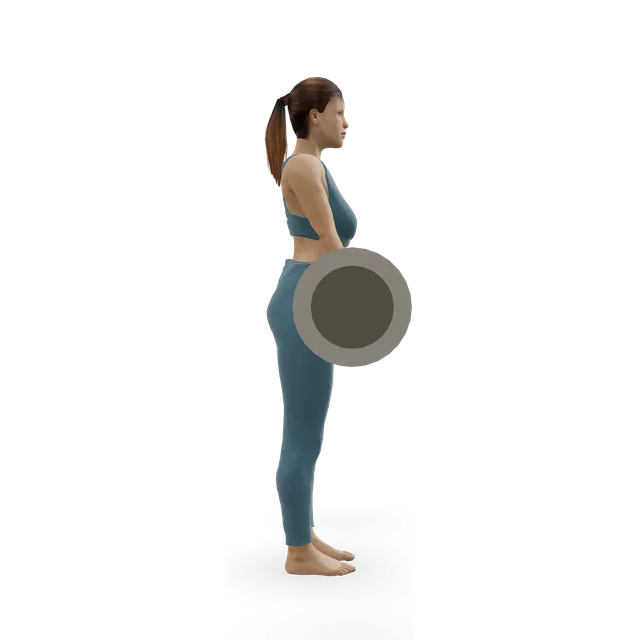
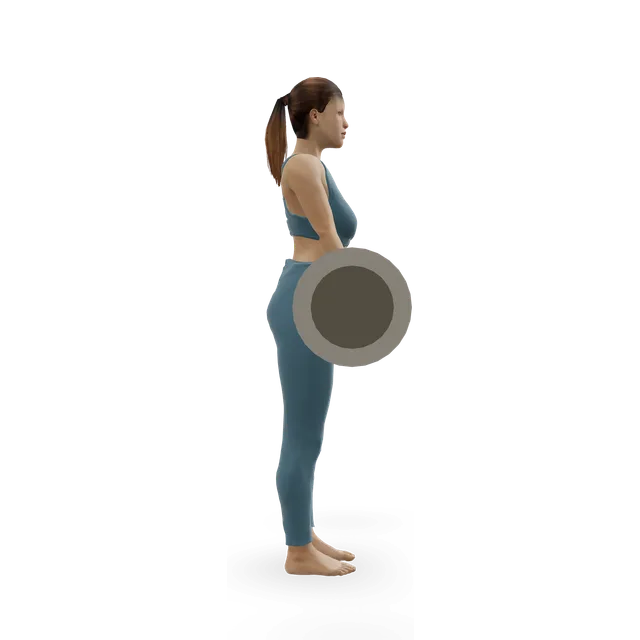
Kettlebell deadlift demonstrated on the 3D figure3D demoKettlebell deadliftBeginner · A kettlebell

3 sets of 8 to 10, light to start · As in our deadlift back guide (editorial). The bell sits between your feet, so there is no bar to drift forward

Easier: Hip-hinge practice · Harder: Dumbbell Romanian deadlift

Chest-supported dumbbell row demonstrated on the 3D figure3D demoChest-supported dumbbell rowBeginner · A dumbbell + A bench or box

3 sets of 8 to 12, palms facing in · As in our upper back pain guide (editorial). The pad holds the trunk, so only the shoulder blades and arms work

Harder: Supported single-arm dumbbell row

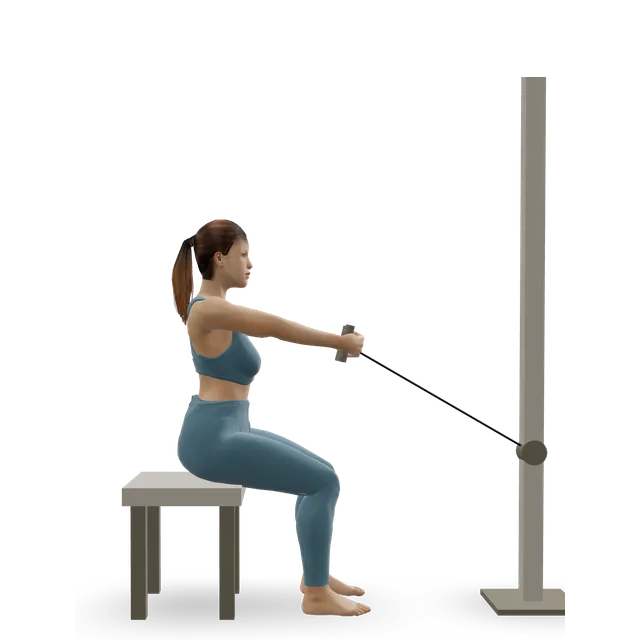
Band row demonstrated on the 3D figure3D demoBand rowBeginner · A band + An anchor point

3 sets of 10 to 15, stopping 2 to 3 reps short of failure, with 60 to 90 seconds' rest · Adapted from the move page's dose (an editorial starting point)

Harder: Supported single-arm dumbbell row

Move on when: Kettlebell deadlifts and chest-supported rows pass the pain rule, turning and deep breaths are comfortable, and your upper back is no worse the next morning, for a week (editorial).

Follow along: a timer, a cue and the next move, one step at a time.
Stage 2

Build the upper back, pull from higher

About weeks 2 to 6, 2 or 3 sessions a week: the trap bar or the high handles come back at about half your old working weight, the lats and the muscles between the shoulder blades get stronger, and the hinge gets heavier.

Trap bar (hex bar) deadlift demonstrated on the 3D figure3D demoTrap bar (hex bar) deadliftIntermediate · Other / check instructions

3 sets of 5 to 8 with 3 or more reps in reserve, from the high handles, at about half your old working weight · As in our deadlift back guide (editorial). End the set if your back starts to round, as the move page says

Easier: Dumbbell Romanian deadlift · Harder: Barbell suitcase deadlift

Dumbbell Romanian deadlift demonstrated on the 3D figure3D demoDumbbell Romanian deadliftIntermediate · A dumbbell

3 sets of 8 to 10, to mid-shin or where your hamstrings stop you · As in our deadlift back guide (editorial)

Easier: Hip-hinge practice · Harder: Single-leg Romanian deadlift

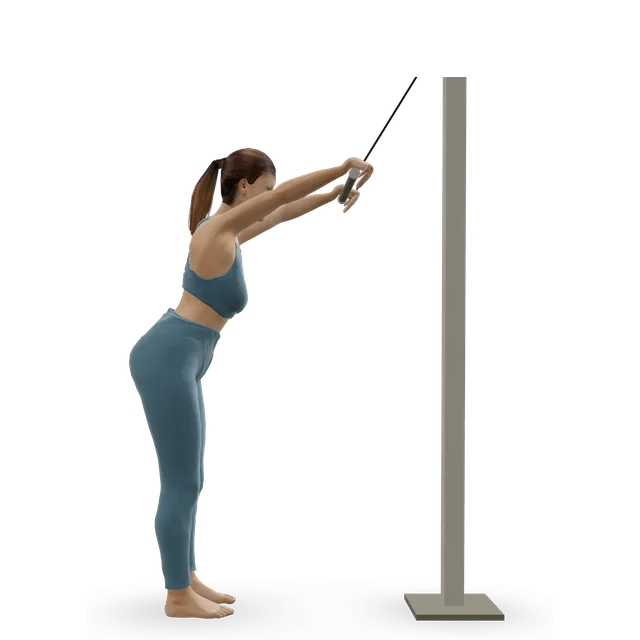
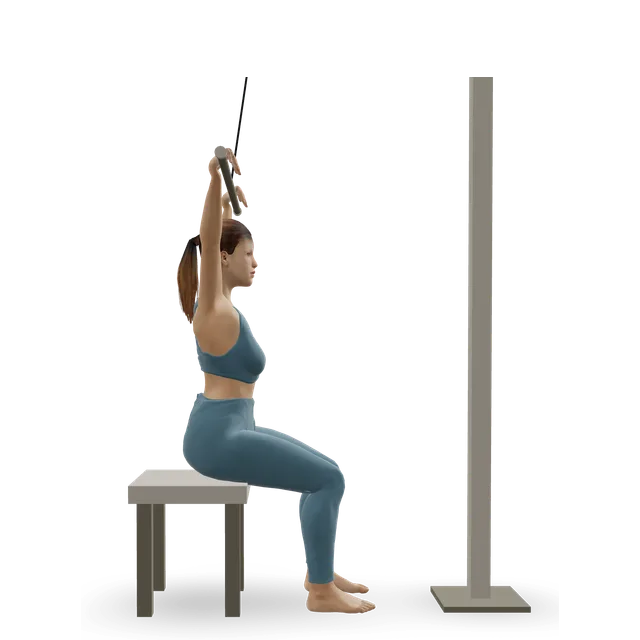
Straight-arm pulldown demonstrated on the 3D figure3D demoStraight-arm pulldownBeginner · A cable machine

2 to 3 sets of 10 to 12, light, arms long · Editorial: it trains the lats' job of holding the bar close, the job you set them for before a pull

Easier: Seated band pull-down (from shoulder height) · Harder: Pull-up

Prone Y-T-W raises demonstrated on the 3D figure3D demoProne Y-T-W raisesBeginner · No equipment

2 sets of 6 to 8 of each letter · As in our upper back pain guide (editorial)

Easier: Wall angel · Harder: Bent-over reverse fly

Band pull-apart demonstrated on the 3D figure3D demoBand pull-apartIntermediate · A band

2 to 3 sets of 12 to 15 · As in our upper back pain guide (editorial)

Easier: Prone Y-T-W raises · Harder: Tuck back lever

Low cobra (Bhujangasana) demonstrated on the 3D figure3D demoLow cobra (Bhujangasana)Beginner · No equipment

With osteoporosis or a past spine fracture: 3 to 5 reps, each held 3 to 5 s, at least twice a week · As in our upper back pain guide, which uses it as back-extensor work (editorial). Lift with the back muscles, hips down

Easier: Sphinx pose (Salamba Bhujangasana) · Harder: Cobra pose (Bhujangasana)

Move on when: 3 sets of trap bar deadlifts from the high handles pass the pain rule with your upper back keeping its shape to the last rep, and your upper back is no worse the next morning, for a week (editorial).

Follow along: a timer, a cue and the next move, one step at a time.
Stage 3

Back to the bar

From about week 4 to 6, often later: the straight bar from the floor at about half your old working weight, then your usual programme, adding about 5% to 10% a week while the pain rule holds, one change at a time by the written steps below. No study has tested a return to deadlifts after upper back pain, so the order is editorial: the trap bar or a rack pull, then the bar from the floor, then heavier sets, then heavy singles.

Barbell deadlift demonstrated on the 3D figure3D demoBarbell deadliftAdvanced · A barbell

Sets of 3 to 5 with 2 or 3 reps in reserve, from about half your old working weight, adding about 5% to 10% a week · As in our deadlift back guide (editorial). Heavy singles come last

Easier: Dumbbell Romanian deadlift · Harder: Deficit deadlift

Rack pull demonstrated on the 3D figure3D demoRack pullAdvanced · A barbell

3 sets of 5, the bar just below the knee, lowering the pins over the weeks · As in our deadlift back guide (editorial): the straight-bar route

Easier: Dumbbell Romanian deadlift

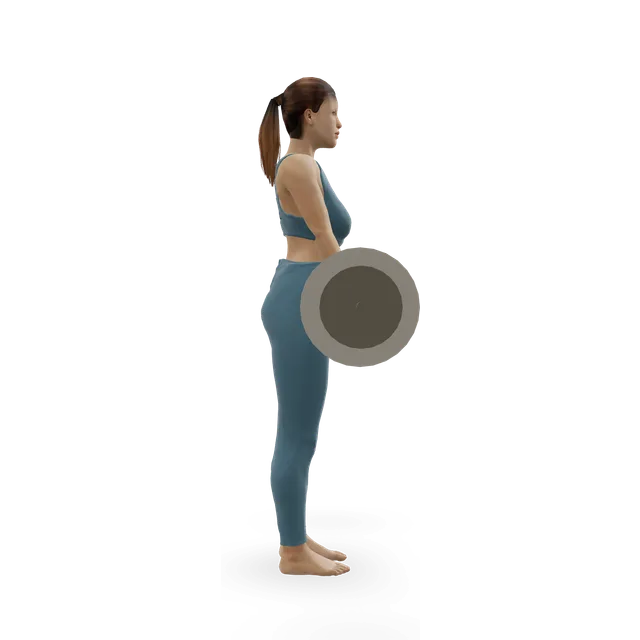
Barbell Romanian deadlift demonstrated on the 3D figure3D demoBarbell Romanian deadliftIntermediate · A barbell

3 sets of 6 to 8 with 2 or 3 reps in reserve · Editorial

Easier: Dumbbell Romanian deadlift · Harder: Romanian deadlift from a deficit

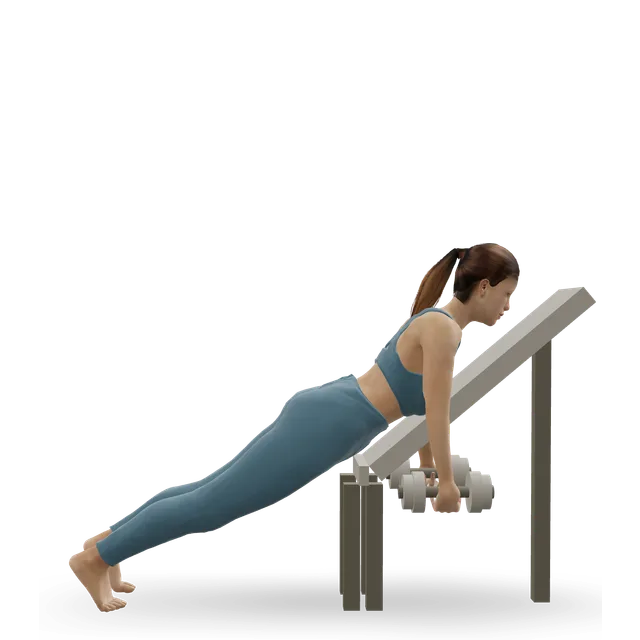
Supported single-arm dumbbell row demonstrated on the 3D figure3D demoSupported single-arm dumbbell rowIntermediate · A dumbbell + A bench or box

3 sets of 8 to 12 each side · As in our upper back pain guide (editorial)

Easier: Incline ring row · Harder: Bent-over barbell row

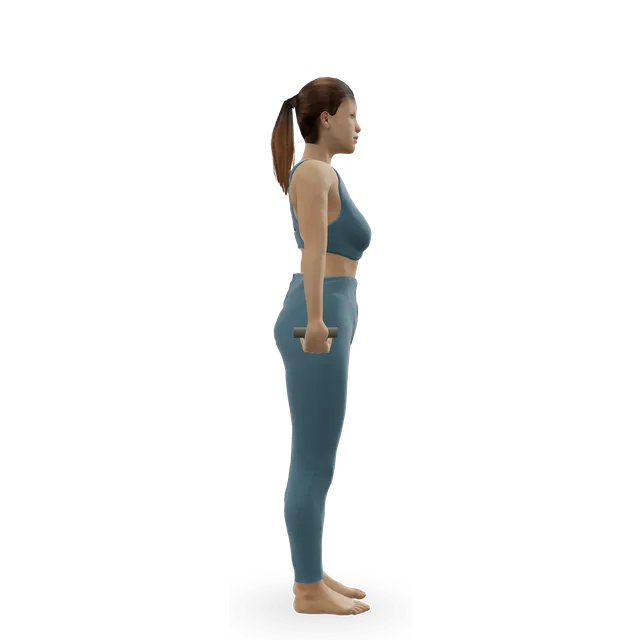
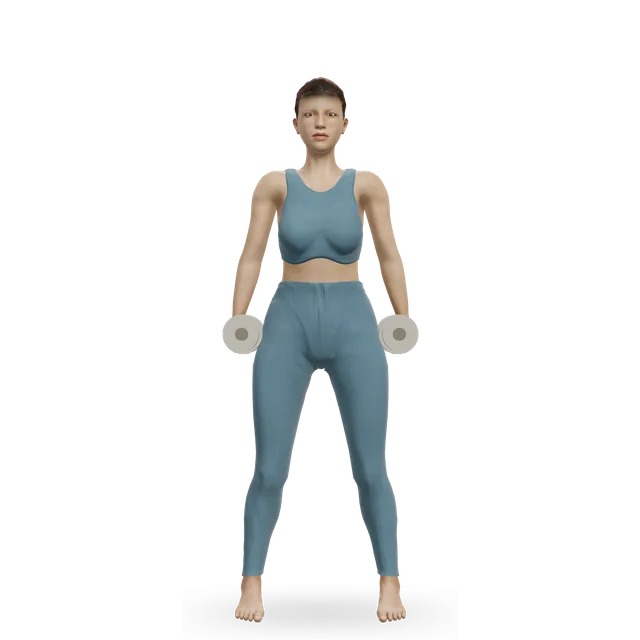
Dumbbell shrug demonstrated on the 3D figure3D demoDumbbell shrugBeginner · A dumbbell

2 to 3 sets of 8 to 12, stopping with 2 or 3 reps in reserve (our editorial starting point). Pause for a second at the top of each rep. · The move page's dose. For the tops of the shoulders, which hold the bar at lockout

Harder: Snatch shrug

Farmer's carry demonstrated on the 3D figure3D demoFarmer's carryIntermediate · A dumbbell + A kettlebell

3 walks of 20 to 30 m · As in our deadlift back guide (editorial): grip and a braced upper back before heavy pulls

Harder: Suitcase carry

Move on when: Your usual deadlift sessions pass the pain rule for 2 weeks. Strongman, CrossFit and competition lifting come back last. If a heavy session flares it, go back a stage for a few days, not to nothing (editorial).

Follow along: a timer, a cue and the next move, one step at a time.

What to change for now

Your deadlift for now (written steps)

Our 3D figure can't show the bar path, how you set your lats or how hard you grip. No trial has tested any change to the deadlift for upper back pain; these steps come from lab studies, our deadlift guide and coaching practice, and each says where it comes from.

  • 1. The bar against your legs: start with it over the middle of your foot, close to your shins, and keep it against your legs all the way up, as our deadlift guide teaches. A bar further from your hips makes a longer lever for your back to hold, as a lab paper explains.
  • 2. Set your lats and take the slack out: before the bar leaves the floor, tighten your upper back as if bending the bar around your shins, then pull until the plates click against the bar (our deadlift guide; coaching practice, untested for pain).
  • 3. Load: while it's sore, about half your old working weight for sets of 5 to 8 with 3 or more reps to spare, adding about 5% to 10% a week while the pain rule holds (as our deadlift back guide does; editorial). Rounding grew near maximum in two lab studies, so leave heavy singles until full sessions pass the rule for 2 weeks.
  • 4. The trap bar or the high handles: the load sits beside you rather than in front, and the high handles shorten the pull. The evidence on back muscle work is mixed, and no study measured the upper back.
  • 5. Romanian deadlifts and rack pulls for a while: the Romanian deadlift asks less of the back muscles relative to the hamstrings, and a rack pull from below the knee skips the floor, where the mid-back muscles work hardest (our reading of lab studies).
  • 6. Grip and straps: a double overhand or hook grip for warm-ups, a mixed grip or straps for heavy sets, as our deadlift guide says. Straps help the grip; one survey linked them with more upper back injuries, which can't show cause. If you use them, still set your upper back before each rep (our suggestion).
  • 7. Breathe in and brace before each rep, and reset between reps rather than bouncing them (our deadlift guide).
  • 8. No maximum attempts or grinding reps while it's sore: sudden jumps in load predict injury more than posture, a review argues (editorial).

Sources 38, 5, 6, 30, 2, 32, 26, 10

With osteoporosis or a past spine fracture

Keep your back long, hinge from the hips, avoid loaded rounding, and learn the lift with a coach or physiotherapist; with a past spine fracture, get a clinician's advice first. Leave the foam roller out, as its move page says, and add back-extensor work such as the low cobra. The trial that found heavy lifting safe was closely supervised and screened, so it isn't a reason to lift heavy alone.

Sources 19, 20, 35

Back to daily life (written steps)

These steps are our suggestion unless a source is named.

  • 1. Keep walking and moving; the NHS says don't stay in bed for long periods.
  • 2. Carry shopping in both hands, close to your body, and lift at work with the load close and a hip hinge (the Royal Osteoporosis Society's advice for thin bones).
  • 3. At a desk, break up long spells with a few thoracic rotations or band rows; no perfect posture is needed, as our upper back pain guide says.
  • 4. Sleep in whatever position is comfortable.
  • 5. Rows, pull-ups and carries come back alongside the deadlift, as the pain rule allows.

Sources 24, 20

Positions to swap, and why

Habit or positionWhy it mattersInstead
Grinding heavy singles and sets to failure while it's soreThe upper back rounds more near maximum, and sudden jumps in load predict injury.About half your old weight with 3 or more reps to spare, on the trap bar.Try: Trap bar (hex bar) deadlift
Letting the bar drift forward off your legsA bar further from your hips makes a longer lever for your back to hold.The bar against your legs and your lats set; a kettlebell deadlift for now.Try: Kettlebell deadlift
Yanking the bar off the floorThe slack comes out with a jolt and the upper back loses its shape (our deadlift guide).Take the slack out first, then push the floor away.
Long, heavy sets with straps and a loose upper backStrap users reported more upper back injuries in one survey, which can't show cause.Set your upper back before every rep; shorter sets from the pins.Try: Rack pull
Shrugging or leaning back hard at lockoutThe upper trapezius works hardest near lockout.Stand tall with no shrug, and train shrugs separately.Try: Dumbbell shrug
Heavy stiff-leg deadlifts while it's soreA long lever the back has to hold (editorial).Romanian deadlifts with dumbbells, to mid-shin.Try: Dumbbell Romanian deadlift
Pulling on through a catch that is sharp on a deep breathIt may be a rib joint or a rib; pain sharp only on breathing needs an urgent check.The first-stage moves, and see the warning signs.Try: Thoracic rotation
Pulling on through tingling down an armThat is a nerve in the neck, not the upper back muscles.Rows on a bench, and get it assessed.Try: Chest-supported dumbbell row
Loaded rounding or Jefferson curls with osteoporosisThe UK consensus advises avoiding a lot of forward bending.A hip hinge with a long back, and back-extensor work.Try: Low cobra (Bhujangasana)
Cracking your upper back or having a rib "put back in"There is no evidence that a rib slips out; the rib joints cause a local ache.Gentle rotation.Try: Side-lying open book
Stopping all trainingStrength training eased upper trapezius pain in a trial, and most injured lifters keep training.The first-stage moves.Try: Band row
Lifting through chest tightness, breathlessness or feeling faintRarely it is the heart or the lungs.Stop and follow the warning signs.

Routines to follow

More moves for this area

Questions people ask

Why does my upper back hurt when I deadlift?

Usually the muscles between your shoulder blades and along your spine working hard to hold the bar close and keep your upper back's shape, though no study has counted it. A lighter load, the bar against your legs and your lats set before you pull usually help.

Should my upper back be sore after deadlifts?

An even ache a day after a heavy or new session that peaks at 1 to 3 days and fades within a week is normal muscle soreness. Sharp pain at one point, pain on a deep breath, or pain with chest symptoms isn't: see the warning signs.

Is it bad if my upper back rounds when I deadlift?

A little rounding near your maximum is normal: the lower part of the upper back bent more at 90% to 100% of maximum in two small lab studies. No study links it with upper back injury, but rounding that grows rep by rep means the weight is too heavy for now.

How do I stop my upper back rounding?

Take the slack out of the bar, set your lats as if bending the bar around your shins, keep the bar against your legs, and use a load you can lift with 2 or 3 reps to spare. The trap bar and rack pulls make it easier while you rebuild.

Why do I get pain between my shoulder blades after deadlifts?

Usually the rhomboids and middle trapezius, which hold your shoulder blades as the bar leaves the floor. Pain under one shoulder blade with a stiff neck or arm tingling can come from a nerve in the neck instead.

Is it a pulled rhomboid?

Possibly. A sudden catch between the shoulder blades during a rep, then soreness for days, fits a strain, which eases over days to weeks. No study has counted rhomboid strains in lifters, so keep training lighter and check the warning signs if it doesn't settle.

Can deadlifts hurt your ribs?

Rarely. A rib joint beside the spine can give a deep, local catch, and a teenager broke his first rib after school deadlifts, which healed within 2 weeks. Rib pain that is sharp on breathing needs an urgent GP appointment or NHS 111, and with breathlessness, 999.

Could upper back pain after deadlifts be my heart?

Rarely, but call 999 for chest pain, or pain spreading to your arm, neck, jaw or back with sweating, feeling sick or breathlessness. Sudden pain in the chest or upper back with breathlessness can be a clot in the lungs.

Should I use lifting straps?

They help your grip. In one survey, powerlifters who used straps had more upper back injuries, but a survey like that can't show that straps caused them, and lifters with sore backs may reach for straps. If you use them, still set your upper back before every rep.

What can I do instead of deadlifts for now?

A kettlebell deadlift, the trap bar from the high handles, a rack pull or a Romanian deadlift to mid-shin, with rows on a bench to build the upper back. Bring the bar from the floor back a step at a time.

Can I deadlift with osteoporosis?

Often yes, with good technique and ideally a coach: closely supervised heavy lifting built spine bone in a trial of women with low bone mass. Keep your back long, avoid loaded rounding, and see a GP first if you've had a spine fracture.

When should I see a doctor?

Call 999 for chest pain, sudden breathlessness or a tearing pain. Get help the same day for a fever, arm weakness or numbness that is getting worse, or sharp pain on the bony point at the base of your neck, and see a GP for pain between the shoulders that isn't settling, as the NHS advises. In the US, call 911 where this page says 999.

Related exercise guides

Other pain guides

Sources

  1. Escamilla 2002 · Muscle activity in sumo and conventional deadlifts, including the trapezius, in 13 football players (lab study, Med Sci Sports Exerc)
  2. Martín-Fuentes 2020 · Muscle activity in the deadlift and its variants (systematic review of 19 studies, PLoS One)
  3. Bengtsson 2018 · Powerlifting injuries and the squat, bench press and deadlift (narrative review, BMJ Open Sport Exerc Med)
  4. Hody 2019 · Lowering (eccentric) muscle work, muscle damage and soreness (review, Front Physiol)
  5. Shoji 2025 · Load and bending of the upper and lower back in the deadlift in 13 male athletes (lab study, Front Sports Act Living)
  6. Gundersen 2025 · The spine at maximal and lighter deadlift loads in 12 strength-trained women (lab study, PeerJ)
  7. Bengtsson 2022 · Lower-back alignment during the deadlift in 24 men and women (lab study, Int J Sports Phys Ther)
  8. Cholewicki 1992 · Lower-back bend in very heavy deadlifts, measured by X-ray video in 4 powerlifters (lab study, J Biomech)
  9. Saraceni 2020 · Lower-back bending during lifting and back pain (systematic review with meta-analysis, J Orthop Sports Phys Ther)
  10. Cherni 2026 · Beyond the neutral spine: preventing back injury in deadlifting (narrative review, Sports)
  11. Young 2008 · Pain maps from the rib joints beside the spine in 8 healthy men (lab study, BMC Musculoskelet Disord)
  12. Remy 2026 · A first rib fracture after school deadlifts in a 17-year-old (case report, Clin Pract Cases Emerg Med)
  13. Gorsuch 2025 · A first rib fracture after weightlifting, missed on X-ray (case report, Am J Emerg Med)
  14. Fukuda 2024 · A rib stress fracture from bouncing the bench press bar (case report, SAGE Open Med Case Rep)
  15. McDonnell 2011 · Rib stress fractures in rowers (narrative review, Sports Med)
  16. Tanaka 2006 · Trapped nerve roots in the neck felt in the neck and around the shoulder blades in 50 people (prospective study, Spine)
  17. Carmichael 2025 · Shoulder blade pain with a trapped nerve in the neck (scoping review of 86 studies, N Am Spine Soc J)
  18. NHS · Osteoporosis (past its review date: reviewed October 2022, review due October 2025)
  19. Brooke-Wavell 2022 · Strong, Steady and Straight: UK consensus on exercise for osteoporosis (consensus statement, Br J Sports Med)
  20. Royal Osteoporosis Society · How to exercise safely for bones (patient information)
  21. NHS · Chest pain (past its review date: reviewed August 2023, review due August 2026)
  22. NHS · Pulmonary embolism
  23. NHS · Heart attack
  24. NHS · Back pain
  25. Tung 2024 · Injuries in weightlifting and powerlifting (updated systematic review, BMJ Open Sport Exerc Med)
  26. Strömbäck 2018 · Injuries and their consequences in 104 Swedish powerlifters (survey, Orthop J Sports Med)
  27. Aasa 2017 · Injuries among weightlifters and powerlifters (systematic review, Br J Sports Med)
  28. Keogh 2017 · Injuries across the weight-training sports (systematic review, Sports Med)
  29. Briggs 2009 · Upper and mid back (thoracic) pain in the general population (systematic review, BMC Musculoskelet Disord)
  30. Camara 2016 · Straight and hexagonal (trap) bar deadlifts in 20 men (lab study, J Strength Cond Res)
  31. Andersen 2018 · Barbell, hex bar and hip thrust muscle activity at maximum in 13 men (crossover lab study, J Strength Cond Res)
  32. Martins 2026 · Lifting straps in resistance training (exploratory review, Int J Sports Physiol Perform)
  33. Andersen 2008 · Strength training against cycling for upper trapezius pain in 48 women (randomised trial, Arthritis Rheum)
  34. Smith 2017 · Should exercise be painful in long-lasting muscle and joint pain? (systematic review, Br J Sports Med)
  35. Watson 2018 · LIFTMOR: supervised heavy lifting and impact training in 101 women with low bone mass (randomised trial, J Bone Miner Res; read as an abstract)
  36. Watson 2019 · LIFTMOR: no new spine fractures, and less upper back rounding (trial analysis, Osteoporos Int; read as an abstract)
  37. Sinaki 1984 · Bending (flexion) against extension exercises and new spine fractures in 59 women with osteoporosis (non-randomised study, Arch Phys Med Rehabil)
  38. Edington 2018 · Bar position at the start of the deadlift in experienced lifters (lab pilot study, Sports)

Exercise education, not a diagnosis or treatment plan. It is written from the guidelines and studies listed above; review by a clinician is pending. If your pain follows an injury, is severe, is getting worse, or comes with any warning sign listed on this page, get it assessed. Health disclaimer.