Seated band pull-down (from shoulder height)
Sitting tall, you pull a band anchored above head height down from shoulder height to your sides, keeping your arms long. It strengthens the muscles that pull the arm down and in, which press you up in transfers and are one of the four strengthening targets in STOMPS, a shoulder programme for wheelchair users. A spinal cord injury guide describes this exercise as a pull-down from no higher than 90 degrees (shoulder height); the arm path here is our description of that. There is no 3D demo yet: follow the written steps.
Movement guide
Seated band pull-down (from shoulder height)
Make it easier or harder
Start where you can move well, then step up.
Easier option
This is already one of the gentlest options for these muscles.
This move
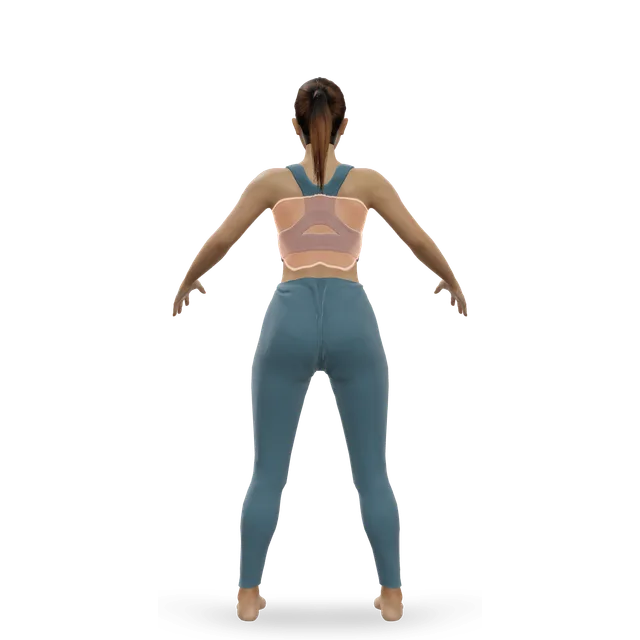 Seated band pull-down (from shoulder height)Beginner · A band + An anchor point + A bench or box
Beginner grade.
Harder option
 3D demoBand pull-apartIntermediate · A band
Similar move, intermediate grade.
Source-researched guide. Clinical review is pending.
How to move
- Loop a resistance band over something solid above head height in front of you, such as a door anchor on the hinge side of a closed door. Sit facing it with your brakes on, a little more than an arm's length away.
- Hold one end of the band in each hand, arms straight out in front of you at shoulder height and no higher, palms facing down or in. The band should be just taut.
- Sit tall and draw your shoulder blades gently down.
- Pull both arms down and back in an arc until your hands are beside your hips, keeping your elbows almost straight.
- Pause, then let your arms rise slowly back to shoulder height.
Form cues
- Long arms, shoulders down.
- Pull to your pockets.
- Stop at shoulder height on the way up.
- Avoid: shrugging, leaning back to finish the pull, or letting the band snap your arms up.
Practice and cautions
3 sets of 8, 3 days a week with a rest day between, as in the STOMPS programme and the primary care guide. For the first 2 to 4 weeks, set the band so the reps don't hurt; after that, use a band you can only just manage 8 times. In a randomised trial of 80 people with paraplegia and long-standing shoulder pain, a programme with this pull-down among its 4 strengthening exercises cut pain to about a third; the exercise hasn't been tested on its own. In 223 people with paraplegia, weaker muscles that pull the arm in went with new shoulder pain. Easier: one arm at a time, a lighter band or a smaller range. Harder: a stronger band, or start with your arms out to the sides at shoulder height and pull them down to your sides.
Check the band for nicks and tug-test the anchor before every set. Stop if it brings on shoulder pain: spinal cord injury guidance says strengthening exercises shouldn't be painful, and a physiotherapist can check your shoulder, your transfers and how you push. If your spinal cord injury is at the sixth thoracic level (T6) or above, know the signs of autonomic dysreflexia: a pounding headache, flushing or sweating above your injury, or a stuffy nose. This is movement education, not an assessment or treatment prescription. Stop for sharp or increasing pain, dizziness, numbness or tingling; seek individual guidance for symptoms, injury or restrictions.
Sources and review status
Sources support the educational description; they do not establish that this exercise is suitable for you.
- Mulroy 2020 · A primary care provider's guide to shoulder pain after spinal cord injury (Topics in Spinal Cord Injury Rehabilitation) ↗
- Mulroy 2011 · STOMPS: shoulder strengthening and movement advice for 80 people with paraplegia and shoulder pain (randomised controlled trial, Physical Therapy) ↗
- Haubert 2021 · The STOMPS programme taught to 100 manual wheelchair users without shoulder pain (compared with an earlier, non-randomised group; Topics in Spinal Cord Injury Rehabilitation) ↗
- Mulroy 2015 · Shoulder strength, activity and new shoulder pain in 223 people with paraplegia (cohort study, Physical Therapy) ↗
- SCI Action Canada 2011 · Active Homes: home strength-training guide for people with paraplegia (hosted by WheelPower) ↗
- Consortium for Spinal Cord Medicine 2005 · Preservation of upper limb function after spinal cord injury (clinical practice guideline, Journal of Spinal Cord Medicine) ↗
No variation is labeled clinically validated.
What it works
Muscles
Main: Back. Also: Chest, Triceps, Shoulders.
Anatomy: Latissimus dorsi, Teres major, Trapezius, Rhomboids, Erector spinae, Multifidus.
Equipment
A band + An anchor point + A bench or box
Level
Beginner. See the easier and harder options above.
Workouts that use it
Guides that use it
Similar moves
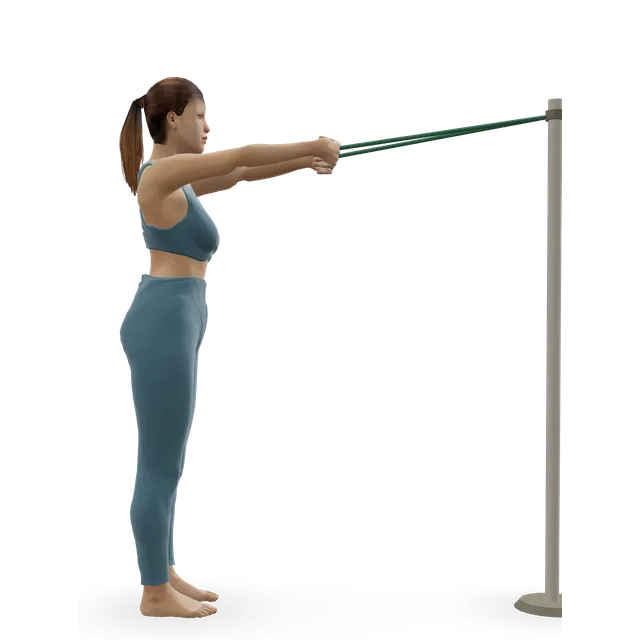 3D demoFace pullIntermediate · A band
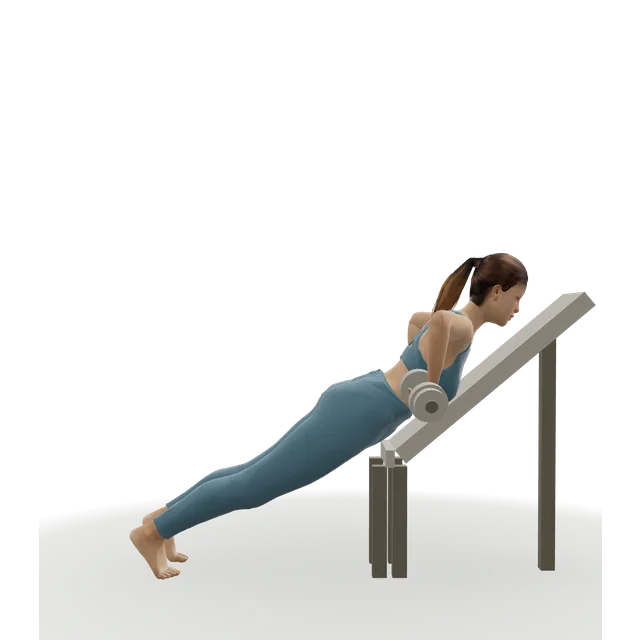 3D demoIncline bench pull (45-degree incline row)Intermediate · A dumbbell + A bench or box
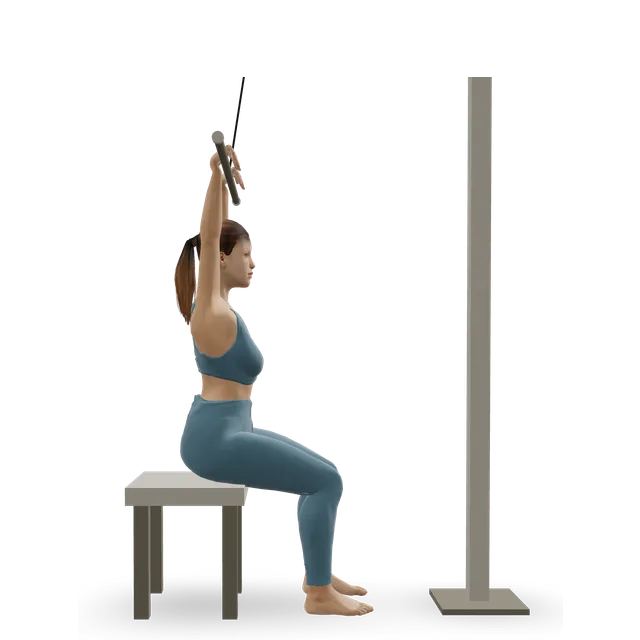 3D demoShoulder-width lat pulldownBeginner · A cable machine
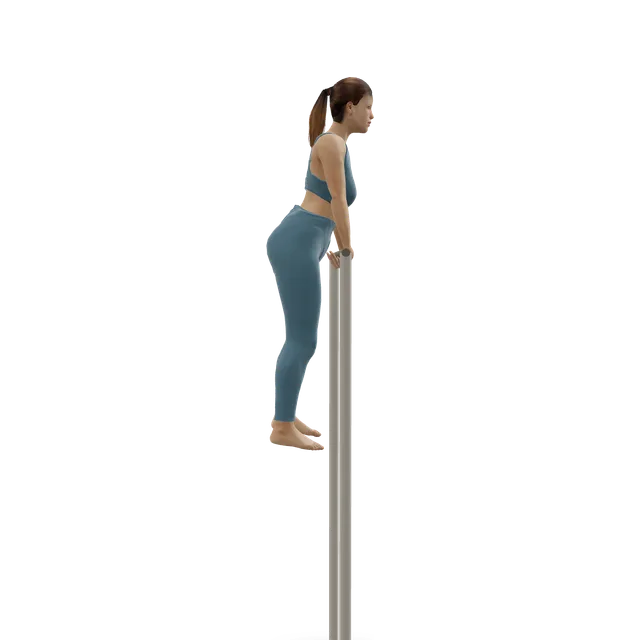 3D demoMuscle-upExpert · Pull-up bar
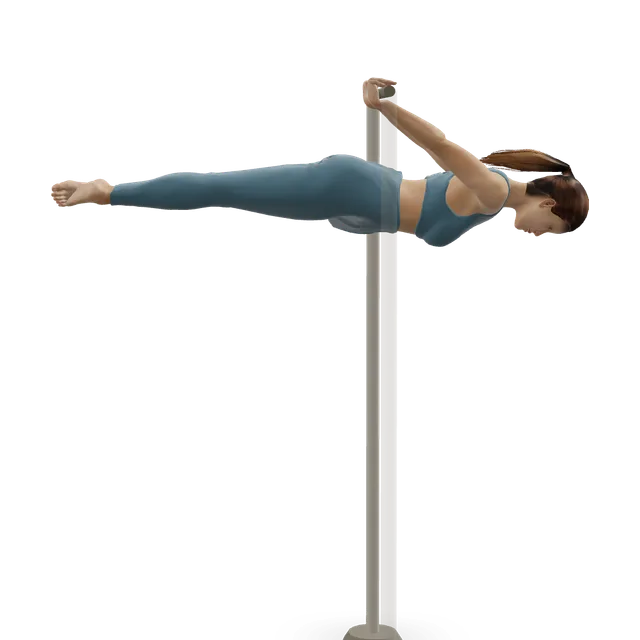 3D demoBack leverExpert · Pull-up bar
 3D demoBand rowBeginner · A band + An anchor point
Browse more
Questions people ask
What muscles does the Seated band pull-down (from shoulder height) work?
Mainly the back, with help from the chest, triceps and shoulders.
What equipment do I need for the Seated band pull-down (from shoulder height)?
A band + An anchor point + A bench or box.
Is the Seated band pull-down (from shoulder height) good for beginners?
It is graded beginner, so it suits most people starting out. When it feels easy, try the Band pull-apart.
How do I make the Seated band pull-down (from shoulder height) harder?
Progress to the Band pull-apart, or add load, range or slower lowering once your form is solid.