Sport

Olympic weightlifting: learning the snatch and clean and jerk, the rules and staying safe

Olympic weightlifting is two lifts: the snatch, from the floor to overhead in one movement, and the clean and jerk, to the shoulders and then overhead. They're fast, technical lifts that reward power and positions as much as strength, and they're best learned with a coach. Injury rates are similar to powerlifting's, and children and teenagers can take part safely when they're coached and supervised.

This guide covers the rules in British Weight Lifting's words, the new weight categories, how the lifts are taught from the top down, how weightlifting carries over to jumping in other sports, the injuries that happen, tapering, and who should check first. There are two workouts with 3D demos of every move: a technique session and a strength session. We're not connected with any federation.

The short version

Two lifts, three attempts each

The snatch takes the bar from the floor to overhead in one movement; the clean takes it to the shoulders, and the jerk drives it overhead. You get three attempts at each, and your best of each adds up to a total.

Source 1

New weight categories

British Weight Lifting's 2026 rules bring in new weight categories, the same as the international federation's: eight for men, from 60 to over 110 kg, and eight for women, from 49 to over 86 kg. The Los Angeles 2028 Olympics will have five for each sex.

Sources 1, 2

Injury rates like powerlifting's

About 2.4 to 3.3 injuries per 1,000 hours of training, mostly to the knees, lower back, hands and fingers, and shoulders. At US Olympic training centres, 90.5% of elite weightlifters' injuries cost a day or less of training.

Sources 3, 4, 5

Learn it coached, from the top down

British Weight Lifting: "We advise that no-one attempts an Olympic lift without prior training and supervision." Coaches teach the end of each lift before the pull from the floor, and let your technique decide when you move on.

Sources 6, 7

Children can take part, supervised

British Weight Lifting "fully endorses youth Weightlifting" when qualified professionals deliver and supervise it, with heavier weights a low priority until technique is consistent. No growth plate injury has been reported in prospective studies of supervised youth strength training.

Sources 8, 7, 9

It carries over to jumping

In trained young athletes, Olympic lifting raised vertical jump more than ordinary strength training, and about as much as jump (plyometric) training.

Sources 10, 11, 12

What weightlifting asks of your body

Two fast, technical liftsStrong evidence

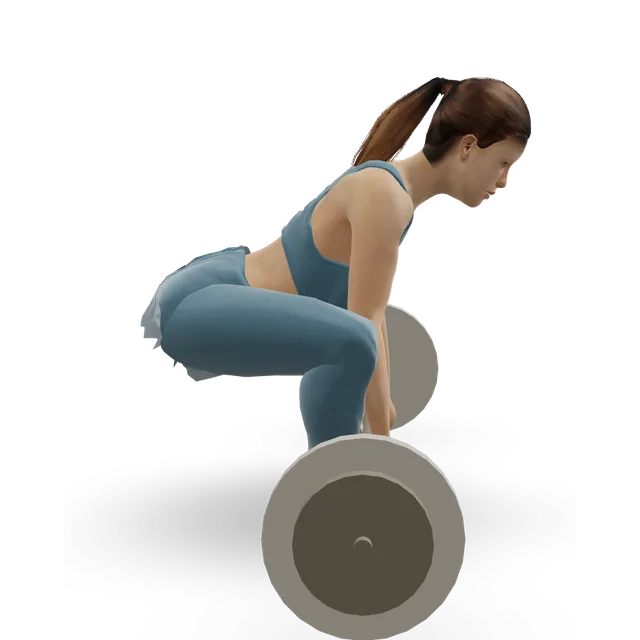
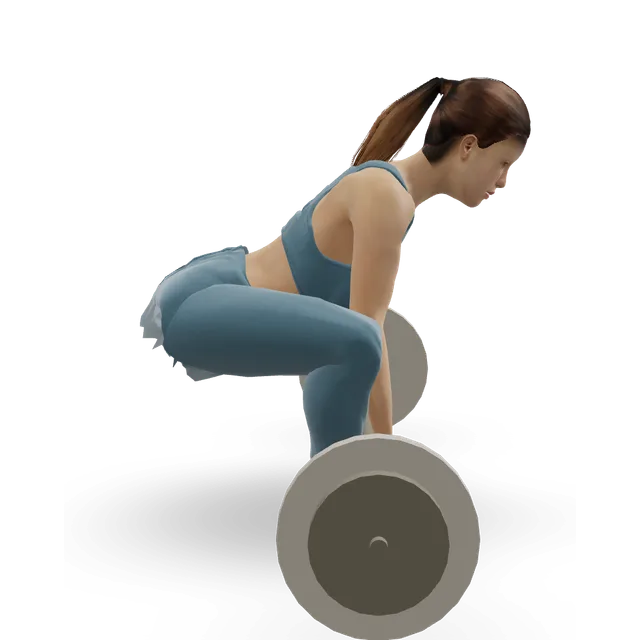
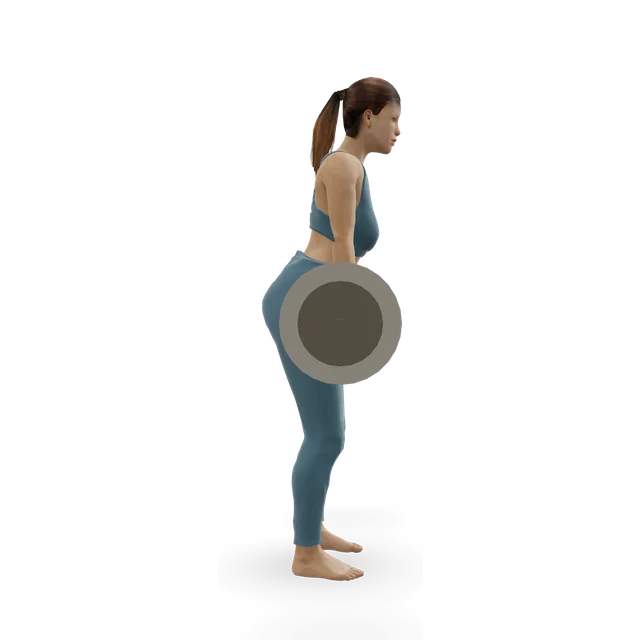
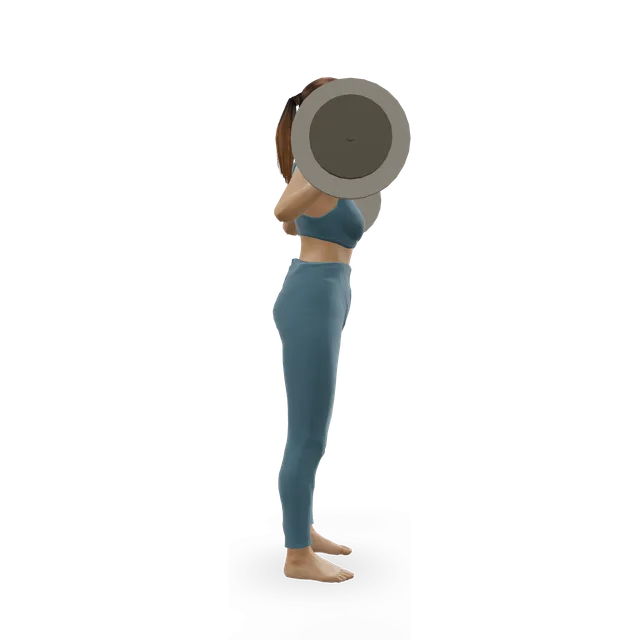
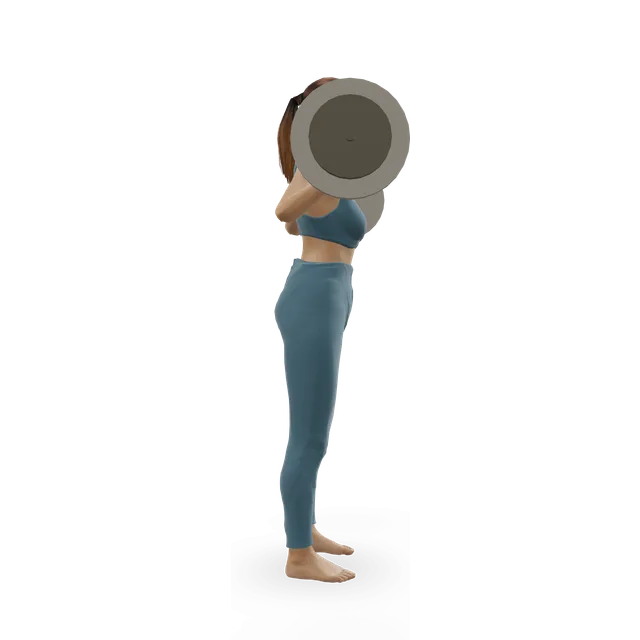
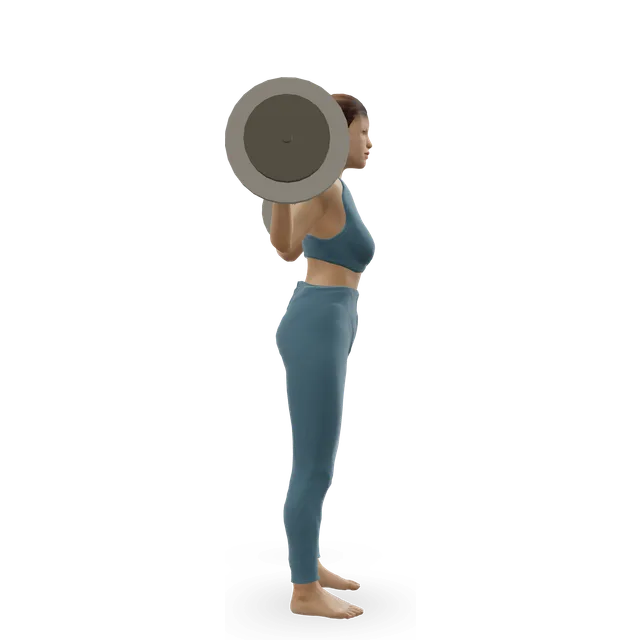
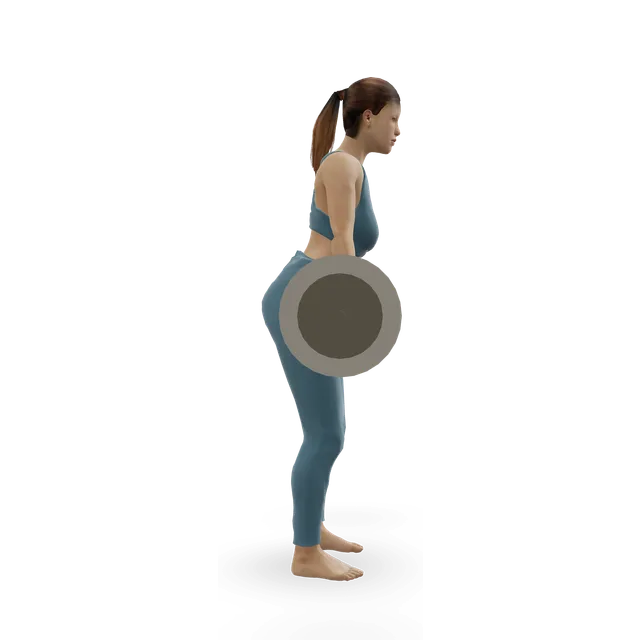
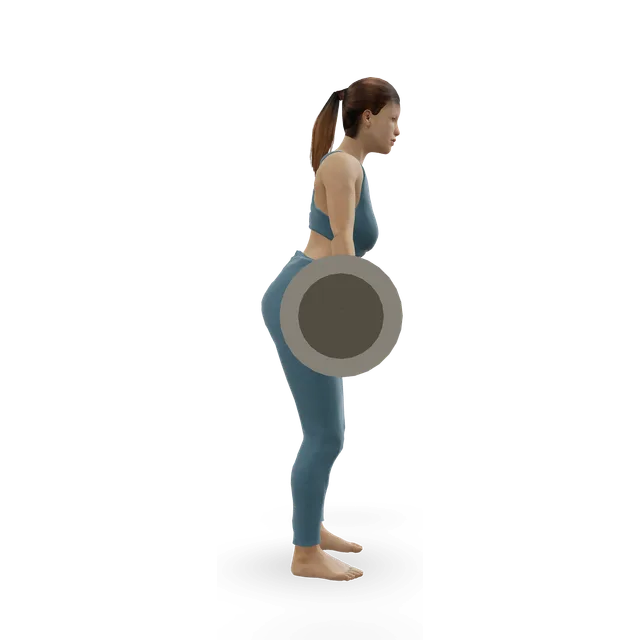
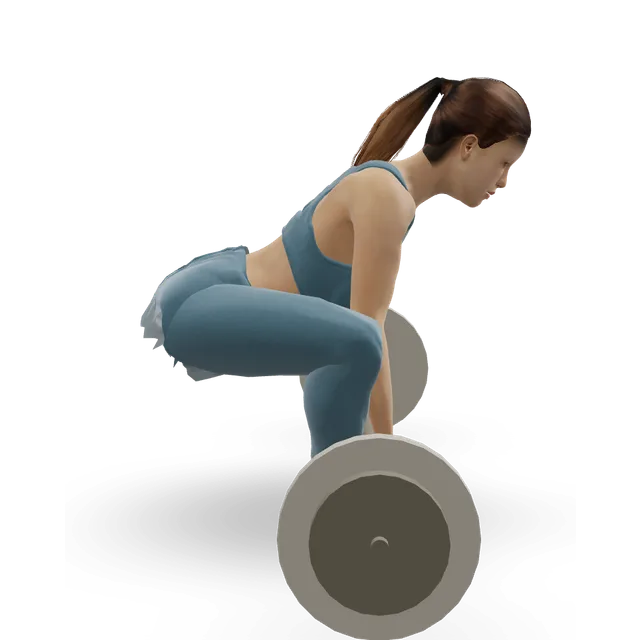
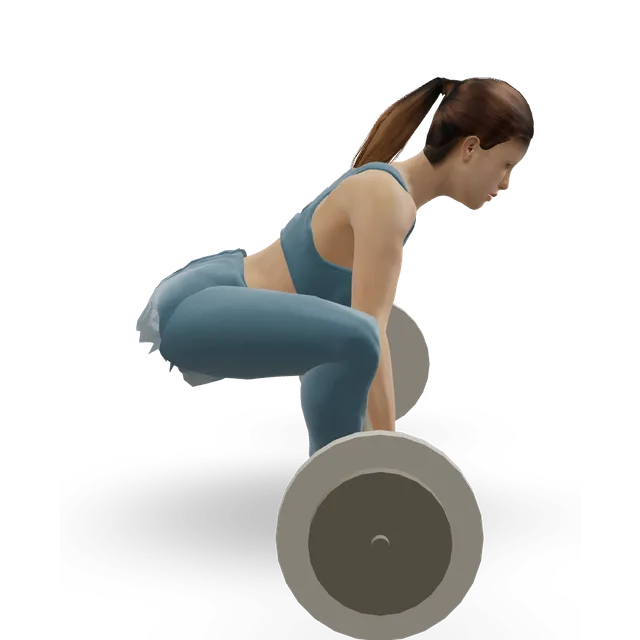
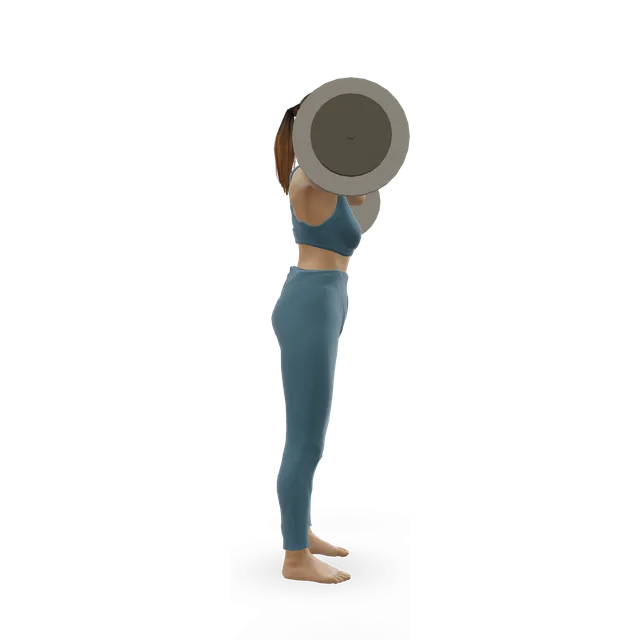
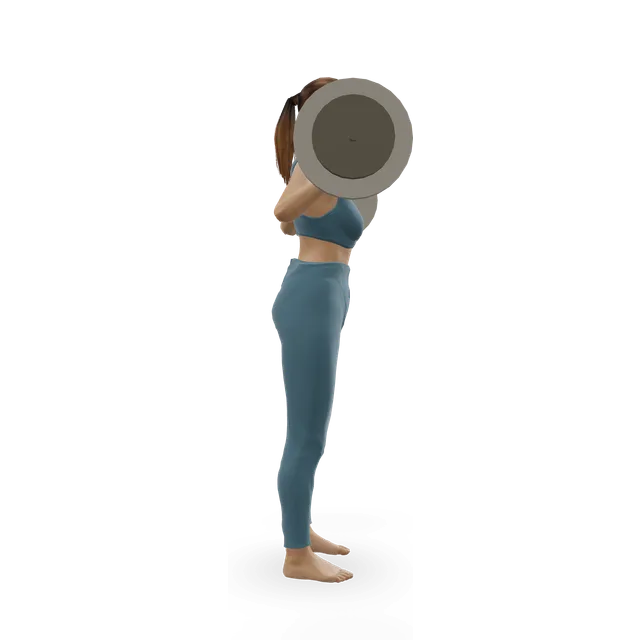
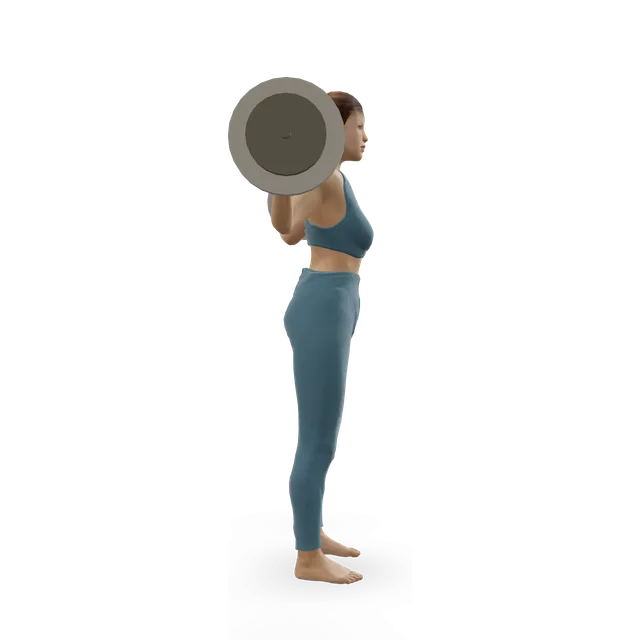
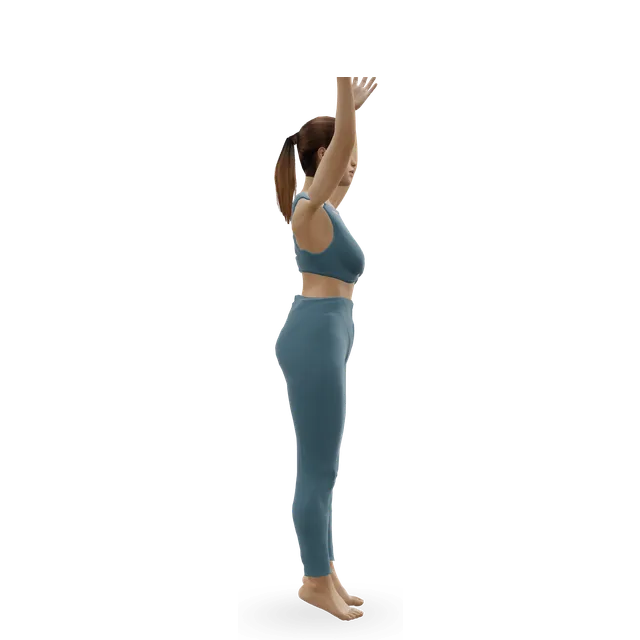
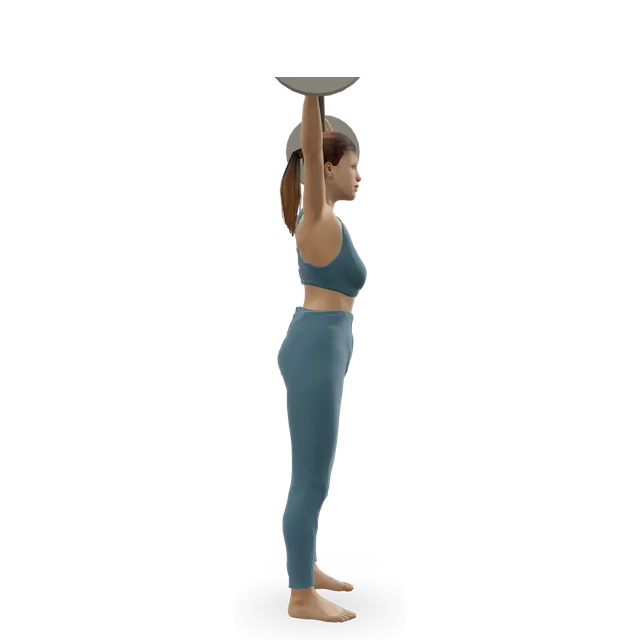
In the snatch, the bar is "pulled in a single movement from the platform to the full extent of both arms above the head, while either splitting or bending the legs". In the clean, it's pulled in one movement to the shoulders; after standing still, the lifter jerks it overhead. The hook grip, with the fingers wrapped over the thumb, is allowed. Our move pages for the barbell snatch, power clean, hang power clean, split jerk and clean and jerk show the technique.

Source 1

Speed and powerEmerging evidence

Weightlifters produce some of the highest power outputs measured in sport, and their peak force and rate of force development were about 15% to 20% and 13% to 16% higher than other strength and power athletes'. Elite technique isn't one shape: 319 successful snatches at two championships followed several different bar paths, with no single pattern among the best lifters.

Sources 13, 14

Positions (our reading)

The catch positions ask a lot of the ankles, hips, upper back, shoulders and wrists: a deep squat with the bar overhead or resting on the front of the shoulders. Our overhead squat move page teaches the position with a dowel or an empty bar.

Short efforts, longer rests

Training uses low reps at speed with longer rests, mixing the lifts, pulls and squats. The Compendium of Physical Activities has no value for Olympic weightlifting; the closest, vigorous weight lifting, is 6.0 metabolic equivalents (METs).

Sources 13, 7, 15

Where the load fallsEmerging evidence

The knees, lower back, hands and fingers, and shoulders. At US Olympic training centres, most knee injuries were tendon pain and most back injuries strains. In older women lifters, joint pain was most common in the knees, shoulders, hands and wrists, and hips.

Sources 4, 5, 16

The heartEmerging evidence

In the evidence reviewed, weightlifting's changes to the heart and circulation were "physiological as opposed to pathological": the normal effects of training, not disease.

Source 13

Common injuries

Studies counted injuries in different ways: per 1,000 hours of training, as the share of lifters injured at a competition, or as joint pain in a survey, so figures in different lines aren't comparable.

How often weightlifters get hurtEmerging evidence

The numbers, by group:

  • Across 9 studies: 2.4 to 3.3 injuries per 1,000 hours of weightlifting training.
  • Elite US men, from 6 years of Olympic Training Center records: 3.3 injuries per 1,000 hours, and 90.5% needed a day or less off.
  • Olympic weightlifters injured during the Games: 16.9% at Beijing 2008, 17.5% at London 2012, 13.3% at Rio 2016 and 10.7% at Tokyo 2020, when 9% of all athletes were injured. Weightlifting was among the sports with the highest share of athletes injured at Beijing and London.
  • 976 masters weightlifters aged 35 to 88: men reported more injuries that limited their training than women did, at 12% to 42% in the study's summary.
  • 868 women masters weightlifters: joint pain in the knees in 38.8%, shoulders 29.8%, hands and wrists 28.8%, and hips 24.9%.

Sources 3, 4, 5, 17, 18, 19, 20, 16

KneesEmerging evidence

The commonest site: 21% of weightlifting injuries across 6 reports. At US Olympic training centres, 85% of knee injuries were tendon pain. Our jumper's knee and knee pain guides cover these.

Sources 4, 5

Lower backEmerging evidence

19% of injuries, mostly strains. Our back pain guide covers these, and our spondylolisthesis guide names weightlifting among the sports that arch the back: a teenager with back pain that lasts more than a couple of weeks, or is worse arching back, should get it checked.

Sources 4, 5

Hands, wrists and thumbsEmerging evidence

15.3% of injuries, and hand and wrist pain in 28.8% of women masters lifters, more in those who lifted heavier. The hook grip can hurt the thumbs at first; the rules allow tape on the fingers and thumbs as long as it doesn't go past the fingertips. Our wrist pain, TFCC tear and skier's thumb guides cover these; we don't yet have a guide to hook-grip thumb pain.

Sources 4, 16, 1

Shoulders and elbowsEmerging evidence

15.3% of injuries were to the shoulder, mostly strains, and in women masters lifters, earlier strength training went with less shoulder pain. Lifters whose elbows can't fully straighten must tell the referees before competing. Our shoulder pain, shoulder impingement, AC joint and elbow pain guides cover these.

Sources 4, 5, 16, 1

Older lifters' jointsEmerging evidence

In masters weightlifters, chronic inflammation or osteoarthritis went with more acute injuries, and menopausal symptoms held back women's training. Joint pain was more common after the menopause. Our arthritis, menopause and older adults guides cover these.

Sources 21, 20, 16

Accidents in childrenEmerging evidence

In 4,111 people aged 8 to 30 seen in US emergency departments after weight training, accidents such as dropped weights and pinched fingers were most common in 8 to 13-year-olds, and two-thirds of their injuries were to the hands and feet. Sprains and strains became more common with age. The researchers thought most children's injuries could be prevented with more supervision.

Source 22

LeakingEmerging evidence

Half of women powerlifters and weightlifters in a Norwegian survey leaked urine, and in a review of 5 studies, 37% to 54% of women weightlifters did. It's common and treatable; our pelvic floor guide explains what helps.

Sources 23, 24

What prevents injuries

No injury prevention programme has been tested in weightlifting. What follows is the governing bodies' and position statements' guidance, graded on its own evidence.

Learn with a qualified coachStrong evidence

British Weight Lifting advises that no-one tries an Olympic lift without prior training and supervision. The National Strength and Conditioning Association (NSCA): "appropriate instruction and logical progression, based on technical proficiency, is a key premise for ensuring safe and effective weightlifting training". It discourages setting beginners' weights as a percentage of body weight.

Sources 6, 7

Teach the lifts from the top downEmerging evidence

The NSCA describes teaching in reverse order, so the catch and the top of the pull come before the pull from the floor, with simpler pulling exercises that leave out the catch as stepping stones. It's a teaching method; no study has measured its effect on injuries.

Sources 7, 25

Bumper plates, a clear platform and safe missesStrong evidence

The rules require the bar to be lowered in front of the body and let go only below shoulder height. Our snatch move page asks for bumper plates and practising how to miss. In children, most weight-room injuries were accidents with dropped weights, which supervision can prevent.

Sources 1, 22

Young lifters: supervised, technique firstStrong evidence

British Weight Lifting: "Loading of the individual is of low priority until a good and consistent technical competency can be displayed." The NSCA asks for a coach-to-athlete ratio of 1 to 10 or lower, and says adult programmes "should not be superimposed on children or adolescents". Reviews find injuries in young weightlifters relatively uncommon and severe injuries rare when training is supervised.

Sources 8, 7, 9, 26, 27

Masters: work around your jointsEmerging evidence

Arthritis and chronic inflammation went with more injuries in older lifters, and heavier lifting with hip, knee and hand pain in women. Our suggestion: lift from the hang or from blocks when lifting from the floor is too much, and keep loads where any pain settles by the next morning, the limit our arthritis guide uses.

Sources 20, 16

Weight cutsEmerging evidence

In 11 international weightlifters, losing weight quickly over 6 days didn't reduce their lifting, but it worsened how recovered and stressed they felt and left their vitamin and magnesium intake low. Our suggestion: compete in the category you're already in.

Source 28

What isn't shownMixed evidence

Without good evidence in weightlifting:

  • A programme that prevents weightlifting injuries: none has been tested.
  • Mobility or stretching routines that prevent injuries: no study.
  • Harm to growth from supervised lifting: not reported in prospective studies of children.

Sources 4, 9

Training for performance

Learning the liftsStrong evidence

The NSCA's 2023 position statement: beginners learn through simpler versions of the lifts, taught from the top down, and "their level of technical competency should dictate how quickly they advance through the teaching progression".

Source 7

Pulling exercisesEmerging evidence

The clean pull, snatch pull, hang high pull, jump shrug and mid-thigh pull leave out the catch, so they're easier to learn, and a review suggests they "may provide a training stimulus that is as good as, if not better than" the full lifts. Pulls can be loaded at 100% to 140% of your best snatch or clean, with under 120% preferred for pulls from the floor; the jump shrug and hang high pull are fastest at 30% to 45% of your best hang power clean.

Sources 25, 7

Power for other sportsEmerging evidence

In 6 studies of 232 trained young people, Olympic lifting raised vertical jump by 7.7% more than doing nothing different and by 5.1% more than ordinary strength training, with moderate effects, and matched jump training. Later reviews agree: in 16 studies of 427 people, weightlifting beat ordinary strength training for jump height, though the studies varied a lot, and in recreationally trained adults it raised jump height by about 2 to 2.5 cm more than other training. The American College of Sports Medicine (ACSM) lists Olympic-style lifts among what builds power.

Sources 10, 11, 12, 29, 30

Strength behind the liftsEmerging evidence

Weightlifters are unusually strong and fast, and their training builds strength through front and back squats, pulls and overhead work alongside the lifts. Because elite technique varies, coaches fit the model to the lifter.

Sources 13, 7, 14

How oftenMixed evidence

No trial has set how often beginners should practise. Masters lifters in one survey mostly trained 3 to 4 days a week. The popular claim that you'll "forget" the lifts within days unless you train 3 or 4 times a week has no evidence behind it; let your coach and your technique set the pace.

Sources 21, 7

Children and teenagersStrong evidence

The NSCA's position on long-term athletic development: all young people should take part in regular physical activity and develop their athleticism in "an individualized, holistic, and child-centered manner". Weightlifting training improved body composition, strength and power in young athletes when it was supervised. Adult programmes don't suit children.

Sources 31, 26, 7

TaperingEmerging evidence

In 146 weightlifters, 99% tapered before competing, for about 8 days, cutting their training volume by about 43% and stopping all training about a day and a half before. Light technique work, strength work and aerobic conditioning were the commonest training in the taper. A review of 7 surveys across the strength sports agrees.

Sources 32, 33

Fitting it in (our suggestion)

Start with two coached technique sessions a week. Add a strength session once the positions are steady, then build to 3 or 4 sessions a week mixing the lifts, pulls and squats, with a lighter week every 4 to 6 weeks and a short taper before competitions. If you use the lifts for another sport, one or two sessions a week of the simpler versions, such as hang power cleans and pulls, fit around it.

Sources 7, 21, 32

The competition rules

British Weight Lifting's rules change from year to year. Check the current rulebook before you compete.

The liftsStrong evidence

In British Weight Lifting's 2026 rules:

  • Snatch: the bar is "pulled in a single movement from the platform to the full extent of both arms above the head", and the lifter finishes standing still with arms and legs straight and feet in line.
  • Clean: the bar is pulled in one movement to the shoulders, without touching the chest before it settles, and the lifter stands up with feet in line.
  • Jerk: "The Athlete must become motionless with the knees fully extended after the clean and before starting the jerk", then drives the bar overhead in one motion.
  • Three attempts at each lift; the best of each counts towards the total.

Source 1

Movements that fail a liftStrong evidence

Among the incorrect movements in the rules:

  • Pulling from the hang: stopping the bar on the way up.
  • Touching the platform with anything but your feet.
  • A pause while straightening the arms.
  • A press-out: carrying on straightening your arms after you've reached the bottom of your squat or split.
  • Letting go of the bar above shoulder height.

Source 1

Grip, belt, bandages and tapeStrong evidence

The hook grip is permitted, and so is chalk. A belt can be at most 12 cm wide, as in the international rules. No bandages, plasters or tape are allowed on the elbows or within 5 cm of them, and tape on the fingers and thumbs mustn't go past the fingertips.

Sources 1, 34

Weight categoriesStrong evidence

British Weight Lifting's 2026 rules bring in new categories, the same as the international federation's:

  • Seniors, under-23s, juniors and masters: men 60, 65, 70, 75, 85, 95, 110 and over 110 kg; women 49, 53, 57, 61, 69, 77, 86 and over 86 kg.
  • Under-17s: men 55 to over 95 kg; women 45 to over 77 kg. Under-15s: men 51 to over 85 kg; women 41 to over 69 kg.
  • Under-12s (the development group): boys 46 to over 75 kg; girls 36 to over 61 kg.
  • The Los Angeles 2028 Olympics will have five categories for each sex.

Sources 1, 2

Age groups and weigh-inStrong evidence

Youth 13 to 17, junior 15 to 20, under-23 15 to 23, senior 15 and over, and masters from 35 in 5-year bands. At the bigger events, weigh-in starts 2 hours before lifting and lasts at least an hour; lifters weigh in in their costume, with 250 g taken off for it, and may go back to the scales as often as they need to within the time.

Sources 1, 34

Children and teenagers

British Weight Lifting's positionStrong evidence

"British Weight Lifting fully endorses youth Weightlifting and affirms that the sport is suitable and appropriate when delivered and supervised by qualified professionals as part of a well-rounded training regime." Training should build "fundamental movement ability, working towards technical mastery of the competition lifts", with loading a low priority until technique is consistent.

Source 8

The NSCA's positionStrong evidence

The NSCA calls weightlifting a safe and beneficial form of strength training for children and teenagers with the right instruction and progression, a coach-to-athlete ratio of 1 to 10 or lower, and no adult programmes. There's no minimum age: "if a child is ready for participation in sport activities (generally age 7 or 8 years), then he or she is ready for some type of resistance training". Growth plate injury "has not been reported in any prospective youth resistance training research study".

Sources 7, 9

What injures childrenEmerging evidence

Most young people's weight training injuries in emergency departments are accidents, such as dropped weights and pinched fingers, rather than strains, and reviews link the injuries that do happen to poor instruction, poor technique and loads that are too heavy. Supervision is the protection.

Sources 22, 27, 26

Young children's competitionsStrong evidence

British Weight Lifting's rules have under-10 and under-12 groups, who may lift a 5 kg technique bar that "must not be released above the knee height". Check the current rules with your club.

Source 1

Masters lifters

Starting at any ageEmerging evidence

British Weight Lifting's masters category starts at 35, and it says you can start "no matter what age you are". In a survey of 958 masters weightlifters aged 34 to 87, most trained 3 to 4 days a week in sessions of 1 to 2 hours.

Sources 6, 21

Joints and the menopauseEmerging evidence

Arthritis and chronic inflammation went with more acute injuries, and joint pain was more common in women after the menopause, especially after a surgical or medical menopause. These are associations from surveys; our arthritis, menopause and older adults guides cover what helps.

Sources 20, 16

Drug testing

UK Anti-Doping's rules, at every levelStrong evidence

British Weight Lifting's anti-doping rules are UK Anti-Doping's (UKAD) rules, in line with the World Anti-Doping Agency (WADA) code, and they apply "regardless of what level you participate at". Everyone entering a British Weight Lifting event agrees to its anti-doping policy.

Sources 35, 1

You're responsible for what's in your systemStrong evidence

"An athlete is responsible for anything found in their system, regardless of how it got there." Supplements can contain banned substances, so UKAD advises checking them, and medicines, before use. WADA's list bans anabolic agents and diuretics at all times.

Sources 35, 36, 37

A warm-up for weightlifting

Built on the site's warm-up guide and move pages (editorial): no warm-up has been tested on weightlifting injuries. The overhead squat dose is its move page's; the others come from the site's routines, and the empty-bar rehearsal is our choice.

  1. Raise: 3 to 5 minutes of easy rowing.
  2. Wrists, for the front rack and overhead: 60 seconds of wrist circles and palm turns.
  3. Ankles and hips: 8 slow knee-to-wall rocks each side, then 3 slow hip circles on each leg.
  4. Upper back: 5 thoracic rotations each side, then 8 slow wall slides.
  5. Bottom position: 30 to 60 seconds in a deep squat, holding a support if you need to.
  6. Overhead: 2 sets of 5 slow overhead squats with a dowel or the empty bar.
  7. Empty-bar rehearsal: 2 sets of 3 muscle snatches and 2 sets of 3 hang power cleans.
  8. Ramp the day's first lift: 2 or 3 lighter sets before your working weight.

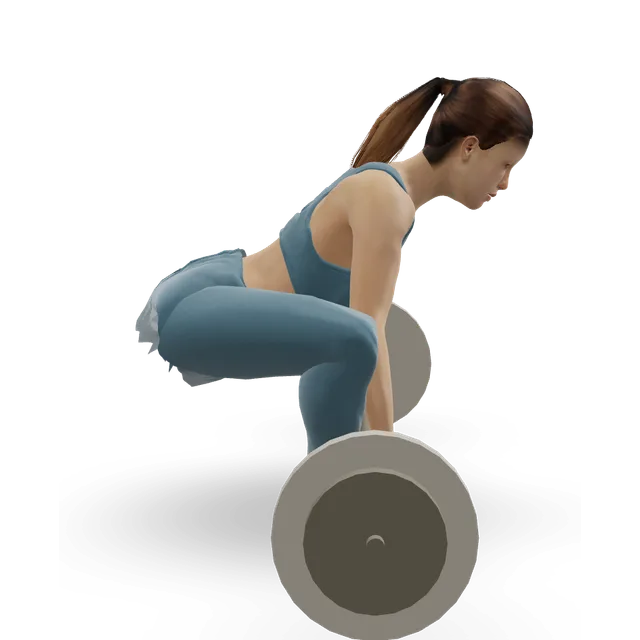
Loading the 3D figure…

Gets into position, then repeats the movement. Technical checks passed; qualified exercise review is pending.

The movement on the figure: Overhead squat

Moves for weightlifting

The two competition lifts, the simpler versions coaches teach on the way to them, and the squats and pulls behind them. Each has a 3D demo.

Workouts

The first two are new: a coached technique session and a strength session. The others teach the squat and overhead press, and add jumps, warm-ups and mobility for the ankles, hips, wrists and shoulders.

Weightlifting technique workout: the snatch and the clean and jerk from the top down

A 60-minute coached technique session: wrists, ankles and overhead squats, then the snatch and the clean and jerk built from the top down with light weights.

60 minBeginner15 movesCardio machine, A wall

Weightlifting strength workout: front squats, clean pulls and push presses

A 65-minute strength session for weightlifters: front squats, clean pulls at or above your best clean, push presses, Romanian deadlifts and trunk work.

65 minIntermediate11 movesCardio machine, A wall

Squat technique workout

A 25-minute practice session for the squat: find your depth on a chair, groove the bodyweight squat with pauses, then load it with a slow goblet squat.

25 minBeginner8 movesA wall, A bench or box

Overhead press technique workout

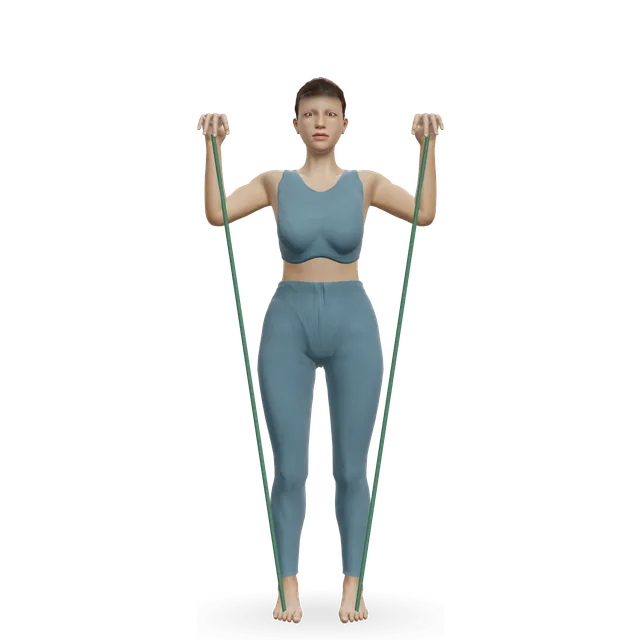
A 30-minute practice session for the overhead press: check your overhead reach, groove it with a band and seated dumbbells, then press the empty bar.

30 minBeginner9 movesA band, A wall

Barbell strength workout B: squat, press, deadlift

Workout B of the beginner strength program: back squats, overhead presses and deadlifts in sets of five, plus chin-ups, with the safety pins set.

55 minBeginner10 movesA band, A barbell

10-minute dynamic warm-up

A 10-minute warm-up for any workout: raise your heart rate, move each joint through its range, rehearse the main movements, then ramp up to your first lift.

10 minBeginner12 movesA wall, A band

Plyometric workout

An advanced jump training session: pogo hops, box jumps, split squat jumps, broad jumps and depth jumps.

30 minAdvanced8 movesA bench or box, A step

CrossFit warm-up and mobility routine: shoulders, wrists, hips and ankles

A 15-minute warm-up and mobility routine for CrossFit-style training: easy rowing, shoulder, wrist, hip and ankle mobility, shoulder-blade work and squats.

15 minBeginner14 movesCardio machine, A wall

Wrist and forearm routine

Wrist mobility and forearm strength for desk work, climbing, push-ups and handstands.

10 minBeginner7 movesA wall, A dumbbell

Shoulder mobility and stability routine (with a band)

A 25-minute band routine for healthy shoulders: move the shoulder and upper back through their range, then strengthen the rotator cuff and shoulder blades.

25 minBeginner12 movesA wall, A band

Hip mobility routine

A 15-minute hip opener: 90/90 switches, windshield wipers, CARs, Cossack squats, frog and pigeon.

15 minIntermediate8 movesA wall

Foot and ankle strengthening routine: toes, arches, calves and balance

A 15-minute barefoot routine for stronger toes, arches, calves and ankles, finishing with balance. You need only a towel, a wall and a resistance band.

15 minBeginner11 movesA wall, Other / check instructions

Daily mobility routine

A 12-minute routine to move every joint through its range under control: slow neck, shoulder, hip and ankle circles, spine and hip rotation, and deep squats.

12 minBeginner10 movesA wall

Plans

A general strength base helps while you learn the lifts with a coach.

Who should check first

Everyone: seven questions

The PAR-Q+ (Physical Activity Readiness Questionnaire for Everyone) asks about a heart condition or high blood pressure, chest pain, dizziness or losing consciousness, other long-term conditions and their medicines, a bone or joint problem that activity could make worse, and being told to exercise only under supervision. If you answer yes to any, check with your doctor or a qualified exercise professional first. The National Health Service (NHS) asks you to speak to your GP first if you haven't exercised for some time or have a health condition.

Sources 38, 39

Anyone new to the lifts

Learn with a qualified coach: British Weight Lifting's website lists clubs and coaches.

Source 6

Children and teenagers

Fine with a qualified coach, technique first and no adult programmes, with no more than 10 young lifters per coach. A teenager with back pain that lasts more than a couple of weeks, or is worse arching back, should get it checked, as our spondylolisthesis guide explains.

Sources 8, 7, 9

High blood pressure, heart disease, a hernia or glaucoma

A brief breath-hold is unavoidable near maximal effort, and blood pressure soars in heavy lifts. Follow our high blood pressure, heart disease and hernia guides, and ask your eye specialist with glaucoma. If you have a known widened aorta or Marfan syndrome, ask your cardiologist before lifting heavy: in 31 people whose aorta tore during severe exertion, mostly weightlifting, 32% died.

Sources 40, 41, 42

Pregnant, or after having a baby

The NHS says strength training at a gym is fine in pregnancy "if you do this already". In a survey of women who kept lifting heavy in pregnancy, most of whom did Olympic lifts, they reported typical pregnancy and pelvic floor outcomes, but there was no comparison group. Talk to your midwife, and see our pregnancy and pelvic floor guides.

Sources 43, 44

Older lifters with arthritis or menopausal symptoms

Arthritis and chronic inflammation went with more injuries, and menopausal symptoms limited training. A GP or physiotherapist can help you plan around them, and our arthritis, menopause and older adults guides cover what helps.

Sources 20, 16

When to stop and get help

Fainting or chest pain: call 999

Call 999 if someone faints while exercising, or has chest pain that doesn't go away, spreads to the arms, neck, jaw, stomach or back, or comes with sweating, feeling sick, light-headedness or breathlessness.

Sources 45, 46

A sudden, severe headache: call 999

Call 999 for a headache that "started suddenly and is extremely painful", or one with weakness in the face, arm or one side of the body, trouble speaking or loss of vision. Ask for an urgent GP appointment or call NHS 111 for a headache "triggered or made worse by coughing, sneezing, bending down or exercising".

Sources 47, 48

Back pain with numbness: call 999

Call 999 or go to A&E (accident and emergency) for back pain with pain, tingling, weakness or numbness in both legs, loss of feeling around your genitals or bottom, or changes in your bladder or bowels.

Sources 49, 50

Joints: a crack, a change of shape, or numbness

Call 999 or go to A&E if you heard a crack when you got hurt, the injured part has changed shape or is pointing at an odd angle, or it's numb or tingling. Ask for an urgent GP appointment or call 111 for sudden or very bad shoulder pain, or if you can't move your arm, and call 111 for a knee that's badly swollen, locks or gives way.

Sources 51, 52, 53

Myths

"Olympic lifting is too dangerous for ordinary people"Emerging evidence

Injury rates are about 2.4 to 3.3 per 1,000 hours of training, and 90.5% of elite injuries cost a day or less off. Learn it with a coach.

Sources 3, 4, 5, 6

"Children shouldn't do weightlifting"Strong evidence

British Weight Lifting fully endorses youth weightlifting when qualified professionals deliver and supervise it, and the NSCA calls it safe and beneficial with the right instruction and progression.

Sources 8, 7, 9

"Weightlifting stunts growth"Strong evidence

Growth plate injury hasn't been reported in prospective studies of supervised youth strength training. Past injuries came from poor technique, maximal lifts or no qualified supervision.

Source 9

"You need power cleans to jump higher"Emerging evidence

Olympic lifting improved jumping more than ordinary strength training, but no more than jump training.

Sources 10, 11, 12

"You'll forget the lifts unless you train four times a week"Mixed evidence

There's no evidence for it. Technique, not a fixed number of sessions, should decide how fast you progress.

Sources 7, 21

"Weightlifting is only for the young"Emerging evidence

Masters categories start at 35, and masters lifters in one survey trained 3 to 4 days a week into their 80s.

Sources 6, 21

"There's one correct snatch technique"Emerging evidence

Successful elite snatches followed several different bar paths, with no single pattern among the best lifters.

Source 14

Questions people ask

How do I start Olympic weightlifting?

Find a qualified coach or club, because British Weight Lifting advises that no-one attempts an Olympic lift without training and supervision. Coaches teach the lifts from the top down with light weights, and your technique decides when you move on.

Is Olympic weightlifting dangerous?

Injury rates are about 2.4 to 3.3 per 1,000 hours of training, similar to powerlifting and lower than contact sports. Most elite lifters' injuries are strains and tendon pain that cost a day or less of training.

What are the weightlifting weight categories?

British Weight Lifting's 2026 rules bring in new categories, the same as the international federation's: men 60, 65, 70, 75, 85, 95, 110 and over 110 kg, and women 49, 53, 57, 61, 69, 77, 86 and over 86 kg. Youth and children's categories are lighter, and the rules change, so check the current rulebook.

What is a press-out in weightlifting?

It's when you carry on straightening your arms to push the bar up after you've reached the bottom of your squat or split, in the snatch or the jerk. The rules count it as an incorrect movement, so the lift fails.

Can children do Olympic weightlifting?

Yes, when qualified coaches deliver and supervise it, with technique first and heavier weights a low priority. The NSCA recommends no more than 10 young lifters per coach and no adult programmes for children.

Is there an age limit for weightlifting?

No upper limit: masters categories start at 35 in five-year bands, and surveys include lifters in their 80s. Older lifters with arthritis may need to adapt their loads and lifts.

Do Olympic lifts help other sports?

In trials of athletes, they improved vertical jump more than ordinary strength training, and about as much as jump training. Simpler pulls, such as the clean pull, can give similar benefits with less technique to learn.

Why do my wrists or thumbs hurt from weightlifting?

Hands, fingers and wrists take about 15% of weightlifting injuries, and the hook grip can hurt at first. See our wrist pain guide, and get urgent help for a joint that's changed shape, numb or tingling.

How should weightlifters taper?

In a survey of 146 weightlifters, almost all tapered, for about 8 days, cutting training volume by about 43% and stopping all training about a day and a half before competing. Light technique and strength work were kept.

Is weightlifting drug tested in the UK?

Yes: British Weight Lifting's anti-doping rules are UK Anti-Doping's, and they apply at every level. You're responsible for anything in your system, so check medicines and supplements.
Sources

  1. British Weight Lifting · Technical and Competition Rules and Regulations 2026

  2. USA Weightlifting · Weight classes
  3. Aasa 2017 · Injuries among weightlifters and powerlifters: a systematic review (Br J Sports Med)
  4. Tung 2024 · Injuries in weightlifting and powerlifting: an updated systematic review (BMJ Open Sport Exerc Med)
  5. Calhoon 1999 · Injury rates and profiles of elite competitive weightlifters (J Athl Train)
  6. British Weight Lifting · Start weightlifting: Weightlifting 101
  7. Comfort 2023 · National Strength and Conditioning Association (NSCA) position statement on weightlifting for sports performance (J Strength Cond Res)
  8. Kite 2018 · British Weight Lifting position statement: youth weightlifting
  9. Faigenbaum 2009 · Youth resistance training: updated position statement paper from the NSCA (J Strength Cond Res)
  10. Hackett 2016 · Olympic weightlifting training improves vertical jump height in sportspeople: a systematic review with meta-analysis (Br J Sports Med)
  11. Berton 2018 · Effects of weightlifting exercise, traditional resistance and plyometric training on countermovement jump performance: a meta-analysis (J Sports Sci)
  12. Morris 2022 · Comparison of Weightlifting, Traditional Resistance Training and Plyometrics on Strength, Power and Speed: A Systematic Review with Meta-Analysis (Sports Med)
  13. Storey 2012 · Unique aspects of competitive weightlifting: performance, training and physiology (Sports Med)
  14. Cunanan 2020 · Survey of Barbell Trajectory and Kinematics of the Snatch Lift from the 2015 World and 2017 Pan-American Weightlifting Championships (Sports (Basel))
  15. Compendium of Physical Activities 2024 · Conditioning exercise: MET values (adult compendium)
  16. Huebner 2023 · Arthralgia in female Masters weightlifters (BMC Musculoskelet Disord)
  17. Soligard 2022 · New sports, COVID-19 and the heat: sports injuries and illnesses in the Tokyo 2020 Summer Olympics (Br J Sports Med)
  18. Junge 2009 · Sports injuries during the Summer Olympic Games 2008 (Am J Sports Med)
  19. Engebretsen 2013 · Sports injuries and illnesses during the London Summer Olympic Games 2012 (Br J Sports Med)
  20. Huebner 2022 · Health challenges and acute sports injuries restrict weightlifting training of older athletes (BMJ Open Sport Exerc Med)
  21. Huebner 2020 · The Masters athlete in Olympic weightlifting: Training, lifestyle, health challenges, and gender differences (PLoS One)
  22. Myer 2009 · Youth versus adult 'weightlifting' injuries presenting to United States emergency rooms: accidental versus nonaccidental injury mechanisms (J Strength Cond Res)
  23. Skaug 2022 · Prevalence of Pelvic Floor Dysfunction, Bother, and Risk Factors and Knowledge of the Pelvic Floor Muscles in Norwegian Male and Female Powerlifters and Olympic Weightlifters (J Strength Cond Res)
  24. Alves 2025 · Influence of Powerlifting and Weightlifting on Female Pelvic Floor Dysfunction: Systematic Literature Review (Int Urogynecol J)
  25. Suchomel 2015 · Weightlifting pulling derivatives: rationale for implementation and application (Sports Med)
  26. Pierce 2022 · Weightlifting for Children and Adolescents: A Narrative Review (Sports Health)
  27. Faigenbaum 2010 · Resistance training among young athletes: safety, efficacy and injury prevention effects (Br J Sports Med)
  28. Durguerian 2016 · Weight Loss, Performance and Psychological Related States in High-level Weightlifters (Int J Sports Med)
  29. Zhang 2026 · Effects of Olympic Weightlifting and Weightlifting-Derivative Training on Vertical Jump Performance in Recreationally Trained Individuals: A Systematic Review and Network Meta-Analysis (Appl Bionics Biomech)
  30. Currier 2026 · American College of Sports Medicine Position Stand. Resistance Training Prescription for Muscle Function, Hypertrophy, and Physical Performance in Healthy Adults: An Overview of Reviews (Med Sci Sports Exerc)
  31. Lloyd 2016 · National Strength and Conditioning Association Position Statement on Long-Term Athletic Development (J Strength Cond Res)
  32. Winwood 2023 · The Tapering Practices of Competitive Weightlifters (J Strength Cond Res)
  33. Winwood 2026 · Tapering and Peaking in the Weight Lifting Sports: A Systematic Review of Athletes' Self-Reported Strategies (Sports Med)
  34. International Weightlifting Federation (IWF) · Technical and Competition Rules and Regulations 2024 (a copy hosted by the Polish Weightlifting Federation)
  35. British Weight Lifting · Anti-doping
  36. UKAD · Supplements hub
  37. World Anti-Doping Agency (WADA) · Prohibited List 2026, in effect from 1 January 2026
  38. PAR-Q+ Collaboration 2025 · The Physical Activity Readiness Questionnaire for Everyone (PAR-Q+)
  39. NHS · Physical activity guidelines for adults aged 19 to 64
  40. MacDougall 1992 · Factors affecting blood pressure during heavy weight lifting and static contractions (J Appl Physiol (1985))
  41. Hatzaras 2007 · Weight lifting and aortic dissection: more evidence for a connection (Cardiology)
  42. NHS · Hernia
  43. NHS · Exercise in pregnancy
  44. Prevett 2023 · Impact of heavy resistance training on pregnancy and postpartum health outcomes (Int Urogynecol J)
  45. NHS · Fainting
  46. NHS · Chest pain
  47. NHS · Headaches
  48. NHS · Subarachnoid haemorrhage
  49. NHS · Back pain
  50. NHS · Sciatica
  51. NHS · Sprains and strains
  52. NHS · Shoulder pain
  53. NHS · Knee pain

Exercise education for people who play sport, not a personal prescription or a diagnosis, and clinical review of these pages is pending. Check with a GP or physiotherapist before hard training if you have a heart condition, chest pain, dizziness or an injury that isn't settling, and stop for sharp or increasing pain. Health disclaimer.