What it is
A planned spell of lighter training to let fatigue fade and prepare you for the next block, in the words of an international expert consensus. It's a lighter week, not a week off, and not a taper before a competition.
Source 1
Training guide
A deload is a planned lighter week: the same days and exercises, about half the sets, and weights that feel easy, so fatigue can fade before your next block. Competitive lifters take one roughly every 5 to 6 weeks, and experts agree on what a deload is, though most athletes in a survey felt they could progress without one.
The trials are few and small. A full week off cost trained lifters a little strength but no muscle; in one small trial in untrained men, lighter weeks neither helped nor held back gains; and after very high-volume training, a lighter week and a week off gave similar results. So a deload is optional, especially early on, and lighter beats stopping if strength matters.
This guide covers when to take one, exactly what to change, deloads for runners, and how a deload differs from a taper or a week off.
A planned spell of lighter training to let fatigue fade and prepare you for the next block, in the words of an international expert consensus. It's a lighter week, not a week off, and not a taper before a competition.
Source 1
In a survey of 246 competitive strength and physique athletes, deloads lasted about 6 days and came every 5 to 6 weeks on average, with fewer sets, lighter weights and less effort, but the same days and exercises. Coaches described 5 to 7 days every 4 to 6 weeks, with wide variation.
There are three small trials. A full week off cost trained adults a little strength but no muscle; in one small trial in 19 untrained men, with no control group, two lighter weeks neither helped nor held back gains; and after very high-volume training, a lighter week and a week off gave similar results in 30 trained men.
65% of the surveyed athletes felt they could progress without deloads, and one coach interviewed said they aren't necessary for progress. Our plans make them optional.
Every 6 to 8 weeks, or sooner if your performance drops for two sessions in a row and you feel run down or achy: same days, same exercises, about half the sets, and weights that feel easy (4 or more reps in reserve). Then restart at your previous weights.
A week off cost a little strength in trained lifters, so lighten rather than stop if strength matters. A week off for a holiday or illness is fine: gains are largely kept for up to about 3 weeks.
"A period of reduced training stress designed to mitigate physiological and psychological fatigue, promote recovery, and enhance preparedness for subsequent training": the definition agreed by an international panel of expert coaches.
Source 1
The experts agreed a deload can cut volume (sets and reps), intensity (how heavy), frequency (sessions a week) or how close you go to failure, and that intensity can stay the same if volume drops. Most disagreed that deloads should differ for men and women.
Source 1
A taper cuts training before a competition so you peak on the day, and almost all strength athletes taper. A week off means no training at all; some studies call that a deload too, but most coaches and athletes mean lighter training.
Hard training builds fitness and fatigue together. A lighter spell lets fatigue fall faster than fitness, so you start the next block fresher. That's the idea; no trial has yet shown that a deload adds gains.
A short dip in performance after hard training (overreaching) is normal and recovers with rest. Overtraining syndrome is a long-lasting drop that no single test diagnoses, and it's rarely documented in strength training.
In 39 trained adults (29 men and 10 women) doing very hard training, about 90 sets a week across all muscles, to failure, a full week off in the middle of 9 weeks didn't change muscle growth, endurance or jump height. Squat strength rose 13.0 kg against 16.4 kg with continuous training, with wide uncertainty, and people often said they felt lethargic after the week off. The trial was funded by a training company, which had a role in its design.
Source 4
In one small trial in 19 untrained men, with no control group, each man's arms and legs were split between training straight through for 8 weeks and taking two lighter weeks (2 sets, once a week, in weeks 4 and 8). Muscle growth and 10-rep strength rose about the same either way.
The second lighter week came just before the final tests, so it also worked as a taper. The result may not apply to trained lifters, women or older people.
Source 5
In 30 trained men who built up over 6 weeks to very high volume (up to 32 sets of 10 per exercise a week), a week at about 15% of that volume and a week off gave largely similar results, mostly measured in muscle samples, with no difference in squat bar speed.
Source 6
In 14 young men, 3 weeks off after every 6 weeks of bench pressing gave the same muscle and strength gains over 24 weeks as training straight through. Across 103 studies, stopping training lowered strength more the longer the break, and more in people over 65 and in inactive people.
In the survey of 246 athletes (mostly men and powerlifters, with about 8 years' training), 47% planned their deloads in advance, 13% only took them when needed and 39% did both. Their triggers were the programme (65%), feeling beaten up (63%) and stalled performance (54%), and 65% felt they could progress without deloads.
Source 2
In interviews, 18 coaches described deloads of 5 to 7 days every 4 to 6 weeks, ranging from every 3 to every 12. One pre-planned them for novices and took them when needed for advanced lifters, and one said deloads aren't necessary for progress. Across sports, strength and conditioning coaches mostly cut volume and intensity by up to a quarter in planned lighter spells.
Three small, short trials, a survey and a consensus. No trial has found that a deload adds gains. A week off cost trained adults a little strength, while in one small trial in untrained men, lighter weeks cost nothing. Our plans make a lighter week optional, especially for beginners, and prefer it to a week off if strength matters.
The rule from our plans' shared notes, which matches what most athletes in a survey did (Rogerson 2024) and the expert consensus (Bell 2023). Skipping the hard extras is our editorial advice.
Loading the 3D figure…
The movement on the figure: Dumbbell goblet squat
Our plans suggest every 6 to 8 weeks, or sooner if your lifts drop for two sessions in a row and you feel run down or achy, and you can skip it if you feel fresh and are still progressing. Competitive lifters averaged every 5 to 6 weeks and coaches every 4 to 6, and the experts agreed it depends on how you respond to training and what else you do.
About a week: 6.4 days on average in the survey, and 5 to 7 days for the coaches interviewed.
Most athletes planned some deloads in advance and took others when they felt beaten up or stalled. One coach pre-planned them for novices and took them as needed for advanced lifters.
Our plans set their lighter weeks to match their load:
A week off in trained adults slightly reduced strength gains, and people felt lethargic or out of practice afterwards. After very high-volume training, a lighter week and a week off gave similar results. If strength matters to you, lighten rather than stop.
A week or two off costs little: gains are largely kept for up to about 3 weeks, and 3-week breaks every 6 weeks didn't reduce gains over 24 weeks in one trial. Longer breaks cost more, especially over 65.
Muscle was kept with a lighter week and with a week off in all three trials.
Walks, easy cycling or swimming are fine: keep them at about 2 to 4 out of 10, the effort health guidelines call light activity, and save hard intervals for the week after (our suggestion).
Source 13
Across 27 studies in athletes, a 2-week taper that cut training volume progressively by 41 to 60%, while keeping intensity and how often they trained, improved performance most.
Source 14
In 14 studies of endurance athletes, tapers of 21 days or less that cut volume by 41 to 60%, while keeping intensity and frequency, improved time-trial performance.
Source 15
In app data from about 158,000 recreational runners, strict 3-week tapers went with marathon times about 5.5 minutes (2.6%) faster than minimal tapers. This was an observational study, so it can't show the taper caused the difference.
Source 16
Before competitions, strength athletes typically cut volume by 30 to 70% while keeping loads above about 85% of their maximum for 1 to 2 weeks, according to the survey authors' summary of the tapering research.
Source 2
In a survey of 204 strength and conditioning coaches, planned lighter spells such as tapers, competition and travel weeks used 1 or 2 strength sessions a week of 30 to 60 minutes, with 1 to 3 sets of 1 to 6 reps at 60 to 84% of maximum; volume and intensity were usually cut by up to a quarter.
Source 12
A taper peaks you for an event; a deload resets you between training blocks. Our running and Hyrox plans include tapers.
Running plans, including ours, usually ease off every 3 or 4 weeks. It's common practice rather than tested: in the Run Clever trial, both training schedules cut volume by 10% in the last week of each 4-week block, but no trial has compared easing off with not easing off.
Source 17
Our marathon plan has lighter weeks 4, 8, 11 and 14 and a 3-week taper, our 10K plan has lighter weeks too, and the strength training plan for runners lightens in your running cutback week.
Taper rather than deload. In athletes, about 2 weeks with volume cut progressively by 41 to 60%, keeping intensity and some faster running, worked best. For a marathon, strict 3-week tapers went with faster times in recreational runners, and our marathon plan uses one.
Our Hyrox training plan ends with its own taper; our Hyrox guide covers the race.
Do about half your usual sets of each, with weights or reps that leave 4 or more in reserve (our plans' rule).
 3D demoDumbbell goblet squatIntermediate · A dumbbell
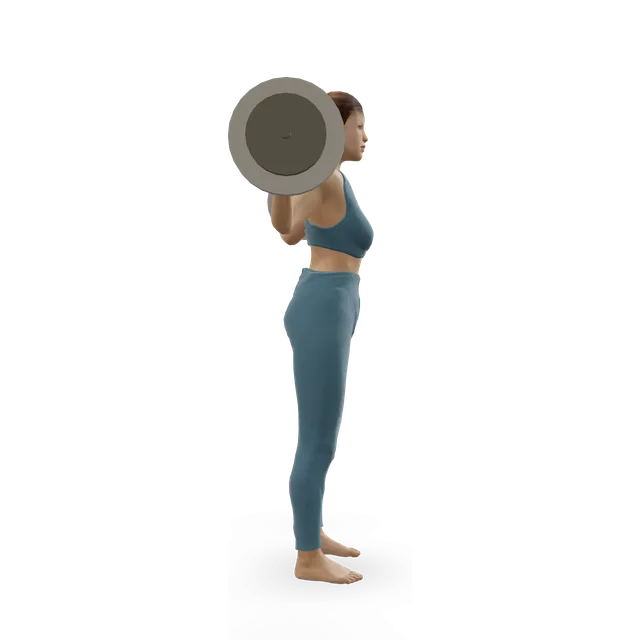 3D demoBarbell back squatAdvanced · A barbell
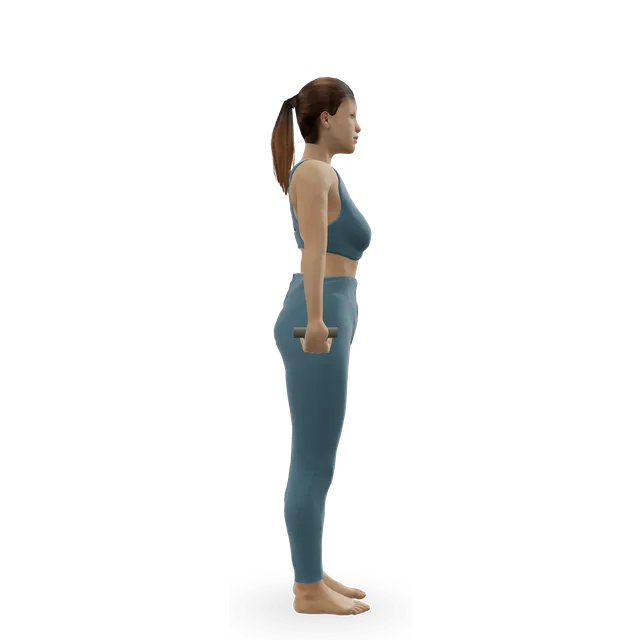 3D demoTrap bar (hex bar) deadliftIntermediate · Other / check instructions
 3D demoDumbbell Romanian deadliftIntermediate · A dumbbell
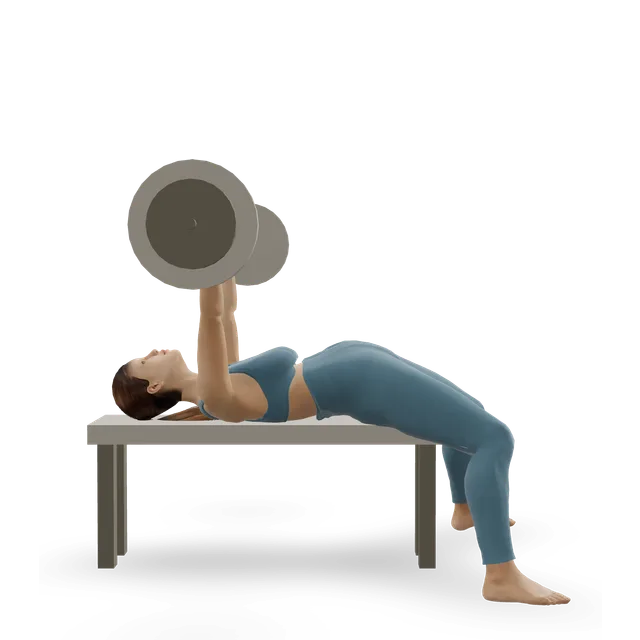 3D demoBarbell bench pressIntermediate · A barbell + A bench or box
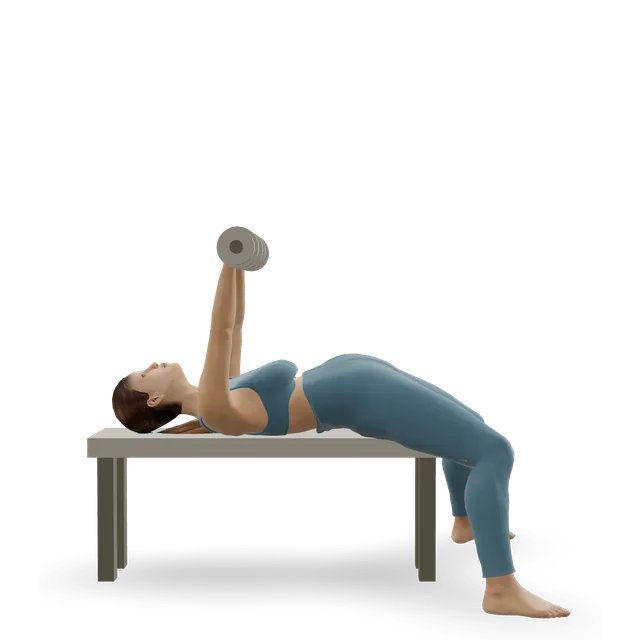 3D demoDumbbell bench pressIntermediate · A dumbbell + A bench or box
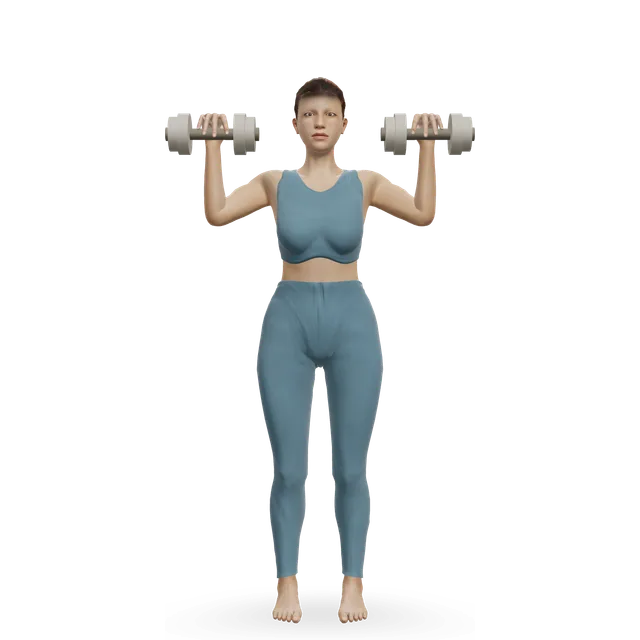 3D demoStanding overhead pressIntermediate · A barbell + A dumbbell
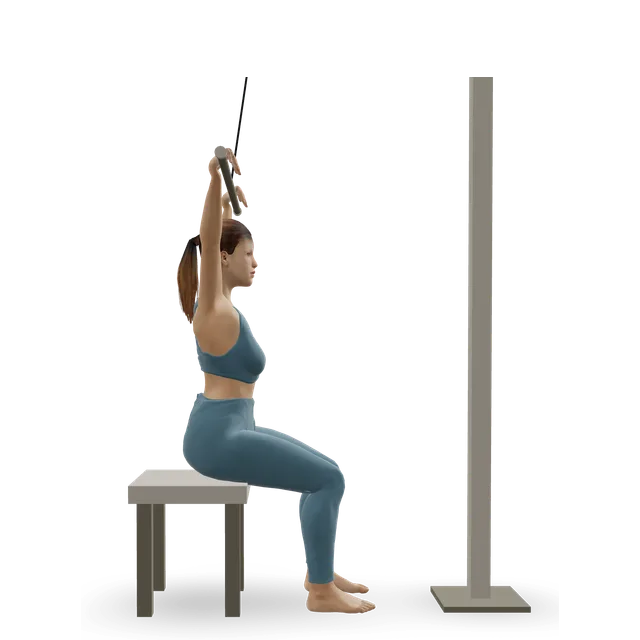 3D demoLat pulldownBeginner · A cable machine
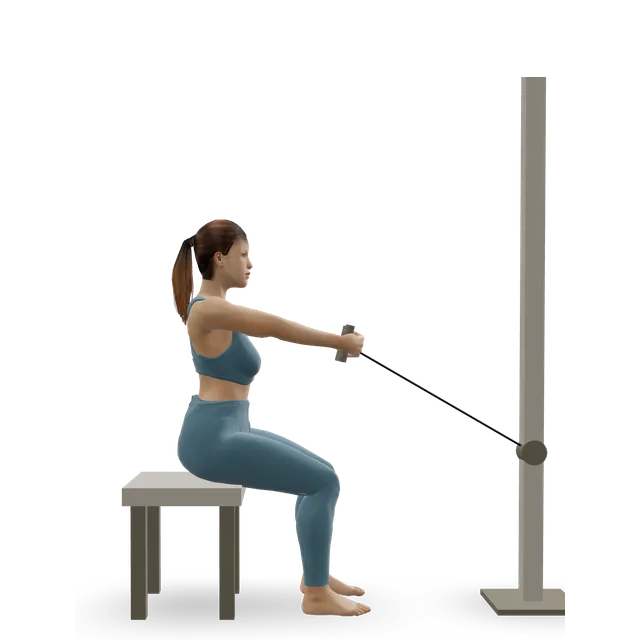 3D demoSeated cable rowBeginner · A cable machine
Optional: 20 to 40 minutes of easy cardio at about 2 to 4 out of 10, or a few minutes of mobility (our suggestion).
Each plan says when its lighter weeks fall, or why it has none.
A 6-day push/pull/legs plan for experienced lifters: two push, two pull and two leg days, with sets, reps, rest and lighter weeks.
6 training days55 minAdvanced7 days a weekA full week that mixes intensities: three strength days, two cardio days, a mobility day and an easy day, never seven hard days.
3 training days45 minBeginner3 days a weekA beginner gym plan: three full-body sessions a week, alternating workouts A and B, with sets, reps, rest and an 8-week progression.
3 training days45 minBeginner3 days a weekFor after about 8 weeks of a beginner plan: three full-body sessions a week, one heavy, one moderate and one light, in a gym or at home, for 12 weeks.
3 training days50 minIntermediate3 days a weekA 12-week beginner barbell program: squat every session, alternate bench and row with press and deadlift, and add weight each time until it stalls.
3 training days50 minBeginner4 days a weekAn 18-week first marathon plan from half marathon fitness: three runs a week, a long run built about 10% at a time, strength, a 3-week taper and race-day fuel.
4 training days60 minBeginner2 days a weekA 12-week strength plan for runners: two sessions a week of heavy lifts, single-leg work, calf raises and hops, fitted around your runs.
2 training days45 minBeginner3 days a weekA 12-week exercise plan for over-65s: strength and balance three times a week, short balance sessions and daily walks, based on falls-prevention trials.
3 training days40 minBeginnerThere's no special deload workout: do your usual sessions with half the sets. These two suit an optional easy day.
A 25-minute easy session for rest days and sore muscles: easy cardio, a gentle mobility flow, optional rolling for sore spots, and slow breathing to finish.
25 minBeginner11 movesCardio machine, A wallA steady 30 to 45 minute cardio session at talk-but-not-sing pace: walk, cycle, row or cross-train, counting toward weekly activity guidelines.
40 minBeginner3 movesCardio machine, A wallFor healthy adults, strength training is safe: in trials with more than 38,000 people, it didn't raise serious adverse events. Speak to your GP or cardiac team before hard sets if:
Stop and call 999 for:
Get advice the same day for:
Dizziness, unusual breathlessness, chest pain or pressure, or palpitations (a racing, pounding or irregular heartbeat) during strength training.
Source 18
See a GP if tiredness doesn't lift with rest and sleep, or your performance keeps falling for weeks with low mood, poor sleep or frequent illness. Overtraining syndrome is rare in strength training, and other causes, such as anaemia or a thyroid problem, need ruling out. Eating too little for your training can cause similar problems: our rest days guide covers it.
No trial has found extra gains after a deload, and a week off cost trained lifters a little strength.
Most athletes and coaches lighten rather than stop.
65% of competitive athletes felt they could progress without one, and in one small trial in untrained men, lighter weeks didn't change gains.
True overtraining is rarely documented in lifters, and no single marker predicts or diagnoses it.
Muscle was kept with a lighter week and with a week off in trials.
A planned lighter week to let fatigue fade and prepare you for the next block of training. In our plans, that means the same days and exercises, about half the sets, and weights that feel easy.
Not necessarily, especially as a beginner. In one small trial in untrained men, lighter weeks neither helped nor held back gains, and most competitive athletes in a survey felt they could progress without them.
Our plans suggest every 6 to 8 weeks, or sooner if your lifts drop for two sessions in a row and you feel run down. Competitive lifters average every 5 to 6 weeks, and experts agree it depends on how you respond to training.
About a week: 6 days on average in a survey of 246 athletes, and 5 to 7 days for the coaches interviewed in another study. If you take time off instead, gains are largely kept for up to about 3 weeks.
Keep your days and exercises, do about half the sets, and stop every set with 4 or more reps to spare, using lighter weights or fewer reps at your usual weights. Then go back to your previous weights.
No. In trained adults, a full week off didn't change muscle growth but slightly reduced strength gains, and people felt sluggish afterwards. A lighter week looks better if strength matters.
No: muscle was kept with a lighter week and with a week off in trials. Gains are largely kept for up to about 3 weeks without training.
A taper peaks you for an event, usually 1 to 3 weeks of less training while keeping some intensity; a deload resets you between training blocks. Before a competition, taper; between blocks, deload if you need to.
Most running plans, including ours, ease off every 3 or 4 weeks, although no trial has tested that on its own. Before a race, taper: in athletes, cutting volume by 41 to 60% while keeping some faster running worked best.
Lifts that drop for a couple of sessions, feeling run down, and nagging soreness or joint aches: the triggers athletes in a survey used. If tiredness lasts despite rest and sleep, see a GP.
Yes, but keep it easy: walks, easy cycling or swimming at about 2 to 4 out of 10. Save hard intervals for the week after.
Not by itself: no trial found extra gains, and a week off cost a little strength. Its job is to help you keep training hard afterwards.
Exercise education, not a personal prescription, and clinical review of these guides is pending. Check with a GP before starting hard training if you have a heart condition, chest pain, dizziness or breathlessness when active, and stop for sharp or increasing pain. Health disclaimer.







