Reps in reserve and RPE
RIR is how many more good reps you could have done. The lifting RPE scale is built on it: RPE 10 is no reps left, 9 is one, 8 is two, 7 is three, and 5 to 6 means four to six left.
Training guide
Reps in reserve (RIR) is how many more good reps you could have done when you stopped a set. The RPE (rating of perceived exertion) scale used in gyms is built on it: RPE 10 means nothing left, 9 means one more, 8 means two. For most lifting, stopping 2 or 3 reps short (RPE 7 to 8) builds about as much strength and muscle as going to failure.
Most people misjudge their reps left by about one, and usually have a little more in the tank than they think. Judgements are better near failure and in shorter sets, and small studies suggest practice helps.
This guide shows the scale, how hard each kind of set should be, how to check your judgement with a practice workout, and how the different RPE scales used for cardio work.
RIR is how many more good reps you could have done. The lifting RPE scale is built on it: RPE 10 is no reps left, 9 is one, 8 is two, 7 is three, and 5 to 6 means four to six left.
Big compound lifts at 2 to 3 reps in reserve (RPE 7 to 8), the last set of small isolation moves at 0 to 2, and 3 or 4 in reserve while you learn, as our plans say. The ACSM (American College of Sports Medicine) says sets near failure or at 2 to 3 reps in reserve are enough, and that exact targets aren't established.
Source 3
Two meta-analyses of 15 studies each found no clear advantage for strength or muscle from training to failure. Exploratory analyses suggest muscle growth rises a little as sets end closer to failure, while strength doesn't.
In 12 studies with 414 people, most underestimated the reps they had left by about one on average, so they stopped a little further from failure than they thought. Judgements were better near failure, in later sets and in sets of 12 reps or fewer.
Source 7
In the meta-analysis, training experience didn't change accuracy. Practice may help: in a small study, calling out your reps in reserve and then carrying on to check cut the average error by up to 2.3 reps over six weekly sessions, in younger and older adults.
For cardio, RPE usually means a 0 to 10 scale, where moderate is 5 or 6 and vigorous 7 or 8, or Borg's 6 to 20 scale. RPE 8 in the gym (2 reps left) is not the same as 8 out of 10 on a run.
How many more good reps you could have done when you stopped the set. 2 RIR means you stopped 2 reps short of failure: the point where you can't complete another rep with good form.
Published in 2016, it ties each number to the reps you had left:
From RPE 7 to 10, RPE is 10 minus your reps in reserve: 2 RIR is RPE 8. Below 7, the scale uses ranges and feelings instead, because reps far from failure are hard to judge.
Some coaches use half-points such as 8.5. They aren't in the published scale, and since most people are about a rep out, they're finer than most of us can judge.
One rating for a whole session, multiplied by its minutes, gives a training load score for tracking how hard your training has been.
Source 12
Our one-rep max calculator takes the weight, the reps you did and the reps you had left, and estimates your maximum from a normal set.
The ACSM says there isn't enough evidence to set exact targets, so these are evidence-informed defaults, not proven best values.
3 to 4 reps in reserve (RPE 6 to 7), as our plans start. You're still learning the move, and most people misjudge by about a rep.
Source 7
Squats, deadlifts, presses, rows and pulldowns: 2 to 3 reps in reserve (RPE 7 to 8). Our intermediate plans allow 1 to 3 (RPE 7 to 9).
Curls, raises, pushdowns and calf raises: 0 to 2 in reserve (RPE 8 to 10), as our plans allow. Growth may rise a little closer to failure: in 42 trained adults, single sets to failure grew some muscles slightly more than sets stopped 2 short, with no difference in strength.
0 to 1 in reserve on each part (our editorial target): these methods work by going close to failure, so keep them to safe moves.
Source 14
4 or more in reserve (RPE 6 or less), as our plans' lighter weeks say; most athletes in a survey cut their effort in deload weeks.
Source 15
Well short of failure, about RPE 3 to 5 (our editorial target).
Source 2
2 to 3 in reserve, without going to failure. The ACSM says failure may be unwise for older people, and blood pressure rises steeply near failure, especially with a held breath.
In 12 studies with 414 people, people underpredicted the reps they had left by 0.95 on average, so they had a little more in the tank than they thought. Results varied a lot between studies.
Source 7
Predictions were better closer to failure, in later sets and in sets of 12 reps or fewer; long, light sets were the hardest to judge. In 58 men and women on machine moves and rows, the same pattern held.
In the meta-analysis, training experience didn't change accuracy, and newer studies of men and women on machines, the bench press and the squat found the same. One study of 141 trainees found a tendency to improve with experience.
Practice may help, though the studies are small. In 26 younger and older adults, with no comparison group, calling out reps in reserve during sets taken to failure cut the average error by up to 2.3 reps over six weekly sessions, and accuracy improved over 8 weeks in another trial. In two small trials of trained men, it didn't improve over 6 weeks.
Trained men and women judging 1 or 3 reps in reserve on the bench press, with about 75% of their one-rep max, were within about two-thirds of a rep on average, whatever their sex, experience or strength.
Source 19
In 25 adults aged about 68, predictions at 2 and 4 reps in reserve were about 2 reps out, while 6 in reserve was accurate, and their RPE ratings barely differed between the three sets (8.0, 7.6 and 7.3). With practice, older adults improved as much as younger ones in another small study.
At a true one-rep max, experienced lifters gave ratings closer to 10 than novices: 9.8 against 9.0 in the squat, and 9.86 against 9.35 on the bench press. Ratings also tracked bar speed closely, because each rep slows as a set nears failure.
An expert review advises beginners to record their reps in reserve alongside their training, and to check their accuracy with a set to failure at the same weight before basing loads on it.
Source 2
Across 75 studies, RPE ratings tracked how hard resistance exercise was, whatever people's sex, age or training, though results varied a lot between studies.
Source 26
Our editorial method, built on the studies of reps in reserve accuracy (Halperin 2022, Refalo 2024, Wiedenmann 2026) and an expert review's advice to check your estimates (Helms 2016).
Loading the 3D figure…
The movement on the figure: Leg press
A missed rep is harmless on these: use a weight you can lift 10 to 12 times, call out 3 and 1 left, and carry on to the last good rep (our method).
 3D demoLeg pressBeginner · Strength machine
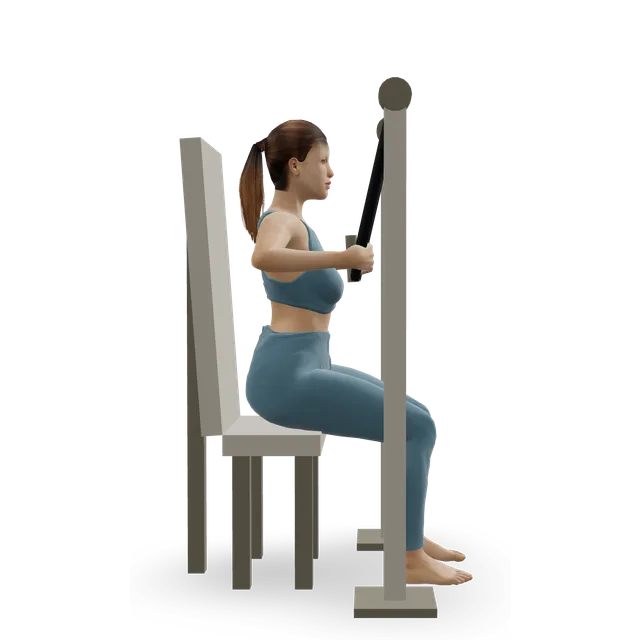 3D demoChest press machineBeginner · Strength machine
 3D demoSeated cable rowBeginner · A cable machine
 3D demoLat pulldownBeginner · A cable machine
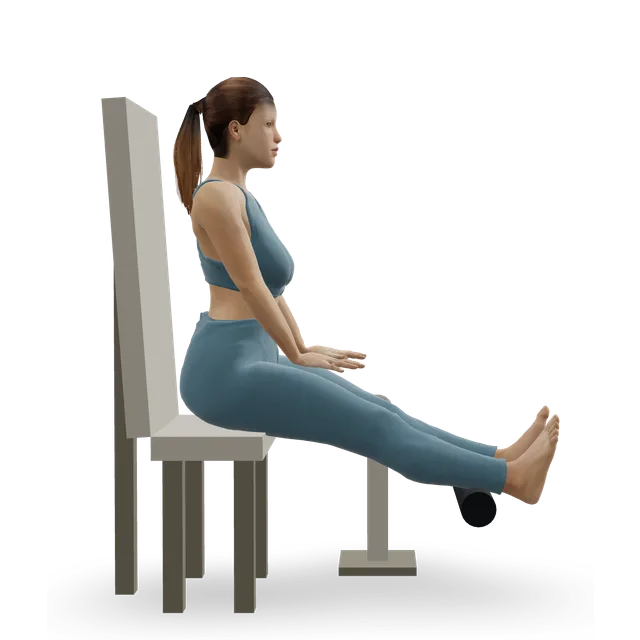 3D demoMachine leg curlBeginner · Strength machine
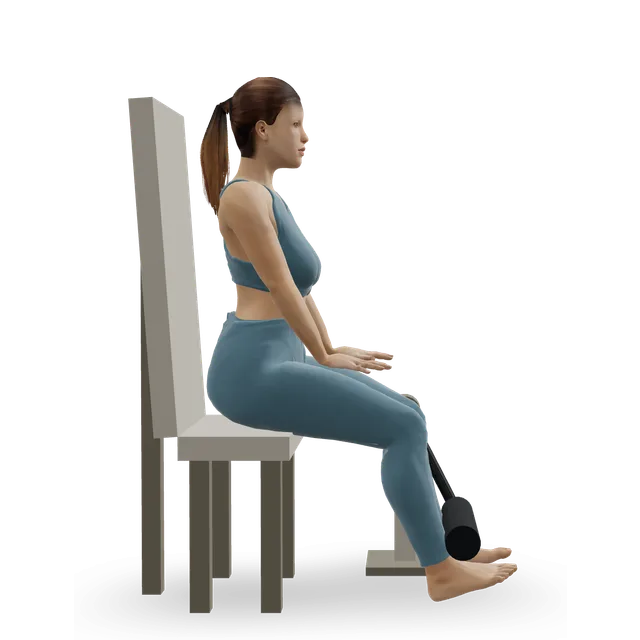 3D demoLeg extensionBeginner · Strength machine
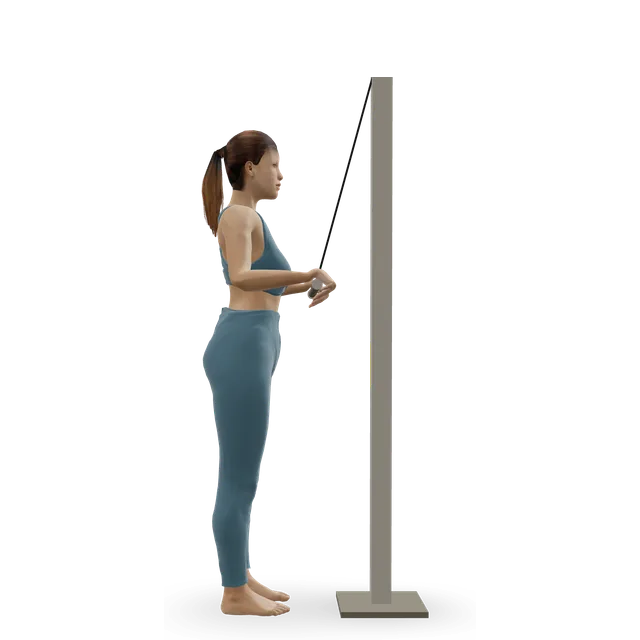 3D demoTriceps pushdownBeginner · A cable machine
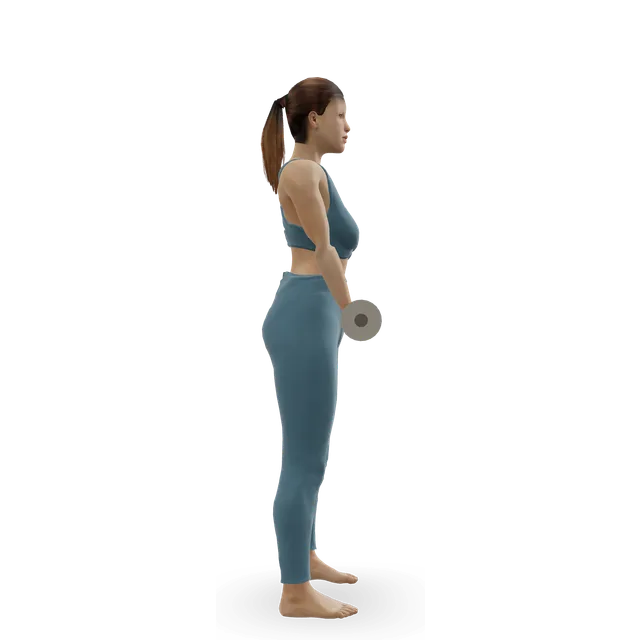 3D demoDumbbell biceps curlBeginner · A dumbbell
Judge your reps in reserve on these, but don't check by going to failure without safety arms or a spotter.
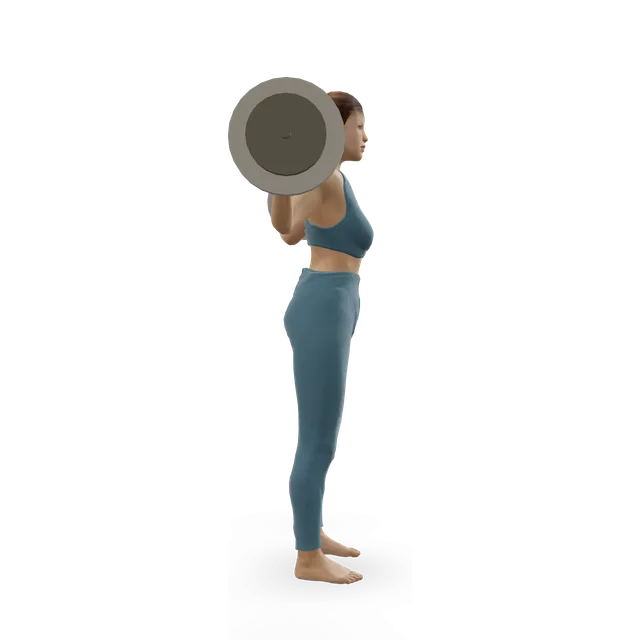 3D demoBarbell back squatAdvanced · A barbell
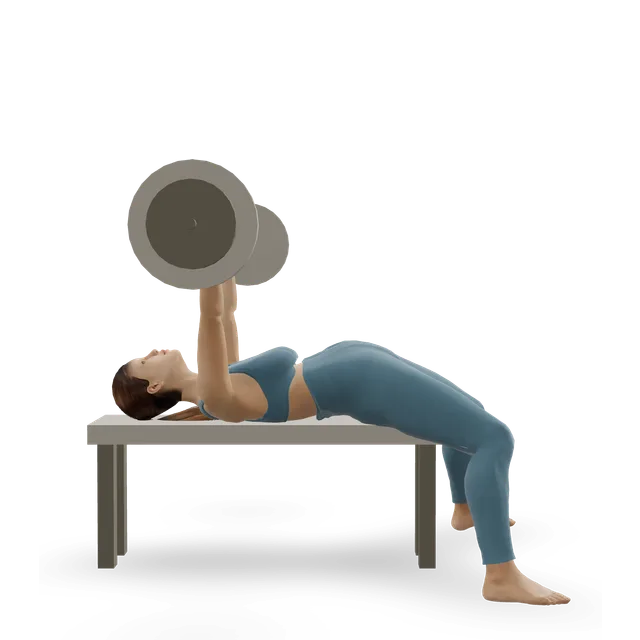 3D demoBarbell bench pressIntermediate · A barbell + A bench or box
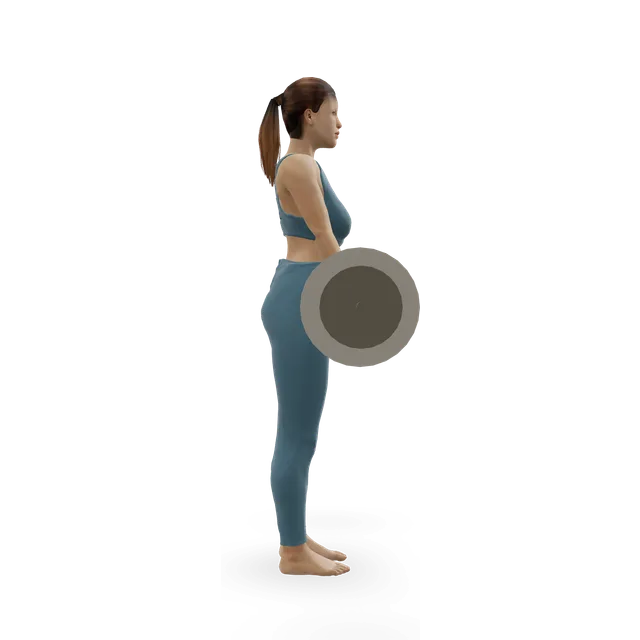 3D demoBarbell deadliftAdvanced · A barbell
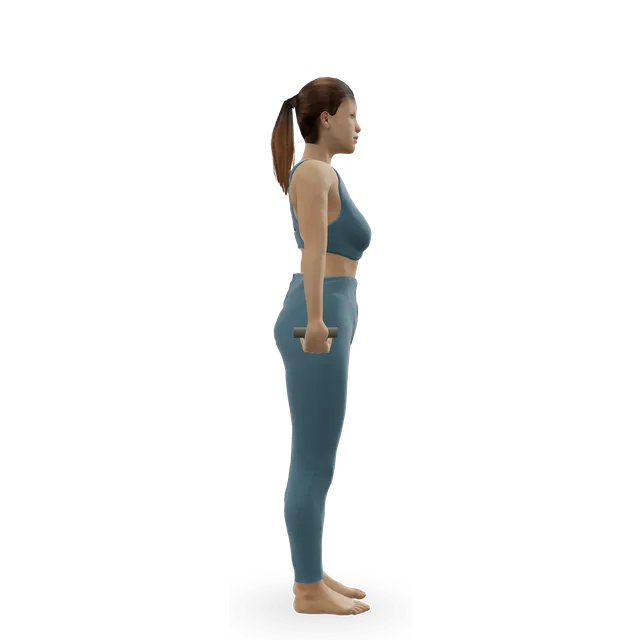 3D demoTrap bar (hex bar) deadliftIntermediate · Other / check instructions
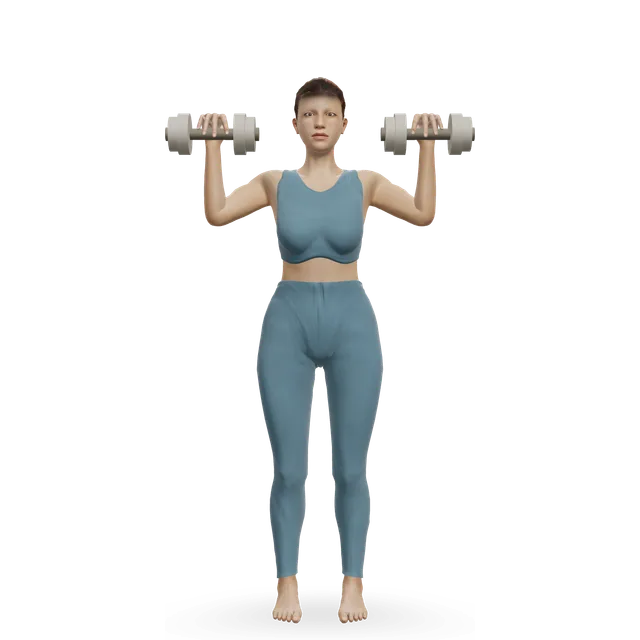 3D demoStanding overhead pressIntermediate · A barbell + A dumbbell
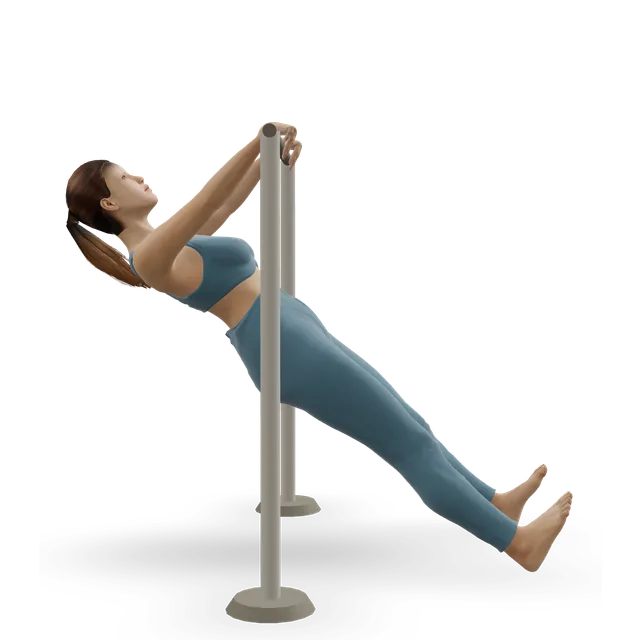
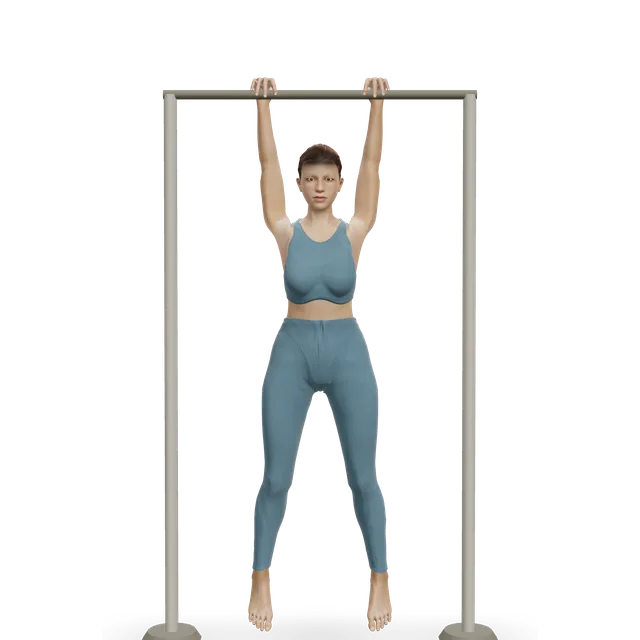 3D demoPull-upAdvanced · Pull-up bar
Reps in reserve works here too: stop push-ups and band rows 2 to 3 reps short, as our plans do.
In 21 trained men, setting loads by RPE worked as well as fixed percentages of a one-rep max, with a probable small edge for strength. Across 6 studies, adjusting loads on the day gave similar strength gains to fixed percentages.
The ACSM found too little evidence to say whether adjusting loads within a session changes strength or muscle.
Source 3
For most people, our plans' double progression with a reps in reserve target is enough. RPE charts and percentages suit people chasing a maximal lift; our one-rep max calculator works with them.
In 46 trained people, a bar-speed model built for each person predicted squat reps in reserve to within 2 reps on average, but general models did worse. In the hex bar deadlift, bar-speed predictions lacked accuracy, and in another study bar speed explained only about 30% of the reps people felt they had left. A tracker doesn't replace learning to judge it yourself.
Health guidelines rate effort from 0 to 10 relative to your own fitness: light activity is about 2 to 4, moderate 5 or 6, and vigorous 7 or 8.
A cross-check: in moderate activity you can talk but not sing; in vigorous activity you can't say more than a few words without pausing for breath.
The Borg scale rates effort from 6 (no exertion at all) to 20 (the hardest you could manage). It was designed so that your rating times 10 roughly matches your heart rate, but treat that as a rough guide. Our heart disease guide explains how cardiac rehab uses it, what the numbers in between feel like, and the range rehab works at.
RPE 8 in the gym means about 2 reps left; 8 out of 10 on a run is vigorous; and on the Borg scale the numbers run from 6 to 20. Check which scale a plan uses.
Our zone 2 guide explains heart rate zones and the talk test, and our HIIT (high-intensity interval training) and VO2 max guides cover hard intervals. On a beta blocker, go by effort or the talk test rather than heart rate, as our zone 2 guide explains.
Our reps in reserve practice workout teaches the skill on machines. The full-body and upper-body gym workouts give a reps in reserve target for their main moves, and the two cardio sessions use the talk test.
Learn how many reps you really have left: machine sets where you call out your reps in reserve, then keep going to check, in about 30 minutes.
30 minBeginner7 movesCardio machine, A bandA beginner full-body gym workout: goblet squats, dumbbell bench press, lat pulldowns, Romanian deadlifts and dead bugs, with sets, reps and rest.
45 minBeginner12 movesCardio machine, A bandA gym upper body workout for chest, back, shoulders and arms: bench press, rows, presses, pulldowns, raises, curls and pushdowns.
50 minIntermediate13 movesA band, A barbellA steady 30 to 45 minute cardio session at talk-but-not-sing pace: walk, cycle, row or cross-train, counting toward weekly activity guidelines.
40 minBeginner3 movesCardio machine, A wallA 25-minute interval session on a bike or rower: one-minute hard efforts with two minutes easy, building from 4 to 8 rounds.
25 minIntermediate1 movesCardio machineOur strength plans set their effort in reps in reserve, starting at 3 or 4 in your first two weeks.
A beginner gym plan: three full-body sessions a week, alternating workouts A and B, with sets, reps, rest and an 8-week progression.
3 training days45 minBeginner4 days a weekA 4-day upper/lower split: two upper body and two lower body gym days, each muscle trained twice a week, with sets, reps and progression.
4 training days50 minIntermediate3 days a weekA 12-week beginner barbell program: squat every session, alternate bench and row with press and deadlift, and add weight each time until it stalls.
3 training days50 minBeginnerFor healthy adults, strength training is safe: in trials with more than 38,000 people, it didn't raise serious adverse events. Speak to your GP or cardiac team before hard sets if:
Stop and call 999 for:
Get advice the same day for:
Dizziness, unusual breathlessness, chest pain or pressure, or palpitations (a racing, pounding or irregular heartbeat) during strength training.
Source 16
Take sets to failure only on machines, or with safety arms or a spotter, and stay 2 to 3 reps short if you're older. In cardiac rehab, follow your team's targets; our heart disease guide covers how rehab uses the Borg scale.
Source 3
On the lifting scale it means about 2 reps left. On the general 0 to 10 scale, 7 to 8 is vigorous.
On average the error runs the other way: people stop with about one more rep in them than they think.
Source 7
Training experience didn't change accuracy in the meta-analysis or in a study of trained and untrained men and women, and small studies suggest practice helps. Start with 3 or 4 in reserve while you learn.
Half-points such as 8.5 aren't in the published scale, and people are usually about a rep out.
Training to failure gave no clear extra muscle or strength in two meta-analyses, though growth may rise a little closer to failure. Failure sets also felt harder and less pleasant.
Predictions from bar speed were often 2 or more reps out, and less accurate on some lifts.
Rating of perceived exertion: how hard a set felt. For lifting, it's tied to reps in reserve: RPE 10 means you couldn't do another rep, 9 means one more, 8 means two.
You stopped with about 2 good reps left. RPE 7 is 3 left and RPE 9 is 1 left; for big lifts, our plans aim for RPE 7 to 8.
They describe the same thing from opposite ends: RIR counts the reps you had left, and the lifting RPE scale converts it, so from RPE 7 to 10, RPE is 10 minus your reps in reserve. Below RPE 7, the scale uses ranges and feelings instead.
2 to 3 on big lifts, 0 to 2 on the last set of small moves, and 3 to 4 while you learn. Going to failure gave no clear extra benefit in trials.
Most people are about one rep out, usually stopping with a little more left than they think. Judgements are better close to failure, with heavier weights and in sets of 12 reps or fewer.
Practise on a machine: call out when you think you have 3 left and 1 left, then keep going to see. In one small study, six weekly sessions like this cut the average error by up to about 2 reps.
Not clearly: in the meta-analysis, training experience didn't change accuracy, though one study of 141 trainees found a tendency to improve with experience. Small studies suggest practice with feedback helps. Experienced lifters do rate a true maximum lift more accurately.
A scale for rating effort during any exercise, from 6 (no exertion at all) to 20 (the hardest you could manage). It was designed so that your rating times 10 roughly matches your heart rate, though that's only a rough guide. Our heart disease guide explains how cardiac rehab uses it.
On a 0 to 10 scale, moderate is 5 or 6, when you can talk but not sing, and vigorous is 7 or 8, when you can only say a few words. Our zone 2 and HIIT guides use the same talk test.
Yes: effort targets work across forms of training. Stop push-ups and band rows 2 to 3 reps short, as our plans do.
No. Predictions of reps left from bar speed were often 2 or more reps out, so they don't replace learning to judge it yourself.
Yes, as a rough guide: in adults about 68, predictions were about 2 reps out, and practice improved them as much as in younger adults in a small study. Stay 2 to 3 reps short rather than training to failure.
Exercise education, not a personal prescription, and clinical review of these guides is pending. Check with a GP before starting hard training if you have a heart condition, chest pain, dizziness or breathlessness when active, and stop for sharp or increasing pain. Health disclaimer.