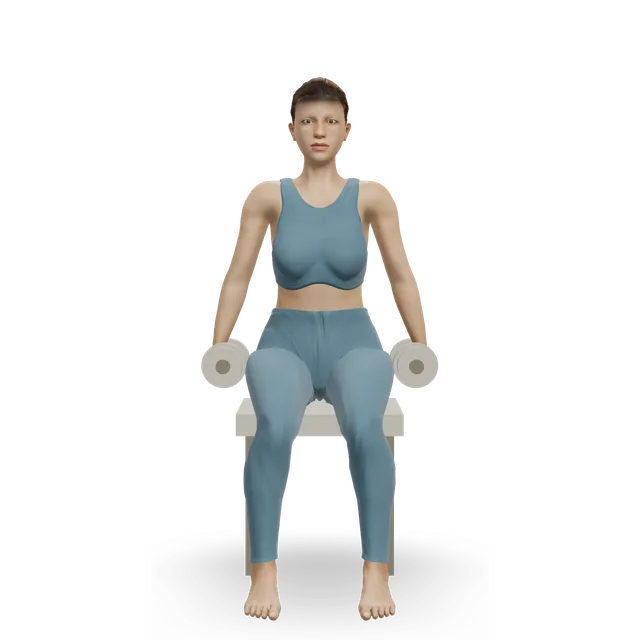
Exercise guide

Exercise with heart failure: cardiac rehab, safe exercise at home and when to rest

Keeping active is now part of treating heart failure, not something to avoid. In 60 trials, exercise-based cardiac rehabilitation probably cut hospital admissions (15.9% of people against 23.8%) and improved quality of life, and NICE (the National Institute for Health and Care Excellence) says everyone with heart failure should be offered it. Exercise doesn't cure heart failure or replace your medicines, but it can make everyday life easier.

This guide covers how to get cardiac rehab, how hard to work when breathlessness is part of daily life, strength training, heart failure with preserved ejection fraction, what to avoid, how exercise fits with weighing yourself and a fluid limit, and the signs that mean rest or get help. It includes a home workout you can do sitting or standing, with 3D demos of every move.

The short version

Rest is the old advice

The British Heart Foundation (BHF) says people with heart failure used to be told to rest, but keeping active is now known to improve symptoms and quality of life. Exercise doesn't cure or reverse heart failure, and it doesn't replace your medicines, but it can make everyday activities easier.

Sources 1, 2

Start with cardiac rehab

Cardiac rehabilitation is a programme of exercise, education and support. NICE says everyone with heart failure should be offered an exercise-based programme, after an assessment, at home, in the community or in hospital. Only about 1 in 6 eligible people in England start one, so ask your GP (general practitioner), cardiologist or heart failure nurse to refer you.

Sources 3, 2, 4

Little and often, at a talking pace

Aim for moderate effort: you feel a bit warmer and breathe a bit more heavily, but can still talk. A few 5 to 10-minute sessions a day count, building gradually towards 150 minutes a week. Light strength work with bands, light weights or food tins helps too.

Source 1

Skip it on bad days, and weigh yourself

Don't exercise on days you feel unwell or more tired or breathless than normal. Weigh yourself regularly: sudden weight gain can mean fluid is building up, and needs an urgent GP appointment or a call to NHS 111.

Sources 1, 2

Medicines change the numbers, not the plan

Beta blockers, ivabradine and digoxin slow the heart, so heart rate targets don't fit: go by how the effort feels. Keep taking your medicines. In trials they reduced deaths and hospital stays, while exercise made no clear difference to deaths in the short term.

Sources 5, 6, 7, 3, 8

Harder exercise needs your team

In a trial of 261 people, hard intervals were no better than moderate training. Leave out heavy lifting, and talk to your heart failure team before interval training, swimming or competitive sport.

Sources 9, 1

Heart failure, and why exercise helps

What heart failure is

Heart failure is when your heart cannot pump blood properly. It does not mean your heart has stopped working or is about to stop working. There's no cure, but treatment and lifestyle changes can help, and symptoms can vary from day to day and week to week.

Source 2

Reduced, mildly reduced and preserved ejection fraction

Ejection fraction is the share of blood squeezed out of the heart's main pumping chamber with each beat, measured with a heart scan (echocardiogram); over 50% is considered normal. NICE describes three types: reduced ejection fraction (40% or less), mildly reduced (41% to 49%), and preserved (50% or more, with a structural problem in the heart such as a thickened wall).

Sources 10, 3

How common it is

More than 1 million people in the UK have heart failure, with at least 200,000 new diagnoses a year. Nearly half of people with heart failure in the community have the preserved type; they are often older, and their main symptom is that exercise is very hard.

Sources 11, 12

Symptoms

Breathlessness with everyday activities or when lying down; feeling weak, light-headed or very tired, especially after moving; swollen feet, ankles, legs or tummy; sudden weight gain; and coughing at night or coughing up frothy pink phlegm.

Source 2

Four stages

The BHF describes four stages: no symptoms during everyday activity; normal at rest, but physical activity causes symptoms; normal at rest, but a little activity causes symptoms; and symptoms with any activity, perhaps with discomfort at rest.

Source 10

Why exercise feels hard, and why it helps

When the heart isn't pumping as well as it should, your muscles and lungs get less oxygen, so activity feels harder. Keeping your body moving helps your muscles and lungs work better, which puts less strain on your heart. In trials with preserved ejection fraction, fitness improved without any change in heart scan measurements: the gains come mainly from the muscles and blood vessels.

Sources 10, 1, 13, 14, 15

Treatment

Treatment includes medicines that remove extra fluid (diuretics such as furosemide), widen the blood vessels, or slow the heart (such as beta blockers), and for some people an implantable cardioverter defibrillator (ICD) or a cardiac resynchronisation therapy (CRT) device. For reduced ejection fraction, NICE recommends a combination of four types of medicine, which reduced deaths and hospital stays in trials. Cardiac rehabilitation sits alongside all of these.

Sources 2, 3

Cardiac rehab: what it is and how to get it

What it is

Cardiac rehabilitation is a programme of exercise, education and support. For heart failure, NICE says it should be personalised, start with an assessment to make sure it suits you, include psychological and educational support, and be offered at home, in the community or in hospital, whichever is easiest for you. The NHS says it can be face to face or online.

Sources 3, 2

Who it's for

The NHS says everyone diagnosed with heart failure should be offered cardiac rehabilitation. The British Association for Cardiovascular Prevention and Rehabilitation (BACPR) lists heart failure as a priority group, whatever your age.

Sources 2, 16

At home

A UK trial, REACH-HF, tested a home programme with a manual and a choice of chair-based exercise or progressive walking, at least 3 times a week, starting from each person's own level and building up over 2 to 3 months. In the Cochrane review, home and centre programmes gave similar results, so choose the one you'll keep going with.

Sources 17, 8

If you haven't been offered it

In England in 2024, only 16.4% of eligible people with heart failure started rehab. If you haven't been offered it, ask your GP, cardiologist or heart failure nurse to refer you. The BHF's Heart Helpline, 0808 802 1234 (Monday to Friday, 9am to 5pm), can answer questions.

Sources 4, 1

What the evidence says

Most trials were in men with reduced ejection fraction; women, older people and preserved ejection fraction are less well studied.

Fewer hospital stays, better quality of lifeStrong evidence

A 2024 Cochrane review of 60 trials (8,728 people, mostly followed for about 6 months) found that exercise-based rehab probably reduced hospital admissions for any reason (15.9% of people against 23.8%) and improved quality of life by a meaningful amount (moderate-certainty evidence). Home and centre programmes, and cardio alone or with strength work, gave similar results.

Source 8

Deaths: no clear difference yetMixed evidence

In the Cochrane review, rehab made no clear difference to deaths over the short term (low-certainty evidence). In the largest trial, HF-ACTION (2,331 people with reduced ejection fraction, followed for a median of 30 months), deaths or hospital stays fell only a little, and the difference was significant only after adjusting for other factors.

Sources 8, 18

Safe, but hard to keep upStrong evidence

In HF-ACTION, exercise training was "well-tolerated and safe", and people's own ratings of their health improved a little more than with usual care, and stayed better. But exercise time fell from a median of 95 minutes a week in the early months to 74 minutes by the end of the first year.

Sources 18, 19

A UK home programmeEmerging evidence

In REACH-HF, 216 people (average age 70) given a home programme with support from a trained facilitator had a better quality of life a year later than those with usual care, but no difference in fitness or activity levels.

Source 17

With an ICDEmerging evidence

In HF-ACTION's 1,053 people with an ICD, shocks were no more common with exercise training than without it (20% against 22%). The authors concluded that exercise "should not be prohibited" for people with heart failure and an ICD.

Source 20

Ejection fractionMixed evidence

In an older review of 9 trials (538 people, mostly with reduced ejection fraction), aerobic training raised ejection fraction by about 2.6 percentage points on average; combined cardio and strength training didn't. That is a small change in a measurement, not a reversal: the BHF says heart failure isn't reversible with exercise.

Sources 21, 1

Where medicines carry the evidenceStrong evidence

For reduced ejection fraction, NICE's combination of medicines reduced deaths and hospital stays in trials, and devices such as ICDs help selected people. Exercise adds fewer hospital stays and a better quality of life on top of them, never instead.

Sources 3, 8

How hard and how much

Doses are starting points, not prescriptions. Your rehab team's plan comes first.

The talk test

The BHF describes moderate effort as feeling a bit warmer and breathing a bit more heavily, while still being able to talk. Listen to your body, and don't overdo it on good days, or you may wipe yourself out for the next few. Our zone 2 guide explains the talk test step by step.

Source 1

The Borg scale

Rehab uses the Borg scale, which rates effort from 6 (no effort at all) to 20 (the hardest you could manage). UK cardiac rehab standards aim for 11 to 14: start near 11 and work up towards 14 over the weeks.

Source 22

Little and often

A few 5 to 10-minute sessions over the day count towards 150 minutes a week. Exercise at the time of day you have most energy: some people need to rest after getting ready in the morning, while others tire later in the day.

Sources 1, 23

What the trials did

REACH-HF asked people to exercise at least 3 times a week, starting from their own level and building up over 2 to 3 months. HF-ACTION started with 15 to 30 minutes of walking or cycling 3 times a week in a supervised class, building to 30 to 35 minutes, then 40 minutes 5 times a week at home.

Sources 17, 18

Our editorial starting point

If your team hasn't given you a plan: in weeks 1 and 2, 2 or 3 short walks or seated sessions a day of 5 to 10 minutes, at a level where you can talk in full sentences, on most days. From weeks 3 to 8, add a few minutes a week until one session reaches 20 to 30 minutes, on at least 3 days a week, with light strength work on 2 days. From 2 to 3 months, keep building towards 150 minutes a week. On a bad day, skip it or do the warm-up and cool-down only.

Sources 1, 17

Warm up for 15 minutes, cool down for 10

With a heart condition, the BHF advises a warm-up of at least 15 minutes and a cool-down of at least 10. Slow down gradually at the end, and don't lie down straight after exercise; after seated exercise, do some gentle toe tapping.

Sources 23, 1

Hot and cold days

If it's too hot or too cold, your heart may be under more strain: do something gentler, such as stretching, instead.

Source 23

Cardio moves

Start with 5 to 10 minutes at a talking pace, once to three times a day (BHF), and add a few minutes a week towards 20 to 30 minutes on at least 3 days (our editorial starting point). A walk outside counts the same as a treadmill; use the seated march on tired days.

Strength training

Light strength work helpsEmerging evidence

In a review of trials in heart failure, resistance training improved leg and arm strength, fitness and walking distance (about 50 m more in 6 minutes) without harming heart function. Where people can't or don't want to do aerobic exercise, the authors say strength training alone is appropriate.

Source 24

The dose

UK cardiac rehab standards use 2 to 3 sessions a week, at least 48 hours apart: 1 set of 8 to 10 repetitions to start, building to 3 sets, with at least a minute's rest between sets. In plain terms (our suggestion): choose a weight you could lift at least 15 times, and stop at 8 to 10, with plenty left in reserve.

Source 22

How to do it

Use light weights, resistance bands, or unopened food tins or water bottles. Move slowly, breathe out on the effort and never hold your breath. Strength work adds to cardio rather than replacing it, and if you're very weak, working one small muscle group at a time is a safe way to start.

Sources 1, 15

What to leave out

The BHF says avoid lifting heavy weights, holding your breath, and using your whole body as a weight, such as press-ups or planks. Long holds such as the wall sit invite breath-holding too, so rehab leaves them out.

Sources 1, 22

Strength moves

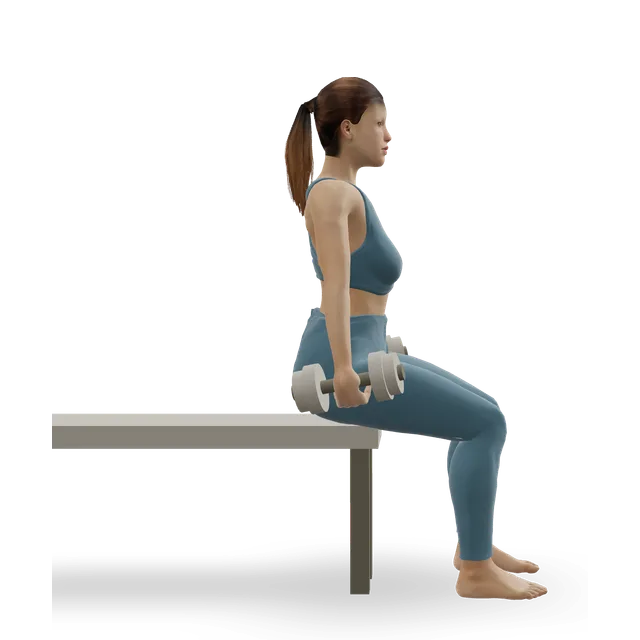
2 to 3 times a week: 1 set of 8 to 10 slow repetitions with a light weight, building to 3 sets, breathing out on the effort (UK cardiac rehab standards). Keep push-ups at the wall and stop lateral raises at shoulder height. In the first 6 weeks after a pacemaker or ICD, leave out the arm moves on that side.

Heart failure with preserved ejection fraction (HFpEF)

With preserved ejection fraction, trials show exercise improves fitness. How big and how lasting the benefit is remains less certain.

Fitness improvesEmerging evidence

In 8 trials (436 people), exercise raised peak oxygen uptake (the most oxygen your body can use, a measure of fitness) by about 1.7 ml/kg/min and 6-minute walking distance by about 34 m. A 2026 analysis of 15 trials (1,161 people, 63% women) found that combined cardio and strength training, interval training and steady moderate training all improved fitness. None changed ejection fraction or other heart scan measurements.

Sources 13, 14

Quality of life improves in pooled trialsEmerging evidence

In the 8 trials, quality-of-life scores improved too, and a 2025 review of 6 supervised training trials found better physical functioning and quality of life.

Sources 13, 25

How big the benefit isMixed evidence

The largest single trial, OptimEx-Clin (180 people, 67% women), compared 3 months of interval or moderate training with one-off activity advice. Fitness rose a little with both kinds of training, but neither reached the gain the researchers had set as meaningful (2.5 ml/kg/min), and there were no differences at a year. The 2026 analysis used a lower bar for a meaningful gain, but found no clear quality-of-life gain for any type of exercise training. So how big the benefit is remains uncertain.

Sources 26, 14

Keeping it upEmerging evidence

In trials of 12 weeks or less, people completed 76% to 90% of their sessions, but only 38% at 12 months. Choose something you can keep doing, and build it into your week.

Source 14

Weight loss adds to exerciseEmerging evidence

In 100 older people with obesity and preserved ejection fraction, 20 weeks of exercise and a lower-calorie diet each improved fitness, and together the gains added up. Quality of life didn't change significantly. Our weight loss guide has more.

Source 27

What to do

Moderate cardio plus light strength work, built up gradually, is the recommended base, as for other types of heart failure. Add harder intervals only once you're used to regular exercise and your team agrees.

Sources 15, 13

What to avoid, and harder exercise

Take care in the poolMixed evidence

The BHF says be careful in the pool, as you can work a lot harder when you're swimming than you realise. European guidance notes concerns about the extra blood returning to the heart in water, though water exercise may be safe for some people. Ask your team first; walking in the shallow end or gentle water exercise is a gentler start than lengths (our suggestion).

Sources 1, 15

Interval trainingEmerging evidence

In SMARTEX, 261 people with reduced ejection fraction did 12 weeks of supervised hard intervals or moderate training. Intervals were no better for heart size or fitness, half of the interval group trained below their target, and the gains had gone a year later. You don't need intervals to benefit; if you want to try them, do them within rehab or with your team's agreement.

Source 9

Competitive and hard sport

European sports cardiology guidance advises against high-intensity power and endurance sports with reduced ejection fraction, and says any return to sport should follow a full assessment by your team, once you're stable on treatment.

Source 15

Breathing muscle training

Training the breathing muscles with a small hand-held device can improve fitness and breathlessness in heart failure, especially for people who are very deconditioned. It needs the right device and settings, so ask your rehab team rather than starting on your own.

Source 15

Breathing exercises at home

Slow breathing with no holds suits a cool-down. Leave out breathing patterns with long breath-holds, because the BHF advises against holding your breath when you exercise.

Source 1

Fluid, weighing yourself and hot weather

Why weight matters

A build-up of fluid can cause sudden weight gain: as much as 3 kg in 1 or 2 days, the BHF says. The NHS says weigh yourself regularly, and ask for an urgent GP appointment or call NHS 111 if you've suddenly gained weight.

Sources 28, 2

How to weigh yourself

If your doctor or nurse asks you to weigh yourself every day, weigh at the same time each morning, after going to the toilet, in similar clothes, and write it down. Use the weight change your team gives you as the signal to contact them: NICE asks teams to give clear guidance on what to do if things get worse.

Sources 28, 3

Signs of fluid building up

Tell your heart failure team if you notice any of these. On those days, don't exercise (our suggestion, following the BHF's advice not to exercise when you're unwell or more breathless than normal).

  • Sudden weight gain.
  • Swollen legs, ankles or feet.
  • Shoes or clothes feeling tighter.
  • Feeling more breathless.
  • A bloated or full feeling in your tummy.
  • Needing extra pillows at night to breathe comfortably.

Sources 28, 1

Fluid limits and hot weather

NICE says not to routinely restrict salt or fluid, but some people are given a fluid limit for a medical reason. If you have one, never change it on your own. When the weather warms up, the BHF says check with your team whether to keep to it, and contact them for sudden weight gain, more swelling or breathlessness, extreme thirst, or feeling dizzy or unwell.

Sources 3, 29

Water tablets and dehydration

If you take a diuretic such as furosemide, check with your doctor how much you can drink; it's important not to get dehydrated. Peeing less than usual, dark yellow or brown pee, feeling dizzy or light-headed, feeling tired, sunken eyes and confusion are signs of being very dehydrated: call NHS 111.

Source 30

Drinks and exercise

On a fluid limit, ask your team how to fit drinks around exercise. In summer, exercise in the cooler part of the day, and stand up slowly after seated or floor exercise (our suggestions).

Sources 29, 23

Medicines and your heart rate

Never stop or change a heart medicine because you've started exercising. Ask your heart failure nurse, GP or pharmacist.

Beta blockers

Beta blockers slow your heartbeat and may make you feel more tired or less energetic. Use the talk test or the Borg scale rather than heart rate. If a beta blocker makes you dizzy, the NHS says not to drive, ride a bike or use machinery until the dizziness stops. Talk to your doctor if you want to change your exercise routine, and don't change your dose yourself.

Sources 5, 23, 31

Ivabradine and digoxin

Ivabradine is a heart-rate-lowering medicine, and digoxin slows your heart rate and makes it beat more strongly. Both mean heart rate targets don't fit: go by how the effort feels. The NHS says don't stop taking digoxin suddenly, as this could make your heart problems worse.

Sources 6, 7

A training heart rate

If you want a number, ask your rehab team: they can work out a training heart rate from an exercise test that allows for your medicines. The BHF asks people with a heart condition to check any heart rate target with their team.

Sources 32, 22

If your medicines make exercise hard

If a medicine leaves you dizzy, or too tired to exercise, tell your doctor or heart failure nurse rather than stopping it. Exercise works alongside your medicines, not instead of them.

Sources 5, 7

Devices

If you have an ICD or CRT device, exercise is still encouraged: our pacemaker and ICD guide covers the arm limits after it's fitted and what to do after a shock.

Sources 3, 20

Warm-up, cool-down and breathing

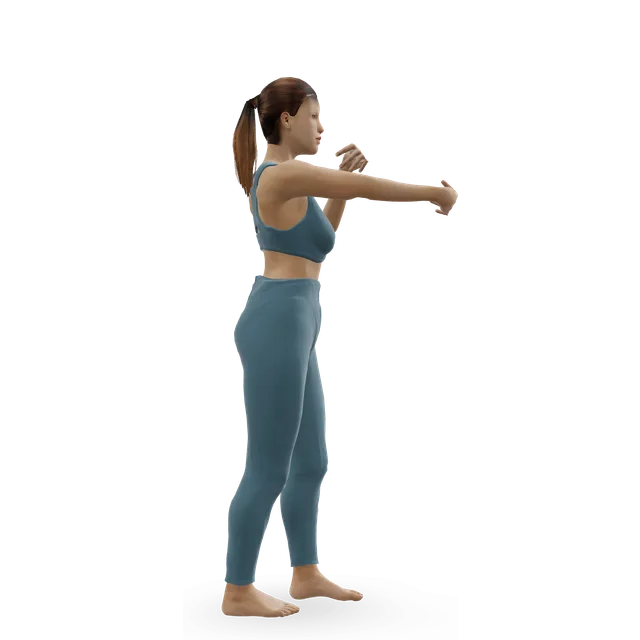
Mix these with marching in a warm-up of at least 15 minutes, and hold each stretch for 30 seconds in a cool-down of at least 10. Finish with slow breathing, sitting rather than lying down.

Workouts to follow

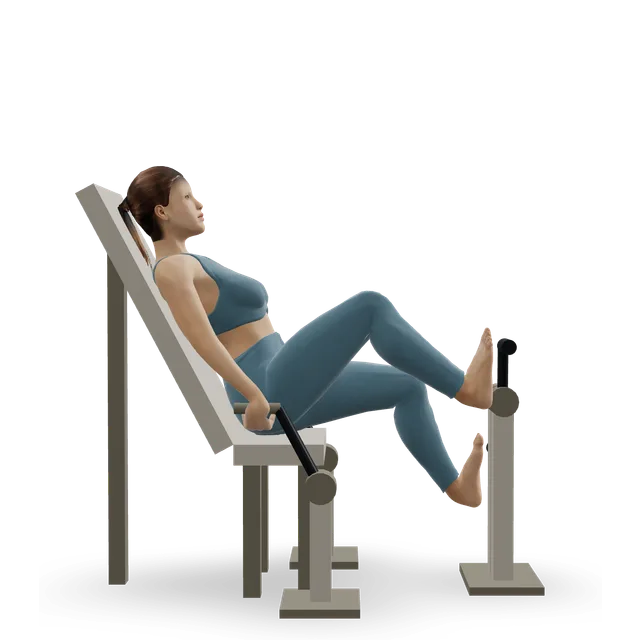
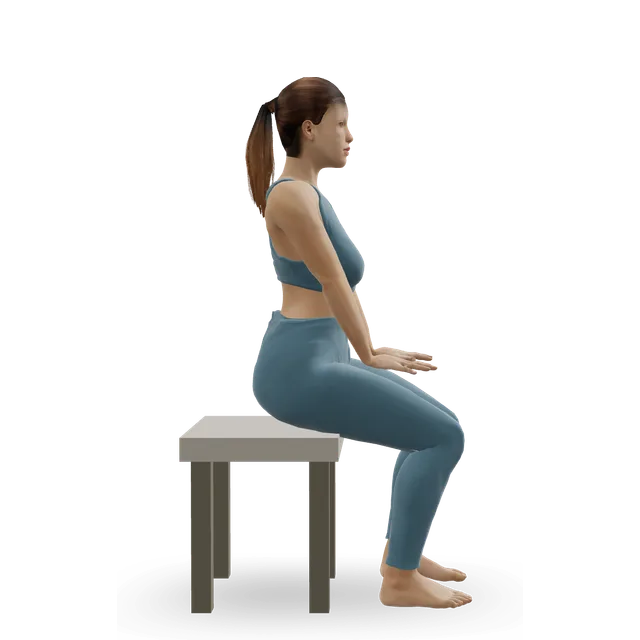
Use these after your rehab assessment, with your team's agreement. The heart failure session has a seated option for every move; the rehab-style session is mostly standing, for better days. Keep push-ups at the wall.

Plans

A walking plan gives structure towards 150 minutes a week once your team agrees. Build up more slowly than the plan if you need to.

Warning signs: when to stop and when to get help

A&E means accident and emergency. GTN is glyceryl trinitrate, the spray or tablets used for angina.

Call 999 now

Call 999 (911 in the US) if:

  • You have chest pain that feels tight or like squeezing on your chest.
  • You have chest pain that spreads to your arms, neck or jaw.
  • You're having severe difficulty breathing: you're gasping, choking or not able to get words out.
  • Your lips or skin are pale, blue or grey. On brown or black skin, this may be easier to see on the palms of the hands.
  • Someone has passed out and is not responding normally.

Source 33

While you wait for help

Don't drive yourself to A&E. Sit and rest on the floor with your knees bent and your back supported. Take a 300 mg aspirin if you have one and aren't allergic to aspirin, and use your GTN if you have angina. If someone stops responding and stops breathing, start CPR (cardiopulmonary resuscitation).

Source 33

A fast or irregular heartbeat

Call 999 or go to A&E if palpitations don't go away, or come with chest pain, shortness of breath, feeling faint or fainting. With a fast or irregular heartbeat, the NHS also lists sweating, feeling or being sick, dizziness, a severe headache, weakness or numbness on one side, blurred vision, and confusion or difficulty speaking as reasons to call 999. If palpitations have stopped, ask for an urgent GP appointment or call NHS 111.

Sources 34, 35

Fainting

Call 999 if someone has fainted while exercising, or while lying down. After any other faint, see a GP.

Source 36

Call NHS 111 or ask for an urgent GP appointment

  • You're suddenly more short of breath than usual.
  • You have chest pain and feel sick or are being sick.
  • You have chest pain and your heart feels like it's racing, going too slowly, skipping a beat or fluttering.
  • You have heart failure and feel breathless when lying down or from everyday activity, cough up frothy pink phlegm, or have suddenly gained weight.

Sources 33, 2

Stop exercising

Stop if you get palpitations (your heart pounding or skipping a beat), extreme shortness of breath or light-headedness, and stop if you run out of energy. The BHF says stop immediately and contact your GP if you feel unwell, very short of breath, or get chest pain, dizziness or palpitations while exercising. Call 999 for the signs above.

Sources 1, 37

Don't exercise today if

  • You feel unwell, or more tired or breathless than normal.
  • You've suddenly gained weight, or your legs, ankles or tummy are more swollen: contact your heart failure team.

Sources 1, 28

Tell your heart failure team

  • Light activities are getting harder.
  • You have any of the signs of fluid building up.
  • A medicine leaves you dizzy or too tired to exercise.

Sources 1, 28, 5

Who to contact

Your heart failure nurse or team first, then your GP or rehab team. The BHF Heart Helpline (0808 802 1234, Monday to Friday, 9am to 5pm) answers questions, and the NHS links to the heart failure charity Pumping Marvellous for more information.

Sources 1, 2

Myths

"With heart failure, you should rest"Strong evidence

That was the old advice. The BHF says keeping active is now known to improve symptoms and quality of life, and in trials, rehab probably cut hospital admissions (15.9% of people against 23.8%).

Sources 1, 8

"Exercise can reverse heart failure, so I can cut down my tablets"Strong evidence

The BHF says heart failure can't be cured and isn't reversible with exercise. Aerobic training raised ejection fraction by only about 2.6 percentage points on average in older trials. Your medicines carry the evidence for living longer: keep taking them.

Sources 1, 21, 3

"Exercise won't help a stiff heart"Emerging evidence

With preserved ejection fraction, exercise improved fitness and walking distance in trials without changing heart scan measurements, because it works on the muscles and blood vessels. How big the gains are is less certain.

Sources 13, 14, 26

"Lifting weights is dangerous with heart failure"Emerging evidence

Light resistance training improved strength, fitness and walking distance without harming heart function in trials. Keep it light, breathe out on the effort, and avoid heavy weights, breath-holding, press-ups and planks.

Sources 24, 1

"Swimming is the best exercise for heart failure"Mixed evidence

The BHF says take care in the pool, because you can work much harder when swimming than you realise, and European guidance notes concerns about water exercise. Ask your team first; walking and cycling are easier to pace.

Sources 1, 15

"Harder intervals give better results"Emerging evidence

In SMARTEX (261 people), intervals were no better than moderate training, and half the group didn't reach their interval target. With preserved ejection fraction (180 people), neither intervals nor moderate training beat simple advice by the amount the researchers had set as meaningful.

Sources 9, 26

"If my weight goes up, it's just what I'm eating"Strong evidence

In heart failure, sudden weight gain is often fluid, as much as 3 kg in 1 or 2 days, and needs your team or an urgent GP appointment.

Sources 28, 2

Questions people ask

Is it safe to exercise with heart failure?

For most people, yes, once your doctor or heart failure team agrees: keeping active improves symptoms and quality of life, and people used to be told to rest. In the largest trial, exercise training was well tolerated and safe. Start with cardiac rehab if you can, and don't exercise on days you feel unwell or more breathless than normal.

What is the best exercise for heart failure?

Walking or cycling at a moderate effort, where you're breathing harder but can still hold a conversation, plus light strength work with bands or light weights. Seated exercise counts too: a UK home trial let people choose a chair-based programme or walking. The best one is the one you'll do regularly.

How much exercise should I do with heart failure?

Start with 5 to 10-minute sessions, a few times a day if you like, and build up gradually towards 150 minutes a week. Trials built up over 2 to 3 months to at least 3 sessions a week. Your rehab team will set your level.

What exercises should I avoid with heart failure?

The British Heart Foundation says avoid lifting heavy weights, holding your breath, and using your whole body as a weight, such as press-ups or planks, and take care in the pool. European guidance advises against high-intensity power and endurance sports with reduced ejection fraction. Check with your team before anything new or harder.

Can exercise reverse heart failure or improve ejection fraction?

No: heart failure can't be cured and isn't reversible with exercise. In older trials, aerobic training raised ejection fraction by only about 2.6 percentage points on average, and it didn't change it in preserved ejection fraction. Exercise helps your muscles, lungs and blood vessels work better, so everyday life gets easier.

Does exercise help heart failure with preserved ejection fraction (HFpEF)?

Pooled trials found it improved fitness, walking distance and quality of life. The largest single trial found only small gains over simple activity advice, short of what its researchers counted as meaningful, so how big the benefit is remains uncertain. Moderate cardio plus light strength work is the recommended base, with weight loss if you're overweight.

Can I lift weights with heart failure?

Light resistance training is safe and improved strength, fitness and walking distance in trials. Use light weights, bands or tins for 8 to 10 slow repetitions, breathing out on the effort, and avoid heavy weights and breath-holding. Check with your team first.

Is swimming safe with heart failure?

Ask your team first: the British Heart Foundation warns that you can work a lot harder when you're swimming than you realise. European guidance notes concerns about the extra blood returning to the heart in water, though water exercise may be safe for some people. Walking and cycling are easier to pace.

Should I exercise if my ankles are swollen or I've put on weight?

Not that day: sudden weight gain, more swelling or more breathlessness can mean fluid is building up. Contact your heart failure team, or ask for an urgent GP appointment or call NHS 111 if you've suddenly gained weight.

What should my heart rate be when I exercise with heart failure?

Go by how it feels rather than a number: beta blockers, ivabradine and digoxin slow the heart, so formulas don't fit. Use the talk test or the Borg scale, or a training heart rate your rehab team works out from an exercise test.

Can I do interval training with heart failure?

You don't need it: in a trial of 261 people, intervals were no better than moderate training. If you want to try them, do them within rehab or with your team's agreement.

How do I get cardiac rehab for heart failure?

NICE says it should be offered to everyone with heart failure, at home, in the community or in hospital. Only about 1 in 6 eligible people in England start it, so ask your GP, cardiologist or heart failure nurse to refer you. The British Heart Foundation's Heart Helpline (0808 802 1234) can help.


Sources

  1. British Heart Foundation 2026 · Exercise for heart failure: tips for exercising safely
  2. NHS · Heart failure
  3. NICE NG106 · Chronic heart failure in adults: diagnosis and management (last updated September 2025)
  4. National Audit of Cardiac Rehabilitation 2025 · Quality and outcomes report (2024 data)
  5. NHS · Beta blockers
  6. NICE TA267 · Ivabradine for treating chronic heart failure (technology appraisal, 2012)
  7. NHS · Digoxin: common questions (review was due March 2026; opened 22 October 2026)
  8. Molloy 2024 · Exercise-based cardiac rehabilitation for adults with heart failure: 60 trials, 8,728 people (Cochrane review; abstract read)
  9. Ellingsen 2017 · High-intensity interval training in heart failure with reduced ejection fraction: the SMARTEX trial of 261 people (RCT, Circulation; abstract read)
  10. British Heart Foundation 2025 · Heart failure
  11. British Heart Foundation 2026 · UK cardiovascular disease factsheet
  12. Fukuta 2020 · Exercise training and heart function in heart failure with preserved ejection fraction (review, Cardiac Failure Review; abstract read)
  13. Fukuta 2019 · Exercise training in heart failure with preserved ejection fraction: 8 trials, 436 people (meta-analysis, Heart Failure Reviews; abstract read)
  14. Zheng 2026 · Exercise training in heart failure with preserved ejection fraction: 15 trials, 1,161 people (network meta-analysis, ESC Heart Failure; abstract read)
  15. Pelliccia 2021 · 2020 ESC guidelines on sports cardiology and exercise in patients with cardiovascular disease (European Society of Cardiology guideline, European Heart Journal; read as the online-first version)
  16. BACPR 2023 · Standards and core components for cardiovascular disease prevention and rehabilitation (British Association for Cardiovascular Prevention and Rehabilitation)
  17. Dalal 2019 · Home-based rehabilitation for heart failure with reduced ejection fraction: the REACH-HF trial of 216 people (RCT, European Journal of Preventive Cardiology)
  18. O'Connor 2009 · Exercise training in chronic heart failure: the HF-ACTION trial of 2,331 people (RCT, JAMA)
  19. Flynn 2009 · Exercise training and health status in heart failure: HF-ACTION (RCT, JAMA; abstract read)
  20. Piccini 2013 · Exercise training and ICD shocks in 1,053 people with heart failure in HF-ACTION (secondary analysis of an RCT, JACC Heart Failure; abstract read)
  21. Haykowsky 2007 · Exercise training and left ventricular remodelling in heart failure (meta-analysis, Journal of the American College of Cardiology; abstract read)
  22. ACPICR 2023 · Standards for physical activity and exercise in the cardiovascular population (Association of Chartered Physiotherapists in Cardiovascular Rehabilitation)
  23. British Heart Foundation 2025 · Staying active
  24. Fisher 2022 · Resistance training in heart failure (systematic review and meta-analysis, Heart Failure Reviews; abstract read)
  25. Leifer 2025 · Supervised exercise training and quality of life in heart failure with preserved ejection fraction: 6 trials (meta-analysis, Journal of Cardiopulmonary Rehabilitation and Prevention; abstract read)
  26. Mueller 2021 · Interval training, moderate training or activity advice in heart failure with preserved ejection fraction: the OptimEx-Clin trial of 180 people (RCT, JAMA; abstract read)
  27. Kitzman 2016 · Diet or exercise in 100 older people with obesity and heart failure with preserved ejection fraction (RCT, JAMA; abstract read)
  28. British Heart Foundation 2026 · Can heart failure cause sudden weight gain?
  29. British Heart Foundation 2026 · How do I manage fluid restriction in hot weather?
  30. NHS · Furosemide
  31. British Heart Foundation 2023 · How to exercise when you have atrial fibrillation
  32. British Heart Foundation 2025 · What should my heart rate be when I exercise?
  33. NHS · Heart attack
  34. NHS · Heart palpitations
  35. NHS · Atrial fibrillation
  36. NHS · Fainting
  37. British Heart Foundation 2026 · Chair exercises: 10-minute mobility workout for older people

Exercise education, not a diagnosis or treatment plan, and clinical review of these guides is pending. Stop and get advice for chest pain, unusual breathlessness, dizziness or fainting, or new pain, and check with your doctor or midwife first if they have told you to limit activity. Health disclaimer.