Sport

Ice hockey training: off-ice workouts, body checking ages, groins and concussion

Ice hockey is played in short shifts at close to full effort, with sharp turns, hard stops and, in many leagues, body checking. Off the ice, jumps added to strength training improved acceleration on the ice in high-level players, and short intervals built hockey fitness better than long ones. The sport's injuries follow its contact rules: where young players were allowed to body check, injuries and concussions were about three times as common.

This guide covers what hockey asks of your body, the common injuries, the body-checking ages in Canada, the US and England and the evidence behind them, groin and hip problems, neck guards, face protection and mouthguards, concussion protocols, and the off-ice training that helps you skate faster. It includes a 15-minute warm-up and an off-ice workout, with a 3D demo of every move.

The short version

Body checking raises young players' injuries

In 11 and 12-year-olds, leagues that allowed body checking had about three times the game injuries and four times the concussions of leagues that didn't. Across studies, banning checking in young players' leagues went with about 58% fewer concussions.

Sources 1, 2, 3

Checking ages differ by country

Hockey Canada allows body checking from under-15 (ages 13 and 14) in checking divisions, and USA Hockey from 14 and under; both ban it in girls' and women's hockey. England Ice Hockey's junior leagues allow it from under-14, for players aged 12 and 13.

Sources 4, 5, 6

Concussion: off at once, cleared before contact

Under Hockey Canada's protocol, players under 18 don't return to that game or practice, and need a letter from a doctor or nurse practitioner before any contact. In the UK, the grassroots concussion guidelines apply.

Sources 7, 8

Groins need strength

Groin strains are hockey's classic non-contact injury and peak in pre-season training camp. In National Hockey League (NHL) players, adductors much weaker than the abductors went with 17 times the risk of a strain.

Sources 9, 10

Full face shields work

In 642 university players, those in half visors had about twice the facial cuts and ten times the dental injuries of those in full shields, with no more neck injuries or concussions.

Source 11

Jumps before lifting for speed

In high-level players, adding jumps to the start of strength sessions improved acceleration on the ice more than strength training alone, in a small randomised trial.

Source 12

What ice hockey asks of your body

Short shifts at close to full effort

Players skate in shifts of about 30 to 80 seconds with longer rests on the bench, for 15 to 25 minutes of ice time a game. Nearly half the distance is at high speed, and heart rate climbs towards maximum on each shift. In a simulated game, under-20 national players covered about 6 km at an average 84% of maximum heart rate, and muscle fuel (glycogen) fell by half. The Compendium of Physical Activities gives ice hockey 8.0 metabolic equivalents (METs) in general and 10.0 when competitive, both estimated rather than measured.

Sources 13, 14, 15, 16

What goes with skating speedEmerging evidence

In 24 highly trained young players, squat strength and jump height explained about a quarter of their top skating speed in games. In 40 college players, only vertical jump related to skating speed, and in one university team, leg press, chin-ups, bench press and repeated sprints went with players' plus-minus scores (goals for and against while they were on the ice). These are associations.

Sources 17, 18, 19

Where the load falls

The sites the studies point to:

  • Groins: the skating stride pushes each leg out and back (our description), and adductor strains are hockey's commonest non-contact injury.
  • Hips: the extra bone of a cam hip shape is common in players and develops during the teenage growth spurt.
  • Heads and shoulders: body checking was the commonest cause of injury where it's allowed.
  • Necks and spines: the boards were the usual point of impact in spinal injuries.
  • Faces: sticks and pucks.

Sources 9, 10, 20, 21, 1, 22, 23

What to train (our reading)

Leg strength and jumps for acceleration, adductor strength for the groins, the upper body and trunk for contact and battles for the puck, short intervals for repeated shifts, and hip mobility within a comfortable range, especially for goalies.

Common injuries

Each study counted injuries its own way, so figures in different lines aren't comparable. Most studies come from Canada, the US and Finland.

How often players get hurtEmerging evidence

The numbers, by group:

  • Men's world championships, 2006 to 2013: 14.2 injuries per 1,000 player-games; women's: 6.4.
  • Finland's top men's league, 2017 to 2020: 12.9 injuries per 1,000 player-games; concussions were more common than knee or shoulder injuries.
  • US college men, 2014 to 2019: 7.65 injuries per 1,000 athlete-exposures (one player in one game or practice), games about 7 times practices; college women 5.89.
  • US high-school boys: 2.33 injuries costing time per 1,000 athlete-exposures, against 4.38 in college men.
  • US players aged 12 to 18: 1.58 concussions per 1,000 athlete-exposures; elite Canadian players aged 13 to 17: 17.6 concussions per 100 players a season.

Sources 24, 25, 23, 26, 27, 28, 29, 30

ConcussionEmerging evidence

Concussion was the commonest single injury in US college men (9.6%) and women (11.9%). In US players aged 12 to 18, over 40% of concussions involved illegal contact, and in elite Canadian players aged 13 to 17, 74% of concussions kept them out for more than 10 days. Two-thirds of US college women had hidden symptoms after at least one impact. Our concussion guide covers the graduated return.

Sources 26, 27, 29, 30, 31, 32

ShouldersEmerging evidence

Sprains of the acromioclavicular (AC) joint at the top of the shoulder were the commonest upper-limb injury in US college hockey (29.1% in men, 13.8% in women). In Canadian youth hockey, shoulder injuries were 83% less common where body checking wasn't allowed, and 39% kept players out for more than 4 weeks. Our AC joint, shoulder dislocation and broken collarbone guides cover these.

Sources 26, 33, 34, 23

Groin strainsEmerging evidence

In the NHL, groin and abdominal strains rose from 13 to 20 per 100 players a year in the 1990s; over 90% happened without contact, they were 5 times as common in training camp as in the regular season, and 23.5% were repeats. In US college practices, hip and pelvis strains were the commonest injury. Our groin strain, sports hernia and osteitis pubis guides cover these.

Sources 9, 35, 10

Hips: the cam shapeEmerging evidence

A cam is extra bone at the front of the ball of the hip. It was found in 75% of symptom-free players aged 10 to 18, against 42% of skiers, and in 69% of elite players' hips, though few had a positive impingement test. In 25 elite boys followed from about age 12, it developed mostly between 13 and 16, and in elite players it went with hip pain after the growth plates had closed. Our hip impingement guide explains that a bone shape on a scan isn't, by itself, the cause of pain.

Sources 20, 36, 21, 37

Knees and anklesEmerging evidence

Medial collateral ligament (MCL) tears were 3.7% of US college men's injuries, and in women's world championships the MCL made up 37% and the anterior cruciate ligament (ACL) 11% of knee injuries. NHL ACL injuries were uncommon, highest in forwards. College men most often bruised their feet blocking shots; women most often sprained an ankle. Our MCL sprain, ACL injury and sprained ankle guides cover these.

Sources 26, 25, 38, 39

Cuts to the face and neckEmerging evidence

Cuts were the commonest facial injury at men's world championships, mostly from sticks. In adults seen in US emergency departments, pucks caused 35% and sticks 23% of head and neck cuts, and neck cuts were rare. In a survey of 26,342 USA Hockey players, 1.8% had had a skate-blade cut to the neck.

Sources 24, 40, 41

Spinal injuriesEmerging evidence

Canada's registry recorded 355 spinal injuries in hockey from 1943 to 2011: 79% in the neck, 64% from hitting the boards and 36% from a check or push from behind. They've been less common since the peak years of 1982 to 1995. We don't have a guide to spinal injuries; our neck pain guide covers everyday neck pain.

Sources 22, 42

Who's at higher riskEmerging evidence

In 4,418 Canadian youth players, girls had more injuries and concussions than boys despite not body checking, and so did players with a previous injury or concussion and those in lower levels of play; goalies had fewer. Leg injuries were about twice as common in checking leagues. Games carried 6 to 8 times the risk of practices. These are associations.

Sources 43, 44, 45, 28

What prevents injuries

No warm-up programme has been tested on injuries in ice hockey. The strongest evidence is on body-checking rules, from Canadian cohort studies rather than randomised trials.

Banning body checking in young players' leaguesStrong evidence

What the Canadian studies found, by age:

  • Ages 11 and 12, 2,154 players in Alberta (checking) and Quebec (no checking): about 3 times the game injuries and 4 times the concussions where checking was allowed, and the same in severe injuries.
  • Ages 11 and 12, after Ontario banned checking in non-elite leagues: about 3 times the injuries and concussions where it was still allowed.
  • Ages 11 and 12, after Canada's national change in 2013: game injuries halved and concussions fell by 64% in Calgary.
  • Ages 13 and 14, non-elite: 56% fewer game injuries without checking; fewer concussions too, though not clearly.
  • Ages 15 to 17, non-elite: 62% fewer injuries and 51% fewer concussions without checking.
  • Across studies: 58% fewer concussions, with no sign of injuries moving elsewhere. On video, non-checking leagues had 82% to 84% fewer body checks, so the rule was followed.

Sources 1, 46, 2, 47, 48, 3, 49

Learning to check early doesn't protectEmerging evidence

In 1,647 players aged 13 and 14 in checking leagues, those with 1 or more years of checking had no fewer injuries or concussions than beginners. At 15 to 17, players with 3 or more years of checking had about 2.5 times the injuries and concussions of those with 2 or fewer. Hospital records from Ontario and Quebec found no protective effect from learning to check earlier.

Sources 50, 51, 52

Head-contact rules work when they're enforcedMixed evidence

After Canada's 2011 "zero tolerance for head contact" rule, recorded concussions rose rather than fell, probably because more were recognised, and video showed head contacts didn't change: only 12% to 14% were penalised. After stricter penalties from 2018, direct head contacts fell by 30%. In elite under-15 girls' games, body checks were 70% fewer than in boys' games but head contacts were as common, and only 5.4% were penalised. In the US, emergency visits for youth hockey concussion fell after USA Hockey's 2011 rule changes. Hockey Canada's rule now reads: "There is no type of legal contact to the head, face, or neck."

Sources 53, 54, 55, 56, 57, 4

Flexible boards and glassEmerging evidence

At international tournaments, arenas with flexible boards and glass had 29% fewer injuries, and concussions from hitting the boards were much rarer than with traditional boards.

Sources 24, 58

Groin strains: the NHL programmeEmerging evidence

In 47 NHL players, those who later strained a groin had 18% weaker adductors before the season, and adduction under 80% of abduction strength went with 17 times the risk. In the same team, 33 of 58 players judged at risk did 6 weeks of exercises to strengthen the adductors; strains fell from 3.2 to 0.71 per 1,000 player-game exposures compared with the two earlier seasons. The exercises, doses and how many sessions players did weren't reported, and there was no comparison group.

Sources 10, 59, 9

The Copenhagen programme, borrowed from footballEmerging evidence

In semi-professional footballers randomised by team, the Copenhagen adductor exercise, 3 times a week in pre-season for 6 to 8 weeks and then once a week, cut groin problems by 41%. It hasn't been tested in hockey; our off-ice workout uses it and says so. In 87 young US players, adductors were usually as strong as the abductors, and only 5 had a ratio under 80% on one or both sides.

Sources 60, 61

Never check or push from behindEmerging evidence

Spinal injuries fell after education and rules against checking from behind, which the registry's authors link with the decline. Hockey Canada gives at least a minor penalty and a game misconduct for hitting from behind anywhere on the ice, and a match penalty for driving a player who can't protect themselves into the boards. Keep your head up going into the boards (our suggestion).

Sources 22, 42, 4

What isn't shownMixed evidence

Measures without good evidence in hockey:

  • A warm-up programme: none has been tested on injuries in ice hockey.
  • Neck strengthening to prevent concussion: the link between neck strength and concussion was small and very low certainty across team sports.
  • Monitoring training load or fitness tests to prevent injury: in 159 junior elite players, training load wasn't linked with injury, and in 133 Norwegian professionals the least fit had no more injuries, though their problems were more severe.

Sources 62, 63, 64

Training for performance

Jumps plus strengthEmerging evidence

In 18 high-level players doing 5 strength sessions a week for 8 weeks, those who did jumps at the start of 3 sessions improved 10 m acceleration on the ice more than those who did core exercises instead. Squat strength, broad jumps and fitness improved in both groups. A small trial in high-level players.

Source 12

Extra strength sessions for young playersEmerging evidence

In 43 elite players aged 15 to 18, randomised to two extra 60-minute functional strength sessions a week or other games and swimming, forward skating speed over 5, 15 and 30 m improved more with strength training; backward skating didn't.

Source 65

Resisted sprintsEmerging evidence

In 24 young players over 8 weeks, sled-resisted sprints done on the ice improved cornering and top speed on the ice more than bodyweight training; jumps and sprints off the ice improved similarly in all groups.

Sources 66, 67

Flywheel or free weightsEmerging evidence

In 18 elite under-18 to under-21 players, 8 off-season weeks of flywheel training or barbells and free weights improved jumps and sprints by similar amounts.

Source 68

Short intervals for hockey fitnessEmerging evidence

In 16 well-trained teenage players, 9 weeks of short intervals (3 sets of 13 × 30 seconds) 3 times a week improved an on-ice fitness test by 13.9%, against 3.7% for 5-minute intervals. In 17 youth national-team players, 4 weeks of 6 to 10 all-out 20-second skating sprints with 2 minutes' rest, 3 times a week, improved an intermittent fitness test on the ice by 14%.

Sources 69, 70

Alternating strength and endurance weeksEmerging evidence

In 16 well-trained players doing the same total training for 6 weeks, alternating weeks that focused on strength and power or on endurance improved aerobic fitness (5.1% against 1.1%) and fast leg strength more than mixing both every week.

Source 71

GoaliesMixed evidence

No training trials have been done in goalies. They have the most cam hip shape, often larger and further to the side, so build strength through a comfortable range and get hip pain checked rather than forcing deeper butterfly positions (our suggestion).

Sources 36, 72

Fitting it around hockey

Off-season, spring and summer: high-level players in the trial did 5 strength sessions a week with jumps in 3; 2 or 3 sessions a week, jumps first, is a reasonable target for most players (our suggestion). Pre-season: short intervals or all-out sprints 3 times a week for 4 to 9 weeks, and the Copenhagen exercise 3 times a week, since groin strains peak in training camp.

In season: 1 or 2 short strength sessions a week to hold strength, with no heavy legs or hard jumping in the 48 hours before a game (our suggestion).

Sources 12, 69, 70, 9, 60

Body checking: the ages and the evidence

These are the national rules. Local associations and leagues can set their own, so check yours.

Hockey CanadaStrong evidence

No body checking in under-13 and younger, in female hockey, and in any other divisions a member association approves; an intentional check, bump, shove or push there is at least a minor penalty, and a major and game misconduct if it's violent or someone is hurt. Checking starts at under-15 (ages 13 and 14) in checking divisions: Canada's 2013 national change moved it up from ages 11 and 12. Hockey Canada teaches checking as a 4-step progression (positioning and angling, stick checks, body contact, then body checking), and its coaching guide tells coaches to check with their local association which ages and levels allow the last step.

Sources 4, 2, 73

USA HockeyStrong evidence

No body checking at 12 and under, in all girls' and women's hockey, and in non-checking adult hockey. These levels play "competitive contact": players may hold their position going for the puck, which isn't the same as no contact. Checking starts at 14 and under in boys' hockey, and local bodies may ban it at any level.

Source 5

England Ice Hockey's junior leaguesStrong evidence

Under-10 and under-12 games are non-checking. Under-14 (players aged 12 and 13 on 31 December), under-16 and under-19 games allow checking, so England's juniors start a year earlier than Canada's and the US's.

Source 6

Women's hockey under international rulesStrong evidence

Under the International Ice Hockey Federation's (IIHF) rules for women's hockey, hits like a men's body check are penalised as an "illegal hit": two players going for the puck may push and lean into each other, but may not use the boards to pin or eliminate an opponent, and any move to step or glide into an opponent is at least a minor penalty. Players should check their own league's rules.

Source 74

The paediatricians' viewStrong evidence

The American Academy of Pediatrics recommends more non-checking programmes and body checking only at elite levels of boys' hockey, from no earlier than 15. In 87 concussed players aged 10 to 18 seen at one Canadian clinic, body checking was the commonest cause and most of those concussions led to lasting symptoms; the authors argue for checking from 18.

Sources 75, 76

CostsEmerging evidence

In economic studies alongside the Canadian cohorts, healthcare costs at ages 11 and 12 were 2.5 times higher where checking was allowed, and banning checking at ages 13 and 14 cut injuries and public healthcare costs. After the 2013 national change at ages 11 and 12, injuries fell, though the difference in costs wasn't clear.

Sources 77, 78, 79

Concussion protocols

Hockey Canada's protocolStrong evidence

A player with a suspected concussion comes off at once and should be assessed by a doctor or nurse practitioner as soon as possible; players under 18 don't return to that game or practice. Red flags, such as loss of consciousness, a fit, a worsening headache, repeated vomiting or neck pain, mean an ambulance, and untrained people shouldn't remove equipment or move the player. The return to hockey has six steps, at least 24 hours each, with no minimum number of days:

  • Step 1: daily activities and relative rest for the first 24 to 48 hours, with little screen time.
  • Step 2: light aerobic exercise, such as walking or an exercise bike for 10 to 15 minutes up to about 55% of maximum heart rate, then moderate exercise up to about 70%.
  • Step 3: skating and individual drills with no risk of a head impact, for 20 to 30 minutes, in a "No Contact" bib.
  • Before step 4: back at school, and a Medical Clearance Letter from a doctor or nurse practitioner.
  • Steps 4 to 6: non-contact team drills, then full-contact practice, then games. Symptoms after clearance mean going back to step 3 and being cleared again.

Source 7

In the UKStrong evidence

We didn't find a separate concussion protocol from Ice Hockey UK or England Ice Hockey; the UK guidelines for grassroots sport cover all sport: if in doubt, sit them out, NHS 111 (the National Health Service's urgent advice line) or a healthcare professional within 24 hours, a graduated return, and no competition before day 21. Our concussion guide covers the stages.

Source 8

In the USStrong evidence

Every US state requires a young player with a suspected concussion to be removed and cleared by a healthcare professional before returning, rather than setting a minimum number of days. Fourteen states explicitly ban returning the same day.

Source 80

Girls and womenEmerging evidence

Girls had higher concussion rates than boys in the largest Canadian youth study, despite not body checking, and head contacts were as common in elite girls' games as in boys'. Two-thirds of US college women had hidden symptoms at least once. The same rules and kit protect everyone.

Sources 44, 56, 31

Neck guards, face protection and mouthguards

Neck guards: the rulesStrong evidence

Compulsory for minor and female hockey in Canada, for every age group except adults in USA Hockey (and strongly recommended for adults), for all England Ice Hockey juniors from under-10 to under-19, and for every player at every IIHF event.

Sources 4, 5, 6, 74

Neck guards: the evidenceEmerging evidence

They lower the risk but don't remove it. Of USA Hockey players who'd had a skate-blade cut to the neck, 27% were wearing a guard at the time, and the cuts in 33 who were followed up were superficial. In laboratory tests, most guards held at moderate force but nearly all failed at the highest, and guards made with Spectra fibres resisted cuts best.

Sources 41, 81

Full face protectionStrong evidence

In 642 Canadian university players, half visors went with about twice the facial cuts and ten times the dental injuries of full shields, with no more neck injuries or concussions, and concussed players in full shields lost less time. Full face protection is compulsory in Canada except in senior and major junior hockey, where a visor will do (in men's recreational hockey, face protection is recommended but optional), for England Ice Hockey juniors, and at IIHF under-18 and women's events.

Sources 11, 4, 6, 74

MouthguardsEmerging evidence

In 3,330 Canadian players aged 11 to 18, those who wore a mouthguard had a 28% lower concussion rate, an association; the age of their helmet made no difference. USA Hockey requires a mouthguard from 12 and under to 18 and under and in girls' 19 and under, and recommends one fitted by a dentist; the IIHF recommends them. Across sports, mouthguards clearly protect teeth and jaws.

Sources 82, 5, 74, 83

Hips and goalies

Cam shape is common, and often painlessEmerging evidence

In elite players, 69% of hips had a cam shape, but few had a positive impingement test. It develops mostly between 13 and 16, and researchers suspect the sport's demands during growth, though the cause isn't proven. In elite players, a cam went with hip pain after the growth plates had closed.

Sources 36, 20, 21, 37

GoaliesEmerging evidence

Goalies had the most cam shape, about 94% in elite players, and butterfly-style goalies with painful hips had larger cams, further to the side, than other players with painful hips.

Sources 36, 72

Specialising earlyMixed evidence

In 66 players with painful hips, those who'd specialised more in hockey were more likely to have a cam, an association with wide margins of error.

Source 84

What to do

No study has tested a way to prevent a cam. For hip pain, our hip impingement guide starts with at least 3 months of exercise-based treatment, and a scan finding isn't, by itself, the cause. Our off-ice workout keeps squats to a comfortable depth.

A warm-up for ice hockey

Built on the site's warm-up guide (editorial): no warm-up programme has been tested on injuries in ice hockey. The extra groin and hip work is our choice, because groin strains are hockey's commonest non-contact injury. The leg swing, stretch and bridge doses are the site's dynamic warm-up's.

  1. Raise: 3 minutes of jogging or an exercise bike, then 2 × 20 m of skipping and 2 × 10 m of sideways shuffles each way.
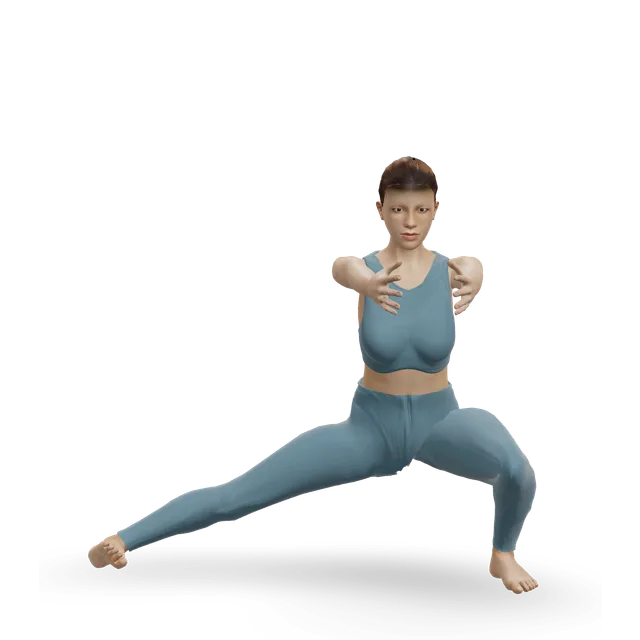
  2. Hips and groins: 8 front-to-back and 8 side-to-side leg swings on each leg, letting the swing grow, then 4 Cossack squats each side.
  3. Open the hips and back: 3 world's greatest stretches each side.
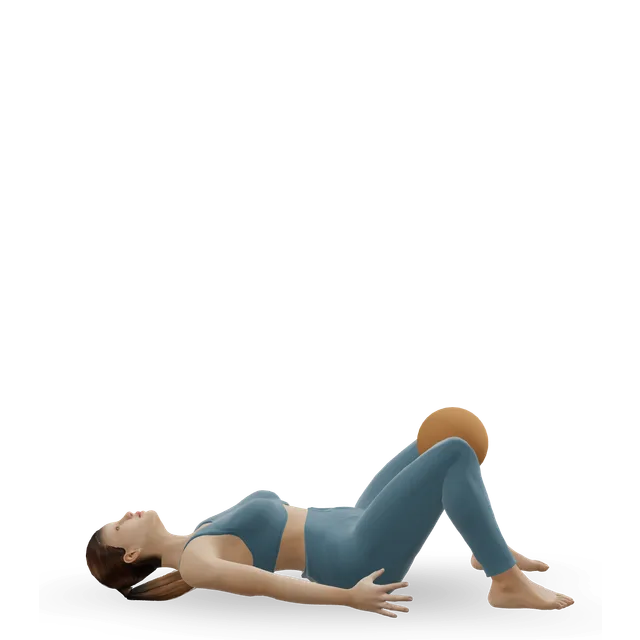
  4. Activate: 10 band walks each way and 10 glute bridges, then squeeze a small ball between your knees for 5 seconds, 3 times, building gently.
  5. Trunk: a 20-second side plank on each side.
  6. Power: 2 × 4 lateral bounds each side, pushing off like a skating stride and holding each landing for 2 seconds.
  7. On the ice: 2 or 3 easy laps, crossovers both ways, then 3 short accelerations before drills.
  8. Goalies: 5 slow 90/90 switches each side and 8 frog rocks, then butterfly drops on the ice from shallow to full depth.

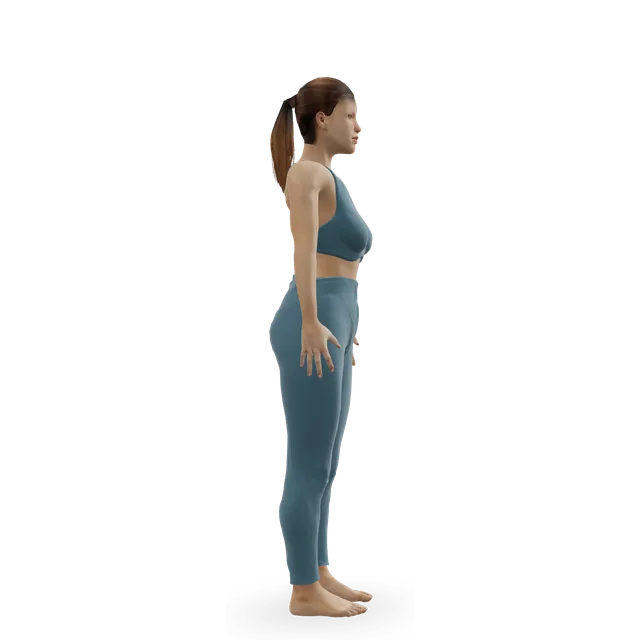
Loading the 3D figure…

Gets into position, then repeats the movement. Technical checks passed; qualified exercise review is pending.

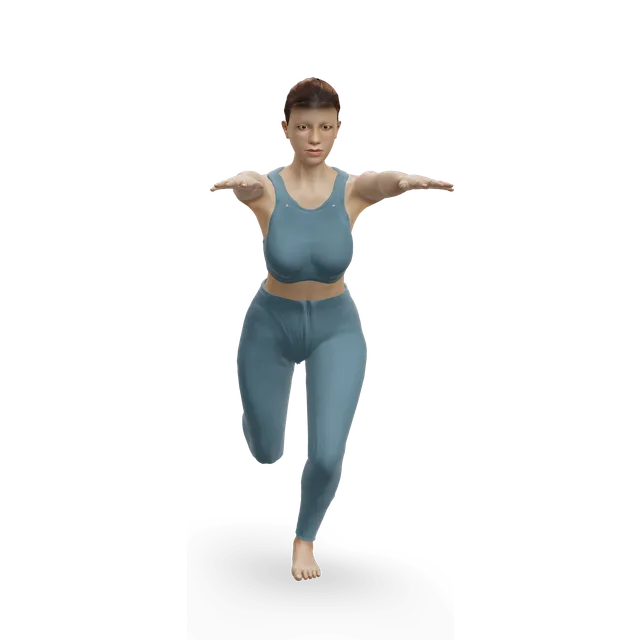
The movement on the figure: Lateral bound (skater jump)

Moves for ice hockey

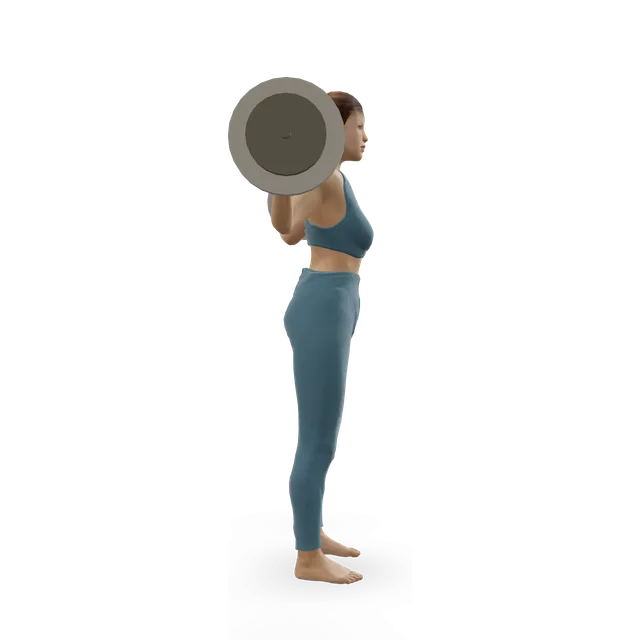
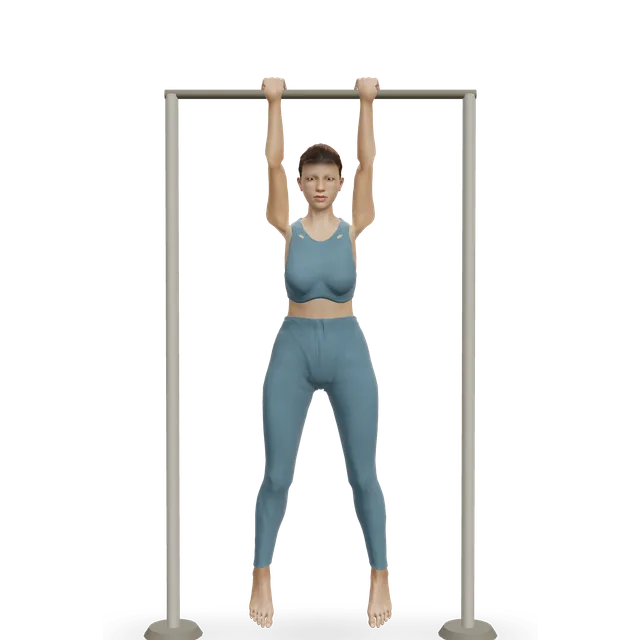
The off-ice workout's jumps and lifts, the Copenhagen exercise for the groins, and the warm-up's hip work. Each has a 3D demo.

Workouts

The first two are new: the warm-up and an off-ice session. The others add the full hamstring and groin programme, jumps, leg strength, hip mobility, interval fitness, trunk work, balance, and light exercise after a concussion.

Ice hockey warm-up: hips and groins off the ice

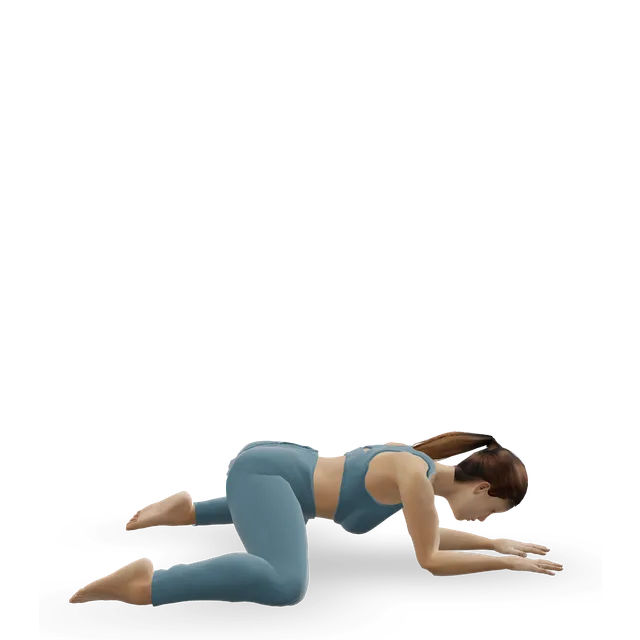
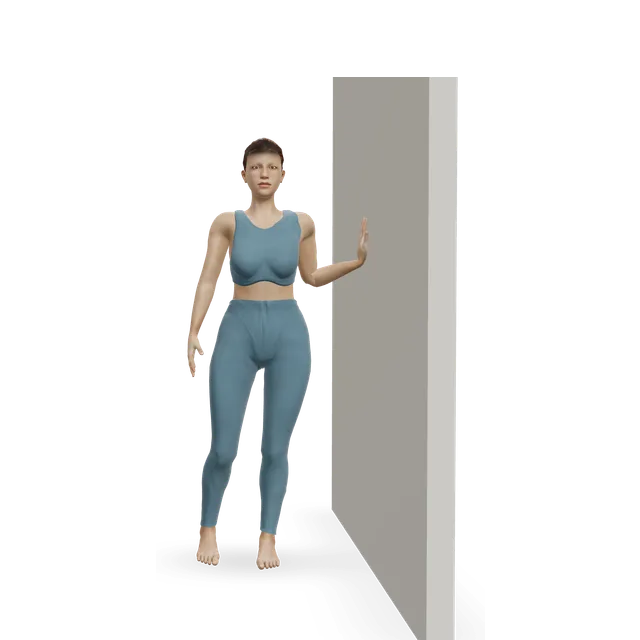
A 15-minute ice hockey warm-up: a jog or bike, skips and shuffles, leg swings, Cossack squats, band walks, bridges, ball squeezes, side planks and bounds.

15 minBeginner14 movesCardio machine, A wall

Off-ice hockey workout: jumps, legs, groins and trunk

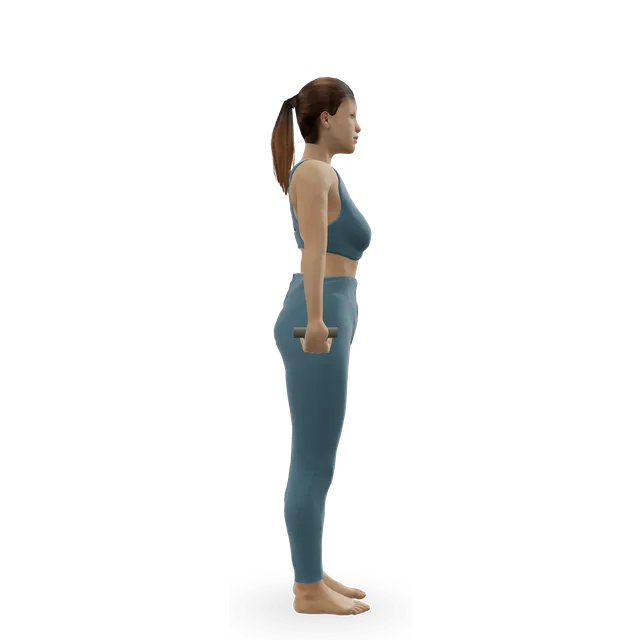
A 50-minute off-ice session for ice hockey: lateral bounds and broad jumps, squats, split squats, single-leg hinges, chin-ups, Copenhagen planks and trunk work.

50 minIntermediate13 movesA wall, A band

Hamstring and groin injury prevention

The Nordic hamstring and Copenhagen adduction programmes from the football trials: a 10-week build, three adductor levels, then once a week in season.

15 minIntermediate6 movesA wall, An anchor point

Plyometric workout

An advanced jump training session: pogo hops, box jumps, split squat jumps, broad jumps and depth jumps.

30 minAdvanced8 movesA bench or box, A step

Lower body gym workout

A gym lower body workout for legs and glutes: trap bar deadlifts, hip thrusts, reverse lunges, leg curls, hip abduction, calf raises and core.

50 minIntermediate13 movesOther / check instructions, A barbell

Hip mobility routine

A 15-minute hip opener: 90/90 switches, windshield wipers, CARs, Cossack squats, frog and pigeon.

15 minIntermediate8 movesA wall

Cardio intervals workout

A 25-minute interval session on a bike or rower: one-minute hard efforts with two minutes easy, building from 4 to 8 rounds.

25 minIntermediate1 movesCardio machine

Norwegian 4x4 interval workout

The Norwegian 4x4, a well-studied interval session for raising VO2 max: four 4-minute hard efforts with 3 easy minutes between, on a bike, rower or treadmill.

40 minIntermediate3 movesCardio machine, A wall

McGill big 3 core routine

The McGill big three for the core: curl-ups, side planks and bird dogs, each held for 10 seconds at a time in falling sets of 5, 3 and 1 reps.

12 minBeginner3 movesNo equipment

Balance exercises routine

Balance practice in 10 minutes: tandem stance, single-leg stands, marches, heel walks, tree pose and floor transfers.

10 minBeginner7 movesA wall, A bench or box

Light exercise after a concussion: the stage 3 session

A 20-minute light session after a concussion: a symptom check, 10 to 15 minutes of easy cycling or walking, gentle bodyweight moves and a cool-down.

20 minBeginner8 movesCardio machine, A bench or box

Plans

Two or three strength sessions a week suit the off-season; drop to one or two in season.

Who should check first

Everyone: seven questions

The PAR-Q+ (Physical Activity Readiness Questionnaire for Everyone) asks about a heart condition or high blood pressure, chest pain, dizziness or losing consciousness, other long-term conditions and their medicines, a bone or joint problem that activity could make worse, and being told to exercise only under supervision. If you answer yes to any, check with your doctor or a qualified exercise professional first. If you're over 45 and not used to hard exercise, ask a qualified exercise professional before the hardest sessions, and delay if you're ill.

Source 85

After a concussion, or with symptoms

A concussion history went with more concussions in Canadian youth players. Follow your protocol: a Medical Clearance Letter before contact under Hockey Canada's, or the UK guidelines' graduated return with no competition before day 21.

Sources 44, 7, 8

Groin pain, or a groin strain before

A quarter of NHL groin strains were repeats, and weak adductors went with more strains. Use our groin strain guide first, then build adductor strength before the season.

Sources 9, 10, 60

Teenagers and goalies with hip pain

Pain on deep bending or turning in a growing player, or in a goalie, needs checking: see our hip impingement guide, which starts with exercise.

Sources 21, 37, 36

Fainting or chest pain

The NHS advises seeing a GP if you've fainted, and to call 999 if you faint while exercising; the PAR-Q+ asks you to check first if you get chest pain or dizziness. Do that before you play.

Sources 86, 87, 85

People with epilepsy

Our epilepsy guide explains that in the International League Against Epilepsy's grouping, ice hockey could injure you but not others, and that contact sports carry a risk of head injury, so wear the recommended head protection.

Pregnant

The NHS advises against sports with a risk of falling or bumping your tummy, and names hockey. Talk to your midwife or GP; off-ice training may suit (our suggestion), and our pregnancy guide has more.

Source 88

Parents choosing a league

Checking leagues had about three times the game injuries at ages 11 and 12, and more injuries at every older youth age studied. Where your rules offer non-checking leagues, that's worth knowing (our reading).

Sources 1, 48

When to stop and get help

A head injury: call 999

The NHS says to call 999 if someone has hit their head and:

  • Has been knocked out and hasn't woken up, or can't stay awake or keep their eyes open.
  • Has a fit (seizure).
  • Has problems with their vision or hearing, or clear fluid coming from their ears or nose.
  • Has new numbness or weakness in any part of their body, or problems with walking, balance, understanding, speaking or writing.
  • Has a dent in their head, or their behaviour has changed, such as being more irritable or distracted.

Source 89

Suspected concussion

Stop playing: if in doubt, sit them out. Under the UK guidelines, there's no return that day, an assessment within 24 hours by a healthcare professional or NHS 111, and no competition before day 21; under Hockey Canada's protocol, players under 18 don't return to that game or practice. Contact NHS 111 straight away if they're being sick, feel dizzy or take medicine that thins the blood.

Sources 8, 7, 89

A neck or back injury after hitting the boards

Neck pain, a fit, a worsening headache or repeated vomiting are red flags: call an ambulance. Don't remove the player's helmet or equipment unless you're trained to, don't move them, and don't leave them alone.

Sources 7, 8

A skate cut or a deep cut

Press on the wound firmly with a clean, folded cloth. Call 999 or go to A&E (accident and emergency) if the bleeding won't stop, the blood spurts and is bright red, or there's a bad cut on the face.

Source 90

A puck or stick to the face

Go to A&E or call 999 if an eye was hit at high speed, your sight has changed, or the eye is very painful. A broken tooth needs a dentist: keep any piece in milk or saliva. Call 999 or go to A&E for a nosebleed that won't stop or clear fluid from the nose.

Sources 91, 92, 93

A shoulder or collarbone injury

Go to A&E if you can't move your arm, or the shoulder looks out of place or has changed shape. For a suspected broken collarbone, go to A&E if the shoulder has changed shape or swollen very quickly, bone is through the skin, or you have difficulty breathing or chest pain.

Sources 94, 95

Fainting or chest pain: call 999

Call 999 if someone faints while exercising, or has chest pain that doesn't go away, spreads to the arms, neck, jaw, stomach or back, or comes with sweating, feeling sick, light-headedness or breathlessness.

Sources 86, 87

Myths

"Kids should learn to body check early so they're ready later"Emerging evidence

Players with more years of checking had no fewer injuries at 13 and 14, and more injuries and concussions at 15 to 17. Hospital data found no protective effect from learning earlier.

Sources 50, 51, 52

"Banning body checking just moves injuries somewhere else"Strong evidence

Across studies, banning checking had no unintended injury consequences; non-checking leagues had far fewer body checks and head contacts, and injuries fell at every youth age studied.

Sources 3, 49, 48

"Full face shields make players reckless"Emerging evidence

In university players, full shields cut facial cuts and dental injuries without more neck injuries or concussions, and concussed players lost less time.

Source 11

"A neck guard makes skate cuts impossible"Emerging evidence

Guards lower the risk but don't remove it: some players were cut while wearing one, and most guards failed at the highest force in laboratory tests.

Sources 41, 81

"Girls' hockey has no checking, so concussion isn't a worry"Emerging evidence

Girls had higher concussion rates than boys in the same Canadian study, and head contacts were as common in elite girls' games as in boys'.

Sources 44, 56

"Stretching the groin prevents groin strains"Emerging evidence

In NHL players, adductor flexibility didn't predict strains, but adductor strength did, and across sports stretching programmes didn't prevent injuries.

Sources 10, 96

"A cam hip on a scan means you need surgery"Emerging evidence

Most elite players' hips had a cam, mostly without a positive impingement test. Our hip impingement guide starts with exercise, and a bone shape isn't, by itself, the cause of pain.

Source 36

"Head-contact rules work on their own"Emerging evidence

After Canada's 2011 rule, head contacts didn't change and few were penalised; stricter penalties later cut direct head contacts by 30%. Rules need enforcing.

Sources 54, 55

Questions people ask

What are the best off-ice exercises for hockey?

Squats, split squats and single-leg hinges for the legs, jumps such as lateral bounds and broad jumps before your strength work, chin-ups, and the Copenhagen adductor exercise for the groins. In high-level players, adding jumps to strength training improved acceleration on the ice more than strength alone, and in young elite players two extra strength sessions a week made forward skating faster.

At what age is body checking allowed?

In Canada, from under-15 (ages 13 and 14) in checking divisions; in USA Hockey, from 14 and under; in England Ice Hockey's junior leagues, from under-14, for players aged 12 and 13. Hockey Canada and USA Hockey ban body checking in girls' and women's hockey, and the international rules for women's hockey penalise checking-style hits. Local leagues can set their own rules, so check yours.

Does body checking cause more injuries?

Yes. Canadian studies found about three times the game injuries and concussions in 11 and 12-year-olds where checking was allowed, and fewer injuries in non-checking leagues at 13 and 14 and at 15 to 17 too. Across studies, banning checking went with 58% fewer concussions and no unintended consequences.

How do I prevent groin strains in hockey?

Build adductor strength before the season: NHL players whose adductors were weak compared with their abductors were 17 times as likely to strain one. The Copenhagen adductor exercise is the best-tested routine, from football, and build up gradually into training camp, when strains peak.

Do hockey players have to wear neck guards?

In most youth hockey, yes: Hockey Canada for minor and female hockey, USA Hockey for every age group except adults, England Ice Hockey for all juniors, and every IIHF event. They lower the risk of a skate cut but don't remove it.

Should hockey players wear a mouthguard?

Yes. USA Hockey requires one from 12 and under to 18 and under, and in Canadian youth players, those who wore one had a 28% lower concussion rate, an association. Across sports, mouthguards clearly protect teeth and jaws.

What is the concussion protocol in hockey?

Under Hockey Canada's protocol, a player with a suspected concussion is removed at once and assessed by a doctor or nurse practitioner, players under 18 can't return to that game or practice, and a Medical Clearance Letter is needed before any activity with a risk of contact or falls; there's no set number of days. In the UK, the grassroots guidelines apply, with no competition before day 21.

Why do hockey players get hip impingement?

Many develop a cam, extra bone at the front of the ball of the hip, between about 13 and 16; the cause isn't certain, though researchers suspect the sport's demands during growth. It was found on 69% of elite players' hips, most without symptoms. Painful hips start with exercise-based treatment, as our hip impingement guide explains.

How should hockey players do conditioning?

With short, hard intervals: 3 sessions a week of 30-second skating intervals improved an on-ice fitness test far more than 5-minute intervals in teenage players, and 4 weeks of 20-second all-out sprints with 2-minute rests raised youth national players' fitness. The all-out sprints also raised aerobic fitness by about 5%.

Is full face protection required?

In Canadian minor and female hockey, England Ice Hockey's junior leagues and IIHF under-18 and women's events, yes. In university players, full shields cut facial cuts and dental injuries without more neck injuries or concussions.
Sources

  1. Emery 2010 · Risk of injury associated with body checking among youth ice hockey players (JAMA)
  2. Black 2017 · The risk of injury associated with body checking among Pee Wee ice hockey players: an evaluation of Hockey Canada's national body checking policy change (Br J Sports Med)
  3. Eliason 2023 · Prevention strategies and modifiable risk factors for sport-related concussions and head impacts: a systematic review and meta-analysis (Br J Sports Med)
  4. Hockey Canada · Playing Rules 2024 to 2026 (protective equipment, body-checking, checking from behind and head contact)
  5. USA Hockey · Official Rules of Ice Hockey 2025 to 2029 (equipment and body checking)
  6. England Ice Hockey · Junior Ice Hockey League rules of competition 2025 to 2026 (formats, ages and equipment)
  7. Hockey Canada 2025 · Concussion protocol, with the hockey-specific return-to-sport steps
  8. UK Government and Sport and Recreation Alliance 2024 · UK concussion guidelines for non-elite (grassroots) sport, November 2024 update
  9. Emery 1999 · Groin and abdominal strain injuries in the National Hockey League (Clin J Sport Med)
  10. Tyler 2001 · The association of hip strength and flexibility with the incidence of adductor muscle strains in professional ice hockey players (Am J Sports Med)
  11. Benson 1999 · Head and neck injuries among ice hockey players wearing full face shields vs half face shields (JAMA)
  12. Dæhlin 2017 · Improvement of Ice Hockey Players' On-Ice Sprint With Combined Plyometric and Strength Training (Int J Sports Physiol Perform)
  13. Vigh-Larsen 2024 · The physiology of ice hockey performance: An update (Scand J Med Sci Sports)
  14. Vigh-Larsen 2020 · Muscle Metabolism and Fatigue during Simulated Ice Hockey Match-Play in Elite Players (Med Sci Sports Exerc)
  15. Montgomery 1988 · Physiology of ice hockey (Sports Med)
  16. Compendium of Physical Activities 2024 · Sports: MET values (adult compendium)
  17. Keiner 2024 · Maximum Strength and Power as Determinants of Match Skating Performance in Elite Youth Ice Hockey Players (J Strength Cond Res)
  18. Runner 2016 · Predictors of Speed Using Off-Ice Measures of College Hockey Players (J Strength Cond Res)
  19. Peyer 2011 · Physiological characteristics of National Collegiate Athletic Association Division I ice hockey players and their relation to game performance (J Strength Cond Res)
  20. Philippon 2013 · Prevalence of increased alpha angles as a measure of cam-type femoroacetabular impingement in youth ice hockey players (Am J Sports Med)
  21. Hanke 2021 · A Cam Morphology Develops in the Early Phase of the Final Growth Spurt in Adolescent Ice Hockey Players: Results of a Prospective MRI-based Study (Clin Orthop Relat Res)
  22. Tator 2016 · Update and Overview of Spinal Injuries in Canadian Ice Hockey, 1943 to 2011: The Continuing Need for Injury Prevention and Education (Clin J Sport Med)
  23. Hirvelä 2024 · Acute injuries in male elite ice hockey players. A prospective cohort study (JSAMS Plus)

  24. Tuominen 2015 · Injuries in men's international ice hockey: a 7-year study of the International Ice Hockey Federation Adult World Championship Tournaments and Olympic Winter Games (Br J Sports Med)

  25. Tuominen 2016 · Injuries in women's international ice hockey: an 8-year study of the World Championship tournaments and Olympic Winter Games (Br J Sports Med)
  26. Boltz 2021 · Epidemiology of Injuries in National Collegiate Athletic Association Men's Ice Hockey: 2014-2015 Through 2018-2019 (J Athl Train)
  27. Chandran 2021 · Epidemiology of Injuries in National Collegiate Athletic Association Women's Ice Hockey: 2014-2015 Through 2018-2019 (J Athl Train)
  28. Lynall 2018 · The First Decade of Web-Based Sports Injury Surveillance: Descriptive Epidemiology of Injuries in US High School Boys' Ice Hockey (2008-2009 Through 2013-2014) and National Collegiate Athletic Association Men's and Women's Ice Hockey (2004-2005 Through 2013-2014) (J Athl Train)
  29. Kontos 2016 · Incidence of Concussion in Youth Ice Hockey Players (Pediatrics)
  30. Schneider 2021 · Concussion Burden, Recovery, and Risk Factors in Elite Youth Ice Hockey Players (Clin J Sport Med)
  31. Brook 2017 · Incidence of Sports-Related Concussion Among NCAA Women's Ice Hockey Athletes (Orthop J Sports Med)
  32. Ruhe 2014 · The incidence of concussion in professional and collegiate ice hockey: are we making progress? A systematic review of the literature (Br J Sports Med)
  33. Melvin 2018 · Epidemiology of Upper Extremity Injuries in NCAA Men's and Women's Ice Hockey (Am J Sports Med)
  34. Gibson 2024 · Shoulder Check: Investigating Shoulder Injury Rates, Types, Severity, Mechanisms, and Risk Factors in Canadian Youth Ice Hockey (Clin J Sport Med)
  35. Agel 2007 · Descriptive epidemiology of collegiate men's ice hockey injuries: National Collegiate Athletic Association Injury Surveillance System, 1988-1989 through 2003-2004 (J Athl Train)
  36. Lerebours 2016 · Prevalence of Cam-Type Morphology in Elite Ice Hockey Players (Am J Sports Med)
  37. Siebenrock 2013 · Prevalence of cam-type deformity and hip pain in elite ice hockey players before and after the end of growth (Am J Sports Med)
  38. Longstaffe 2020 · Anterior Cruciate Ligament Injuries in the National Hockey League: Epidemiology and Performance Impact (Clin J Sport Med)
  39. Crowley 2019 · Epidemiology of Foot and Ankle Injuries in National Collegiate Athletic Association Men's and Women's Ice Hockey (Orthop J Sports Med)
  40. Bacon 2025 · The Puck Stops Here: Head and Neck Ice Hockey Lacerations in Adults (Laryngoscope)
  41. Stuart 2009 · Skate blade neck lacerations: a survey and case follow-up (Clin J Sport Med)
  42. Tator 2009 · Spinal injuries in Canadian ice hockey: an update to 2005 (Clin J Sport Med)
  43. Eliason 2024 · Safe2Play in youth ice hockey: injury profile and risk factors in a 5-year Canadian longitudinal cohort study (Ann Med)
  44. Eliason 2023 · Factors Associated With Concussion Rates in Youth Ice Hockey Players: Data From the Largest Longitudinal Cohort Study in Canadian Youth Ice Hockey (Clin J Sport Med)
  45. Eliason 2025 · Factors Associated With Lower Extremity Injury Rates in Youth Ice Hockey Players (J Orthop Sports Phys Ther)
  46. Black 2016 · Policy change eliminating body checking in non-elite ice hockey leads to a threefold reduction in injury and concussion risk in 11- and 12-year-old players (Br J Sports Med)
  47. Emery 2020 · Does disallowing body checking in non-elite 13- to 14-year-old ice hockey leagues reduce rates of injury and concussion? A cohort study in two Canadian provinces (Br J Sports Med)
  48. Emery 2022 · Body checking in non-elite adolescent ice hockey leagues: it is never too late for policy change aiming to protect the health of adolescents (Br J Sports Med)
  49. Kolstad 2022 · Evaluating the Effect of Policy Prohibiting Body Checking on Physical Contacts in U15 and U18 Youth Ice Hockey Leagues (Clin J Sport Med)
  50. Eliason 2022 · No association found between body checking experience and injury or concussion rates in adolescent ice hockey players (Br J Sports Med)
  51. Eliason 2022 · Bodychecking experience and rates of injury among ice hockey players aged 15-17 years (CMAJ)
  52. Macpherson 2006 · Body-checking rules and childhood injuries in ice hockey (Pediatrics)
  53. Krolikowski 2017 · The Effect of the 'Zero Tolerance for Head Contact' Rule Change on the Risk of Concussions in Youth Ice Hockey Players (Am J Sports Med)
  54. Williamson 2021 · Incidence of Head Contacts, Penalties, and Player Contact Behaviors in Youth Ice Hockey: Evaluating the 'Zero Tolerance for Head Contact' Policy Change (Orthop J Sports Med)
  55. Williamson 2022 · Does Increasing the Severity of Penalties Assessed in Association With the 'Zero Tolerance for Head Contact' Policy Translate to a Reduction in Head Impact Rates in Youth Ice Hockey? (Clin J Sport Med)
  56. Williamson 2023 · Physical Contact and Suspected Injury Rates in Female versus Male Youth Ice Hockey: A Video-Analysis Study (Clin J Sport Med)
  57. Morrissey 2022 · Male Youth Ice Hockey Concussion Incidence in a USA Hockey Membership-Adjusted Population: A Peak in 2011 and the Impact of Major Rule Changes (Clin J Sport Med)
  58. Tuominen 2017 · Concussion in the international ice hockey World Championships and Olympic Winter Games between 2006 and 2015 (Br J Sports Med)
  59. Tyler 2002 · The effectiveness of a preseason exercise program to prevent adductor muscle strains in professional ice hockey players (Am J Sports Med)
  60. Harøy 2019 · The Adductor Strengthening Programme prevents groin problems among male football players: a cluster-randomised controlled trial (Br J Sports Med)
  61. Olson 2022 · Hip Adduction and Abduction Strength Profiles Among Bantam, High School, Juniors, and Collegiate American Ice Hockey Players (Int J Sports Phys Ther)
  62. Garrett 2023 · The Relationship Between Neck Strength and Sports-Related Concussion in Team Sports: A Systematic Review With Meta-analysis (J Orthop Sports Phys Ther)
  63. Nordstrøm 2022 · Association of Training and Game Loads to Injury Risk in Junior Male Elite Ice Hockey Players: A Prospective Cohort Study (Orthop J Sports Med)
  64. Nordstrøm 2022 · Association Between Preseason Fitness Level and Risk of Injury or Illness in Male Elite Ice Hockey Players: A Prospective Cohort Study (Orthop J Sports Med)
  65. Bieniec 2025 · Does functional strength training program improve ice speed and agility in young elite ice hockey players? Functional strength training's impact on hockey performance (Front Physiol)
  66. Dietze-Hermosa 2024 · The Impact of an 8-Week Resisted Sprint Training Program on Ice Skating Performance in Male Youth Ice Hockey Players (J Strength Cond Res)
  67. Dietze-Hermosa 2025 · Resisted Sprint Training Improves Overground Sprint, Jump, and Isometric Mid-Thigh Pull Kinetics and Kinematics in Male Youth Ice Hockey Players: A Randomized Control Trial (J Hum Kinet)
  68. Puustinen 2023 · Effects of Flywheel vs. Traditional Resistance Training on Neuromuscular Performance of Elite Ice Hockey Players (J Strength Cond Res)
  69. Rønnestad 2021 · Superior On-Ice Performance After Short-Interval vs. Long-Interval Training in Well-Trained Adolescent Ice Hockey Players (J Strength Cond Res)
  70. Sommer Jeppesen 2022 · Four Weeks of Intensified Training Enhances On-Ice Intermittent Exercise Performance and Increases Maximal Oxygen Consumption of Youth National-Team Ice Hockey Players (Int J Sports Physiol Perform)
  71. Rønnestad 2019 · Block periodization of strength and endurance training is superior to traditional periodization in ice hockey players (Scand J Med Sci Sports)
  72. Ross 2015 · Characterization of symptomatic hip impingement in butterfly ice hockey goalies (Arthroscopy)
  73. Hockey Canada · Teaching checking: the four-step checking progression (coaching resource, introduction)
  74. International Ice Hockey Federation (IIHF) · Official Rule Book 2026/27 (neck guards, mouthguards and women's hockey)
  75. American Academy of Pediatrics 2014 · Reducing injury risk from body checking in boys' youth ice hockey (policy statement, Pediatrics)
  76. Tator 2023 · Persisting Concussion Symptoms from Bodychecking: Unrecognized Toll in Boys' Ice Hockey (Can J Neurol Sci)
  77. Lacny 2014 · Reality check: the cost-effectiveness of removing body checking from youth ice hockey (Br J Sports Med)
  78. Currie 2021 · Reality Check 2: The Cost-Effectiveness of Policy Disallowing Body Checking in Non-Elite 13- to 14-Year-Old Ice Hockey Players (Int J Environ Res Public Health)
  79. Currie 2022 · An Economic Evaluation of Disallowing Body Checking in 11- to 12-Year-Old Ice Hockey Leagues (Sports Health)
  80. Shah 2026 · Sports-related concussion laws in the United States in children and adolescents: an updated cross-sectional review of state statutes (J Neurosurg Pediatr)
  81. Loyd 2015 · The most cut-resistant neck guard for preventing lacerations to the neck (Clin J Sport Med)
  82. Kolstad 2023 · Protective equipment in youth ice hockey: are mouthguards and helmet age relevant to concussion risk? (Br J Sports Med)
  83. Knapik 2019 · Effectiveness of Mouthguards for the Prevention of Orofacial Injuries and Concussions in Sports: Systematic Review and Meta-Analysis (Sports Med)
  84. Nguyen 2023 · Moderate and High Sport Specialization Level in Ice Hockey Athletes Is Associated With Symptomatic Cam Deformity (Sports Health)
  85. PAR-Q+ Collaboration 2025 · The Physical Activity Readiness Questionnaire for Everyone (PAR-Q+)
  86. NHS · Fainting
  87. NHS · Chest pain
  88. NHS · Exercise in pregnancy
  89. NHS · Head injury and concussion
  90. NHS · Cuts and grazes
  91. NHS · Eye injuries
  92. NHS · Chipped, broken or cracked tooth
  93. NHS · Broken nose
  94. NHS · Dislocated shoulder
  95. NHS · Broken collarbone
  96. Lauersen 2014 · The effectiveness of exercise interventions to prevent sports injuries: a systematic review and meta-analysis of randomised controlled trials (Br J Sports Med)

Exercise education for people who play sport, not a personal prescription or a diagnosis, and clinical review of these pages is pending. Check with a GP or physiotherapist before hard training if you have a heart condition, chest pain, dizziness or an injury that isn't settling, and stop for sharp or increasing pain. Health disclaimer.